Apartment Rules And Regulations In The Philippines
Description
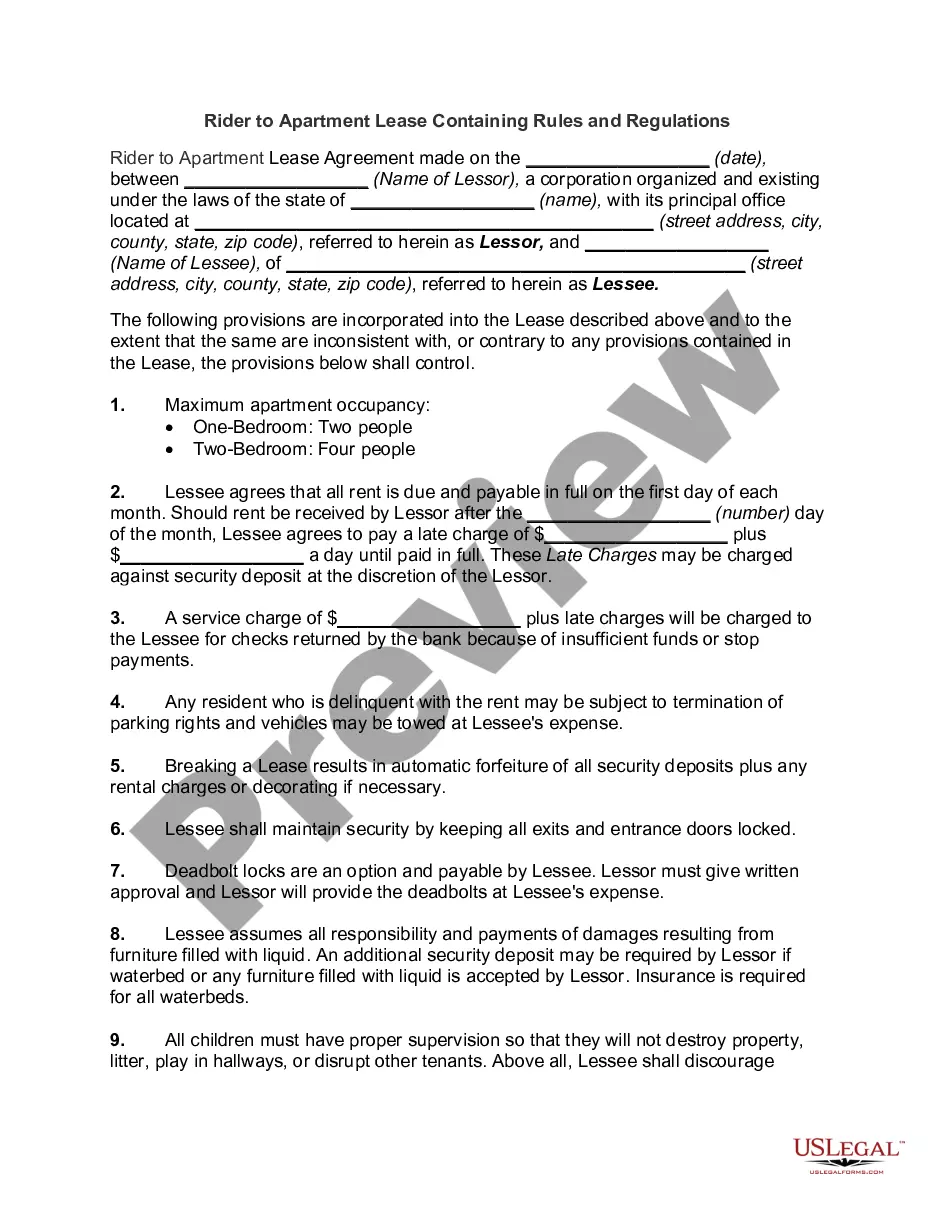
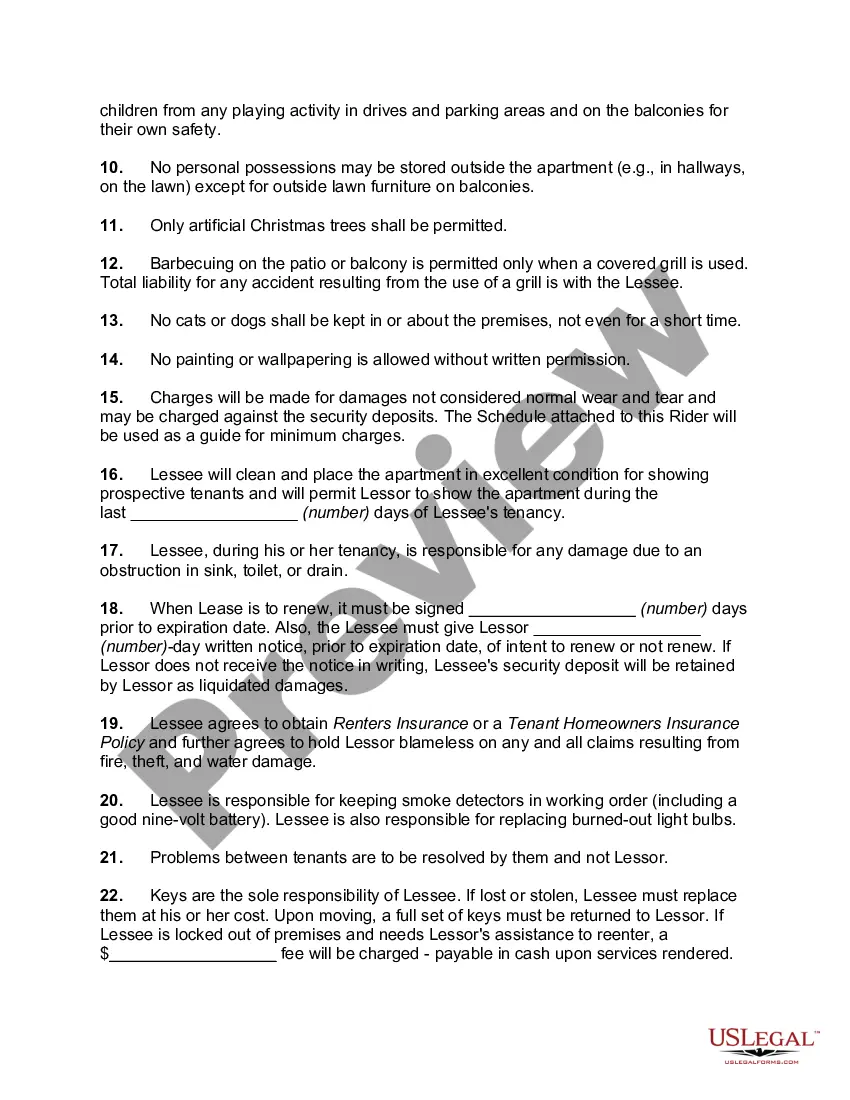
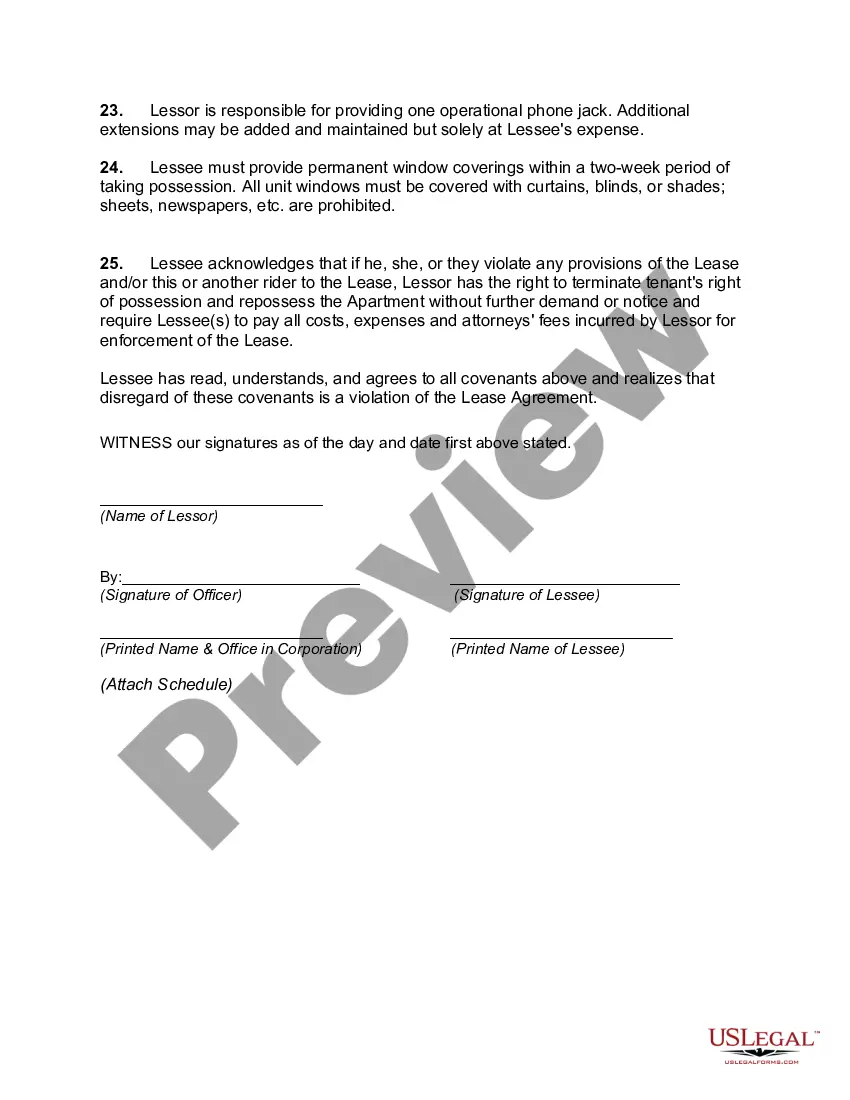
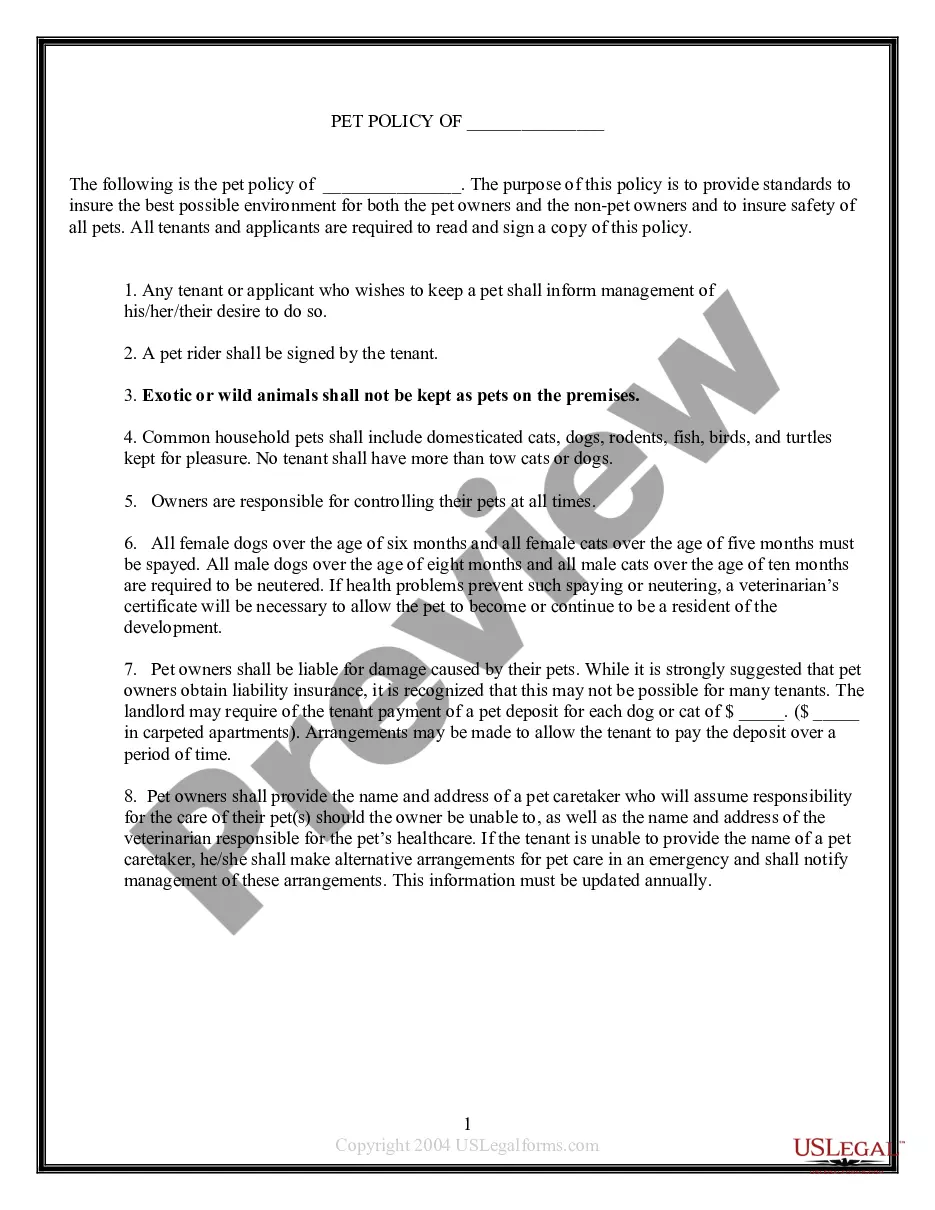
Get your form ready online
Our built-in tools help you complete, sign, share, and store your documents in one place.
Make edits, fill in missing information, and update formatting in US Legal Forms—just like you would in MS Word.
Download a copy, print it, send it by email, or mail it via USPS—whatever works best for your next step.
Sign and collect signatures with our SignNow integration. Send to multiple recipients, set reminders, and more. Go Premium to unlock E-Sign.
If this form requires notarization, complete it online through a secure video call—no need to meet a notary in person or wait for an appointment.
We protect your documents and personal data by following strict security and privacy standards.

Make edits, fill in missing information, and update formatting in US Legal Forms—just like you would in MS Word.

Download a copy, print it, send it by email, or mail it via USPS—whatever works best for your next step.

Sign and collect signatures with our SignNow integration. Send to multiple recipients, set reminders, and more. Go Premium to unlock E-Sign.

If this form requires notarization, complete it online through a secure video call—no need to meet a notary in person or wait for an appointment.

We protect your documents and personal data by following strict security and privacy standards.
Looking for another form?
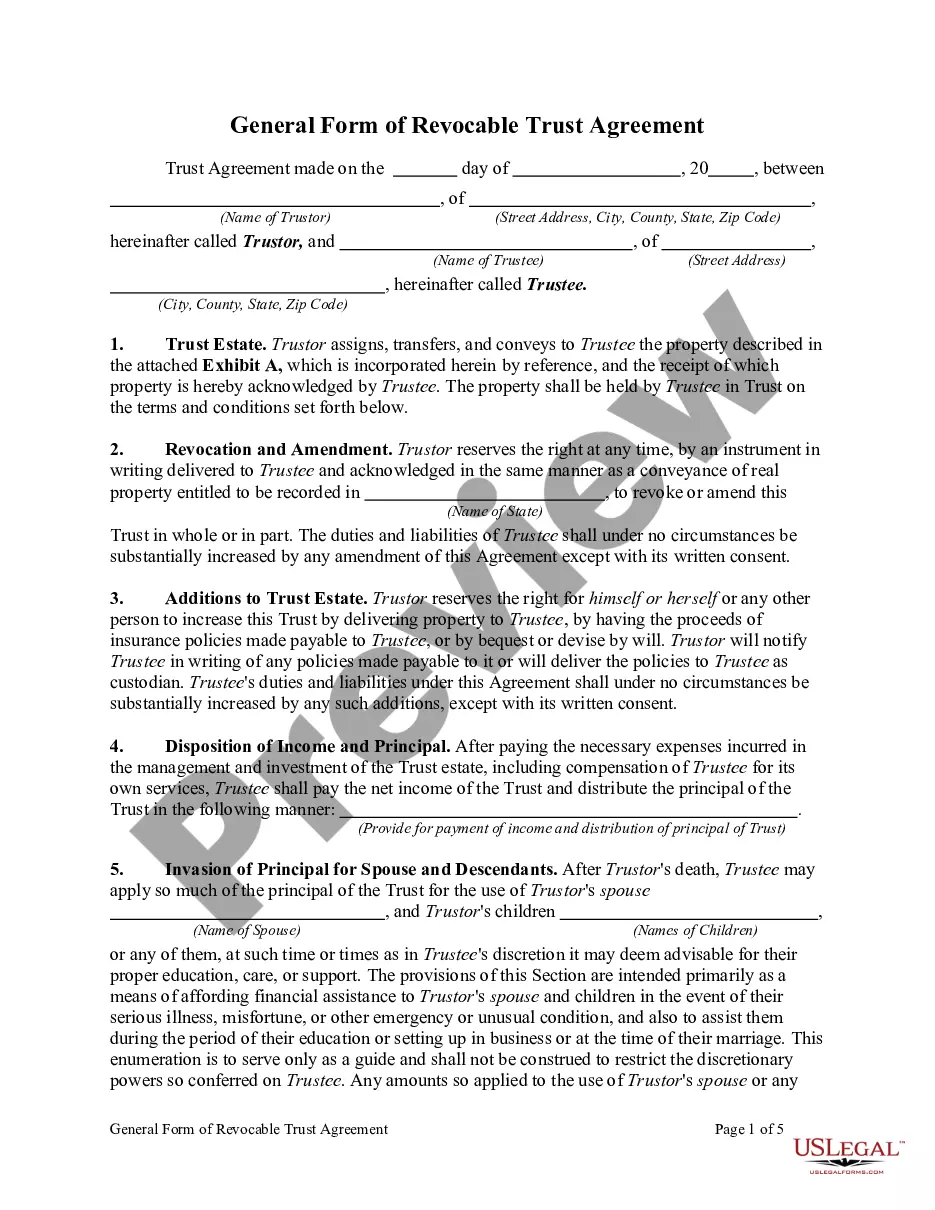
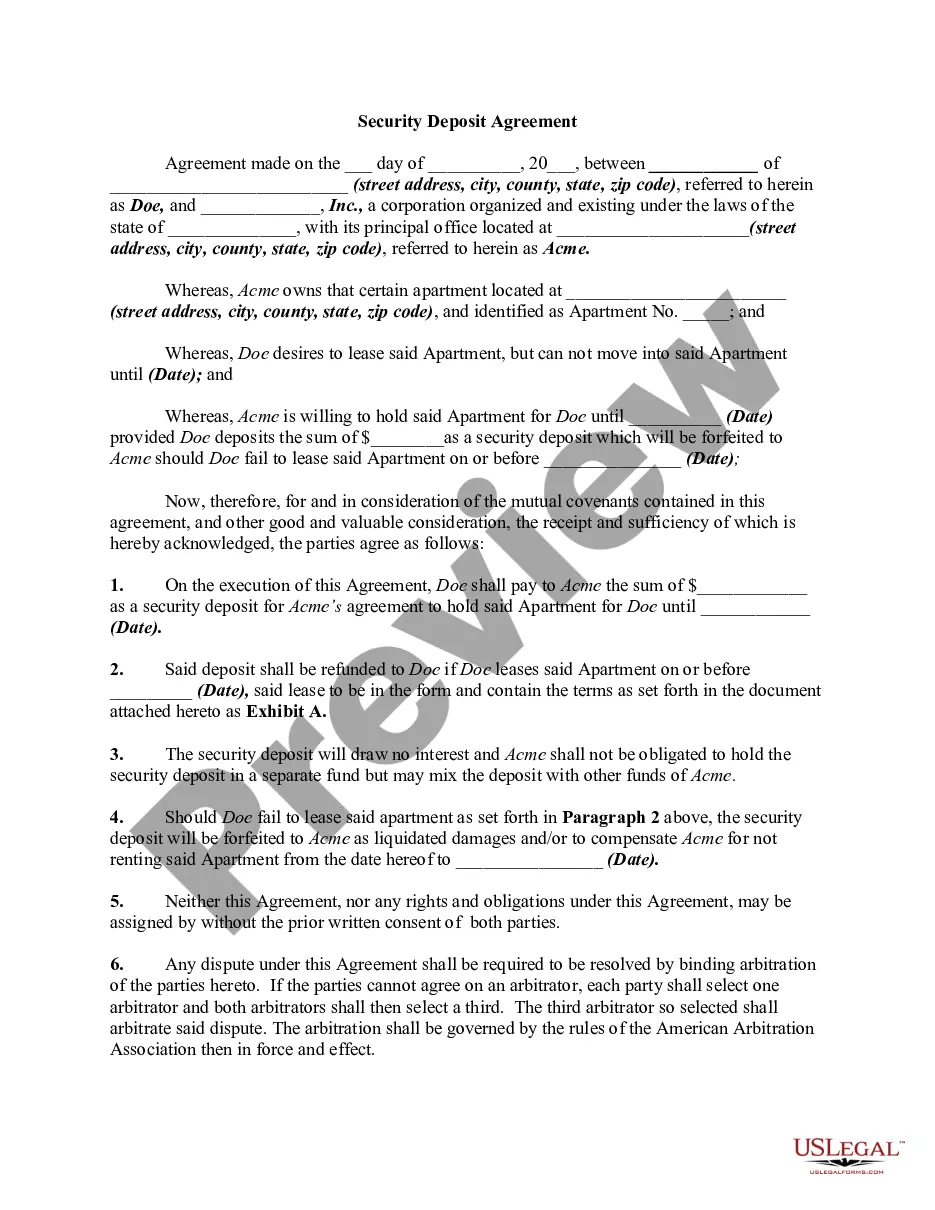


How to fill out Rider To Lease Of Apartment With Rules And Regulations?
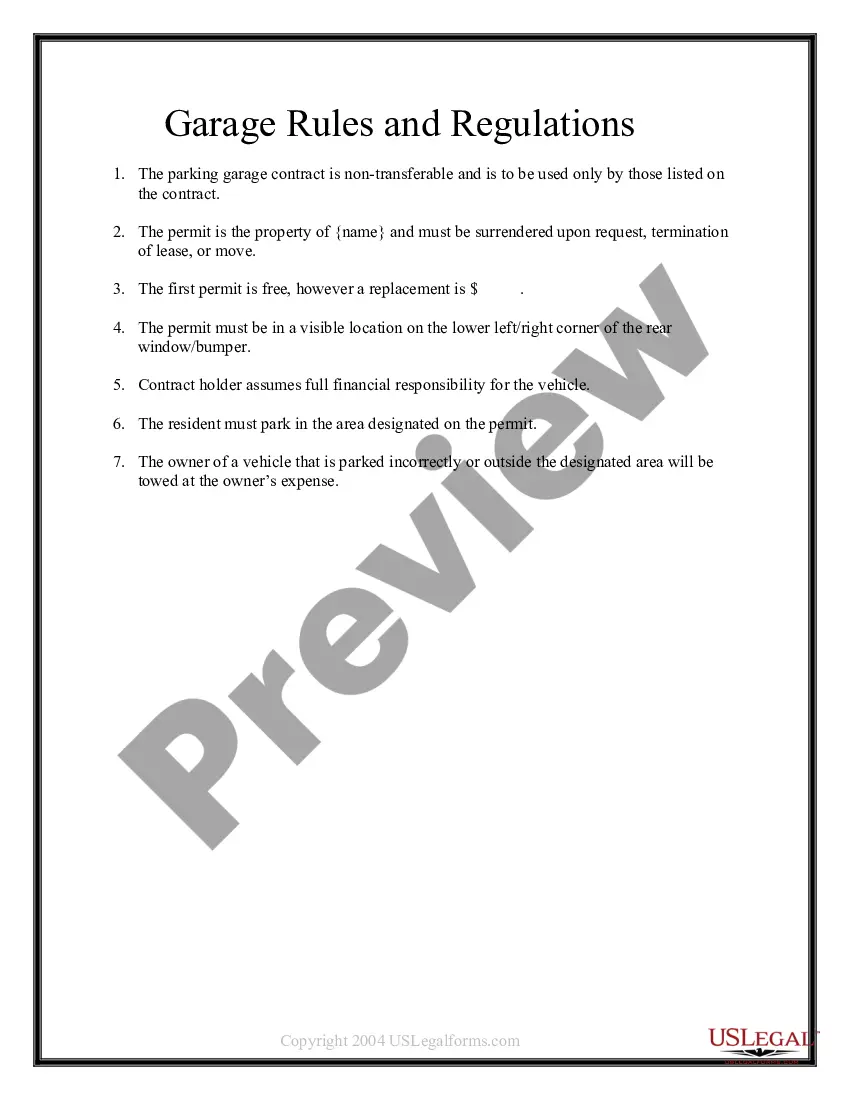
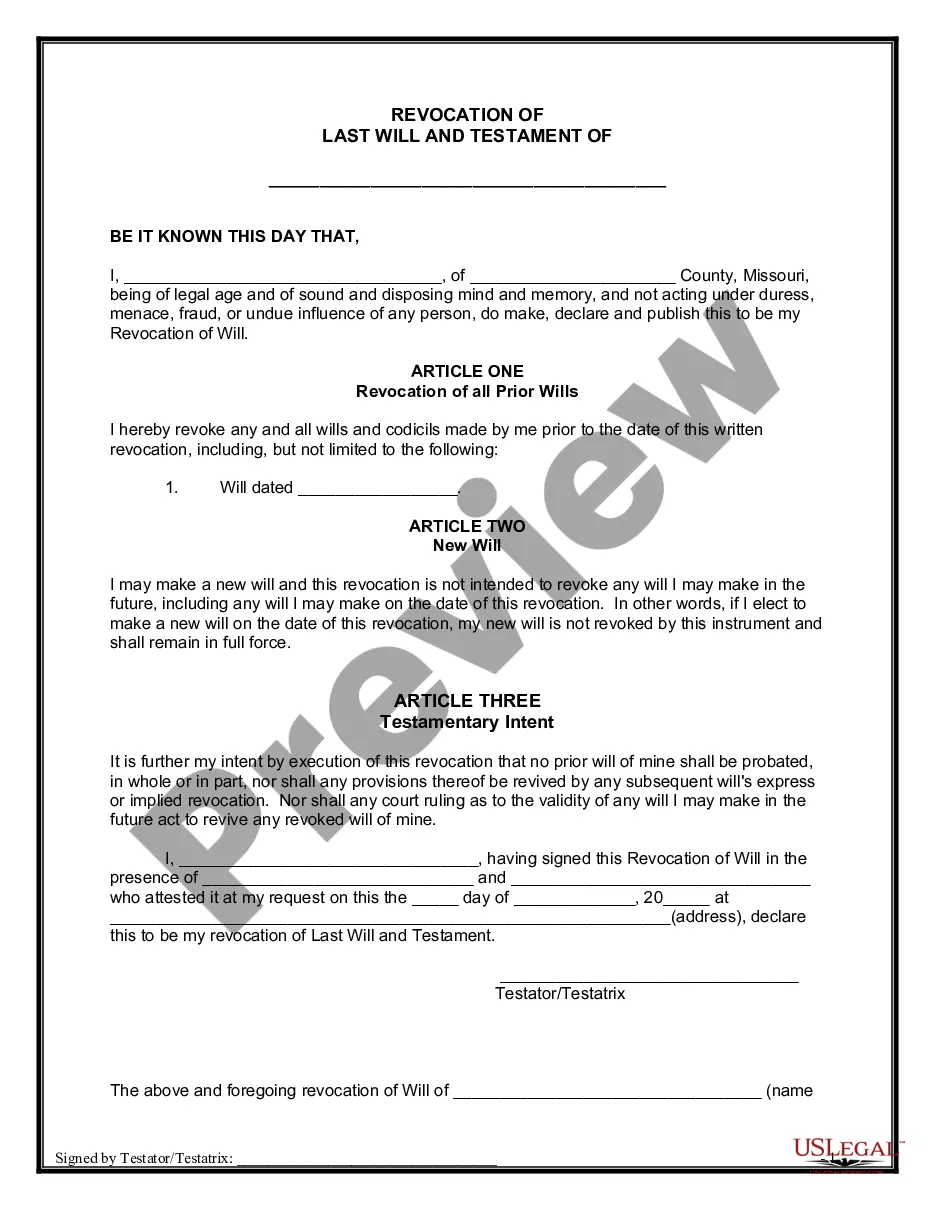
The Apartment Guidelines and Directives in the Philippines you observe on this website is a reusable legal framework crafted by experienced attorneys in accordance with national and local laws and statutes.
For over 25 years, US Legal Forms has supplied individuals, groups, and legal practitioners with over 85,000 authenticated, state-specific documents for any commercial and personal scenario. It’s the fastest, easiest, and most trustworthy method to acquire the documentation you require, as the service promises the utmost level of data protection and anti-malware safeguards.
Choose the format you prefer for your Apartment Guidelines and Directives in the Philippines (PDF, DOCX, RTF) and download the template to your device.
- Search for the document you require and review it.
- Browse through the file you looked for and preview it or examine the form description to confirm it meets your criteria. If it does not, use the search bar to locate the correct one. Click Buy Now when you have found the template you require.
- Select and sign in.
- Choose the pricing option that fits you and create an account. Use PayPal or a credit card to make a swift payment. If you already possess an account, Log In and check your subscription to proceed.
- Acquire the fillable document.
Form popularity
FAQ
If a tenant leaves without paying utility bills, the landlord may seek recovery through legal channels under apartment rules and regulations in the Philippines. Typically, landlords can take this matter to court to reclaim lost funds. It is essential for landlords to document all unpaid balances and follow proper legal steps. Platforms like US Legal Forms offer templates and guidance to manage such situations effectively.
Landlords cannot cut off electricity in the Philippines as a means of enforcing rental agreements, in line with apartment rules and regulations in the Philippines. Such actions may violate tenant rights and lead to legal consequences for the landlord. Tenants should understand that they have the right to safe and adequate housing conditions. If disputes arise, resources like US Legal Forms can help both parties navigate the legal landscape.
Under apartment rules and regulations in the Philippines, tenants typically cannot claim ownership of the property they rent. Ownership claims require specific legal criteria that tenants usually do not meet. If tenants believe they have a valid claim, consulting legal resources can clarify their options. Utilizing services like US Legal Forms may provide valuable insight into property laws.
Shutting off utilities for non-payment of rent is generally prohibited under apartment rules and regulations in the Philippines. Landlords must not take unilateral action that could affect a tenant's well-being without a legal process. Tenants should be aware of their rights in this situation to avoid potential disputes. Seeking assistance through platforms like US Legal Forms can provide guidance on this matter.
In the Philippines, landlords have the right to hold property for unpaid rent, according to apartment rules and regulations in the Philippines. However, they must follow legal procedures to evict tenants. This includes giving proper notice and obtaining a court order if necessary. It's crucial for both landlords and tenants to understand these rights and responsibilities.
In the Philippines, landlords must provide a safe and habitable living environment for their tenants. They are responsible for maintaining the property and handling necessary repairs promptly. Additionally, landlords must respect the tenant's right to privacy and follow the apartment rules and regulations in the Philippines that govern lease agreements. By adhering to these responsibilities, landlords can foster positive relationships with their tenants.
The latest rent control law in the Philippines regulates rental increases to ensure fairness for tenants. Under this law, landlords cannot raise rent by more than a specified percentage each year, helping stabilize housing costs for renters. This law is part of the broader apartment rules and regulations in the Philippines, aimed at balancing the rights of tenants and landlords. It's advisable to stay updated on any changes to these regulations to protect your interests.
In the Philippines, tenants have several rights against landlords, including the right to live in a safe and habitable environment. Landlords must adhere to the apartment rules and regulations in the Philippines, which protect tenants from discrimination and unjust eviction. Additionally, tenants have the right to fair treatment and timely repairs. It's important for you to be aware of your rights to enforce them effectively.
You can file a complaint against your landlord at the local city or municipal office in the Philippines, or with the Housing and Land Use Regulatory Board. Ensure that you bring along all relevant documentation, such as your lease agreement and any correspondence with your landlord. Following the appropriate legal channels will increase the chances of your complaint being resolved. Knowing the specific apartment rules and regulations in the Philippines can also guide you.
To determine if an apartment is legal in the Philippines, check if it complies with local building codes and has a valid business permit. You can also verify if the landlord has registered the property with the right authorities. Understanding the apartment rules and regulations in the Philippines will help you identify legal properties and avoid potential issues down the line. Do your research before making a commitment.