Federal Court Examples
Description
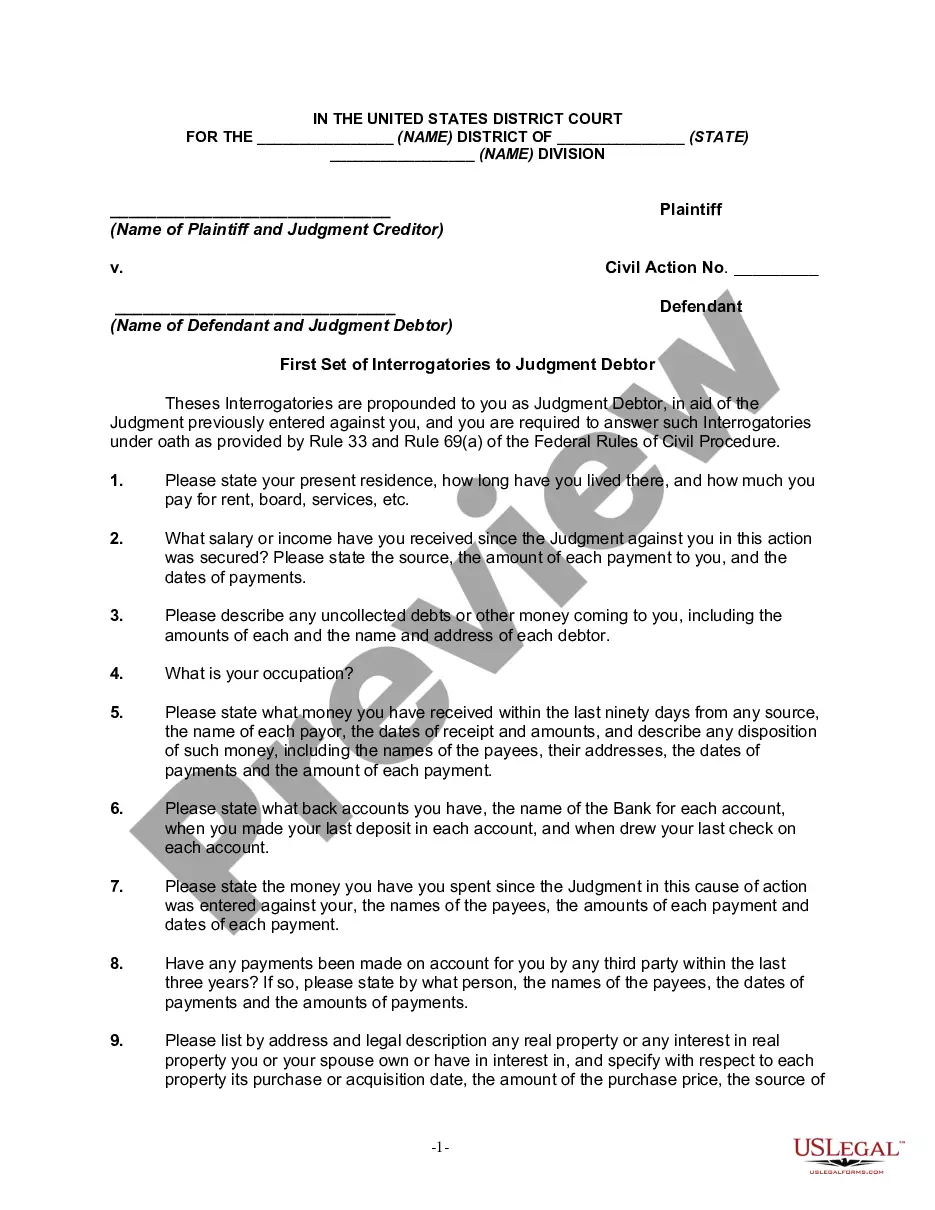
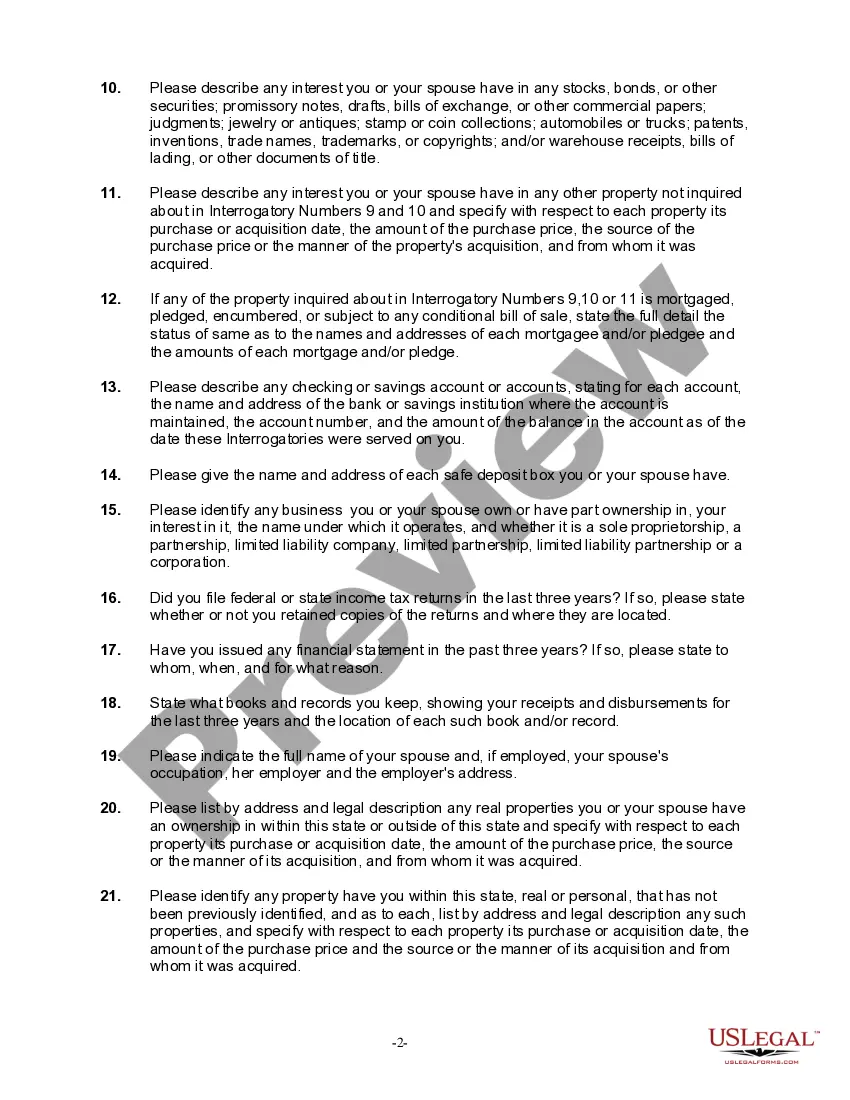
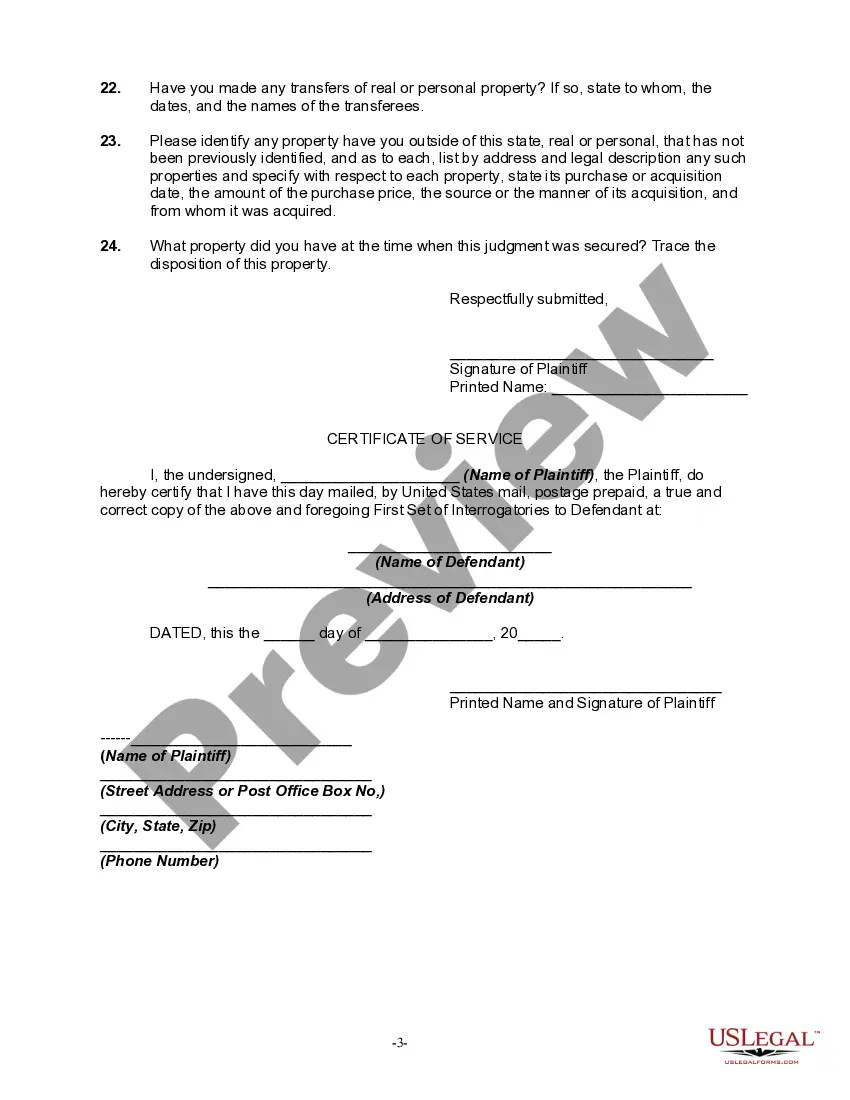
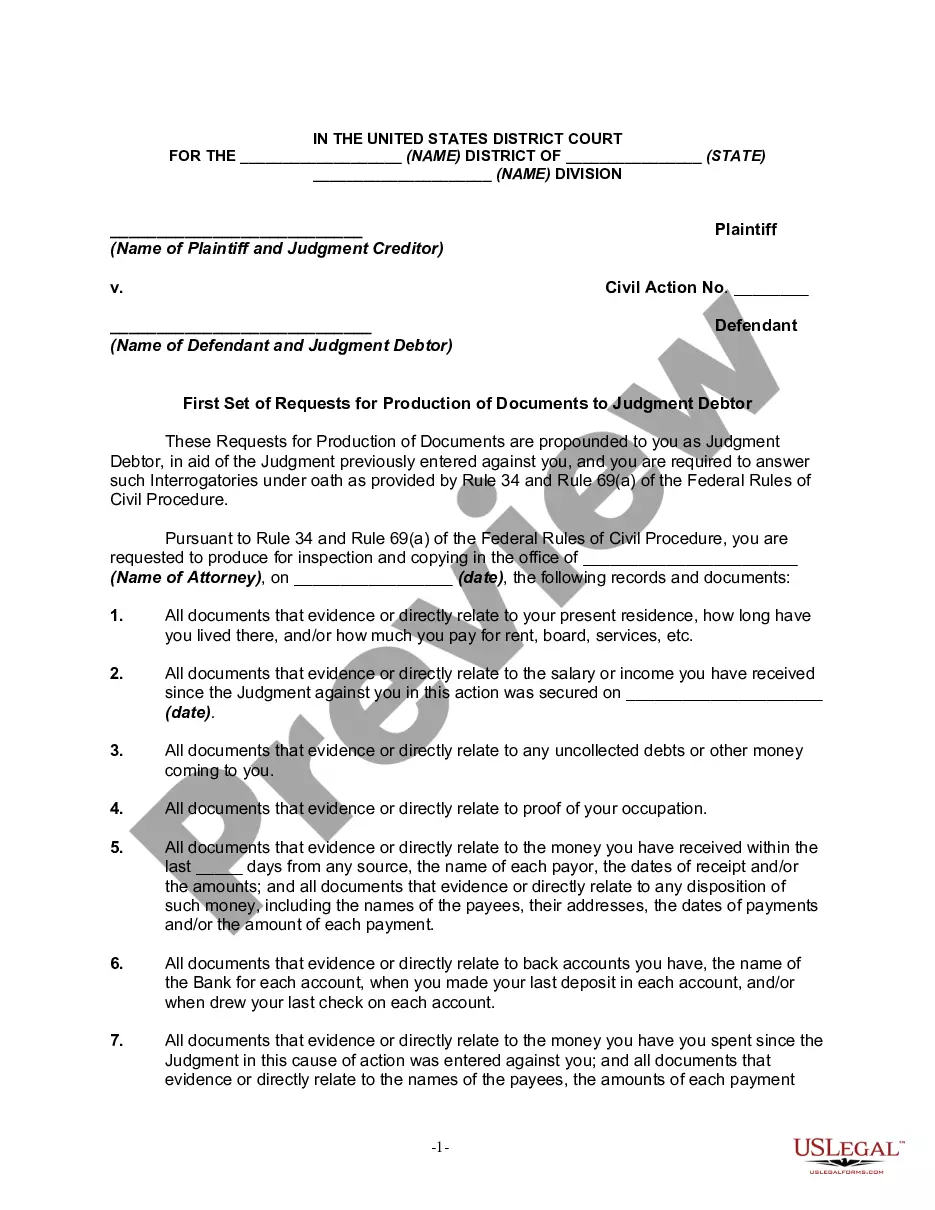

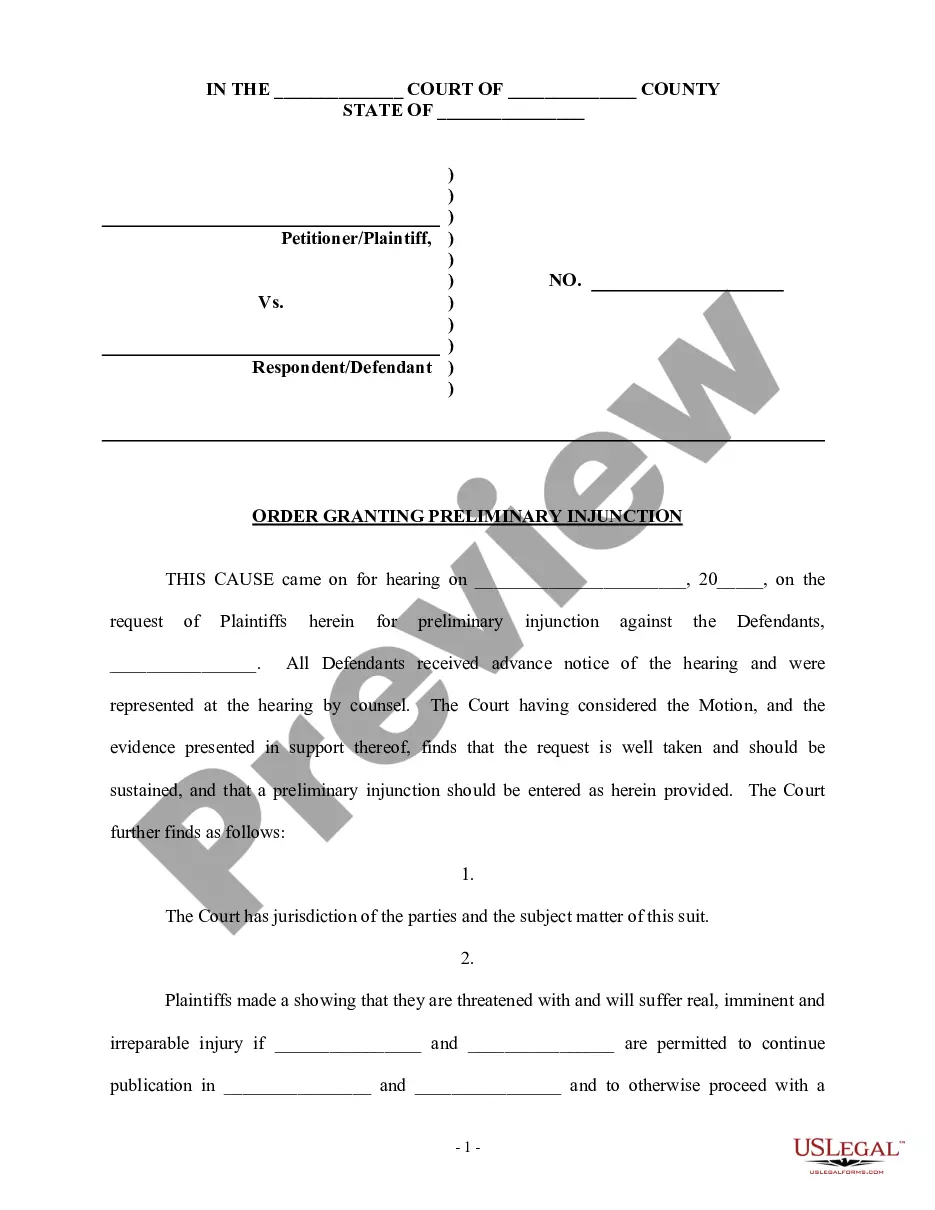



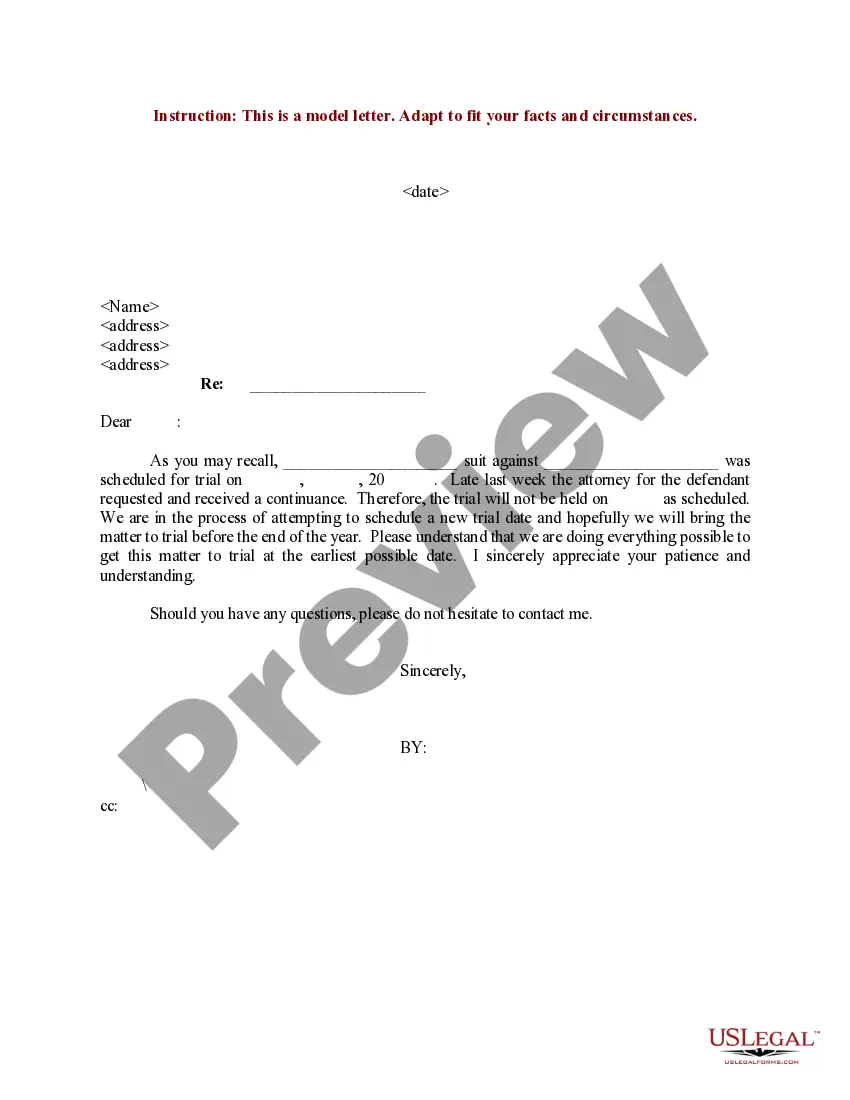

How to fill out Interrogatories In Federal Court To Judgment Debtor In General And?
Managing legal documents can be daunting, even for experienced professionals.
When you're looking for examples from Federal Court and lack the time to thoroughly search for the accurate and updated version, the processes can be challenging.
US Legal Forms addresses all your requirements, from personal to corporate documents, all in one place.
Utilize advanced tools to complete and oversee your Federal Court Examples.
Here are the steps to follow after retrieving the form you need: Verify it is the right form by previewing it and reviewing its description. Ensure the sample is sanctioned in your state or county. Click Buy Now when you're prepared. Choose a subscription plan. Select the format you desire, and Download, fill out, sign, print, and deliver your documents. Enjoy the US Legal Forms online library, backed by 25 years of expertise and trustworthiness. Streamline your daily document management into a seamless and user-friendly experience today.
- Access a valuable resource library of articles, guides, and manuals pertinent to your situation and needs.
- Conserve time and effort in locating the documents you require, and leverage US Legal Forms’ sophisticated search and Preview tool to find and download Federal Court Examples.
- If you hold a monthly subscription, Log In to your US Legal Forms account, search for the form, and download it.
- Check the My documents tab to view the documents you have previously downloaded and to organize your folders as you wish.
- If this is your first experience with US Legal Forms, create a free account and gain unrestricted access to all the platform's benefits.
- A comprehensive online form library could revolutionize the way one deals with these circumstances effectively.
- US Legal Forms is a frontrunner in online legal documents, offering over 85,000 state-specific legal forms accessible to you at any time.
- With US Legal Forms, you can access tailored legal and business documents specific to your state or county.
Form popularity
FAQ
Article III of the U.S. Constitution created the Supreme Court and authorized Congress to pass laws establishing a system of lower courts. In the federal court system's present form, 94 district level trial courts and 13 courts of appeals sit below the Supreme Court.
The longstanding and widely accepted ?purposes of courts? in carrying out these responsibilities are the following: To promote justice in individual cases. To ensure the public perceptions of justice in individual cases. To provide an impartial forum for the resolution of legal disputes.
There are two types of courts in the United States ? state and federal. You can think about them as parallel tracks that can (though rarely) end up in the U.S. Supreme Court. Within the two respective tracks, there are three main levels: trial courts, appellate courts and the highest court for that respective track.
More specifically, federal courts hear criminal, civil, and bankruptcy cases. And once a case is decided, it can often be appealed.
The federal court system has three main levels: district courts (the trial court), circuit courts which are the first level of appeal, and the Supreme Court of the United States, the final level of appeal in the federal system.