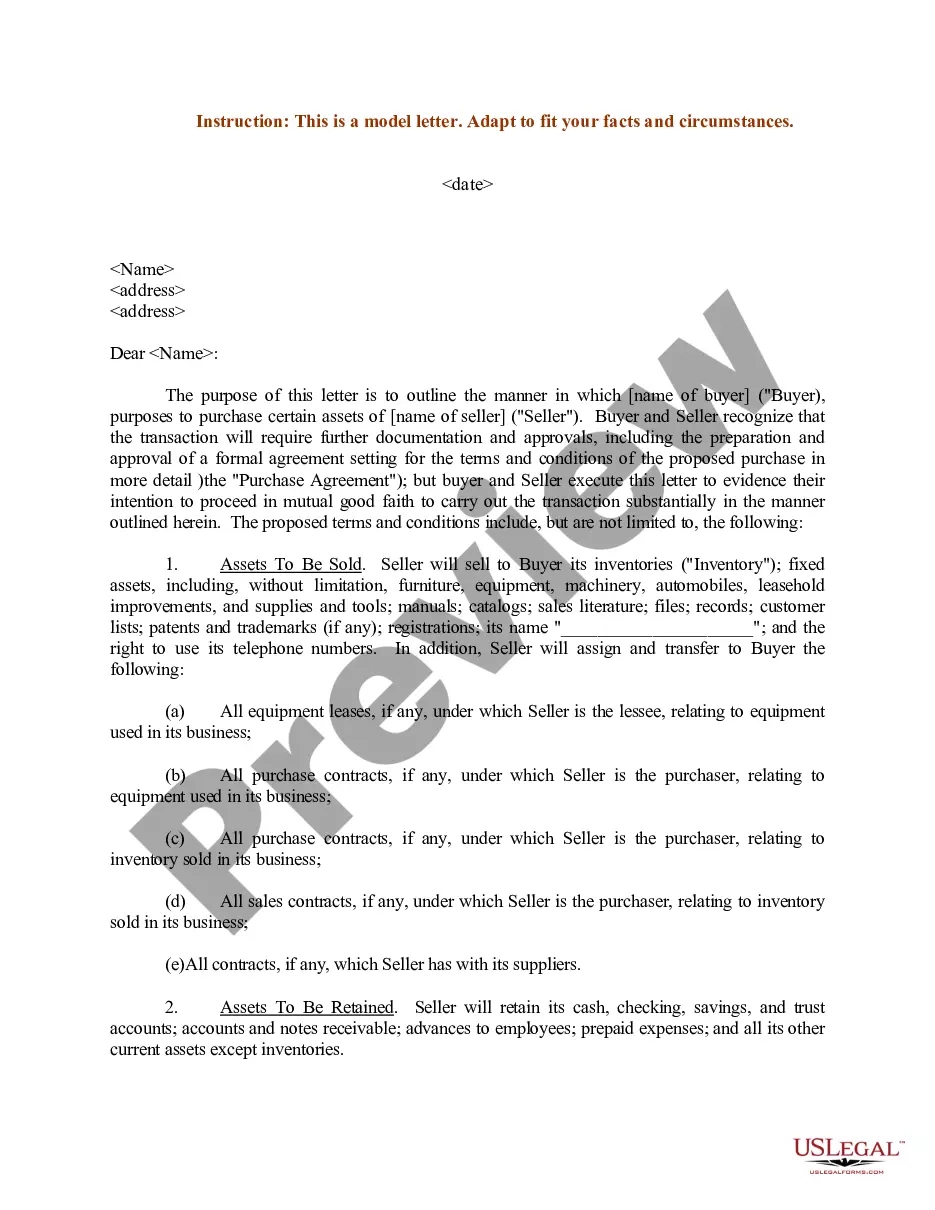
Letter Intent Legal With Signature
Description
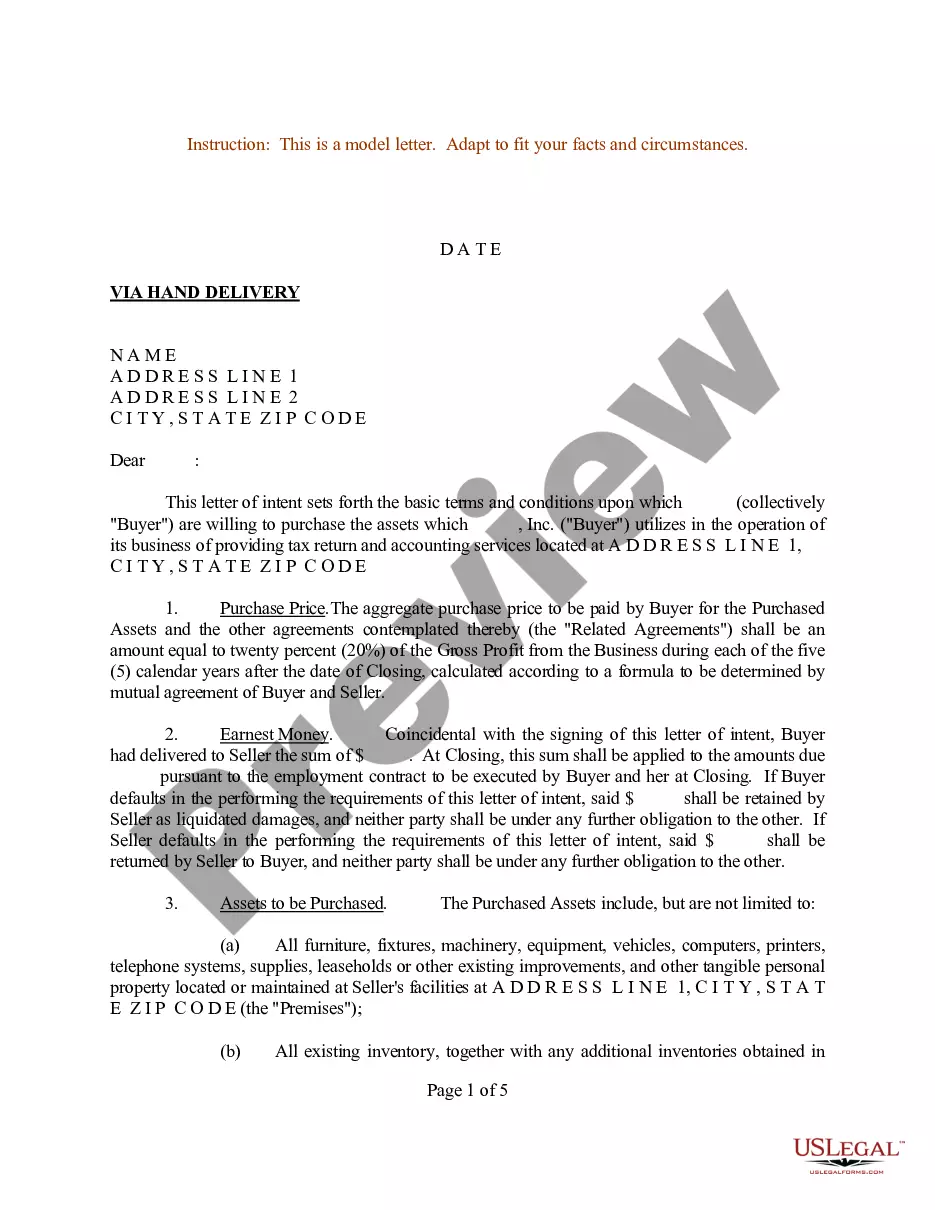
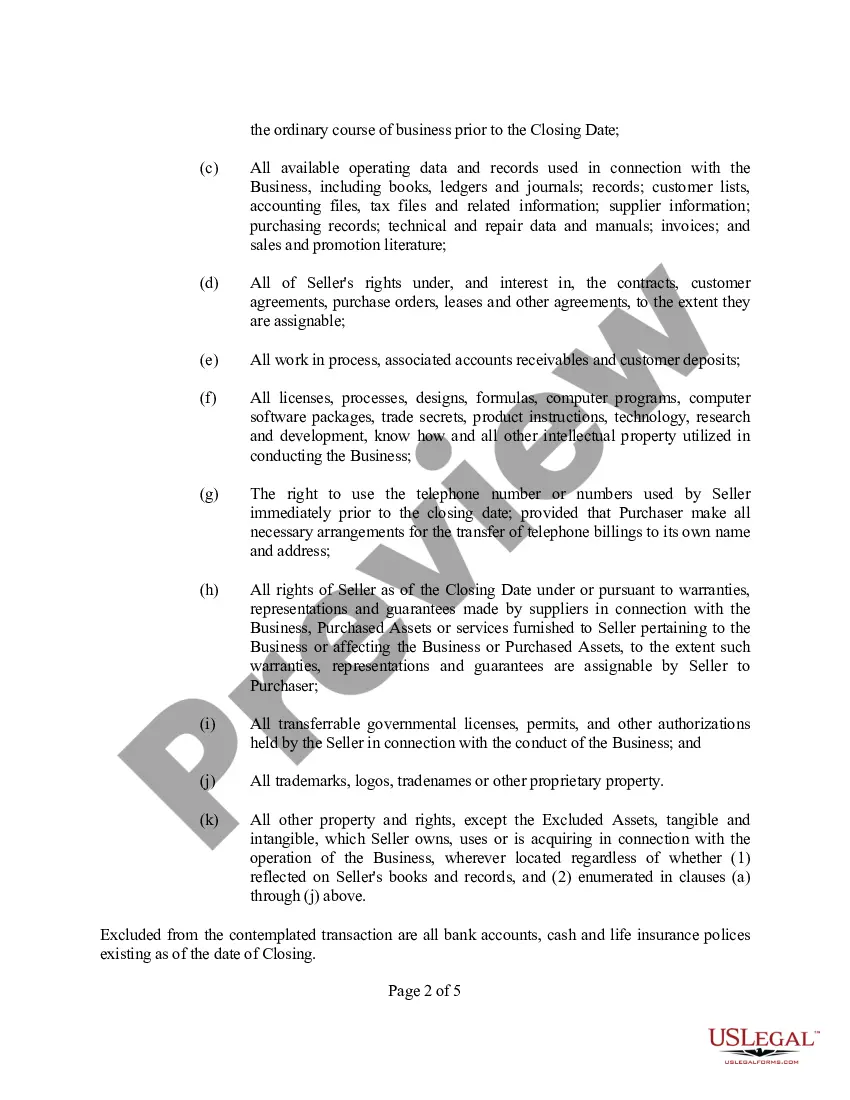
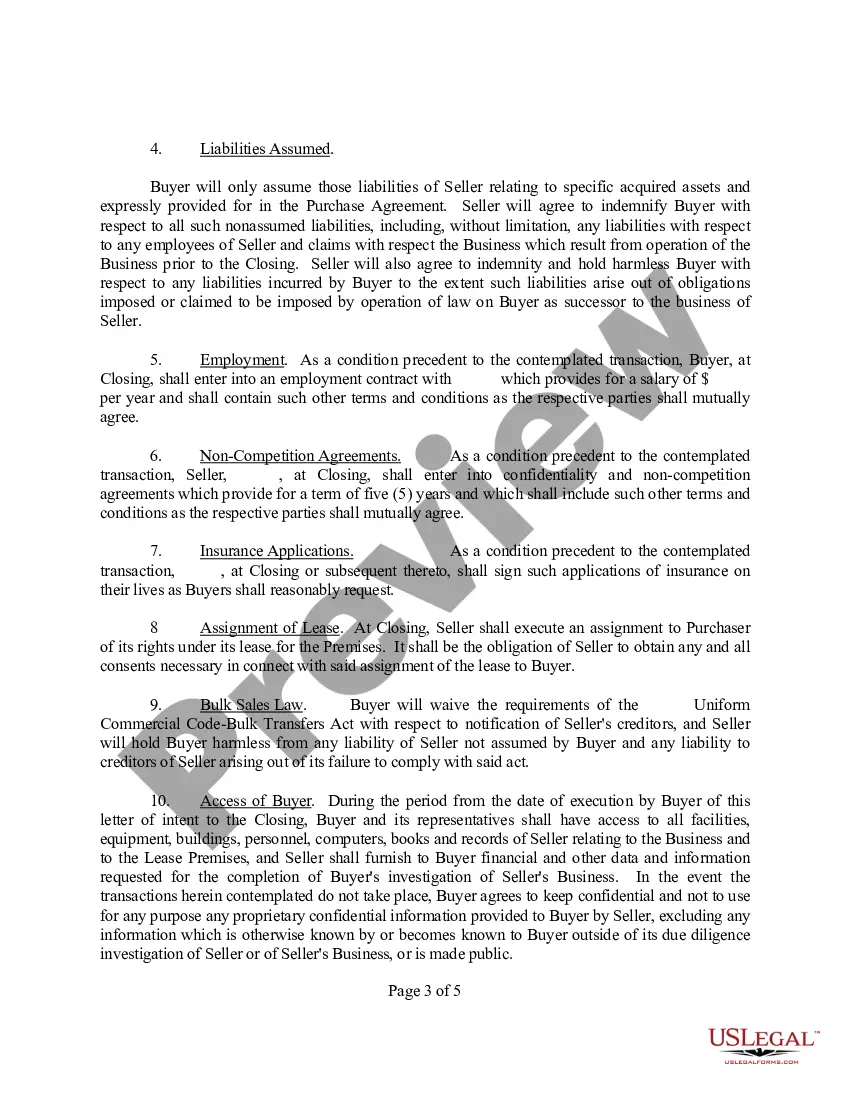
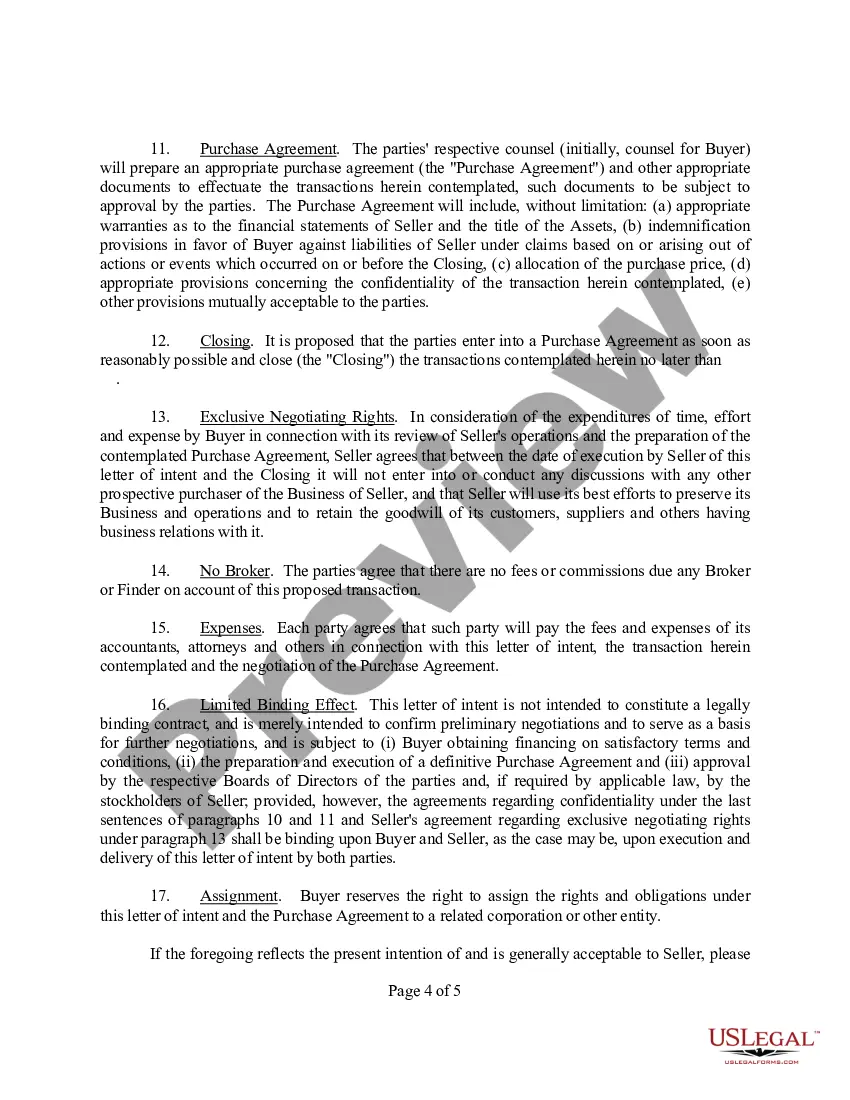
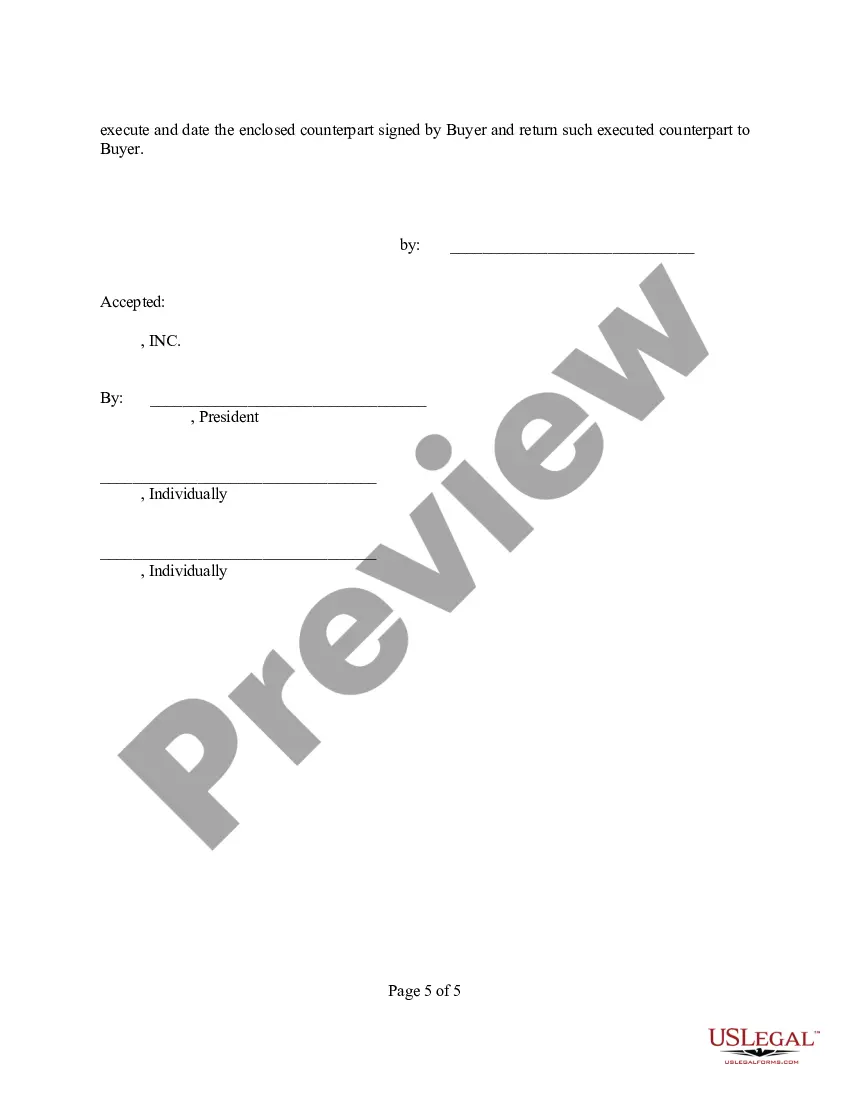
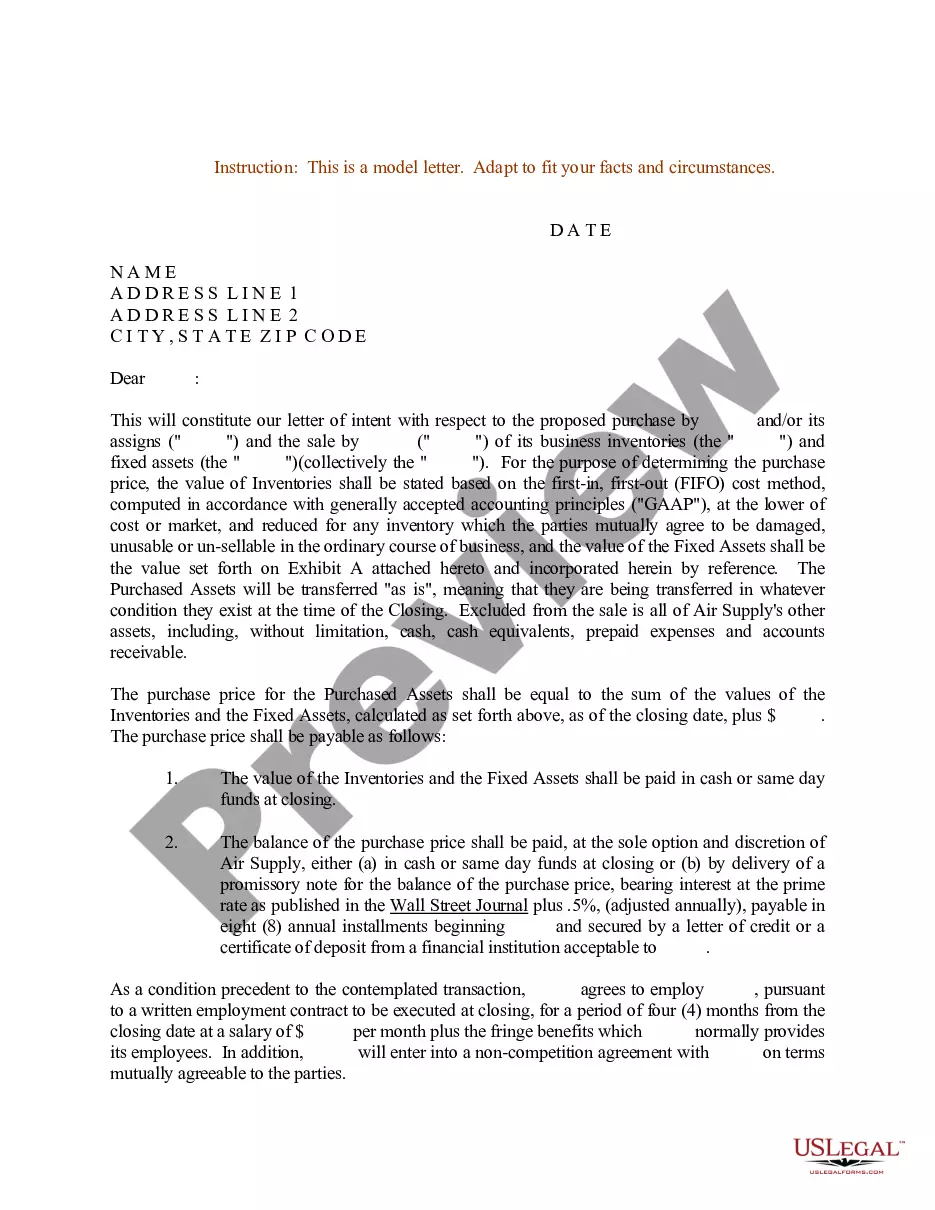
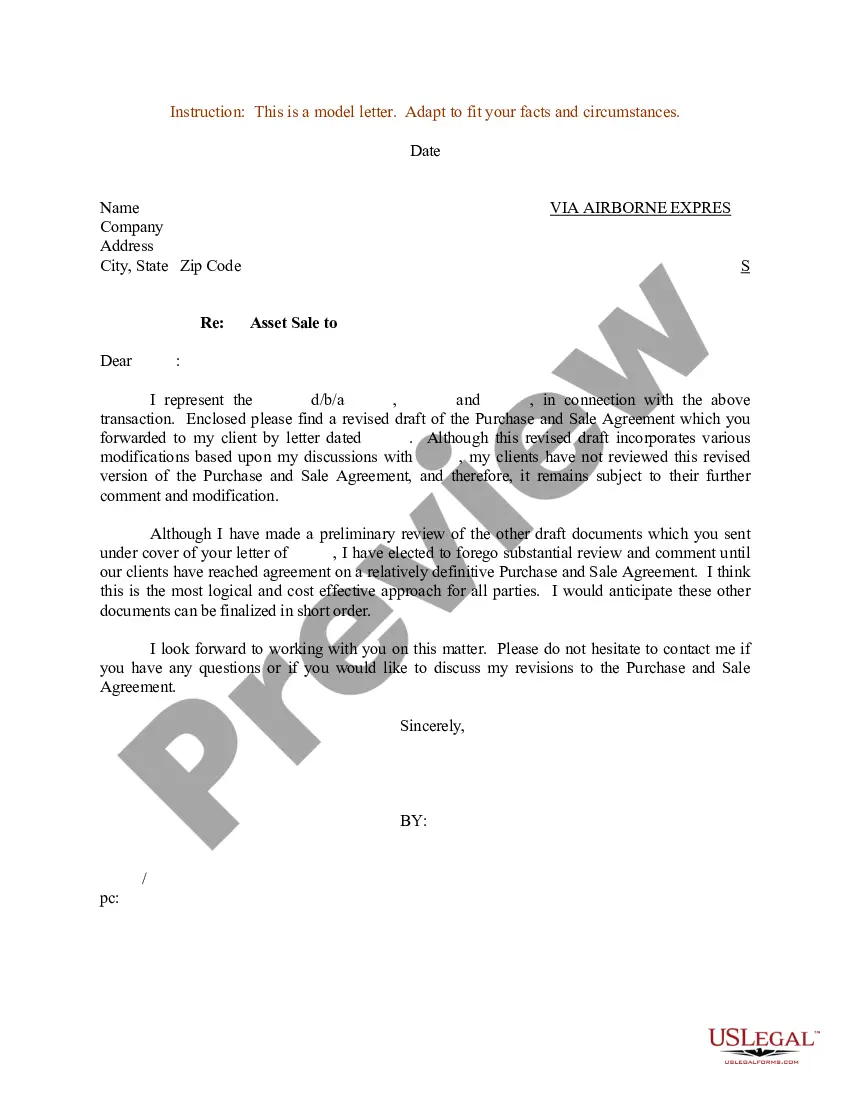
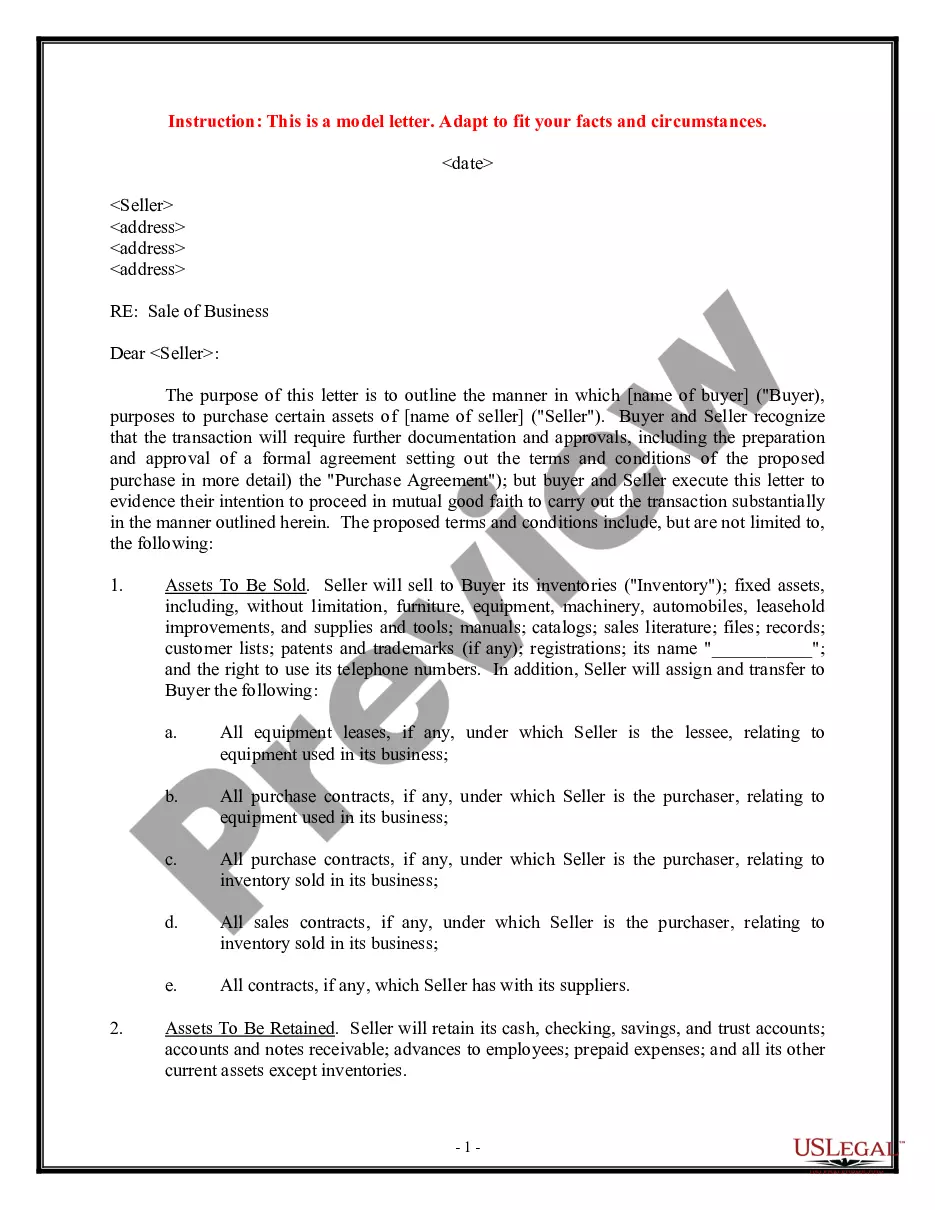
Get your form ready online
Our built-in tools help you complete, sign, share, and store your documents in one place.
Make edits, fill in missing information, and update formatting in US Legal Forms—just like you would in MS Word.
Download a copy, print it, send it by email, or mail it via USPS—whatever works best for your next step.
Sign and collect signatures with our SignNow integration. Send to multiple recipients, set reminders, and more. Go Premium to unlock E-Sign.
If this form requires notarization, complete it online through a secure video call—no need to meet a notary in person or wait for an appointment.
We protect your documents and personal data by following strict security and privacy standards.

Make edits, fill in missing information, and update formatting in US Legal Forms—just like you would in MS Word.

Download a copy, print it, send it by email, or mail it via USPS—whatever works best for your next step.

Sign and collect signatures with our SignNow integration. Send to multiple recipients, set reminders, and more. Go Premium to unlock E-Sign.

If this form requires notarization, complete it online through a secure video call—no need to meet a notary in person or wait for an appointment.

We protect your documents and personal data by following strict security and privacy standards.
Looking for another form?
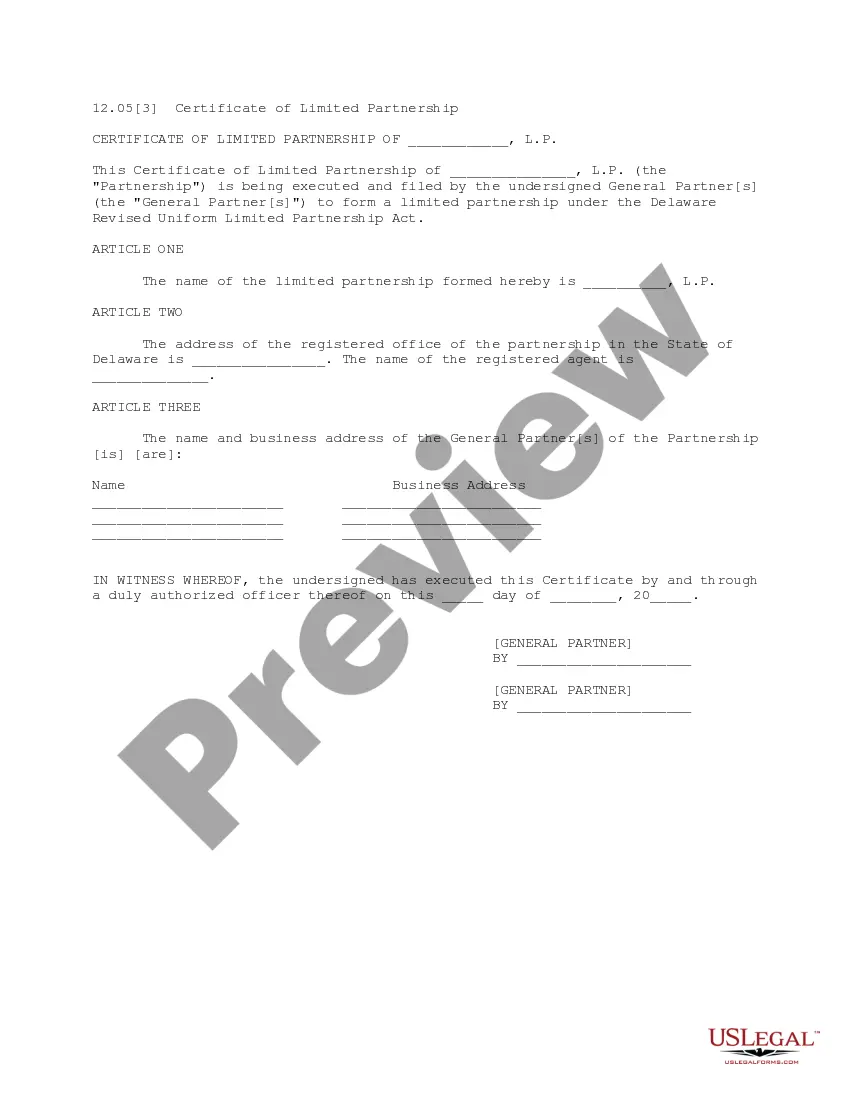
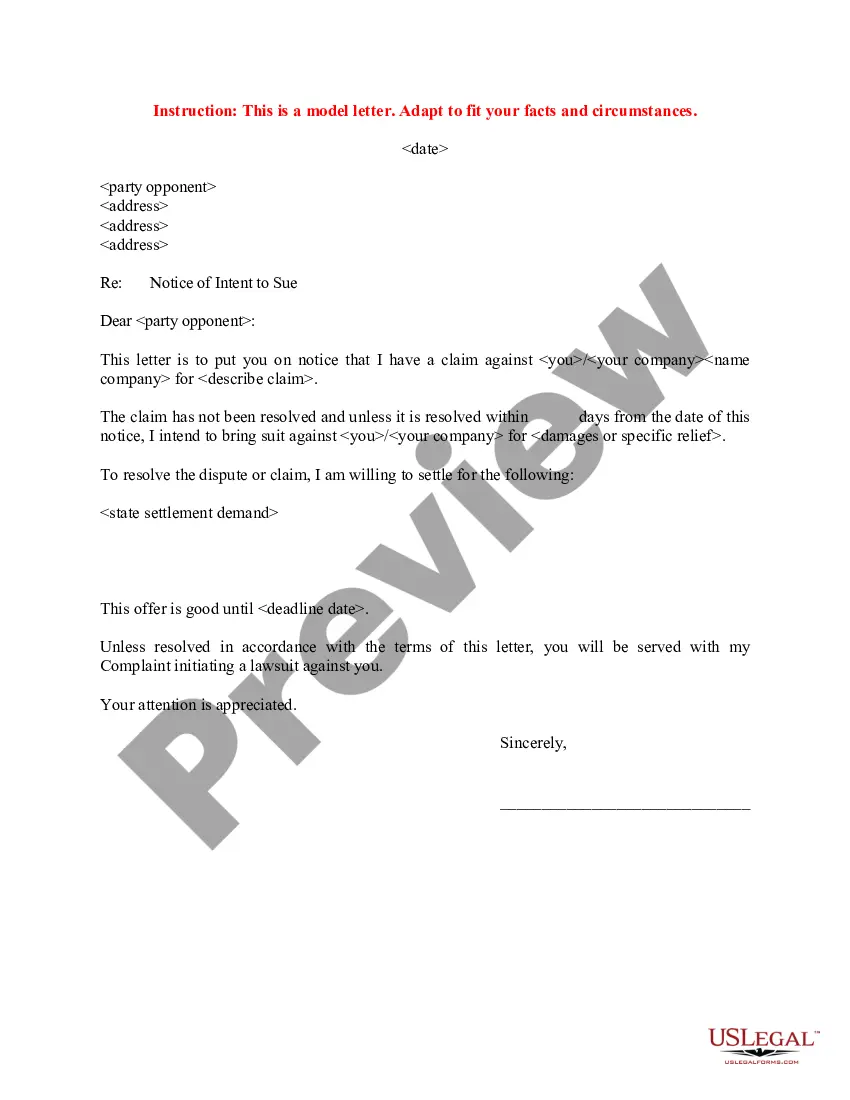
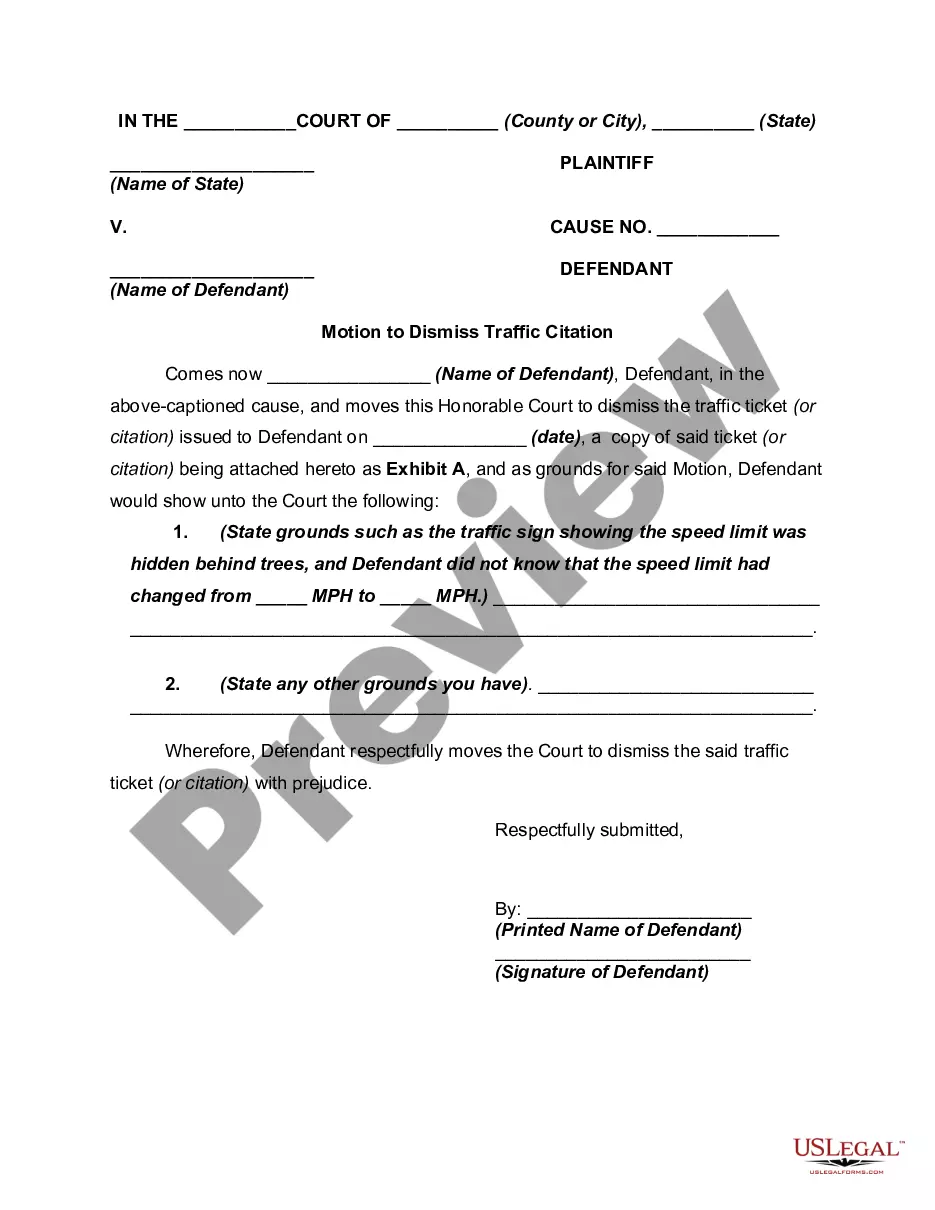
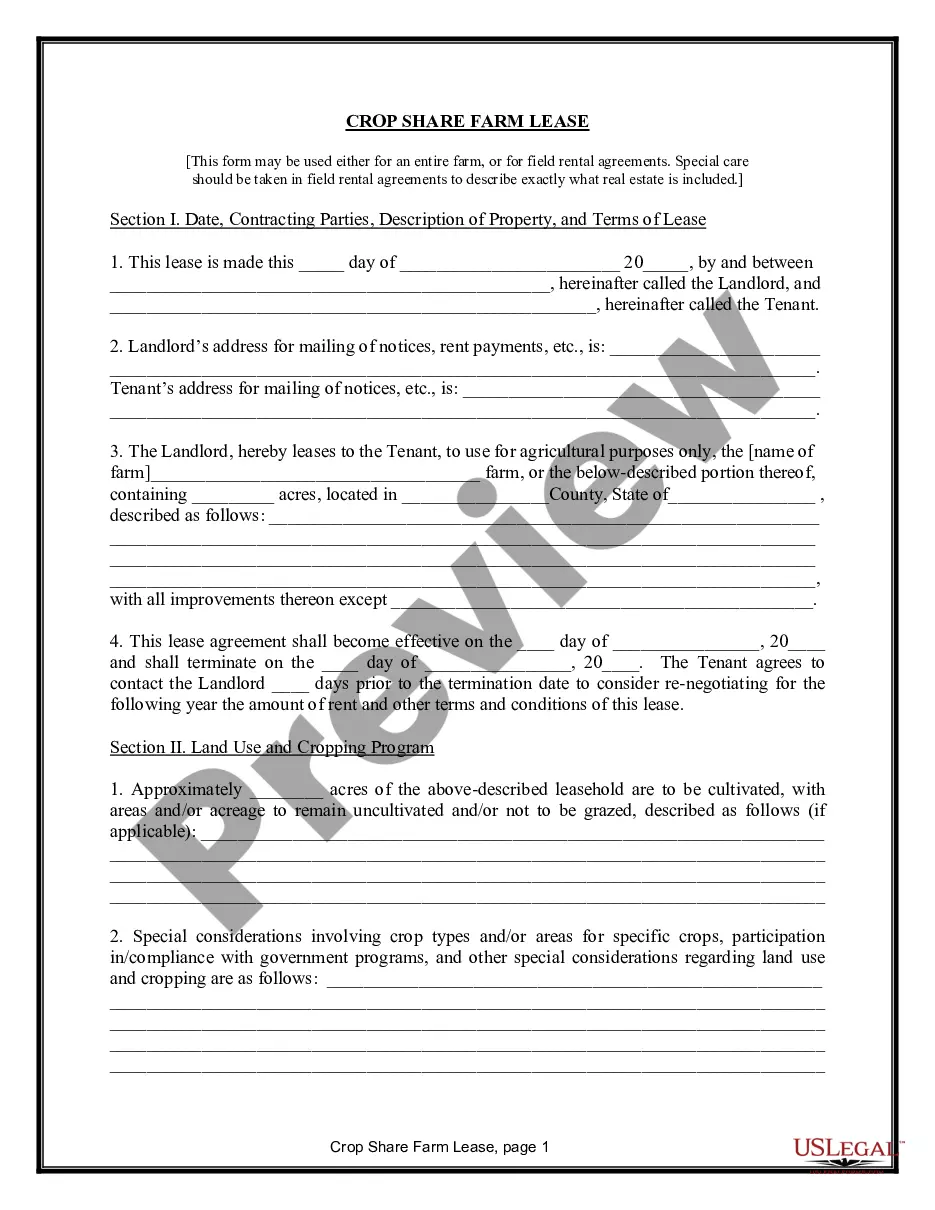
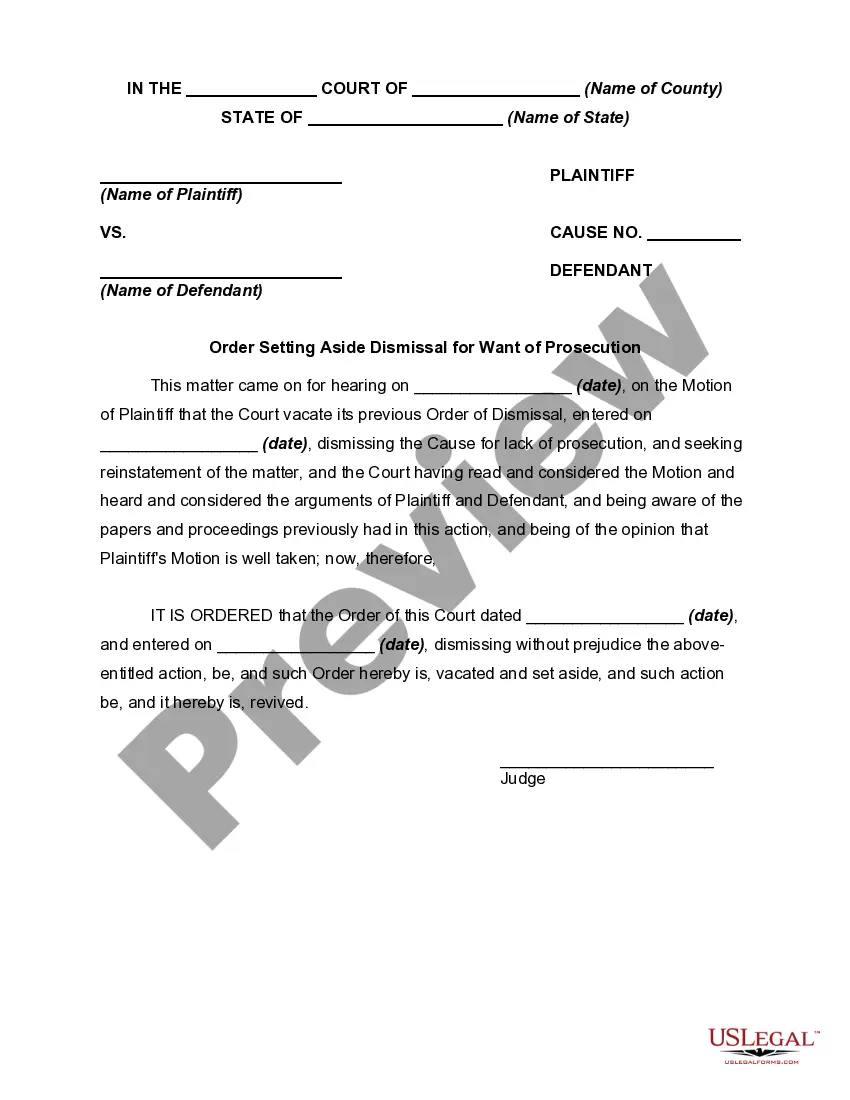
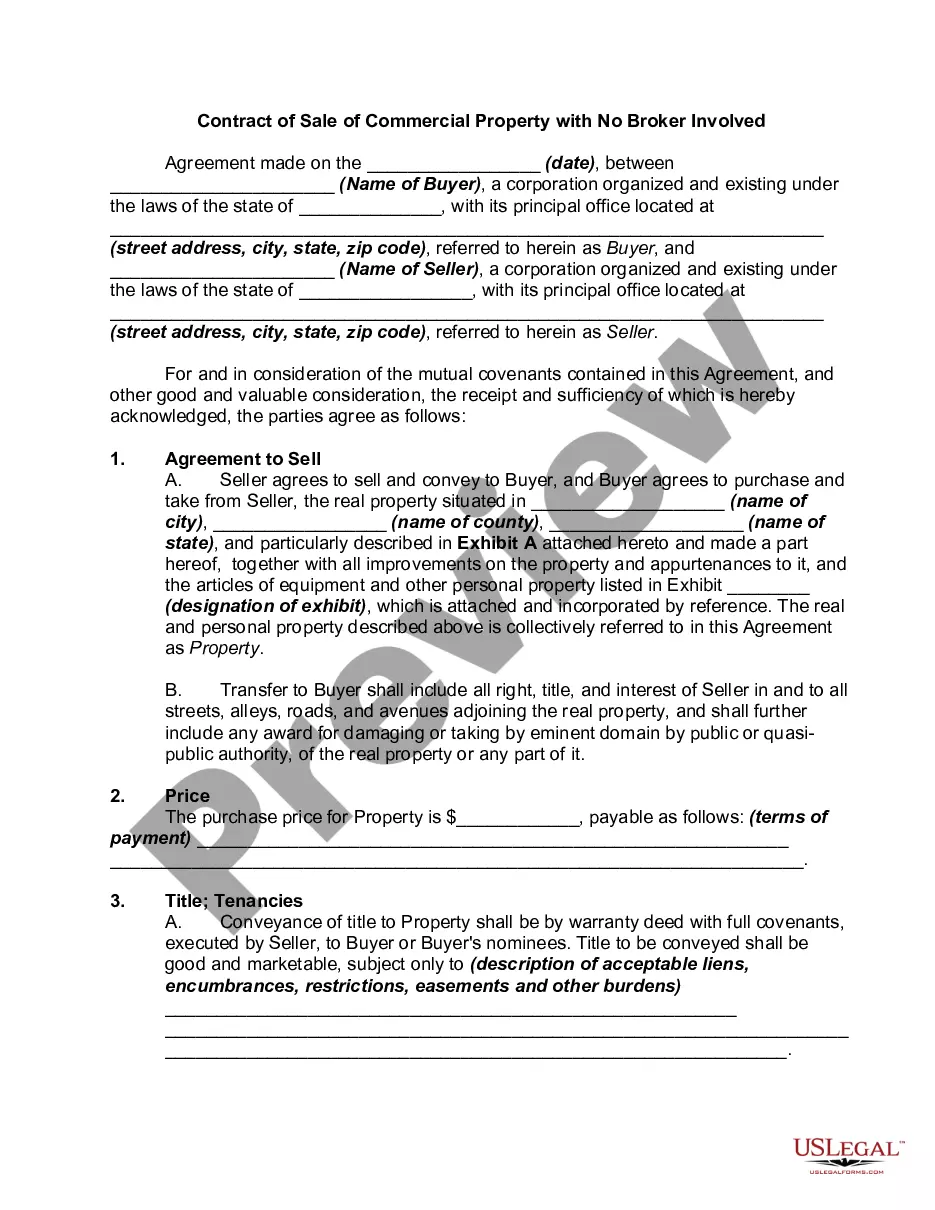
How to fill out Sample Letter For Letter Of Intent To Purchase Assets?
Regardless of whether it's for professional reasons or personal affairs, everyone must handle legal issues eventually in their lifetime.
Completing legal paperwork requires meticulous care, starting with choosing the correct form template.
With an extensive US Legal Forms collection available, you won’t need to waste time searching for the correct sample online. Utilize the library’s straightforward navigation to find the right form for any circumstance.
- Obtain the form you need by utilizing the search bar or browsing through the catalog.
- Review the description of the form to ensure it aligns with your circumstances, jurisdiction, and area.
- Click on the form's preview to inspect it.
- If it is not the correct form, return to the search function to locate the Letter Intent Legal With Signature sample that you need.
- Download the document when it satisfies your requirements.
- If you have a US Legal Forms account, simply click Log in to access previously stored documents in My documents.
- If you do not yet have an account, you can purchase the form by clicking Buy now.
- Choose the appropriate pricing option.
- Fill out the profile registration form.
- Select your payment method: options include a credit card or PayPal account.
- Choose the file format you desire and download the Letter Intent Legal With Signature.
- Once downloaded, you can complete the form using editing software or print it out and finish it by hand.
Form popularity
FAQ
To ensure a letter of intent becomes legally binding, clearly specify the terms and conditions within the document. Both parties should agree on these terms and sign the letter. Including a clause indicating the letter's intent to be legally binding enhances its effect. Using platforms like uslegalforms can simplify this process and help create a solid letter intent legal with signature.
A letter of intent should be signed when both parties agree on the terms discussed and are ready to move forward with the arrangement. Signing the letter creates a clear understanding of each party's commitments. This document serves as a crucial step before drafting a more formal agreement. Thus, a well-timed signature is essential for establishing a letter intent legal with signature.
To write an official letter of intent, start by clearly stating your intention at the beginning of the document. Include detailed information about the purpose of the letter, such as the context and involved parties. Ensure you maintain a formal tone and carefully outline expectations. Finally, sign the letter to formalize your intent, which transforms it into a letter intent legal with signature.
While a letter of intent does not typically require notarization, having it notarized can enhance its credibility. Notarization acts as a safeguard by confirming the identities of the signers, which can be essential if disputes arise later. If you opt for a letter intent legal with signature, consider whether notarization meets your specific needs or those of the involved parties. Uslegalforms can guide you through the process.
A letter of intent may or may not be legally binding, depending on its contents and the intent of the parties. Generally, it serves as a preliminary agreement that outlines intentions before a formal contract. However, when it includes specific commitments and signatures, it can be considered a letter intent legal with signature. It’s wise to consult legal advice if you seek to understand its enforceability.
A letter of intent should clearly outline the purpose, terms, and conditions of the agreement. Essential elements include the parties involved, specific intentions, and any necessary deadlines. For best results, ensure it is signed by all parties, making it a proper letter intent legal with signature. Using a reliable platform like uslegalforms can help simplify the creation of your document.
Notarization for a letter of intent is not usually required, but it can add an extra layer of validation. When you notarize a letter intent legal with signature, it assures all parties involved of the document's authenticity. While some choose to notarize for peace of mind, others may find it sufficient with just signatures. Evaluate your circumstances to decide the best approach.
Yes, a letter of intent typically needs a signature to be considered valid. A signed letter intent legal with signature shows that both parties agree to the outlined terms. Without a signature, the intent may lack the commitment necessary for parties to move forward. Ensuring your letter is signed can protect your interests and clarify intentions.
A letter of intent does have legal standing, particularly when it contains detailed agreements between parties. This document, especially a letter intent legal with signature, can serve as a foundational agreement for future contracts. Properly executed, it outlines the intentions and can hold weight in legal discussions.
Being legally bound to a letter of intent depends on its contents and how it is structured. If the letter intent legal with signature explicitly states binding terms, you may face legal responsibilities. To avoid confusion, ensure that both parties clearly agree on what is binding before signing.