Divorce Settlement For House
Description
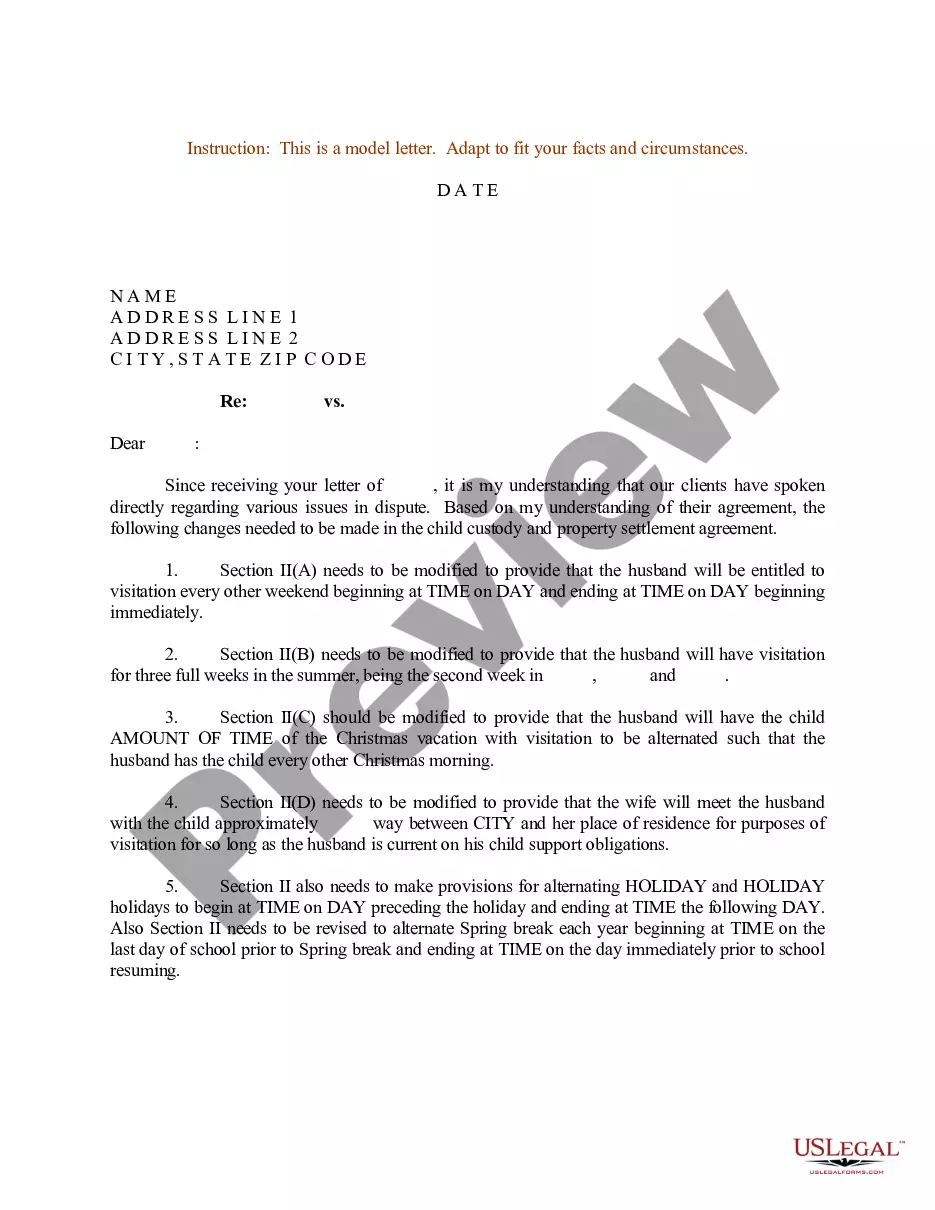
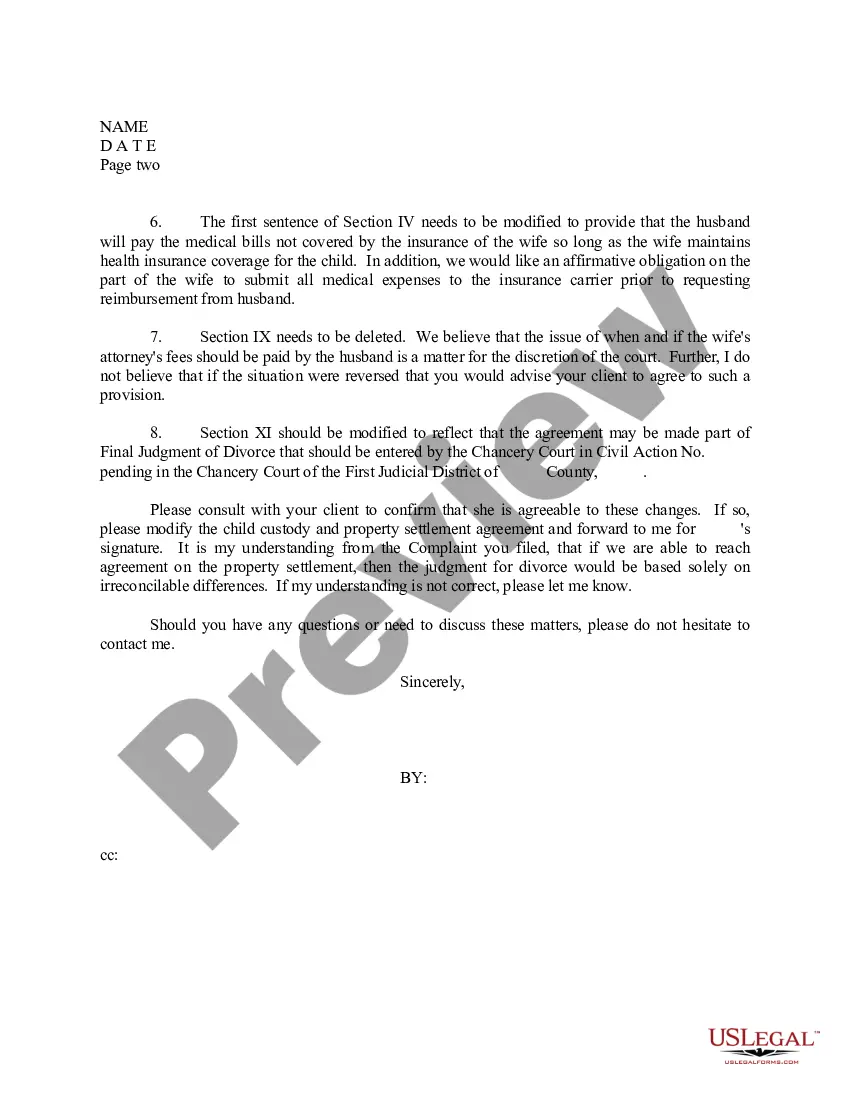
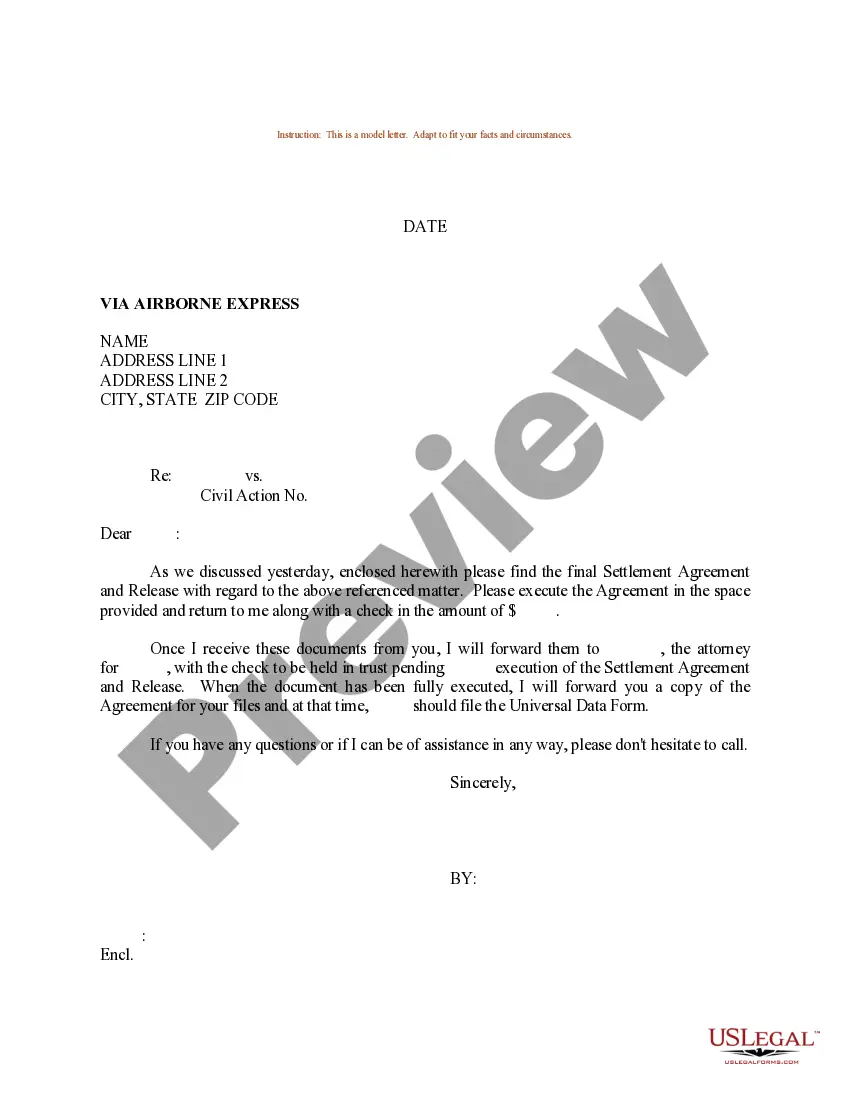
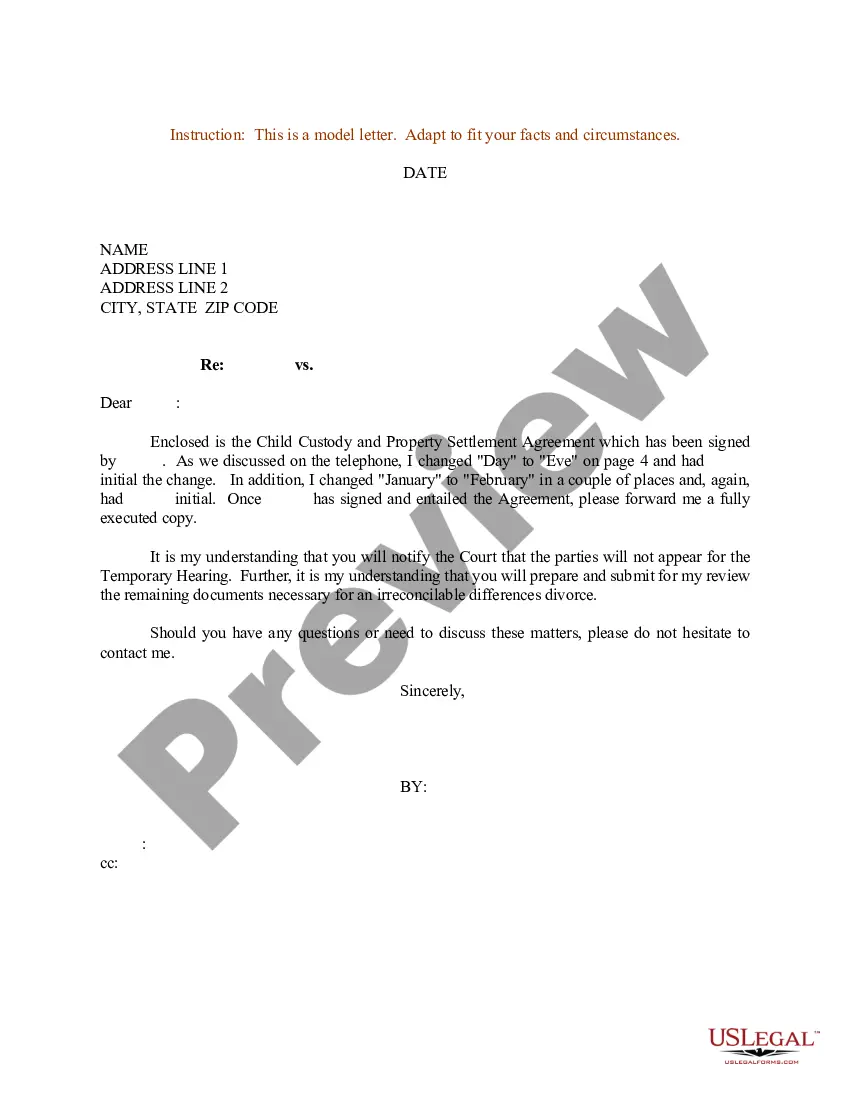
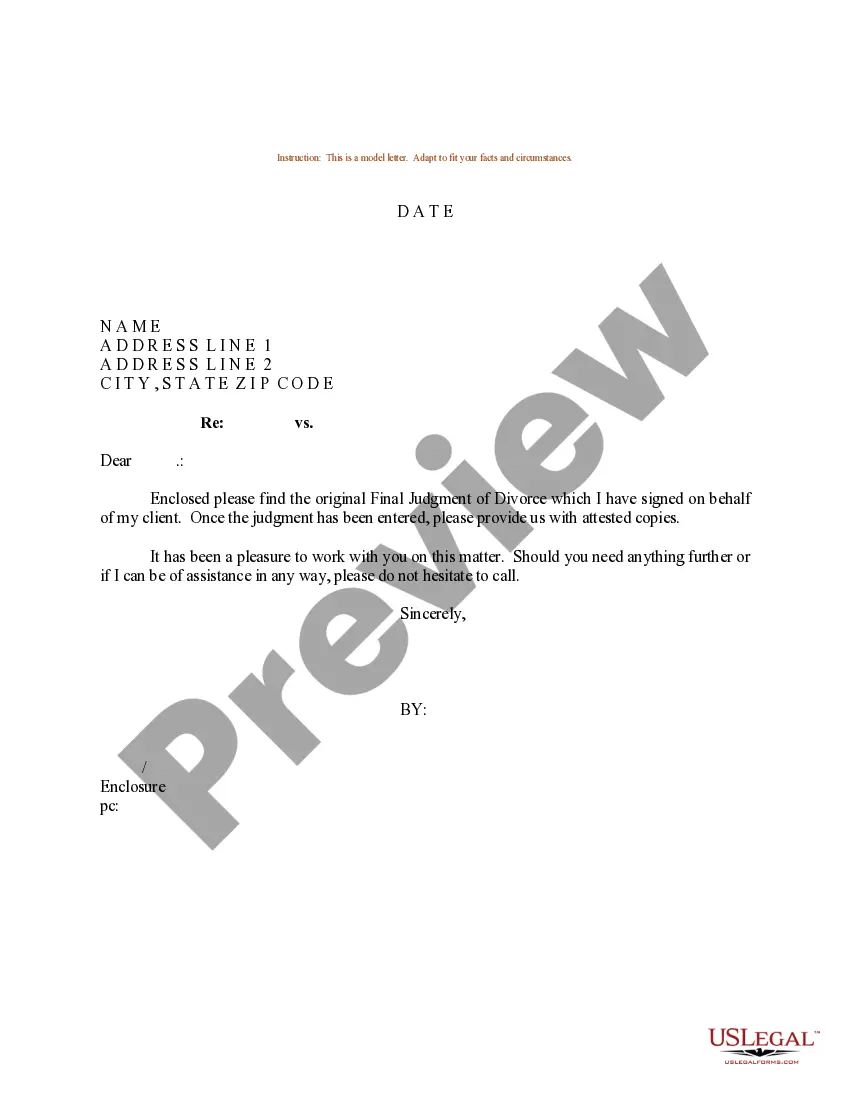
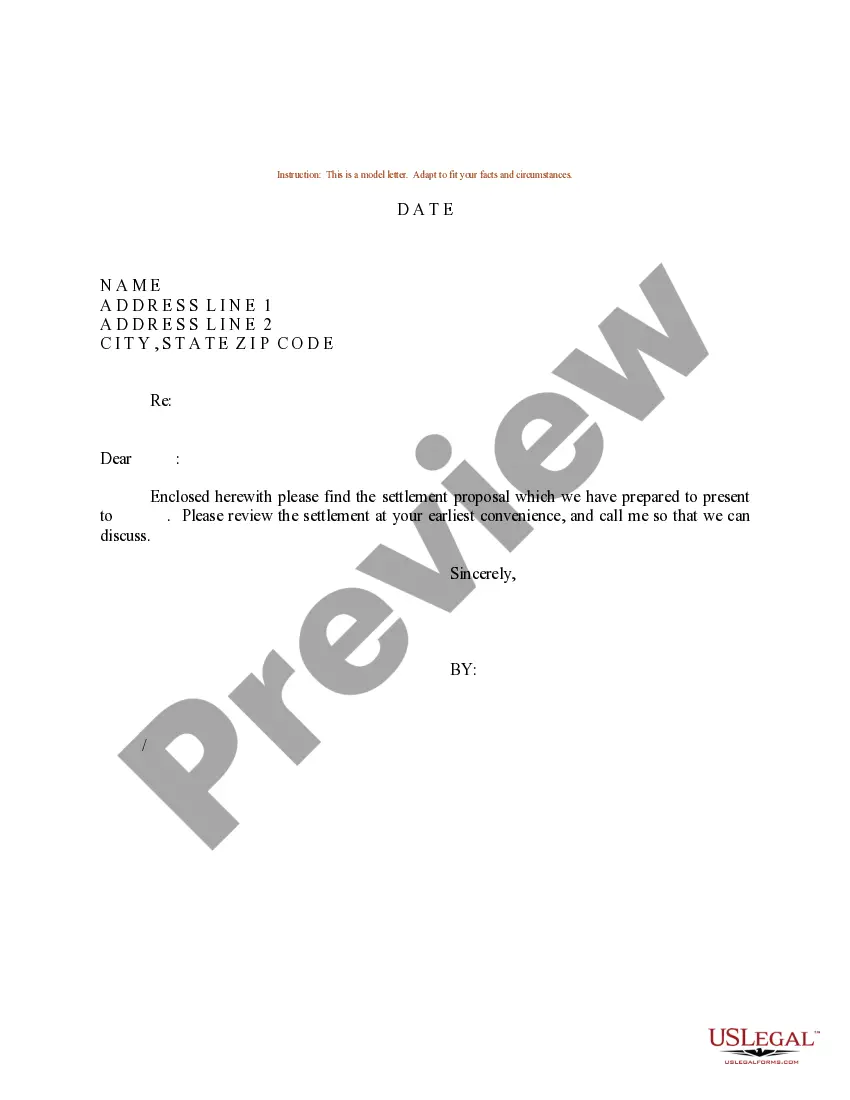
Get your form ready online
Our built-in tools help you complete, sign, share, and store your documents in one place.
Make edits, fill in missing information, and update formatting in US Legal Forms—just like you would in MS Word.
Download a copy, print it, send it by email, or mail it via USPS—whatever works best for your next step.
Sign and collect signatures with our SignNow integration. Send to multiple recipients, set reminders, and more. Go Premium to unlock E-Sign.
If this form requires notarization, complete it online through a secure video call—no need to meet a notary in person or wait for an appointment.
We protect your documents and personal data by following strict security and privacy standards.

Make edits, fill in missing information, and update formatting in US Legal Forms—just like you would in MS Word.

Download a copy, print it, send it by email, or mail it via USPS—whatever works best for your next step.

Sign and collect signatures with our SignNow integration. Send to multiple recipients, set reminders, and more. Go Premium to unlock E-Sign.

If this form requires notarization, complete it online through a secure video call—no need to meet a notary in person or wait for an appointment.

We protect your documents and personal data by following strict security and privacy standards.
Looking for another form?









Form popularity
FAQ
To achieve the best financial settlement in a divorce, start by understanding the value of your assets, including the house. It's important to discuss your financial situation openly with your attorney and gather all necessary documents to ensure clarity. Negotiating effectively with your spouse can also lead to a fair divorce settlement for the house, allowing both parties to feel satisfied. Lastly, consider using resources like US Legal Forms to help create legal documents that can streamline the settlement process.
In Canada, property division rules can vary by province, but generally, ownership doesn't solely determine entitlement. If the house was acquired during the marriage, your wife may have rights to a share of its value under the divorce settlement for house. To get a clearer picture of your specific situation, consult a legal professional. They can provide guidance on how property division laws might apply to your case.
The first step to initiating a divorce generally involves filing a petition or complaint with the court. This document outlines your intention to obtain a divorce and can address aspects like the divorce settlement for house. Once filed, ensure that you serve the papers to your spouse. It is also wise to consult with a legal expert to navigate the complexities ahead.
Purchasing a house during your divorce can be complex, but it's manageable. You should first discuss your plans with your attorney to ensure it aligns with your divorce settlement for house. It's vital to assess your financial situation, as joint debts and assets may affect your eligibility for a mortgage. Explore options that could help you secure the house without complicating your divorce further.
The losses in a divorce can vary, but financially, one spouse may face more challenges, especially in cases of substantial assets like a house. Emotional stress and disruption can also heavily impact both parties. It’s helpful to approach negotiations concerning a divorce settlement for a house with a collaborative mindset, aiming for a resolution that minimizes losses for everyone involved.
Most divorces are settled through negotiation, where both parties agree on terms regarding asset division, custody, and support. Mediation is often encouraged to facilitate discussions, especially concerning a divorce settlement for a house. Utilizing a platform like US Legal Forms can streamline the process, providing templates and tools to help you create agreed-upon documents efficiently.
The most common divorce settlement includes the division of jointly held assets, which often features the family home. The specifics depend on various factors like the length of the marriage and individual contributions. To ensure a fair divorce settlement for a house, working with a legal professional can help negotiate terms that suit both parties.
The leading cause for divorce often links to communication issues. Relationships may decline when partners cannot effectively communicate their thoughts or feelings. This breakdown can complicate discussions about a divorce settlement for a house, making mediation or legal guidance beneficial for resolving disputes amicably.
Generally, future earnings are not directly included in a divorce settlement for a house. However, your ex-wife may have a claim on income generated during the marriage or any potential bonuses if they are a result of joint efforts. It's essential to consult a legal professional to determine how future earning capacity may be assessed in your specific situation.
In the UK, property division during a divorce may not always be split 50/50. The court considers various factors, including the welfare of any children, the financial needs of both parties, and the duration of the marriage. It's crucial to understand how these factors apply to your case, especially when it involves a divorce settlement for a house. Consulting with a legal expert can provide clarity on how property will be divided.
