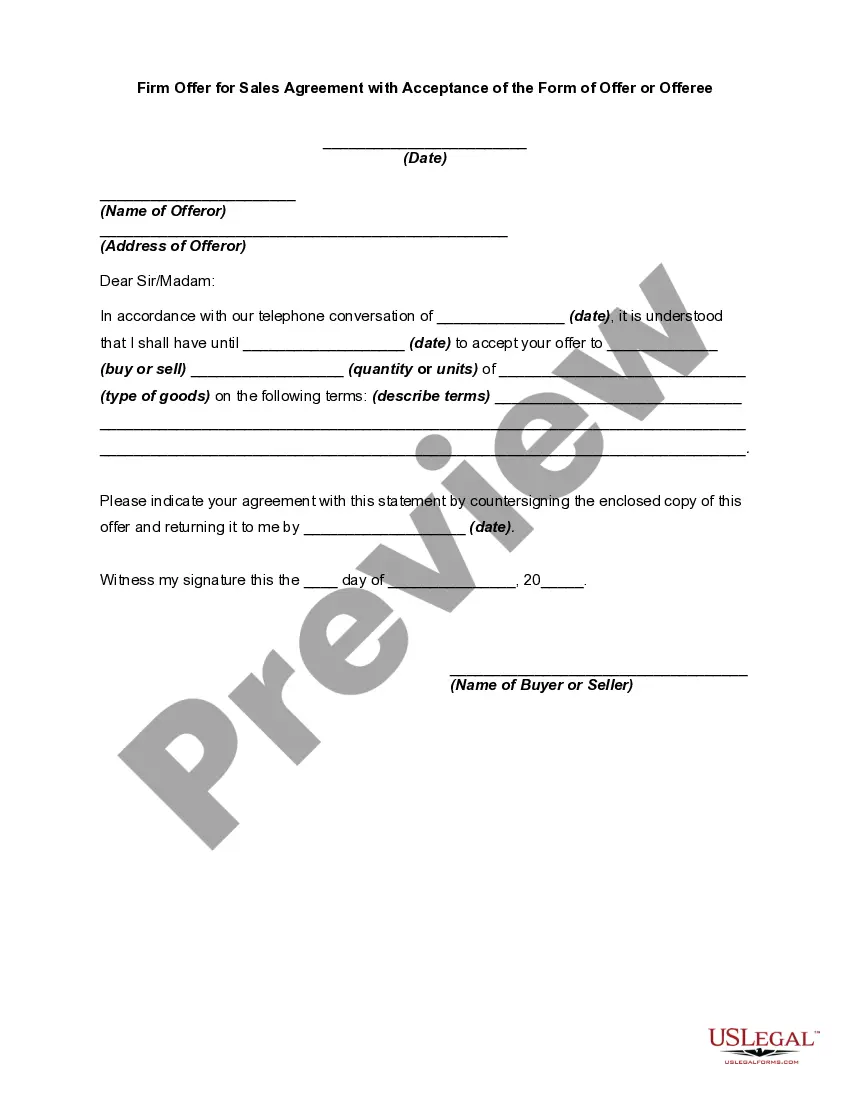
Acceptance And Offeree
Description
Get your form ready online
Our built-in tools help you complete, sign, share, and store your documents in one place.
Make edits, fill in missing information, and update formatting in US Legal Forms—just like you would in MS Word.
Download a copy, print it, send it by email, or mail it via USPS—whatever works best for your next step.
Sign and collect signatures with our SignNow integration. Send to multiple recipients, set reminders, and more. Go Premium to unlock E-Sign.
If this form requires notarization, complete it online through a secure video call—no need to meet a notary in person or wait for an appointment.
We protect your documents and personal data by following strict security and privacy standards.

Make edits, fill in missing information, and update formatting in US Legal Forms—just like you would in MS Word.

Download a copy, print it, send it by email, or mail it via USPS—whatever works best for your next step.

Sign and collect signatures with our SignNow integration. Send to multiple recipients, set reminders, and more. Go Premium to unlock E-Sign.

If this form requires notarization, complete it online through a secure video call—no need to meet a notary in person or wait for an appointment.

We protect your documents and personal data by following strict security and privacy standards.
Looking for another form?



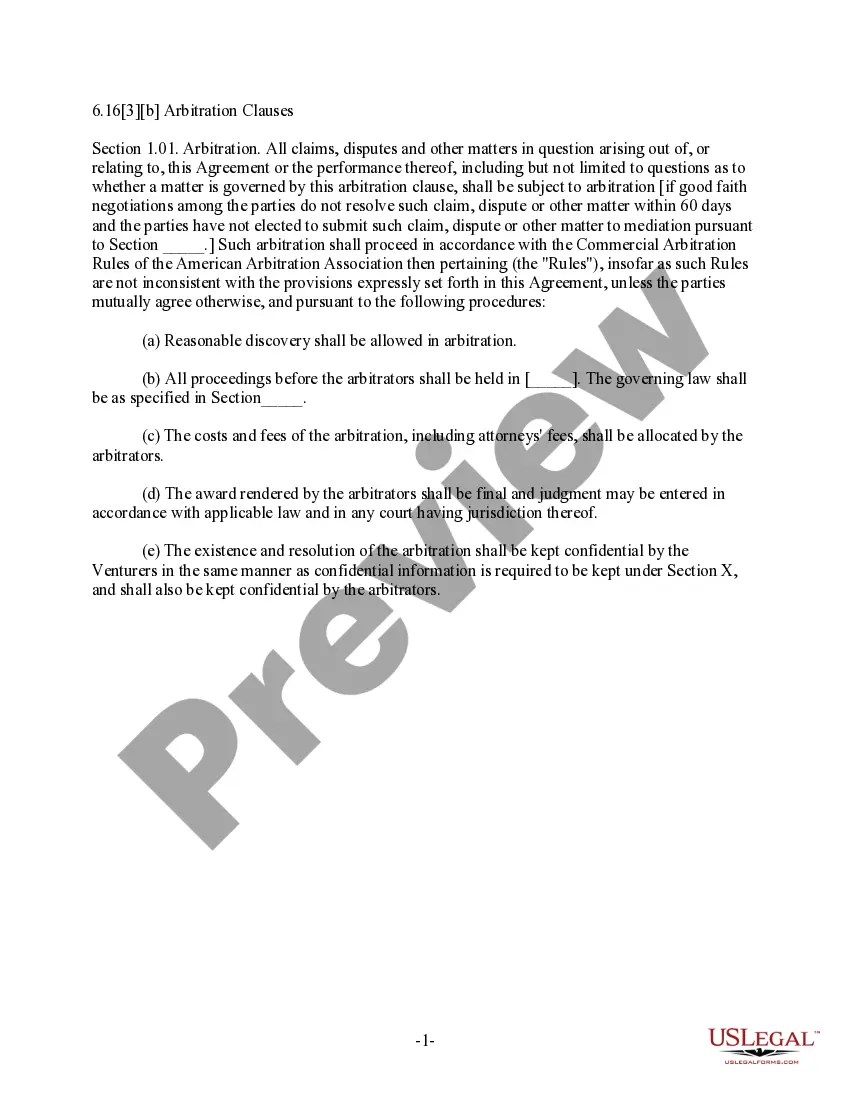



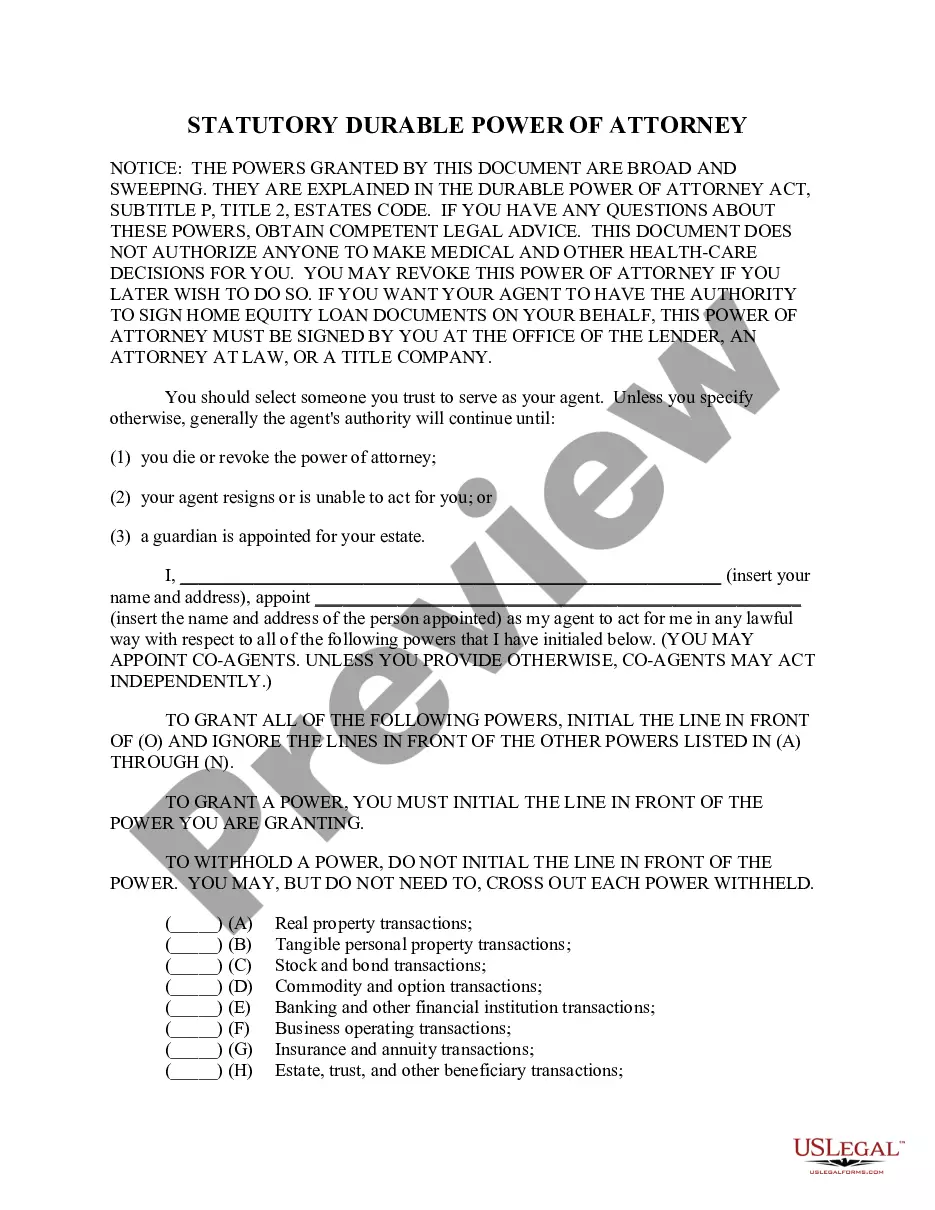
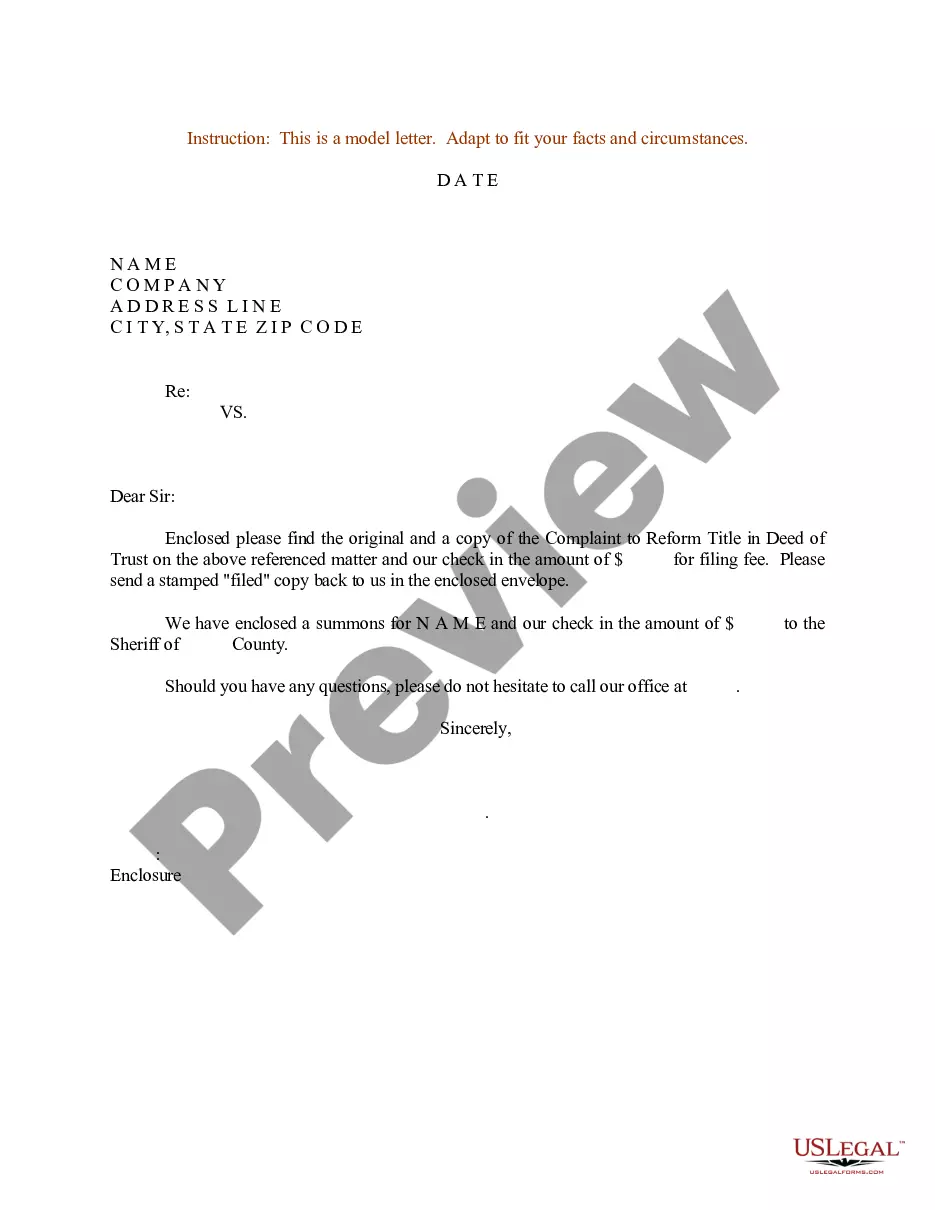
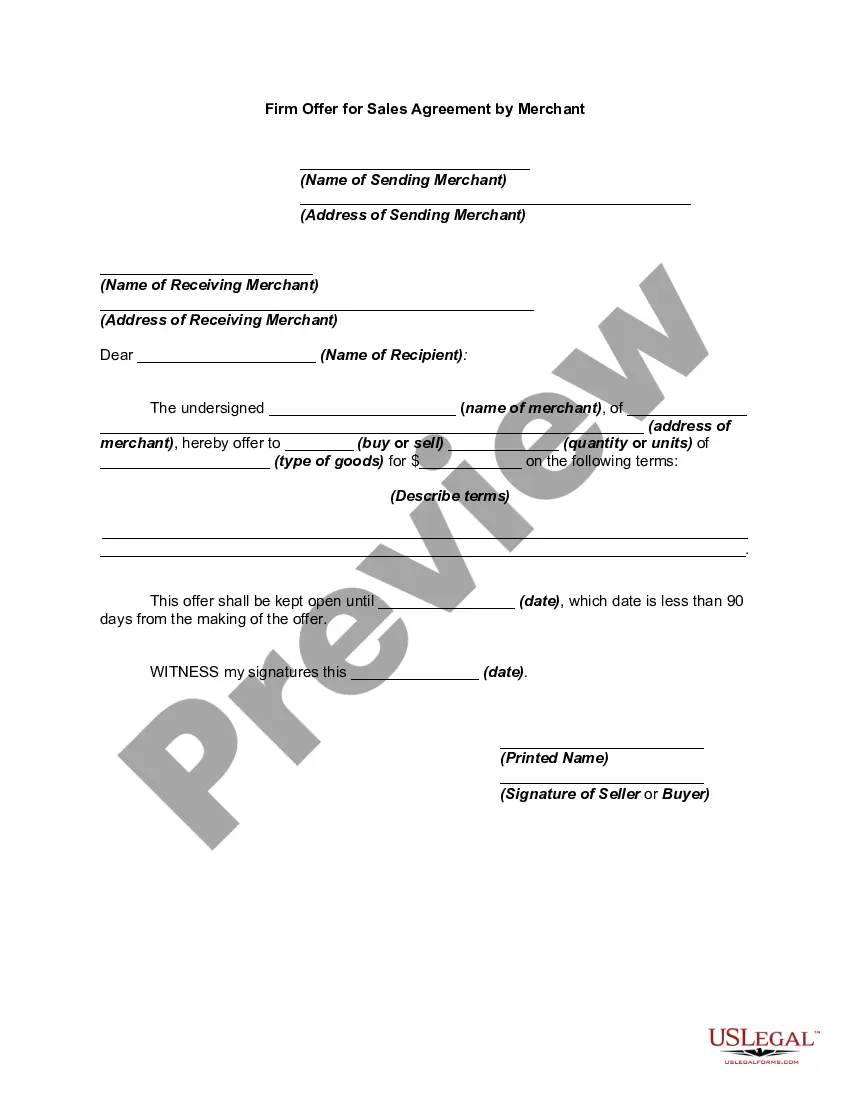
How to fill out Firm Offer For Sales Agreement With Acceptance Of The Form Of Offer Or Offeree?
Legal administration can be overwhelming, even for experienced professionals.
When you are looking for an Acceptance And Offeree and lack the time to dedicate to finding the correct and current version, the process can be challenging.
US Legal Forms addresses any requirements you may have, from personal to corporate documents, all in one place.
Leverage innovative tools to fill out and manage your Acceptance And Offeree.
Here are the steps to follow after obtaining the form you need: Verify that this is the correct form by previewing it and reviewing its details. Ensure that the template is valid in your state or county. Click Buy Now when you are prepared. Choose a monthly subscription plan. Select the format you require, and Download, complete, sign, print, and submit your document. Take advantage of the US Legal Forms online catalog, supported by 25 years of experience and trustworthiness. Transform your daily document management into a straightforward and user-friendly process today.
- Access a valuable resource pool of articles, guides, manuals, and tools related to your situation and requirements.
- Save effort and time searching for the documents you need, and utilize US Legal Forms’ advanced search and Preview feature to locate Acceptance And Offeree and obtain it.
- If you have a subscription, Log In to your US Legal Forms account, search for the form, and download it.
- Check your My documents section to view the documents you have previously saved and manage your folders as desired.
- If it's your first time using US Legal Forms, create an account and gain unlimited access to all the benefits of the platform.
- A comprehensive web form catalog could be transformative for anyone wanting to navigate these circumstances effectively.
- US Legal Forms is a frontrunner in online legal documents, with over 85,000 state-specific legal forms available to you at any time.
- With US Legal Forms, you can access state- or county-specific legal and business documents.
Form popularity
FAQ
The four pillars of a contract are Offer, Acceptance, Consideration, and Capacity. Offer refers to the proposal made by one party, while acceptance is the agreement by the offeree to those terms. Consideration is the value exchanged between parties, and capacity refers to the legal ability of parties to enter into a contract. Recognizing these pillars helps in crafting enforceable agreements.
Courts determine offer and acceptance by examining the communications between the parties involved. They look for clear indications of an offer and an unequivocal acceptance from the offeree. The context, including the behavior and intentions of both parties, plays a crucial role in this assessment. Ultimately, courts aim to ensure that both parties understand their rights and obligations under the contract.
Acceptance can be made through various forms, including verbal confirmation, written agreement, or even through actions that indicate consent. The key is that the acceptance must mirror the terms of the offer without modification. When the offeree clearly communicates acceptance, a binding contract is formed, ensuring both parties are on the same page. Using platforms like US Legal Forms can help clarify these processes.
The three P's of a contract are Proposal, Acceptance, and Performance. The proposal is made by the offeror, who presents the terms. Acceptance occurs when the offeree agrees to those terms, leading to performance, where both parties fulfill their obligations. Understanding these elements is vital for anyone involved in contract law.
An example of acceptance of a contract occurs when the offeree signs a written agreement after reviewing the terms provided by the offeror. This signature indicates the offeree's unambiguous agreement to the conditions outlined in the original offer. Additionally, verbal acceptance can also serve as a valid example, provided it is clear and mutual. For those seeking guidance, US Legal Forms offers practical examples and templates to help navigate the acceptance and offeree dynamics.
Writing a written acceptance involves clearly stating your agreement to the terms proposed by the offeror. Start by referencing the original offer, then express your acceptance unequivocally. It is important to include any specific conditions that you may want to address, ensuring that both parties understand the agreement. Utilizing resources like US Legal Forms can simplify this process, providing templates tailored for various acceptance scenarios.
In contract law, the offeror is the person who makes a proposal to enter into an agreement, while the offeree is the individual who receives that proposal. Understanding the roles of offeror and offeree is essential for grasping the concept of acceptance and offeree. The offeree has the right to accept, reject, or negotiate the terms presented by the offeror. Clear identification of these parties helps to avoid confusion during the acceptance process.