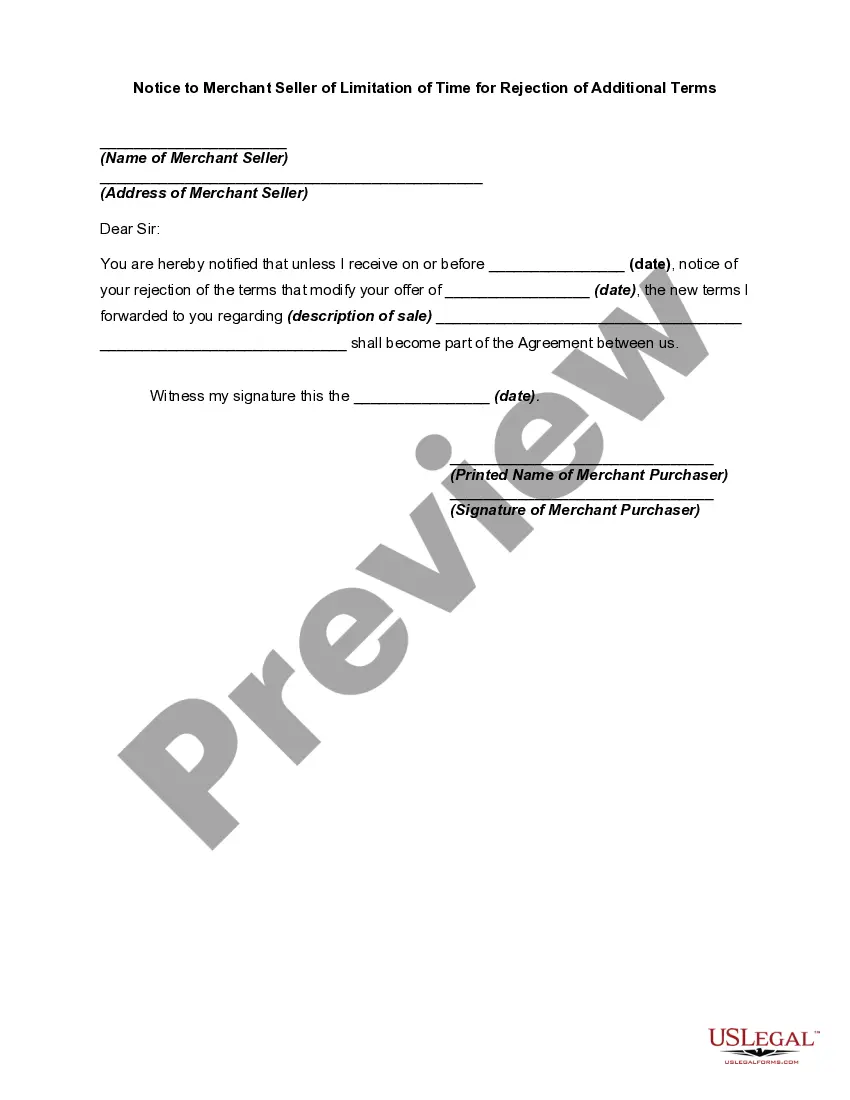
Seller Limit Order With Example
Description
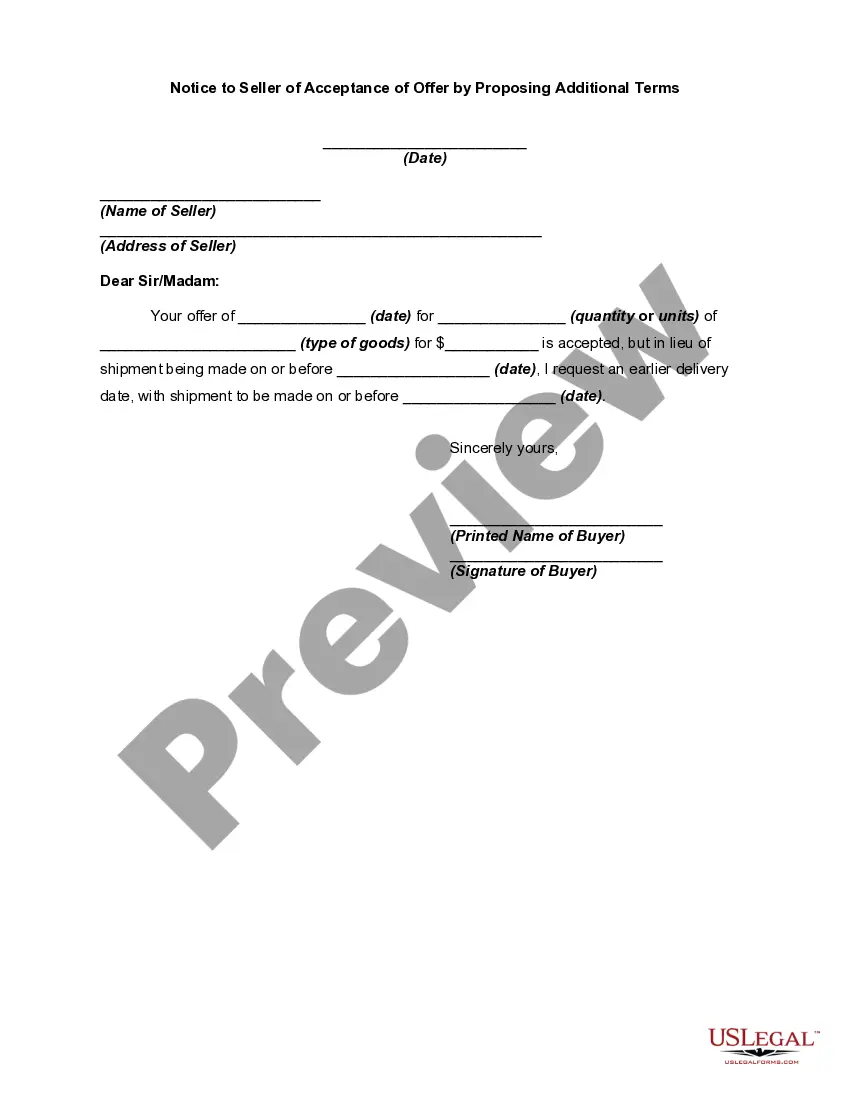
Get your form ready online
Our built-in tools help you complete, sign, share, and store your documents in one place.
Make edits, fill in missing information, and update formatting in US Legal Forms—just like you would in MS Word.
Download a copy, print it, send it by email, or mail it via USPS—whatever works best for your next step.
Sign and collect signatures with our SignNow integration. Send to multiple recipients, set reminders, and more. Go Premium to unlock E-Sign.
If this form requires notarization, complete it online through a secure video call—no need to meet a notary in person or wait for an appointment.
We protect your documents and personal data by following strict security and privacy standards.

Make edits, fill in missing information, and update formatting in US Legal Forms—just like you would in MS Word.

Download a copy, print it, send it by email, or mail it via USPS—whatever works best for your next step.

Sign and collect signatures with our SignNow integration. Send to multiple recipients, set reminders, and more. Go Premium to unlock E-Sign.

If this form requires notarization, complete it online through a secure video call—no need to meet a notary in person or wait for an appointment.

We protect your documents and personal data by following strict security and privacy standards.
Looking for another form?







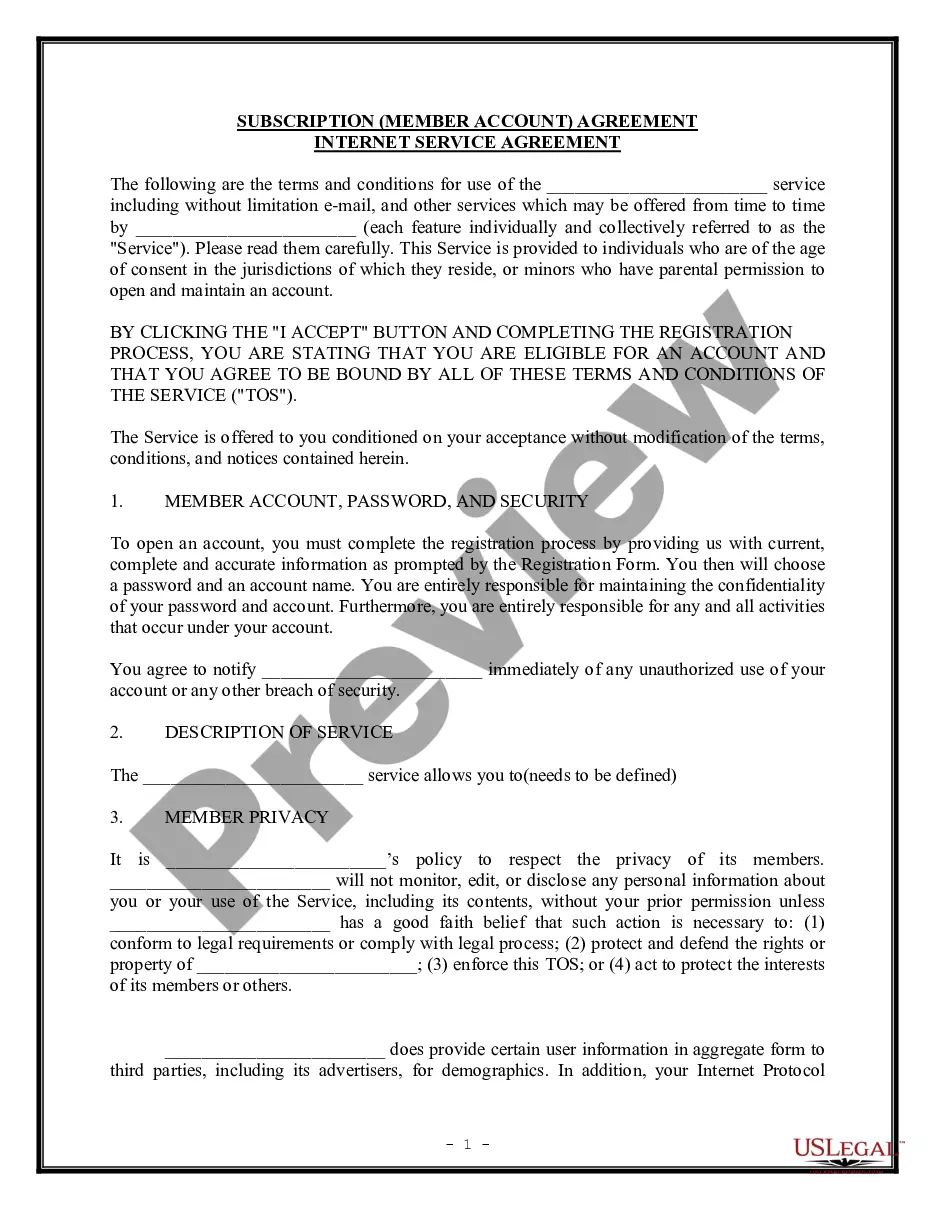


How to fill out Notice To Merchant Seller Of Limitation Of Time For Rejection Of Additional Terms?
It’s well known that you cannot become a legal expert instantly, nor can you quickly learn how to efficiently prepare a Seller Limit Order With Example without possessing a distinct set of abilities.
Crafting legal documents is an elaborate process that necessitates particular education and expertise. So why not entrust the creation of the Seller Limit Order With Example to the experts.
With US Legal Forms, one of the most extensive legal document archives, you can access a variety of resources from court paperwork to templates for internal business communication.
If you need a different form, start your search again.
Create a free account and choose a subscription plan to purchase the template.
- We recognize how vital it is to comply with federal and state laws and standards.
- That’s why, on our platform, all documents are tailored to specific locations and regularly updated.
- Here’s how to start with our website and obtain the form you require in just a few minutes.
- Locate the document you need using the search bar at the top of the page.
- Preview it (if this feature is available) and read the accompanying description to determine if the Seller Limit Order With Example is what you’re seeking.
Form popularity
FAQ
Narrator: To enter a Sell Stop Limit Order, you must enter a Stop price below the current security price and a Limit price less than or equal to the Stop price, ideally the lowest price you're willing to accept. $85 is entered as Stop price and $80 is set as Limit price.
How Do You Place a Buy Limit Order? To place a buy limit order, you will first need to determine your limit price for the security you want to buy. The limit price is the maximum amount you are willing to pay to buy the security. If your order is triggered, it will be filled at your limit price or lower.
A trader who wanted to sell the stock when it reached $142 would place a sell limit order with a limit price of $142 (red line). If the stock rose to that level or higher, the limit order would be triggered and the order would be executed at $142 or above.
What is a limit order and how does it work? A limit order is an order to buy or sell a stock with a restriction on the maximum price to be paid (with a buy limit) or the minimum price to be received (with a sell limit). If the order is filled, it will only be at the specified limit price or better.
A limit order is an order to buy or sell a security at a specific price or better. A buy limit order can only be executed at the limit price or lower, and a sell limit order can only be executed at the limit price or higher. Example: An investor wants to purchase shares of ABC stock for no more than $10.