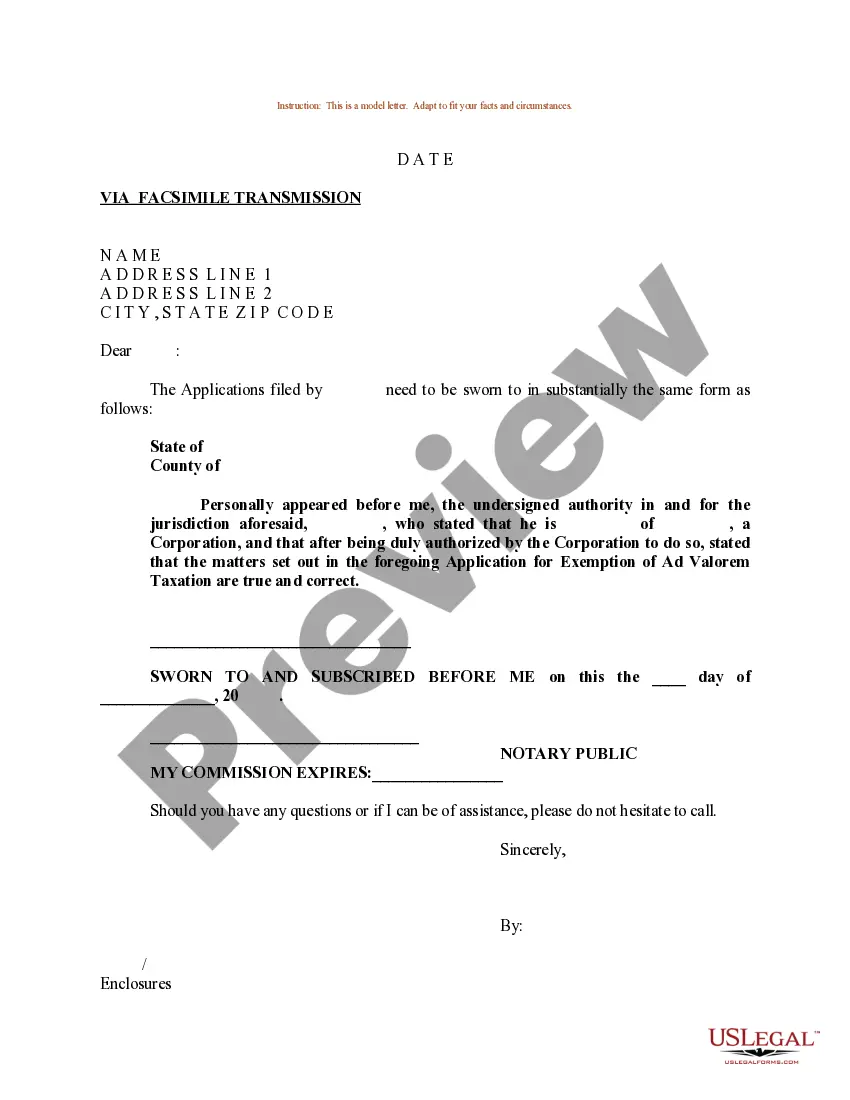
Valorem Taxes Ad With Florida
Description

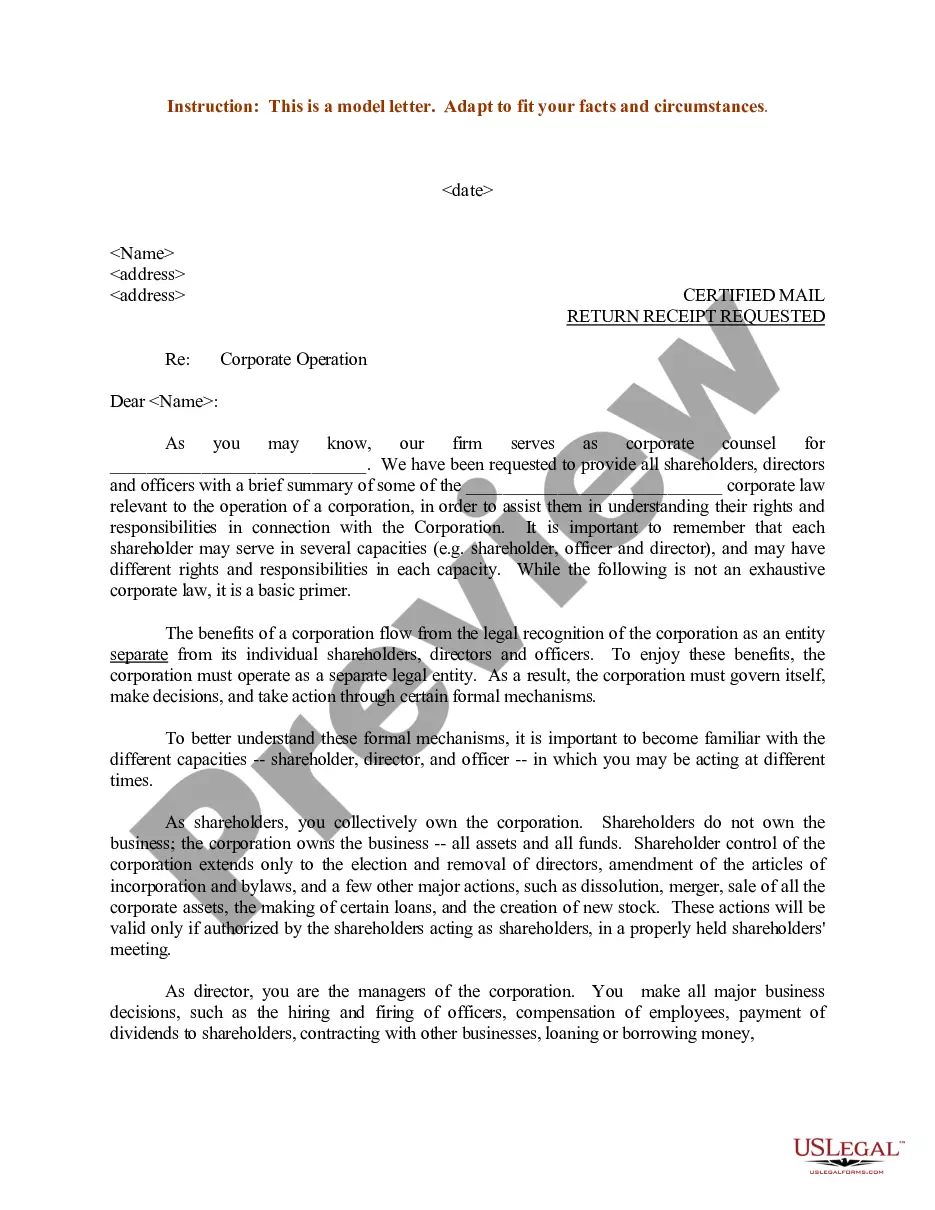
Get your form ready online
Our built-in tools help you complete, sign, share, and store your documents in one place.
Make edits, fill in missing information, and update formatting in US Legal Forms—just like you would in MS Word.
Download a copy, print it, send it by email, or mail it via USPS—whatever works best for your next step.
Sign and collect signatures with our SignNow integration. Send to multiple recipients, set reminders, and more. Go Premium to unlock E-Sign.
If this form requires notarization, complete it online through a secure video call—no need to meet a notary in person or wait for an appointment.
We protect your documents and personal data by following strict security and privacy standards.

Make edits, fill in missing information, and update formatting in US Legal Forms—just like you would in MS Word.

Download a copy, print it, send it by email, or mail it via USPS—whatever works best for your next step.

Sign and collect signatures with our SignNow integration. Send to multiple recipients, set reminders, and more. Go Premium to unlock E-Sign.

If this form requires notarization, complete it online through a secure video call—no need to meet a notary in person or wait for an appointment.

We protect your documents and personal data by following strict security and privacy standards.
Looking for another form?
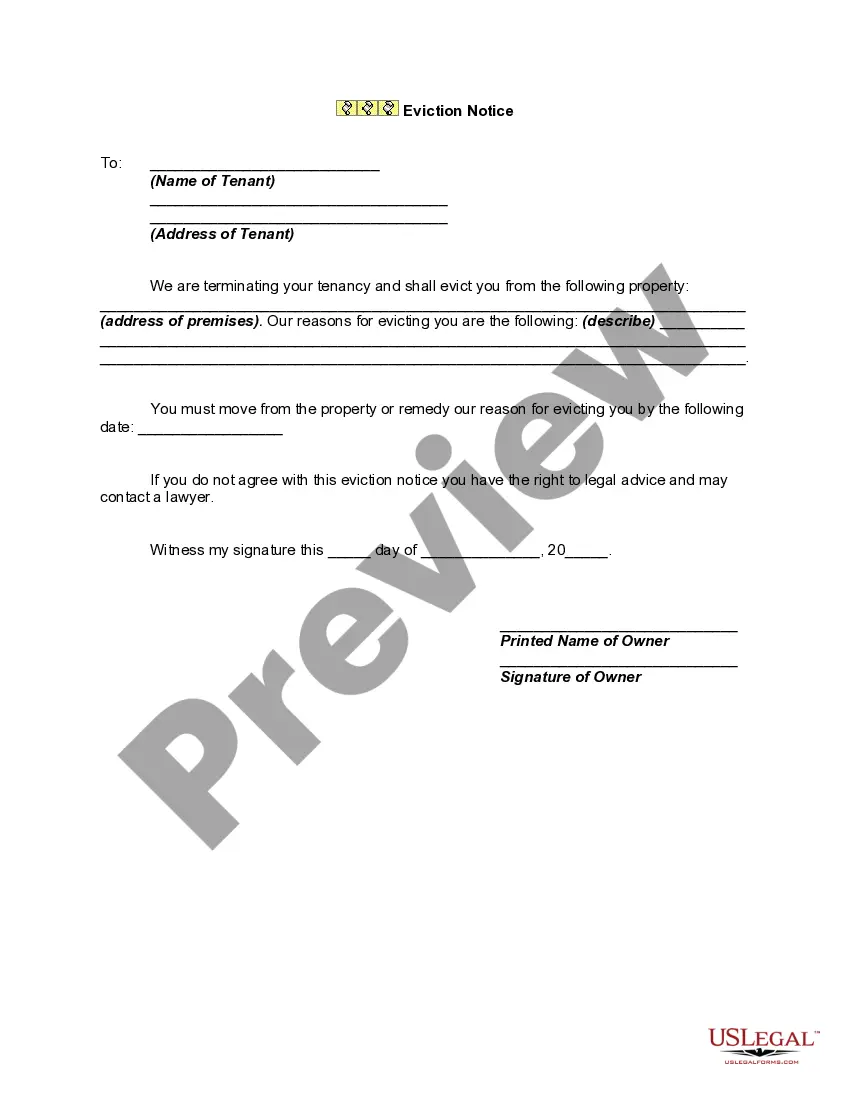



How to fill out Sample Letter For Corporation Application?
Legal documents handling can be perplexing, even for the most seasoned professionals.
When you are looking for a Valorem Taxes Advertisement With Florida and do not have the time to dedicate to finding the correct and current version, the process could be challenging.
If you have a subscription, Log In to your US Legal Forms account, search for the document, and obtain it.
Review your My documents tab to view the documents you previously stored and to manage your files as you wish.
Leverage the US Legal Forms online library, backed by 25 years of experience and reliability. Transform your routine document management into a seamless and intuitive process today.
- Verify this is the correct document by previewing it and reading through its details.
- Ensure that the template is accepted in your state or county.
- Click Buy Now when you are ready.
- Choose a monthly subscription plan.
- Select the format you desire, and Download, complete, eSign, print, and send your document.
- Utilize powerful tools to complete and manage your Valorem Taxes Advertisement With Florida.
- Access a valuable repository of articles, guides, and manuals related to your situation and needs.
- Save time and energy seeking the documents you require, and use US Legal Forms’ sophisticated search and Preview tool to locate Valorem Taxes Advertisement With Florida and obtain it.
Form popularity
FAQ
How is ad valorem tax calculated? It is calculated by multiplying the property's assessed value with the tax rates applied. For example, if A buys a car worth $1000 and the rate applied is 4%, the tax applicable is 1000*4/100 = 1000*0.04 = $40.
The Latin phrase ad valorem means "ing to value." So all ad valorem taxes are based on the assessed value of the item being taxed. Property ad valorem taxes (property taxes) are usually levied by local jurisdictions, such as counties or school districts.
To apply for a refund, complete an Application for Refund of Ad Valorem Taxes (Form DR-462) and submit it to your county tax collector. Explain the reason for the refund, attach any documents that support your request, and sign and date the application.
Ad Valorem (Property) Tax If you own property in Florida, that property is assessed annually by the county property appraiser. This assessment determines the amount of ad valorem taxes owed each year on your property. Ad valorem or property taxes are collected annually by the county tax collector.
A millage rate is the rate of tax per thousand dollars of taxable value. To determine the ad valorem tax, multiply the taxable value (assessed value less any exemptions) by the millage rate and divide by 1,000. For example, $100,000 in taxable value with a millage rate of 5.0000 would generate $500 in taxes.