Moving Out List
Description
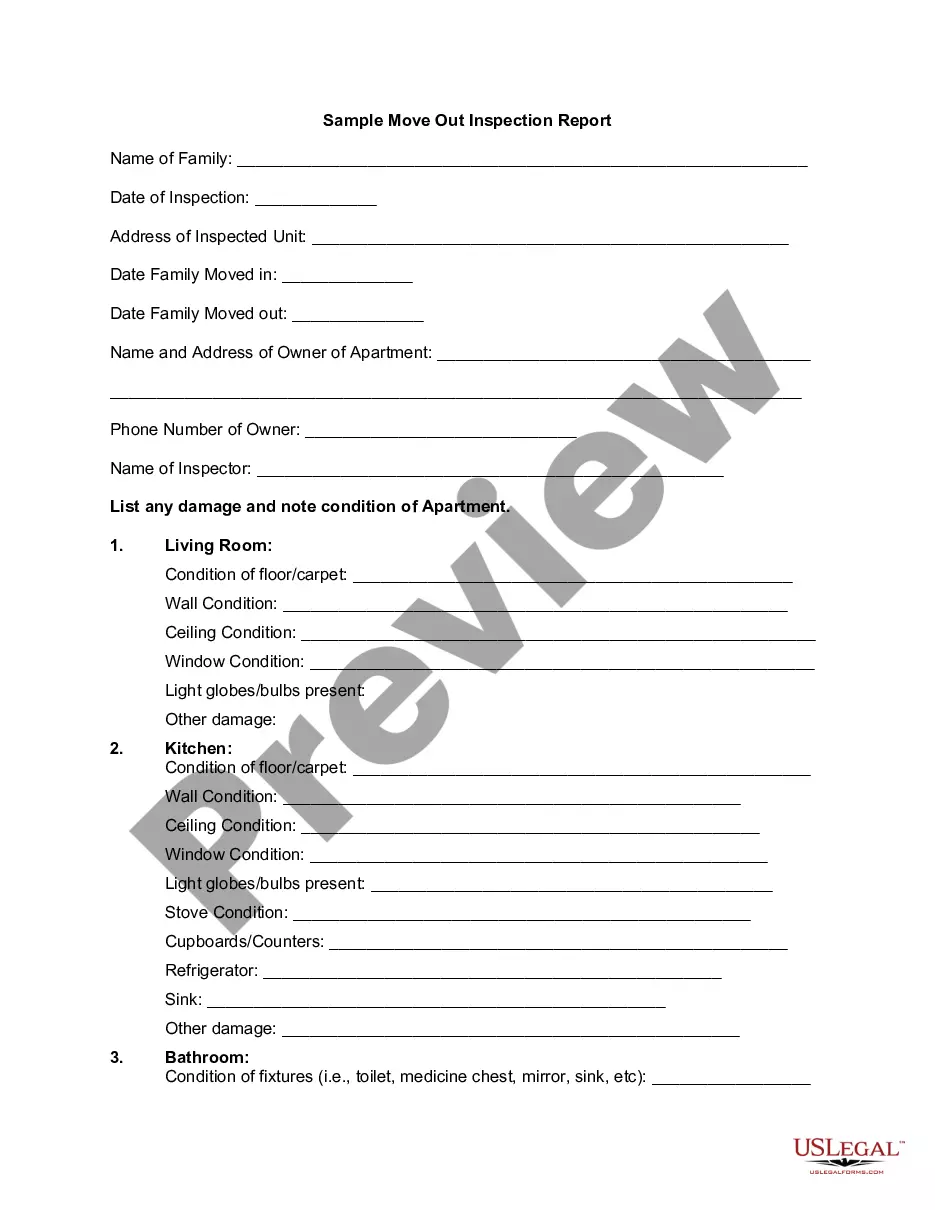
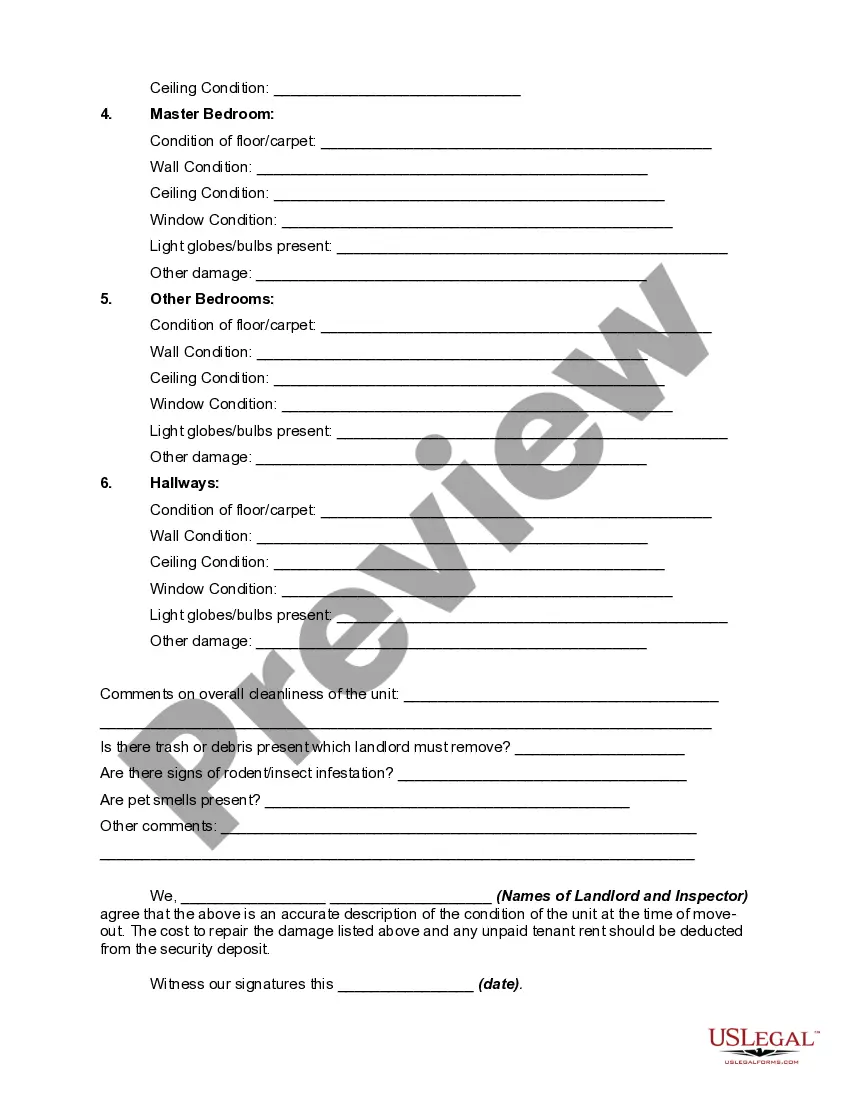
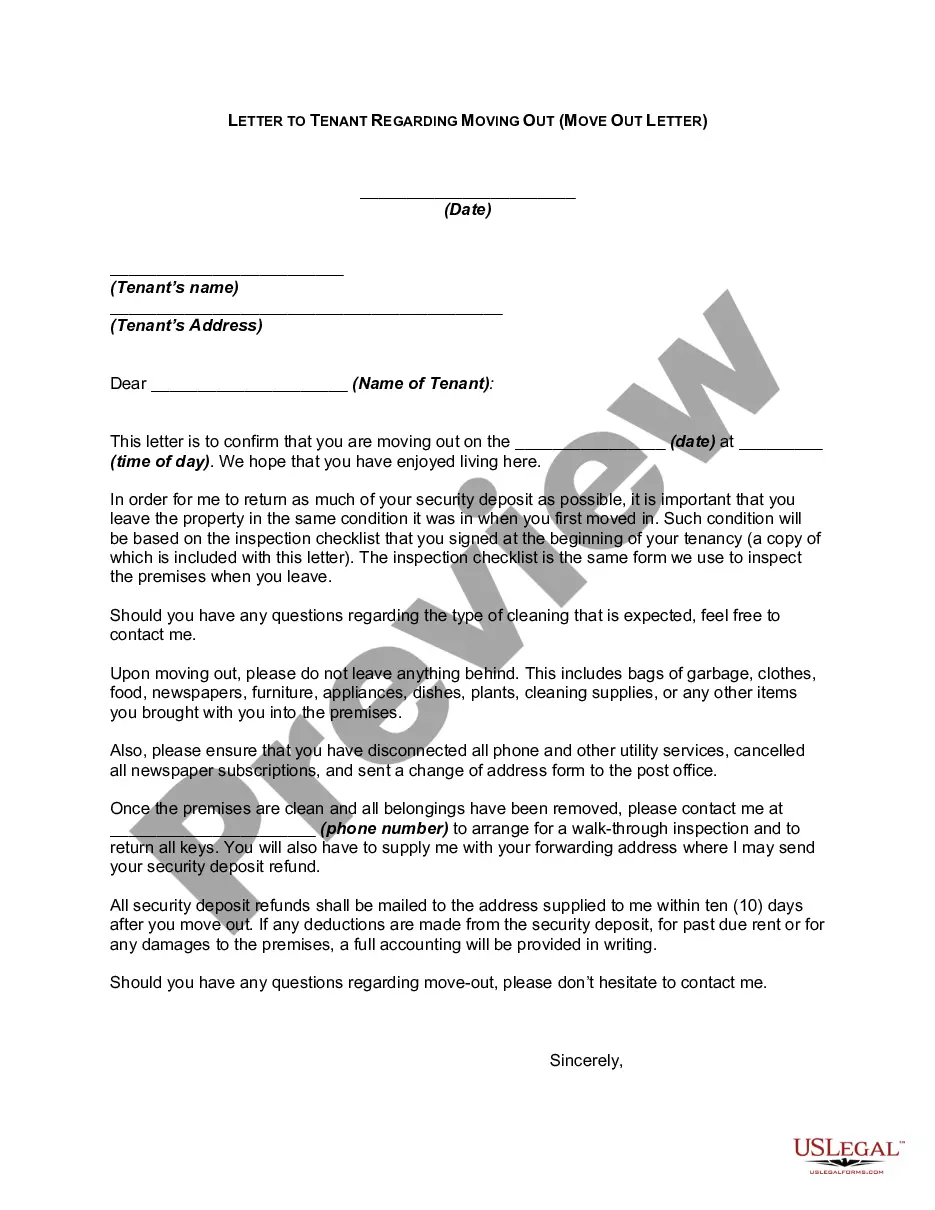
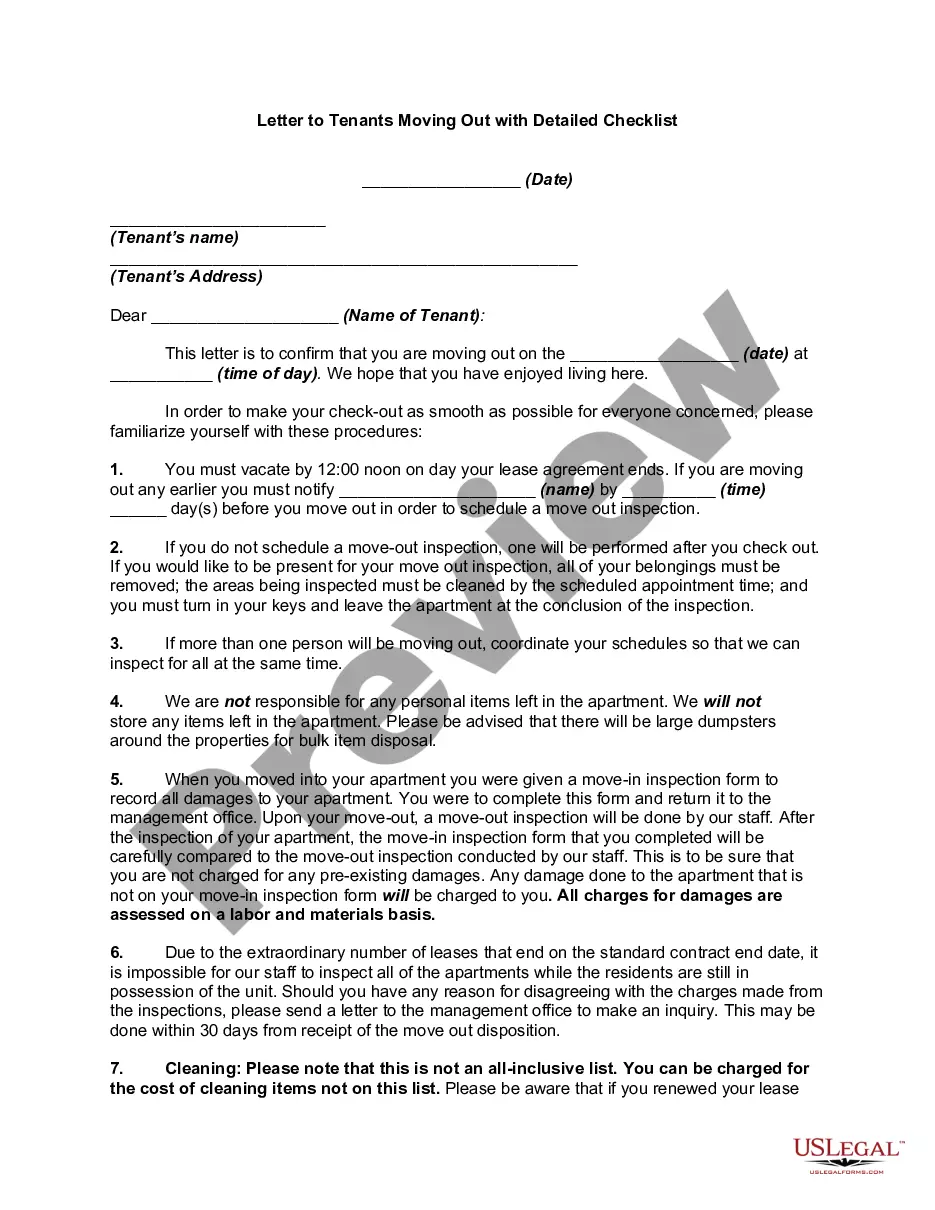
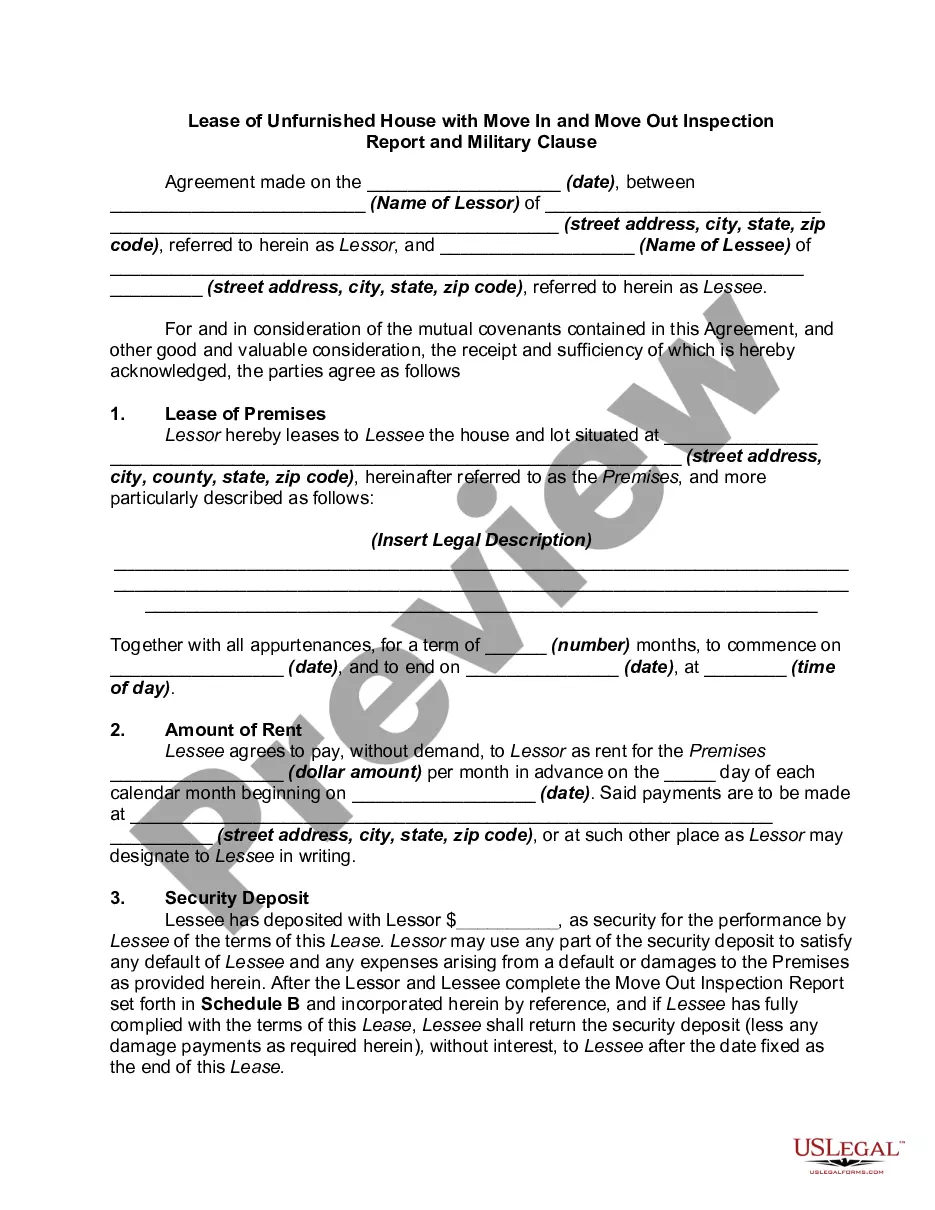
Get your form ready online
Our built-in tools help you complete, sign, share, and store your documents in one place.
Make edits, fill in missing information, and update formatting in US Legal Forms—just like you would in MS Word.
Download a copy, print it, send it by email, or mail it via USPS—whatever works best for your next step.
Sign and collect signatures with our SignNow integration. Send to multiple recipients, set reminders, and more. Go Premium to unlock E-Sign.
If this form requires notarization, complete it online through a secure video call—no need to meet a notary in person or wait for an appointment.
We protect your documents and personal data by following strict security and privacy standards.

Make edits, fill in missing information, and update formatting in US Legal Forms—just like you would in MS Word.

Download a copy, print it, send it by email, or mail it via USPS—whatever works best for your next step.

Sign and collect signatures with our SignNow integration. Send to multiple recipients, set reminders, and more. Go Premium to unlock E-Sign.

If this form requires notarization, complete it online through a secure video call—no need to meet a notary in person or wait for an appointment.

We protect your documents and personal data by following strict security and privacy standards.
Looking for another form?


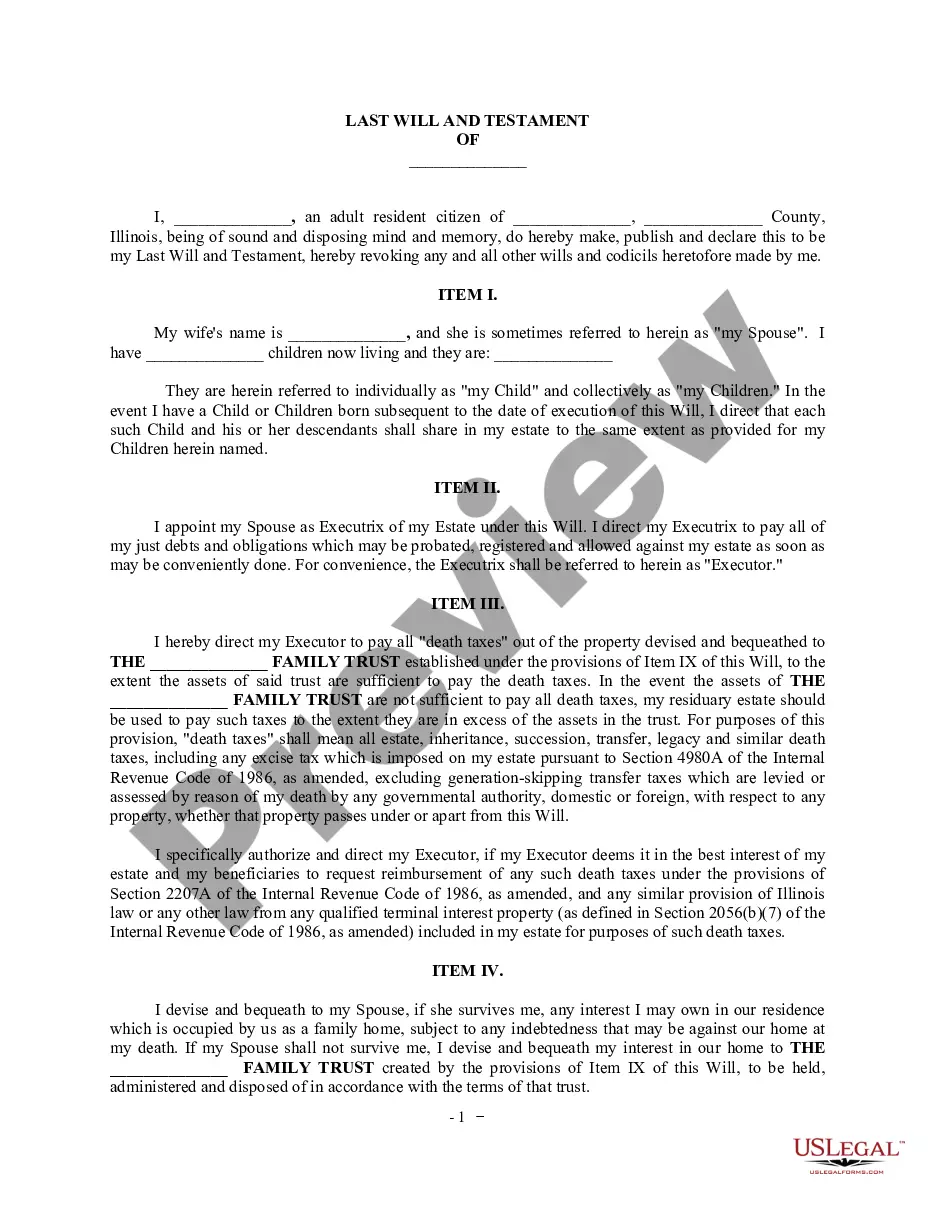




How to fill out Sample Move Out Inspection Report?
Legal administration can be exasperating, even for the most skilled professionals.
When seeking a Moving Out Checklist and lacking the time to invest in finding the correct and updated version, the tasks can become overwhelming.
Utilize advanced tools to complete and manage your Moving Out Checklist.
Access a repository of articles, manuals, and resources relevant to your situation and needs.
- Save time and effort searching for the documents required, and utilize US Legal Forms’ advanced search and Review function to locate Moving Out Checklist and obtain it.
- If you possess a monthly subscription, Log In to your US Legal Forms account, search for the document, and acquire it.
- Check the My documents section to examine the documents you’ve previously downloaded and manage your files as you prefer.
- If this is your initial experience with US Legal Forms, establish an account and gain unrestricted access to all benefits of the library.
- Here are the steps to follow after acquiring the document you desire.
- A comprehensive web form database could be a transformative solution for anyone aiming to manage these circumstances efficiently.
- US Legal Forms is a prominent leader in online legal documents, providing more than 85,000 state-specific legal documents accessible whenever required.
- With US Legal Forms, you gain entry to legal and business documents tailored to your state or county. US Legal Forms addresses all your needs, from individual to corporate documents, all in one place.
Form popularity
FAQ
Writing a checklist begins with identifying the tasks you need to accomplish for your move. Use a moving out list format, placing each task on its line for clarity. Be specific about what you need to do, ensuring that you can easily understand and follow the checklist later. This attention to detail can help you stay organized during your transition.
In general, you should have at least three months' worth of living expenses saved up as emergency funds just in case something unexpected happens during your move. For example, if you're planning on renting an apartment for $1,200 per month, then you'll need about $4,000 in savings before moving out.
The 50/30/20 rule is a budgeting technique that involves dividing your money into three primary categories based on your after-tax income (i.e., your take-home pay): 50% to needs, 30% to wants and 20% to savings and debt payments.
Find a new place. Three months is the absolute minimum length of time you should give yourself to begin searching for a new home, particularly if you're buying. ... Notify your landlord or realtor. ... Set a moving budget. ... Create a home inventory. ... Schedule some help. ... Donate or sell off unneeded items. ... Begin repairs. ... Start packing.
Create a 5-Step Packing Timeline 1 week before moving day: finish packing. 2 weeks before moving day: pack the rest, and identify essentials. ... 3 weeks before moving day: pack infrequently used belongings. ... 4 to 6 weeks before moving day: downsize. ... 5 to 7 weeks before moving day: gather supplies. ...
One to two months before moving Schedule cancellations of utilities and services. ... Give notice. ... Start culling your possessions. ... If you're hiring movers, pick a moving company. ... Determine whether you (or your movers) need a parking permit for moving day. ... Get supplies and start packing. ... Send notice of your new address.