Tenant Moved Without Paying Rent
Description
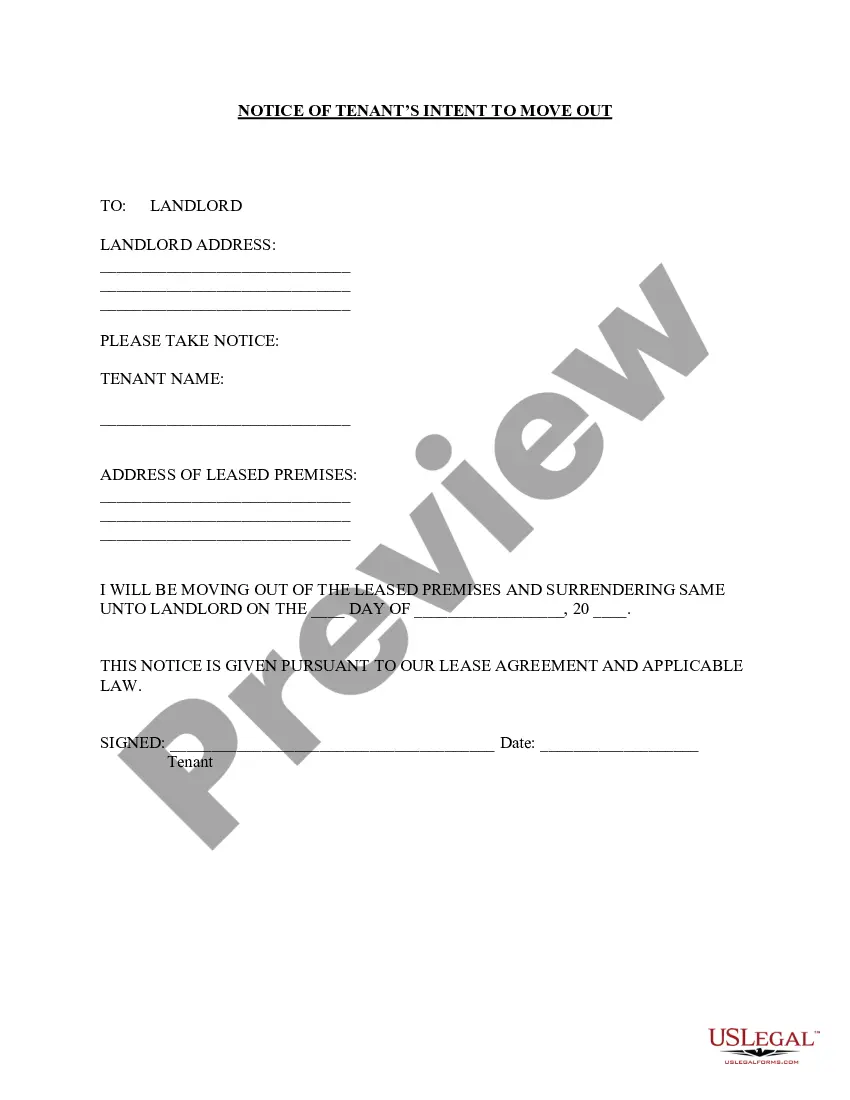
Get your form ready online
Our built-in tools help you complete, sign, share, and store your documents in one place.
Make edits, fill in missing information, and update formatting in US Legal Forms—just like you would in MS Word.
Download a copy, print it, send it by email, or mail it via USPS—whatever works best for your next step.
Sign and collect signatures with our SignNow integration. Send to multiple recipients, set reminders, and more. Go Premium to unlock E-Sign.
If this form requires notarization, complete it online through a secure video call—no need to meet a notary in person or wait for an appointment.
We protect your documents and personal data by following strict security and privacy standards.

Make edits, fill in missing information, and update formatting in US Legal Forms—just like you would in MS Word.

Download a copy, print it, send it by email, or mail it via USPS—whatever works best for your next step.

Sign and collect signatures with our SignNow integration. Send to multiple recipients, set reminders, and more. Go Premium to unlock E-Sign.

If this form requires notarization, complete it online through a secure video call—no need to meet a notary in person or wait for an appointment.

We protect your documents and personal data by following strict security and privacy standards.
Looking for another form?








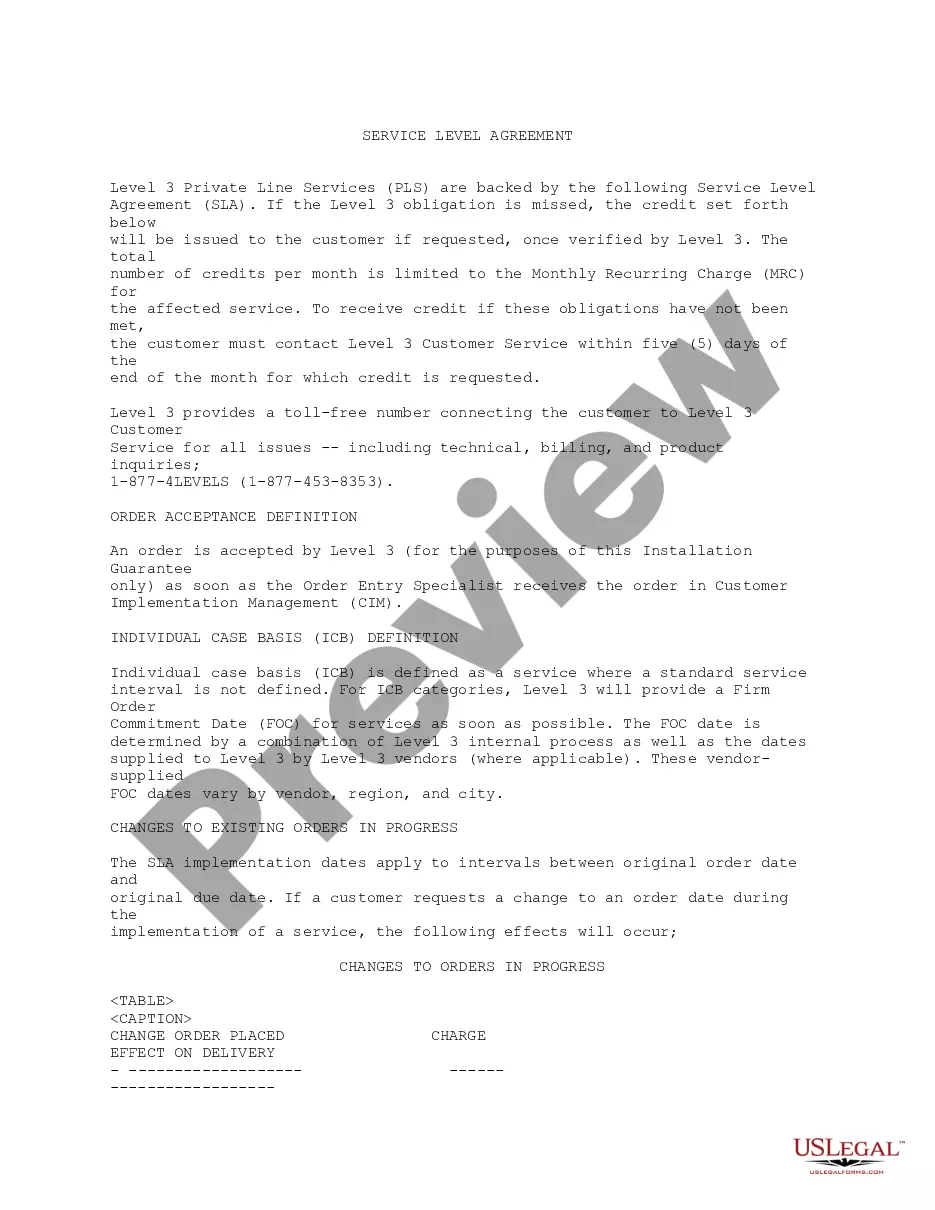
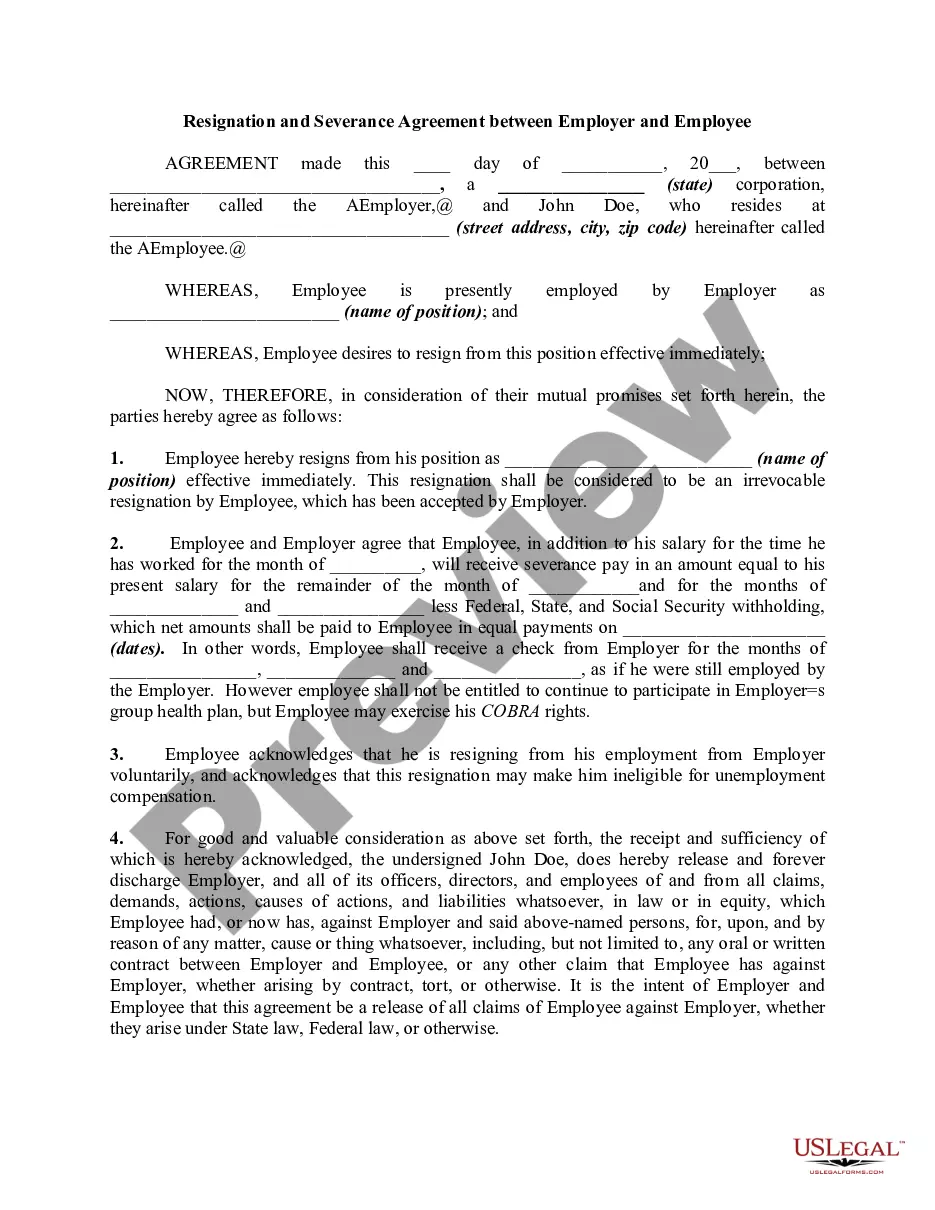
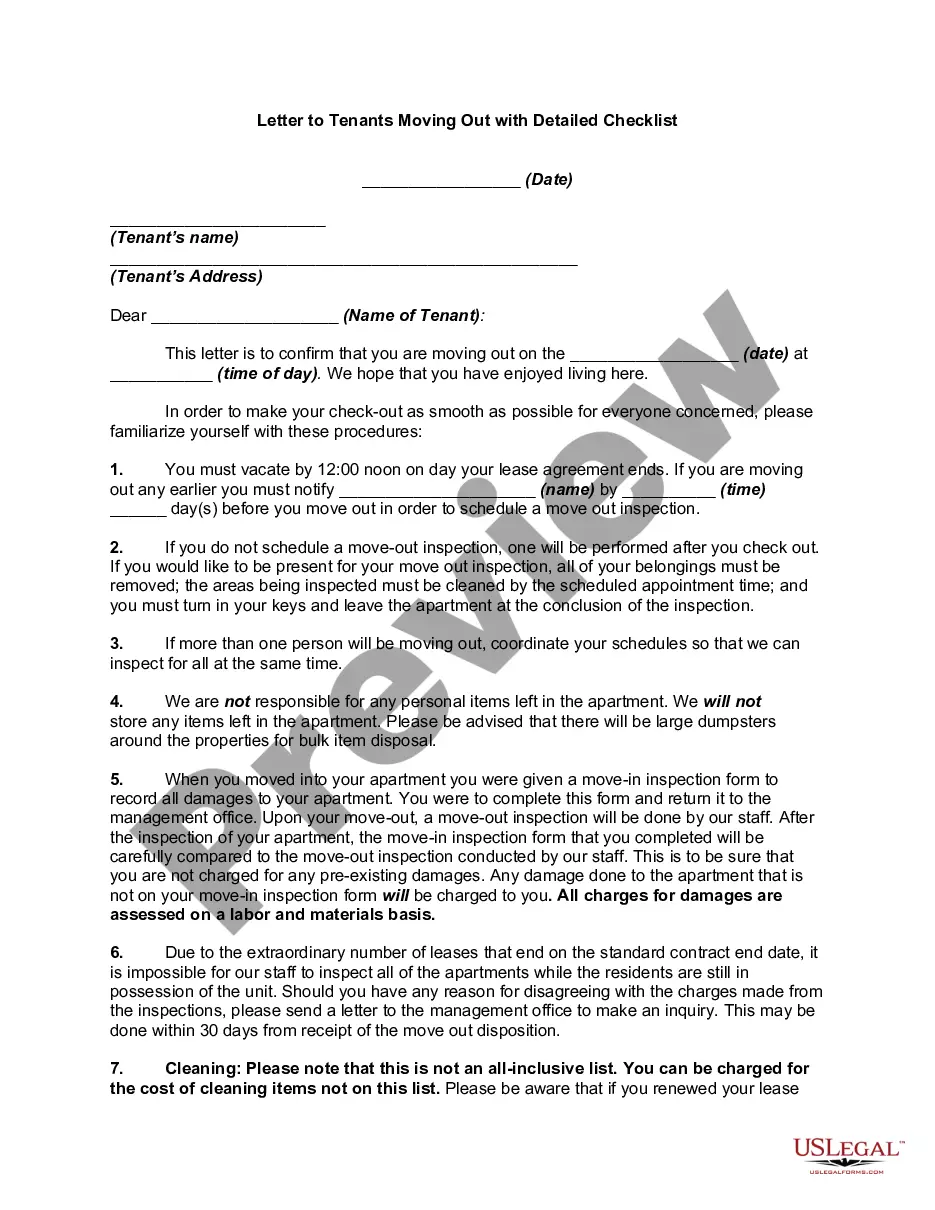
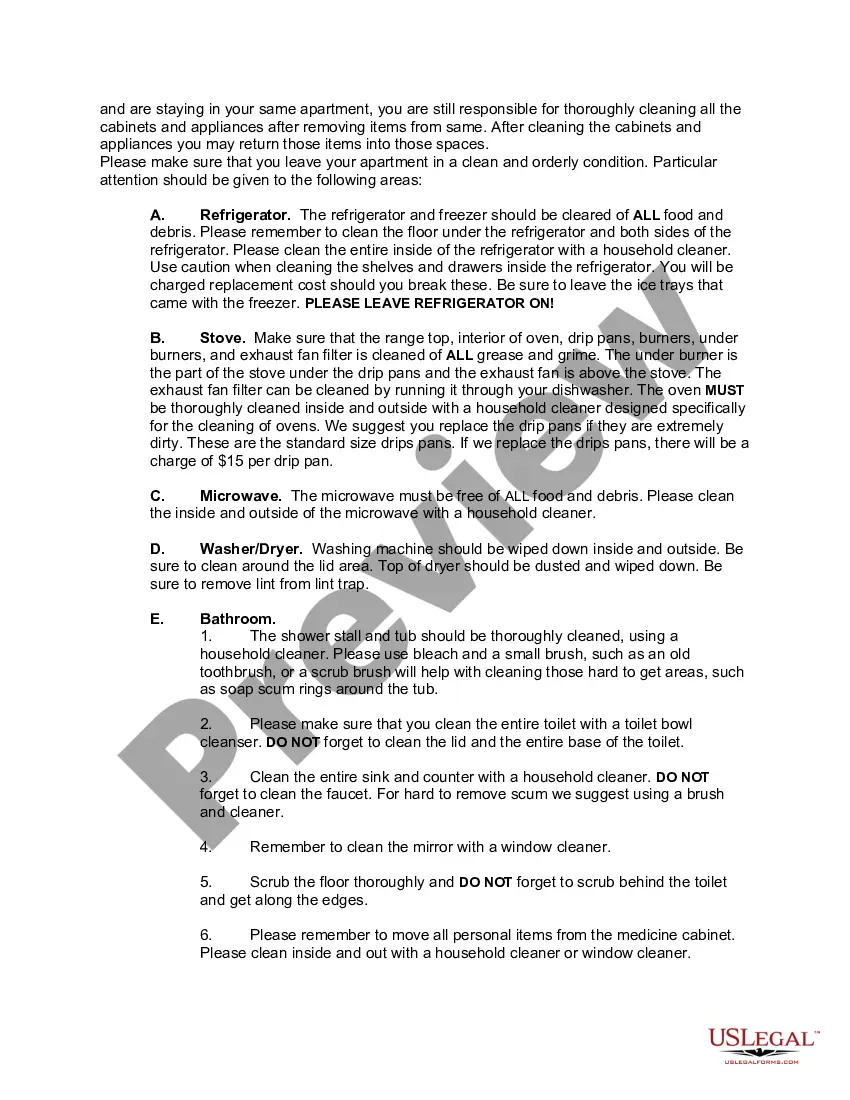
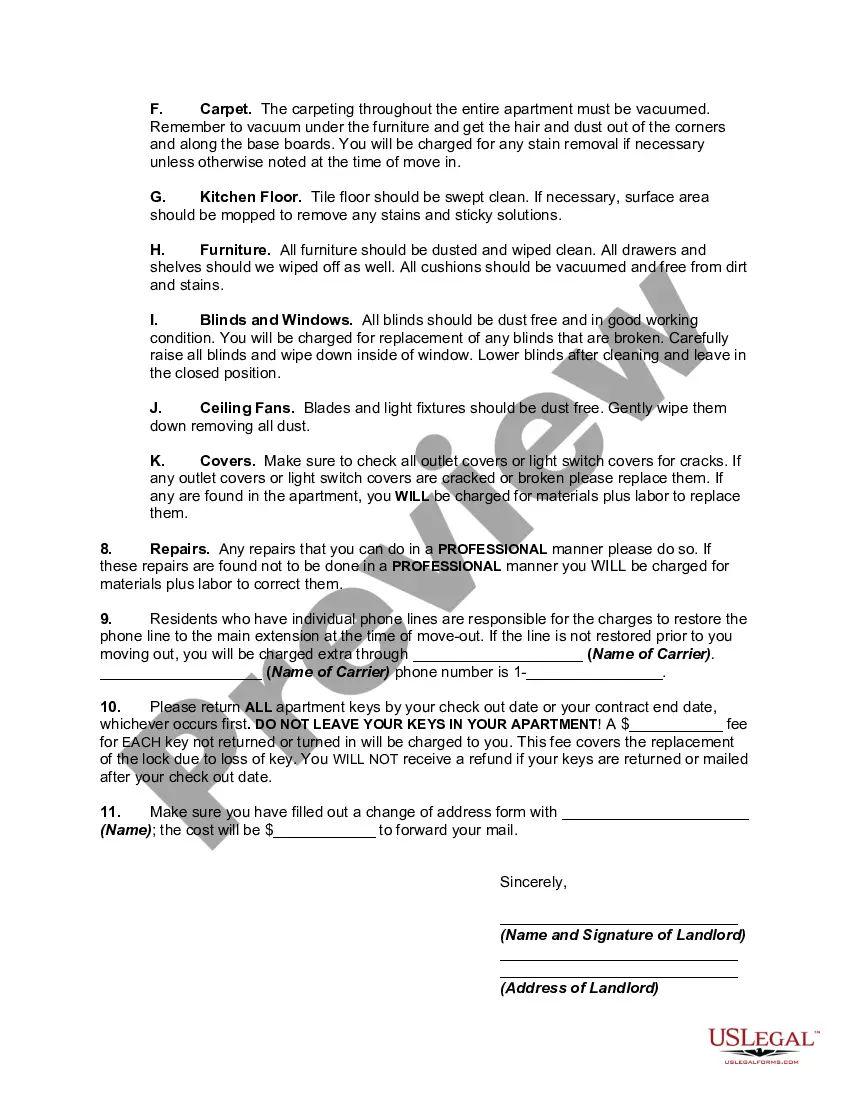
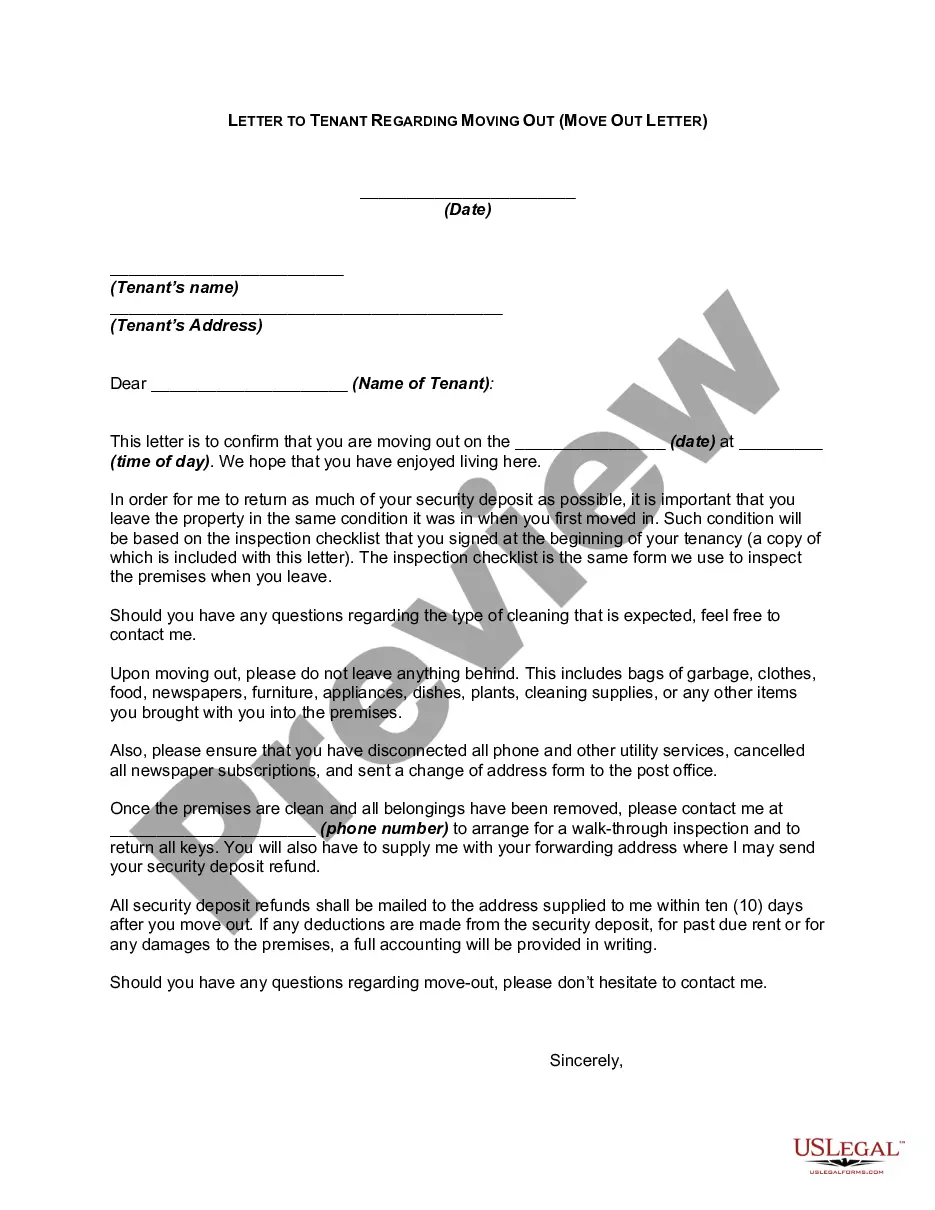
How to fill out Letter To Tenants Moving Out With Detailed Checklist?
Discovering a reliable location to obtain the most up-to-date and suitable legal templates is half the battle of navigating bureaucracy. Identifying the correct legal documents necessitates precision and meticulousness, which is why it is crucial to obtain samples of Tenant Vacated Without Remitting Rent exclusively from trustworthy sources, such as US Legal Forms. An incorrect document will squander your time and delay your current situation. With US Legal Forms, you have minimal worries. You can access and review all relevant information regarding the document’s applicability for your circumstances and within your state or area.
Consider the following steps to complete your Tenant Vacated Without Remitting Rent.
Eliminate the complications associated with your legal paperwork. Explore the extensive US Legal Forms library to locate legal templates, assess their suitability for your situation, and download them immediately.
- Use the library navigation or search feature to find your template.
- Examine the form’s details to determine if it meets the requirements of your state and area.
- View the form preview, if available, to ensure the form is indeed the one you require.
- Return to the search to find the appropriate document if the Tenant Vacated Without Remitting Rent does not fulfill your needs.
- Once you are confident about the form’s applicability, download it.
- If you are a registered customer, click Log in to verify and access your selected forms in My documents.
- If you do not yet have an account, click Buy now to obtain the form.
- Choose the pricing option that meets your needs.
- Proceed to registration to complete your purchase.
- Finalize your acquisition by selecting a payment method (credit card or PayPal).
- Choose the document format for downloading Tenant Vacated Without Remitting Rent.
- Once you have the form on your device, you can edit it using the editor or print it out and complete it by hand.
Form popularity
FAQ
A tenant generally cannot be evicted immediately without proper legal procedures. If a tenant moved without paying rent, a landlord must typically follow state laws regarding eviction notices and court filings. The timeline can vary, so it's important to understand local regulations. Consulting with US Legal Forms can provide clarity and necessary forms to facilitate the eviction process.
If a tenant stops paying rent in a rent-to-own agreement, the landlord typically has the right to terminate the contract. This means the tenant risks losing both their home and any equity they have built. Furthermore, landlords may pursue legal action for any unpaid rent. Resources available through US Legal Forms can guide landlords and tenants through this complex situation.
If you move out and still owe rent, the landlord typically has the right to pursue payment. This could involve filing a lawsuit or sending your debt to a collection agency. Moreover, it can negatively impact your credit record, making future rental applications difficult. It's always best to communicate with the landlord and find a feasible payment arrangement.
Collecting unpaid rent after a tenant moves out usually involves several steps. Start by reaching out to the tenant to remind them of their responsibility. If this fails, consider taking legal action by filing a claim in court. Utilizing platforms like US Legal Forms can help streamline the process of preparing necessary legal documents and ensuring compliance with relevant laws.
To sue a former tenant for unpaid rent, first collect all relevant documentation, including the lease agreement and payment records. The landlord must file a claim in small claims court if the amount is below the court's threshold. Presenting clear evidence is crucial for a successful case, especially if the tenant moved without paying rent. Additionally, consider using US Legal Forms for guidance through the legal proceedings.
Yes, a landlord can send a tenant to collections for unpaid rent after they have moved out without any payment. This process involves involving a collection agency to retrieve the outstanding balance. It's important for landlords to follow legal channels and have proper documentation to support their claims. Using services like US Legal Forms can simplify this process.
If a tenant moves without paying rent, landlords usually start by contacting the tenant to resolve the issue. If this approach doesn't work, landlords can report the delinquency to a collection agency. This step helps ensure that the tenant's unpaid rent is officially documented, which may aid in recovering the owed funds. Always keep records of the tenant's payment history for reference.
When a tenant moves out without paying rent, the landlord can pursue the outstanding balance through various means. The unpaid rent may remain as a debt, and the landlord can potentially sue the tenant for this amount. Additionally, the landlord may report the debt to credit agencies, affecting the tenant's credit score. It's essential for landlords to document all communications regarding unpaid rent.