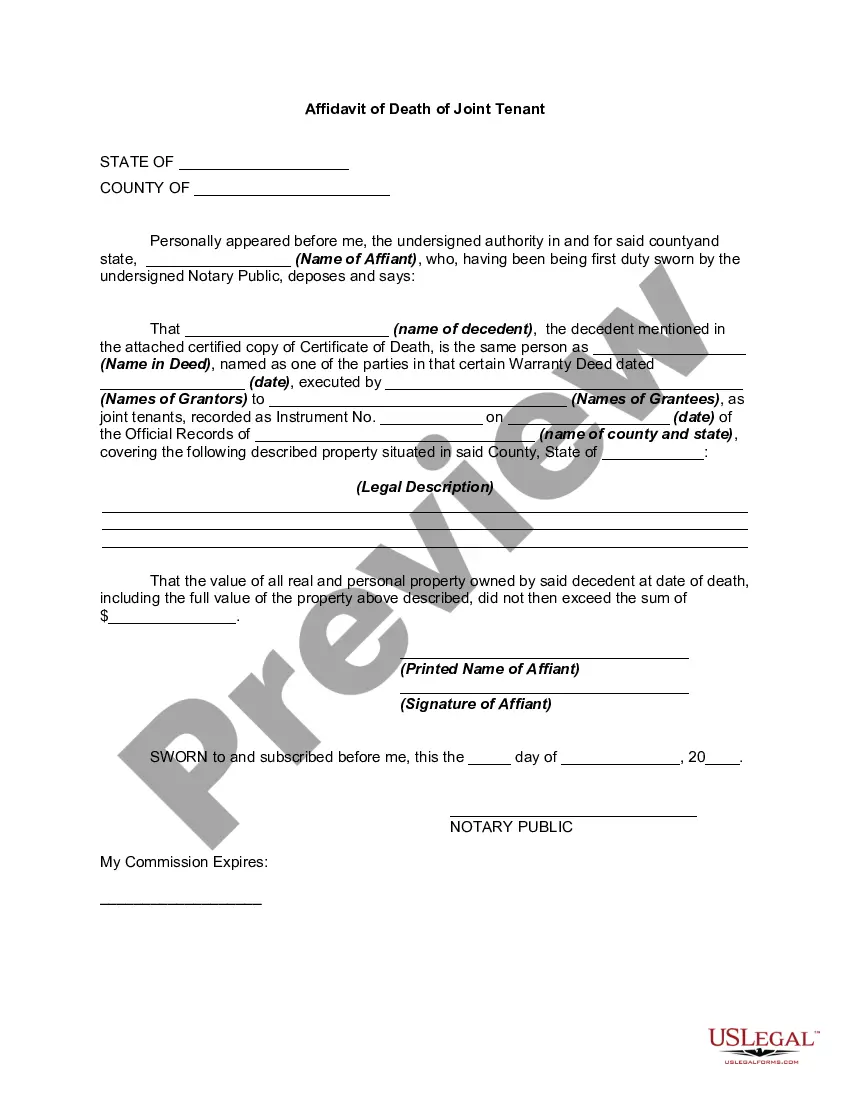
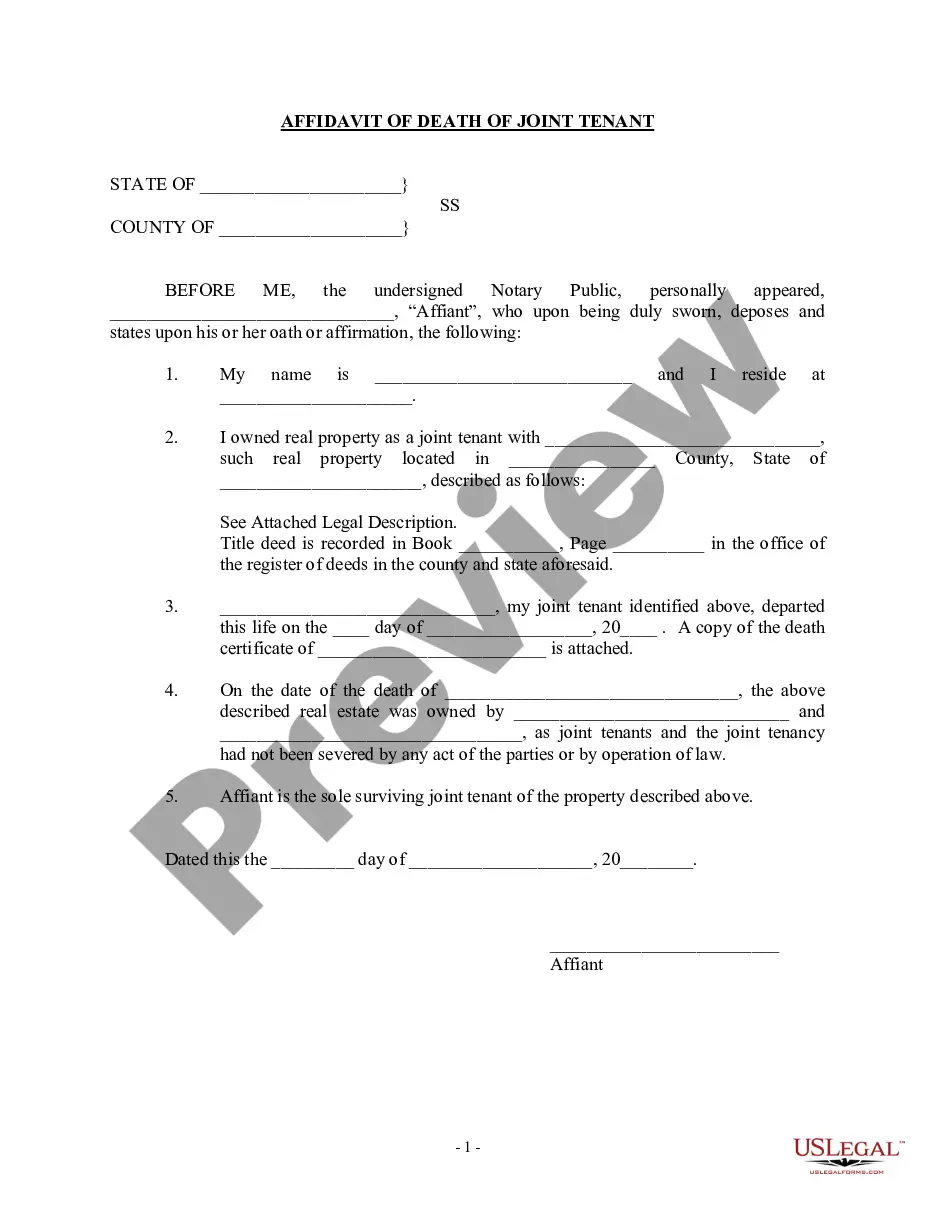
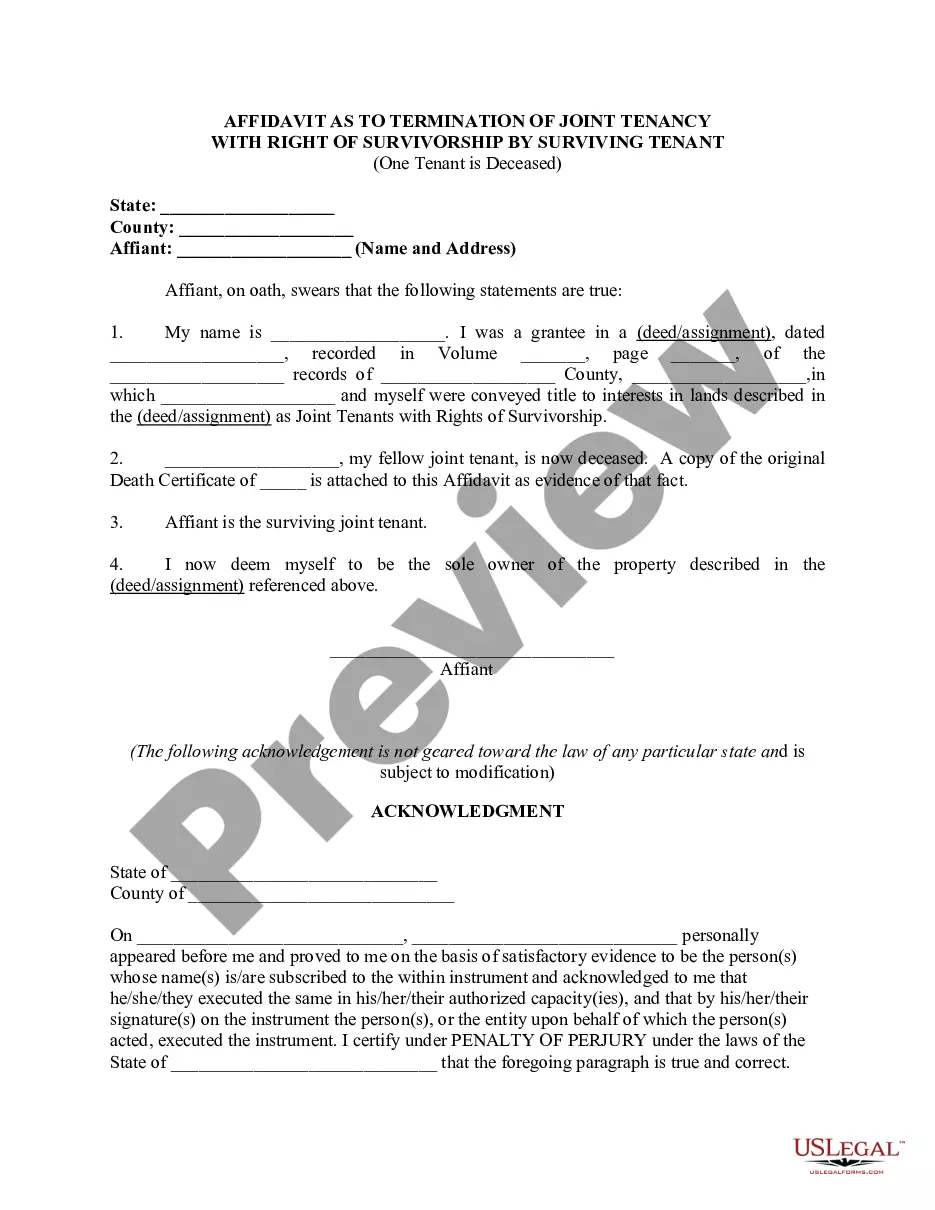
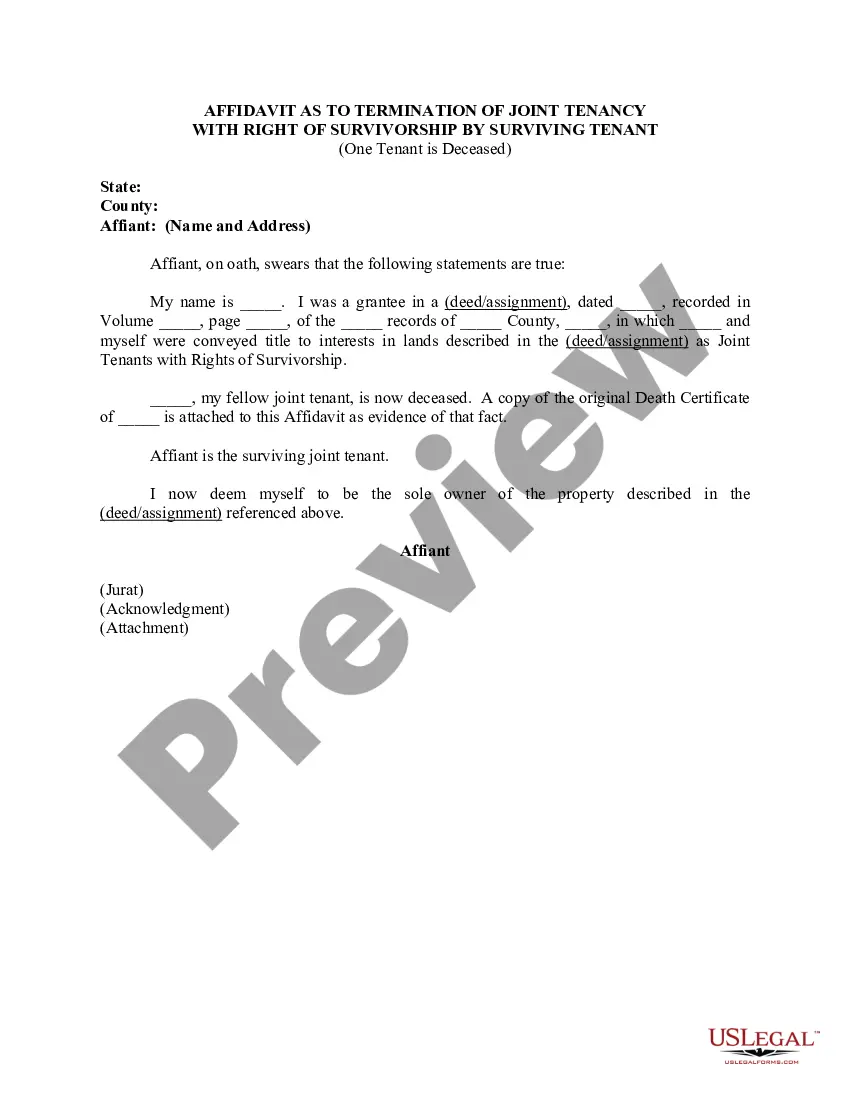
Death Form Blank Format
Description
Get your form ready online
Our built-in tools help you complete, sign, share, and store your documents in one place.
Make edits, fill in missing information, and update formatting in US Legal Forms—just like you would in MS Word.
Download a copy, print it, send it by email, or mail it via USPS—whatever works best for your next step.
Sign and collect signatures with our SignNow integration. Send to multiple recipients, set reminders, and more. Go Premium to unlock E-Sign.
If this form requires notarization, complete it online through a secure video call—no need to meet a notary in person or wait for an appointment.
We protect your documents and personal data by following strict security and privacy standards.
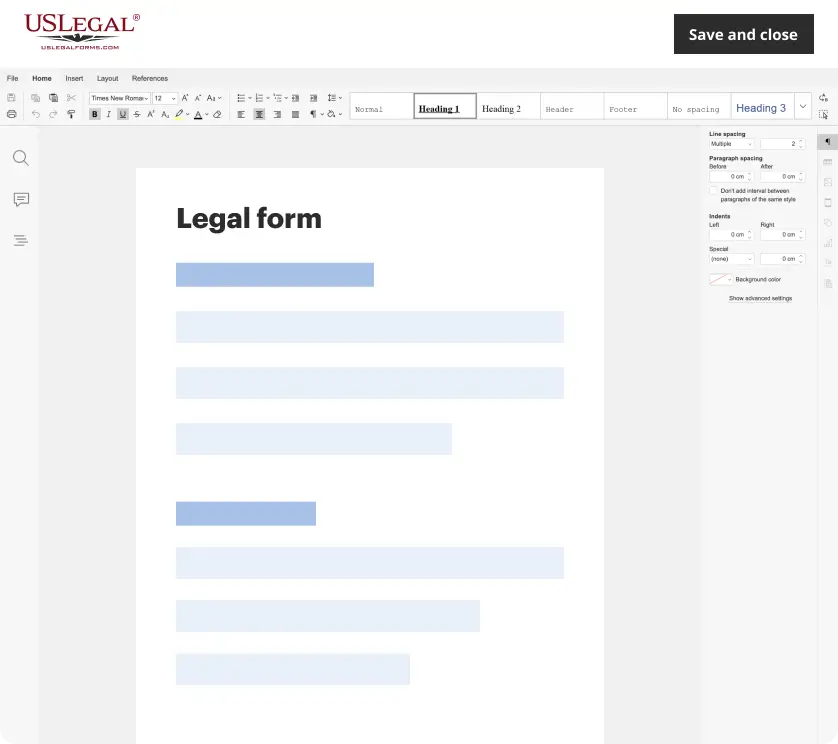
Make edits, fill in missing information, and update formatting in US Legal Forms—just like you would in MS Word.
Download a copy, print it, send it by email, or mail it via USPS—whatever works best for your next step.
Sign and collect signatures with our SignNow integration. Send to multiple recipients, set reminders, and more. Go Premium to unlock E-Sign.

If this form requires notarization, complete it online through a secure video call—no need to meet a notary in person or wait for an appointment.
We protect your documents and personal data by following strict security and privacy standards.
Looking for another form?



How to fill out Affidavit Of Death Of Joint Tenant?
Handling legal documents and procedures might be a time-consuming addition to your day. Death Form Blank Format and forms like it often require that you search for them and understand how to complete them effectively. Consequently, regardless if you are taking care of financial, legal, or individual matters, having a extensive and practical web catalogue of forms at your fingertips will help a lot.
US Legal Forms is the number one web platform of legal templates, offering over 85,000 state-specific forms and a variety of resources to assist you to complete your documents quickly. Discover the catalogue of appropriate papers accessible to you with just a single click.
US Legal Forms provides you with state- and county-specific forms available at any time for downloading. Protect your document managing operations using a high quality services that lets you make any form within a few minutes without additional or hidden cost. Just log in in your profile, find Death Form Blank Format and acquire it immediately within the My Forms tab. You can also gain access to previously saved forms.
Would it be the first time using US Legal Forms? Sign up and set up an account in a few minutes and you’ll gain access to the form catalogue and Death Form Blank Format. Then, stick to the steps listed below to complete your form:
- Make sure you have discovered the right form using the Preview option and looking at the form description.
- Select Buy Now once ready, and select the subscription plan that meets your needs.
- Press Download then complete, eSign, and print the form.
US Legal Forms has 25 years of expertise supporting consumers control their legal documents. Obtain the form you want today and improve any process without having to break a sweat.
Form popularity
FAQ
Terms such as 'acute', 'chronic', 'acute on chronic' or 'multiple' do not turn modes of dying into acceptable causes. The exception to this rule is 'heart failure', which is acceptable on its own, although ideally further supporting information should be provided.
Terms such as 'acute', 'chronic', 'acute on chronic' or 'multiple' do not turn modes of dying into acceptable causes. The exception to this rule is 'heart failure', which is acceptable on its own, although ideally further supporting information should be provided.
ICD codes are assigned to all causes and conditions reported by the certifying physician, medical examiner or coroner on the death certificate. That information is then used to determine the underlying cause of death to report aggregate and comparable mortaility statistics.
Name of the deceased. Date and location of death. Age of the deceased. Gender, race, and marital status of the deceased.
The cause of death should reflect your medical opinion as based on the medical record. In Part I, document the complete chain of events that best explains why this patient died. The last item is the underlying cause that began this sequence. In Part II, document other conditions that contributed to death.