Contract Review Example
Description
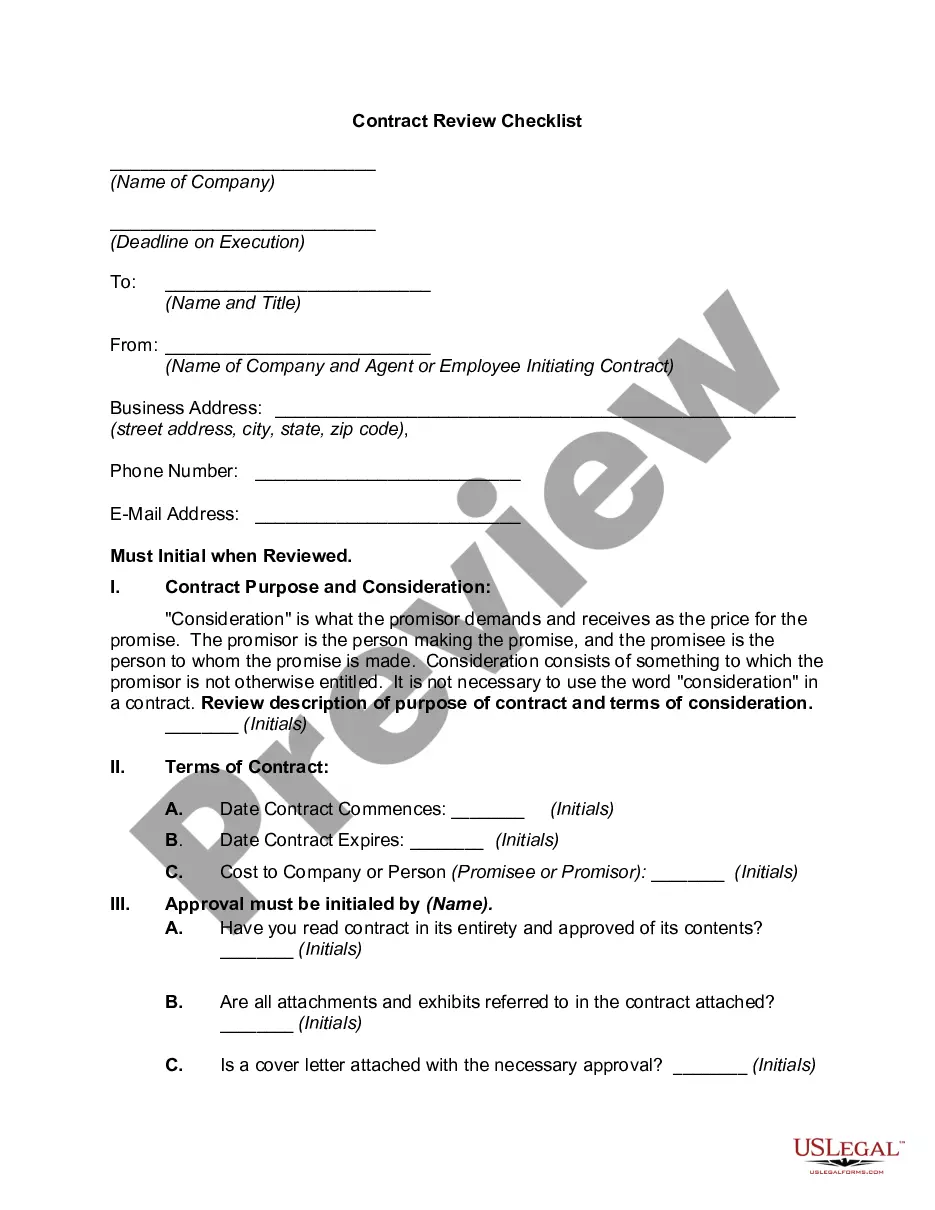
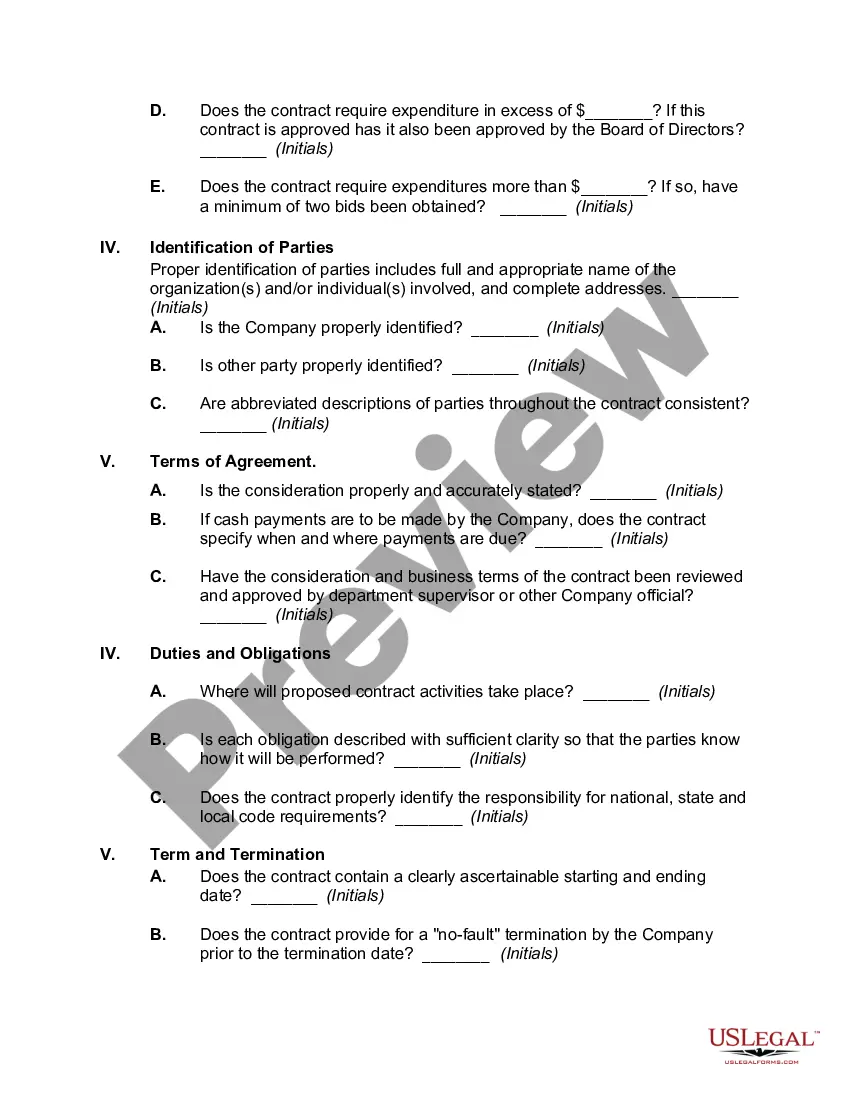
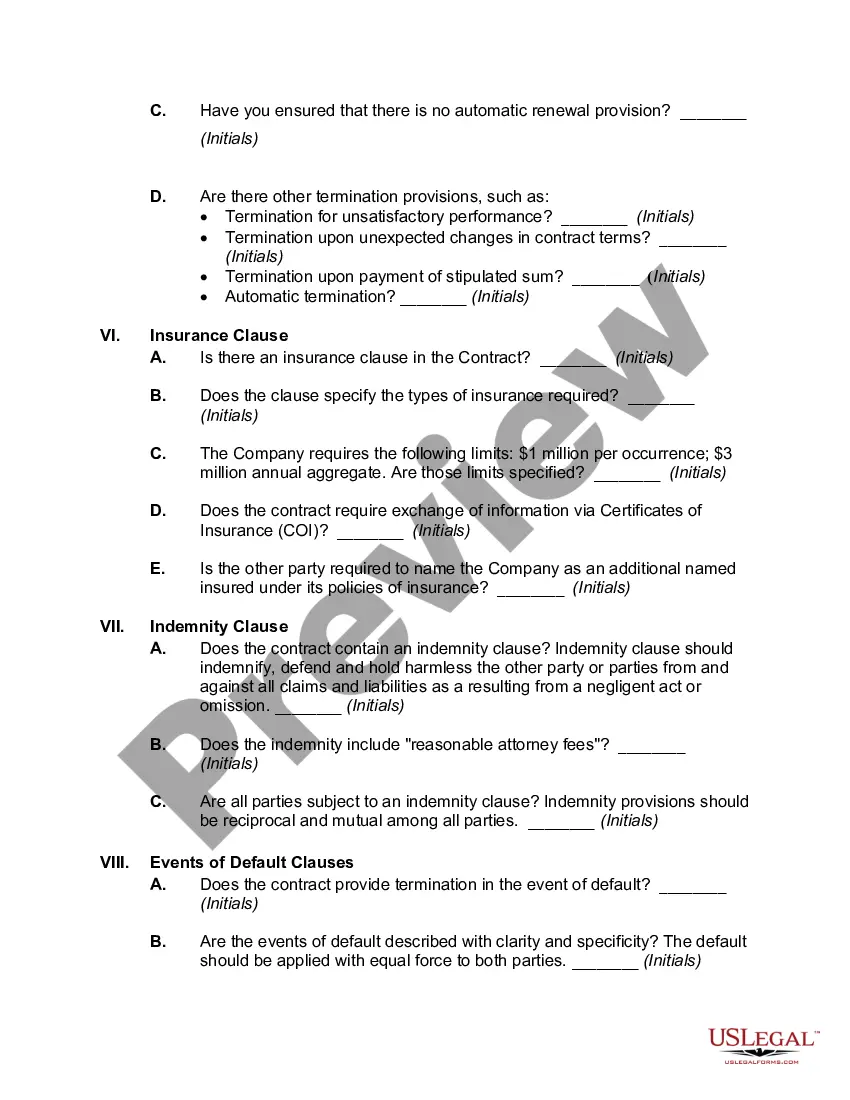
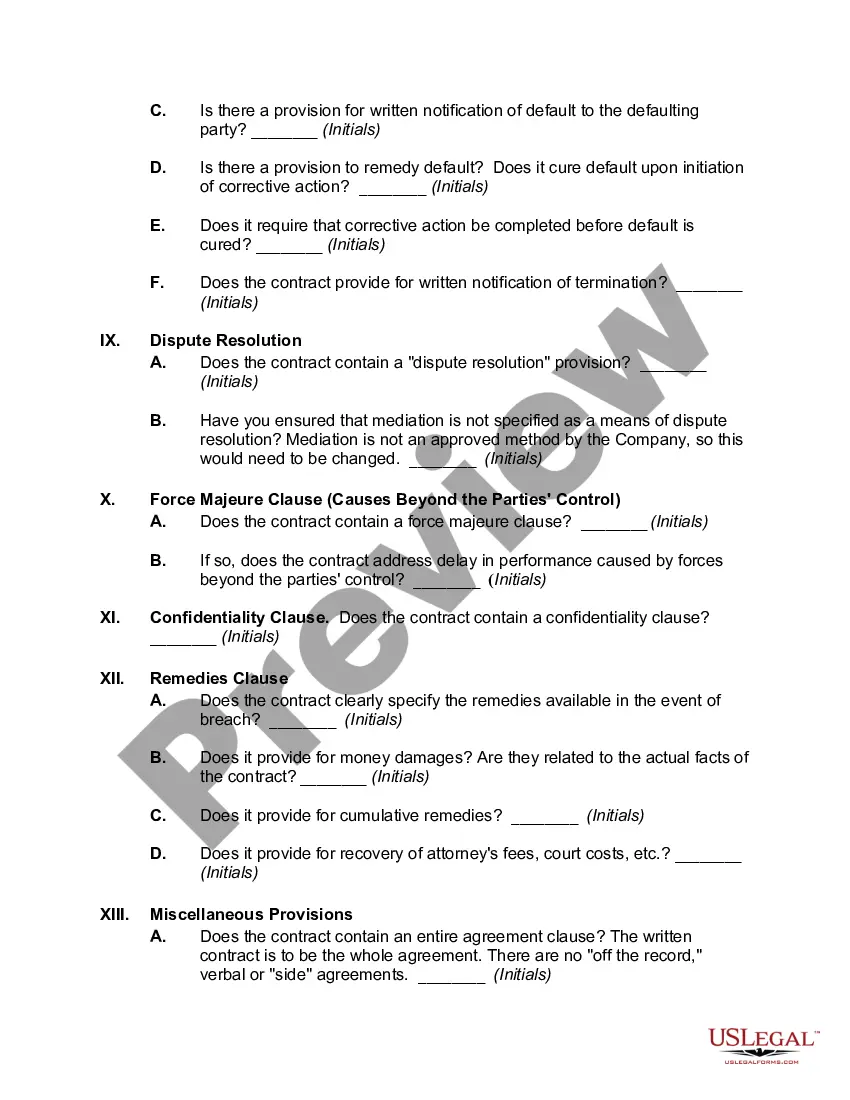
Get your form ready online
Our built-in tools help you complete, sign, share, and store your documents in one place.
Make edits, fill in missing information, and update formatting in US Legal Forms—just like you would in MS Word.
Download a copy, print it, send it by email, or mail it via USPS—whatever works best for your next step.
Sign and collect signatures with our SignNow integration. Send to multiple recipients, set reminders, and more. Go Premium to unlock E-Sign.
If this form requires notarization, complete it online through a secure video call—no need to meet a notary in person or wait for an appointment.
We protect your documents and personal data by following strict security and privacy standards.

Make edits, fill in missing information, and update formatting in US Legal Forms—just like you would in MS Word.

Download a copy, print it, send it by email, or mail it via USPS—whatever works best for your next step.

Sign and collect signatures with our SignNow integration. Send to multiple recipients, set reminders, and more. Go Premium to unlock E-Sign.

If this form requires notarization, complete it online through a secure video call—no need to meet a notary in person or wait for an appointment.

We protect your documents and personal data by following strict security and privacy standards.
Looking for another form?


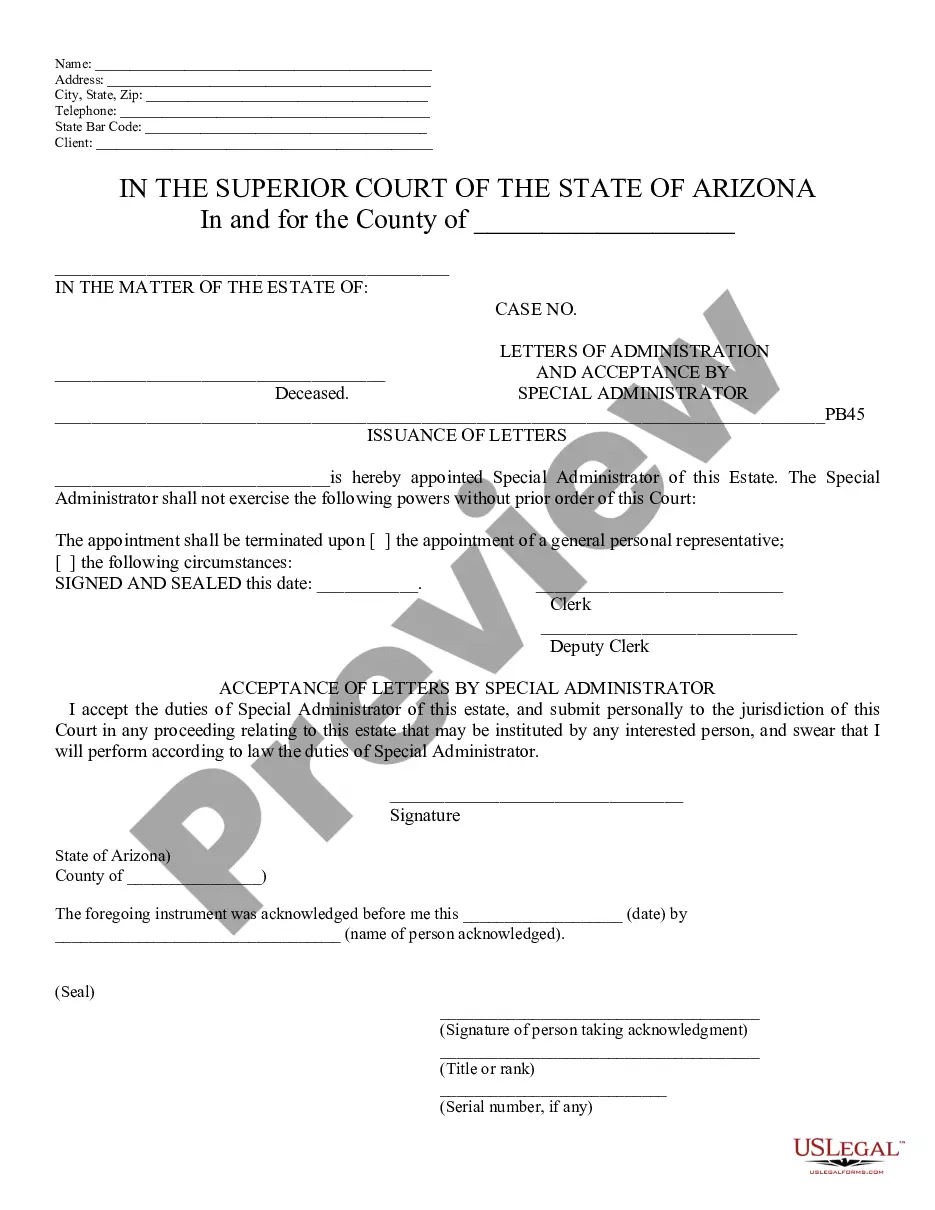





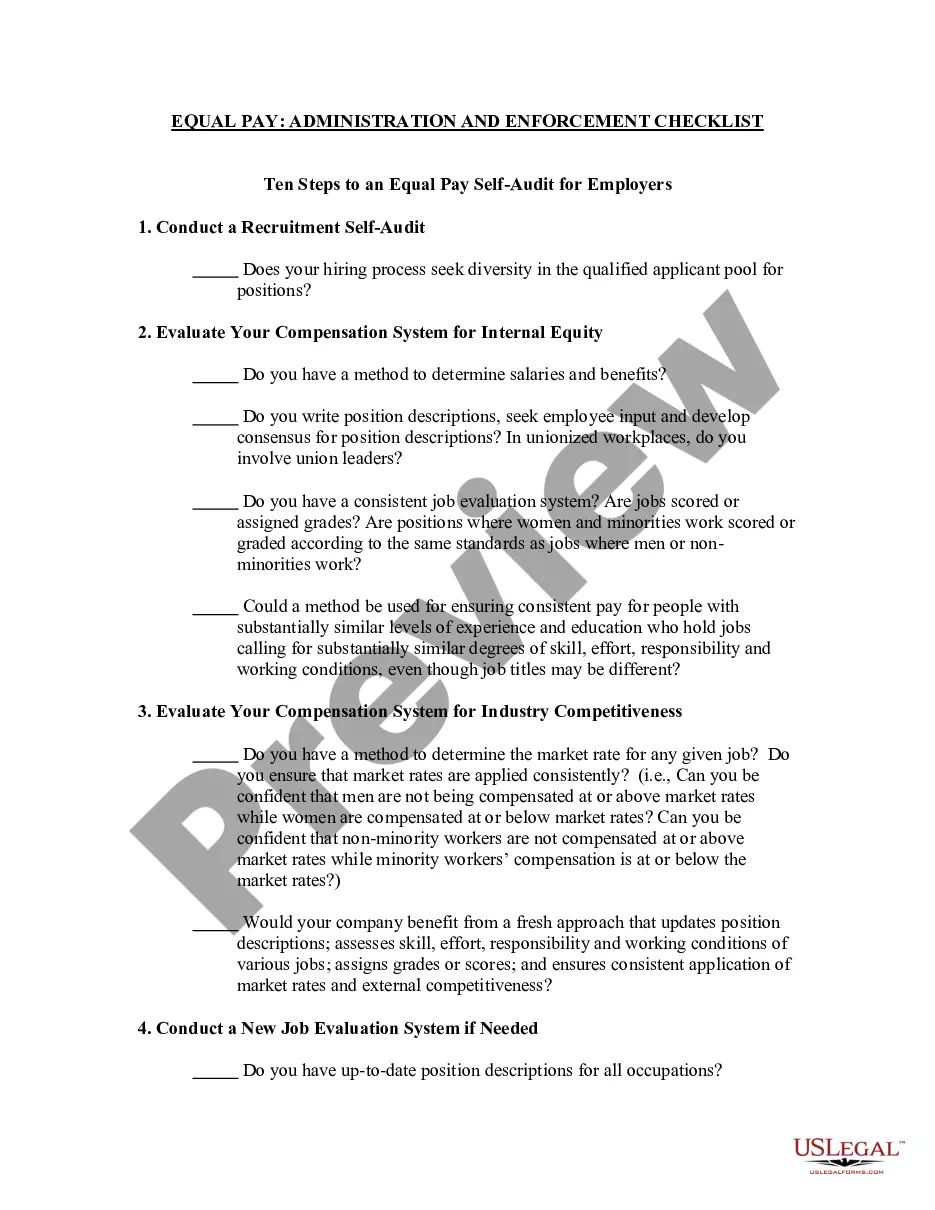
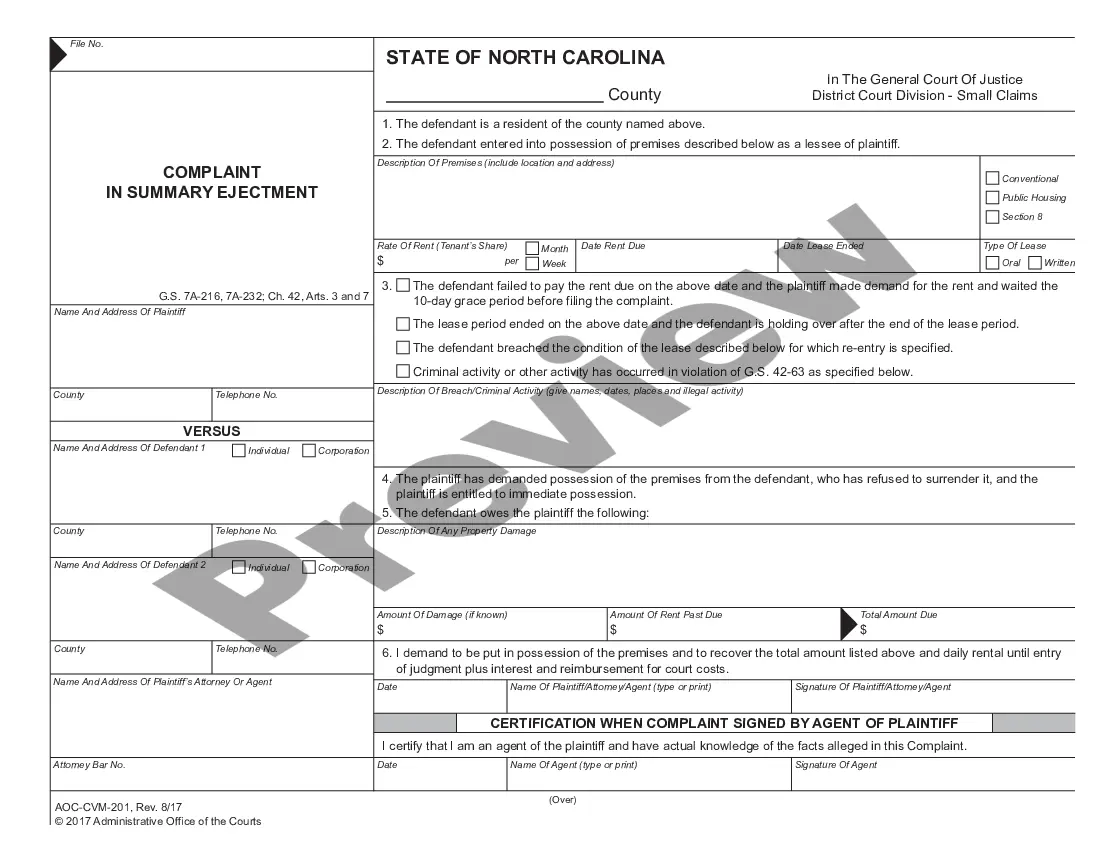
How to fill out Contract Review Checklist?
Managing legal affairs can be exasperating, even for the most seasoned professionals.
If you are seeking a Contract Review Sample and cannot find the time to search for the accurate and current version, the process may be challenging.
US Legal Forms meets any needs you may have, from personal to corporate documents, all in one location.
Utilize advanced features to complete and manage your Contract Review Sample.
Here are the steps to take after accessing the form you desire: Preview the form to ensure it is correct and read its description. Confirm that the sample is valid in your state or county. Click Buy Now when you are ready. Choose a monthly subscription plan. Select your preferred file format, and Download, complete, sign, print, and submit your documents. Experience the US Legal Forms online library, supported by 25 years of expertise and reliability. Simplify your document management process today.
- Gain access to a valuable library of articles, guides, and manuals pertinent to your circumstances and needs.
- Save time and energy looking for the documents you require, and utilize US Legal Forms' sophisticated search and Review feature to find and download the Contract Review Sample.
- If you have a membership, Log In to your US Legal Forms account, search for the document, and download it.
- Check the My documents tab to view the documents you have previously saved and manage your folders as needed.
- If this is your first experience with US Legal Forms, create a free account and enjoy unlimited access to all the platform's benefits.
- A comprehensive online form library can significantly improve the handling of these circumstances.
- US Legal Forms is a leader in the online legal document industry, with more than 85,000 state-specific legal forms available to you at any time.
- With US Legal Forms, you can access legal and business forms specific to your state or county.
Form popularity
FAQ
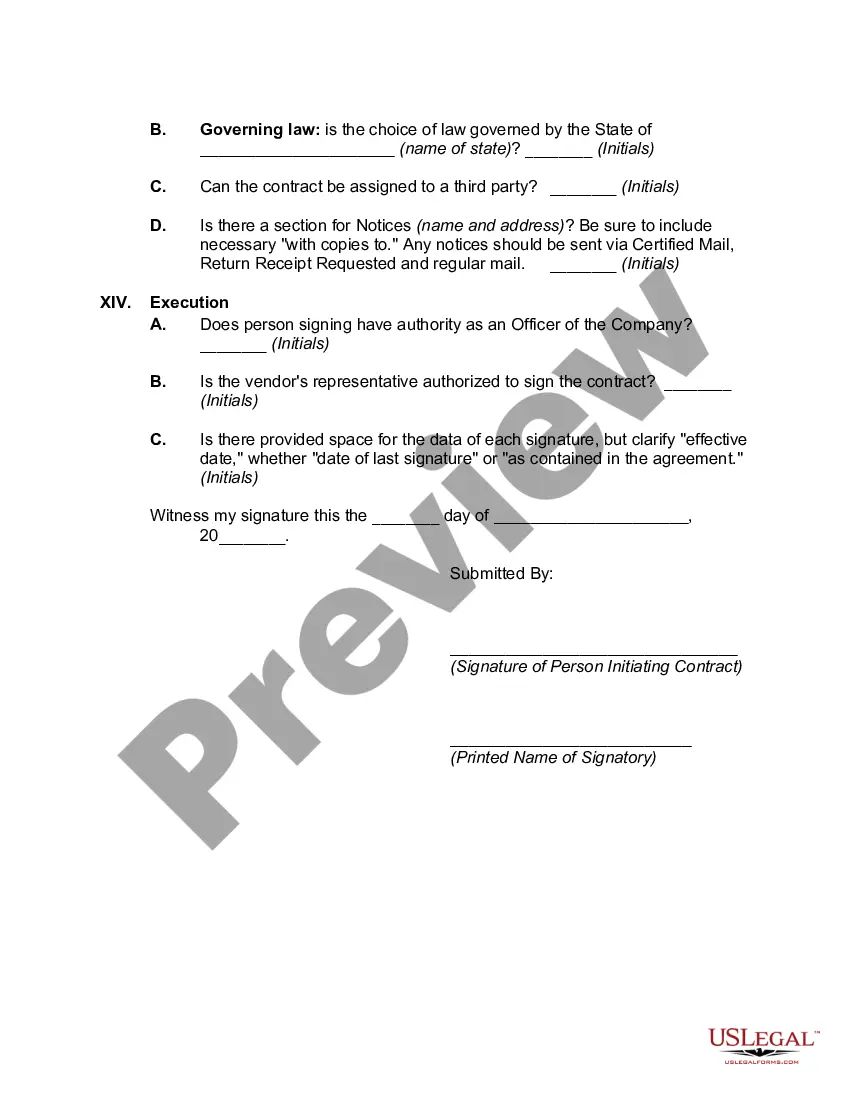
A contract review is a contractual process used to identify and analyse the key provisions within an agreement. A legal professional will read each contract thoroughly to understand the terms and conditions and highlight risks or relevant information.
The Scope of Work (SOW) is the area in an agreement where the work to be performed is described. The SOW should contain any milestones, reports, deliverables, and end products that are expected to be provided by the performing party. The SOW should also contain a time line for all deliverables.
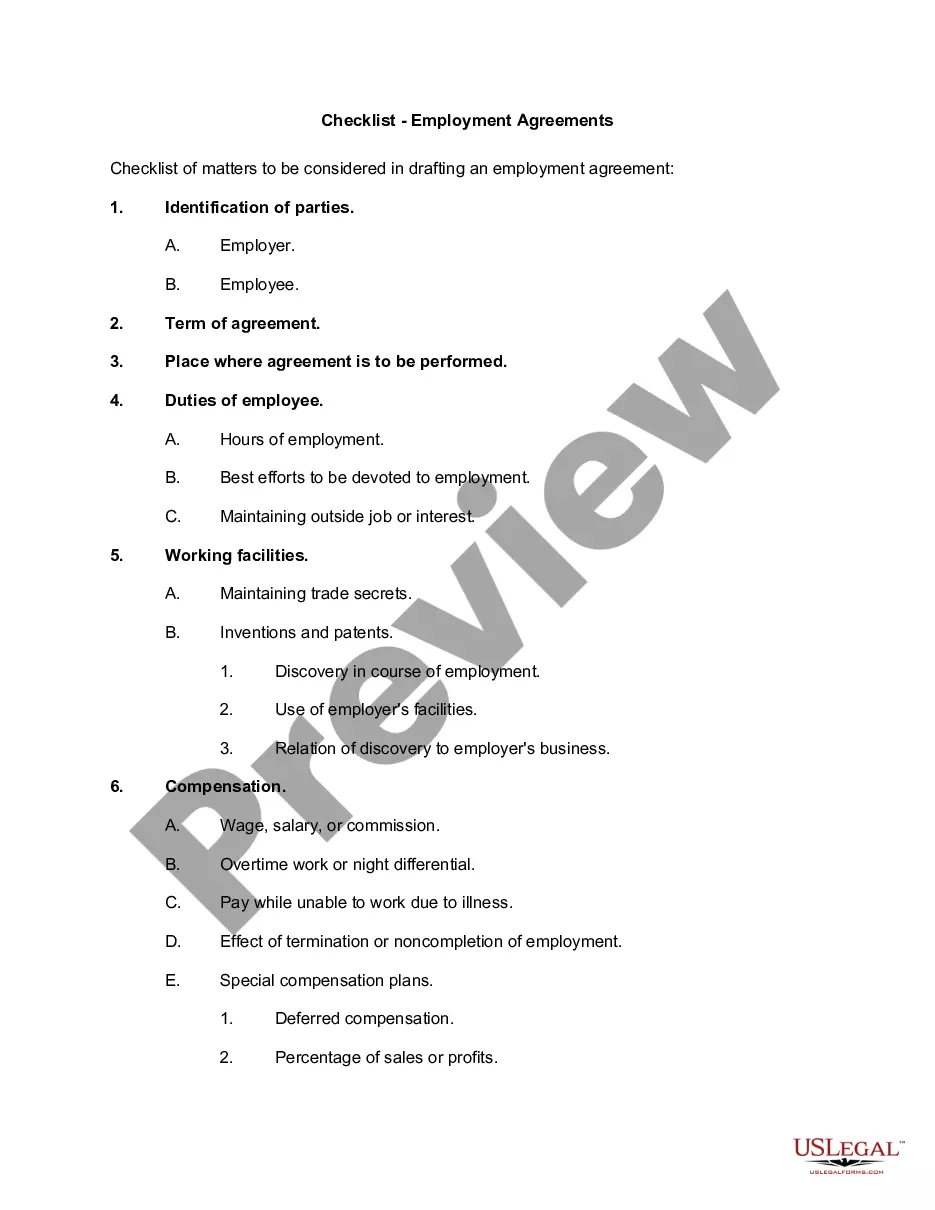
6 Things to Look for During a Contract Review Key Clauses & Terms. Every line in a contract is important and needs to be reviewed closely, but some clauses and terms are clearly more significant than others. ... Termination & Renewal Terms. ... Clear, Unambiguous Language. ... No Blank Spaces. ... Default Terms. ... Important Dates & Deadlines.
Reviewing and finalizing the contractor scope of work (SOW) is a crucial step in any project that involves hiring external professionals. The SOW defines the tasks, deliverables, timelines, costs, and expectations of both parties. It also serves as a legal document that can help prevent disputes and misunderstandings.
Those seven elements are: Identification (Defining all the parties involved) Offer (The agreement) Acceptance (Agreement mirrored by other parties) Mutual consent (Signatory consent of all parties) Consideration (The value exchanged for the offer) Capacity (Legal/mental competence of all parties)