Trustee Fiduciário
Description
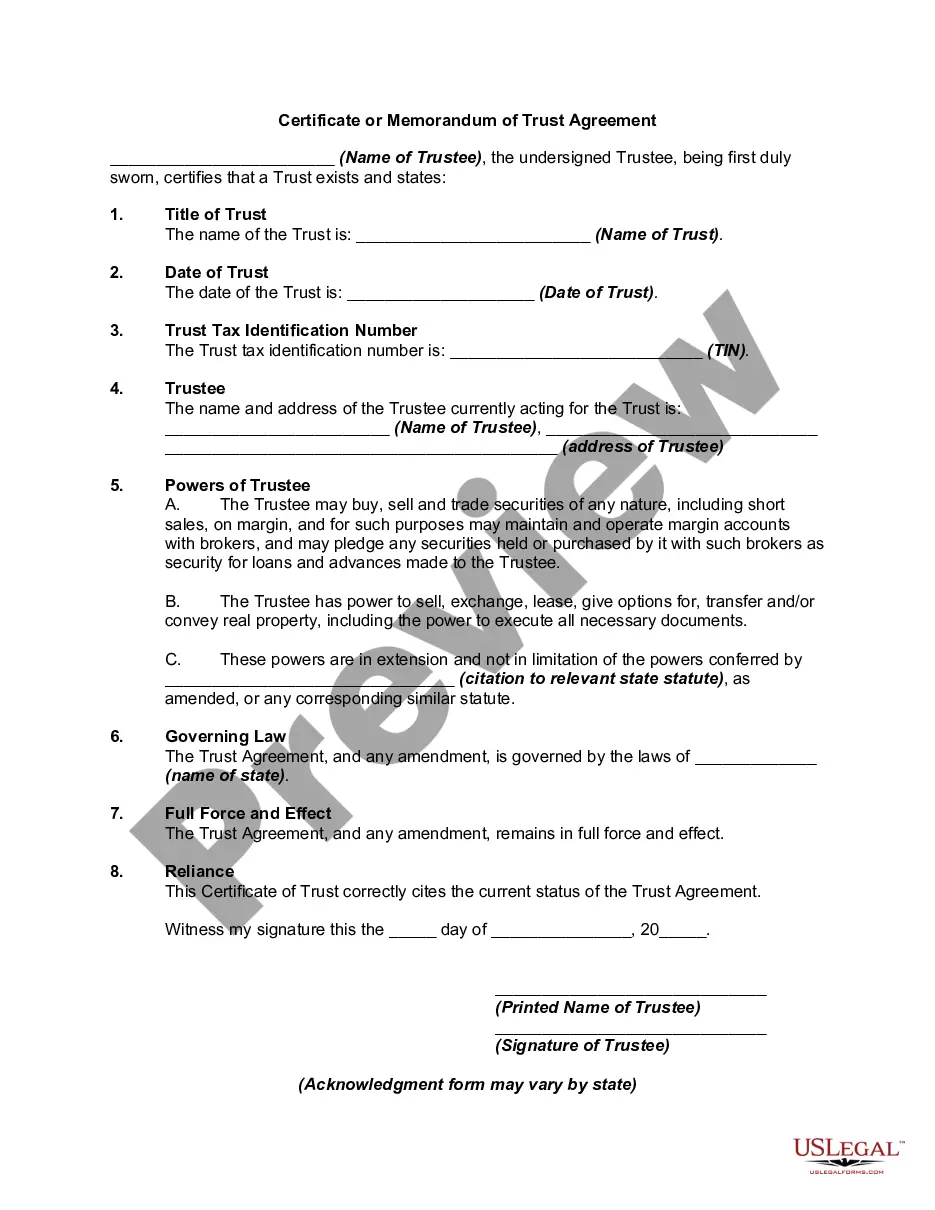
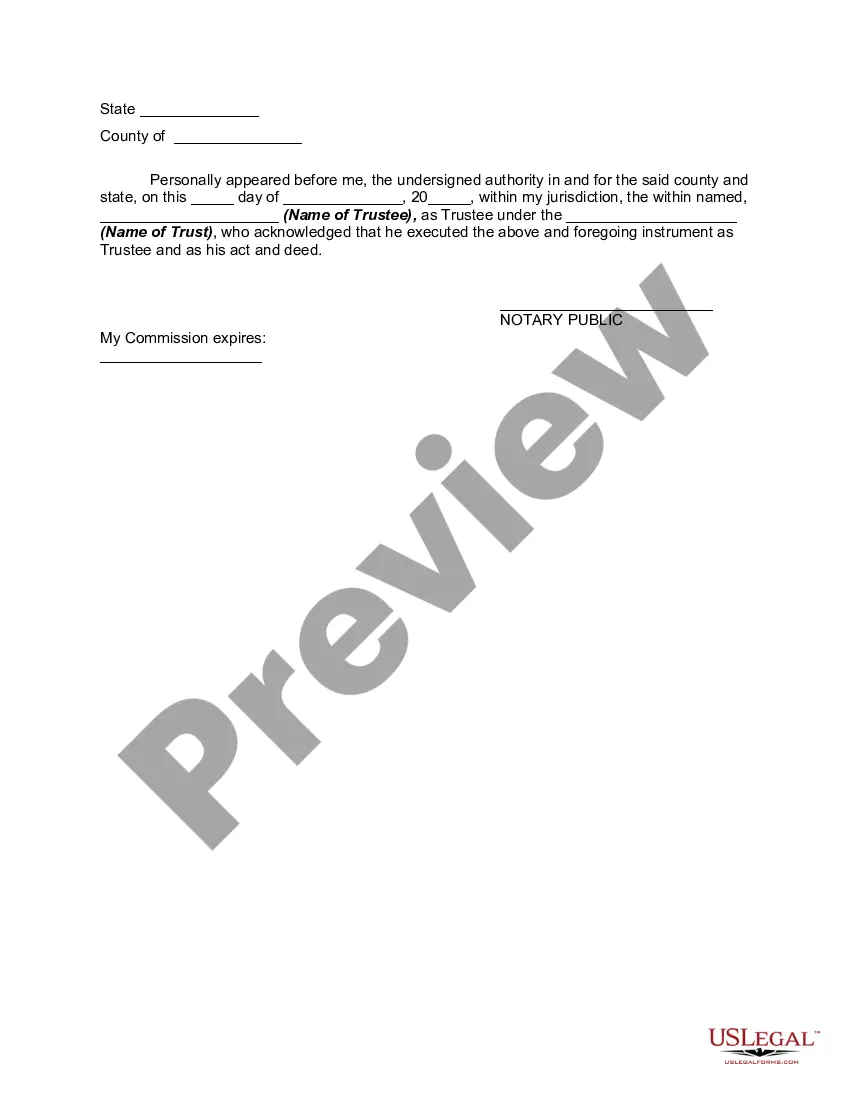
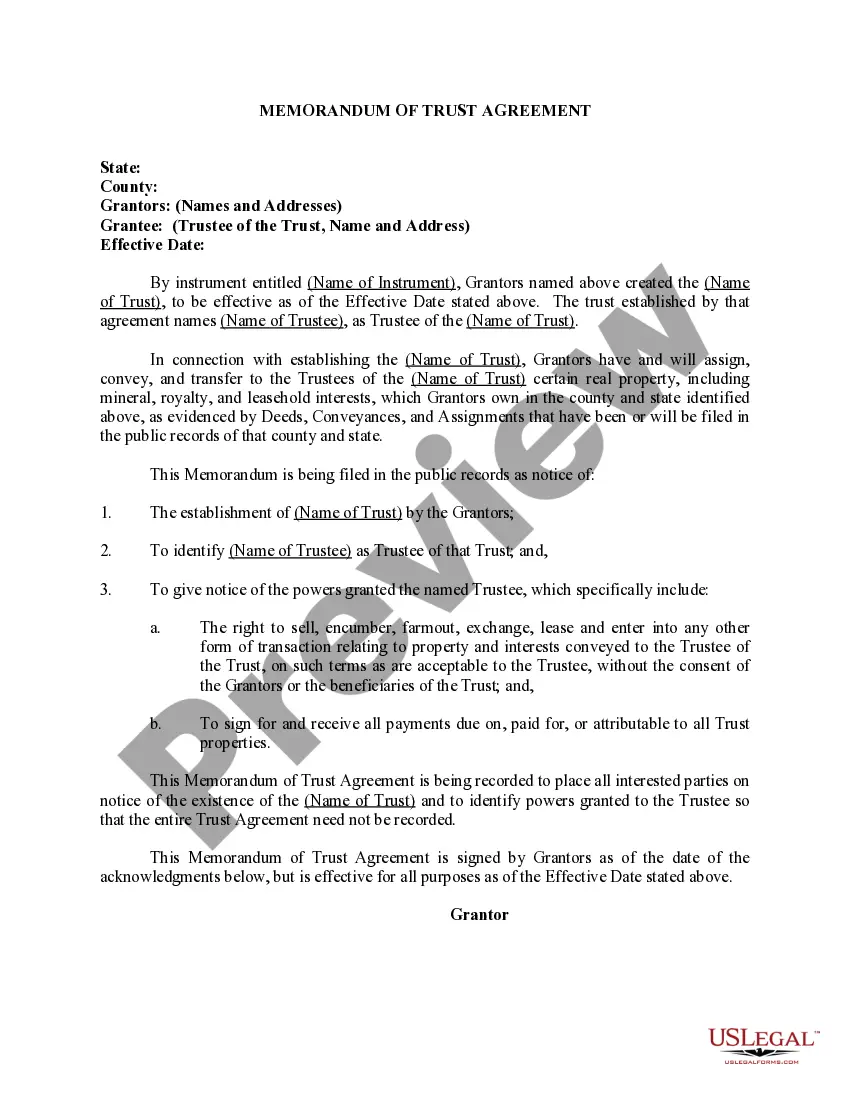
Get your form ready online
Our built-in tools help you complete, sign, share, and store your documents in one place.
Make edits, fill in missing information, and update formatting in US Legal Forms—just like you would in MS Word.
Download a copy, print it, send it by email, or mail it via USPS—whatever works best for your next step.
Sign and collect signatures with our SignNow integration. Send to multiple recipients, set reminders, and more. Go Premium to unlock E-Sign.
If this form requires notarization, complete it online through a secure video call—no need to meet a notary in person or wait for an appointment.
We protect your documents and personal data by following strict security and privacy standards.

Make edits, fill in missing information, and update formatting in US Legal Forms—just like you would in MS Word.

Download a copy, print it, send it by email, or mail it via USPS—whatever works best for your next step.

Sign and collect signatures with our SignNow integration. Send to multiple recipients, set reminders, and more. Go Premium to unlock E-Sign.

If this form requires notarization, complete it online through a secure video call—no need to meet a notary in person or wait for an appointment.

We protect your documents and personal data by following strict security and privacy standards.
Looking for another form?






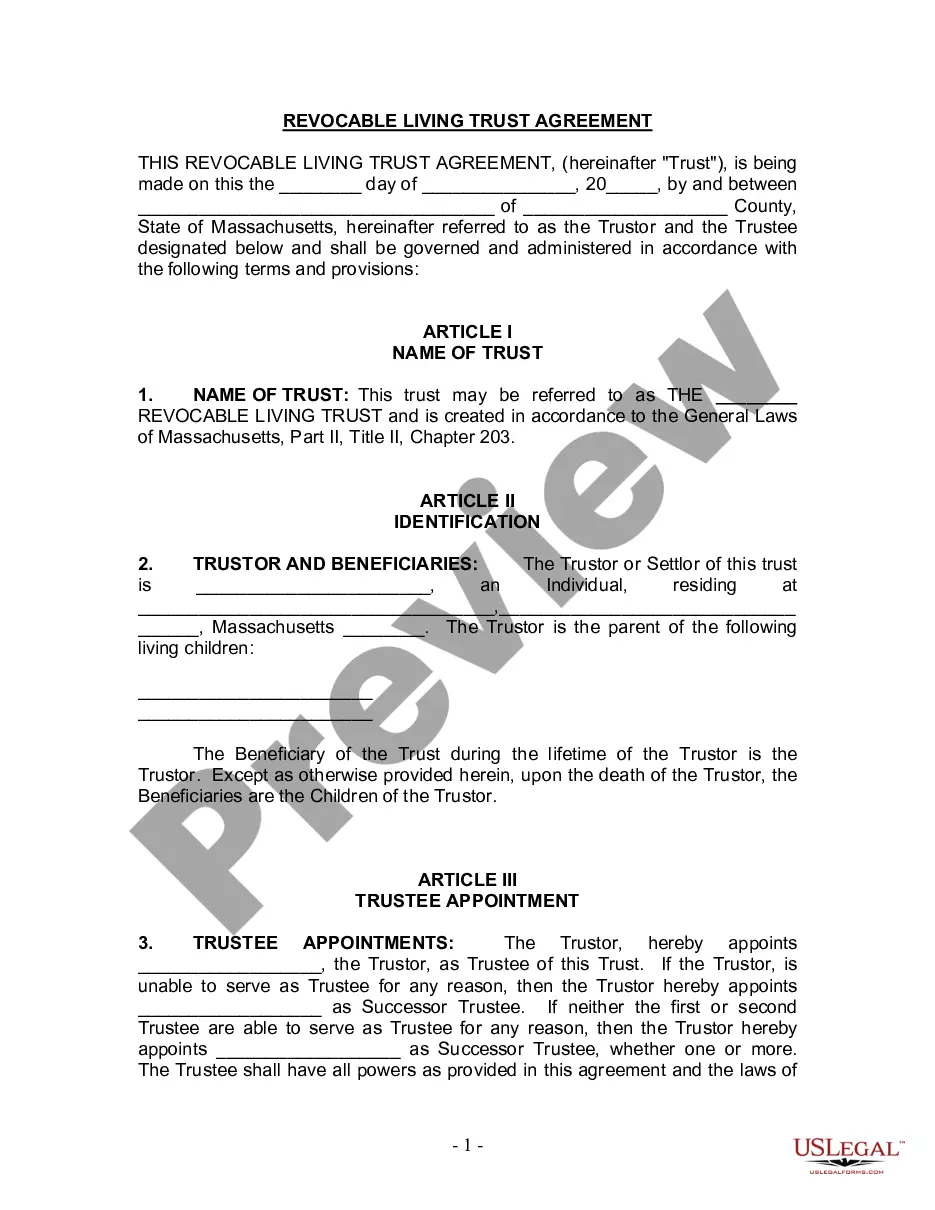



How to fill out Certificate Or Memorandum Of Trust Agreement?
- If you're a returning user, log in to your account. Ensure your subscription is active; if it has lapsed, renew it based on your selected payment plan.
- For first-time users, begin by reviewing the Preview mode and description of the form you need. Confirm it aligns with your requirements and local regulations.
- If the form isn't suitable, utilize the Search feature to explore other options until you find the right one.
- Purchase the document by clicking on the Buy Now button. Choose a subscription plan that fits your needs and register for an account to unlock the library's resources.
- Complete your transaction by entering your credit card information or selecting PayPal for payment.
- Download the form to your device for completion. You can access it again anytime through the My Forms section of your profile.
With US Legal Forms, you gain not only a robust collection of legal documents but also access to premium experts for assistance, ensuring your forms are completed accurately and efficiently.
Don't let legal paperwork intimidate you. Start simplifying your process today with US Legal Forms!
Form popularity
FAQ
In New York, a trust fiduciário must file a state trust tax return if the trust has income exceeding certain thresholds, or if it has non-resident beneficiaries. This includes both irrevocable and revocable trusts that meet the criteria. Filing helps you adhere to state tax laws, preventing any issues. Resources like US Legal Forms can provide guidance tailored to your specific situation.
You report trust income on Form 1040, using either line 8 of Schedule 1 or on the lines for interest, dividends, and capital gains, depending on the nature of the income. Clear record-keeping is vital to ensure that all income is accurately reported. If you're unsure, seeking assistance from a tax professional or a reliable platform like US Legal Forms can clarify the reporting process.
For an irrevocable trust, you typically report the income on Form 1041, which is the income tax return for estates and trusts. The trust itself is responsible for paying taxes on any income that isn't distributed to beneficiaries. This distinction is essential to understand for effective tax planning. Consider utilizing platforms like US Legal Forms for assistance with the intricacies of trust income reporting.
Trustee income for a revocable trust will generally be reported on your Form 1040, specifically on Schedule 1. You should include income from the trust along with any other personal income. It is crucial to accurately report this to avoid discrepancies with the IRS. Using resources like US Legal Forms can help outline your reporting obligations clearly.
Trust income is reported based on the type of trust and the distributions made to beneficiaries. For a revocable trust, the income is reported on your personal tax return, whereas an irrevocable trust may require a separate return. The key is understanding the differences, as they affect how the income is taxed. Engaging a tax advisor can simplify this complex process.
Yes, a trustee fiduciário generally needs to file a tax return, especially if the trust generates income or has distribution obligations. The requirements can vary depending on the type of trust and the amounts involved. Filing helps maintain compliance with tax laws, avoiding potential penalties. It is advisable to seek guidance through platforms like US Legal Forms for accurate filing support.
Trustee fees typically qualify as taxable income for the trustee fiduciário. This means that any fees you receive for managing a trust will need to be reported on your tax returns. It's essential to consult with a tax professional to ensure you are complying with IRS guidelines. Understanding the tax implications can help you plan your finances better.
The best person to be a trustee fiduciário is someone who is trustworthy, knowledgeable about your financial goals, and compassionate towards your family's needs. A professional trustee might offer unmatched experience, while a family member can provide personal insight. Ultimately, the decision lies in selecting someone who aligns with your vision for the trust.
A suitable trustee fiduciário should possess strong organizational skills, good judgment, and a genuine commitment to carrying out the trust's wishes. Individuals with experience in financial management or legal matters may be particularly effective. Remember, the trustee's role is vital for ensuring the trust functions smoothly.
An example of a trustee fiduciário could be Sarah Johnson, a knowledgeable financial advisor trusted by family and friends. Alternatively, a professional trustee firm, such as US Legal Forms, may serve as the trustee. This can provide an unbiased approach to managing your trust's assets.