Mou Agreement For Real Estate
Description
Get your form ready online
Our built-in tools help you complete, sign, share, and store your documents in one place.
Make edits, fill in missing information, and update formatting in US Legal Forms—just like you would in MS Word.
Download a copy, print it, send it by email, or mail it via USPS—whatever works best for your next step.
Sign and collect signatures with our SignNow integration. Send to multiple recipients, set reminders, and more. Go Premium to unlock E-Sign.
If this form requires notarization, complete it online through a secure video call—no need to meet a notary in person or wait for an appointment.
We protect your documents and personal data by following strict security and privacy standards.

Make edits, fill in missing information, and update formatting in US Legal Forms—just like you would in MS Word.

Download a copy, print it, send it by email, or mail it via USPS—whatever works best for your next step.

Sign and collect signatures with our SignNow integration. Send to multiple recipients, set reminders, and more. Go Premium to unlock E-Sign.

If this form requires notarization, complete it online through a secure video call—no need to meet a notary in person or wait for an appointment.

We protect your documents and personal data by following strict security and privacy standards.
Looking for another form?






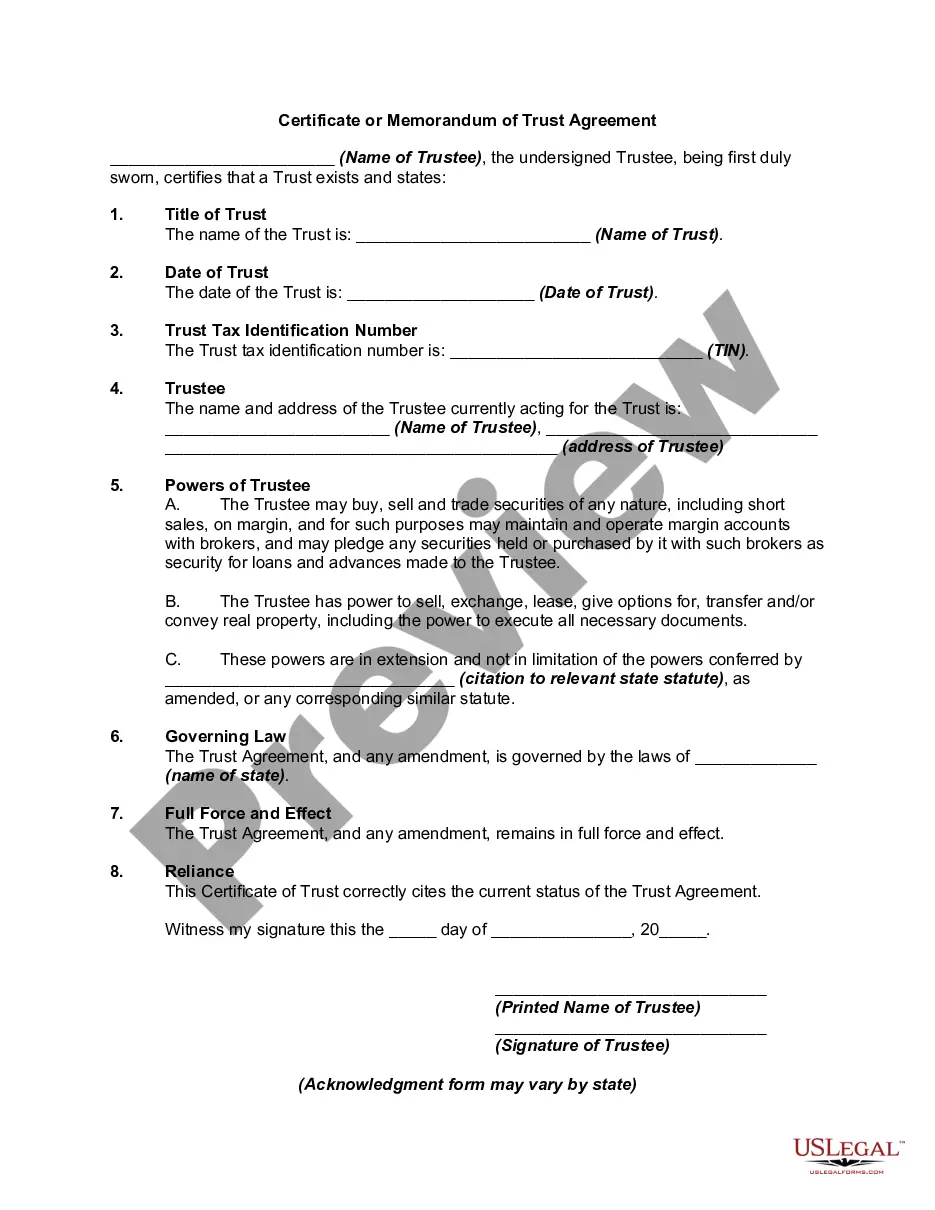
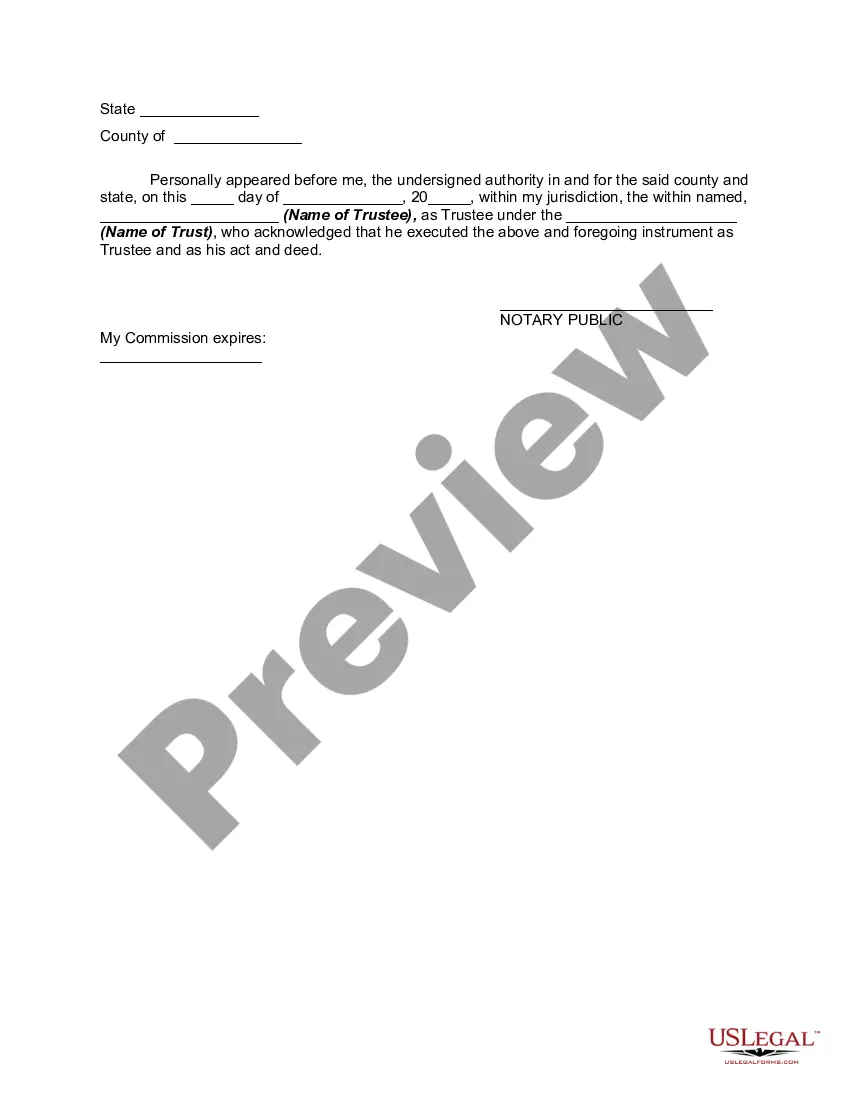
How to fill out Certificate Or Memorandum Of Trust Agreement?
It’s clear that you cannot transform into a legal practitioner instantly, nor can you quickly learn to create a Mou Agreement For Real Estate without possessing a distinct skill set.
Drafting legal documents is a lengthy undertaking that demands particular education and expertise.
So why not entrust the creation of the Mou Agreement For Real Estate to experienced professionals.
You can revisit your forms from the My documents section at any time. If you’re already a client, simply Log In, and locate and download the template from the same section.
Regardless of whether your forms serve financial, legal, or personal purposes, our platform has everything you need. Experience US Legal Forms today!
- Locate the document you require using the search field at the top of the page.
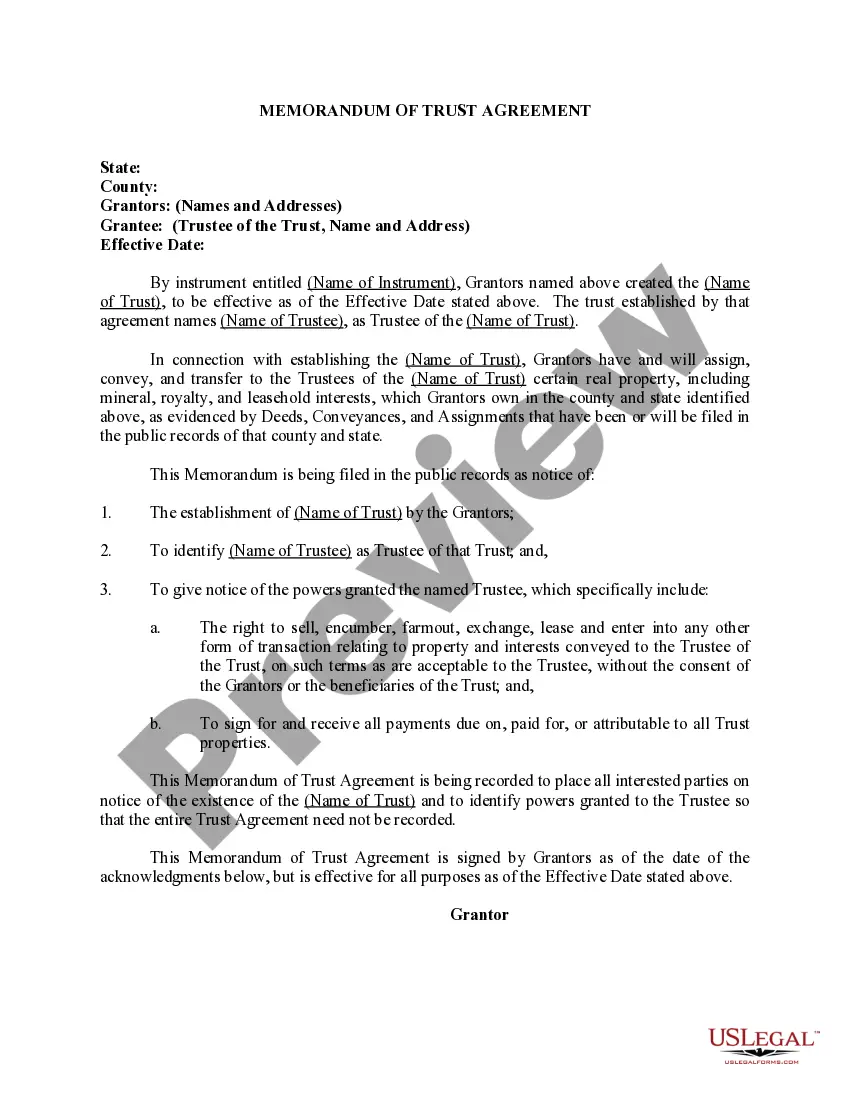
- View it (if this option is available) and examine the accompanying description to ascertain whether the Mou Agreement For Real Estate meets your needs.
- If you require a different form, restart your search.
- Create a free account and select a subscription plan to obtain the template.
- Click Buy now. After the purchase is completed, you can acquire the Mou Agreement For Real Estate, fill it out, print it, and deliver it by mail to the specified individuals or organizations.
Form popularity
FAQ
An MOU and a Letter of Intent (LOI) both serve as preliminary documents in negotiations, but they differ subtly. A Mou agreement for real estate typically focuses on outlining general intentions, while an LOI tends to contain more specific terms and conditions that indicate a serious intent to enter into a contract. Understanding these distinctions can help you select the right document for your situation.
In general, your MOU would start out with a title, such as: "Memorandum of Understanding Between Jane Smith and John Doe," with each party's address and the date of the agreement, followed by numbered sections that include: the purpose of the agreement. a description of the agreement including all the terms.
A memorandum of understanding, or MOU, is a nonbinding agreement that states each party's intentions to take action, conduct a business transaction, or form a new partnership. This type of agreement may also be referred to as a letter of intent (LOI) or memorandum of agreement (MOA).
Every memorandum of understanding template will be slightly different, but there are a few basic elements that you should include. The organisations involved in the partnership. Beginning and ending dates of the agreement. Context or reasoning behind your agreement. Names and contact details of the key individuals involved.
A memorandum of understanding (MOU) is a legal document but it is not necessarily legally binding, although it usually signals a contract is imminent. The specific intent and language of the agreement will determine whether it is actually binding or not.
A memorandum of understanding, or MoU for short, is a broad outline of an agreement where two or more parties (usually organizations) express their intent in a negotiation. Think of an MoU as a set of guiding principles, terms, requirements, and responsibilities that parties can voluntarily participate in.