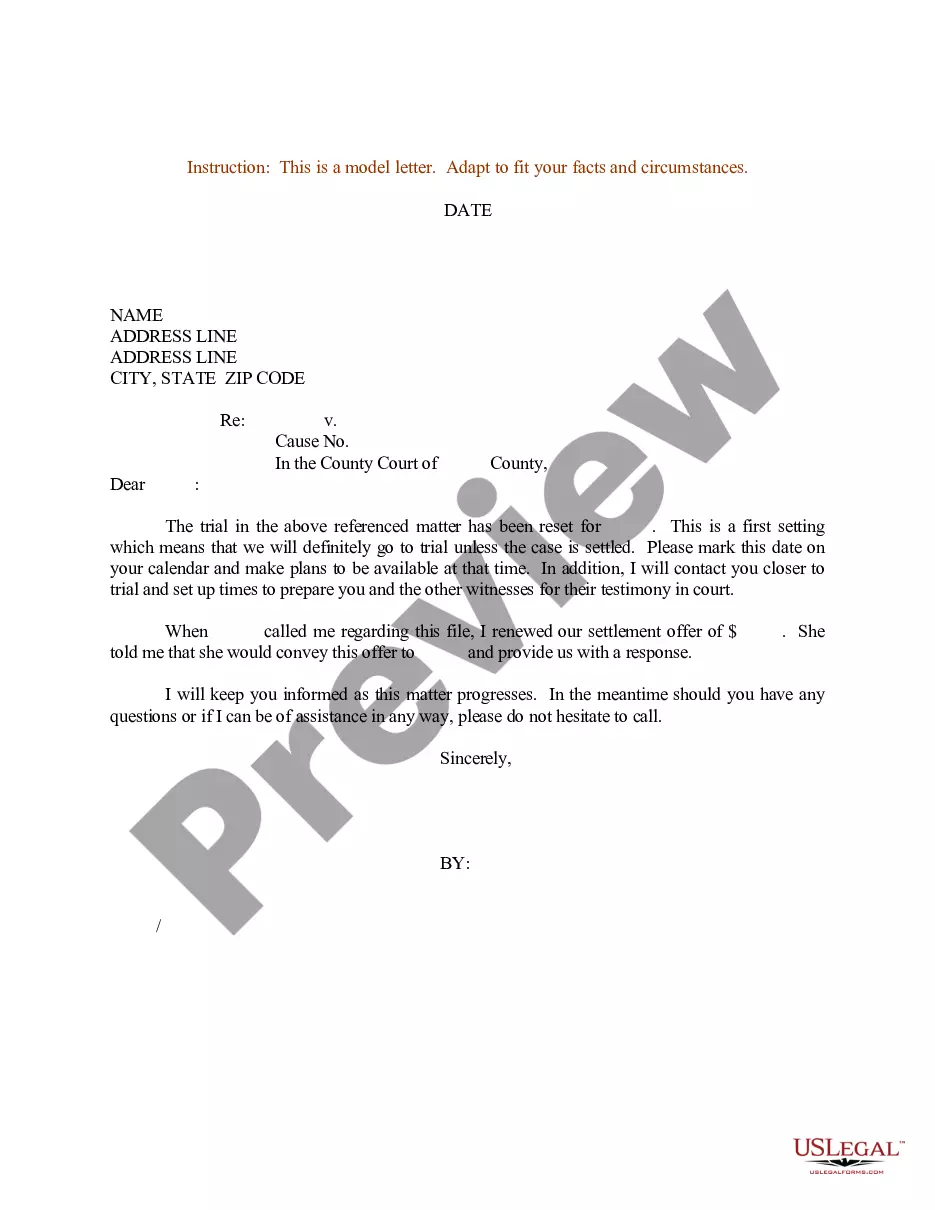
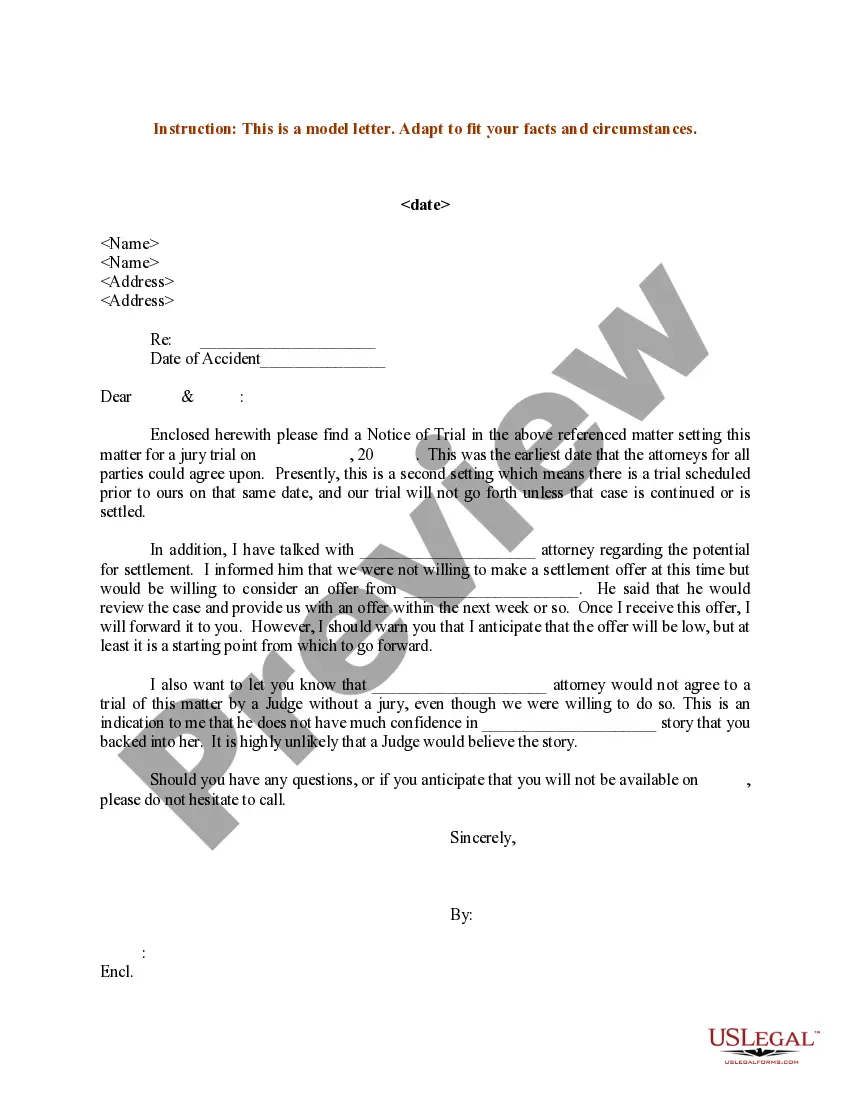
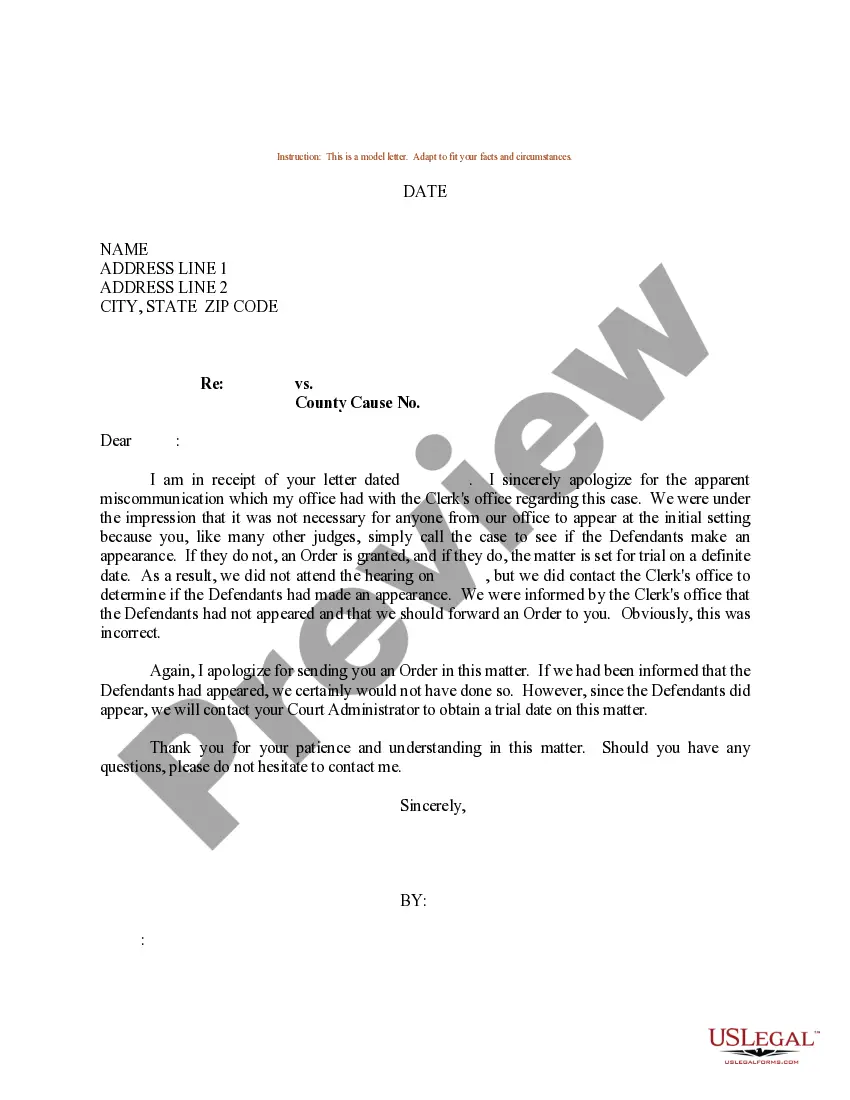
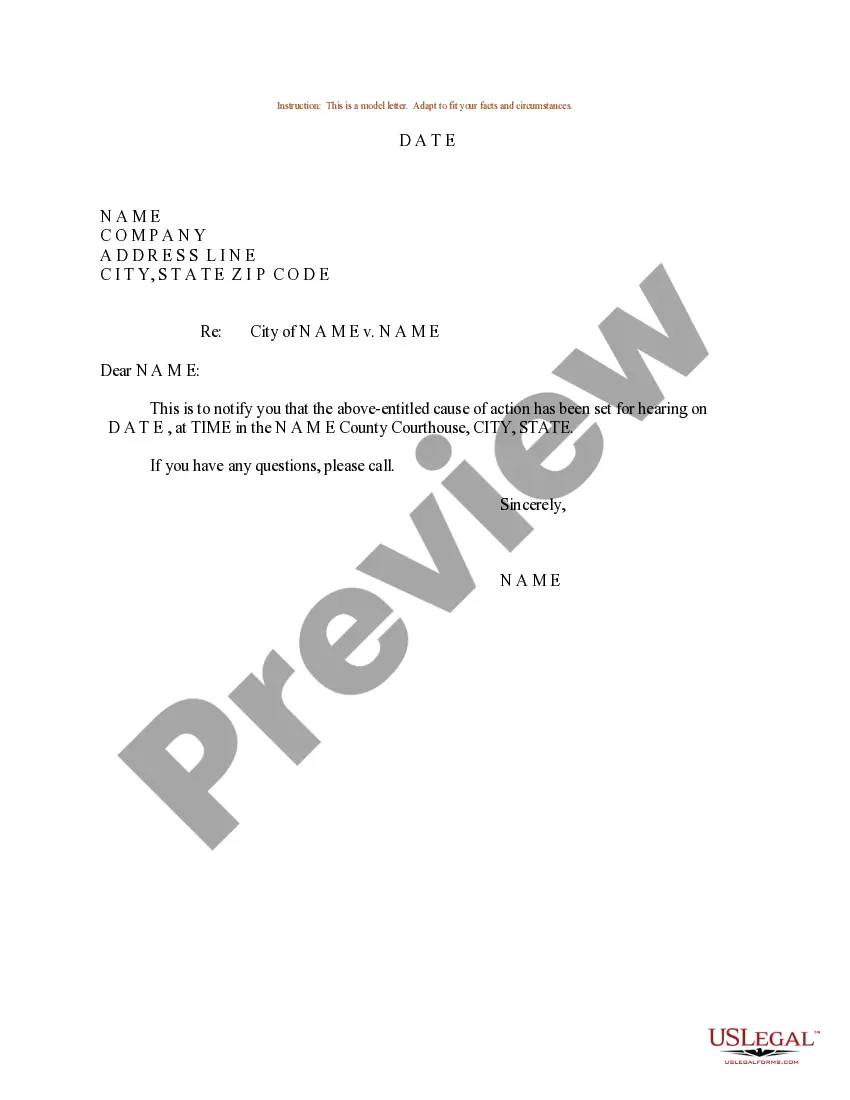
Trial Court Date For Traffic Ticket
Description

Get your form ready online
Our built-in tools help you complete, sign, share, and store your documents in one place.
Make edits, fill in missing information, and update formatting in US Legal Forms—just like you would in MS Word.
Download a copy, print it, send it by email, or mail it via USPS—whatever works best for your next step.
Sign and collect signatures with our SignNow integration. Send to multiple recipients, set reminders, and more. Go Premium to unlock E-Sign.
If this form requires notarization, complete it online through a secure video call—no need to meet a notary in person or wait for an appointment.
We protect your documents and personal data by following strict security and privacy standards.

Make edits, fill in missing information, and update formatting in US Legal Forms—just like you would in MS Word.

Download a copy, print it, send it by email, or mail it via USPS—whatever works best for your next step.

Sign and collect signatures with our SignNow integration. Send to multiple recipients, set reminders, and more. Go Premium to unlock E-Sign.

If this form requires notarization, complete it online through a secure video call—no need to meet a notary in person or wait for an appointment.

We protect your documents and personal data by following strict security and privacy standards.
Looking for another form?






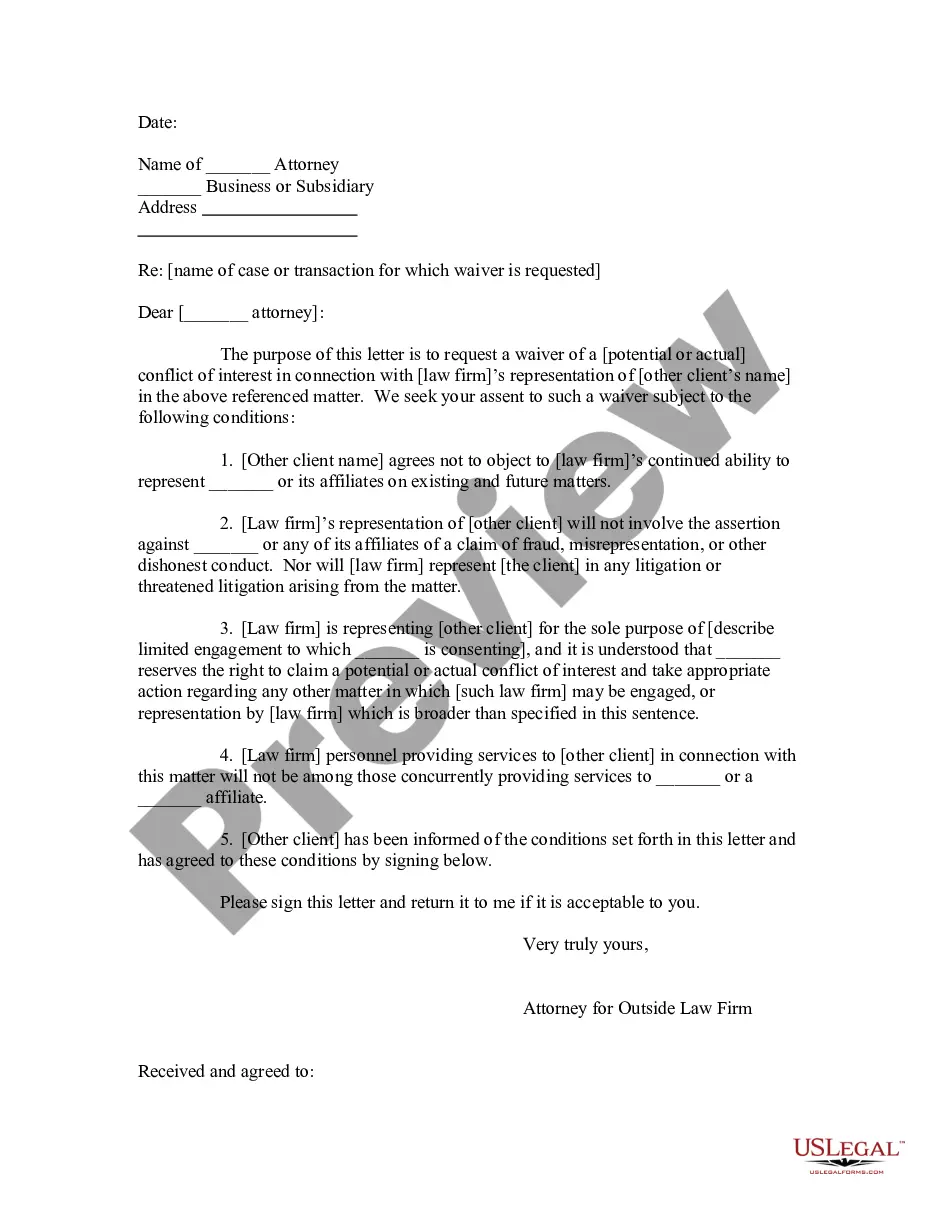
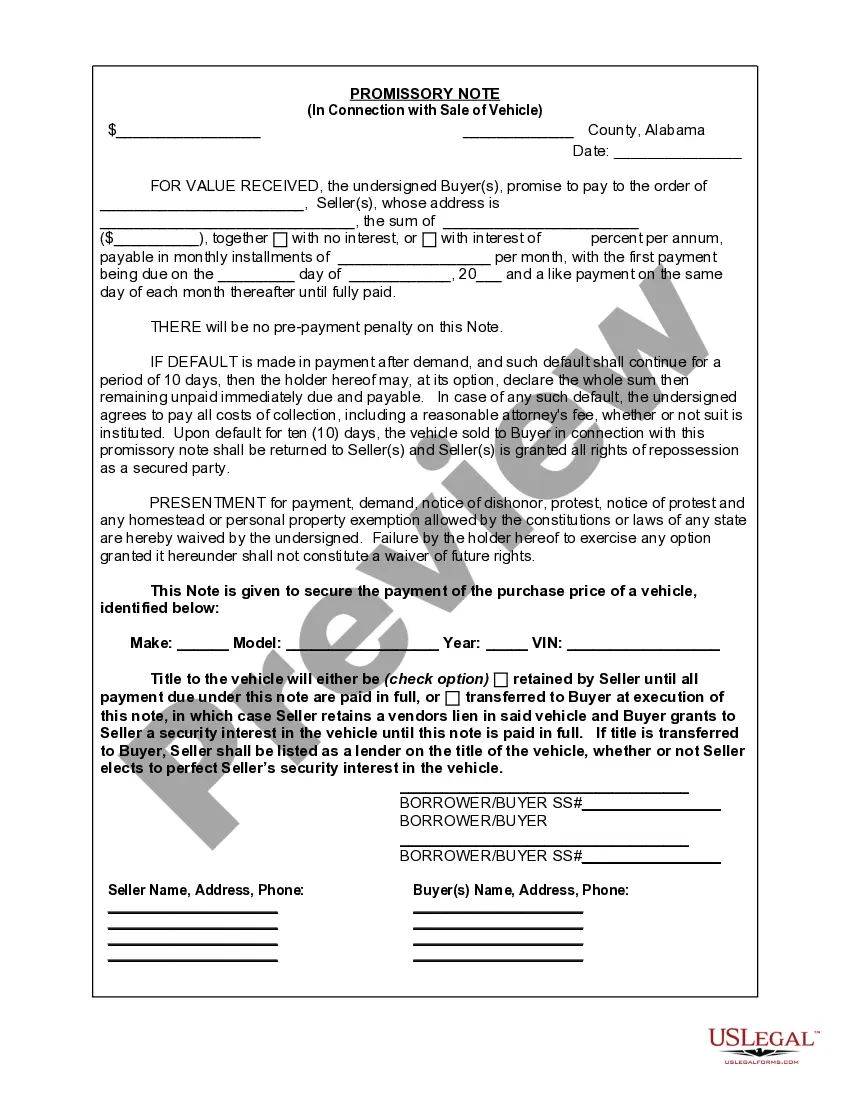

How to fill out Sample Letter For Date Of Trial?
Utilizing legal templates that adhere to federal and state regulations is crucial, and the web provides a plethora of options to select from.
However, what’s the purpose of spending time hunting for the properly drafted Trial Court Date For Traffic Ticket sample online when the US Legal Forms virtual library already compiles such templates in one location.
US Legal Forms stands as the largest online legal repository with over 85,000 fillable templates crafted by attorneys for any professional and personal situation.
Review the template using the Preview function or through the text description to guarantee it fulfills your requirements.
- They are simple to navigate with all documents categorized by state and intended use.
- Our experts stay updated with legislative changes, ensuring you can always trust that your form is current and compliant when obtaining a Trial Court Date For Traffic Ticket from our site.
- Securing a Trial Court Date For Traffic Ticket is fast and straightforward for both existing and new users.
- If you already possess an account with an active subscription, Log In and save the document template you need in your desired format.
- If you’re unfamiliar with our site, follow the steps outlined below.
Form popularity
FAQ
The settlor will usually name those whom they wish to act as trustees and where the settlement is inter vivos, the trustees will normally be parties to the trust deed. Where the settlor simply declares an intention to henceforth hold some of their property on trust, they will themselves be the sole trustee.
It is possible to include either one corporate trustee or up to three individual trustees. A trustee can also be a beneficiary provided that it is not the sole trustee and beneficiary. If there is another trustee, or another beneficiary as well, then it is acceptable.
From the time the trust is set up, it holds the assets in question, and the trustees can administer them with the benefit of the trust and its beneficiaries in mind. The trust can buy or sell assets, make investments, and transfer assets to other persons or organizations as the trustees see fit.
A revocable trust can be modified while the Grantor is alive. Revising the terms of a trust is known as ?amending? the trust. An amendment is generally appropriate when there are only a few minor changes to make, like rewording a certain paragraph, changing the successor trustee, or modifying beneficiaries.
In Ontario, an individual who has a financial interest in the estate can apply to the Court to have the estate trustee removed, replaced or not appointed at all. Such application is one of the common types of estate litigation.
To create a living trust in the state of Virginia, you must have a written trust document signed in the presence of a notary. The trust won't be official until you have transferred your assets into it. Living trusts may offer up a variety of benefits that will help you in the long run.
The trust deed lists the trustees. Therefore, to change an individual trustee, you need to amend the trust deed. Most trust deeds permit a change of trustee by way of a trustee resolution and entry into a deed of variation. A trustee resolution is a signed statement of the actions taken by the trustee.
A revocable trust and living trust are separate terms that describe the same thing: a trust in which the terms can be changed at any time. An irrevocable trust describes a trust that cannot be modified after it is created without the beneficiaries' consent.