Rejection Ucc
Description
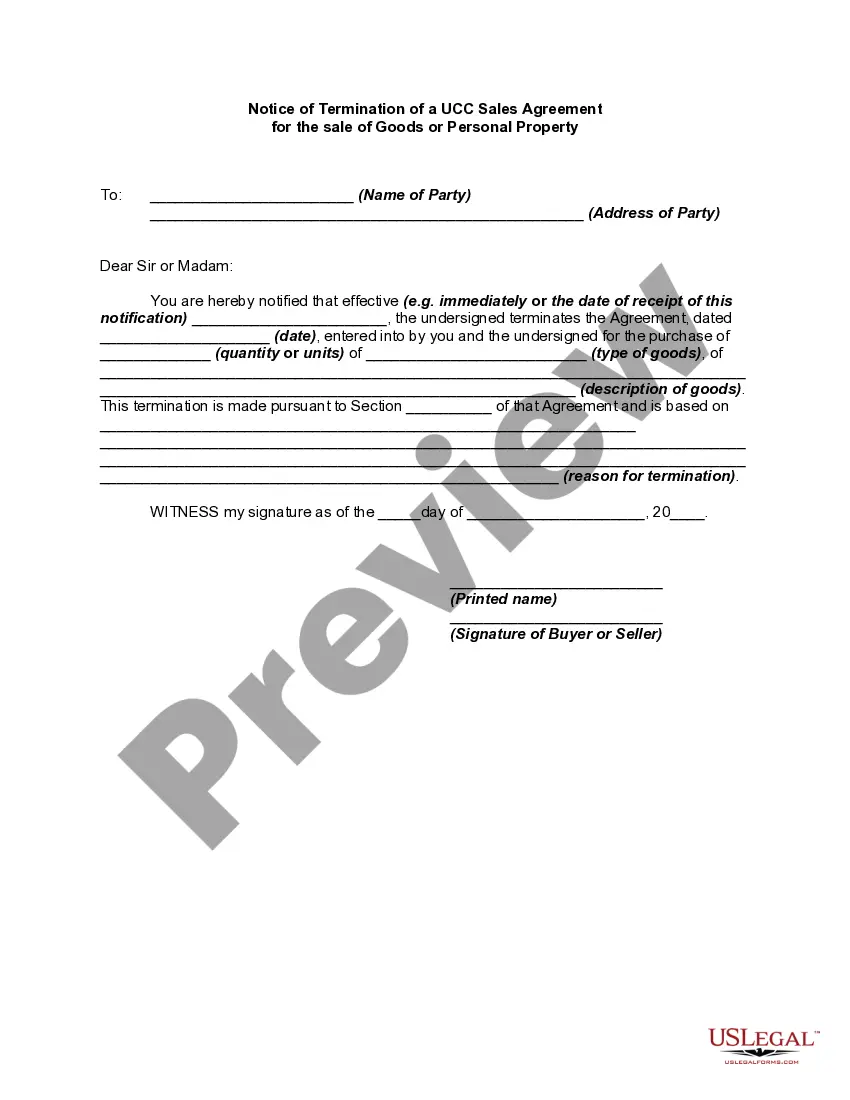
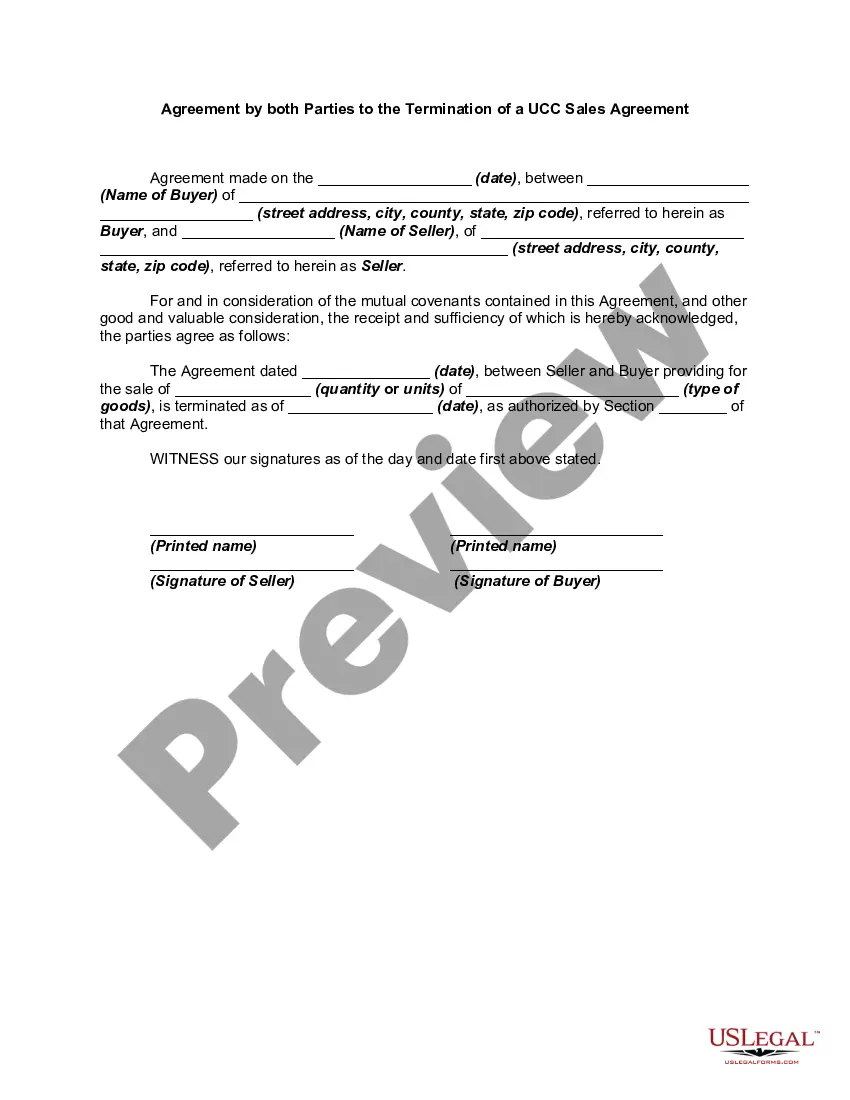
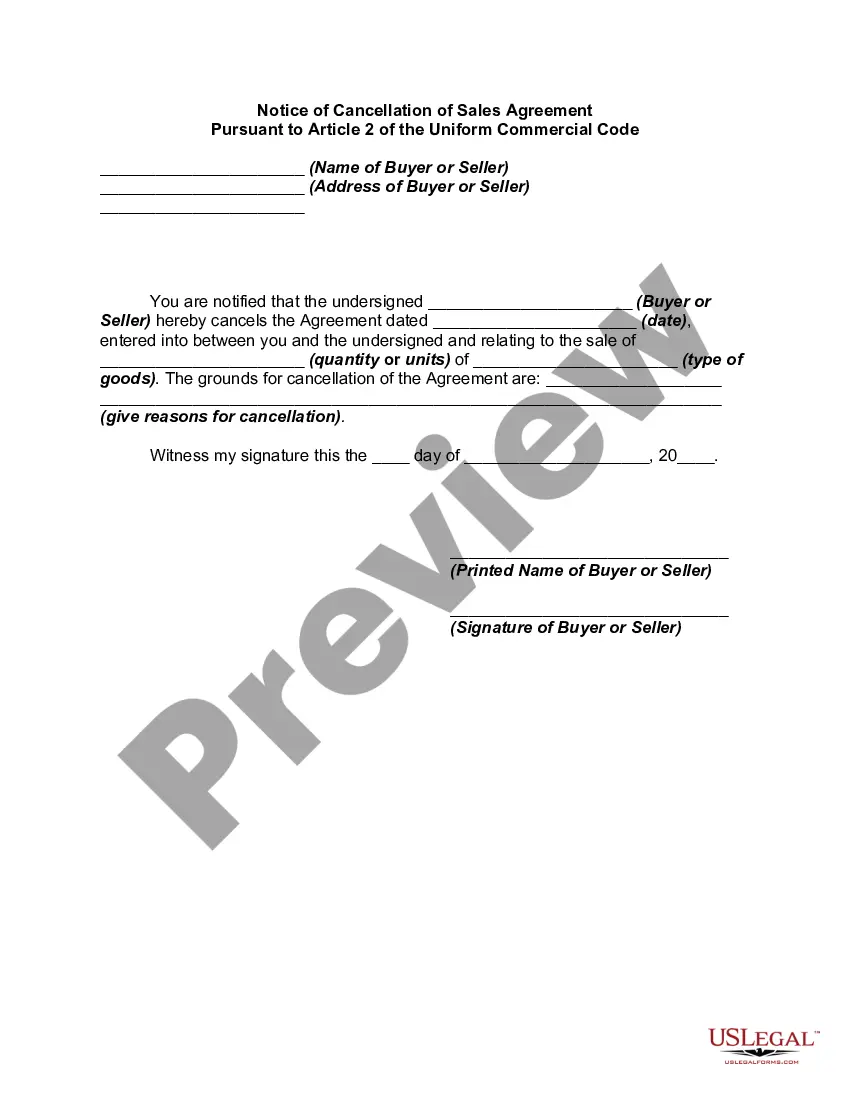
Get your form ready online
Our built-in tools help you complete, sign, share, and store your documents in one place.
Make edits, fill in missing information, and update formatting in US Legal Forms—just like you would in MS Word.
Download a copy, print it, send it by email, or mail it via USPS—whatever works best for your next step.
Sign and collect signatures with our SignNow integration. Send to multiple recipients, set reminders, and more. Go Premium to unlock E-Sign.
If this form requires notarization, complete it online through a secure video call—no need to meet a notary in person or wait for an appointment.
We protect your documents and personal data by following strict security and privacy standards.

Make edits, fill in missing information, and update formatting in US Legal Forms—just like you would in MS Word.

Download a copy, print it, send it by email, or mail it via USPS—whatever works best for your next step.

Sign and collect signatures with our SignNow integration. Send to multiple recipients, set reminders, and more. Go Premium to unlock E-Sign.

If this form requires notarization, complete it online through a secure video call—no need to meet a notary in person or wait for an appointment.

We protect your documents and personal data by following strict security and privacy standards.
Looking for another form?

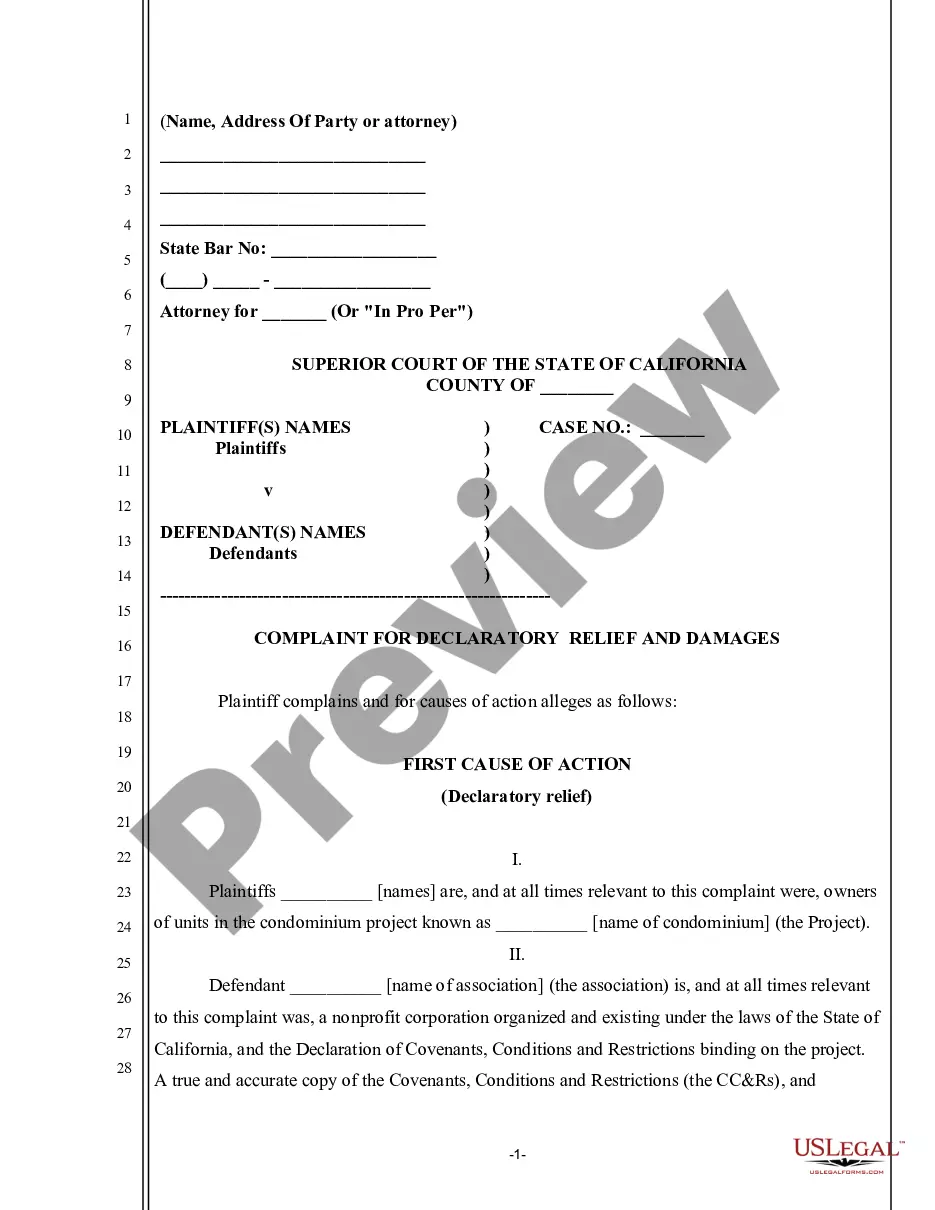
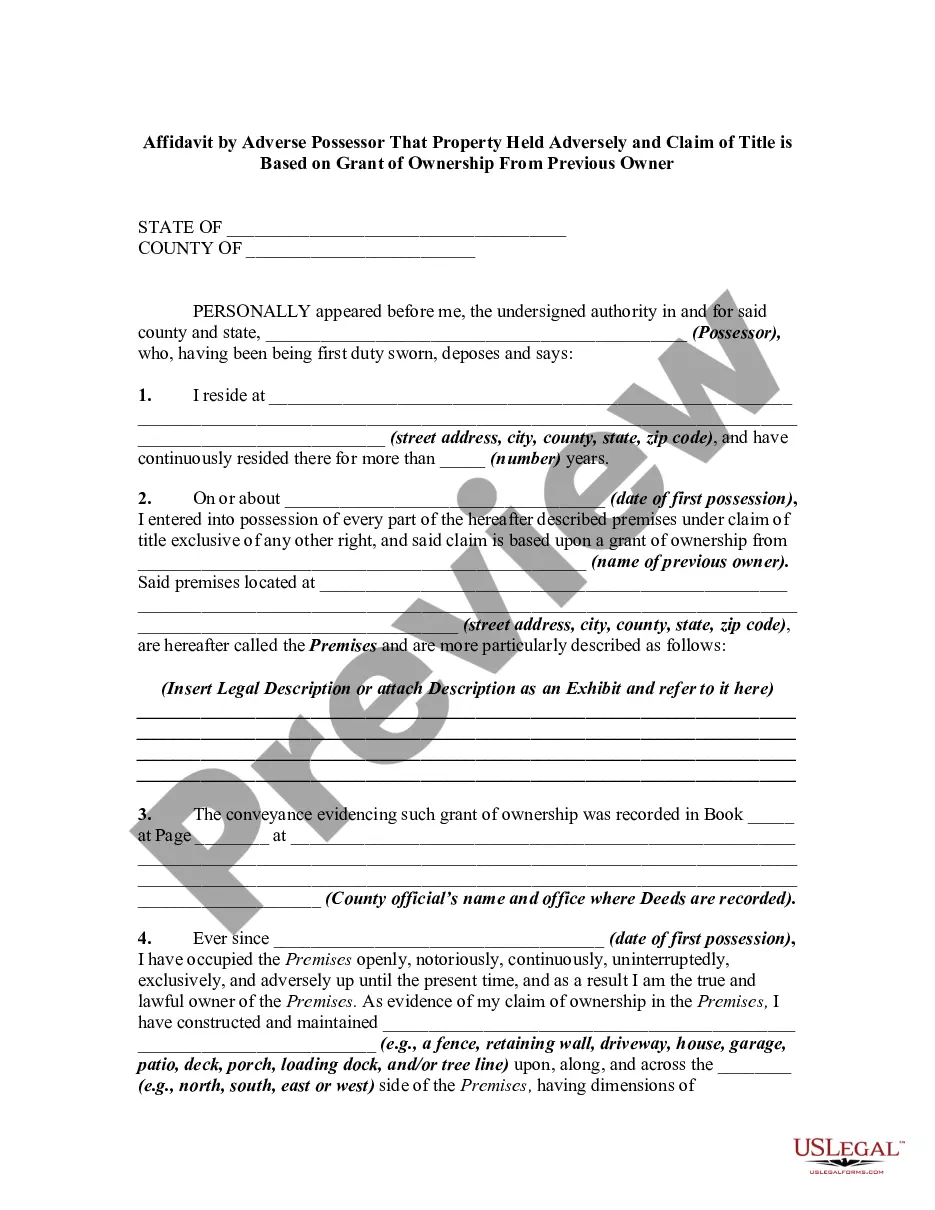
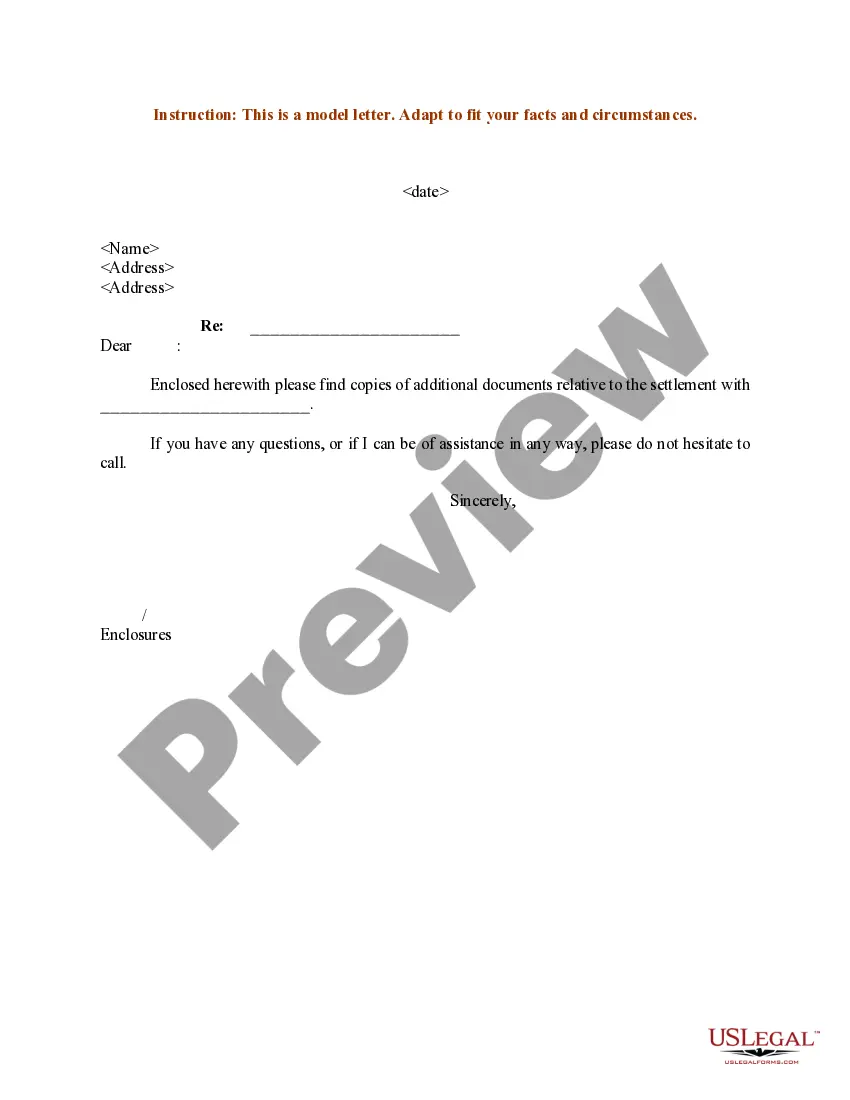
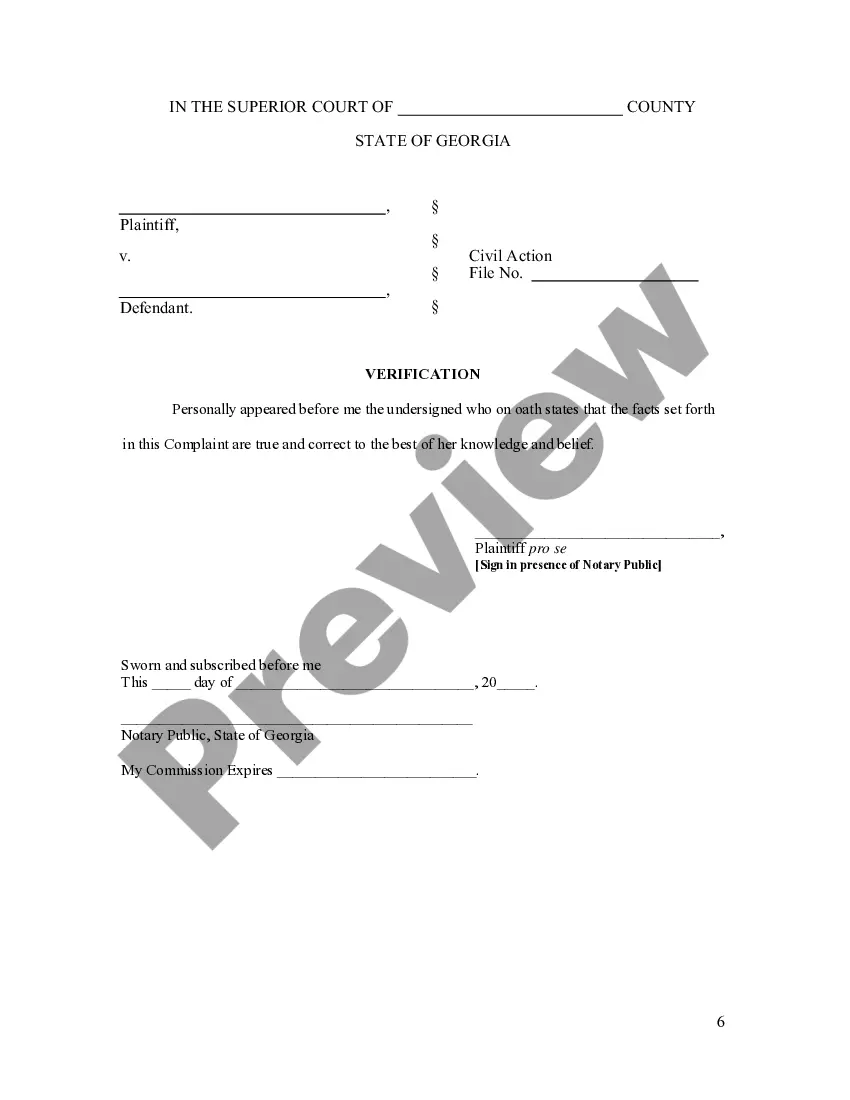
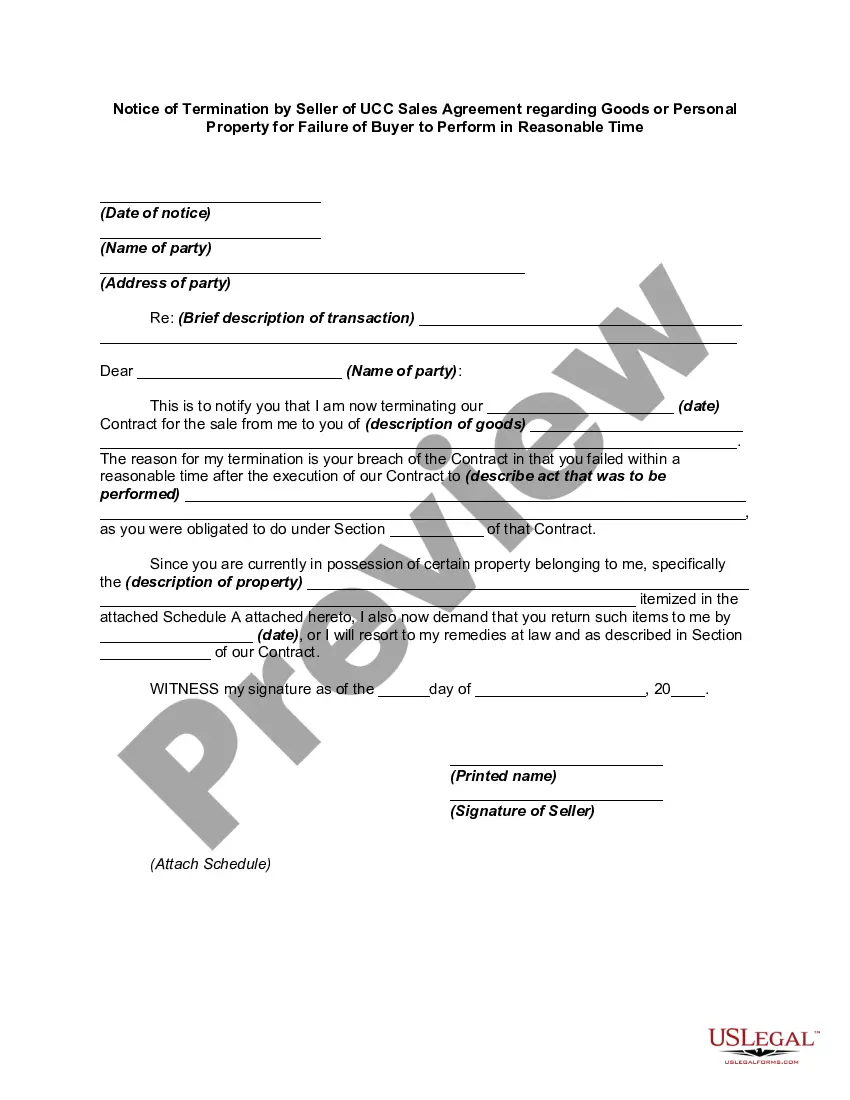
How to fill out Notice Of Termination Or Cancellation By Seller Of UCC Sales Agreement Regarding Goods Or Personal Property For Failure Of Buyer To Perform In Reasonable Time?
- Log in to your account at US Legal Forms if you have previously used the service. Ensure your subscription is active; renew if necessary.
- Preview the available form details carefully. Confirm that it matches your needs and complies with local jurisdiction rules.
- If you find any discrepancies, use the Search feature to locate a suitable alternative that meets your requirements.
- Select the desired document by pressing the Buy Now button. Choose a subscription plan that fits your needs and create an account if you are a new user.
- Complete the purchase by entering your payment details through credit card or PayPal.
- Download your rejection UCC form and save it to your device, ensuring you can access it anytime via the My Forms section in your profile.
By leveraging US Legal Forms, you gain access to a comprehensive selection of legal documents, backed by expert assistance in completing your forms correctly.
Don’t hesitate to take control of your legal needs today. Start by exploring US Legal Forms’ extensive library and make your document handling simpler and more effective.
Form popularity
FAQ
To reject an offer in contract law, you must clearly communicate your rejection to the offering party. This can be done verbally or in writing, but clarity is essential to avoid any misunderstanding. The rejection must convey your intention to not accept the proposed terms. Understanding rejection UCC concepts can also help ensure your communication is effective and legally sound.
Rejection in UCC refers specifically to the provisions that govern the refusal of goods that do not meet the agreed specifications. This aspect of UCC protects buyers by allowing them to reject defective items in a timely manner. Familiarizing yourself with rejection UCC can strengthen your negotiation and transaction practices.
If a buyer rightfully rejects non-conforming goods, they typically have the right to seek a refund, replacement, or any other remedy agreed upon. The seller must then address the rejection according to UCC guidelines. Utilizing U.S. Legal Forms can help you understand your rights and obligations following such a rejection.
To reject non-conforming goods, you must communicate your rejection clearly and promptly to the seller, specifying the reasons. It’s best to document the condition of the goods and keep records of your communications. Knowledge of rejection UCC rules will guide you in ensuring that your rejection is executed lawfully and effectively.
Rejection in business occurs when a party does not accept an offer or proposal, which can happen in negotiations or transactions. This could involve rejecting supplies, services, or even contract terms. Understanding rejection UCC concepts can enhance your business's ability to manage agreements proactively.
Legally, rejection is the act of declining an offer or proposal. This action can terminate any existing negotiations and signify that the terms are not acceptable to the rejecting party. The concept of rejection UCC defines how such actions affect commercial transactions and enforceability.
In contract law, rejection occurs when one party refuses to accept the terms proposed by another party. This can happen during the negotiation phase or after an offer has been made. Familiarizing yourself with rejection UCC provisions can provide clarity on how this process works and your rights during it.
Rejection in court refers to the refusal of a judge or a legal authority to accept a document or a claim presented in a case. This decision can impact the outcome of a legal matter significantly. Understanding the concept of rejection under UCC can help you navigate through court procedures more effectively.
When goods are wrongfully rejected, a seller has several important rights, including the right to cure the defect. This allows the seller to correct any issues with the goods and fulfill the contract. Additionally, the seller can seek damages for losses due to the rejection. For comprehensive guidance on seller rights within the context of the UCC, using resources like US Legal Forms can be immensely helpful.
The rules of offer and acceptance in contract law involve clear communication between parties. An offer must be clear and definite, while acceptance needs to mirror the terms of the offer without modifications. Any alteration can be considered a counteroffer rather than acceptance. Familiarity with the UCC's guidelines on offer and acceptance is beneficial for creating enforceable contracts.