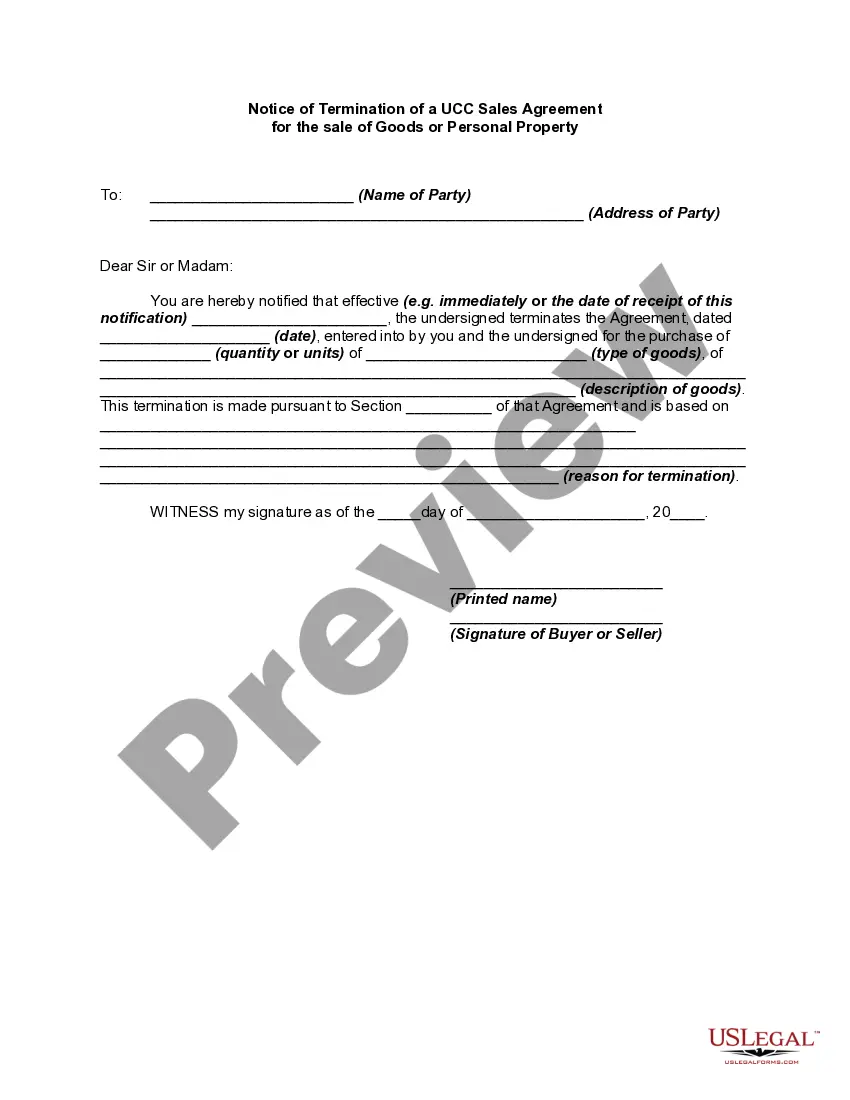
Uniform Commercial Code Article 2
Description
Get your form ready online
Our built-in tools help you complete, sign, share, and store your documents in one place.
Make edits, fill in missing information, and update formatting in US Legal Forms—just like you would in MS Word.
Download a copy, print it, send it by email, or mail it via USPS—whatever works best for your next step.
Sign and collect signatures with our SignNow integration. Send to multiple recipients, set reminders, and more. Go Premium to unlock E-Sign.
If this form requires notarization, complete it online through a secure video call—no need to meet a notary in person or wait for an appointment.
We protect your documents and personal data by following strict security and privacy standards.

Make edits, fill in missing information, and update formatting in US Legal Forms—just like you would in MS Word.

Download a copy, print it, send it by email, or mail it via USPS—whatever works best for your next step.

Sign and collect signatures with our SignNow integration. Send to multiple recipients, set reminders, and more. Go Premium to unlock E-Sign.

If this form requires notarization, complete it online through a secure video call—no need to meet a notary in person or wait for an appointment.

We protect your documents and personal data by following strict security and privacy standards.
Looking for another form?
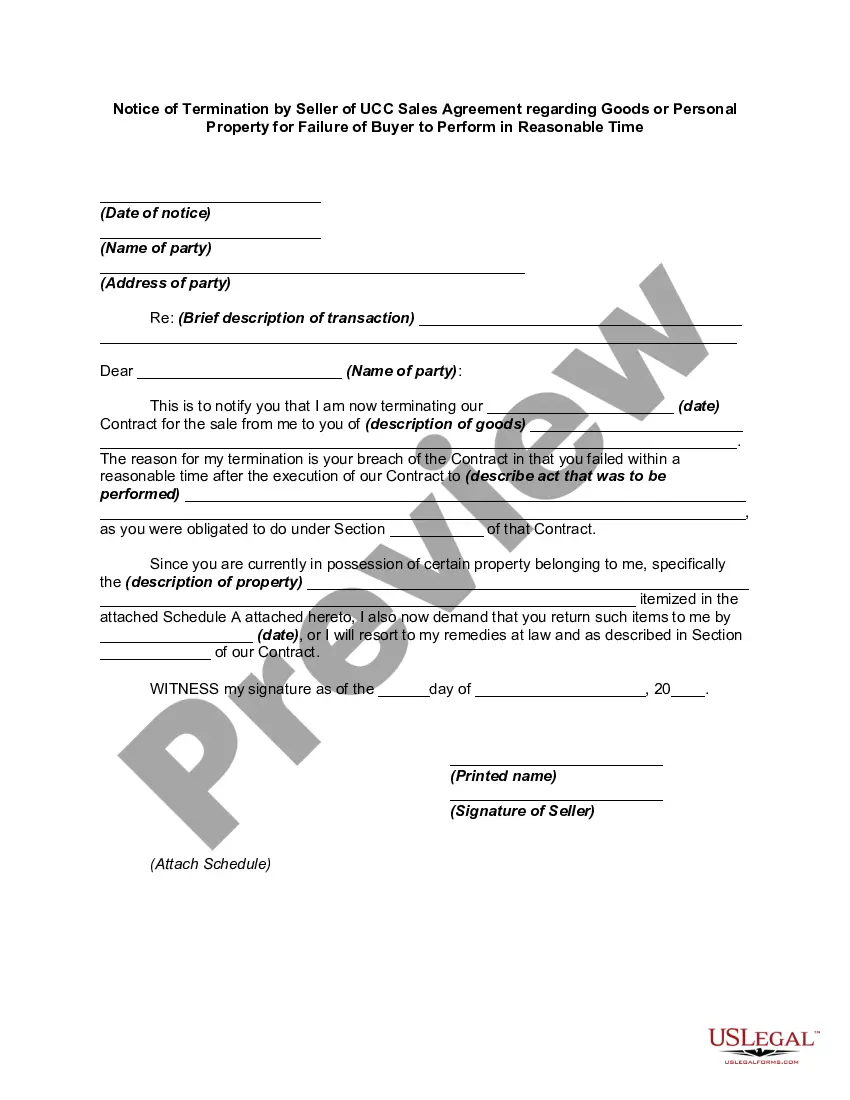
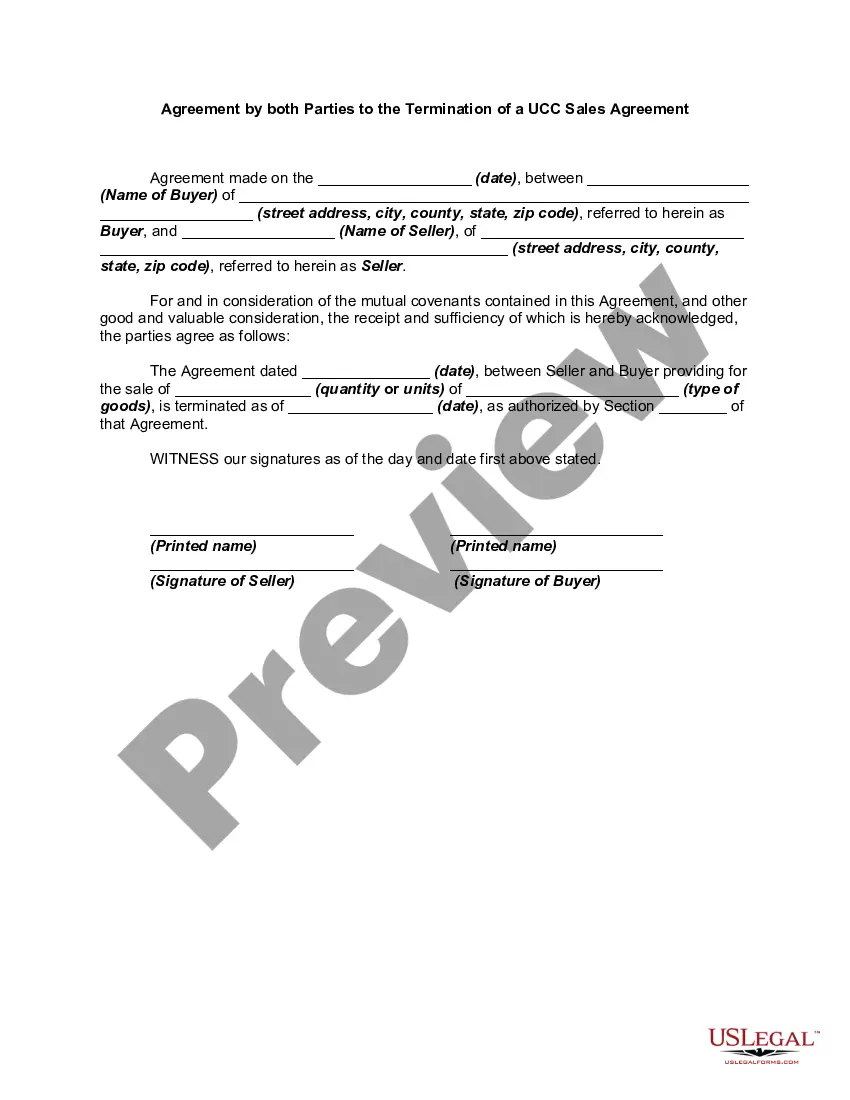
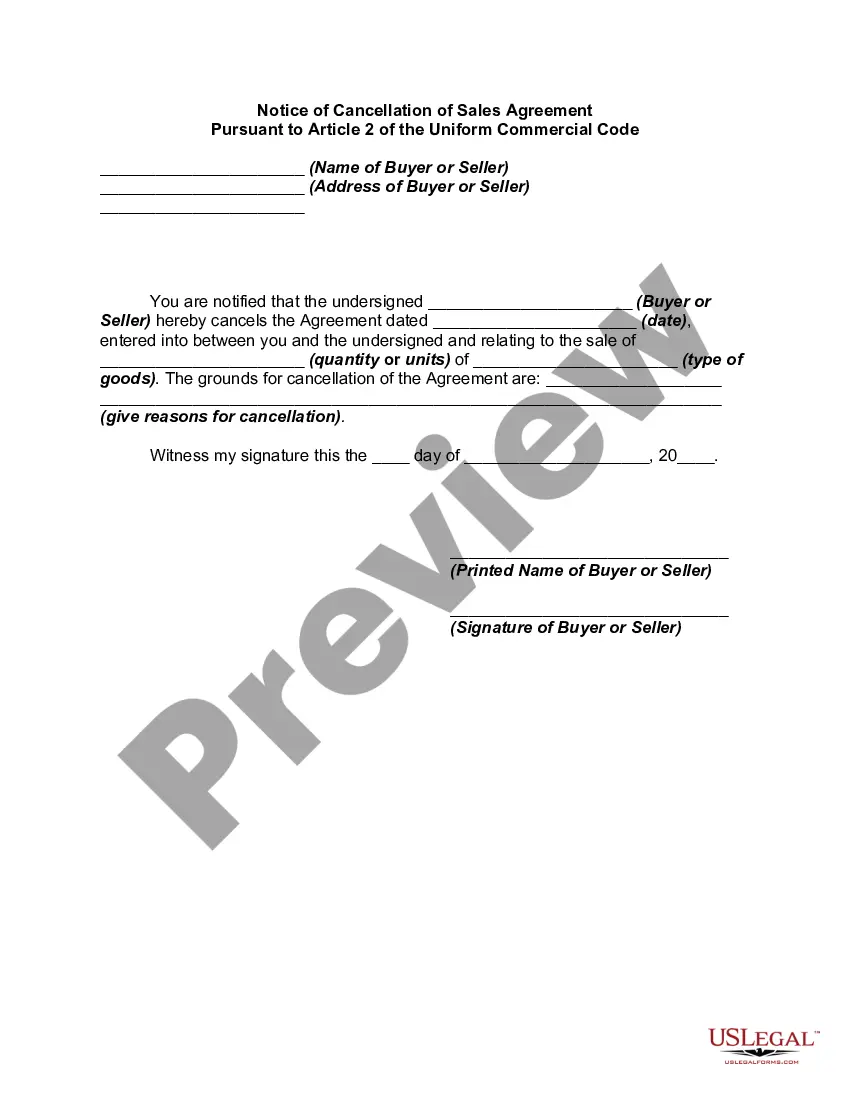
How to fill out Notice Of Termination Or Cancellation Of A UCC Sales Agreement For The Sale Of Goods Or Personal Property?
- If you are a returning user, log in to your account and select the required form template for download. Be sure to check your subscription status and renew if necessary.
- For first-time users, begin by reviewing the preview mode and description of your desired form. Confirm its relevance to your needs and local jurisdiction.
- If the selected form does not meet your requirements, utilize the Search feature to find alternative templates that better suit your needs.
- Once you've identified the appropriate document, click on the Buy Now button. You will need to choose a subscription plan and register for an account to access the full library.
- Complete your purchase by entering payment details via credit card or PayPal to finalize your subscription.
- After purchase, download the form directly to your device, ensuring that you can access it anytime through the My Forms section.
US Legal Forms not only simplifies the process of acquiring legal documents but also supports users with a rich collection of over 85,000 editable forms. This vast library provides a significant edge over competitors.
To ensure your legal documents are accurate and compliant, consider leveraging expert assistance available through the platform. Start your journey with US Legal Forms now for seamless legal form fulfillment!
Form popularity
FAQ
Article 2 of the Uniform Commercial Code (UCC) focuses on the sale of goods and outlines the legal framework for these transactions. It establishes rules regarding contracts, performance obligations, and the rights of buyers and sellers. This article is essential for ensuring that transactions are conducted fairly and transparently, providing a common ground for commercial dealings. By understanding the Uniform Commercial Code Article 2, you can navigate sales transactions more effectively and protect your rights.
Article 2 of the Uniform Commercial Code does not cover services, real estate, or intangible property like patents or copyrights. It primarily focuses on tangible goods and their sales transactions. Knowing these exclusions helps you determine where to apply the UCC rules. If your case involves goods, consider using platforms like US Legal Forms to find the right documents.
Goods under Article 2 of the Uniform Commercial Code encompass all tangible items that are movable at the time of sale. This includes things like raw materials, manufactured products, and consumer goods. However, the definition specifically excludes intangible assets such as stocks and bonds. Understanding what constitutes goods can help you in commercial transactions.
Under Article 2 of the Uniform Commercial Code, goods are defined as movable items that can be bought or sold. This includes physical products like furniture, cars, and electronics. However, it excludes things like real estate or services, emphasizing the importance of clarity in definitions. Knowing what qualifies as a good can streamline your buying and selling processes.
No, Article 2 of the Uniform Commercial Code applies to both merchants and non-merchants. It provides a framework for all transactions involving the sale of goods. While it does include specific provisions for merchants due to their expertise and frequency in transactions, non-merchants are also subject to its guidelines. Understanding its reach can enhance your ability to navigate sales agreements effectively.
In the context of the Uniform Commercial Code Article 2, a merchant is defined as an individual or entity engaged in buying and selling goods on a regular basis. This primarily includes businesses that have expertise in the goods they sell. Merchants carry additional responsibilities under the UCC, such as adhering to specific warranties and trade practices. Recognizing who qualifies as a merchant helps clarify the application of UCC provisions in commercial dealings.
Section 2 of the Uniform Commercial Code Article 2 provides the legal framework for the sale of goods. It outlines the rights and obligations of buyers and sellers in a commercial transaction. This section addresses essential aspects such as contract formation, performance, and breach of contract. Familiarity with Section 2 is vital for anyone involved in buying or selling goods.
The Uniform Commercial Code Article 2 primarily addresses the sale of goods, but it excludes certain transactions. Notably, it does not cover real estate transactions, services, and intangible assets like patents or copyrights. Additionally, the sales of fixtures, stocks, and bonds fall outside its purview. Understanding these exclusions helps you navigate commercial transactions more effectively.
Someone might file a UCC to establish a legal claim over collateral, protecting their financial interests in a secured transaction. This filing serves to inform other creditors of your rights in the specified collateral, reinforcing the security of loans or credit extended. Understanding the importance of UCC filings can prevent disputes and establish clear financial relationships. For assistance, USLegalForms offers tailored support to navigate this important process.
Filing a UCC involves completing a UCC-1 financing statement, which you then submit to the appropriate state office. Make sure to include all necessary details, including the names of the parties and a description of the collateral. The filing process varies by state, so it is crucial to check local requirements. Platforms like USLegalForms can facilitate this, providing user-friendly guides and templates to help you through the process.