Sample Irrevocable Trust With A Trust
Description
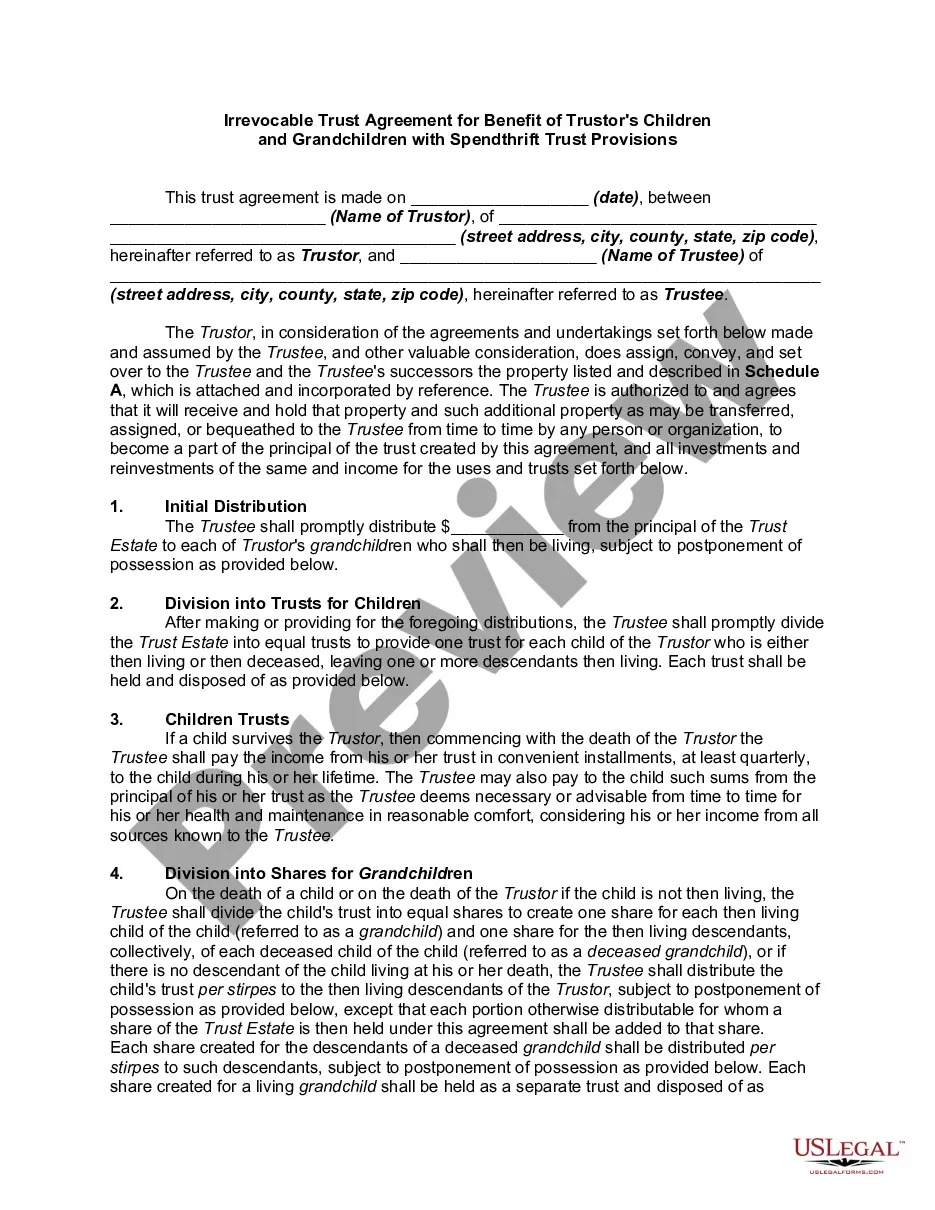
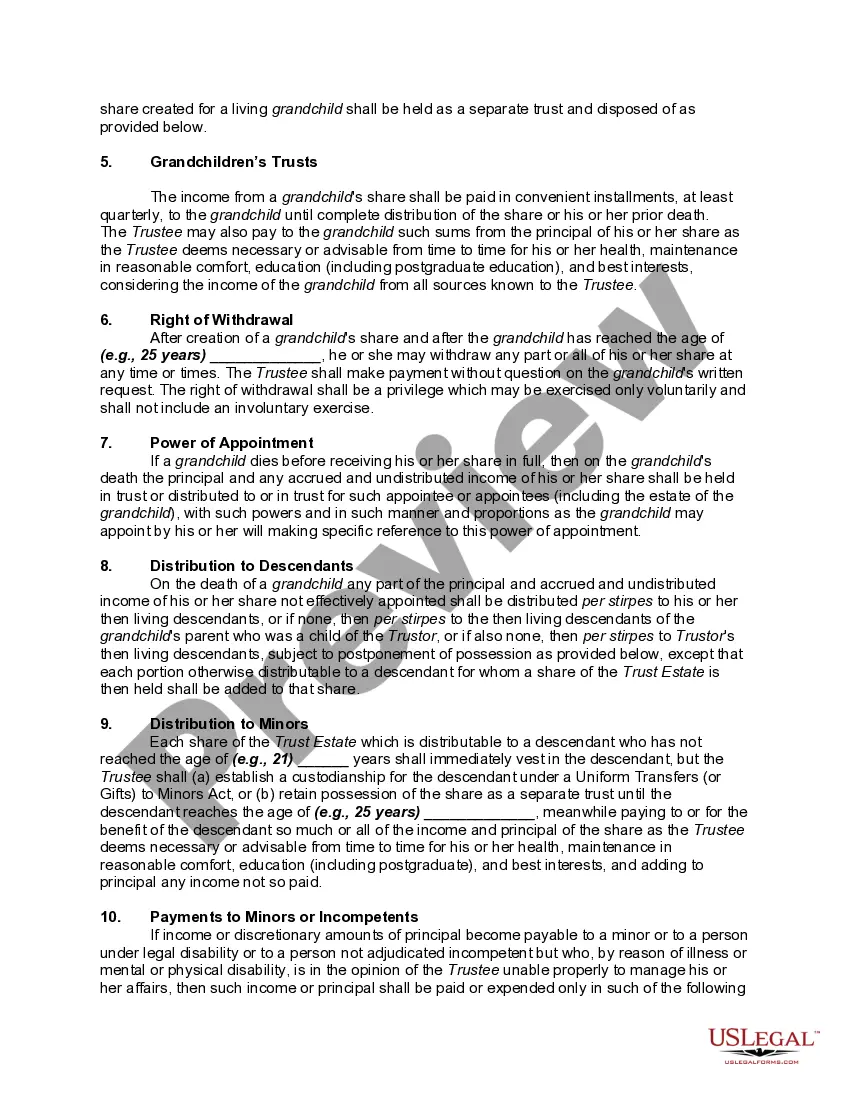
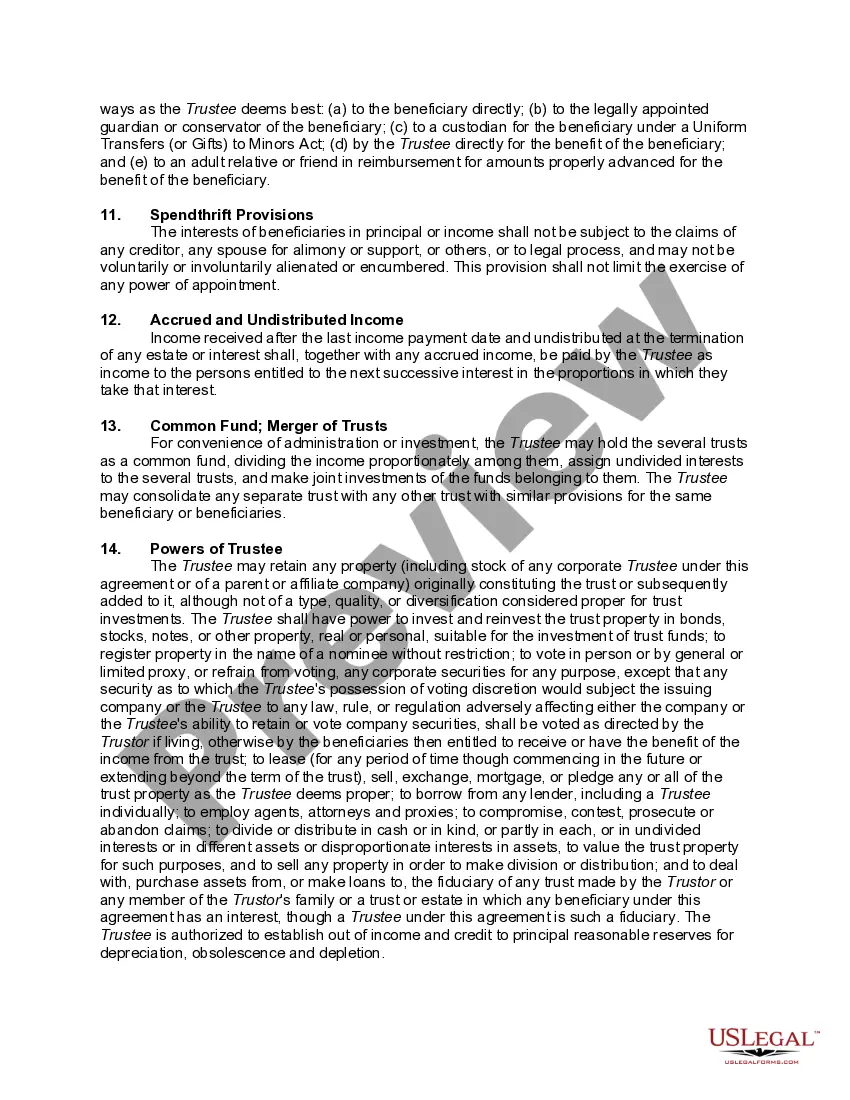
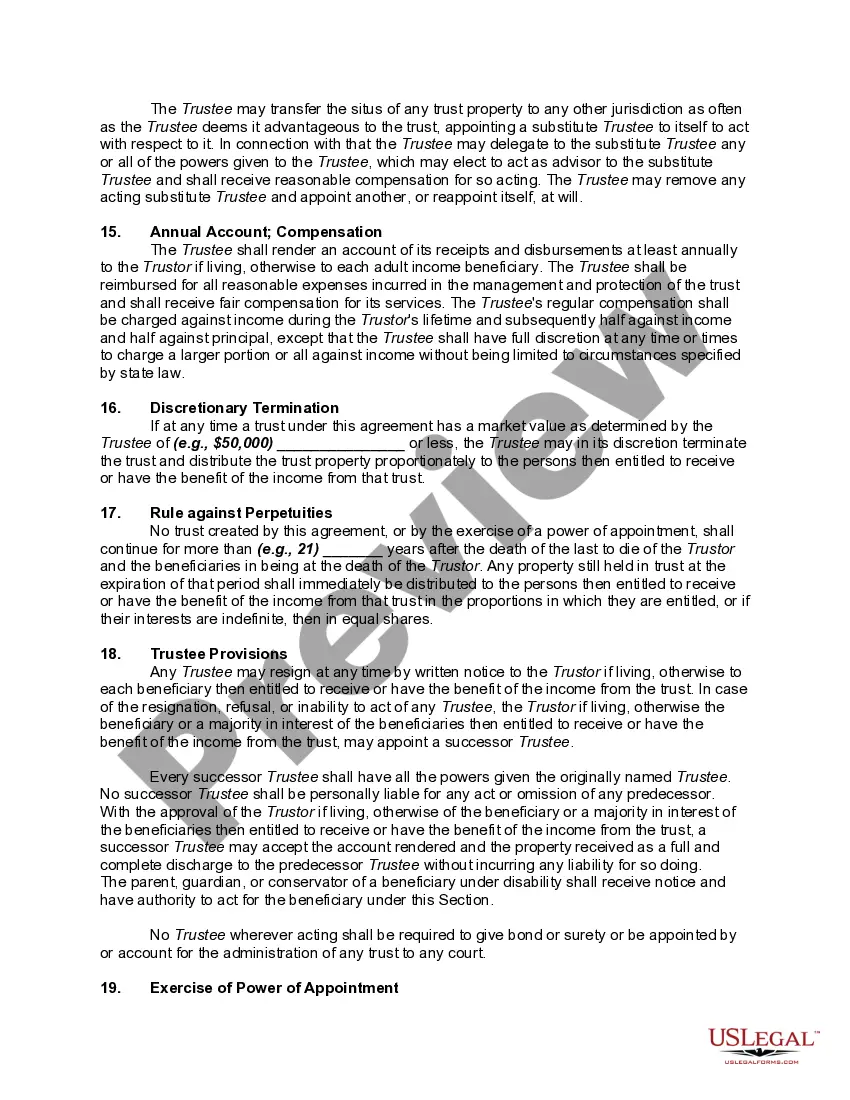
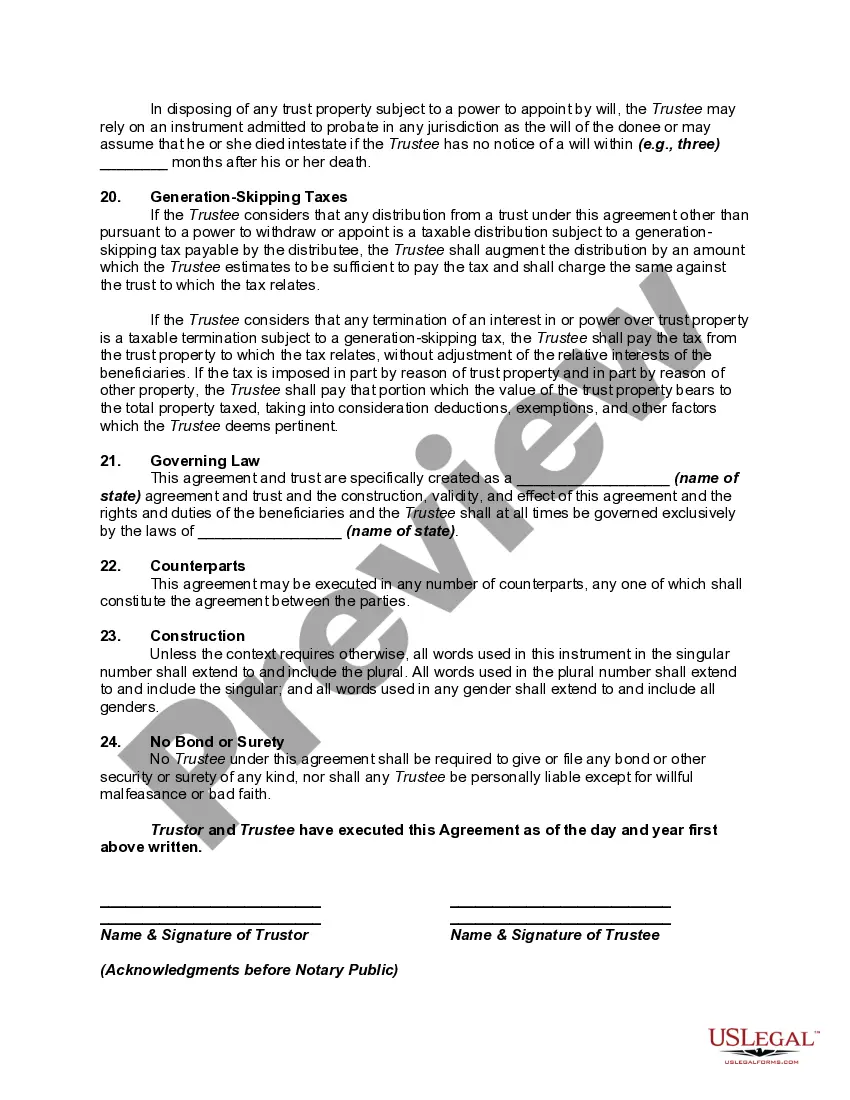


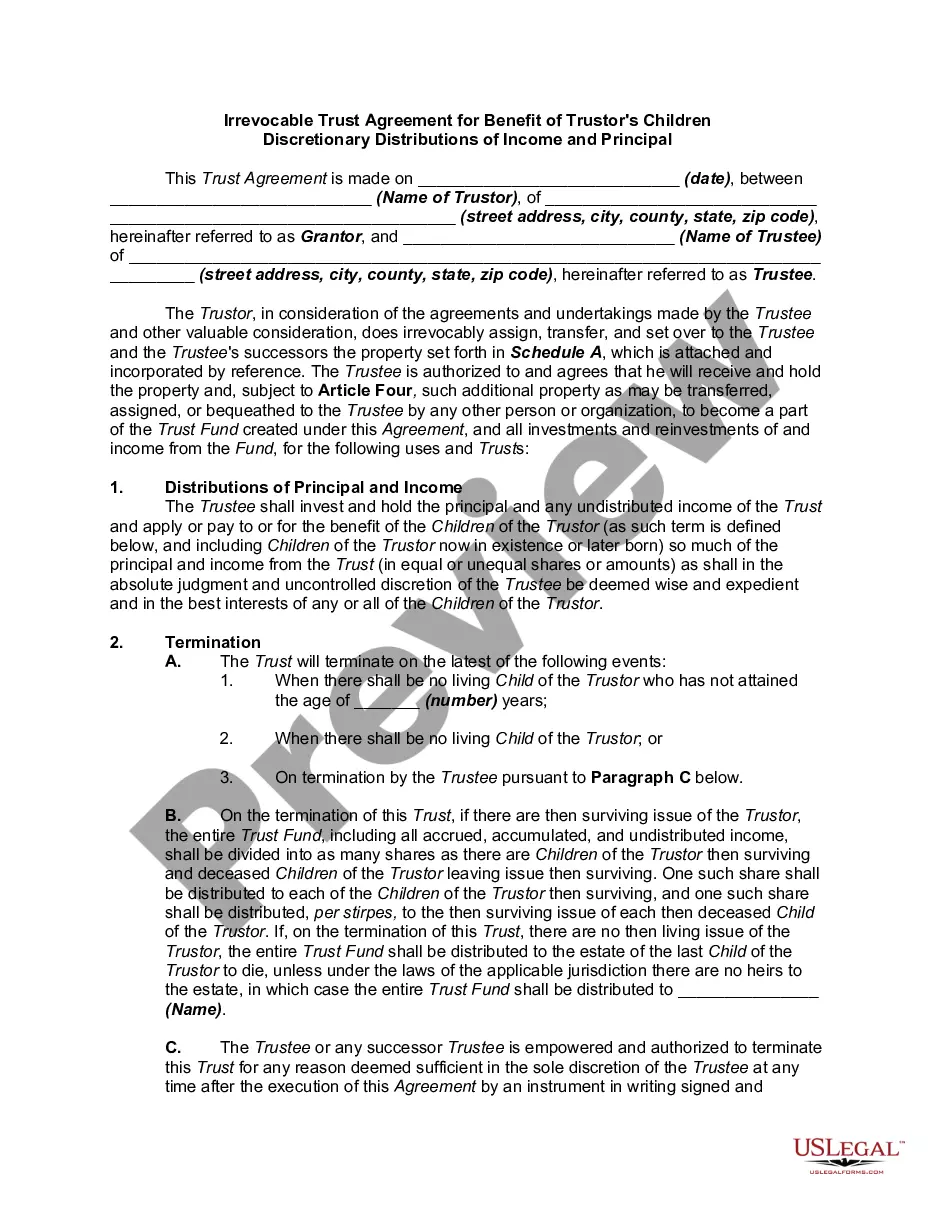
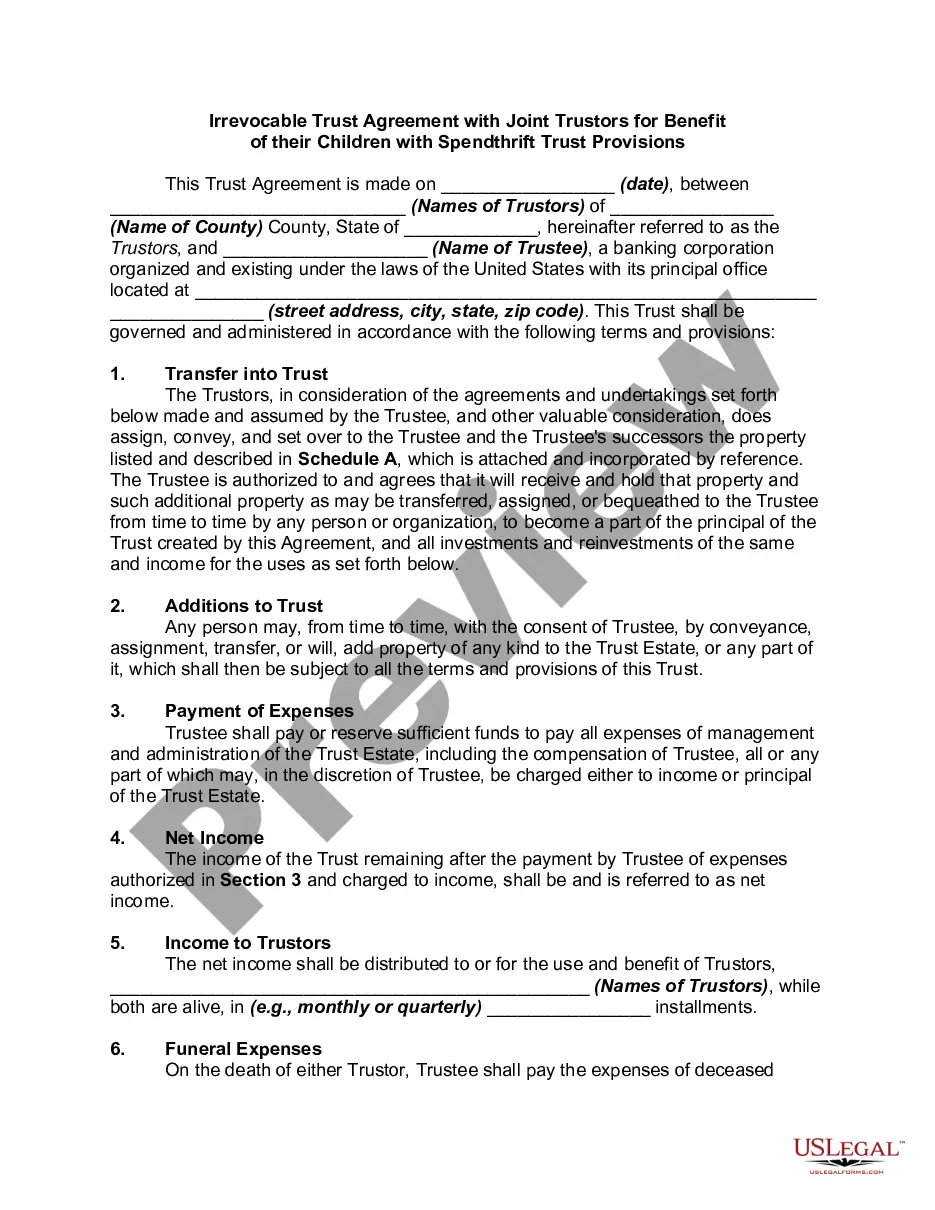
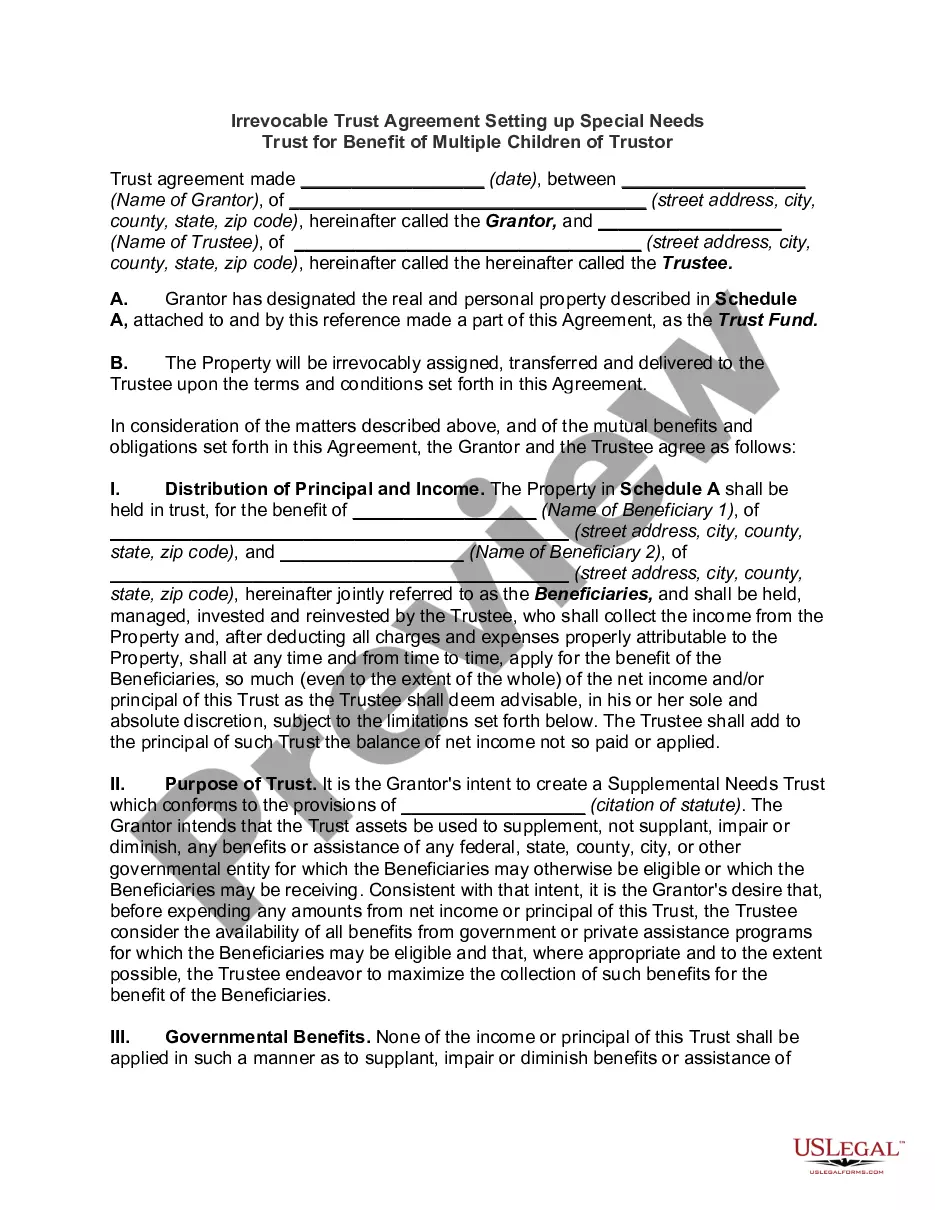
Get your form ready online
Our built-in tools help you complete, sign, share, and store your documents in one place.
Make edits, fill in missing information, and update formatting in US Legal Forms—just like you would in MS Word.
Download a copy, print it, send it by email, or mail it via USPS—whatever works best for your next step.
Sign and collect signatures with our SignNow integration. Send to multiple recipients, set reminders, and more. Go Premium to unlock E-Sign.
If this form requires notarization, complete it online through a secure video call—no need to meet a notary in person or wait for an appointment.
We protect your documents and personal data by following strict security and privacy standards.

Make edits, fill in missing information, and update formatting in US Legal Forms—just like you would in MS Word.

Download a copy, print it, send it by email, or mail it via USPS—whatever works best for your next step.

Sign and collect signatures with our SignNow integration. Send to multiple recipients, set reminders, and more. Go Premium to unlock E-Sign.

If this form requires notarization, complete it online through a secure video call—no need to meet a notary in person or wait for an appointment.

We protect your documents and personal data by following strict security and privacy standards.
Looking for another form?





How to fill out Irrevocable Trust Agreement For Benefit Of Trustor's Children And Grandchildren With Spendthrift Trust Provisions?
- Log into your US Legal Forms account if you are a returning user. Ensure that your subscription is active to access the forms.
- For new users, start by checking the Preview mode and form description. Verify that the selected template aligns with your requirements and local laws.
- If you find any discrepancies, use the Search tab to look for alternative templates that better suit your needs.
- Purchase the chosen document by clicking on the Buy Now button. Select a subscription plan that works for you and create an account for access.
- Complete your purchase by entering your payment information, either through a credit card or PayPal.
- Download the form directly to your device, and you can also access it later in the My Forms section of your profile.
In conclusion, US Legal Forms streamlines the process of executing legal documents by providing access to a vast collection of easily editable templates and expert assistance. This ensures that your Sample irrevocable trust with a trust is both accurate and legally binding.
Don’t hesitate to explore the benefits of using US Legal Forms for your legal needs today!
Form popularity
FAQ
While it is possible to draft your own irrevocable trust, it is advisable to seek professional help if you are unfamiliar with legal requirements. A well-structured sample irrevocable trust with a trust should meet specific legal standards to ensure its validity. Platforms like uslegalforms can provide the necessary templates and guidance to assist you in this process.
Yes, there are various types of irrevocable trusts designed for differing purposes. Common examples include irrevocable life insurance trusts and charitable trusts. Understanding the distinctions can help you create an effective sample irrevocable trust with a trust tailored to your unique circumstances.
You may consider establishing an irrevocable trust for tax benefits, asset protection, and estate planning. This type of trust can shield your assets from creditors, help minimize estate taxes, and facilitate smooth transfers to beneficiaries. A well-designed sample irrevocable trust with a trust can effectively accomplish these goals.
Generally, assets that you may want to retain control over should not be placed in an irrevocable trust. For instance, primary residences, personal belongings, and certain investment accounts may be better managed outside of an irrevocable trust. Therefore, when creating your sample irrevocable trust with a trust, consider this to protect your interests.
The three main types of irrevocable trust include irrevocable life insurance trusts, charitable remainder trusts, and special needs trusts. Each of these trusts serves a specific purpose, such as providing for loved ones or ensuring charitable contributions. By understanding these types, you can better evaluate how a sample irrevocable trust with a trust can meet your estate planning needs.
In many cases, an irrevocable trust does not need to be filed with the court unless there's a dispute or you are initiating a trust administration process. However, a sample irrevocable trust with a trust should be documented properly to ensure its validity. It’s advisable to check local regulations or consult legal professionals to confirm the requirements in your area.
Recently, the IRS has clarified tax implications regarding irrevocable trusts, emphasizing reporting requirements and potential tax liabilities. When utilizing a sample irrevocable trust with a trust, beneficiaries must now account for income generated within the trust. This change underscores the importance of staying informed about regulations and consulting with a tax professional.
It's important to refrain from placing high-liability assets, such as business interests or properties with mortgages, into a sample irrevocable trust with a trust. Also, avoid liquid assets that you may need immediate access to, as the trust structure can restrict your control. Always evaluate the nature of the assets before transferring them.
To write a sample irrevocable trust with a trust, begin by clearly defining the purpose of the trust and the beneficiaries involved. Include detailed descriptions of the assets being transferred and outline the terms regarding asset management and distribution. Consider using templates or guidance from platforms like US Legal Forms to ensure your document meets legal standards.
When creating a sample irrevocable trust with a trust, it's wise to avoid putting certain assets like your personal residence or retirement accounts directly into the trust. These assets can complicate tax implications and affect your ability to access funds when needed. Additionally, avoid generally using the trust for assets that you might need control over in the future.