Irrevocable Trust Texas
Description

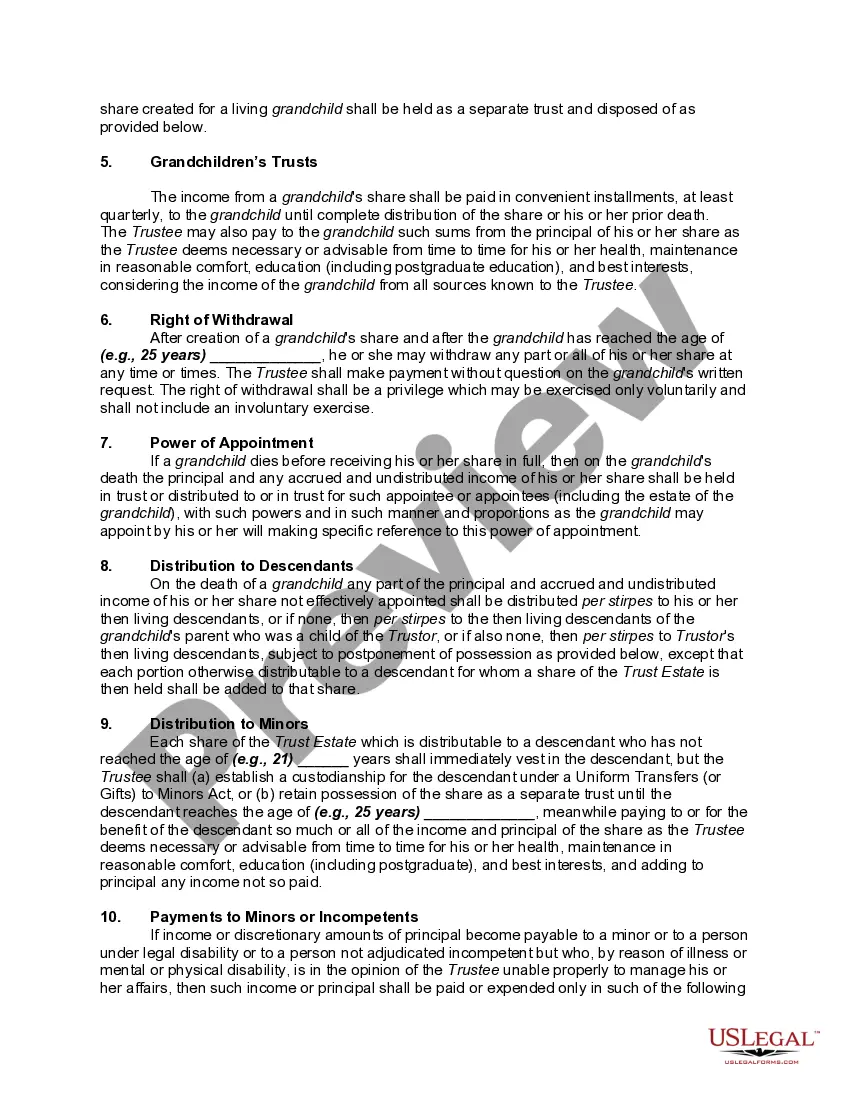
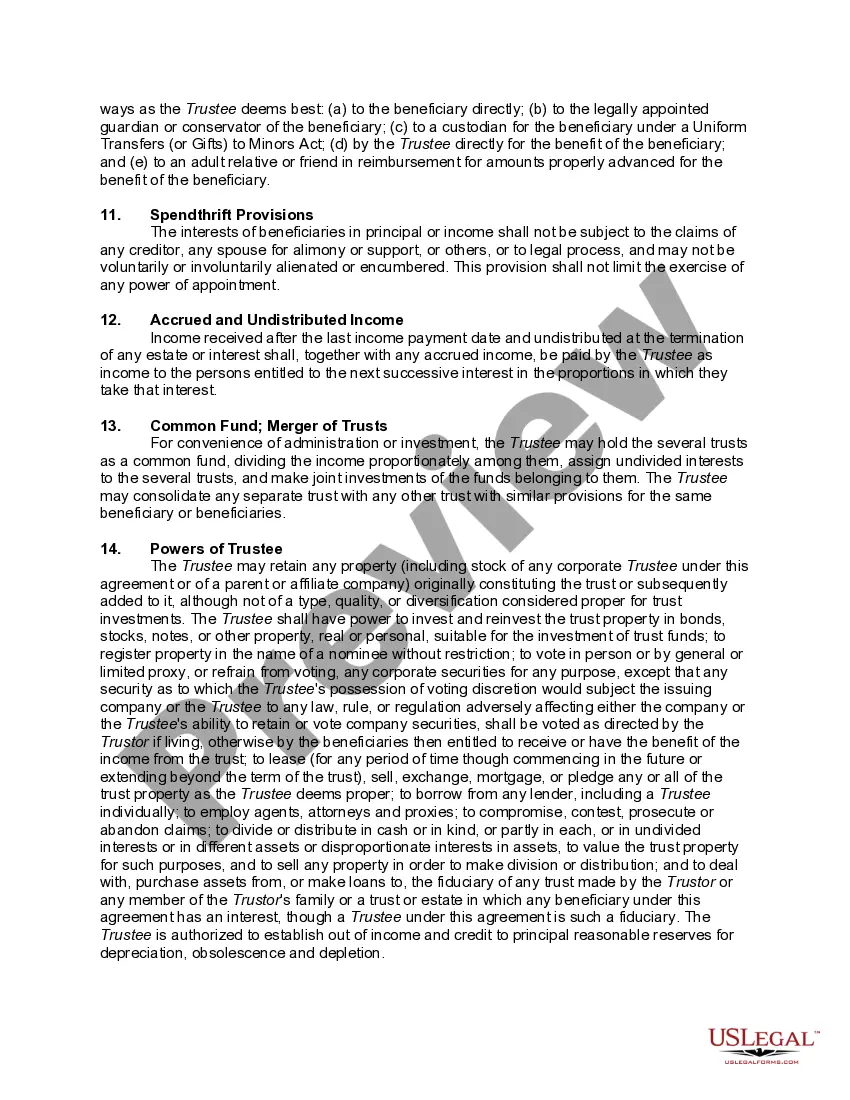
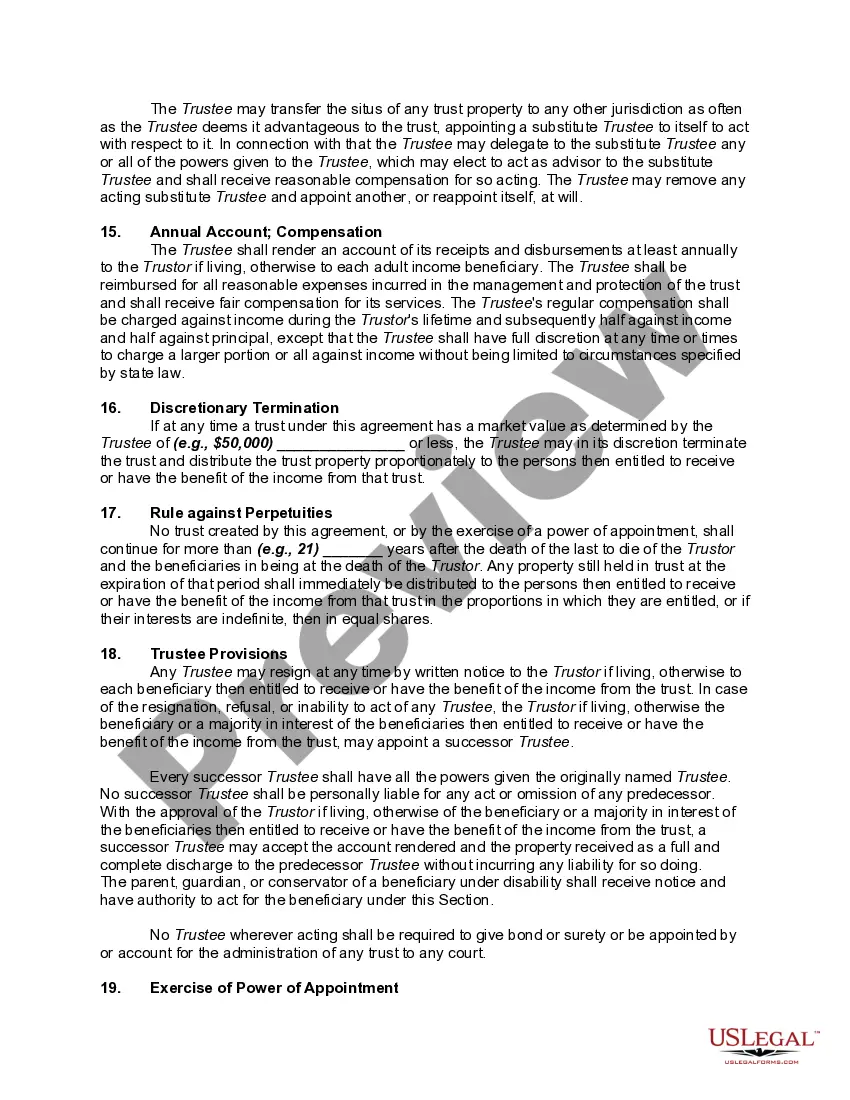
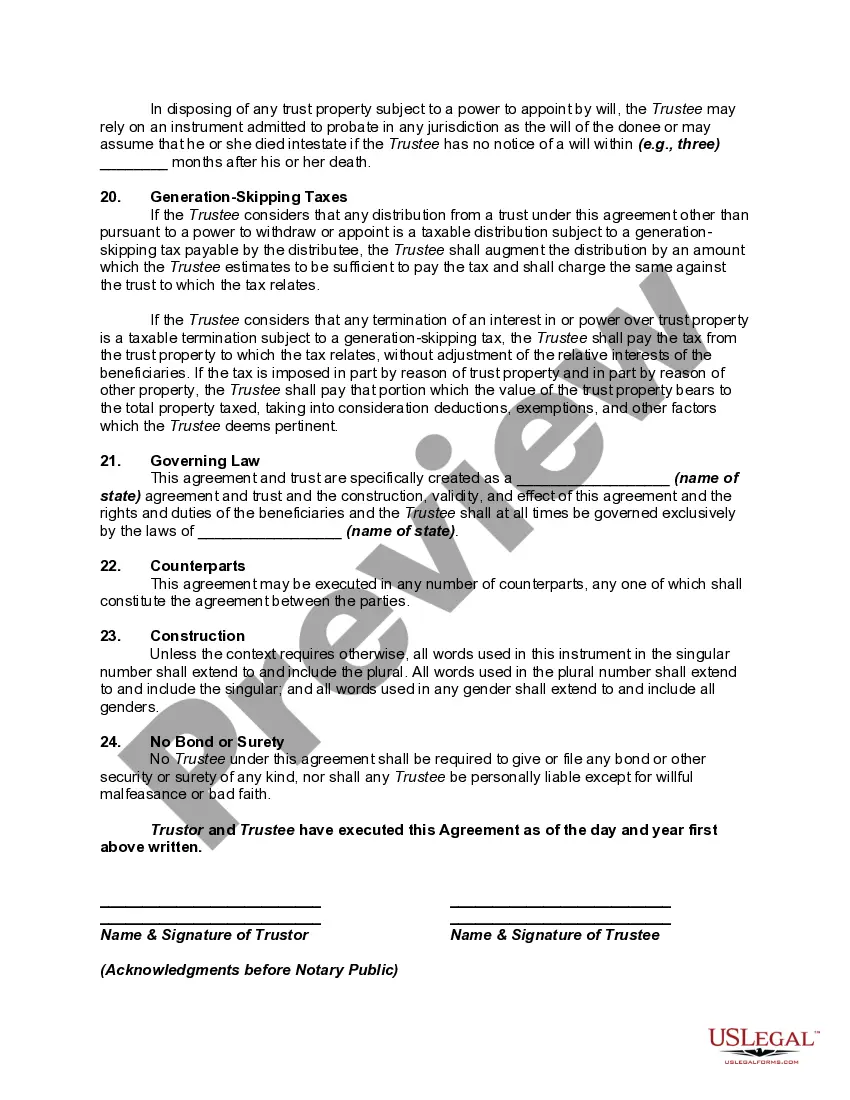


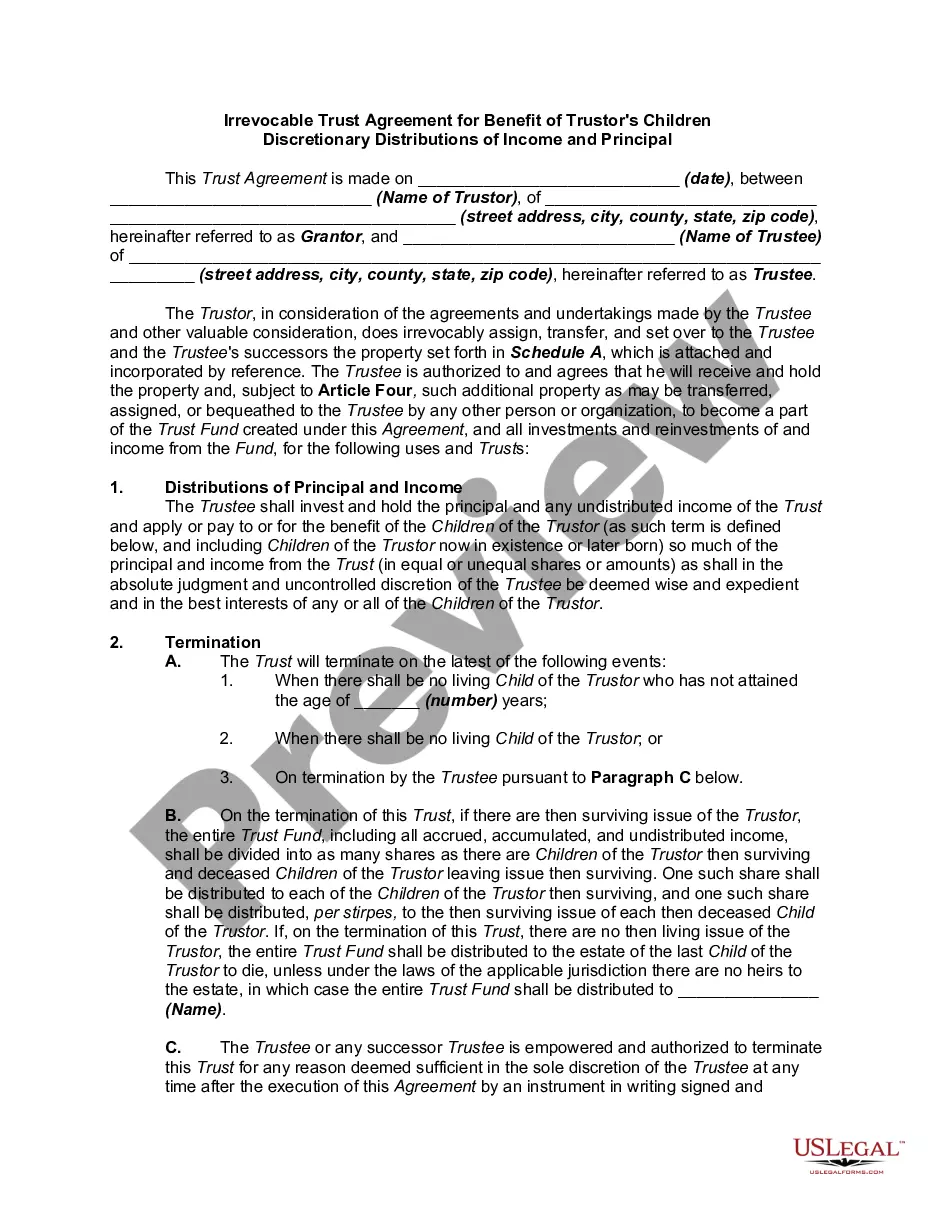

Get your form ready online
Our built-in tools help you complete, sign, share, and store your documents in one place.
Make edits, fill in missing information, and update formatting in US Legal Forms—just like you would in MS Word.
Download a copy, print it, send it by email, or mail it via USPS—whatever works best for your next step.
Sign and collect signatures with our SignNow integration. Send to multiple recipients, set reminders, and more. Go Premium to unlock E-Sign.
If this form requires notarization, complete it online through a secure video call—no need to meet a notary in person or wait for an appointment.
We protect your documents and personal data by following strict security and privacy standards.

Make edits, fill in missing information, and update formatting in US Legal Forms—just like you would in MS Word.

Download a copy, print it, send it by email, or mail it via USPS—whatever works best for your next step.

Sign and collect signatures with our SignNow integration. Send to multiple recipients, set reminders, and more. Go Premium to unlock E-Sign.

If this form requires notarization, complete it online through a secure video call—no need to meet a notary in person or wait for an appointment.

We protect your documents and personal data by following strict security and privacy standards.
Looking for another form?



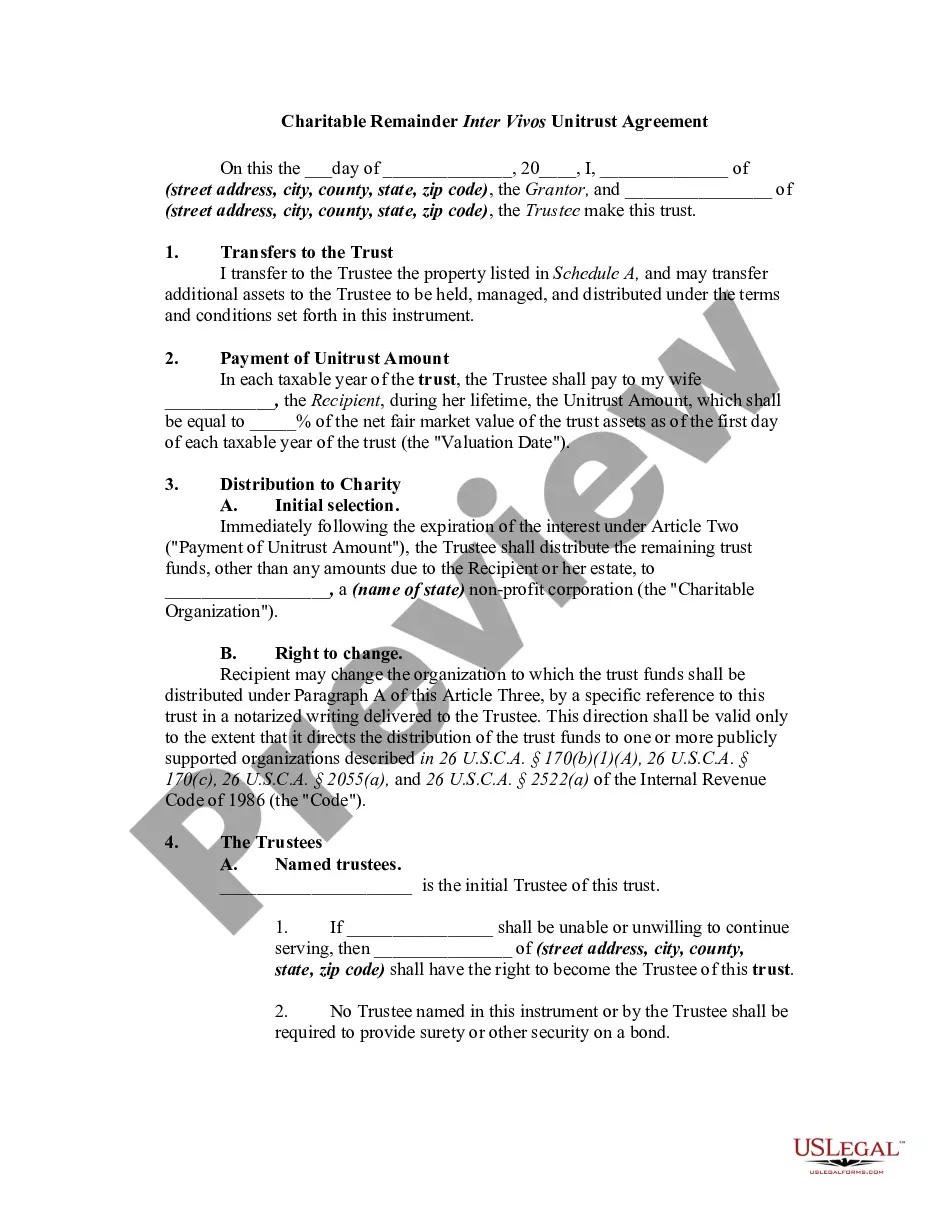


How to fill out Irrevocable Trust Agreement For Benefit Of Trustor's Children And Grandchildren With Spendthrift Trust Provisions?
- Log in to your US Legal Forms account if you're returning. Click on the Download button to save the form you need, ensuring your subscription is active.
- For first-time users, begin by checking the Preview mode and reviewing the form description to select the right one that meets your jurisdiction's requirements.
- If the chosen document doesn’t fit your needs, use the Search tab to find another template that suits your requirements better.
- Once you find an appropriate form, click the Buy Now button and select your subscription plan. You will need to create an account to access the library.
- Complete your purchase by entering your payment information, either through credit card or PayPal.
- Finally, download the document to your device. You can access it anytime through the My Forms section in your profile.
Utilizing the US Legal Forms service ensures you have access to a vast array of legal documents, more than many competitors offer, and the support from premium experts for precise completion.
Taking control of your estate planning has never been easier. Get started today and secure your future with US Legal Forms!
Form popularity
FAQ
An irrevocable trust in Texas comes with several drawbacks that you should consider. Once you establish this type of trust, you cannot change its terms or revoke it without the consent of the beneficiaries, losing control over your assets. Additionally, transferring assets into an irrevocable trust may trigger gift tax consequences, which can complicate your financial planning. If you're uncertain about these challenges, using a platform like US Legal Forms can provide resources and guidance to help you navigate the implications of setting up an irrevocable trust in Texas.
You should consider an irrevocable trust in Texas if you aim to protect your assets from creditors, minimize estate taxes, or ensure long-term care for beneficiaries with special needs. These trusts provide a structured approach to asset management and can achieve specific financial goals. By establishing one, you can secure your legacy and provide for your family’s future.
One primary downside of an irrevocable trust is that you lose control over the assets once they are transferred to the trust. This can limit your ability to make changes and access those assets in the future. Additionally, the complexity of setting up an irrevocable trust in Texas may require professional assistance, which can incur legal fees.
While you can initiate the process of setting up an irrevocable trust in Texas independently, it is advisable to seek professional assistance. Legal experts can guide you in drafting the trust document and ensuring it meets all legal requirements. This support can save you time and stress, leading to a smoother establishment of your trust.
Setting up an irrevocable trust in Texas is beneficial when you want to protect assets from creditors or reduce estate taxes. You should consider this option during estate planning, particularly if you have significant assets or wish to provide for your beneficiaries. Additionally, if Medicaid planning is a priority, an irrevocable trust can be a strategic choice.
Creating an irrevocable trust in Texas is possible, but it involves specific legal requirements. You need to understand the state's laws regarding trusts to ensure compliance. While you can find templates online, consulting a legal professional familiar with irrevocable trusts in Texas can provide clarity and protect your interests.
Yes, you can file your own irrevocable trust in Texas. After properly completing the trust document, you need to fund the trust by transferring assets to it. Make sure to maintain required documentation and follow legal procedures to ensure the trust's validity. If you are unsure, platforms like USLegalForms recommend steps to help you complete the filing correctly.
Creating an irrevocable trust without an attorney is possible in Texas, especially if you are comfortable navigating legal documents. However, it is crucial to ensure that the trust adheres to state laws and that your intentions are clearly stated. Utilizing user-friendly services like USLegalForms can streamline the process, providing guidance and templates that help avoid common pitfalls.
To set up an irrevocable trust in Texas, you should first outline your goals and identify your assets. Next, draft the trust document, which specifies the terms, beneficiaries, and trustee. You can use platforms like USLegalForms, which offer easy-to-follow templates and resources tailored for Texas law. Finally, execute the trust according to state laws and fund it with your selected assets.
Yes, you can set up an irrevocable trust for yourself in Texas. However, doing so generally means that you relinquish control over the assets once the trust is established. It's a strategic way to protect your assets and minimize taxes while ensuring they go to your designated beneficiaries. Seeking guidance from a legal professional can help clarify the implications and ensure compliance.