Irrevocable Living Trusts With A Trust
Description
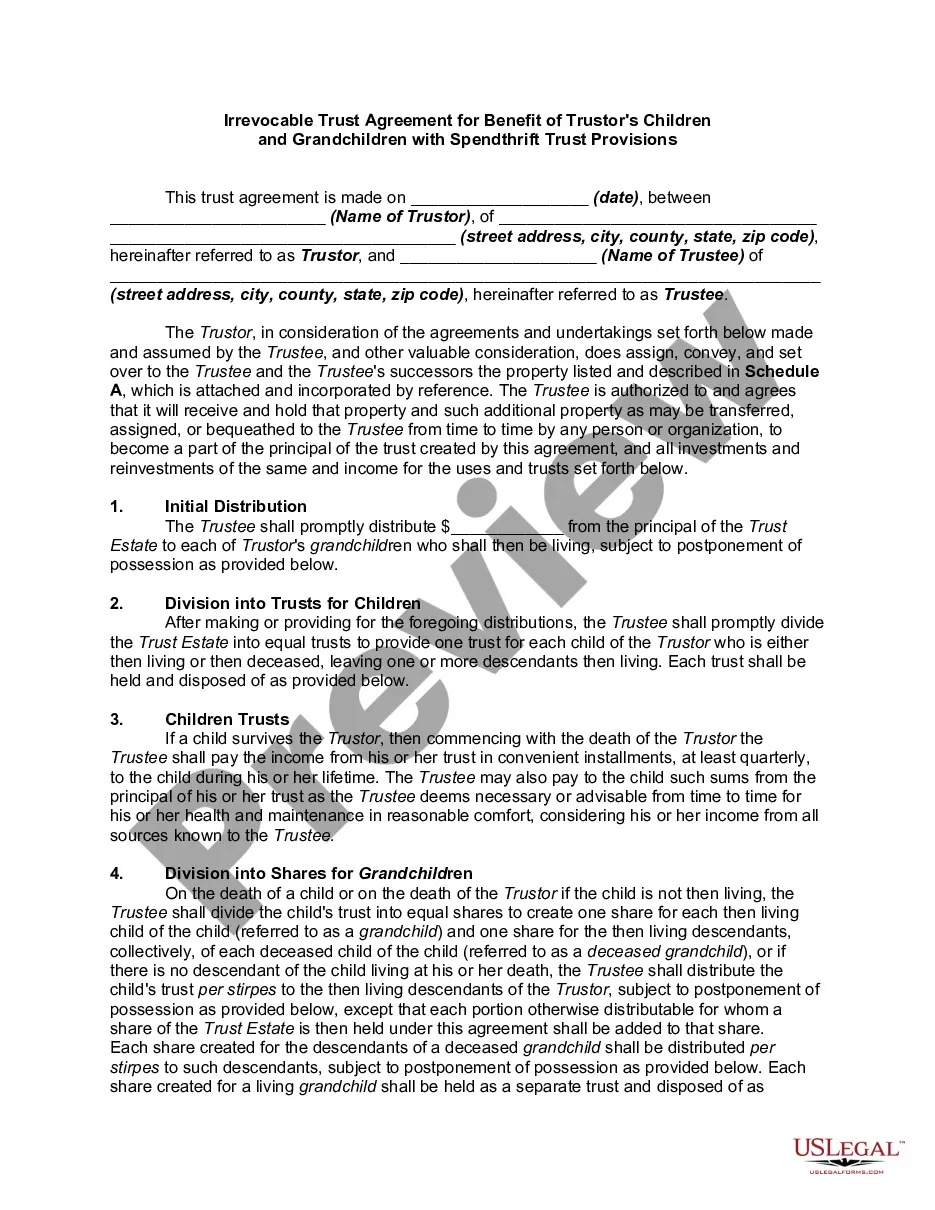
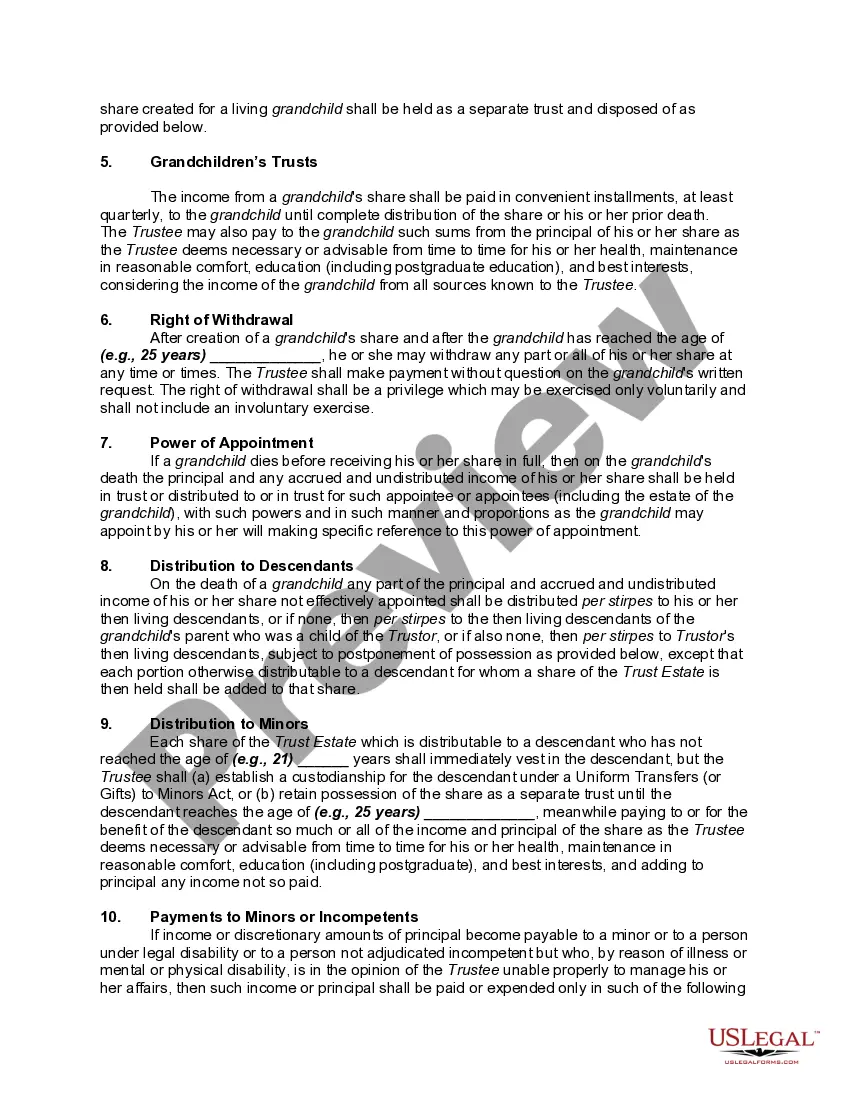
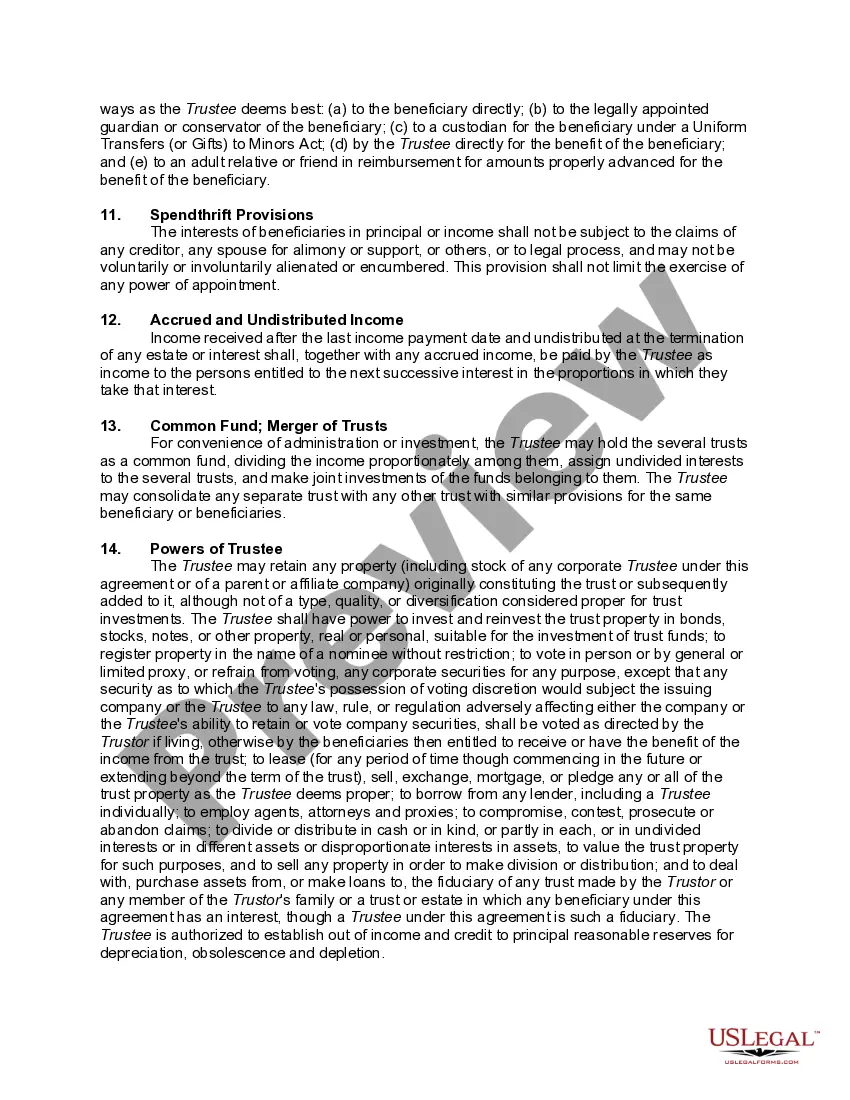
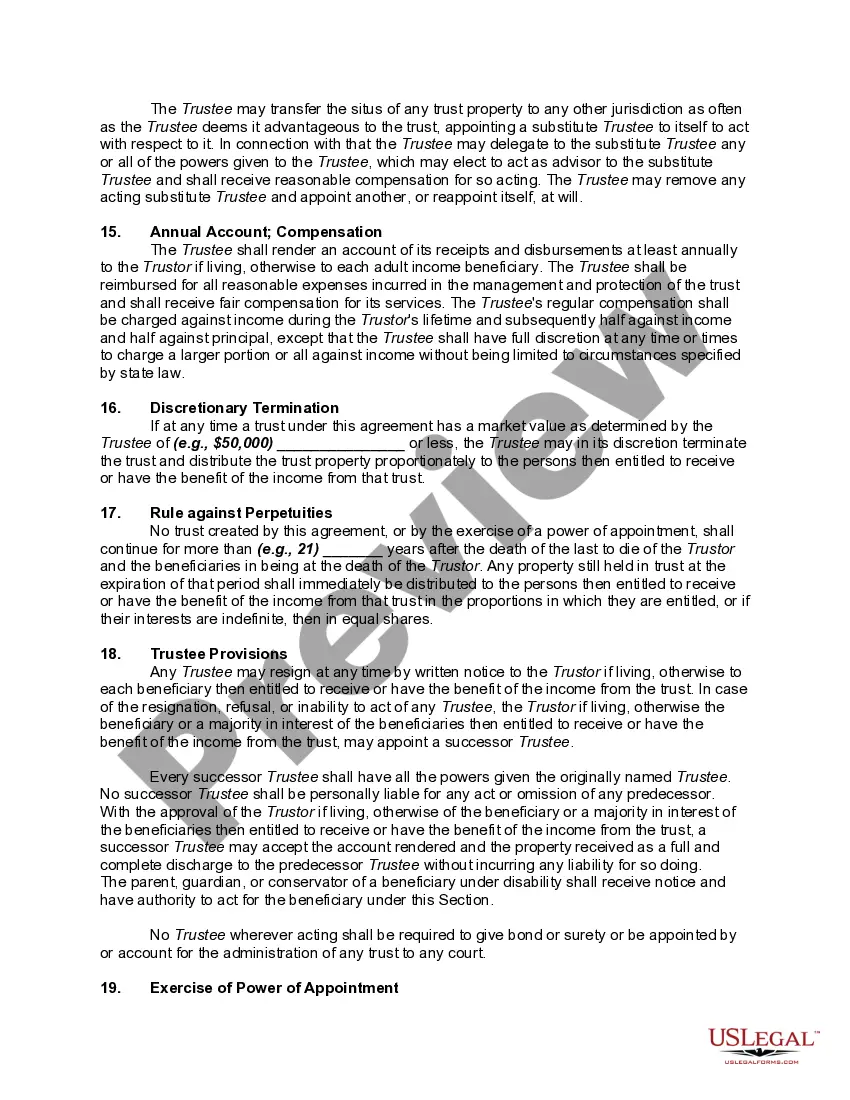
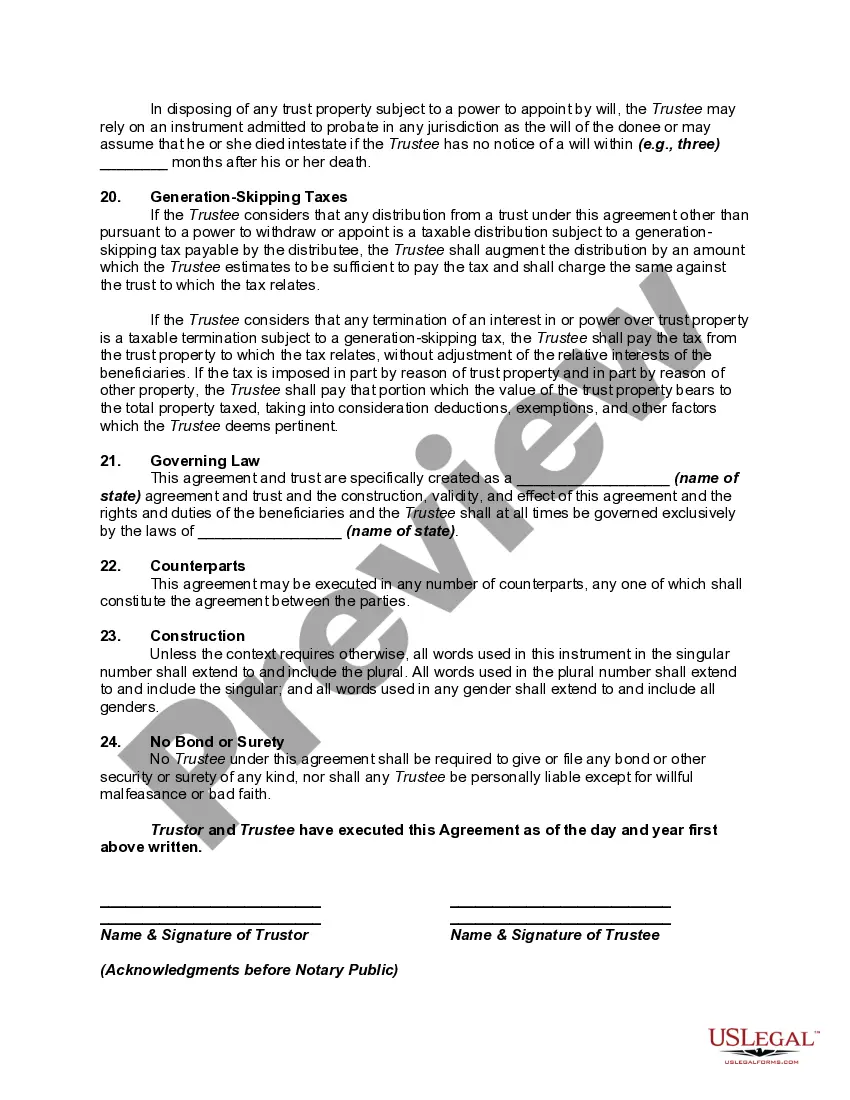


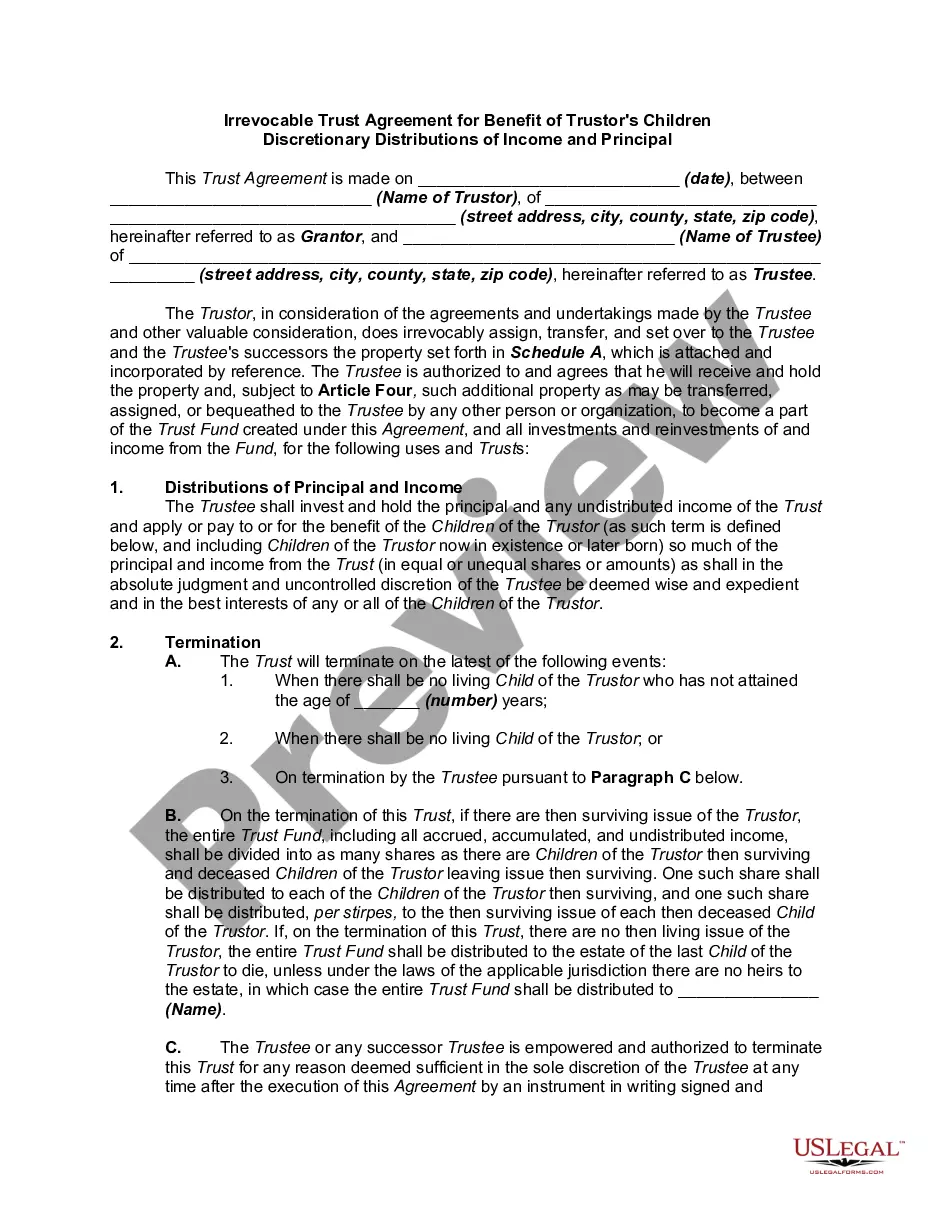
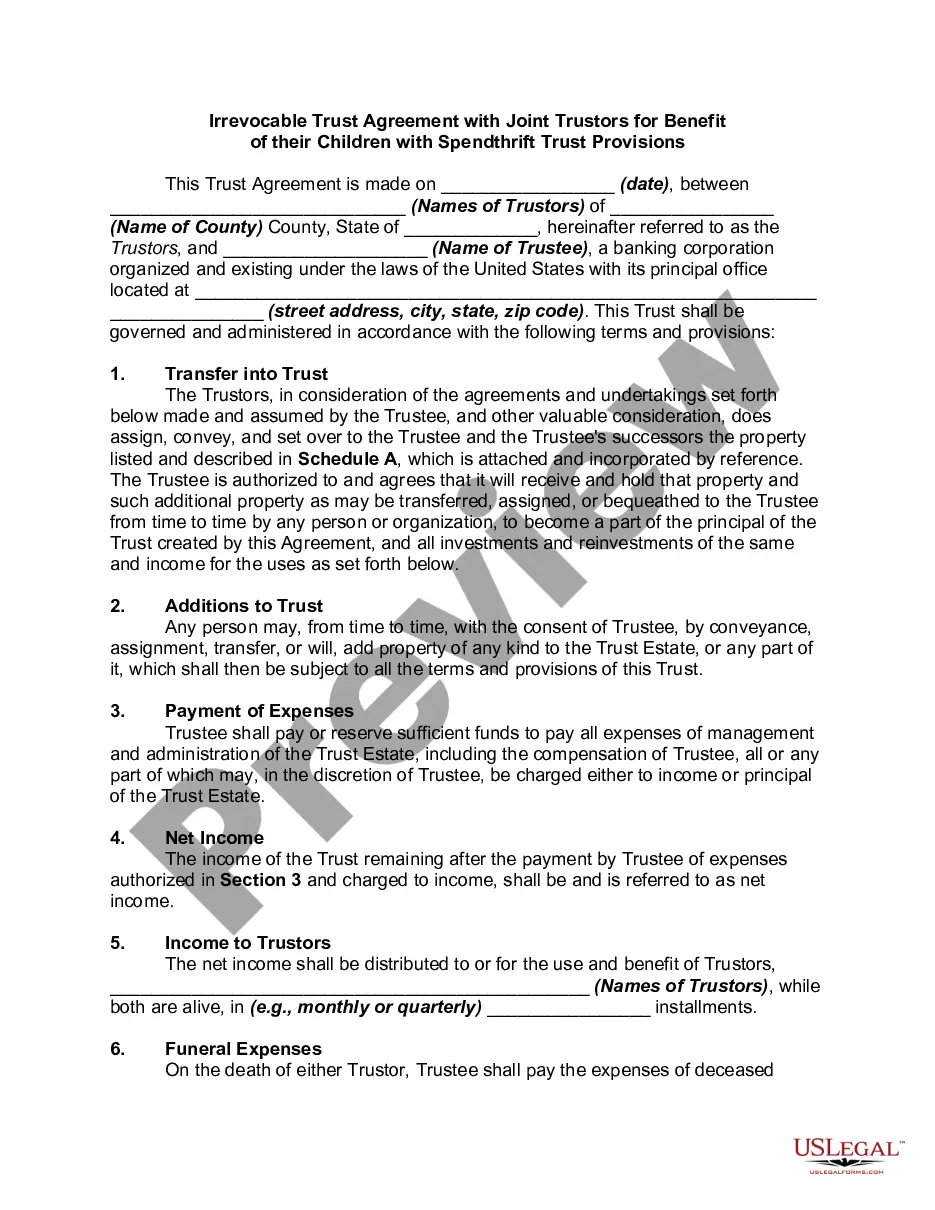
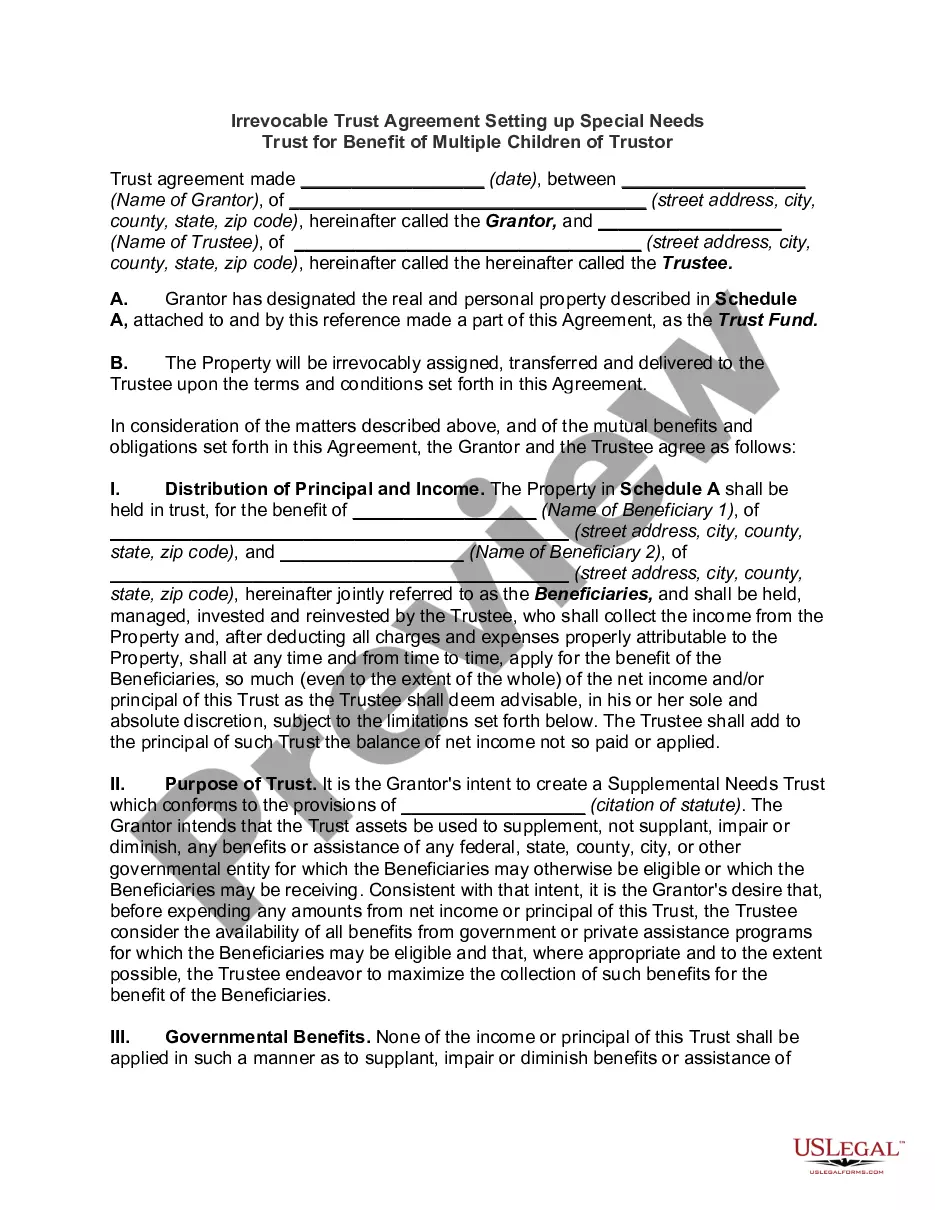
Get your form ready online
Our built-in tools help you complete, sign, share, and store your documents in one place.
Make edits, fill in missing information, and update formatting in US Legal Forms—just like you would in MS Word.
Download a copy, print it, send it by email, or mail it via USPS—whatever works best for your next step.
Sign and collect signatures with our SignNow integration. Send to multiple recipients, set reminders, and more. Go Premium to unlock E-Sign.
If this form requires notarization, complete it online through a secure video call—no need to meet a notary in person or wait for an appointment.
We protect your documents and personal data by following strict security and privacy standards.

Make edits, fill in missing information, and update formatting in US Legal Forms—just like you would in MS Word.

Download a copy, print it, send it by email, or mail it via USPS—whatever works best for your next step.

Sign and collect signatures with our SignNow integration. Send to multiple recipients, set reminders, and more. Go Premium to unlock E-Sign.

If this form requires notarization, complete it online through a secure video call—no need to meet a notary in person or wait for an appointment.

We protect your documents and personal data by following strict security and privacy standards.
Looking for another form?









How to fill out Irrevocable Trust Agreement For Benefit Of Trustor's Children And Grandchildren With Spendthrift Trust Provisions?
- If you're already registered with US Legal Forms, log into your account to locate and download the required form template with the click of the Download button. Confirm that your subscription is active to avoid any issues.
- For first-time users, start by checking the Preview mode and form details to ensure that you select the appropriate document according to your needs and local regulations.
- If adjustments are needed, utilize the Search tab to explore additional templates highlighting your requirements. Confirm your selection before advancing.
- Proceed to purchase the form by clicking the Buy Now button. Choose a subscription plan that works for you and create an account to gain access to our extensive library.
- Complete your transaction by entering your payment information through credit card or PayPal, ensuring secure payment for your subscription.
- Finally, download your form to your device. Access it anytime via the My Forms section in your user profile.
In conclusion, US Legal Forms offers an extensive collection of forms that empower both individuals and attorneys to efficiently draft legal documents.
Start your journey to creating an irrevocable living trust today—visit US Legal Forms for hassle-free access to thousands of customizable legal templates!
Form popularity
FAQ
You can write your own irrevocable trust, but it requires careful consideration and understanding of legal requirements. While drafting it yourself offers flexibility, using a service like US Legal Forms can provide you with structured templates to ensure you include all necessary provisions for irrevocable living trusts with a trust. This approach helps you avoid potential pitfalls and ensures your wishes are clearly stated and legally enforceable.
To fill out an irrevocable trust, start by gathering all necessary information about your assets and beneficiaries. You will need to outline the terms of the trust, clearly specifying how the assets will be managed and distributed. Using a reliable platform like US Legal Forms can simplify this process, providing you with templates and guidance tailored for irrevocable living trusts with a trust. After completing the form, remember to sign it in front of a notary to make it legally binding.
If you set up an irrevocable living trust with a trust to shield your house from creditors, the IRS may still claim it under certain circumstances. This includes tax liabilities tied to the property. Understanding the implications of your trust arrangement is crucial for protecting your assets, and US Legal Forms can assist you in creating a compliant trust.
Typically, irrevocable living trusts with a trust do not need to be filed in court immediately. However, some states require the trust to be registered if it holds certain types of property. It's essential to check local laws to ensure compliance and avoid potential issues.
While considering irrevocable living trusts with a trust, it's important to avoid placing assets that you may need access to in the future. Assets like a personal residence or income-producing property may not be ideal, as they can limit your financial flexibility. Consulting with a legal expert can help you decide the best assets to include.
The new IRS rule regarding irrevocable living trusts with a trust focuses on the reporting requirements. Trusts must provide more detailed financial information on their tax returns. Staying informed about these changes is vital for maintaining compliance and avoiding penalties.
To avoid taxes on irrevocable living trusts with a trust, it is essential to structure the trust properly. Consider funding the trust with assets that do not generate taxable income. Consulting a tax professional can help you identify tax-efficient strategies specific to your situation.
People often choose irrevocable living trusts with a trust for enhanced asset protection and estate planning benefits. By transferring assets into this trust, individuals can reduce their taxable estate, potentially benefiting their heirs. Additionally, irrevocable trusts can help shield assets from creditors or lawsuits. Overall, they offer peace of mind when managed properly.
Yes, you can create your own irrevocable living trust, but it requires careful attention to detail. You need to ensure that the document meets all legal requirements in your state. Resources like USLegalForms offer templates and guidance to help you craft a valid trust. It’s important to consider involving a legal expert to avoid potential pitfalls.
The main downside of irrevocable living trusts with a trust is that once you establish one, you cannot easily change or revoke it. This lack of flexibility means that if your circumstances change, the original terms may no longer suit your needs. Additionally, you may lose access to your assets, which can be concerning for some property owners. Careful planning is essential before committing to this type of trust.