Filing A False Protection Order In Ohio
Description

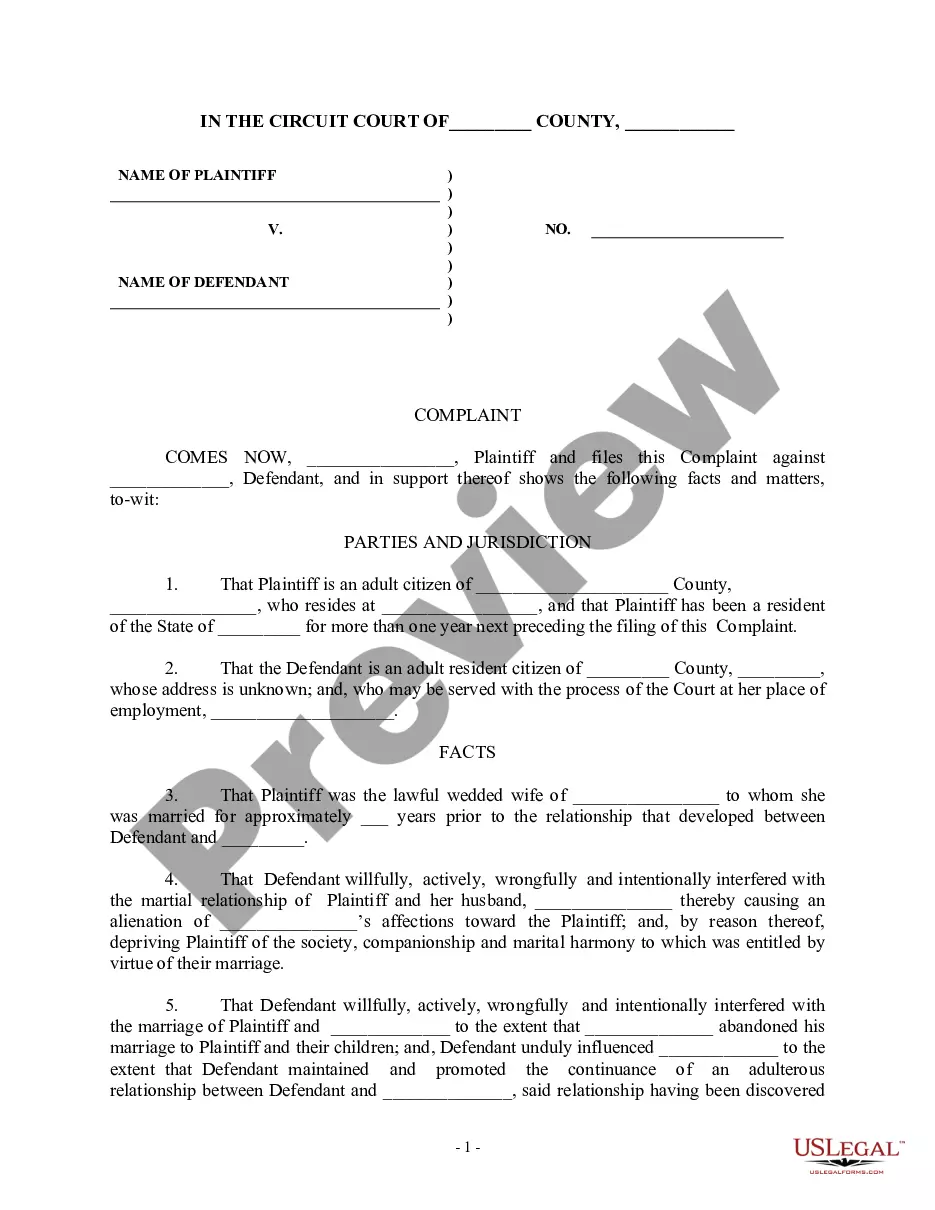
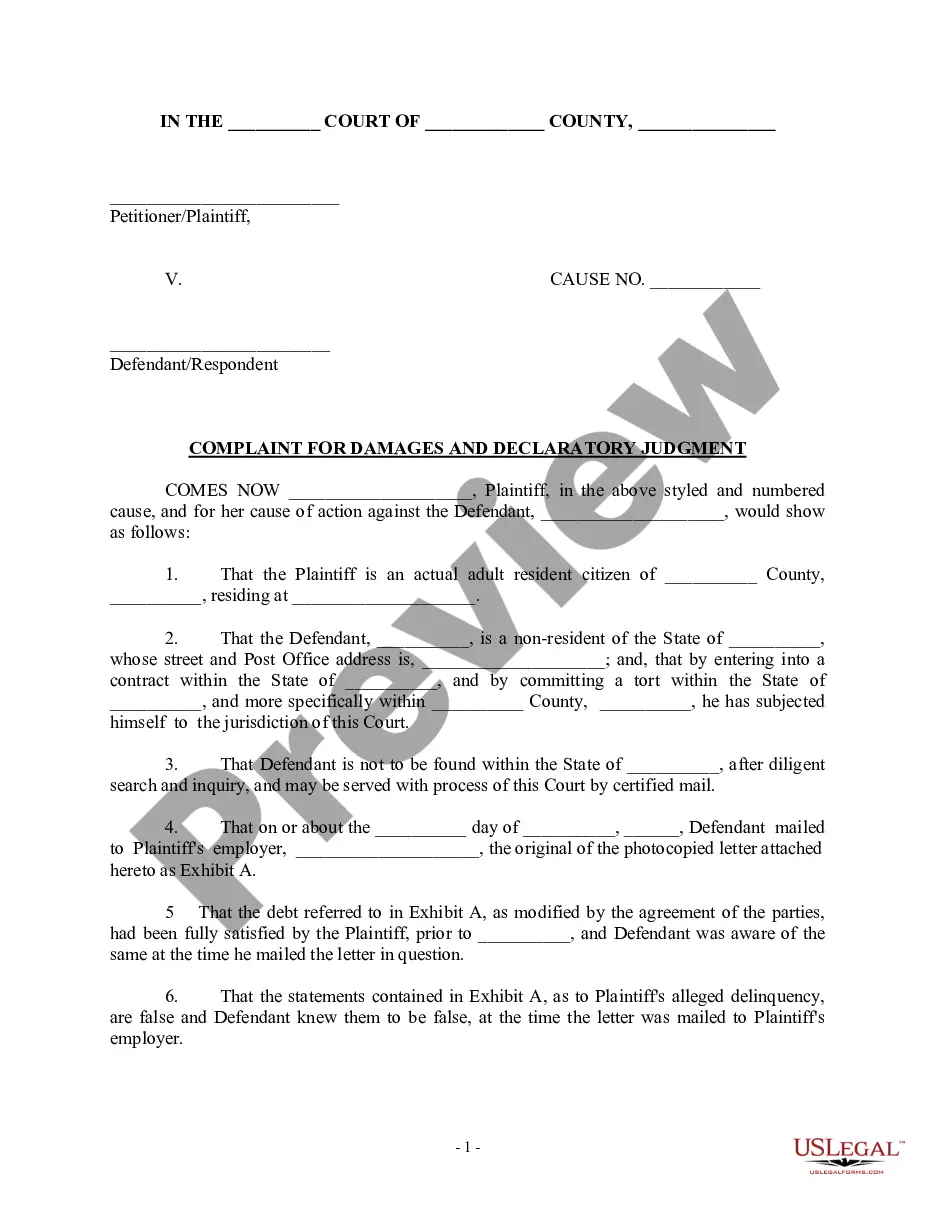
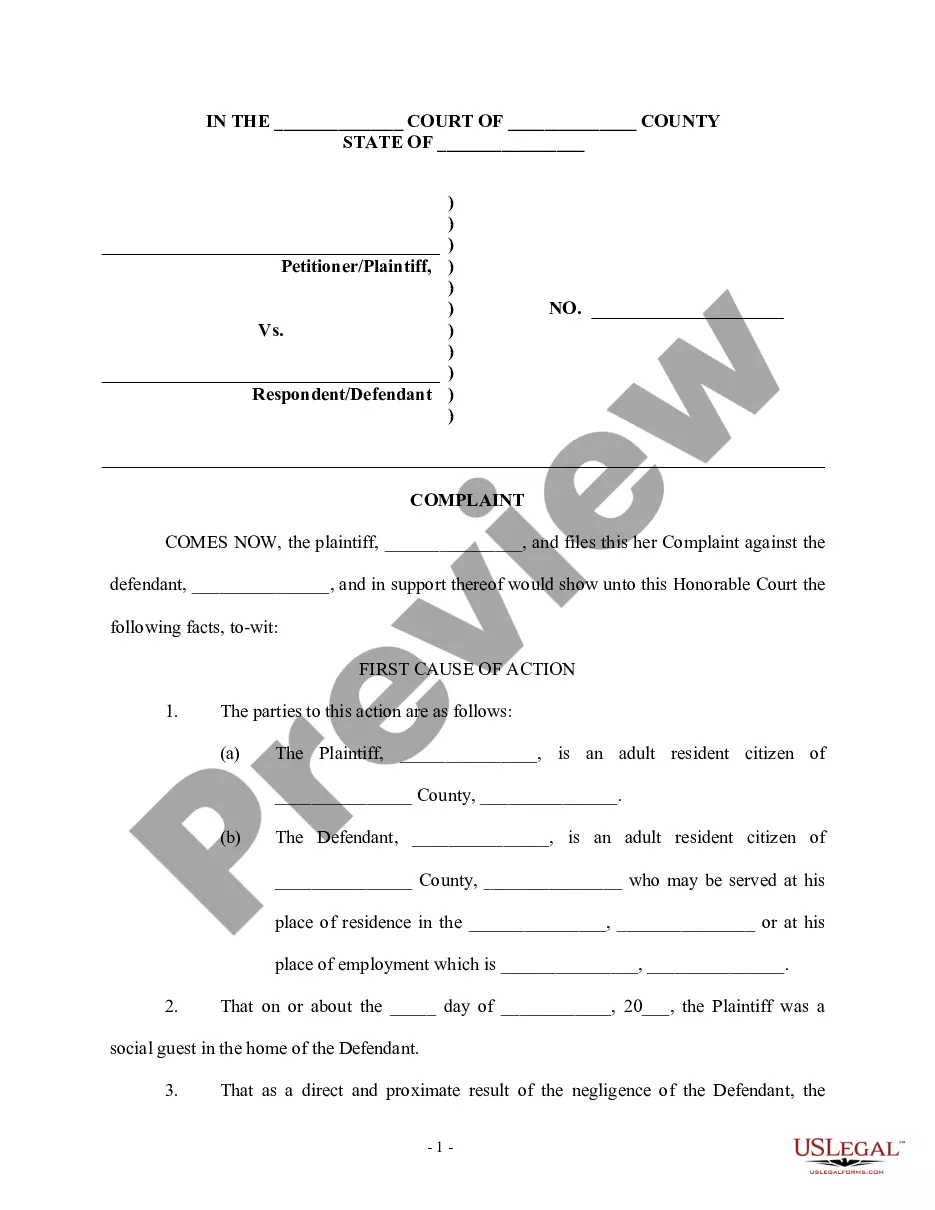
Get your form ready online
Our built-in tools help you complete, sign, share, and store your documents in one place.
Make edits, fill in missing information, and update formatting in US Legal Forms—just like you would in MS Word.
Download a copy, print it, send it by email, or mail it via USPS—whatever works best for your next step.
Sign and collect signatures with our SignNow integration. Send to multiple recipients, set reminders, and more. Go Premium to unlock E-Sign.
If this form requires notarization, complete it online through a secure video call—no need to meet a notary in person or wait for an appointment.
We protect your documents and personal data by following strict security and privacy standards.

Make edits, fill in missing information, and update formatting in US Legal Forms—just like you would in MS Word.

Download a copy, print it, send it by email, or mail it via USPS—whatever works best for your next step.

Sign and collect signatures with our SignNow integration. Send to multiple recipients, set reminders, and more. Go Premium to unlock E-Sign.

If this form requires notarization, complete it online through a secure video call—no need to meet a notary in person or wait for an appointment.

We protect your documents and personal data by following strict security and privacy standards.
Looking for another form?
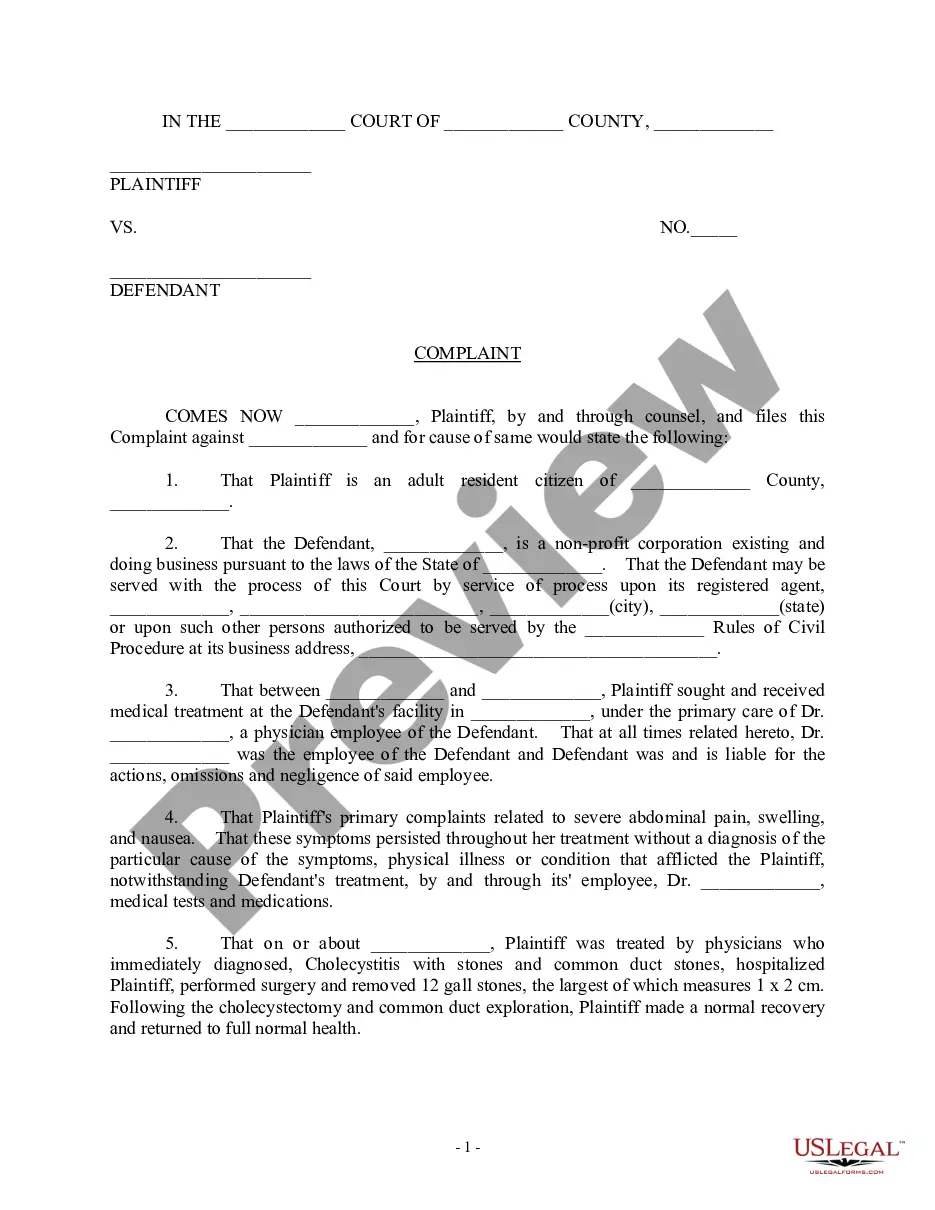
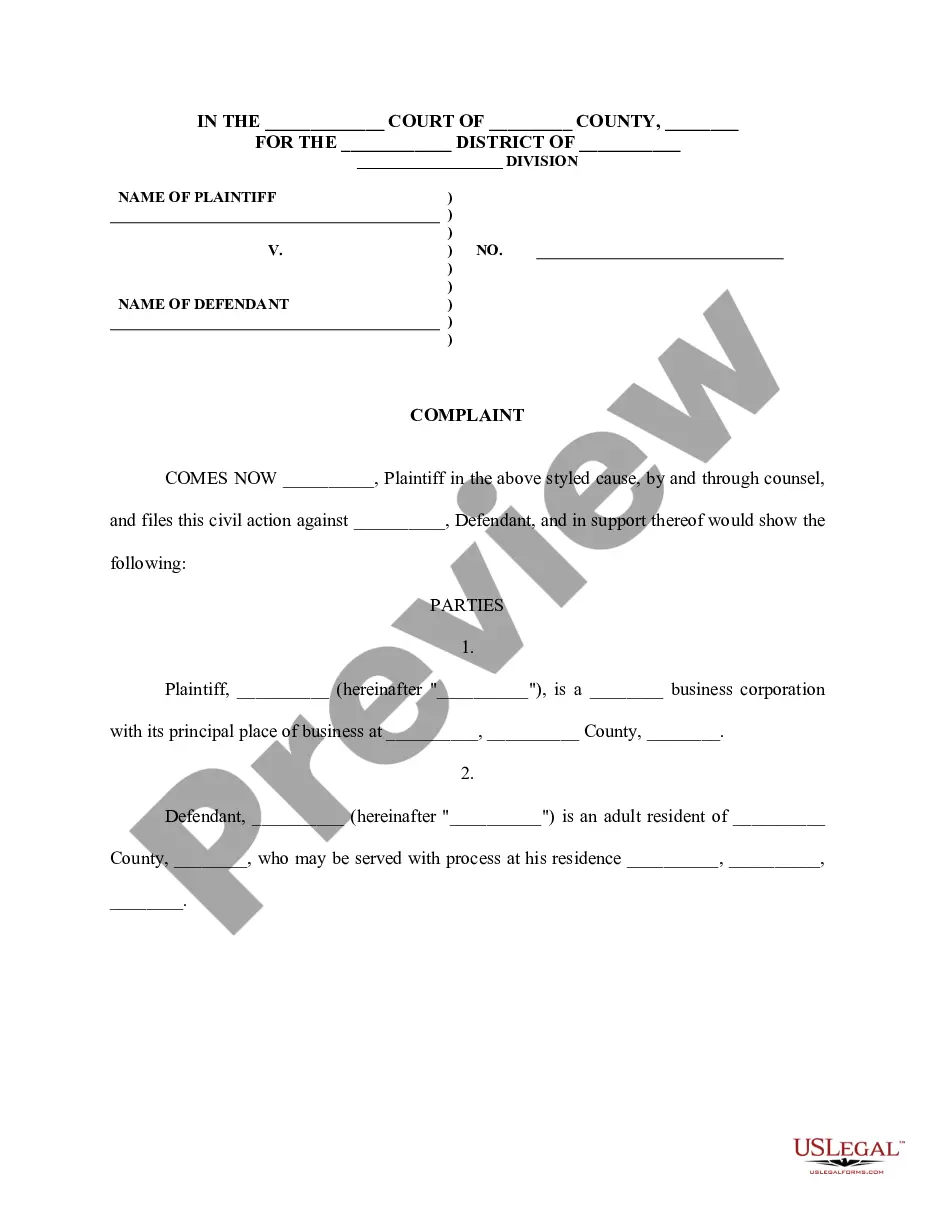
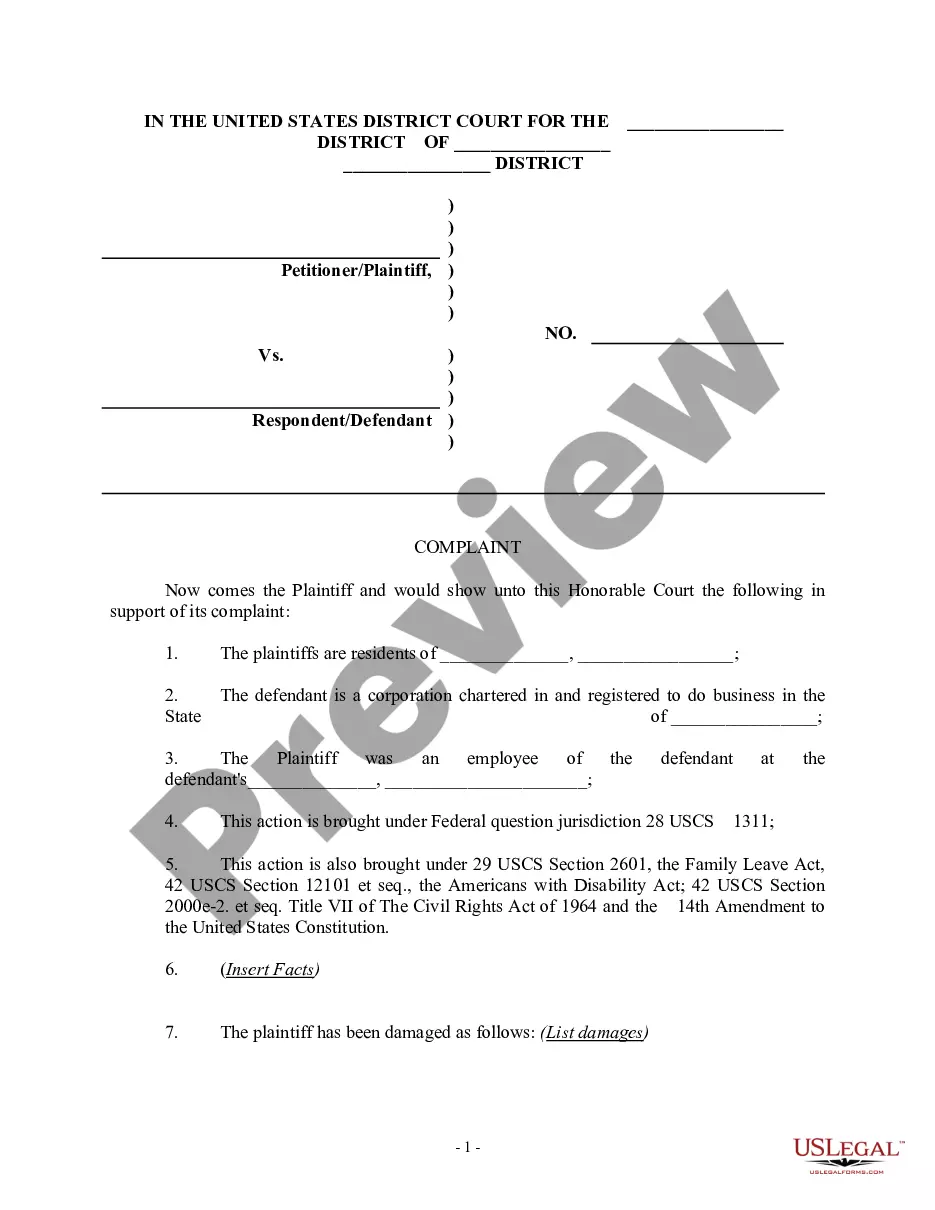
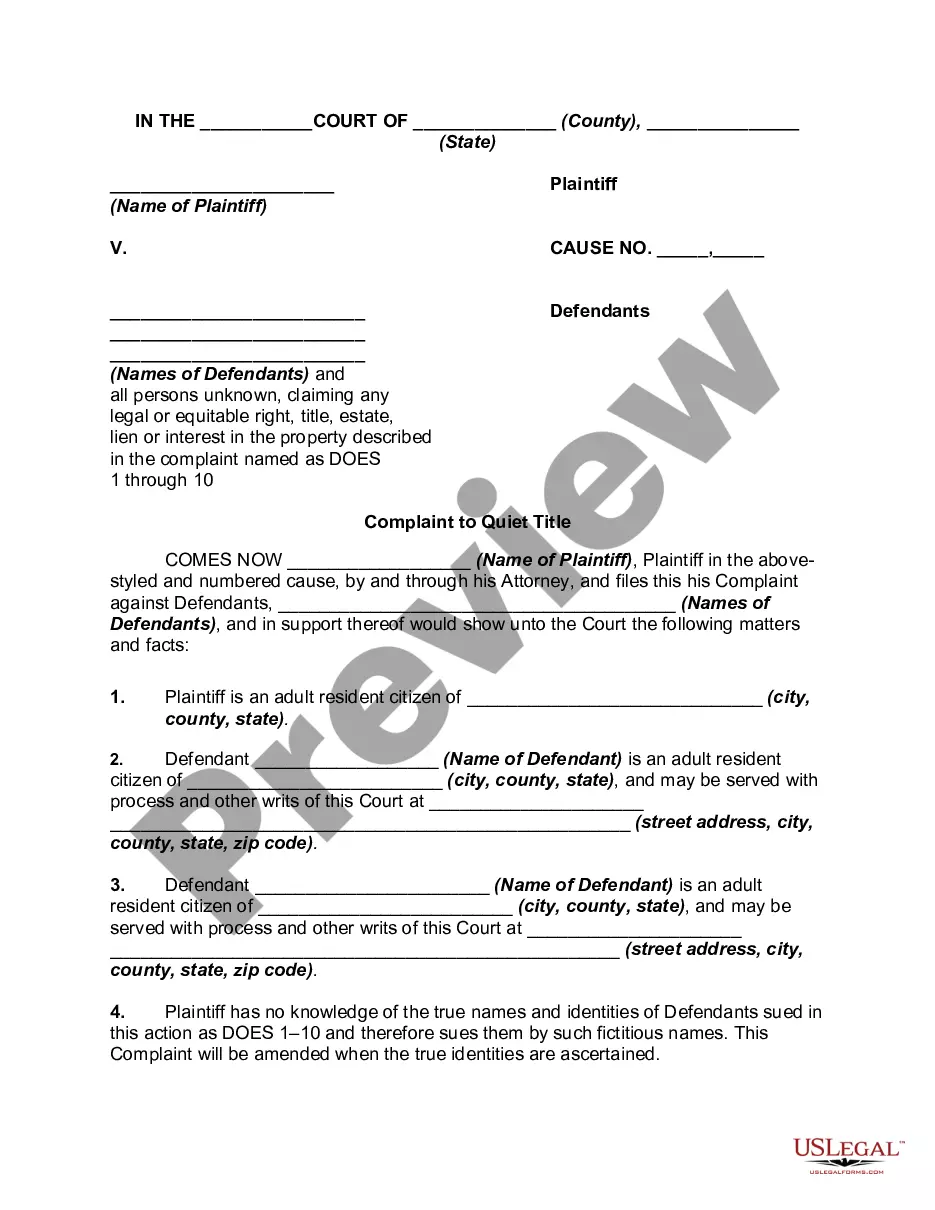
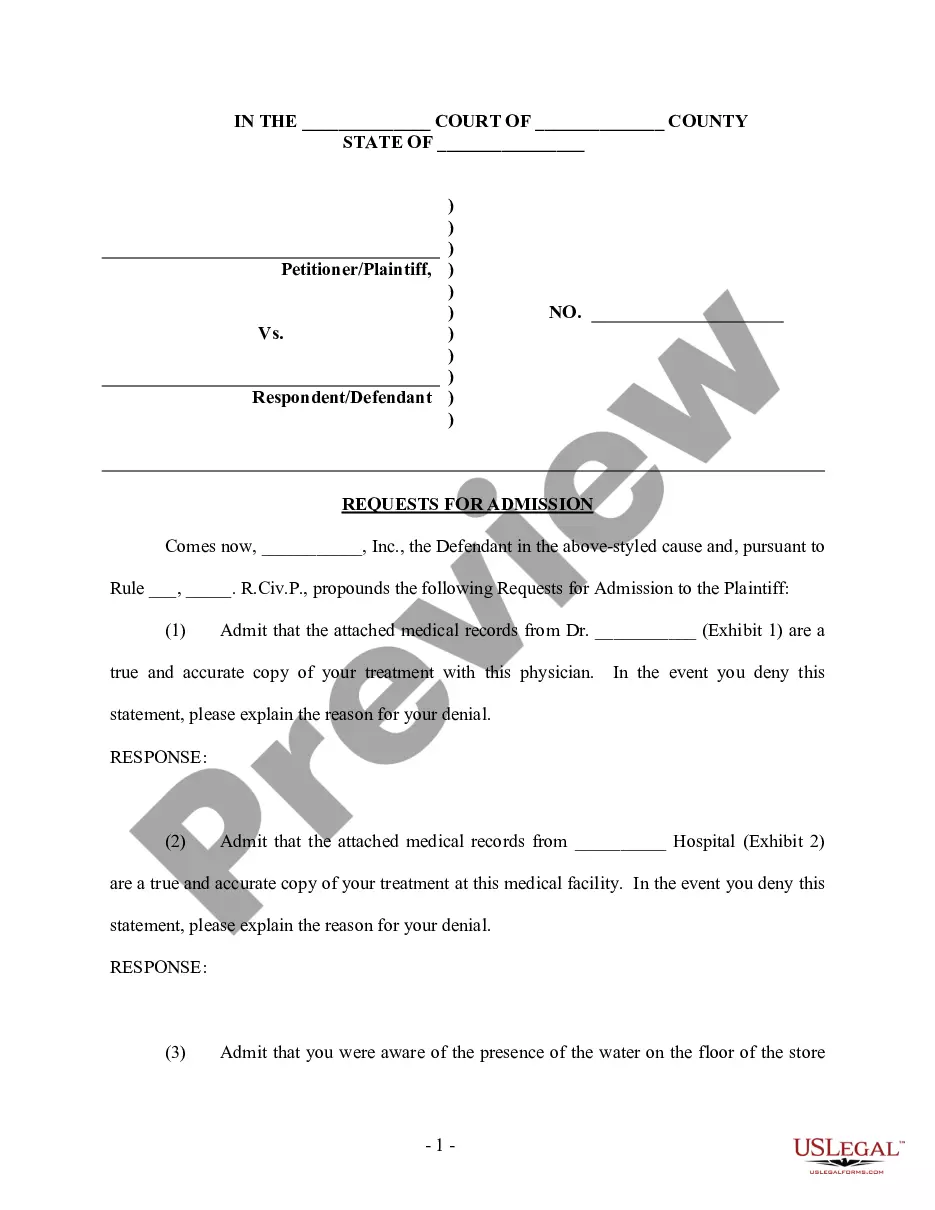
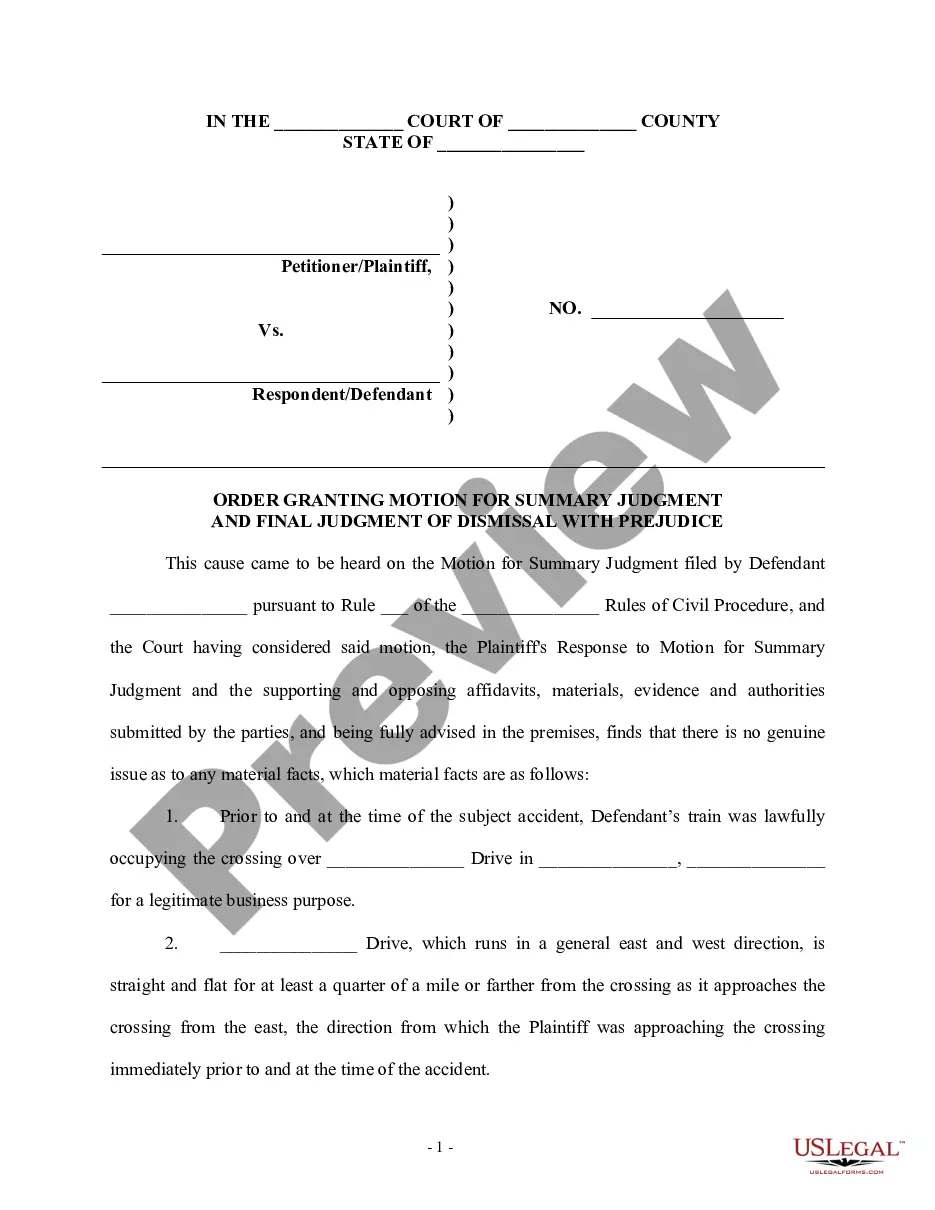
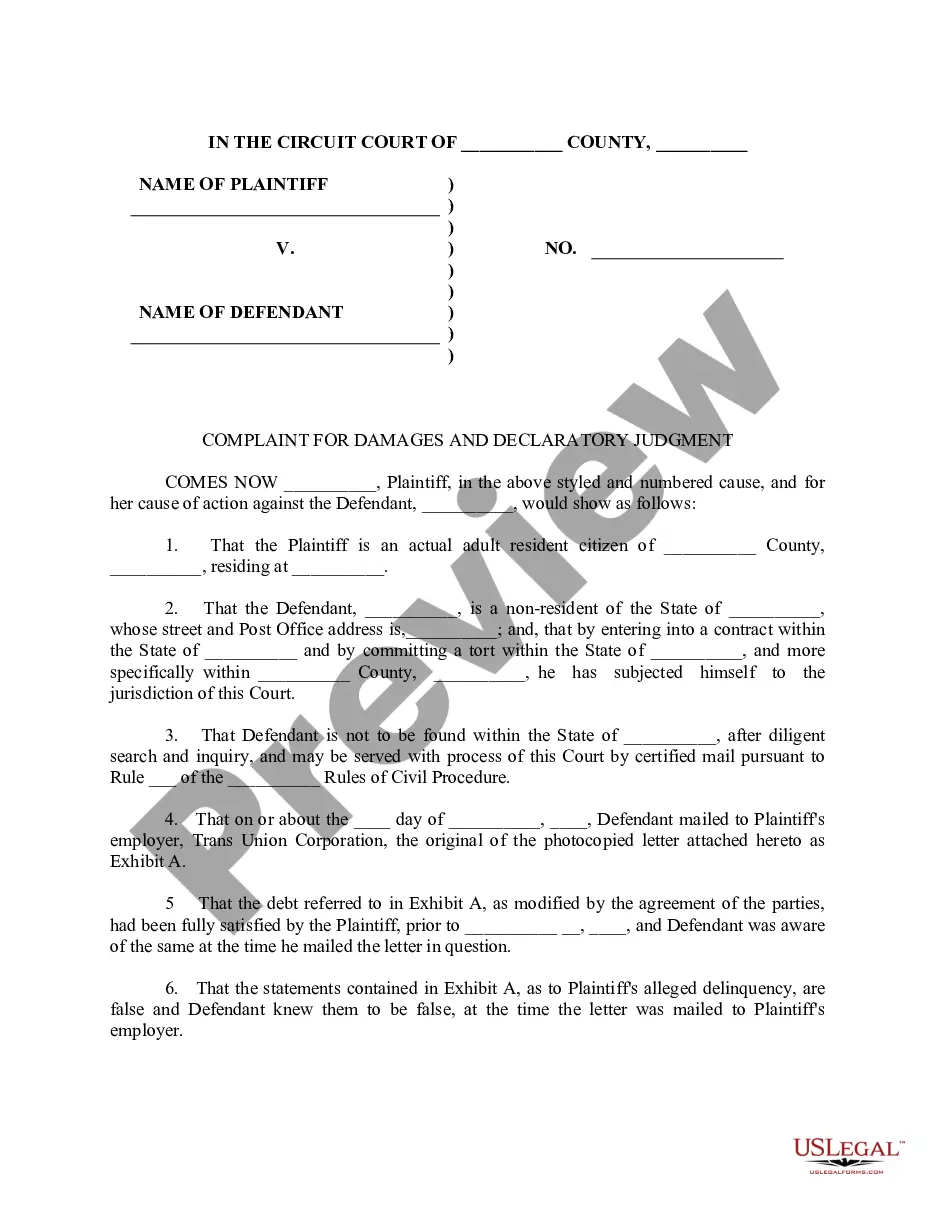
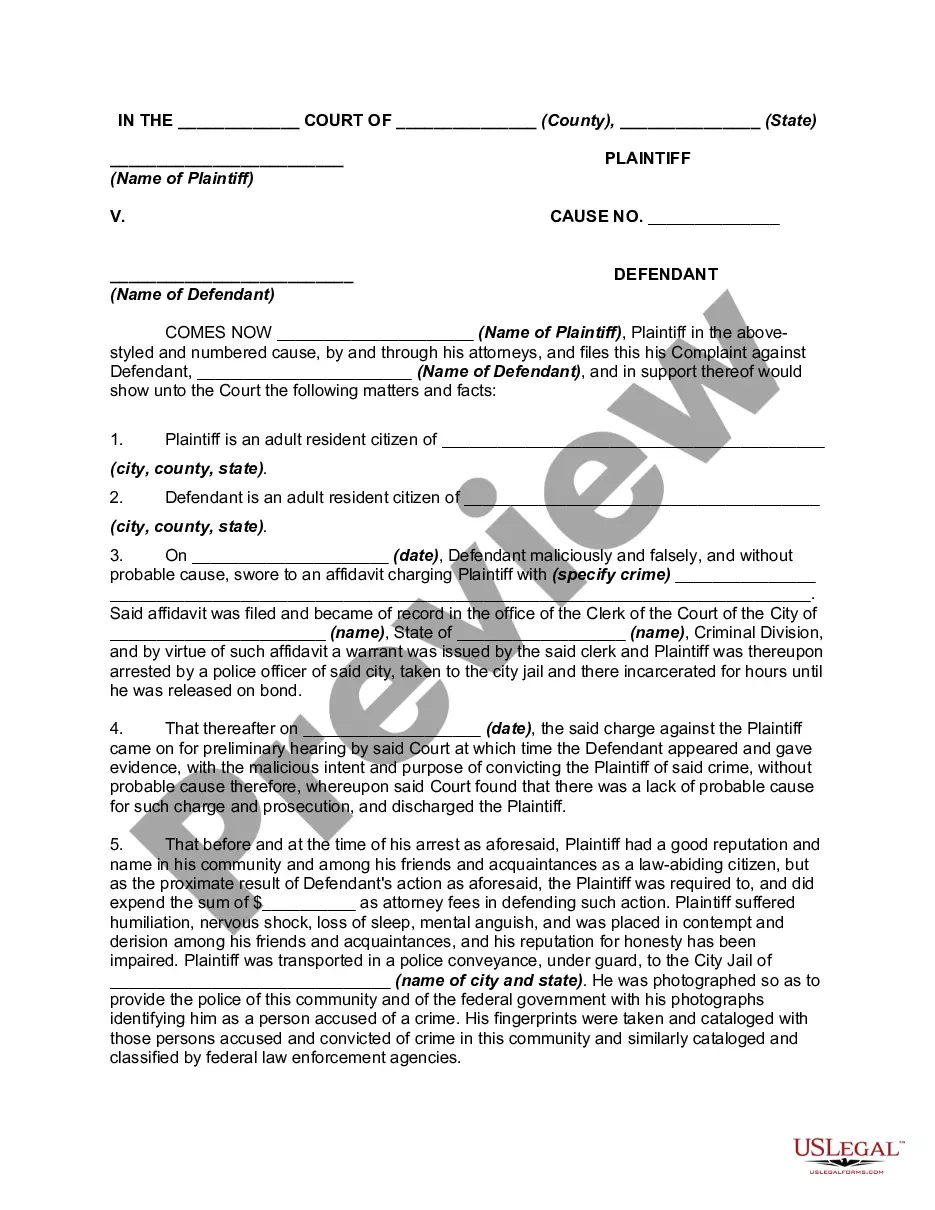
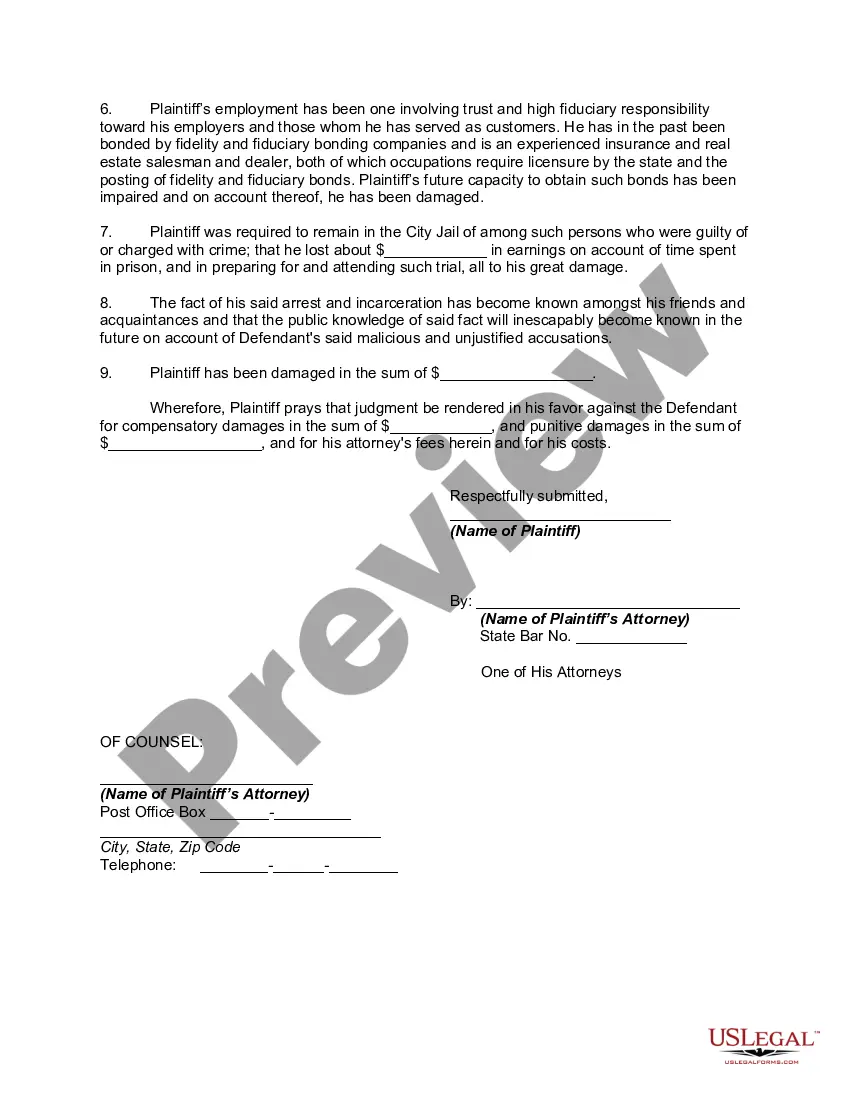
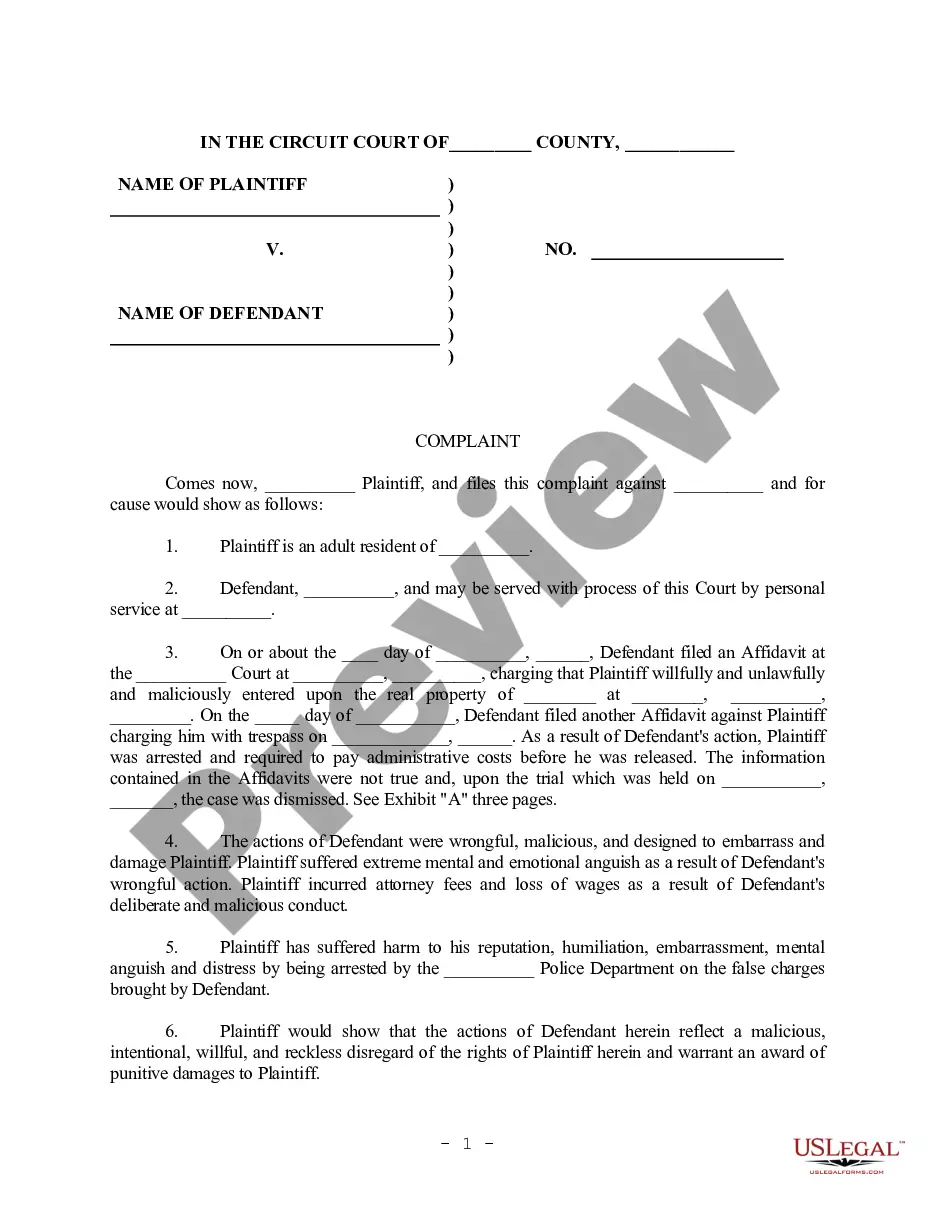
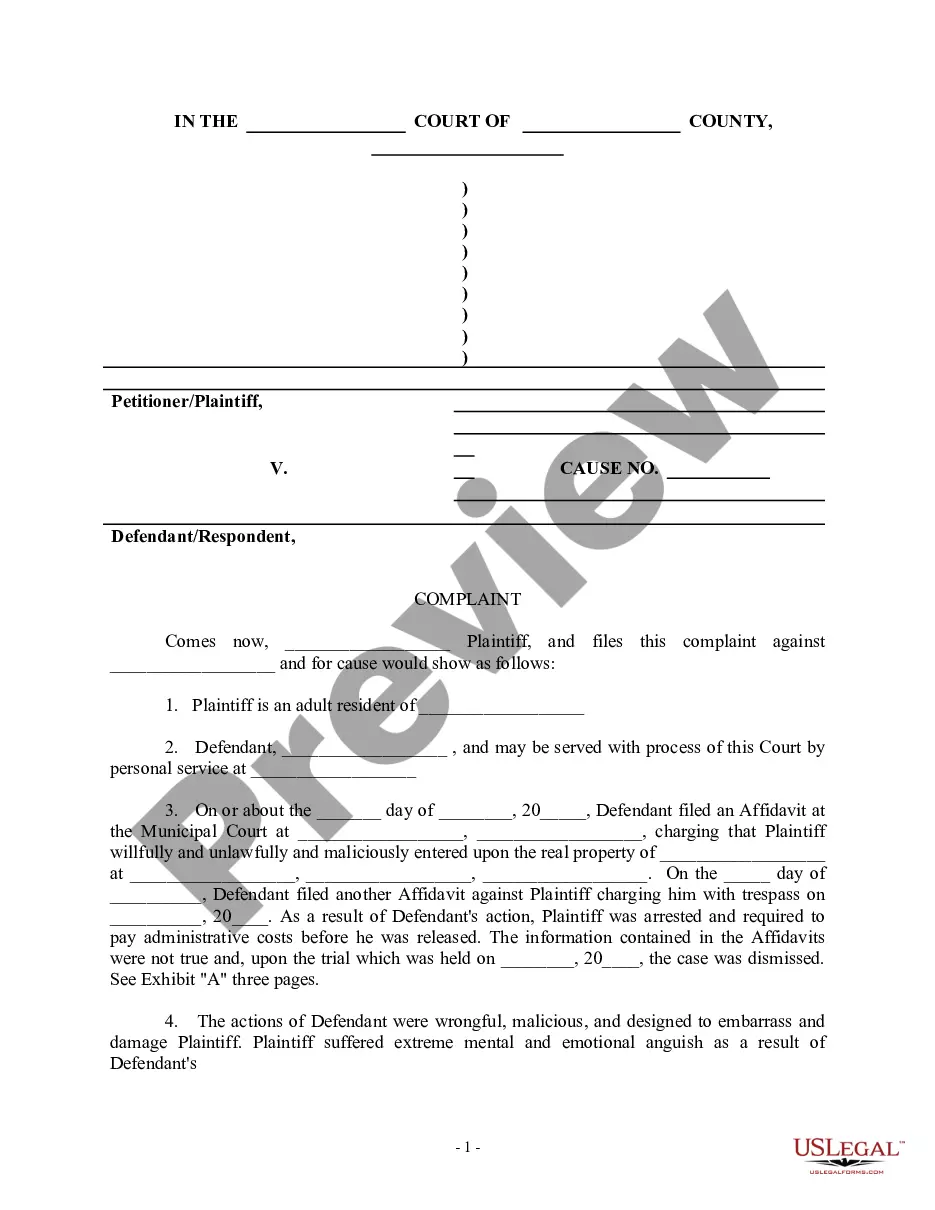
How to fill out Complaint For Malicious Prosecution Involving Filing A False Police Report?
Handling legal documents and procedures can be a lengthy addition to your whole day.
Submitting a False Protection Order in Ohio and similar forms often require you to search for them and navigate how to fill them out properly.
As a result, whether you are managing financial, legal, or personal issues, having a comprehensive and user-friendly online directory of forms at your disposal will be immensely helpful.
US Legal Forms stands as the premier online platform for legal templates, providing over 85,000 state-specific documents and various resources to help you complete your paperwork with ease.
Is this your first experience with US Legal Forms? Register and create your account in a few moments, and you will gain access to the form catalog and Filing A False Protection Order in Ohio. Then, follow the steps outlined below to complete your form: Ensure you have located the correct form by using the Review option and examining the form overview. Choose Buy Now when you are ready, then select the subscription plan that meets your requirements. Click Download, then complete, eSign, and print the document. US Legal Forms boasts 25 years of experience assisting users in managing their legal papers. Find the form you need today and simplify any process effortlessly.
- Explore the inventory of relevant documents available to you with just a single click.
- US Legal Forms offers state- and county-specific documents accessible at any time for download.
- Streamline your document management processes with a superior service that allows you to prepare any form within minutes without additional or hidden charges.
- Simply Log In to your account, find the Filing A False Protection Order in Ohio, and obtain it immediately in the My documents section.
- You can also access previously saved forms.
Form popularity
FAQ
To obtain a protection order in Ohio, you will need to provide evidence of the threats or harm you have experienced. This often includes documenting incidents, presenting witness statements, or sharing any relevant communications. Utilizing the resources at US Legal Forms can simplify the process and ensure you have all the necessary information before moving forward, especially if you wish to avoid the implications of filing a false protection order in Ohio.
A protection order in Ohio is a legal document issued by a court to prevent an individual from engaging in specific actions that pose a threat to another person's safety. This includes prohibiting contact, harassment, or stalking. Familiarizing yourself with the definitions and types of orders available can assist you before considering the serious consequences of filing a false protection order in Ohio.
In Ohio, the burden of proof for obtaining a civil protection order requires the petitioner to establish their case by a preponderance of the evidence. This means that the evidence must show that it is more likely than not that the criteria for a protection order are met. If you are concerned about the ramifications of filing a false protection order in Ohio, understanding this burden is crucial for both parties involved.
In Ohio, the three types of protection orders include domestic violence protection orders, stalking protection orders, and civil protection orders. Each serves a specific purpose based on the nature of the threat or harm the individual faces. Understanding these categories can help you navigate the process more effectively, especially when considering the implications of filing a false protection order in Ohio.
In Ohio, a protective order can be granted based on several grounds, including instances of domestic violence, threats, stalking, or harassment. It is essential to present evidence that supports your claim, as the court will evaluate your situation carefully. Filing a false protection order in Ohio can lead to serious consequences, highlighting the importance of ensuring your claims are valid. If you need assistance, consider using US Legal Forms to access the necessary documents and guidelines for your case.
No, you cannot contact someone you have a restraining order against. Doing so can not only violate the order but also result in legal ramifications for you. If you are confused about your rights or need assistance with the nuances of the law in Ohio, exploring our platform may provide the assistance you need.
Texting someone you have a restraining order against is usually prohibited. This type of communication can be considered a violation and may lead to further legal issues. Stay informed about the legal boundaries to avoid complications when dealing with filing a false protection order in Ohio.
In Ohio, grounds for a protective order may include threats, harassment, physical harm, or any situation where you feel endangered. Each case is evaluated based on its specific circumstances, and clear evidence is vital. Understanding your rights and the criteria can help you in the process of filing a false protection order in Ohio.
Typically, the respondent is notified once you file for a restraining order. They receive official documentation detailing the order and its restrictions. If you have concerns about the process and the potential for filing a false protection order in Ohio, it is beneficial to seek legal advice.
Indirect contact refers to communication or interaction through a third party, such as friends or family. Even if the restrained person does not communicate directly with you, any attempts to reach you through others can violate the restraining order. Learn more about the implications of indirect contact by exploring the resources related to filing a false protection order in Ohio.