Motion To Quash Writ Of Execution Sample
Description
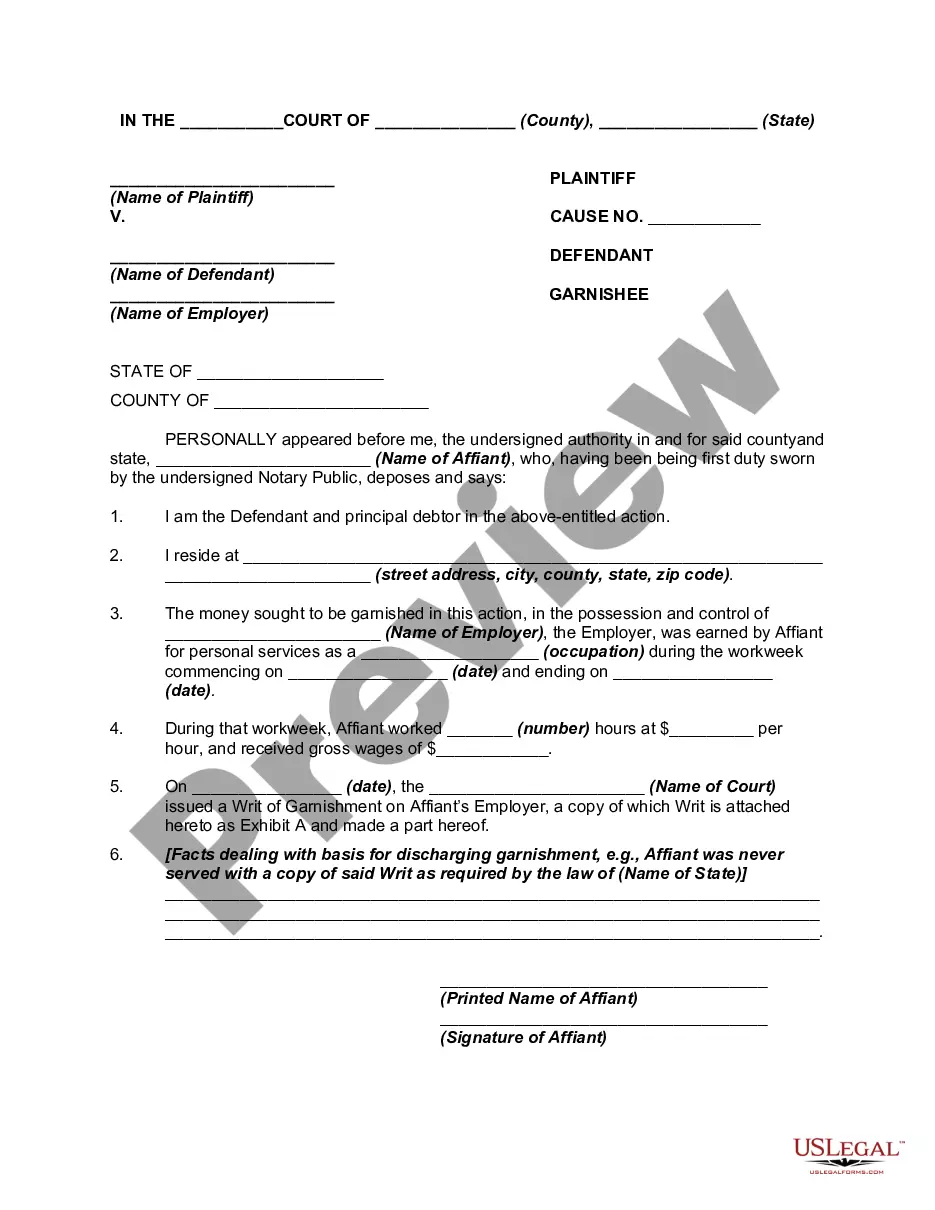
Get your form ready online
Our built-in tools help you complete, sign, share, and store your documents in one place.
Make edits, fill in missing information, and update formatting in US Legal Forms—just like you would in MS Word.
Download a copy, print it, send it by email, or mail it via USPS—whatever works best for your next step.
Sign and collect signatures with our SignNow integration. Send to multiple recipients, set reminders, and more. Go Premium to unlock E-Sign.
If this form requires notarization, complete it online through a secure video call—no need to meet a notary in person or wait for an appointment.
We protect your documents and personal data by following strict security and privacy standards.

Make edits, fill in missing information, and update formatting in US Legal Forms—just like you would in MS Word.

Download a copy, print it, send it by email, or mail it via USPS—whatever works best for your next step.

Sign and collect signatures with our SignNow integration. Send to multiple recipients, set reminders, and more. Go Premium to unlock E-Sign.

If this form requires notarization, complete it online through a secure video call—no need to meet a notary in person or wait for an appointment.

We protect your documents and personal data by following strict security and privacy standards.
Looking for another form?







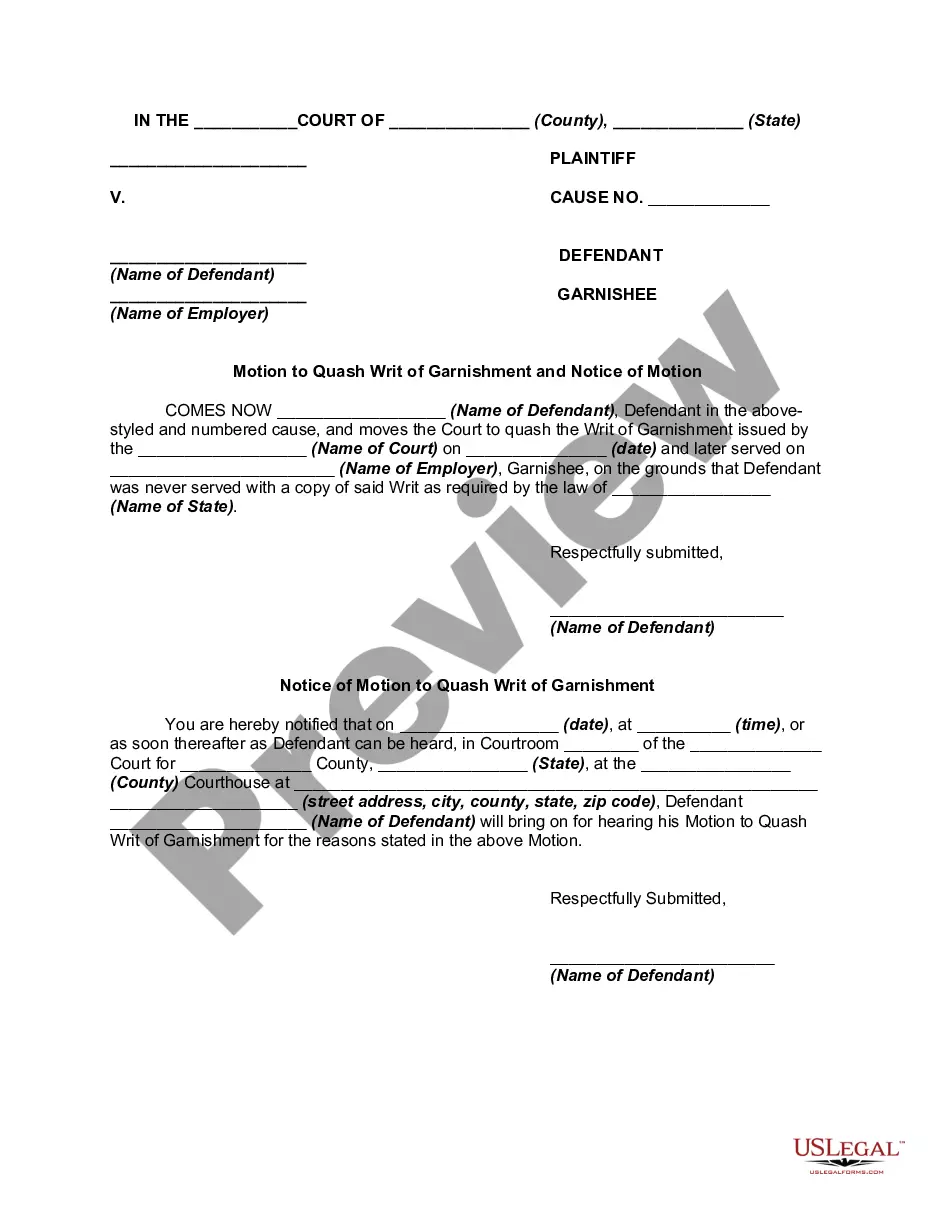
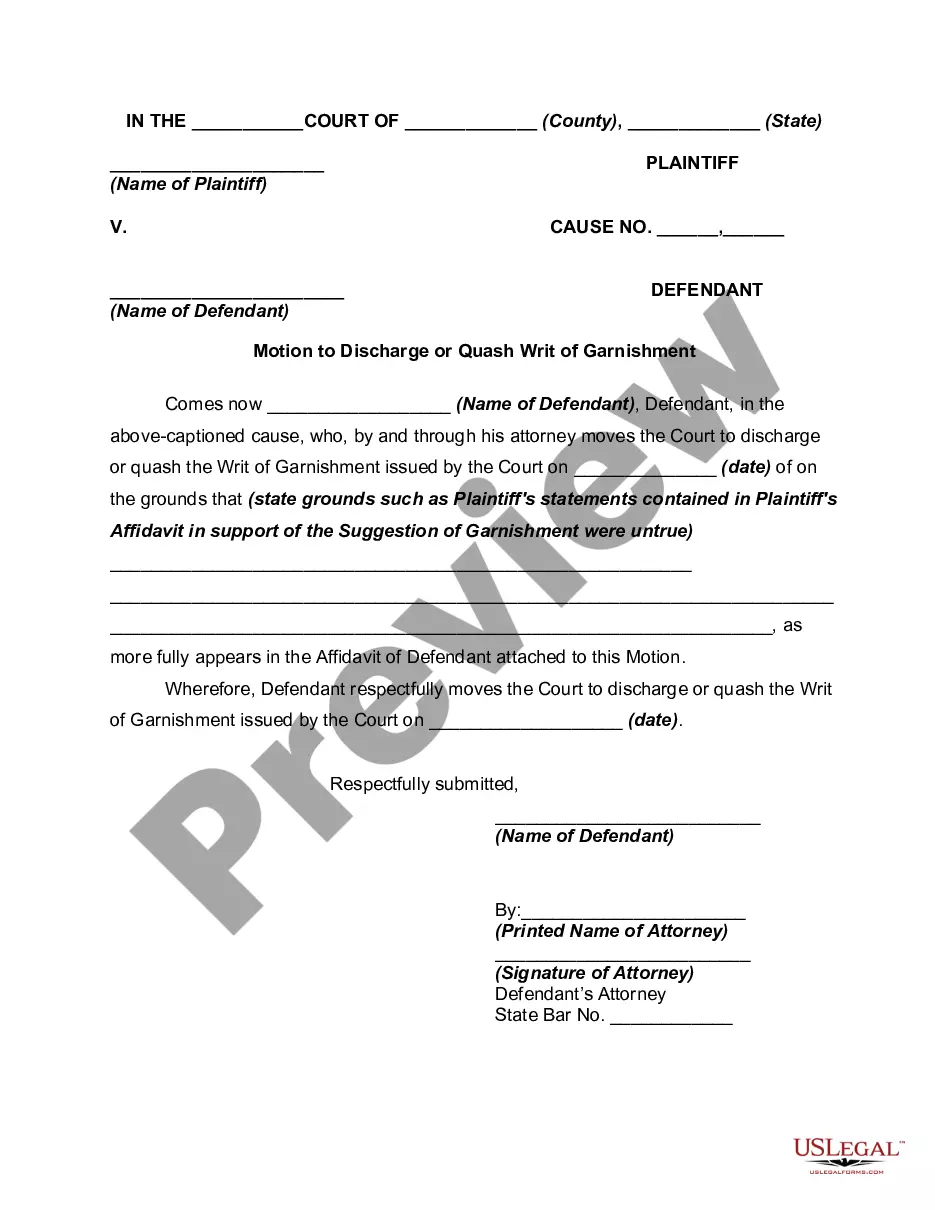
How to fill out Motion Of Defendant To Discharge Or Quash Writ Of Garnishment For Failure To Serve Copy Of Writ On Defendant And Notice Of Motion?
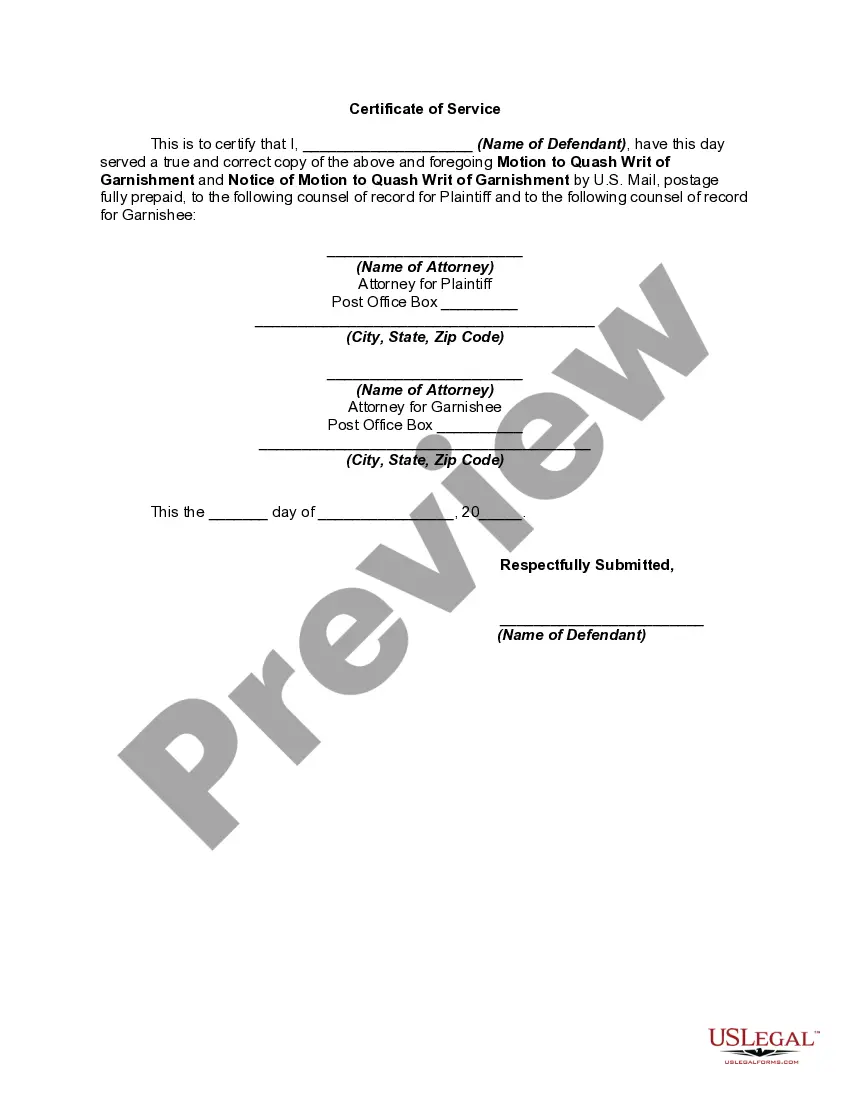
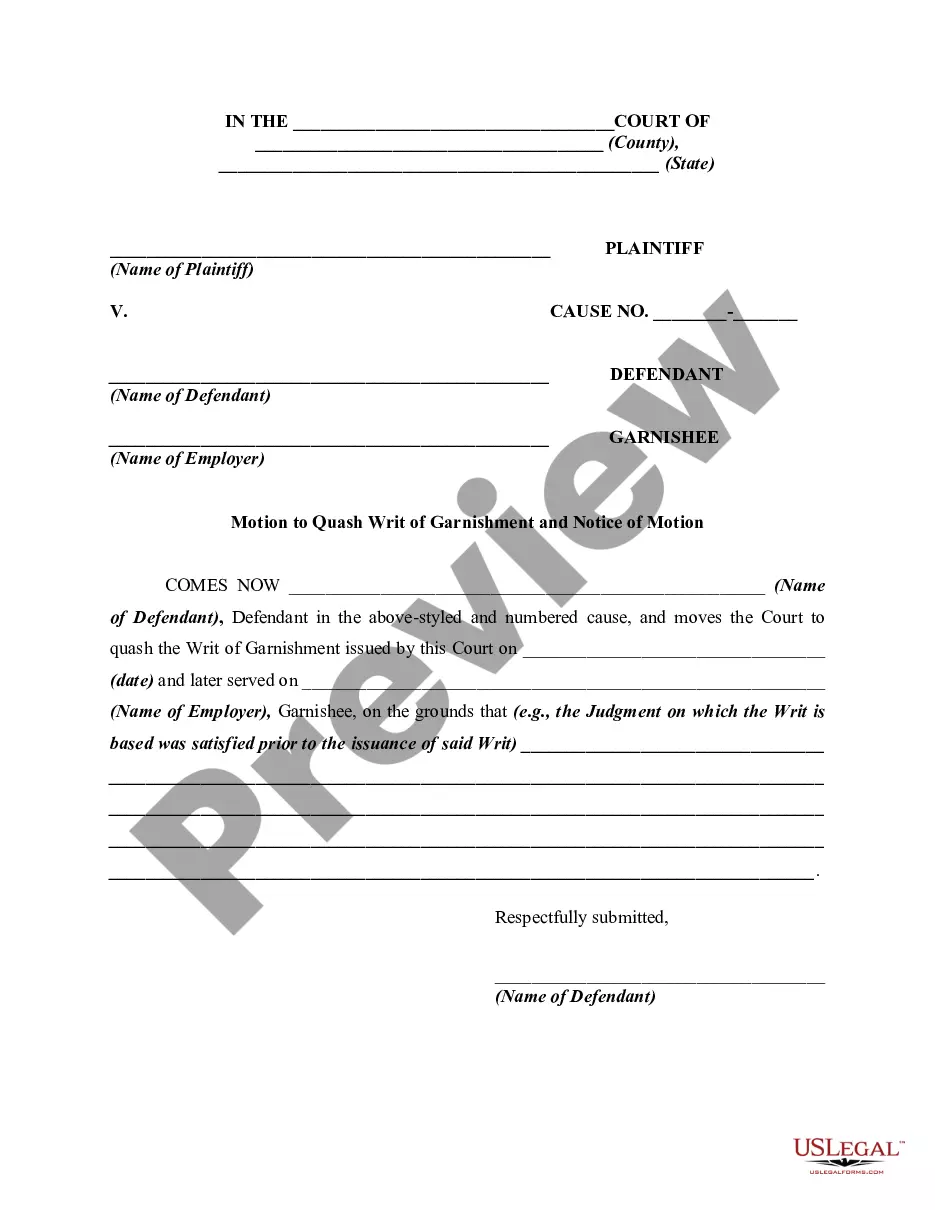
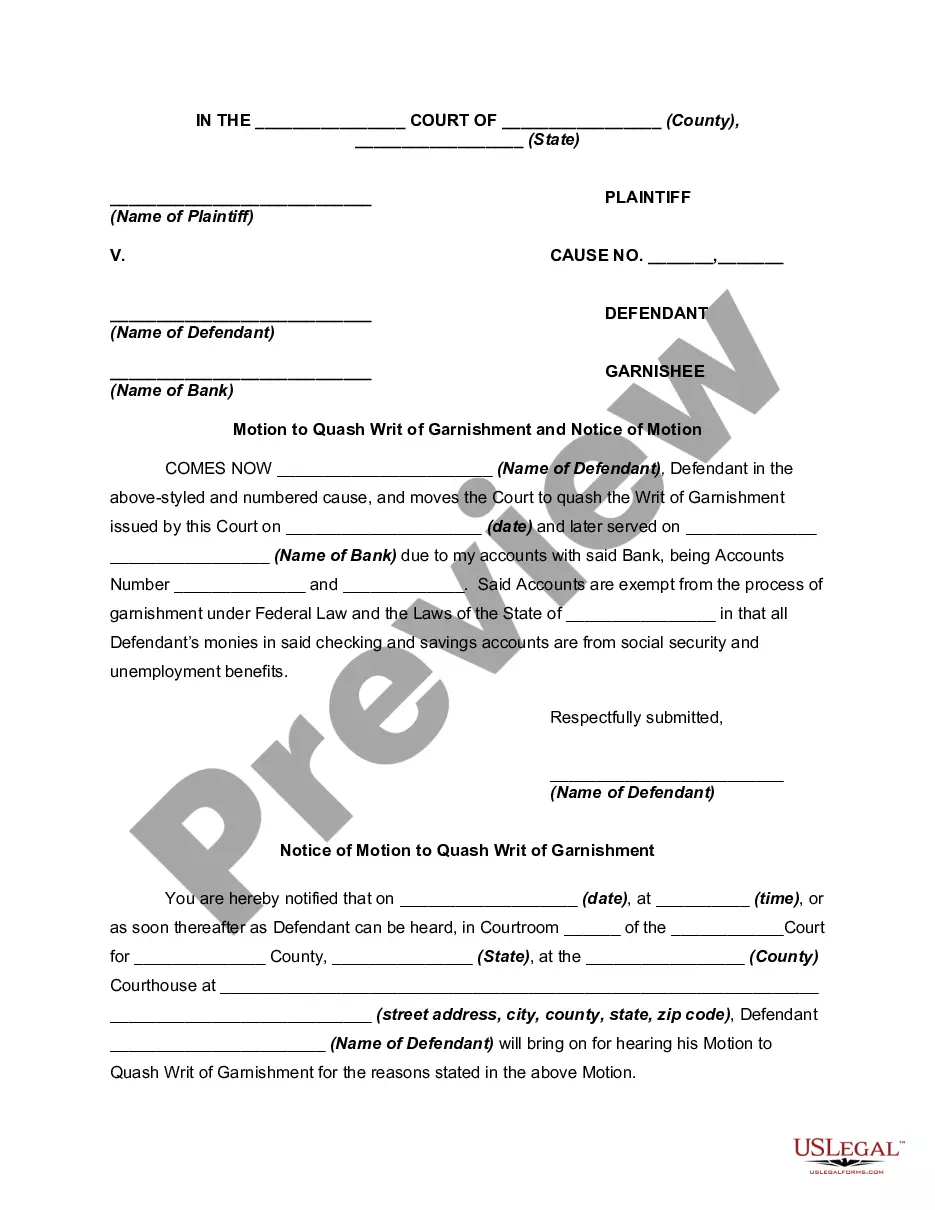
The Motion To Quash Writ Of Execution Example you see on this page is a versatile formal template crafted by expert attorneys in accordance with federal and local laws.
For over 25 years, US Legal Forms has assisted individuals, organizations, and legal experts with over 85,000 validated, state-specific documents for any business and personal needs. It’s the quickest, easiest, and most trustworthy method to acquire the paperwork you require, as the service ensures the utmost level of data protection and anti-malware measures.
Register for US Legal Forms to access verified legal templates for all of life’s circumstances at your fingertips.
- Examine the document you need and review it.
- Search through the file you looked for and preview it or read the form description to confirm it meets your criteria. If it doesn’t, utilize the search bar to locate the appropriate one. Click Buy Now once you have identified the template you need.
- Register and Log In.
- Select the pricing plan that fits you and create an account. Use PayPal or a credit card for quick payment. If you already possess an account, Log In and check your subscription to proceed.
- Obtain the editable template.
- Choose the format you desire for your Motion To Quash Writ Of Execution Example (PDF, DOCX, RTF) and save the sample on your device.
- Complete and sign the documents.
- Print the template to finish it manually. Alternatively, use an online versatile PDF editor to quickly and accurately fill in and sign your form with a legally binding electronic signature.
- Retrieve your documents again.
- Utilize the same document again whenever necessary. Access the My documents tab in your profile to redownload any previously saved files.
Form popularity
FAQ
In simple terms, a writ of execution is a legal document that allows a judgment creditor to collect what they are owed after winning a case in court. This document empowers the creditor to take necessary steps, such as garnishing wages or seizing property, to fulfill the court's ruling. Should you need clarity on how to respond to such orders, examining a motion to quash writ of execution sample may prove beneficial on the US Legal Forms platform.
A writ of possession is specifically used to restore property to its rightful owner, whereas a writ of execution pertains to enforcing monetary judgments. In essence, the writ of possession deals with real property disputes, while the writ of execution handles financial obligations. Understanding these differences is crucial, and if you find yourself disputing a writ of execution, a motion to quash writ of execution sample will guide your actions.
A writ of execution is typically served by a sheriff or a court-appointed official. Once issued by the court, it allows these individuals to take the necessary actions to enforce the judgment, such as seizing property. If you're faced with a situation involving a writ of execution, using a motion to quash writ of execution sample can help you prepare a proper response.
A writ of execution permits the enforcement of a judgment by seizing non-exempt property, while a writ of attachment is used to secure a creditor's claim before a judgment is realized. Essentially, the writ of execution is utilized after a court has ruled in favor of the creditor, whereas attachment helps to prevent the potential disappearance of assets. If you need assistance handling these matters, consider reviewing our motion to quash writ of execution sample on the US Legal Forms platform.
When a decision is quashed, it is rendered void and has no legal effect. This means any enforcement actions related to that decision cannot proceed. If you need to navigate this situation, referencing a Motion to quash writ of execution sample can offer valuable insights into the steps you need to take and the implications involved.
To file a motion to quash, you must prepare a written request that outlines your reasons for seeking to nullify the legal action. This typically involves submitting the motion to the court where the original order was issued. Utilizing a Motion to quash writ of execution sample can make this process more straightforward and help ensure you include all necessary information.
'Quash' in legal terms refers to the act of rejecting or voiding a legal decision or order. For instance, a motion to quash can stop a lawsuit or a court order from proceeding. Understanding how to use a Motion to quash writ of execution sample can help you gain clarity on this process and protect your rights.
When a writ is quashed, it means a court has nullified or canceled the legal order. In the context of a writ of execution, this can prevent the enforcement of a judgment against you. For individuals facing such situations, having a Motion to quash writ of execution sample can provide guidance on how to present your case effectively.
Winning a motion to quash can be challenging, as it often depends on the specific circumstances of your case and the strength of your arguments. A thorough understanding of the underlying laws and proper presentation of evidence significantly improve your chances. Utilizing a motion to quash writ of execution sample can guide you in forming a compelling case.
Yes, you can file a motion to quash without a lawyer, but navigating the legal process can be complex. Many people successfully represent themselves by utilizing resources, such as a motion to quash writ of execution sample. However, consider consulting with a legal professional to ensure your motion is properly prepared and filed.