Expungement For Federal Convictions
Description
Get your form ready online
Our built-in tools help you complete, sign, share, and store your documents in one place.
Make edits, fill in missing information, and update formatting in US Legal Forms—just like you would in MS Word.
Download a copy, print it, send it by email, or mail it via USPS—whatever works best for your next step.
Sign and collect signatures with our SignNow integration. Send to multiple recipients, set reminders, and more. Go Premium to unlock E-Sign.
If this form requires notarization, complete it online through a secure video call—no need to meet a notary in person or wait for an appointment.
We protect your documents and personal data by following strict security and privacy standards.

Make edits, fill in missing information, and update formatting in US Legal Forms—just like you would in MS Word.

Download a copy, print it, send it by email, or mail it via USPS—whatever works best for your next step.

Sign and collect signatures with our SignNow integration. Send to multiple recipients, set reminders, and more. Go Premium to unlock E-Sign.

If this form requires notarization, complete it online through a secure video call—no need to meet a notary in person or wait for an appointment.

We protect your documents and personal data by following strict security and privacy standards.
Looking for another form?







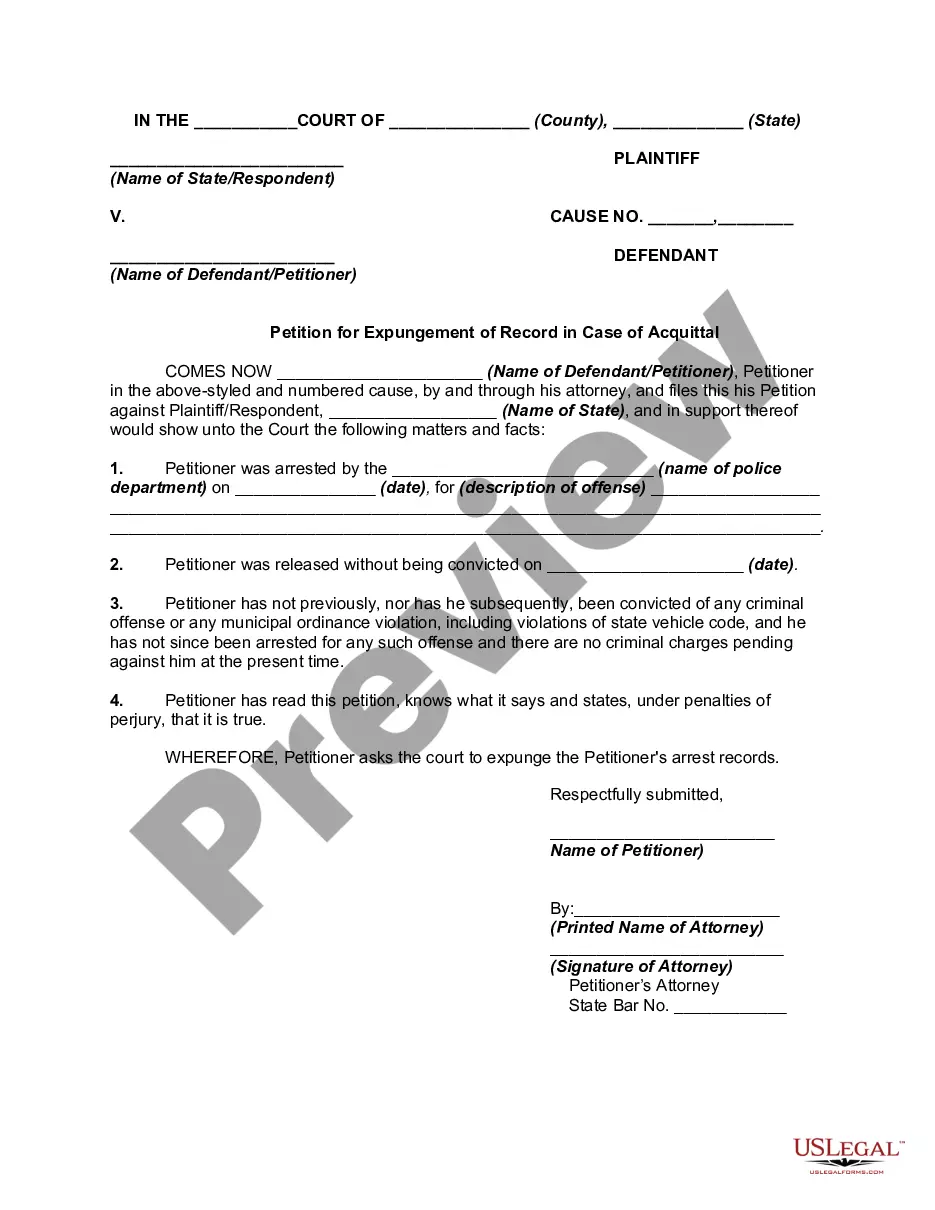
How to fill out Petition For Expungement Of Record In Case Of Acquittal And Release Without Conviction?
- Log into your US Legal Forms account if you have one. Verify the validity of your subscription at login; if expired, renew according to your payment plan.
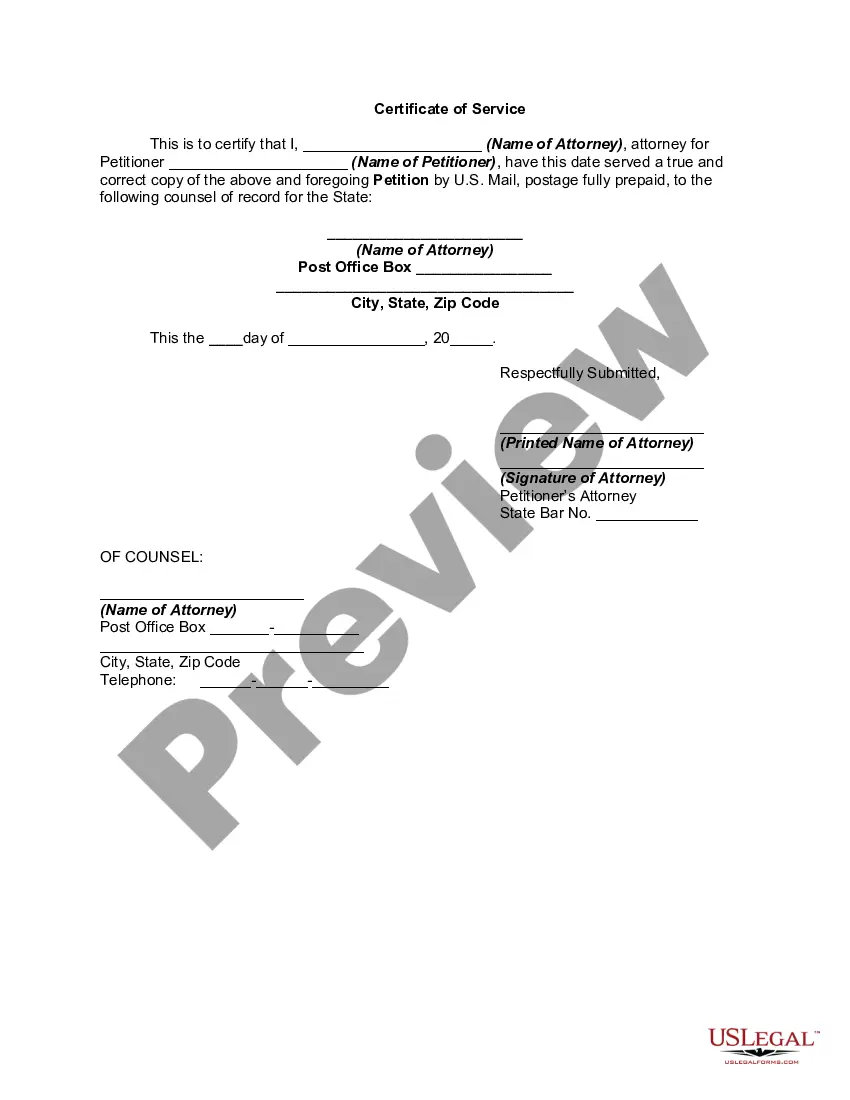
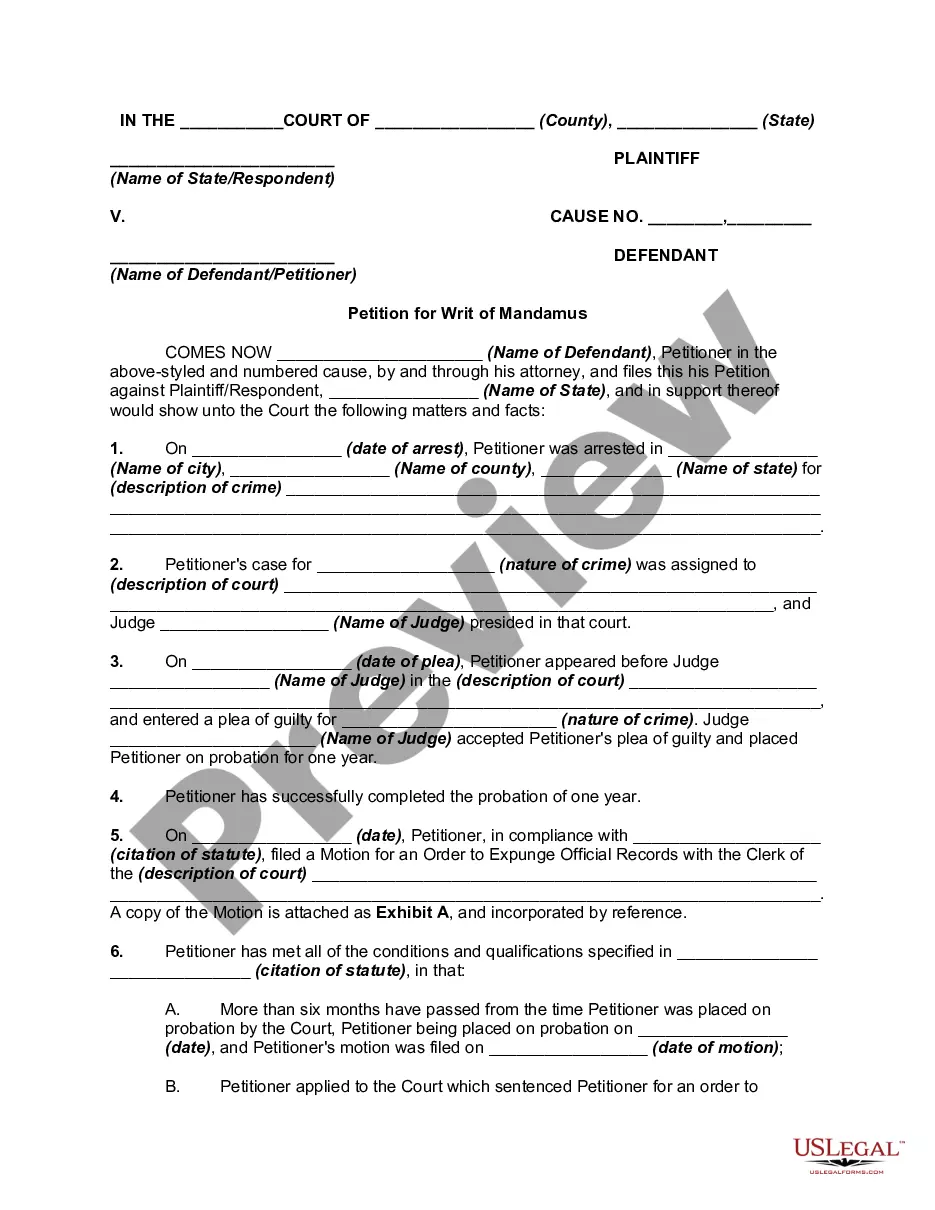
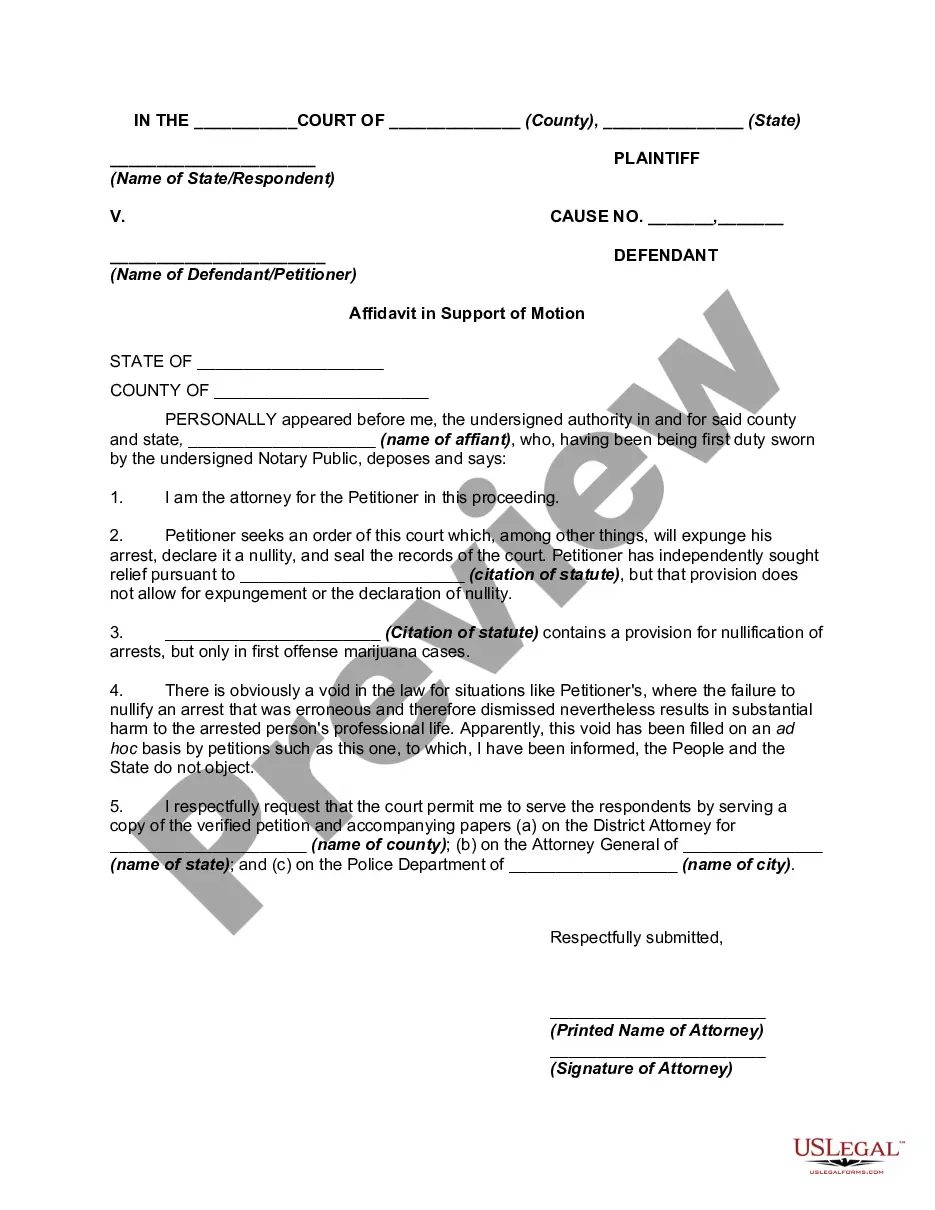
- Explore the available forms in Preview mode to ensure you select the correct template that aligns with your local jurisdiction's requirements.
- If you do not find the appropriate form, utilize the Search feature to locate other relevant templates that suit your needs.
- Once you've identified the correct document, click 'Buy Now' to choose a subscription plan that works for you and create an account for access.
- Complete your purchase by entering your credit card information or selecting PayPal for payment.
- Download your form and save it on your device. You can access it anytime through the 'My Forms' section of your profile.
Following these steps will ensure you obtain the necessary forms smoothly without unnecessary hassle. US Legal Forms provides a robust collection of over 85,000 legal documents, ensuring users can find precisely what they need.
Start your journey towards a brighter future today. Visit US Legal Forms for more assistance with expungement for federal convictions!
Form popularity
FAQ
Yes, FBI records can be expunged under certain conditions related to expungement for federal convictions. The eligibility criteria vary depending on the nature of the conviction and state laws. It's essential to consult legal resources to determine your eligibility and the steps involved in filing for expungement. US Legal Forms can guide you through the process, ensuring you have the right forms and information.
The FBI retains criminal records for as long as they exist, but they can be eligible for expungement for federal convictions under certain circumstances. Generally, records remain on file indefinitely unless you take specific legal actions to have them removed. Therefore, understanding your rights and options for record expungement is vital. Utilizing resources from US Legal Forms can provide clarity on how to approach this issue.
You can expunge your FBI record if you have met the criteria for expungement for federal convictions. Not all records are eligible, so it is essential to review specific laws and guidelines. Working with a knowledgeable attorney can strengthen your application and ensure compliance with all requirements. US Legal Forms can assist you in finding the necessary forms and guidance to navigate this process.
To remove a record from the FBI database, you generally need to pursue expungement for federal convictions. This process involves filing a petition in the appropriate court, demonstrating why the record should be removed. Engaging a legal professional can provide guidance and improve your chances of success. Platforms like US Legal Forms offer resources that simplify this process and help you understand the necessary steps.
A federal background check typically reveals serious criminal records, civil judgments, and certain financial issues. It may include felony convictions, especially those related to federal crimes or those that impact national security. Understanding what may be disclosed is essential, and seeking help with expungement for federal convictions can facilitate a smoother reintegration into the workforce or community.
When writing an expungement letter, clearly state your request for expungement, include details about your conviction, and emphasize your rehabilitation efforts. Be concise, honest, and direct, providing any supporting documents to strengthen your case. Utilizing expert advice from services focused on expungement for federal convictions can enhance your letter's effectiveness.
In the United States, a criminal record does not automatically clear after seven years. Expungement is a formal legal process that must be pursued regardless of time. If you seek to clear your record, especially for federal convictions, exploring dedicated legal platforms can provide the guidance you need.
The FBI typically does not access expunged records during background checks, as the purpose of expungement is to clear an individual's criminal history. However, certain exceptions may apply, particularly for federal offenses. Consulting with an expert familiar with expungement for federal convictions can clarify what the FBI can or cannot see in your case.
Disqualifying factors for a federal background check often include serious criminal convictions, unresolved legal issues, or certain financial problems. This can prevent individuals from pursuing employment in sensitive positions or with federal agencies. Understanding the impact of your past is crucial, which is where services specializing in expungement for federal convictions can assist.
Typically, expunged records do not appear on federal background checks. The intention of expungement is to allow individuals to move forward without the burden of past convictions. Nevertheless, it is wise to verify with a legal expert to understand how your records may be viewed during a federal background check.