Writ With Court
Description
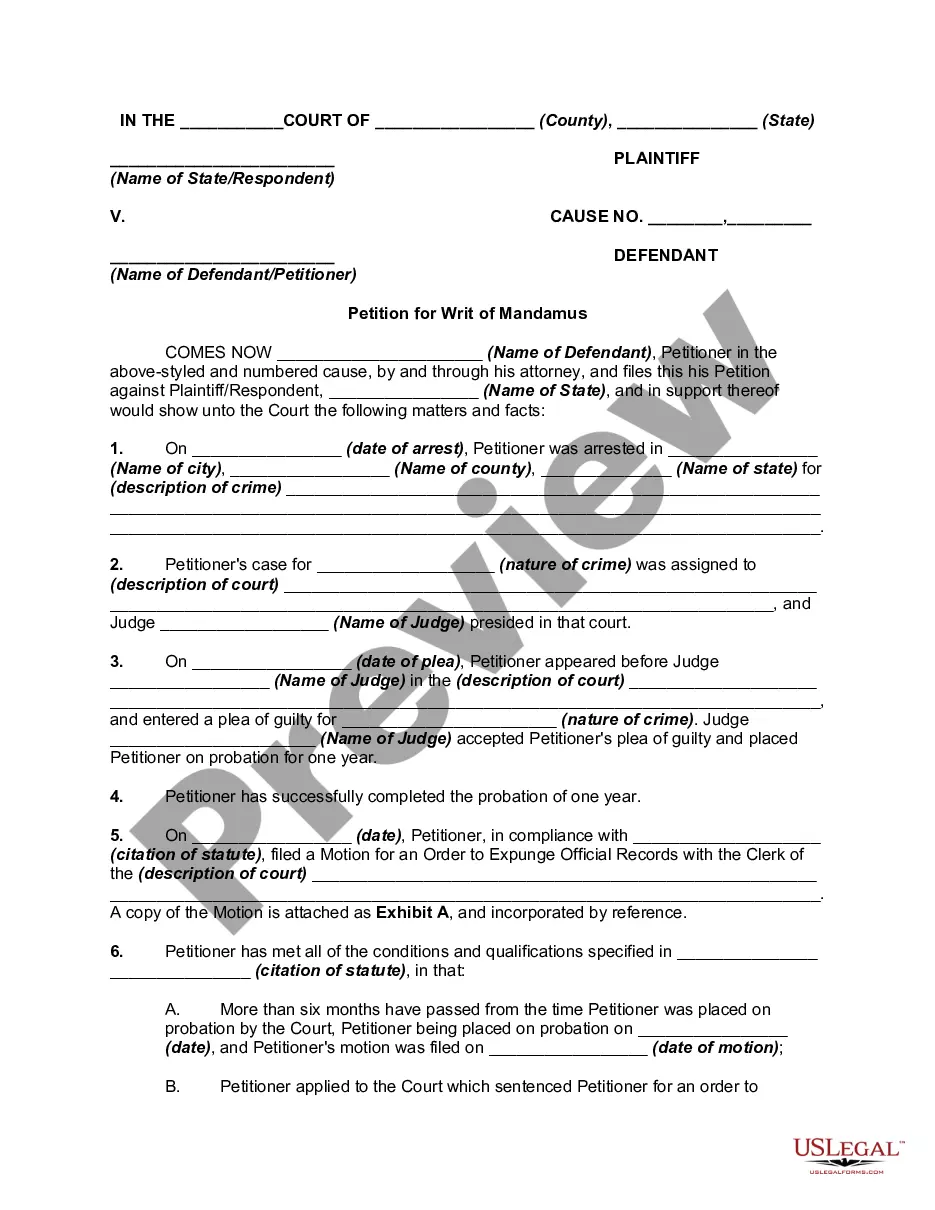
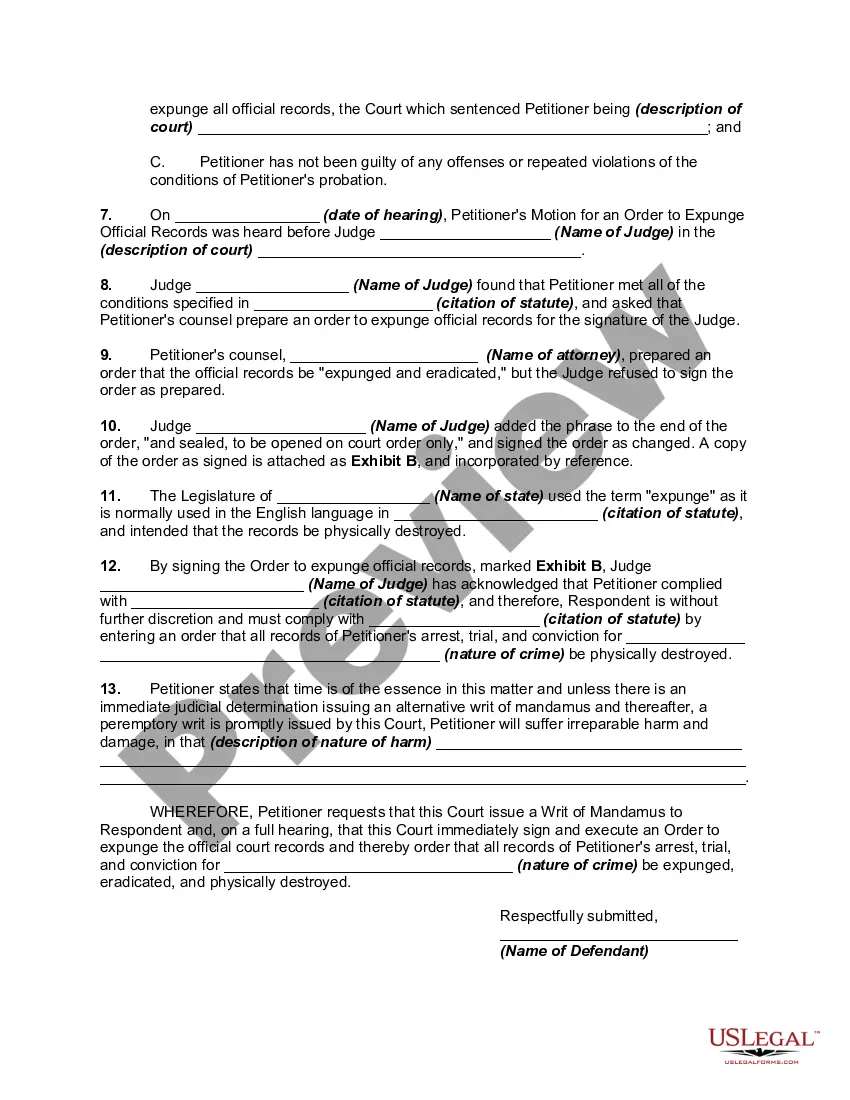
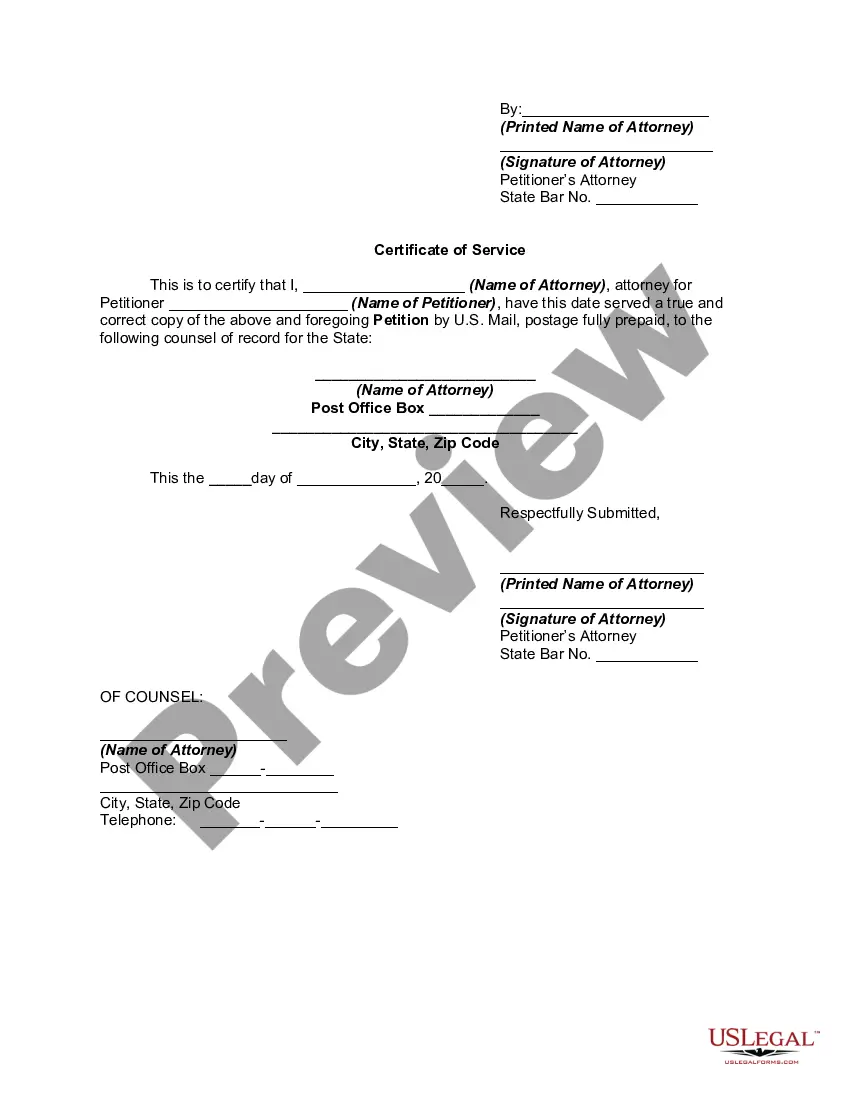
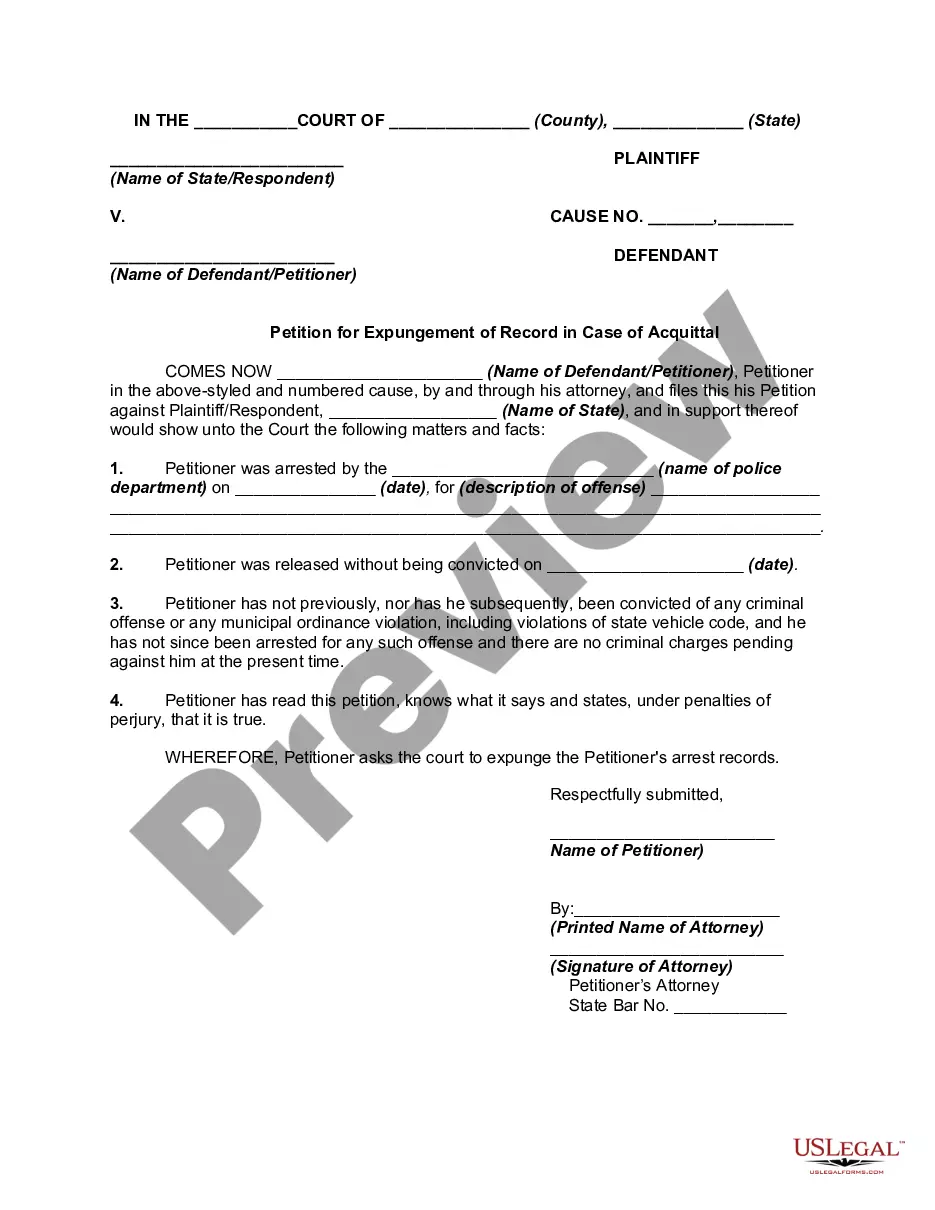
Get your form ready online
Our built-in tools help you complete, sign, share, and store your documents in one place.
Make edits, fill in missing information, and update formatting in US Legal Forms—just like you would in MS Word.
Download a copy, print it, send it by email, or mail it via USPS—whatever works best for your next step.
Sign and collect signatures with our SignNow integration. Send to multiple recipients, set reminders, and more. Go Premium to unlock E-Sign.
If this form requires notarization, complete it online through a secure video call—no need to meet a notary in person or wait for an appointment.
We protect your documents and personal data by following strict security and privacy standards.

Make edits, fill in missing information, and update formatting in US Legal Forms—just like you would in MS Word.

Download a copy, print it, send it by email, or mail it via USPS—whatever works best for your next step.

Sign and collect signatures with our SignNow integration. Send to multiple recipients, set reminders, and more. Go Premium to unlock E-Sign.

If this form requires notarization, complete it online through a secure video call—no need to meet a notary in person or wait for an appointment.

We protect your documents and personal data by following strict security and privacy standards.
Looking for another form?
How to fill out Petition For Writ Of Mandamus Or Mandate To Compel Court To Expunge Record Of Arrest, Trial, And Conviction - Expungement?
Regardless of whether for commercial reasons or personal matters, everyone at some stage must handle legal issues in their lives. Completing legal paperwork requires meticulous focus, starting with selecting the correct template.
For instance, if you choose an incorrect version of the Writ With Court, it will be declined upon submission. Thus, it is crucial to have a trustworthy source of legal documents like US Legal Forms.
With a comprehensive catalog from US Legal Forms available, you won't need to waste time searching the internet for the right template. Use the library's straightforward navigation to discover the correct template for any scenario.
- Locate the sample you require using the search bar or catalog browsing.
- Review the description of the form to ensure it aligns with your case, state, and county.
- Click on the form's preview to view it.
- If it's the incorrect form, return to the search feature to find the necessary Writ With Court sample.
- Obtain the template once it fits your requirements.
- If you already possess a US Legal Forms account, simply click Log in to access previously saved templates in My documents.
- If you do not have an account yet, you can download the form by clicking Buy now.
- Choose the suitable pricing option.
- Fill out the profile registration form.
- Select your payment method: you can either pay with a credit card or through your PayPal account.
- Choose the desired file format and download the Writ With Court.
- Once downloaded, you can complete the form using editing software or print it out and fill it out by hand.
Form popularity
FAQ
If the court issues a writ, it compels the recipient to comply with the court's order. Compliance can lead to the resolution of legal issues or the enforcement of rights. Understanding the implications of a writ with court can help you navigate the outcomes and prepare for any required actions.
To request a writ, you typically must file a petition with the appropriate court. This process involves detailing your reasons and providing evidence that supports your claim. Utilizing a service like US Legal Forms can simplify the process, guiding you through the necessary steps to submit a writ with court.
Ignoring a writ can result in serious consequences, including legal penalties. The court may hold you in contempt, leading to fines or even jail time. It is essential to take a writ with court seriously and address it promptly to avoid further complications.
A writ serves as a formal order from a court. People often seek a writ to enforce a legal right or remedy, compelling someone to act or refrain from acting. Using a writ with court can help clarify legal disputes and ensure adherence to the law.
To file a writ means to submit a formal request to the court for the issuance of a writ. This process involves preparing the necessary legal documents and clearly stating the reasons for your request. When you choose to file a writ with court, you take an important step in seeking legal remedies. It provides you the opportunity to address unresolved issues and to make your case heard in a structured manner.
The purpose of a writ is to command a person or entity to perform a specific action or to refrain from doing something. In the context of the court, a writ serves as a formal order that ensures compliance with legal requirements. When you understand how a writ with court operates, you can better navigate legal processes. This tool may assist you in protecting your rights or ensuring that justice is served.
Fighting a writ requires a clear understanding of the legal grounds for challenging it. You can file a motion to oppose the writ or present counterarguments in a court hearing. Legal counsel can be extremely beneficial in these situations, as they can guide you through the complexities of the process. Utilizing platforms like uslegalforms can provide you with the necessary resources and documents to effectively contest a writ with court.
The most common writ is the writ of certiorari, which higher courts, like the Supreme Court, issue to review decisions from lower courts. This writ helps maintain judicial consistency by allowing the higher court to examine cases that might have broader implications. When a case is brought forth through a writ with court, it can lead to significant legal precedents. Familiarizing yourself with this writ can enlighten your understanding of the judicial system.
An example of a writ is a writ of habeas corpus, which protects a person's right against unlawful detention. In this case, someone petitioning the court can challenge the legality of their imprisonment. This type of writ serves as a critical check on the powers of law enforcement and ensures that individual freedoms are upheld. Exploring the different examples of writs with court can provide valuable insights into legal protections.
Taking a writ means obtaining a formal order from a court to enforce a specific action or decision. This legal document instructs someone, such as a lower court or an individual, to perform or refrain from a particular act. When you seek a writ with court, you initiate a process that can clarify legal rights or compel actions. Understanding this process can help you navigate your legal challenges more effectively.