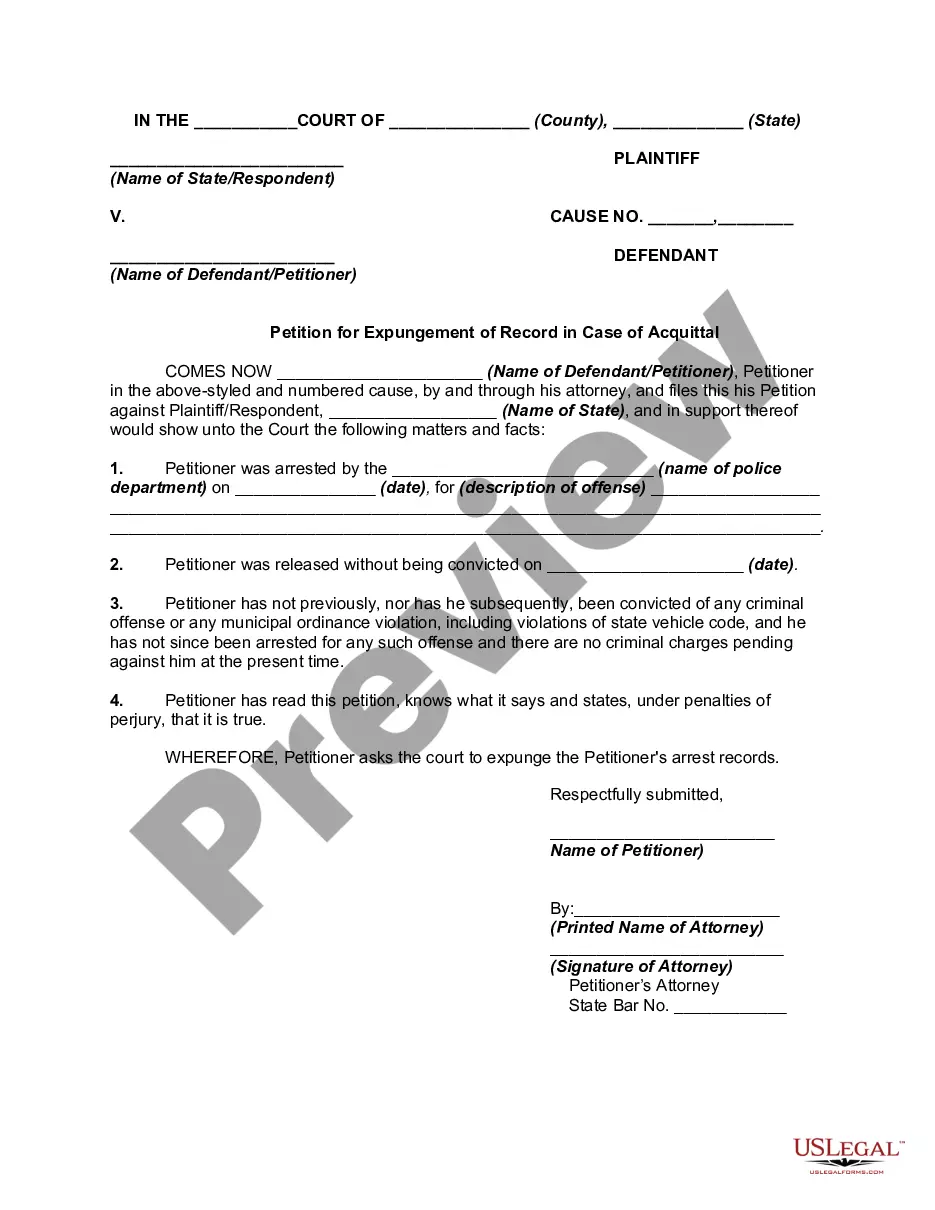
Petition For Expungement For Criminal Record
Description

Get your form ready online
Our built-in tools help you complete, sign, share, and store your documents in one place.
Make edits, fill in missing information, and update formatting in US Legal Forms—just like you would in MS Word.
Download a copy, print it, send it by email, or mail it via USPS—whatever works best for your next step.
Sign and collect signatures with our SignNow integration. Send to multiple recipients, set reminders, and more. Go Premium to unlock E-Sign.
If this form requires notarization, complete it online through a secure video call—no need to meet a notary in person or wait for an appointment.
We protect your documents and personal data by following strict security and privacy standards.

Make edits, fill in missing information, and update formatting in US Legal Forms—just like you would in MS Word.

Download a copy, print it, send it by email, or mail it via USPS—whatever works best for your next step.

Sign and collect signatures with our SignNow integration. Send to multiple recipients, set reminders, and more. Go Premium to unlock E-Sign.

If this form requires notarization, complete it online through a secure video call—no need to meet a notary in person or wait for an appointment.

We protect your documents and personal data by following strict security and privacy standards.
Looking for another form?


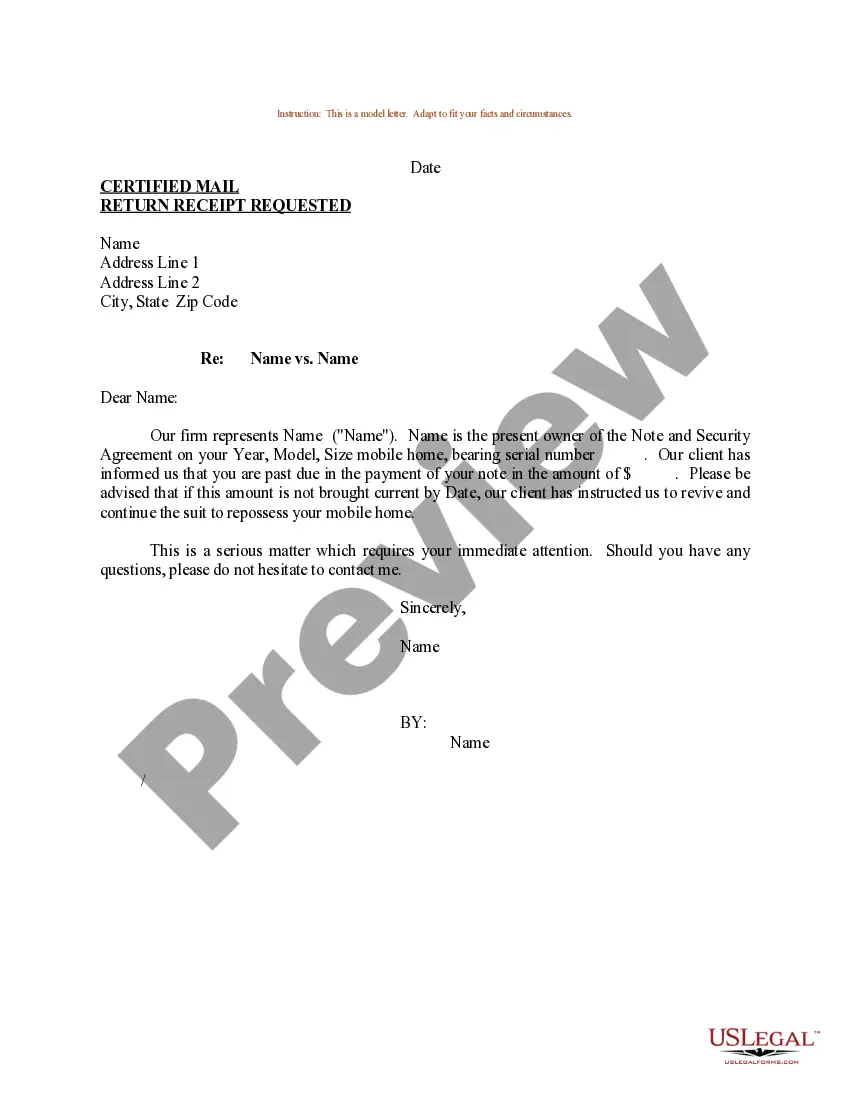

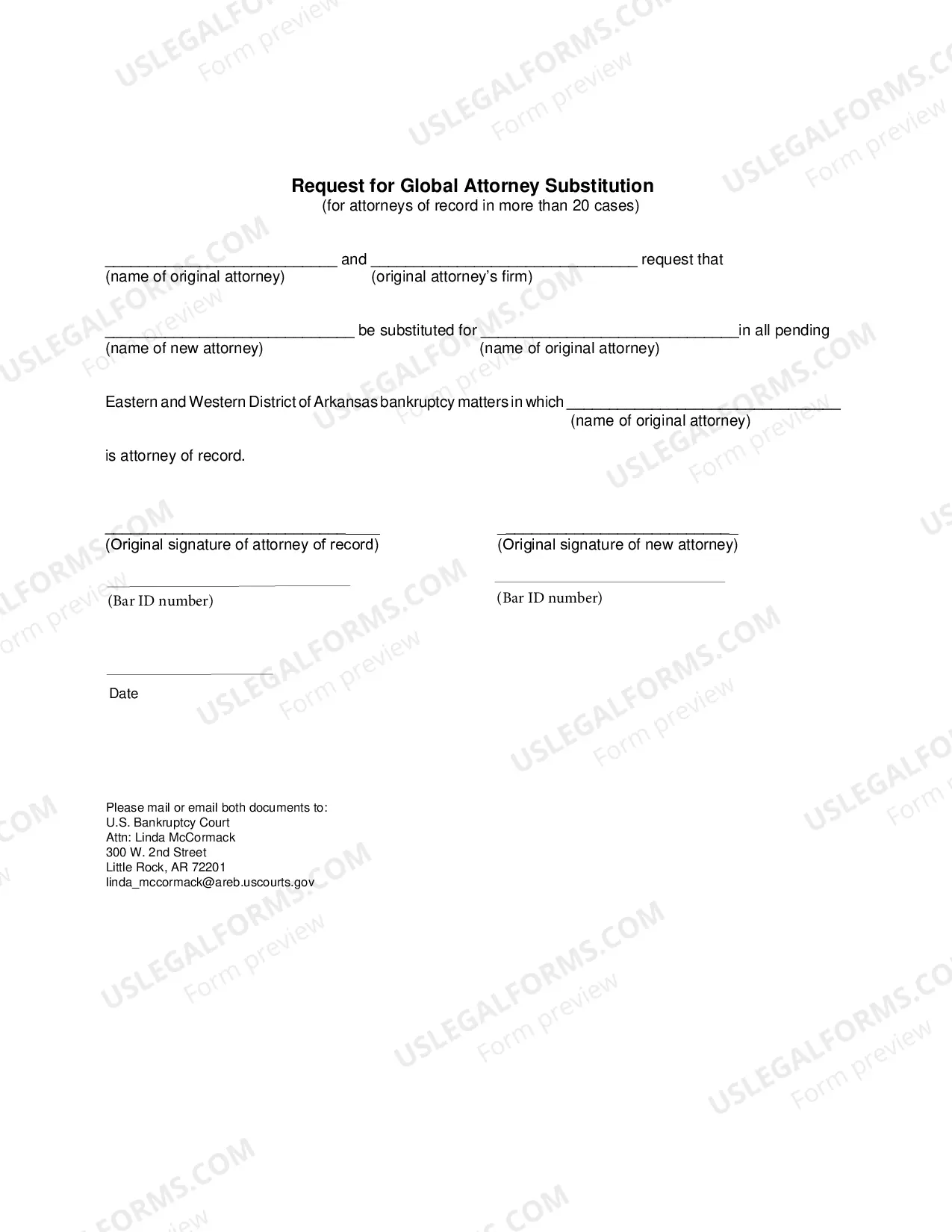





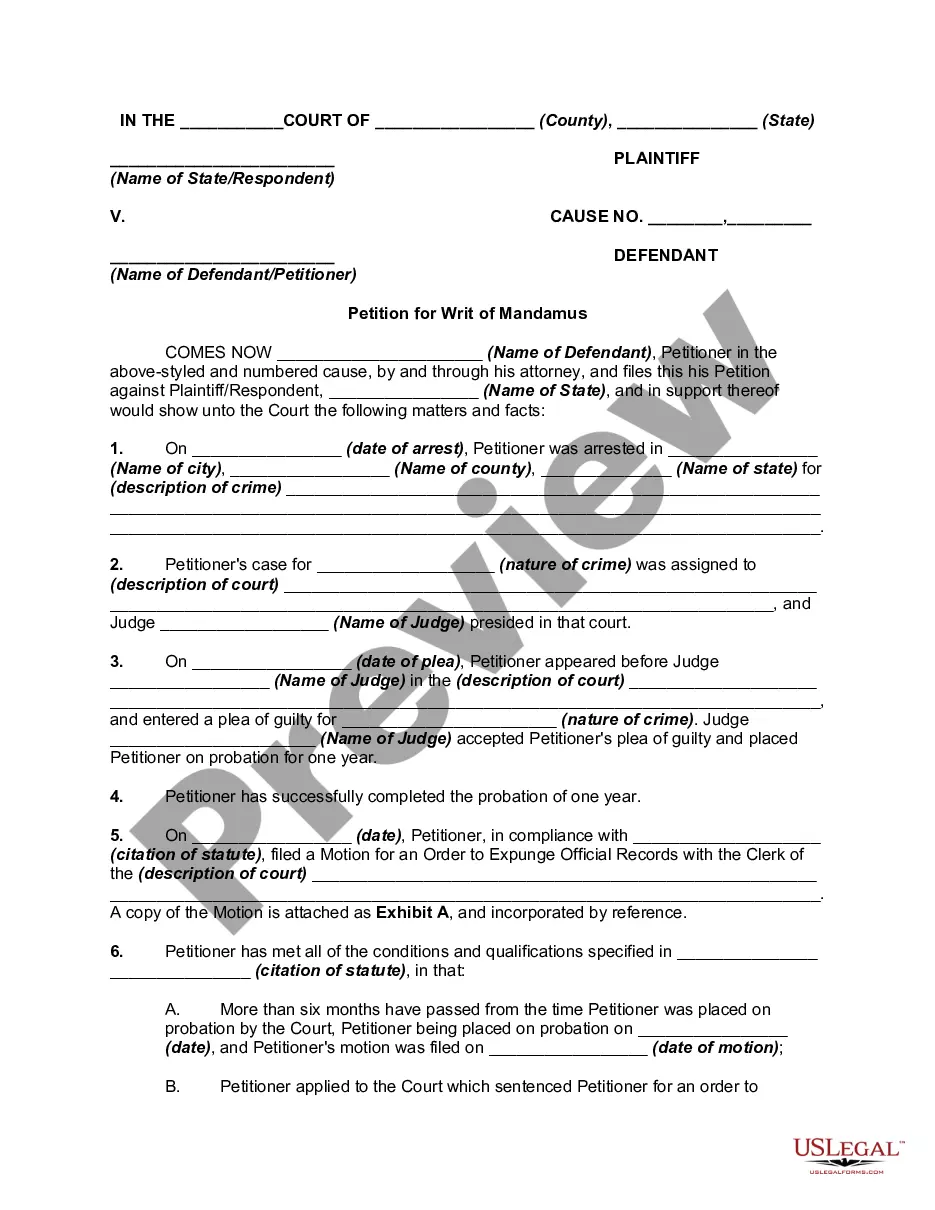
How to fill out Petition For Writ Of Mandamus Or Mandate To Compel Court To Expunge Record Of Arrest, Trial, And Conviction - Expungement?
- If you're a returning user, simply log in to your account and locate the appropriate form template. Ensure your subscription is active or renew as needed.
- For first-time users, begin by reviewing the Preview mode and form description to confirm that you've selected the form that adheres to your local regulations.
- If the template doesn't meet your needs, use the Search tab to explore other options until you find the right form.
- Once you’ve made your selection, click on the Buy Now button to choose your subscription plan, creating an account for full access to the library.
- Proceed to payment by entering your credit card or PayPal information to complete your purchase.
- Finally, download the form to your device for completion, and access it anytime through the My Forms section of your profile.
US Legal Forms is dedicated to equipping both individuals and legal professionals with a vast selection of over 85,000 fillable legal documents. This ensures that every user has the tools necessary for success.
Take control of your future and start your expungement process today. Visit US Legal Forms to explore your options!
Form popularity
FAQ
Once your petition for expungement for criminal record is granted, your criminal record should generally not show up on standard background checks. However, some specialized or law enforcement background checks may still reveal the expunged record. To ensure your rights are protected, it's essential to understand the limits of expungement and how they affect your privacy.
In Georgia, certain serious offenses are not eligible for expungement. These include violent crimes, sexual offenses, and certain traffic violations, among others. Understanding which crimes cannot be expunged is crucial before you file your petition for expungement for criminal record. Seeking guidance from a legal expert can help clarify what options you may have.
The process of expungement can vary depending on your specific case. Generally, once you submit your petition for expungement for criminal record, it can take several months for the court to review and approve it. It is essential to ensure that all paperwork is correctly filled out and submitted to avoid delays. Staying informed and organized can significantly ease the time it takes to see results.
In Minnesota, certain crimes are excluded from expungement under the petition for expungement for criminal record. Specifically, felonies such as murder, first-degree manslaughter, and sexual offenses generally cannot be removed from your record. Additionally, some crimes involving serious injury or violent acts are also ineligible for expungement. If you are unsure about your specific case, consider using a service like US Legal Forms to help navigate the requirements and understand which options are available to you.
When speaking to a judge regarding your expungement, be respectful and concise. Start by presenting your petition for expungement for criminal record clearly, stating how it has hindered your opportunities and growth. Emphasize your commitment to rehabilitation and how expungement would allow you to contribute positively to society.
To write a letter for expungement, start with a formal greeting to the court. Clearly state your intention to file a petition for expungement for criminal record, include details about your case, and explain why you believe the record should be expunged. Personalize the letter by sharing how moving forward without the record would positively impact your life.
Yes, you can petition for expungement for criminal record in Texas on your own. However, the process can be complex and requires careful attention to details and legal requirements. It may be beneficial to consider using a resource like uslegalforms, which provides guidance and templates to help you navigate the filing process more effectively.
Generally, judges do not have access to expunged records. Once a petition for expungement for criminal record is granted, the records are treated as if they never existed. However, in certain circumstances, law enforcement or governmental entities may still find some records under specific conditions.
An example of expungement is when a person has a felony conviction removed from their record. In this case, the individual can file a petition for expungement for criminal record to request that the court seals or deletes the conviction. Once granted, this process allows the individual to move forward without the stigma of a criminal past.
When drafting your expungement letter, you should clearly state your request for a petition for expungement for criminal record. Begin by providing your personal details, including your name, address, and date of birth. Explain the nature of your conviction, express how it has affected your life, and conclude by respectfully requesting the court to grant your petition.