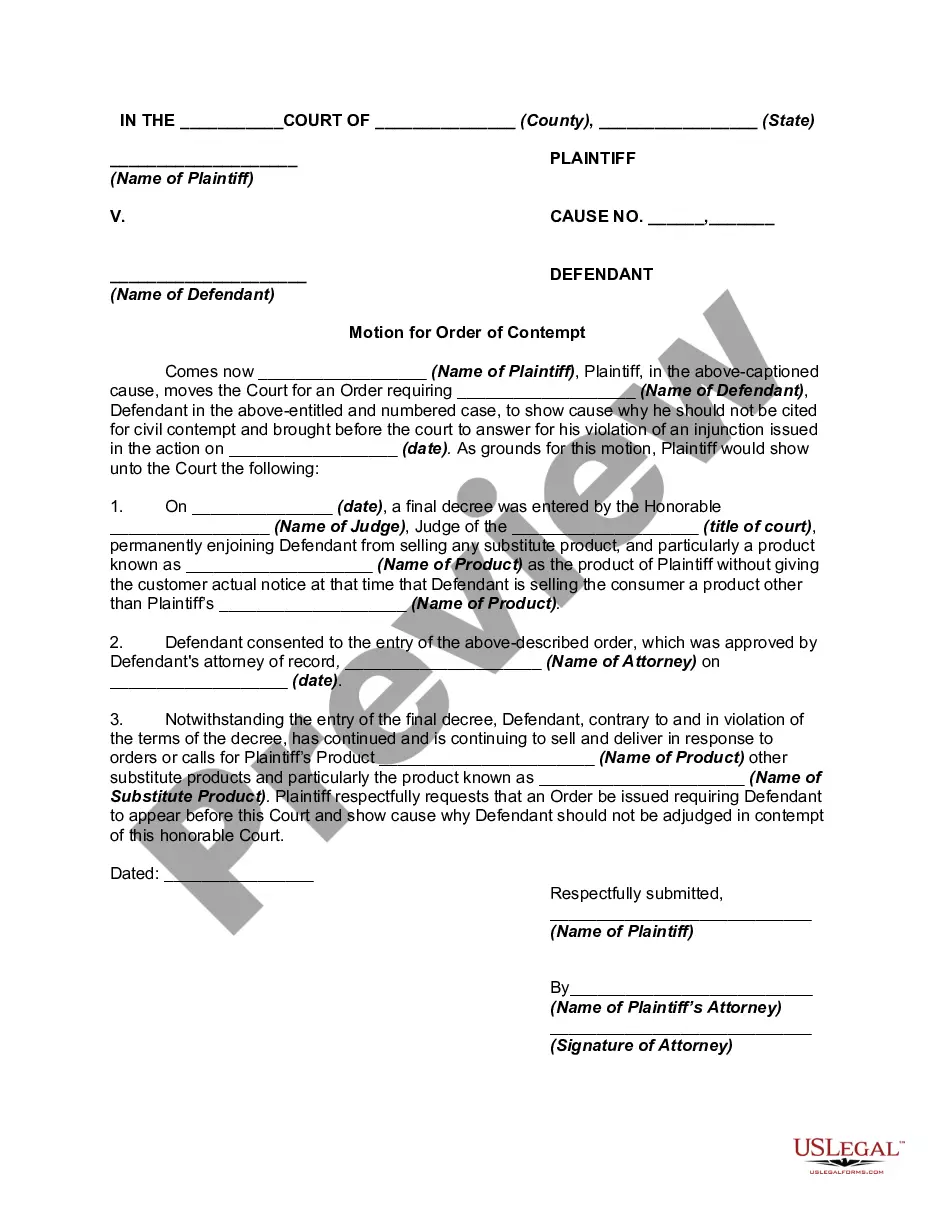
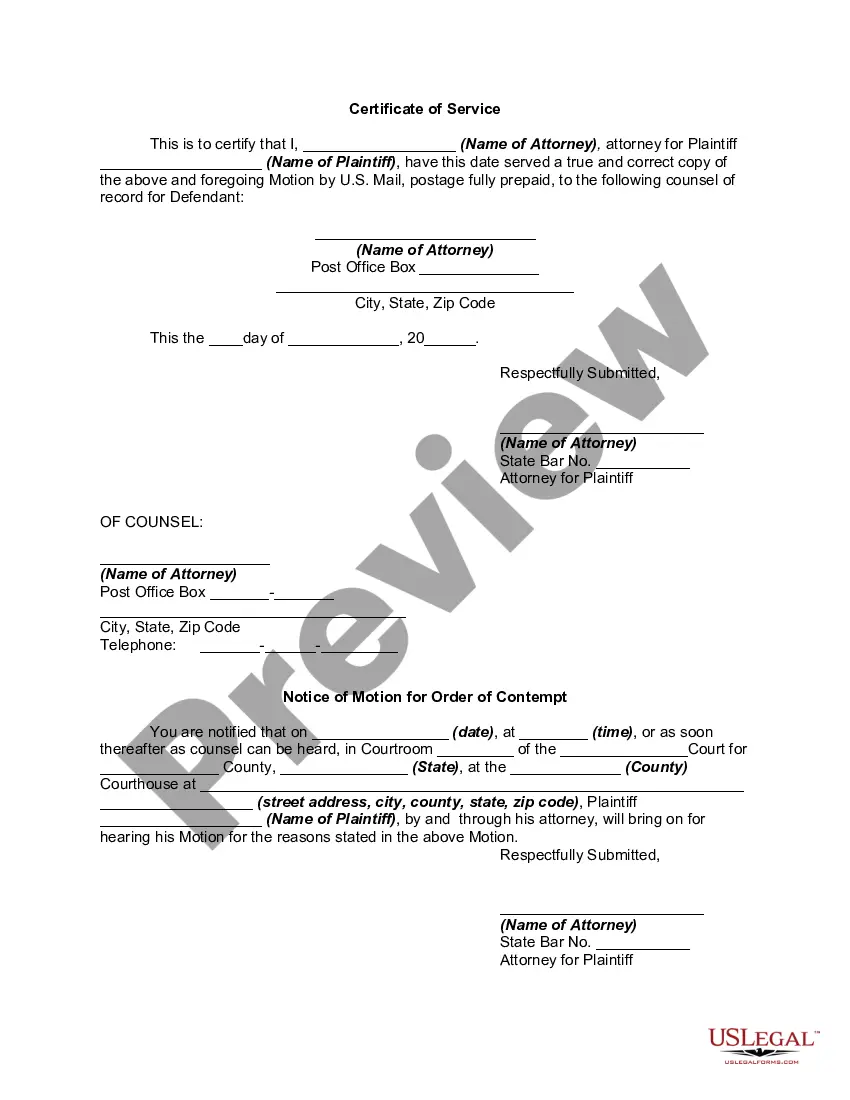
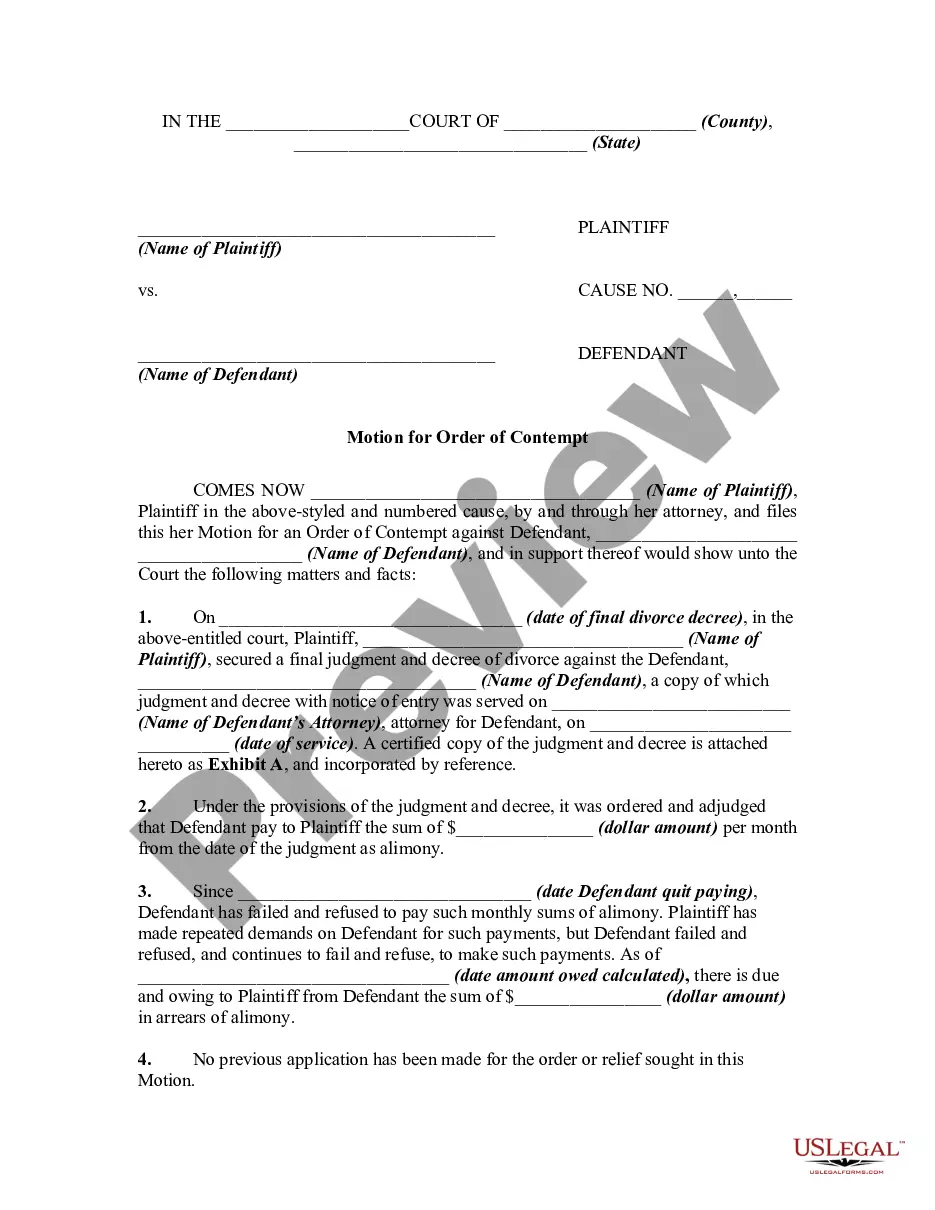
Order Injunction Form For Court
Description
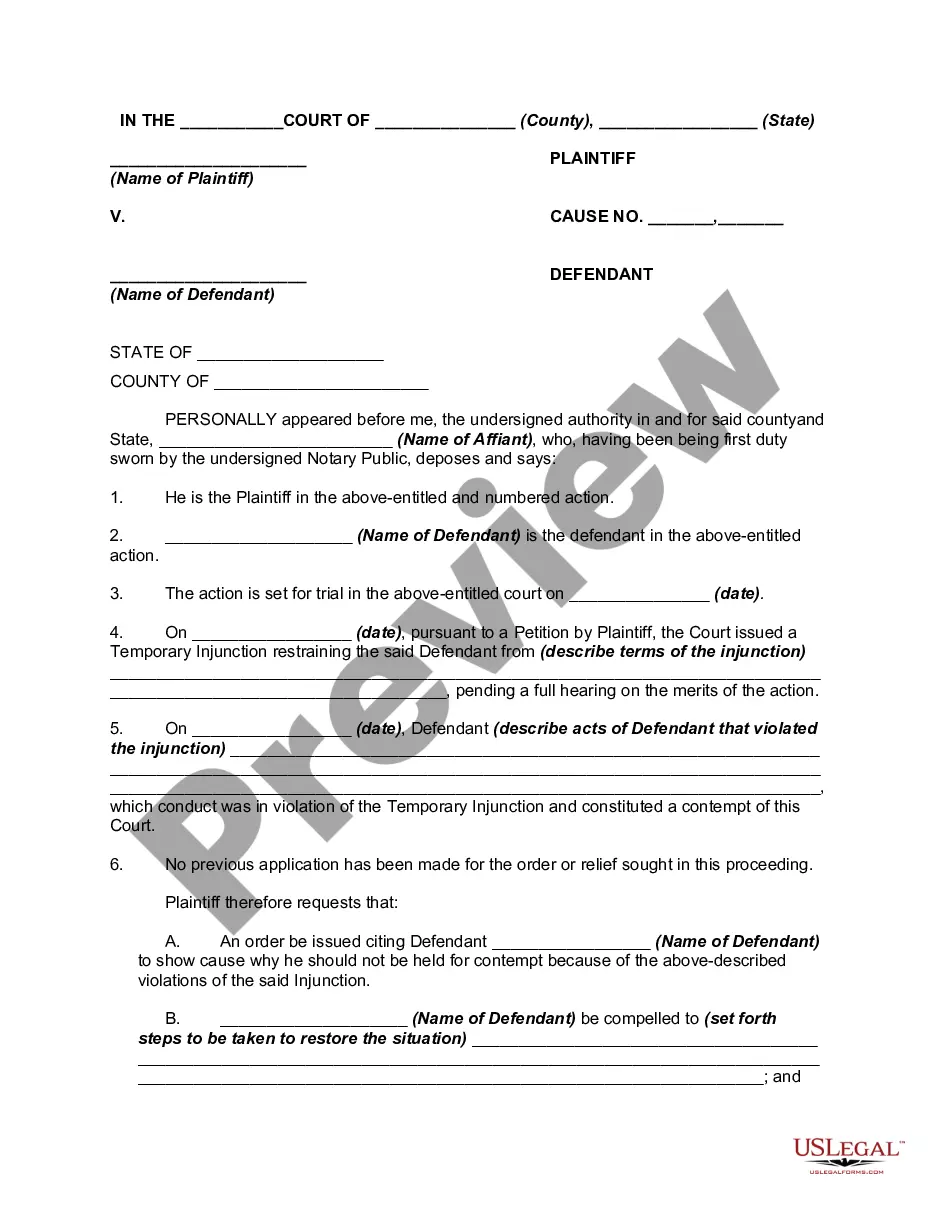
Get your form ready online
Our built-in tools help you complete, sign, share, and store your documents in one place.
Make edits, fill in missing information, and update formatting in US Legal Forms—just like you would in MS Word.
Download a copy, print it, send it by email, or mail it via USPS—whatever works best for your next step.
Sign and collect signatures with our SignNow integration. Send to multiple recipients, set reminders, and more. Go Premium to unlock E-Sign.
If this form requires notarization, complete it online through a secure video call—no need to meet a notary in person or wait for an appointment.
We protect your documents and personal data by following strict security and privacy standards.

Make edits, fill in missing information, and update formatting in US Legal Forms—just like you would in MS Word.

Download a copy, print it, send it by email, or mail it via USPS—whatever works best for your next step.

Sign and collect signatures with our SignNow integration. Send to multiple recipients, set reminders, and more. Go Premium to unlock E-Sign.

If this form requires notarization, complete it online through a secure video call—no need to meet a notary in person or wait for an appointment.

We protect your documents and personal data by following strict security and privacy standards.
Looking for another form?





How to fill out Motion For An Order Of Contempt For Violation Of Injunction?
Whether for commercial objectives or personal matters, everyone must address legal circumstances at some point in their lives.
Completing legal documents requires meticulous attention, beginning with selecting the appropriate form template.
Upon downloading, you can complete the form using editing software or print it out and finish it by hand. With a comprehensive US Legal Forms library available, you need not waste time searching for the correct template online. Use the directory’s straightforward navigation to find the suitable form for any situation.
- Locate the template you need by utilizing the search bar or browsing the catalog.
- Review the form’s summary to ensure it aligns with your circumstances, state, and county.
- Click on the form’s preview to inspect it.
- If it is the wrong document, return to the search feature to locate the Order Injunction Form For Court template you require.
- Download the file if it satisfies your prerequisites.
- If you possess a US Legal Forms account, simply click Log in to access previously saved templates in My documents.
- If you do not yet have an account, you can obtain the form by clicking Buy now.
- Select the appropriate pricing option.
- Complete the account registration form.
- Choose your payment method: utilize a bank card or PayPal account.
- Select the file format you prefer and download the Order Injunction Form For Court.
Form popularity
FAQ
Section 527 - Preliminary injunctions and temporary restraining orders (a) A preliminary injunction may be granted at any time before judgment upon a verified complaint, or upon affidavits if the complaint in the one case, or the affidavits in the other, show satisfactorily that sufficient grounds exist therefor.
Injunction relief?also known as injunctive relief or simply as an injunction?is a court order that prohibits an organization or an individual from taking a specific action. Conversely, an injunction may also require an entity to take a certain action.
The relief sought often involves asking a court to prevent an opposing party from taking specific action or continuing a current course of action. Preliminary injunctions can be issued in any situation where the moving party will be irreparably harmed if the status quo is not preserved during the case.
The party asking for an injunctive relief must prove three things: 1) that there is a cause of action against the defendant; 2) that the party seeking the injunction has a right to the property in question; and 3) that the objects in question are in danger of ?probable, imminent, and irreparable injury.? In the Strube ...
State as briefly as possible the facts showing that each plaintiff is entitled to the injunction or other relief sought. State how each defendant was involved and what each defendant did that caused the plaintiff harm or violated the plaintiff's rights, including the dates and places of that involvement or conduct.