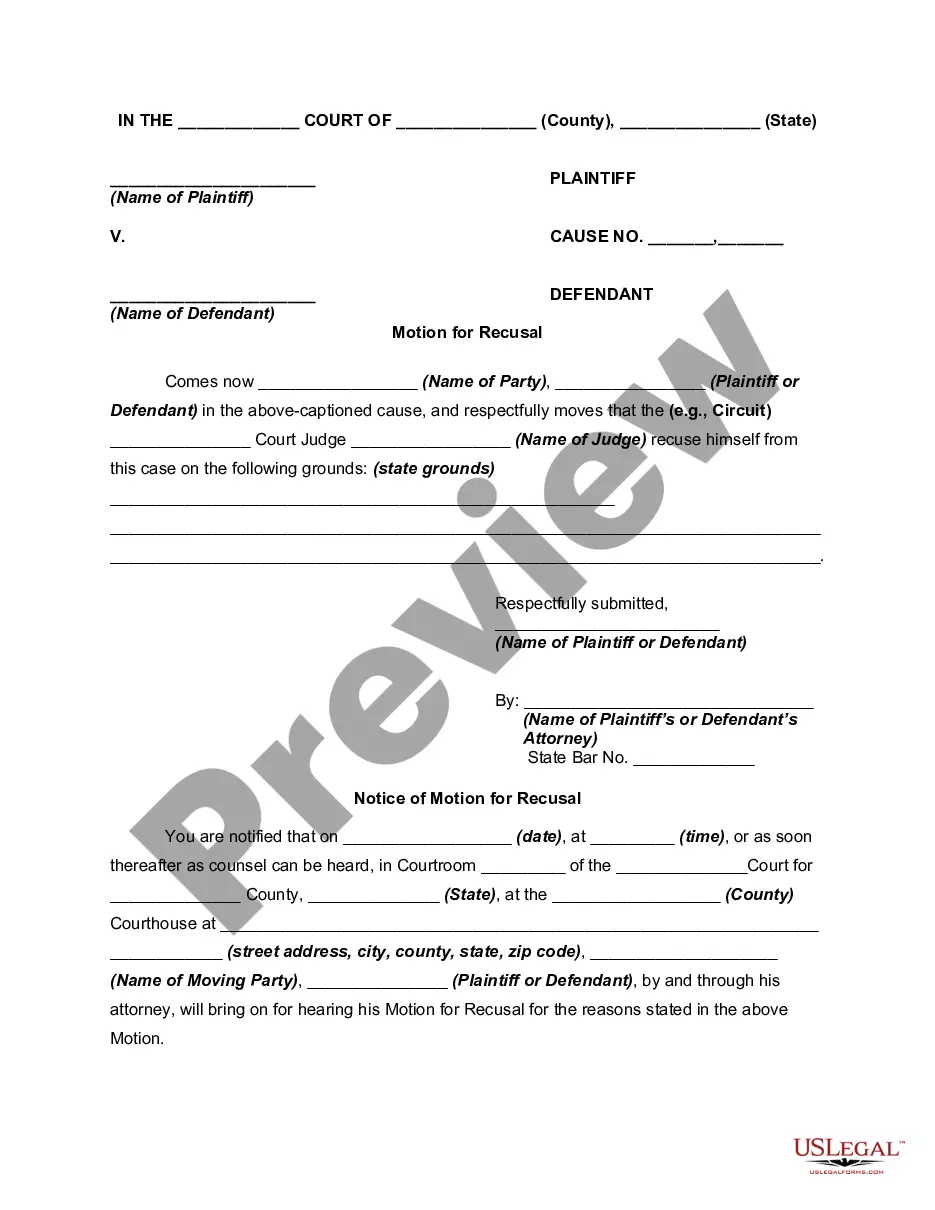
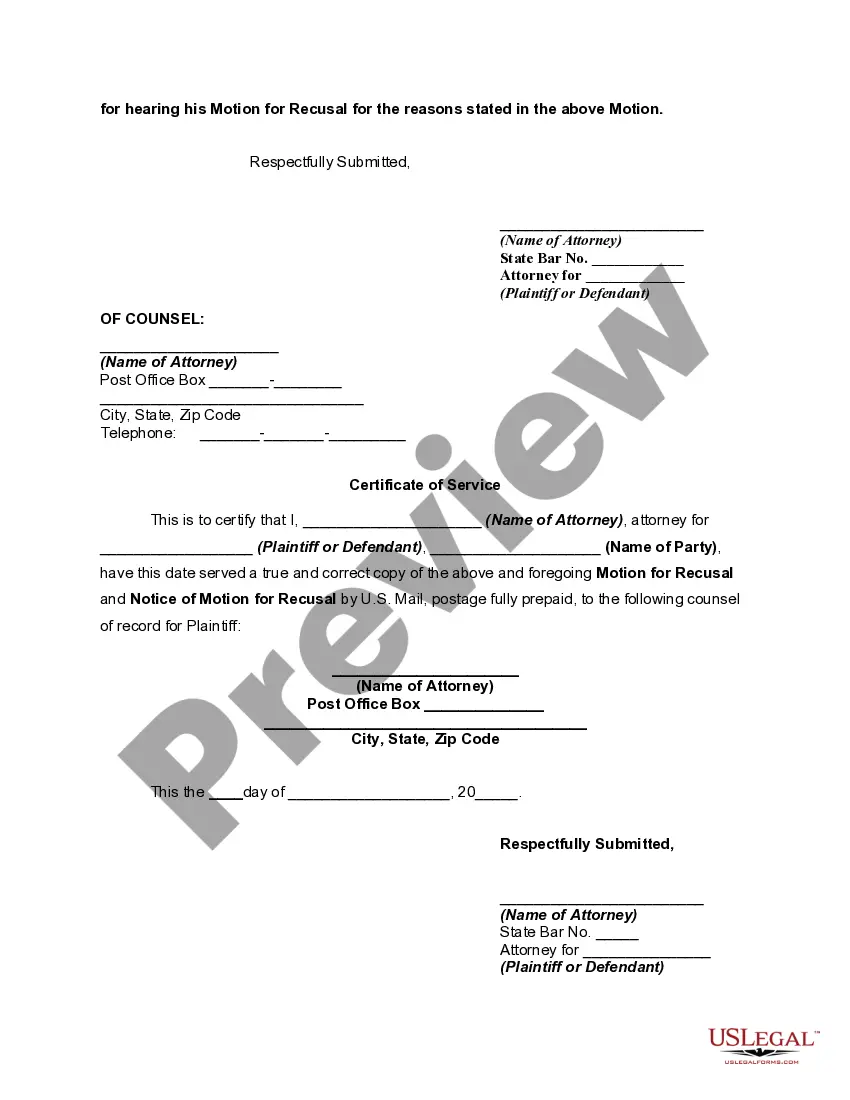
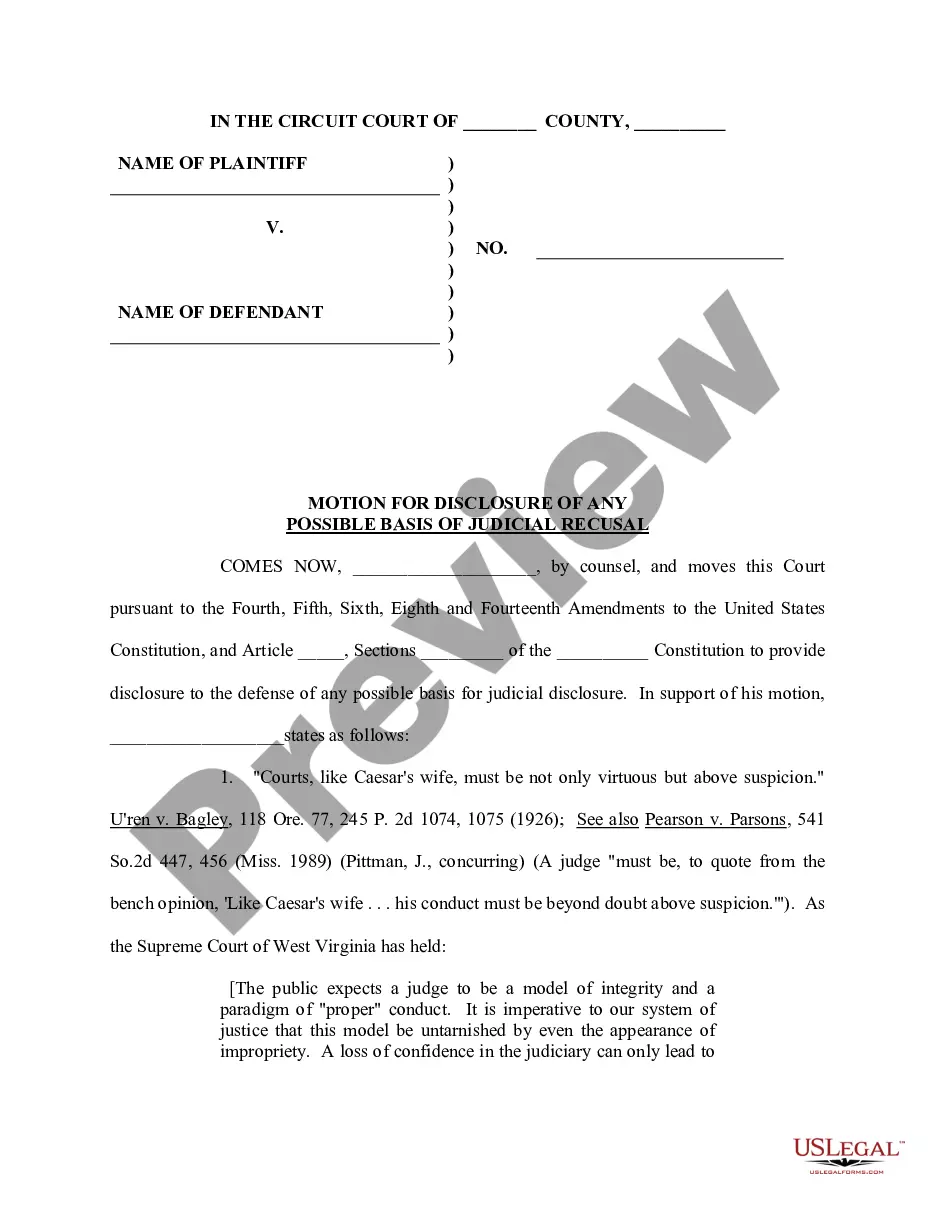
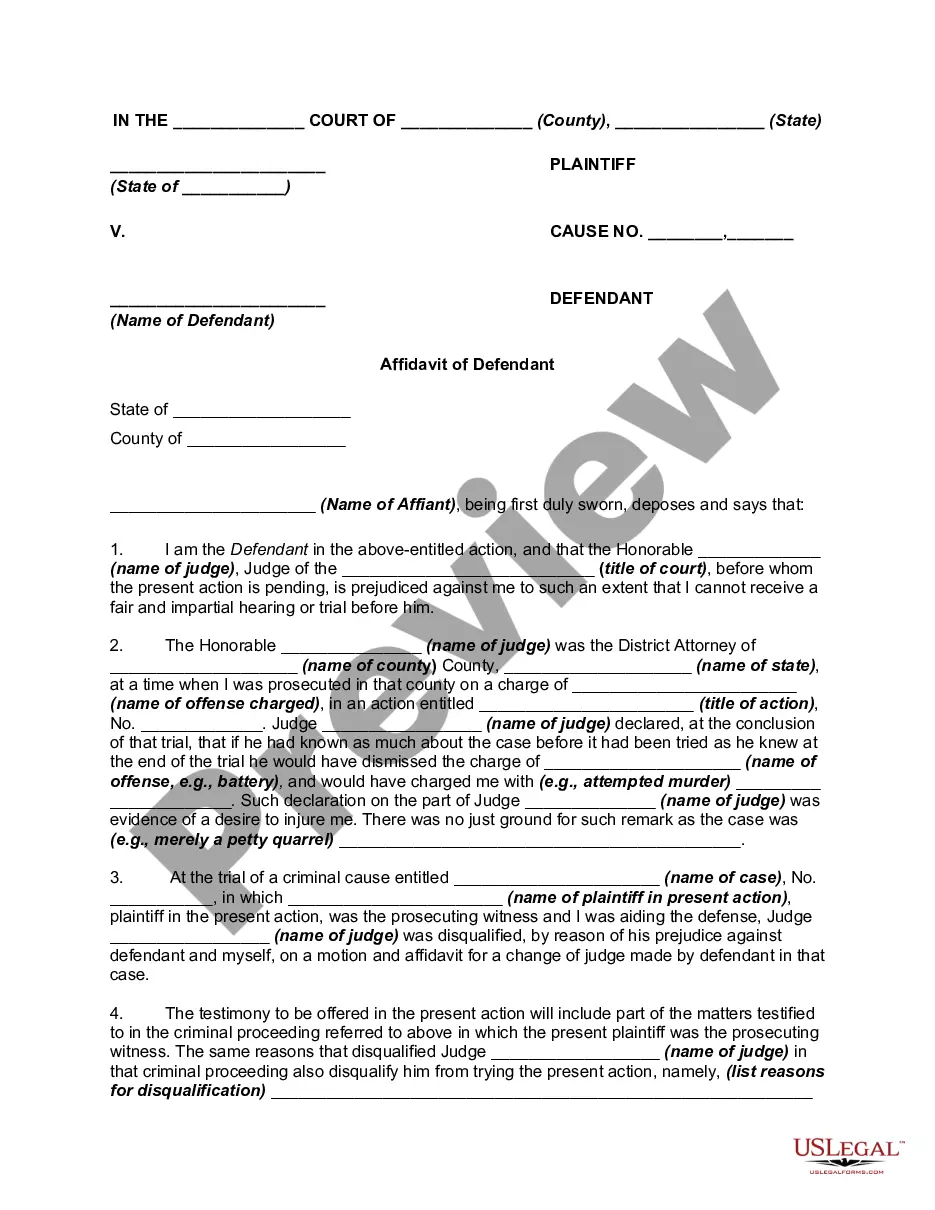
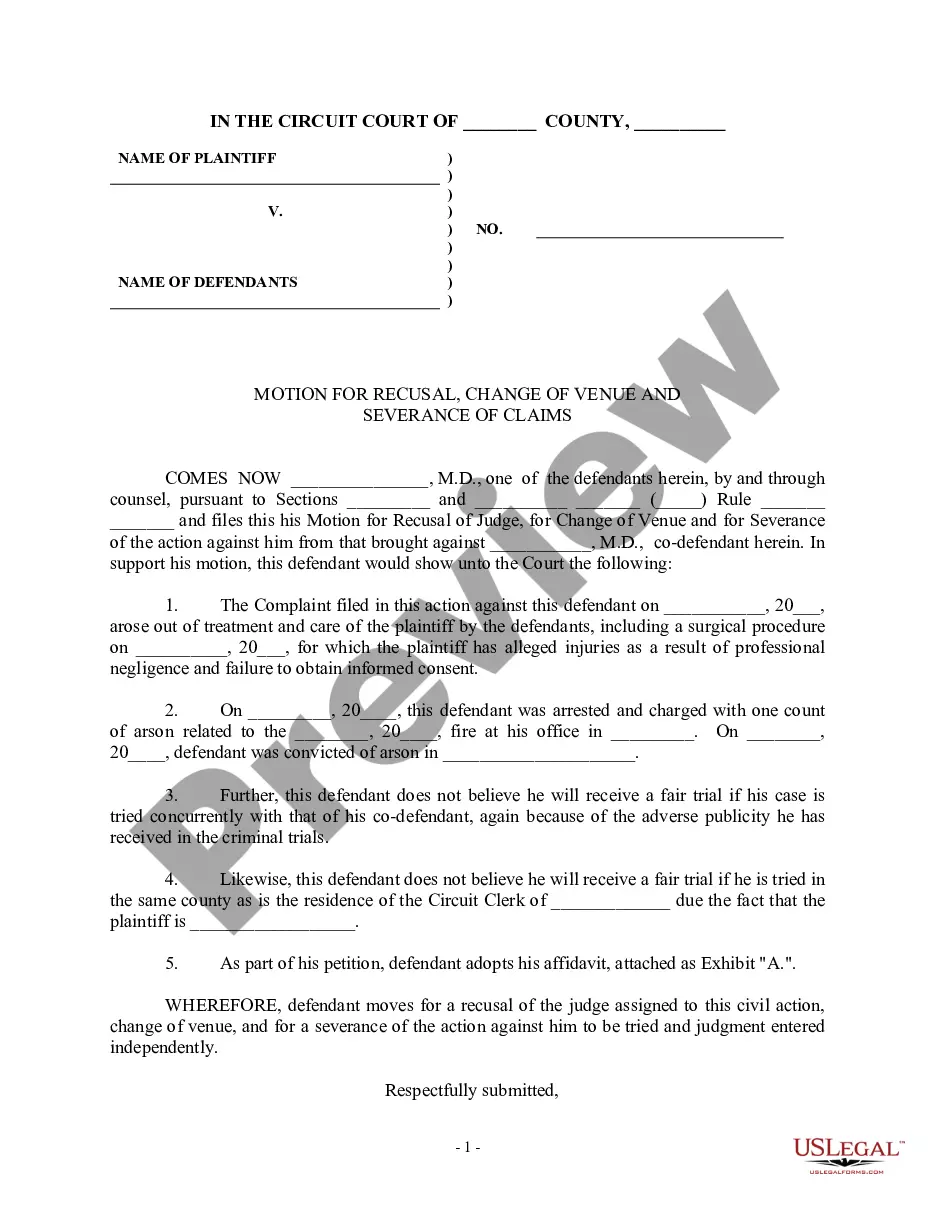
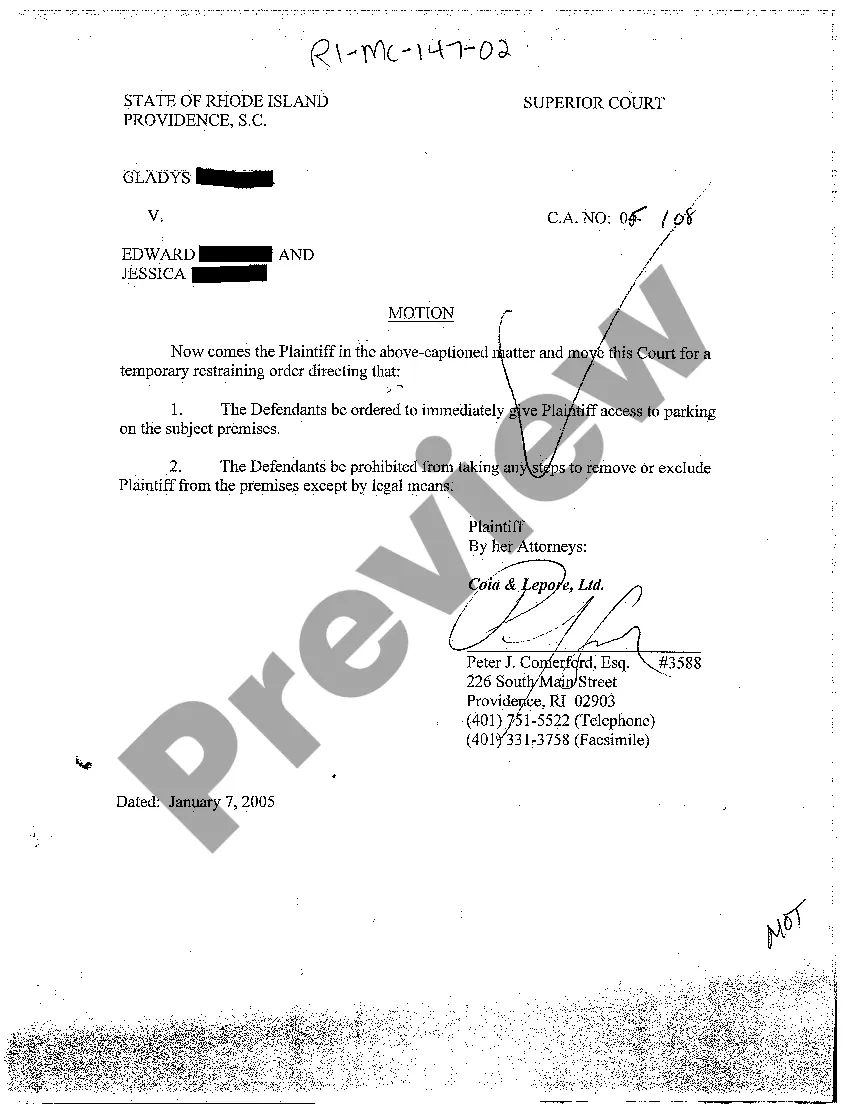
Plaintiff Motion Attorney Format
Description

Get your form ready online
Our built-in tools help you complete, sign, share, and store your documents in one place.
Make edits, fill in missing information, and update formatting in US Legal Forms—just like you would in MS Word.
Download a copy, print it, send it by email, or mail it via USPS—whatever works best for your next step.
Sign and collect signatures with our SignNow integration. Send to multiple recipients, set reminders, and more. Go Premium to unlock E-Sign.
If this form requires notarization, complete it online through a secure video call—no need to meet a notary in person or wait for an appointment.
We protect your documents and personal data by following strict security and privacy standards.

Make edits, fill in missing information, and update formatting in US Legal Forms—just like you would in MS Word.

Download a copy, print it, send it by email, or mail it via USPS—whatever works best for your next step.

Sign and collect signatures with our SignNow integration. Send to multiple recipients, set reminders, and more. Go Premium to unlock E-Sign.

If this form requires notarization, complete it online through a secure video call—no need to meet a notary in person or wait for an appointment.

We protect your documents and personal data by following strict security and privacy standards.
Looking for another form?





How to fill out Motion For Recusal Of Judge - Removal?
Legal administration can be daunting, even for the most seasoned professionals.
When you seek a Plaintiff Motion Attorney Format and lack the opportunity to invest time finding the correct and up-to-date version, the processes can be challenging.
US Legal Forms addresses all your needs, ranging from individual to organizational documents, in one place.
Take advantage of sophisticated tools to complete and manage your Plaintiff Motion Attorney Format.
If it’s your first time using US Legal Forms, create a free account and enjoy unlimited access to all the platform's benefits. Here are the steps to follow after downloading the form you require: Validate that it is the correct form by previewing it and reading its description. Ensure that the sample is accepted in your state or county. Click Buy Now once you are ready. Choose a monthly subscription plan. Select the file format you need, and Download, complete, eSign, print, and deliver your documents. Benefit from the US Legal Forms online library, supported by 25 years of experience and reliability. Streamline your daily document management into a seamless and user-friendly process today.
- Access a resource pool of articles, guides, handbooks, and materials related to your situation and requirements.
- Save time and effort searching for the documents you need.
- Utilize US Legal Forms’ advanced search and Preview tool to obtain your Plaintiff Motion Attorney Format.
- If you have a subscription, Log In to your US Legal Forms account, search for the form, and acquire it.
- Check your My documents tab to view the documents you previously saved and to manage your folders as needed.
- A comprehensive online form library can be transformative for anyone looking to manage these situations efficiently.
- US Legal Forms is a frontrunner in online legal documents, with over 85,000 state-specific legal forms accessible to you at any time.
- With US Legal Forms, you can access state- or county-specific legal and business forms.
Form popularity
FAQ
There are several different types of post-judgment motions, but the most common are motions for new trial, motions to vacate, and motions to set-aside. Motions for new trial, motions to vacate, and motions to set-aside are the three most common post-judgment motions.
Motion to dismiss. ... Discovery motions. ... Motion to compel. ... Motion to strike. ... Motion for summary judgment. ... Motion for a directed verdict. ... Motion for nolle prosequi. ... Motion in Limine.
(A) Responses to all motions, except those listed in subparagraph 2(A) below, must be filed within 14 days after service of the motion. (B) If filed, a reply brief supporting such motion must be filed within 7 days after service of the response, but at least 3 days before the motion hearing.
Be as persuasive as possible as you write your motion in a sequential, logical format. Express your ideas clearly, and make sure you outline what steps are necessary and how they will help your case. Use facts of the case whenever you can to avoid baseless emotional appeals.
File the Motion with the court. File all four copies of your motion with the court in person or by first-class mail. If you mail your motion to the court, include a postage-paid and self-addressed envelope with your motion so that the court can return copies.