Draft Motions
Description
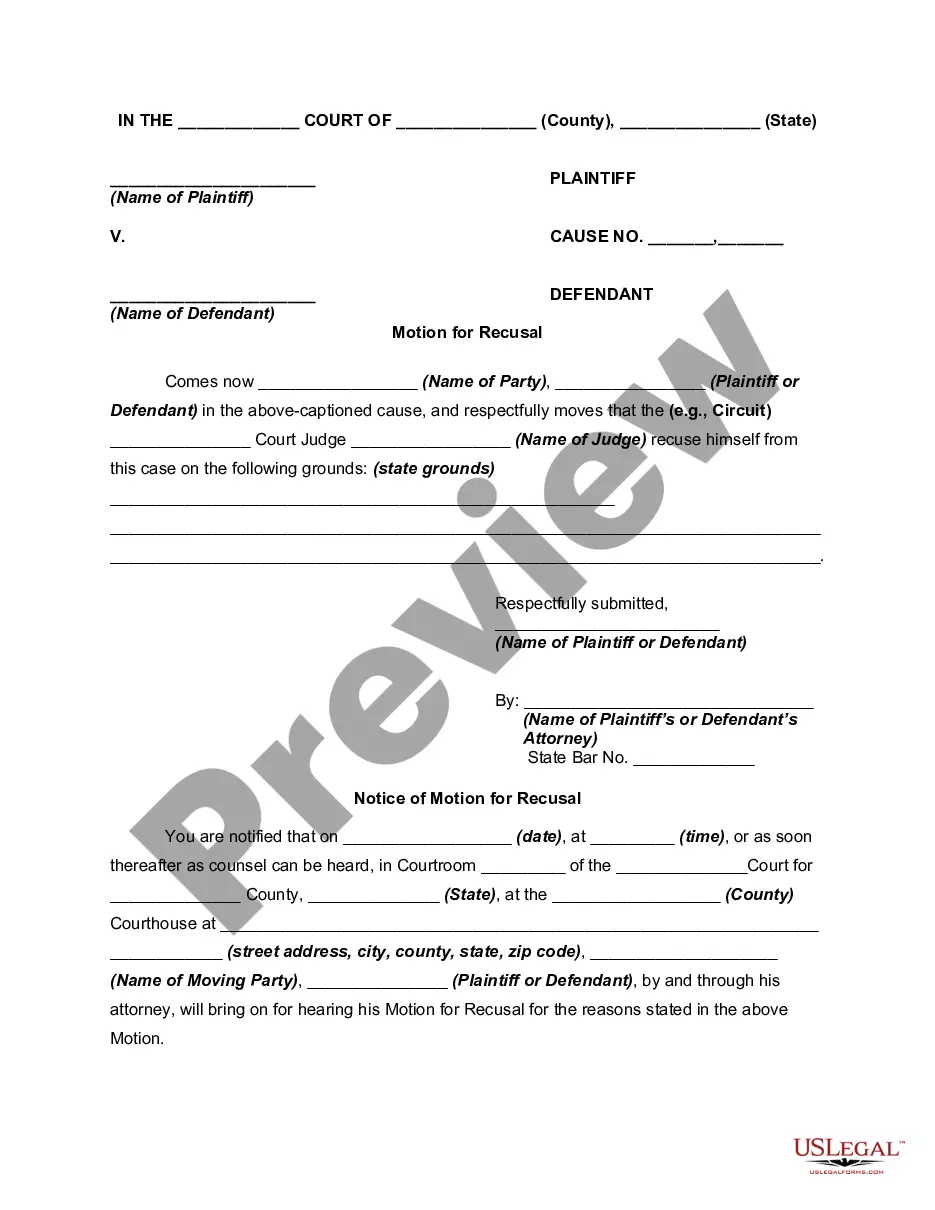
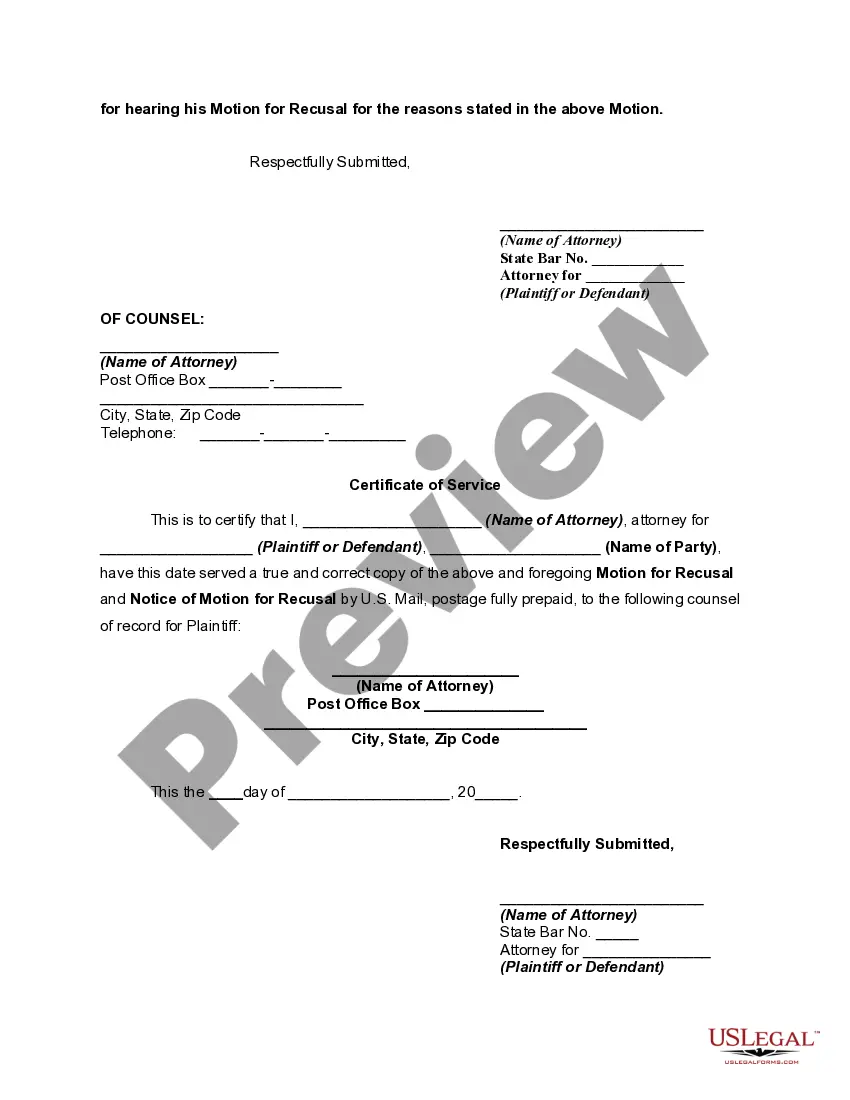
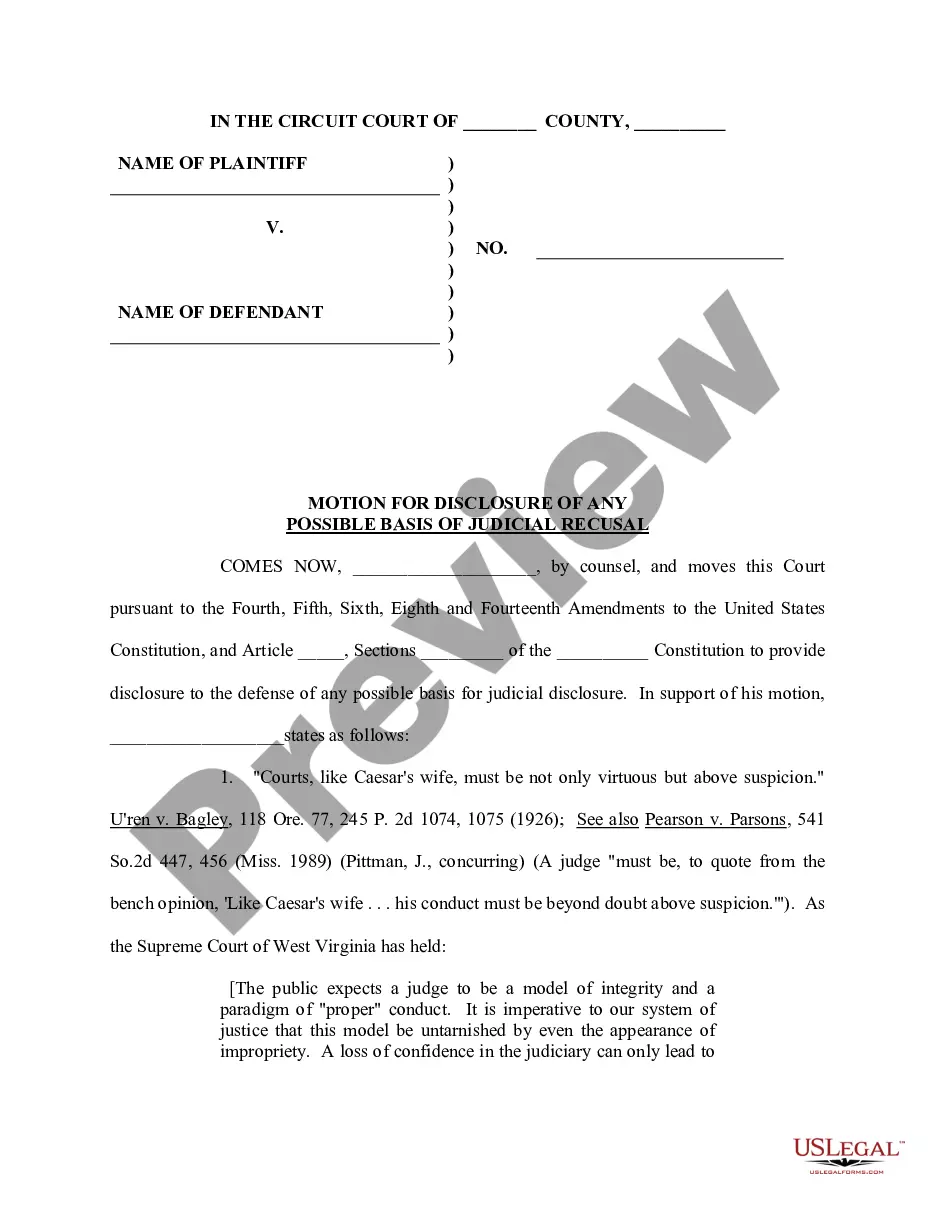
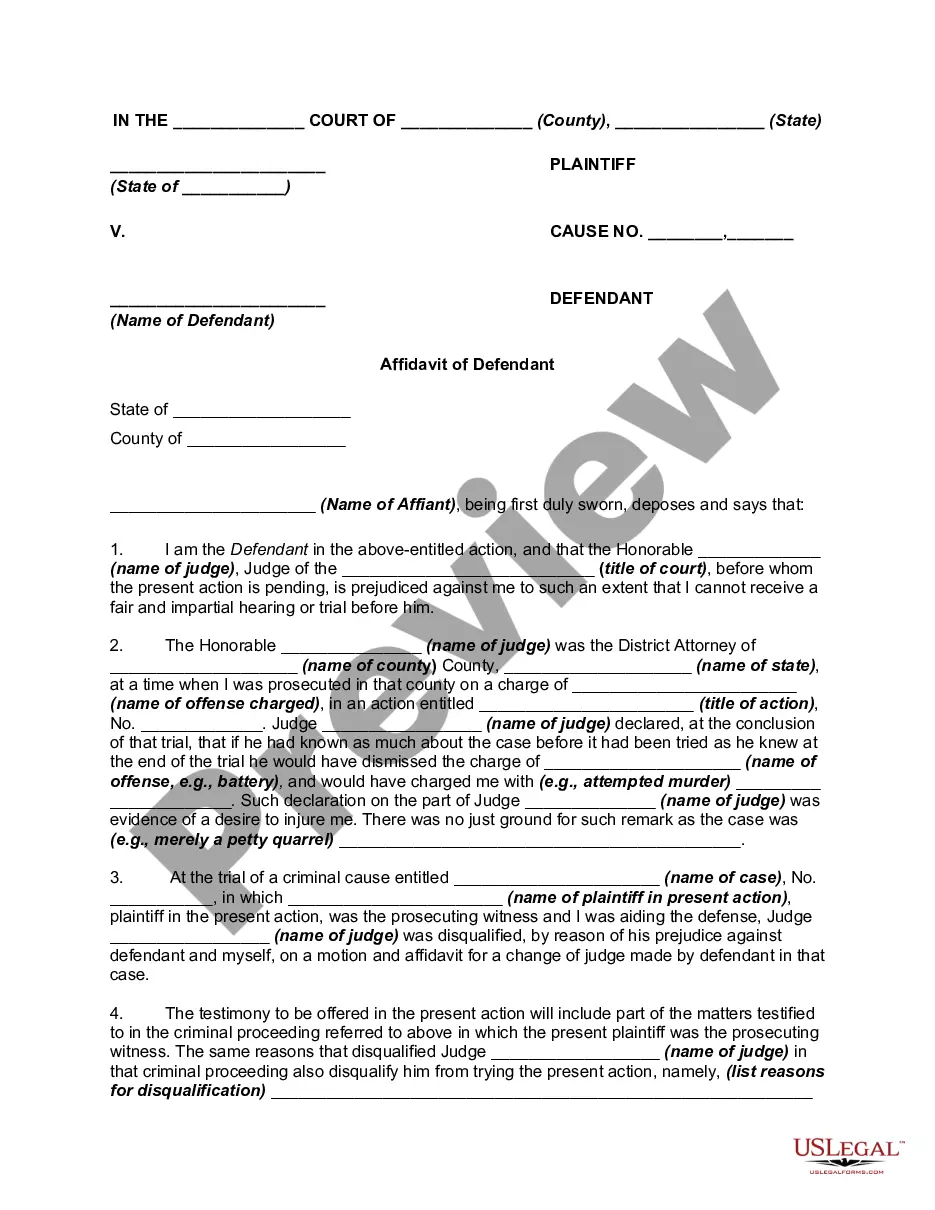
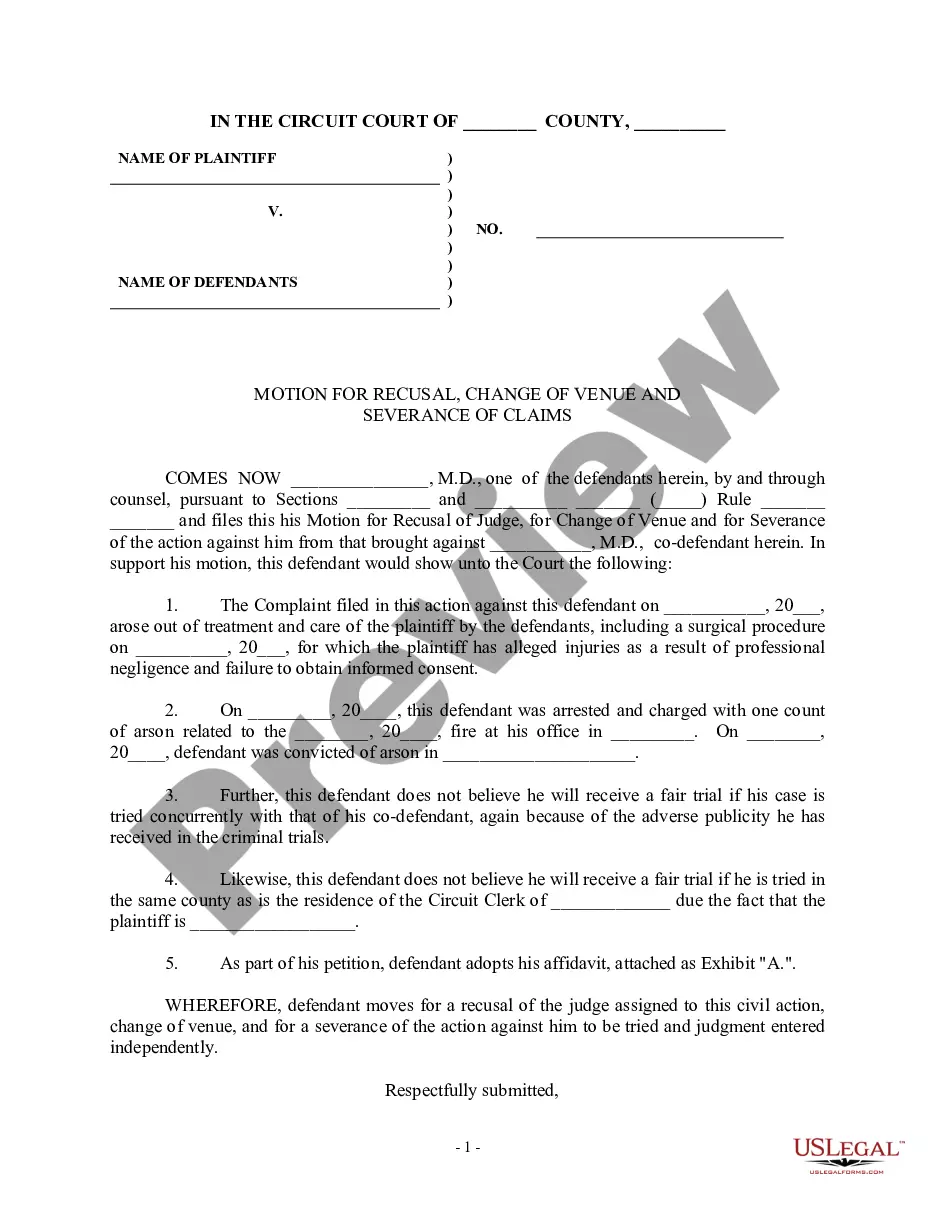
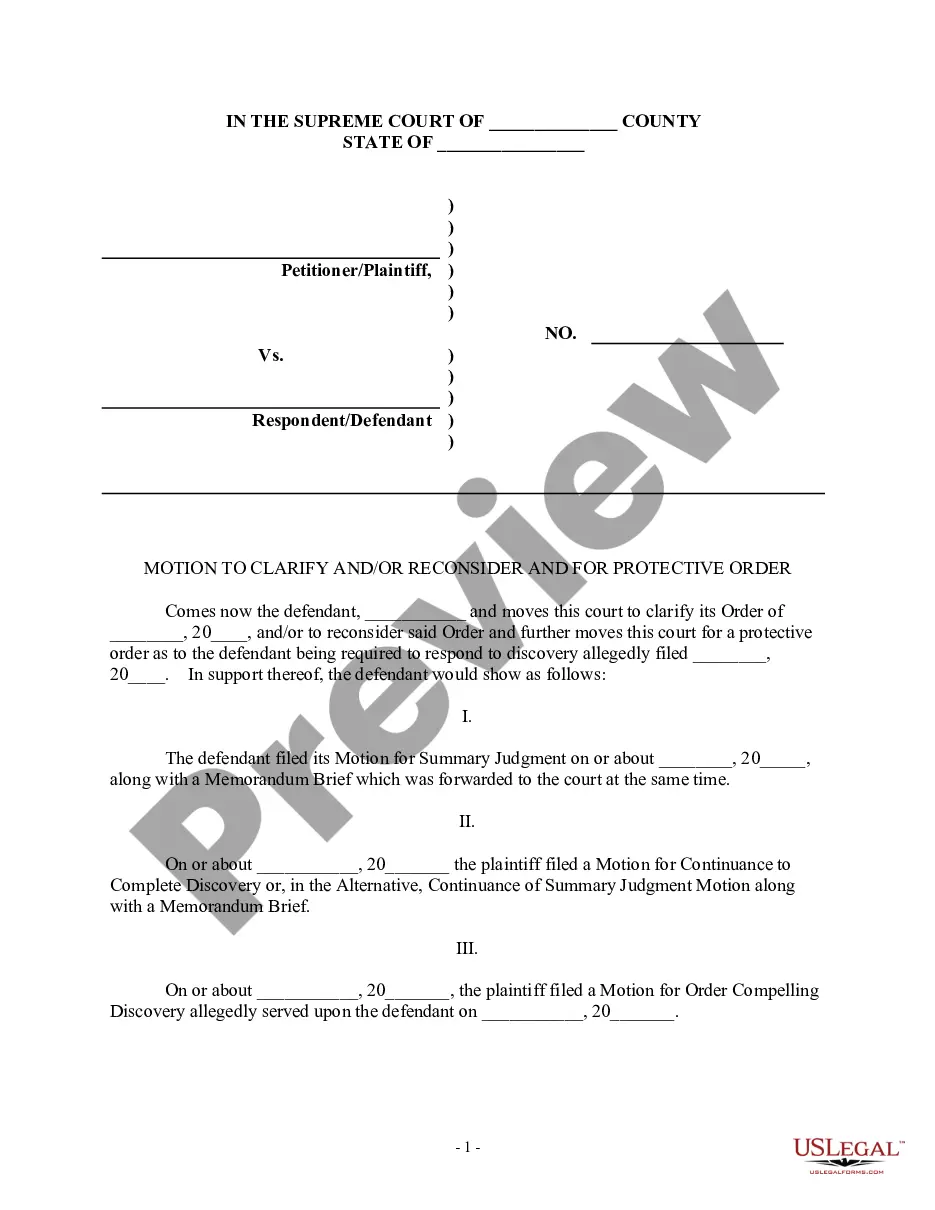
Get your form ready online
Our built-in tools help you complete, sign, share, and store your documents in one place.
Make edits, fill in missing information, and update formatting in US Legal Forms—just like you would in MS Word.
Download a copy, print it, send it by email, or mail it via USPS—whatever works best for your next step.
Sign and collect signatures with our SignNow integration. Send to multiple recipients, set reminders, and more. Go Premium to unlock E-Sign.
If this form requires notarization, complete it online through a secure video call—no need to meet a notary in person or wait for an appointment.
We protect your documents and personal data by following strict security and privacy standards.

Make edits, fill in missing information, and update formatting in US Legal Forms—just like you would in MS Word.

Download a copy, print it, send it by email, or mail it via USPS—whatever works best for your next step.

Sign and collect signatures with our SignNow integration. Send to multiple recipients, set reminders, and more. Go Premium to unlock E-Sign.

If this form requires notarization, complete it online through a secure video call—no need to meet a notary in person or wait for an appointment.

We protect your documents and personal data by following strict security and privacy standards.
Looking for another form?
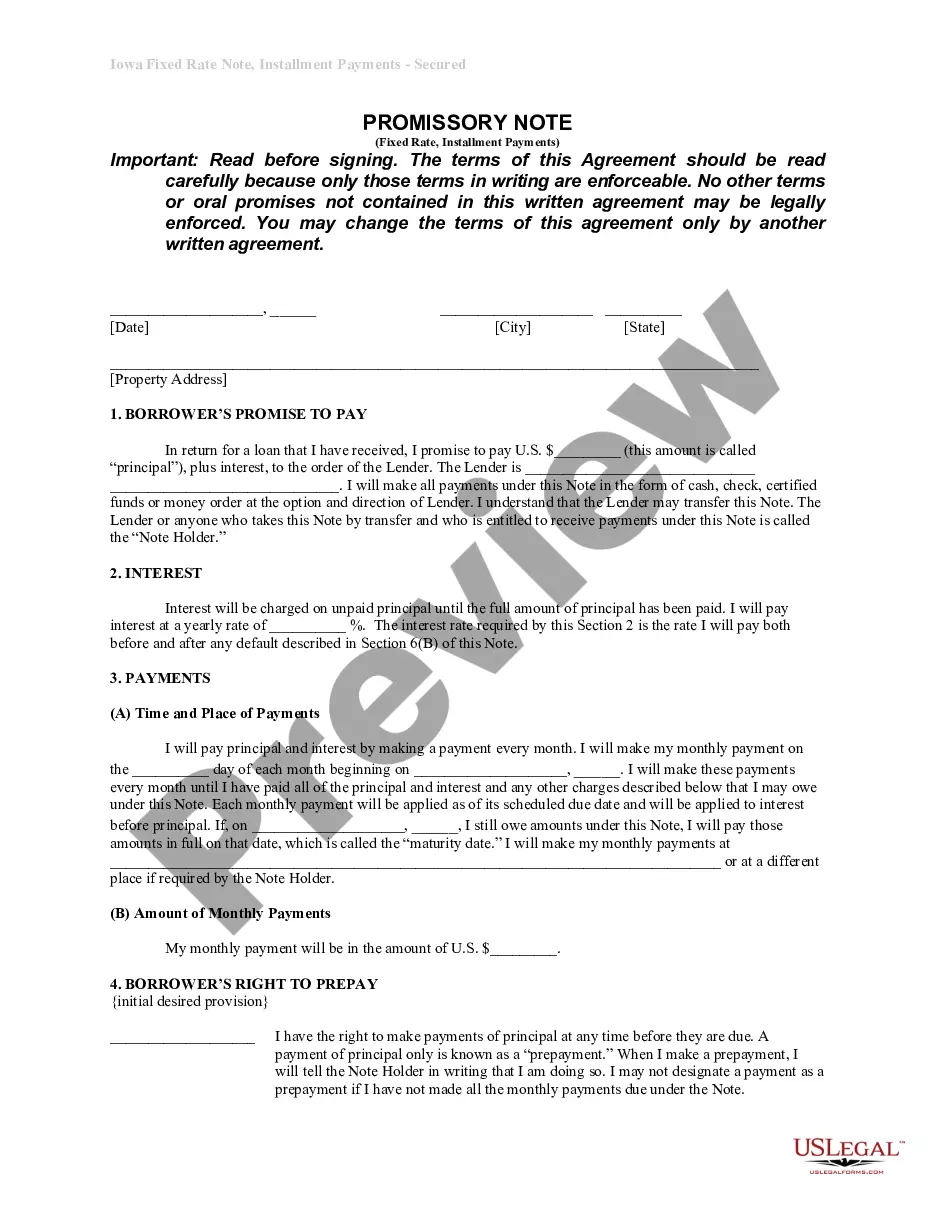

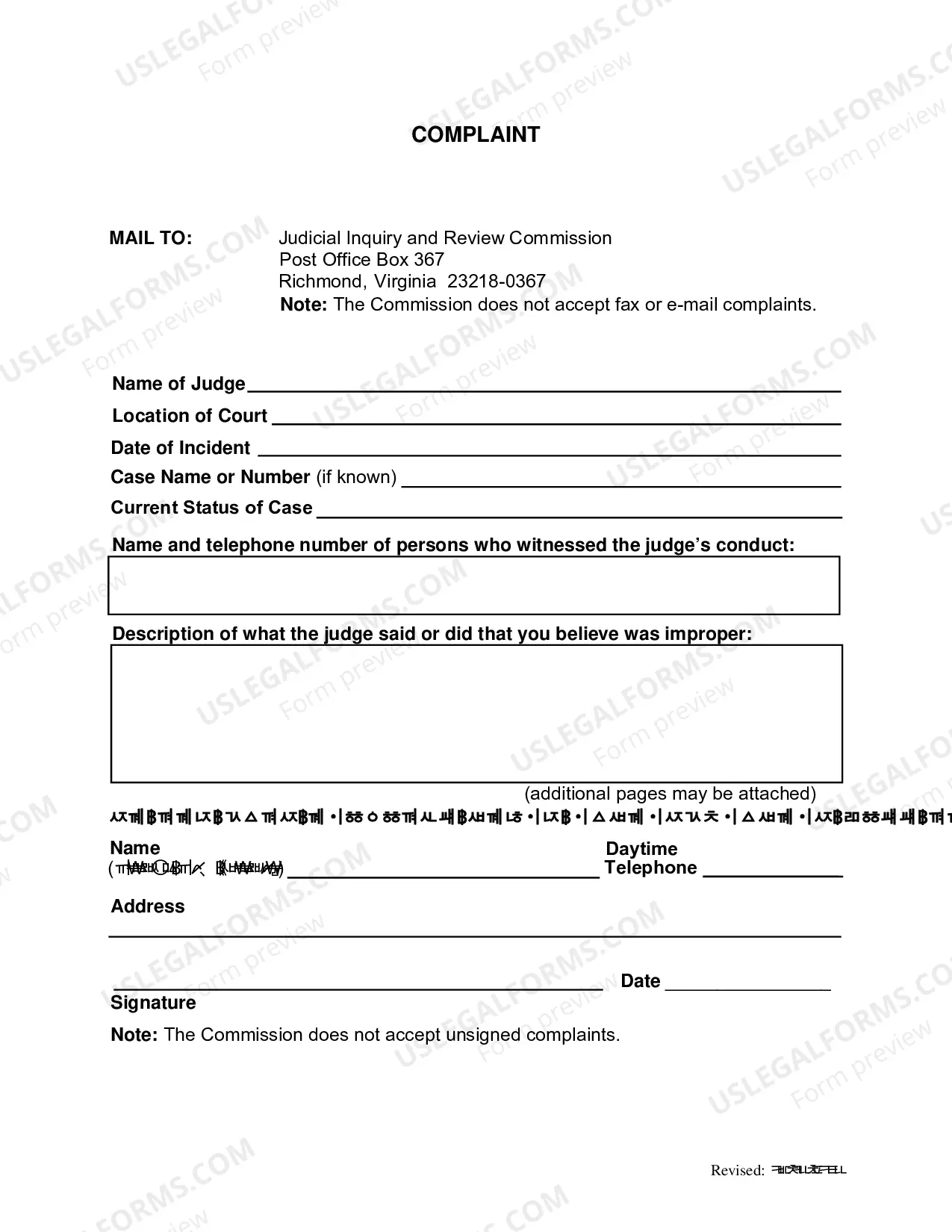
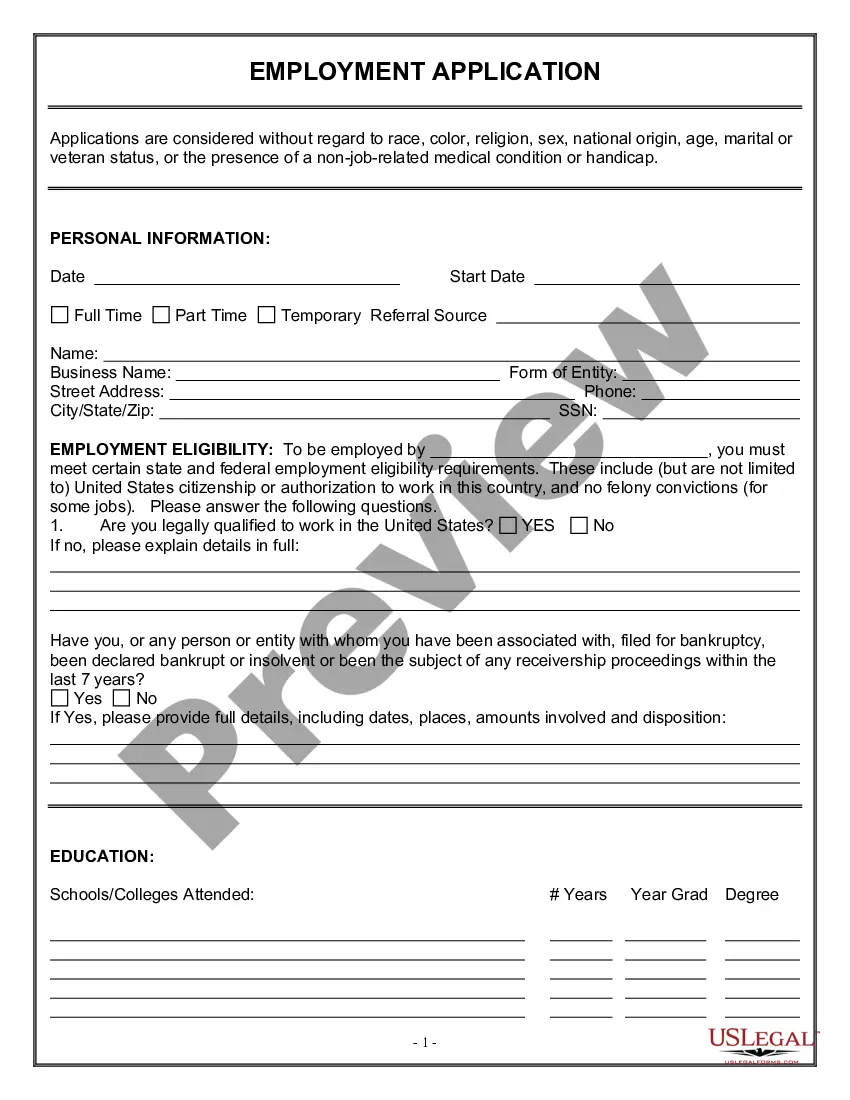

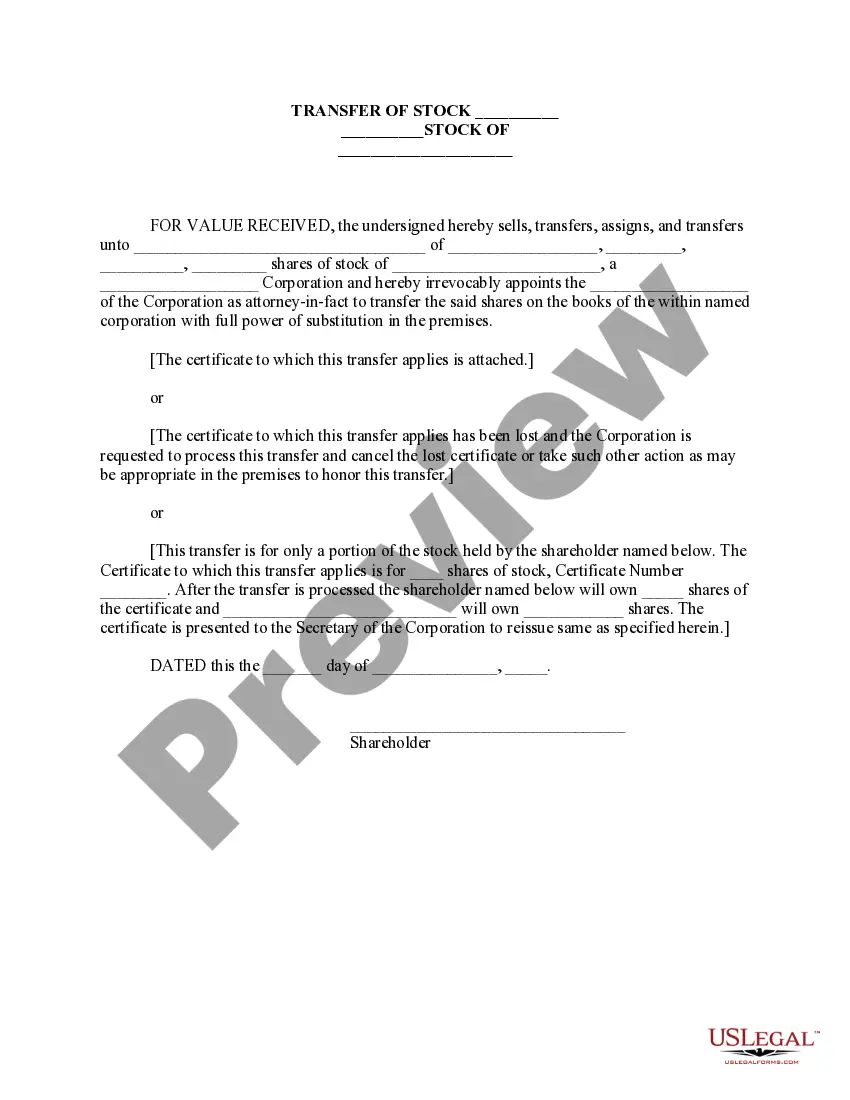
How to fill out Motion For Recusal Of Judge - Removal?
- If you're a returning user, log in to your account and download the required draft motion by selecting the Download button. Verify that your subscription is active; if not, renew it based on your plan.
- For first-time users, begin by browsing the Preview mode and form descriptions. Confirm that you've selected the right draft motion that meets your legal requirements and complies with local jurisdiction rules.
- If the chosen template doesn’t fit your needs, utilize the Search tab above to explore more options until you find the appropriate form.
- Once you've identified the correct draft motion, click on the Buy Now button and select your preferred subscription plan. You will need to create an account to take full advantage of the library.
- Complete your purchase by providing payment details via credit card or PayPal.
- Finally, download your draft motion template and save it on your device. You can also access this in the My Forms section of your profile whenever needed.
In summary, US Legal Forms empowers users with a robust library of over 85,000 legal forms, ensuring you can draft motions and other documents with ease. The platform's detailed resources and expert assistance contribute to creating accurate and effective legal documents.
Start using US Legal Forms today to simplify your legal document needs!
Form popularity
FAQ
To make a motion means to formally present a request to a judge in court. This involves proposing a specific action or decision that you want the court to take. It’s a crucial part of the legal process, as it sets the stage for discussions and decisions regarding your case. Utilizing tools like USLegalForms can facilitate the motion-making process.
When you file a motion, the court will review your request and decide whether to schedule a hearing. The opposing party may respond, providing their arguments against your motion. Once all information is presented, the judge will make a ruling based on the merits of your case. Using USLegalForms can streamline your filing process and improve your chances of success.
To draft a motion means to create a formal request for a court's decision on a specific issue. This document outlines your arguments and the legal basis for your request. It's important to be clear and precise to ensure the court understands your position. Tools like USLegalForms provide templates that can simplify the drafting process.
To draft a motion for court, start by clearly stating your request at the beginning. Include supporting facts and legal reasons to explain why the court should grant your motion. Use a straightforward format, and be sure to cite any relevant laws. For assistance, you can use platforms like USLegalForms to guide you in creating effective motions.
Writing a successful motion to dismiss requires a strong grasp of the legal grounds for dismissal. Begin by stating the basis for your motion, such as lack of jurisdiction or failure to state a claim. Support your arguments with applicable laws and case precedents. Utilizing US Legal Forms can provide you with a solid framework as you draft motions for dismissal.
The success rate of self-representation varies based on the case type and individual preparedness. Many people find it challenging, especially in complex legal matters. Statistically, those who draft motions and represent themselves tend to face lower success rates compared to those with legal representation. However, with diligent research and the right resources, such as US Legal Forms, you can improve your chances.
Writing a motion response involves addressing the claims made in the original motion. Start by acknowledging the motion and then offer your counterarguments, supported by facts or legal precedents. Make sure to adhere to the appropriate court format. Using US Legal Forms can help you draft motions and responses effectively, ensuring you cover all necessary points.
To write your own motion, begin by clearly stating the purpose of your request. Next, include relevant facts and legal grounds that support your motion. Use precise language and ensure your motion follows the court's prescribed format. Utilizing resources available on platforms like US Legal Forms can streamline this process by providing templates and guidelines.
If someone does not respond to a motion to compel, the court may view their silence as an admission of the request's validity. This often leads to the motion being granted automatically, resulting in enforced compliance with the original discovery request. Hence, it's crucial to clearly communicate and draft motions effectively to avoid this situation.
The consequences of a motion to compel primarily include the potential for the court to order compliance with discovery requests. If a party fails to comply even after the motion's approval, they may face legal penalties or sanctions. Thus, understanding the implications is essential when you draft motions.