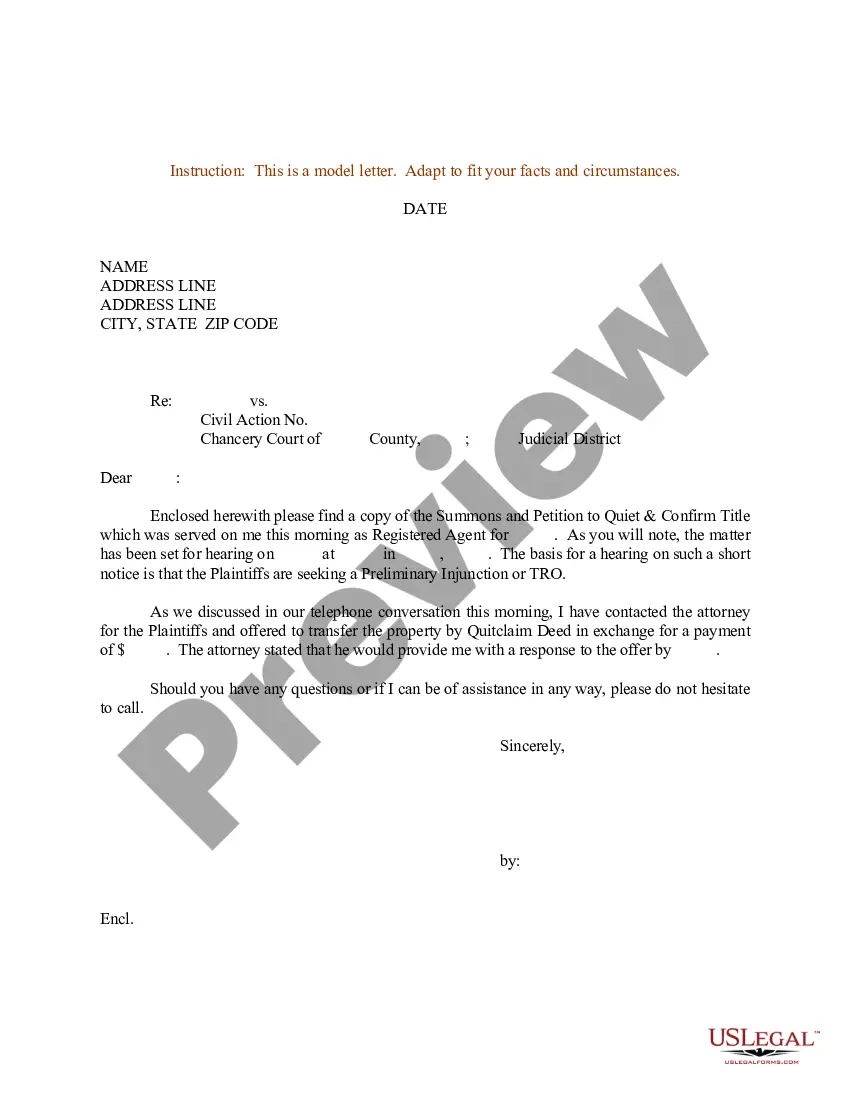
Missouri Quiet Title Form With Attorney
Description
Get your form ready online
Our built-in tools help you complete, sign, share, and store your documents in one place.
Make edits, fill in missing information, and update formatting in US Legal Forms—just like you would in MS Word.
Download a copy, print it, send it by email, or mail it via USPS—whatever works best for your next step.
Sign and collect signatures with our SignNow integration. Send to multiple recipients, set reminders, and more. Go Premium to unlock E-Sign.
If this form requires notarization, complete it online through a secure video call—no need to meet a notary in person or wait for an appointment.
We protect your documents and personal data by following strict security and privacy standards.

Make edits, fill in missing information, and update formatting in US Legal Forms—just like you would in MS Word.

Download a copy, print it, send it by email, or mail it via USPS—whatever works best for your next step.

Sign and collect signatures with our SignNow integration. Send to multiple recipients, set reminders, and more. Go Premium to unlock E-Sign.

If this form requires notarization, complete it online through a secure video call—no need to meet a notary in person or wait for an appointment.

We protect your documents and personal data by following strict security and privacy standards.
Looking for another form?

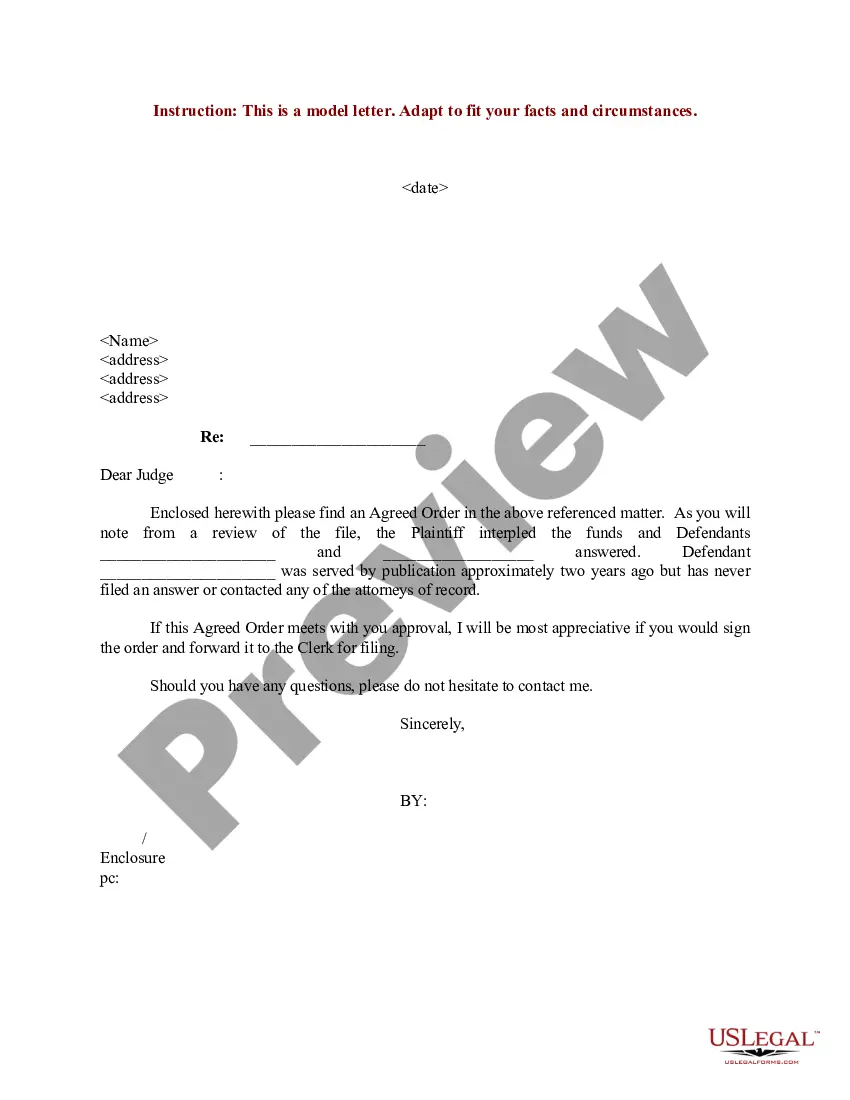
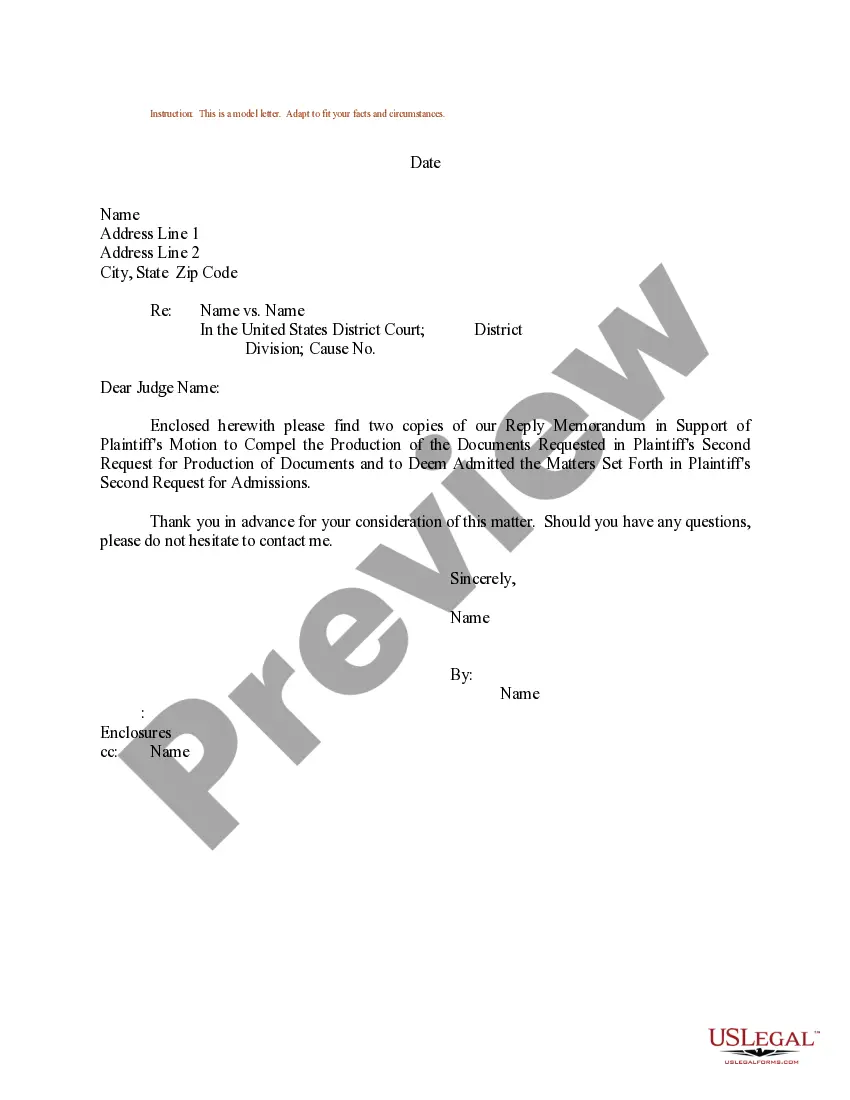
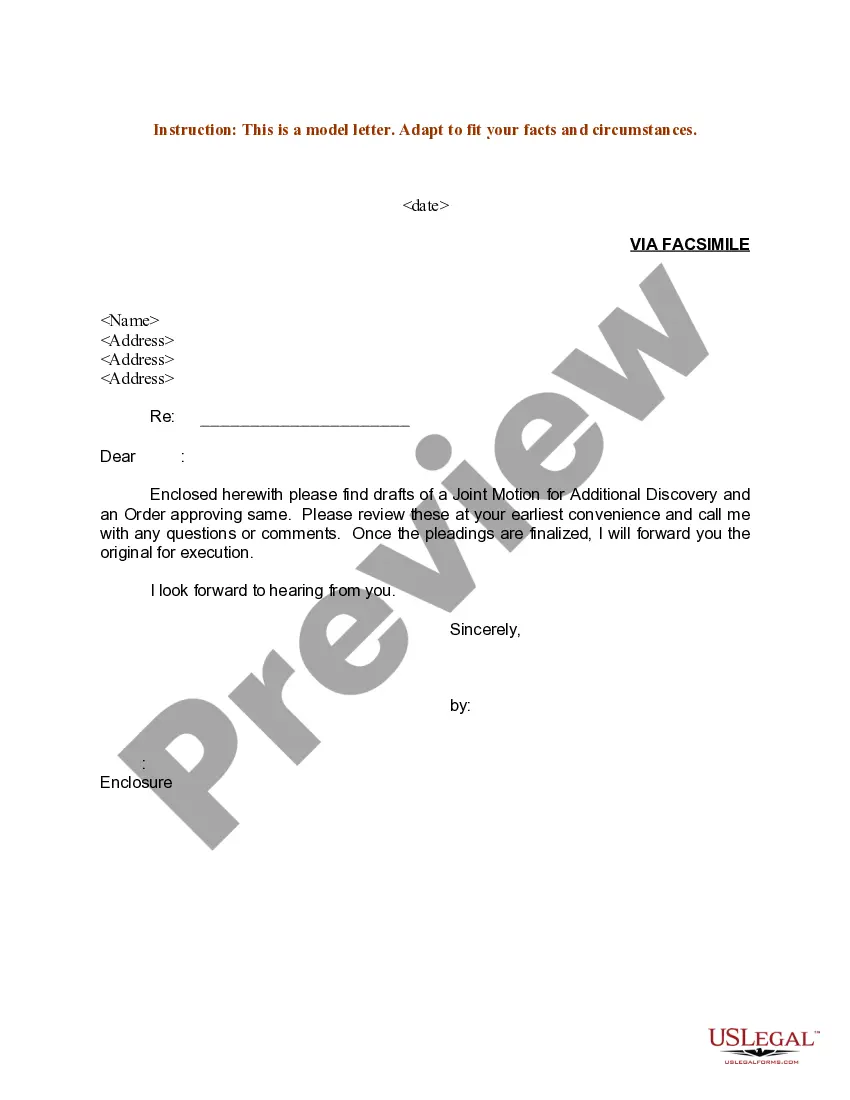
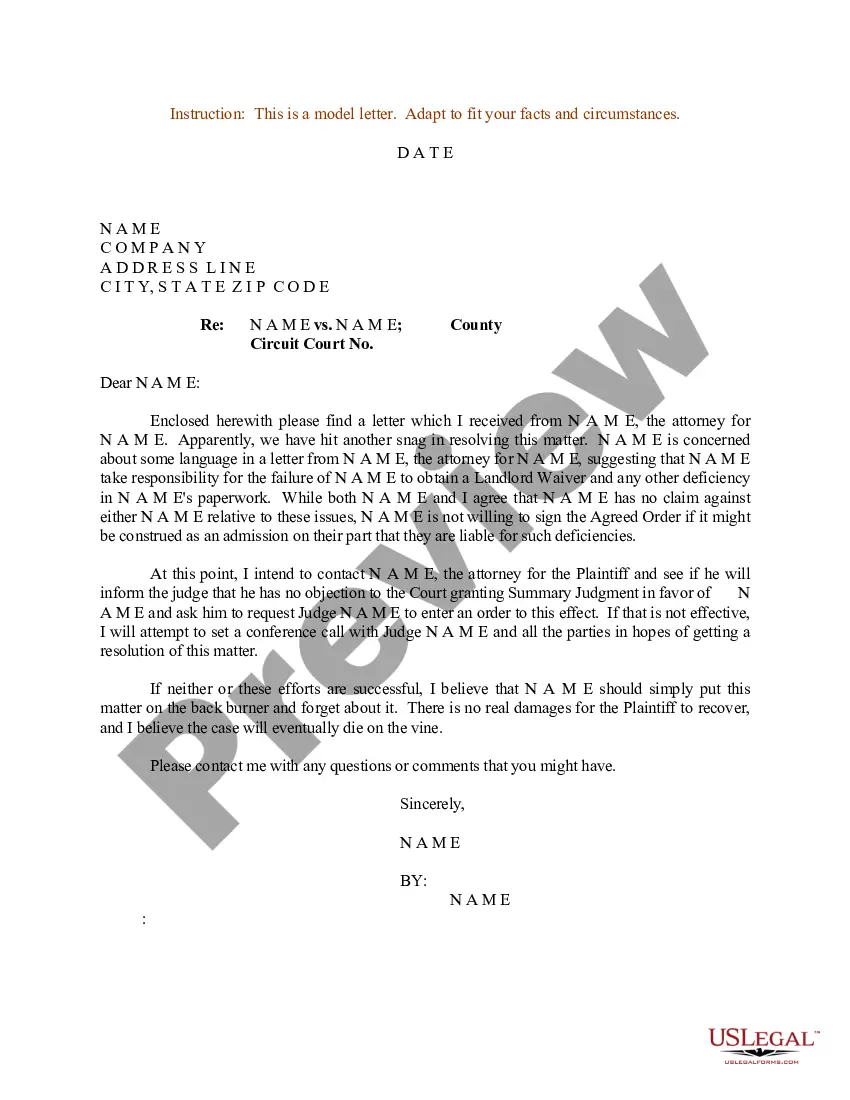
How to fill out Sample Letter For Summons And Petition To Quiet And Confirm Title?
It’s clear that you cannot instantly become a legal expert, nor can you easily learn how to swiftly prepare the Missouri Quiet Title Form With Attorney without a specific background in this field.
Drafting legal documents is a lengthy process that demands specialized training and expertise.
So why not delegate the preparation of the Missouri Quiet Title Form With Attorney to the experts.
You can retrieve your documents anytime from the My documents section. If you are an existing customer, simply Log In, and find and download the template from the same section.
No matter the purpose of your documents—whether financial, legal, or personal—our website has you covered. Give US Legal Forms a try now!
- Locate the document you need using the search feature at the top of the site.
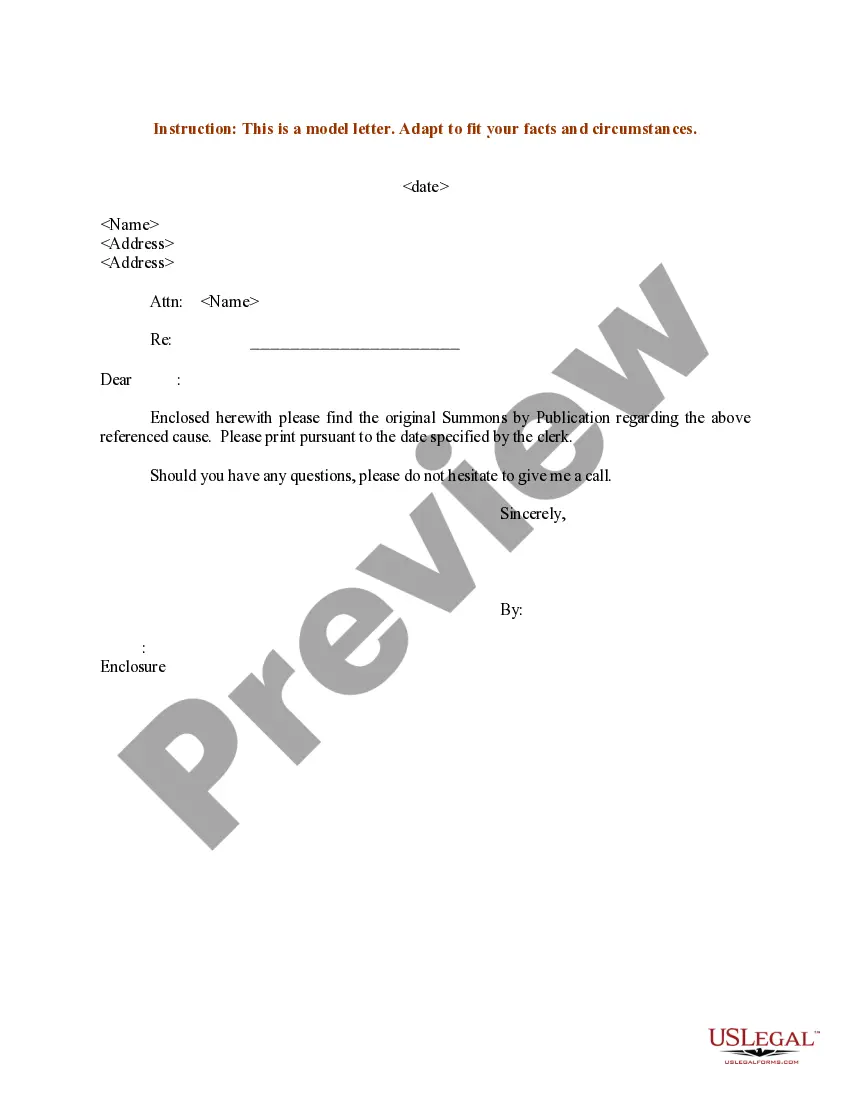
- Preview it (if this feature is available) and read the accompanying description to determine if the Missouri Quiet Title Form With Attorney meets your requirements.
- If you need a different form, restart your search.
- Create a free account and choose a subscription plan to purchase the form.
- Click Buy now. Once the payment is confirmed, you can download the Missouri Quiet Title Form With Attorney, fill it out, print it, and send or mail it to the relevant parties or organizations.
Form popularity
FAQ
The cost of setting up a living trust in Rhode Island varies based on the method you go with. Online programs are common and typically cost $200 or less. However, there are significant risks to be mindful of when it comes to DIY estate planning. Seeking the help of a lawyer, while safer, could run you $1,000 or more.
Irrevocable trusts are generally set up to minimize estate taxes, access government benefits, and protect assets. This is in contrast to a revocable trust, which allows the grantor to modify the trust, but loses certain benefits such as creditor protection.
A revocable trust can be changed at any time by the grantor during their lifetime, as long as they are competent. An irrevocable trust usually can't be changed without a court order or the approval of all the trust's beneficiaries. This makes an irrevocable trust less flexible.
One isn't necessarily better than the other, as they both have their advantages and disadvantages. While the revocable trust offers more flexibility, the irrevocable trust offers certain advantages such as creditor protection.
Yes, once the trust grantor becomes incapacitated or dies, his revocable trust is now irrevocable, meaning that generally the terms of the trust cannot be changed or revoked going forward. This is also true of trusts established by the grantor with the intention that they be irrevocable from the start.
A revocable trust and living trust are separate terms that describe the same thing: a trust in which the terms can be changed at any time. An irrevocable trust describes a trust that cannot be modified after it is created without the beneficiaries' consent.
Disadvantages of Irrevocable Trusts Fairly Rigid terms: They are not very flexible. Once the terms are established, they can be difficult to change. The Three-Year Rule: If you include life insurance in an irrevocable trust and pass away within three years, the proceeds return to your estate and become taxable.
What is a Trust Restatement? Trust restatement is the process of rewriting the structure of a Trust to make significant changes to its provisions. The process of restatement completely replaces the previous structure of the Trust, and must follow the same formalities of the original process.