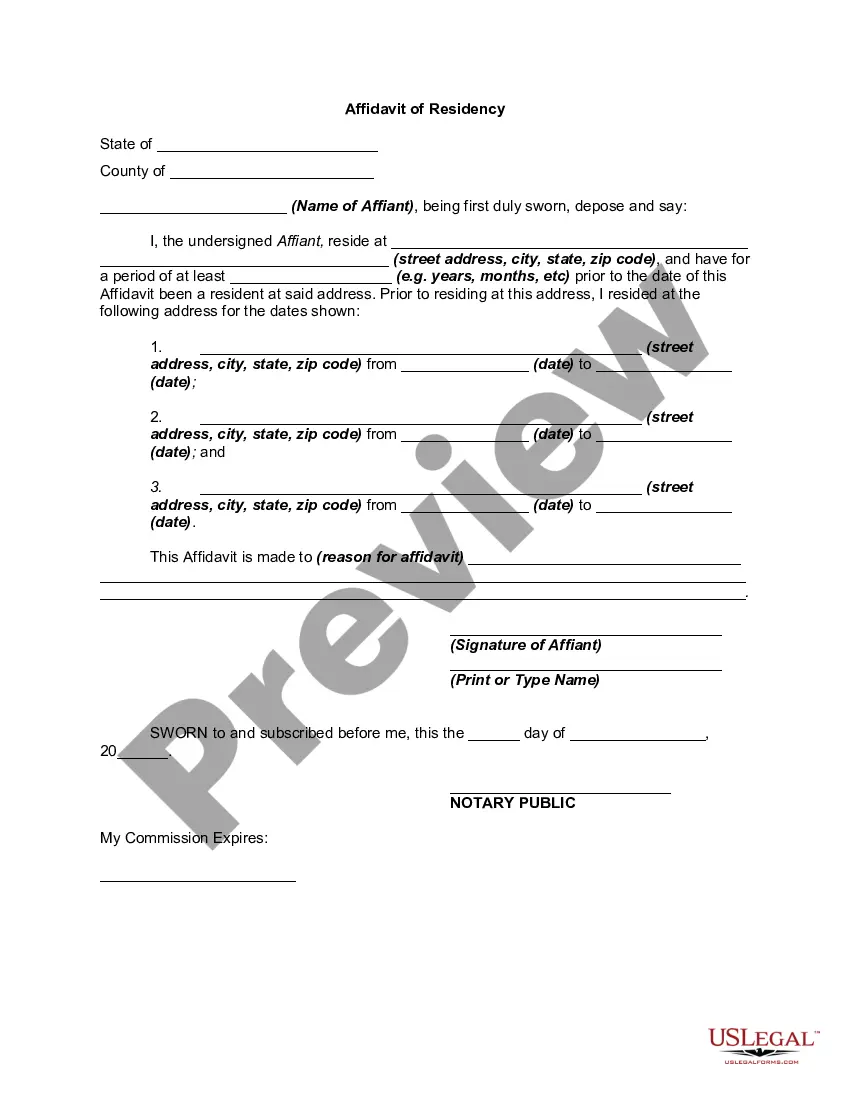
Proof Of Residency Letter With Notary
Description
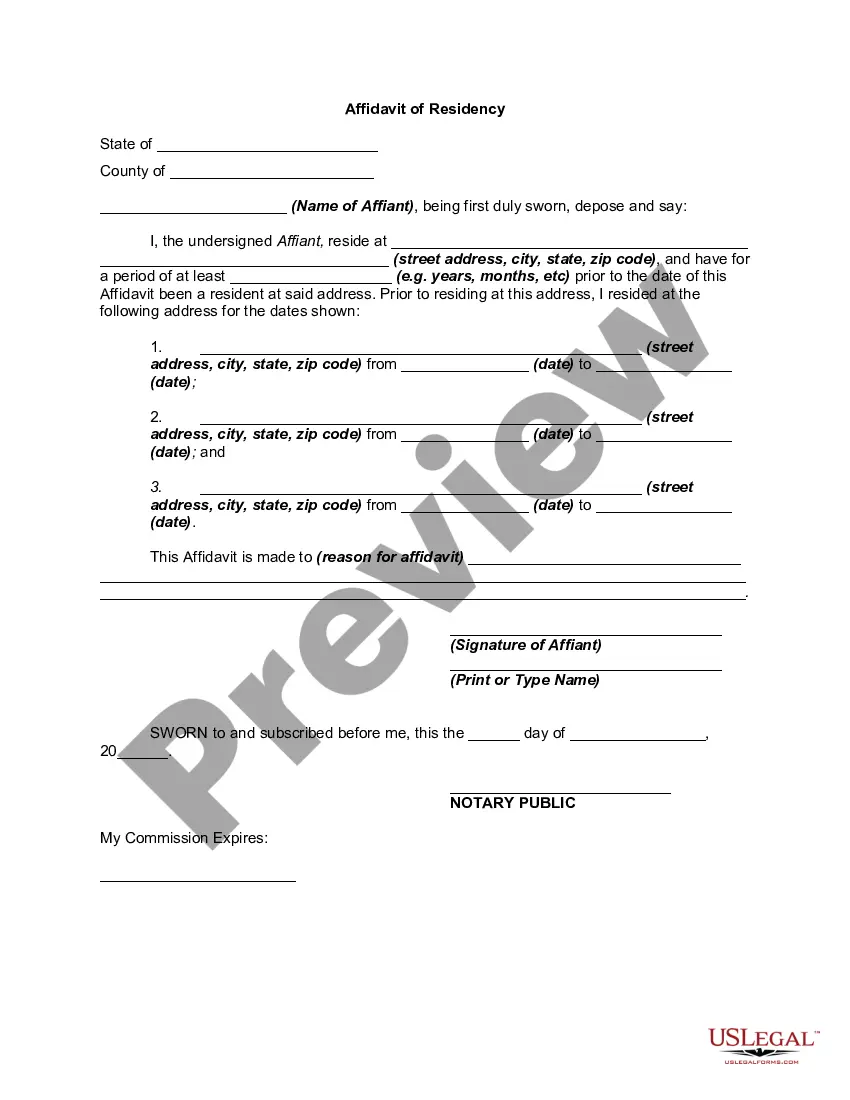
Get your form ready online
Our built-in tools help you complete, sign, share, and store your documents in one place.
Make edits, fill in missing information, and update formatting in US Legal Forms—just like you would in MS Word.
Download a copy, print it, send it by email, or mail it via USPS—whatever works best for your next step.
Sign and collect signatures with our SignNow integration. Send to multiple recipients, set reminders, and more. Go Premium to unlock E-Sign.
If this form requires notarization, complete it online through a secure video call—no need to meet a notary in person or wait for an appointment.
We protect your documents and personal data by following strict security and privacy standards.

Make edits, fill in missing information, and update formatting in US Legal Forms—just like you would in MS Word.

Download a copy, print it, send it by email, or mail it via USPS—whatever works best for your next step.

Sign and collect signatures with our SignNow integration. Send to multiple recipients, set reminders, and more. Go Premium to unlock E-Sign.

If this form requires notarization, complete it online through a secure video call—no need to meet a notary in person or wait for an appointment.

We protect your documents and personal data by following strict security and privacy standards.
Looking for another form?
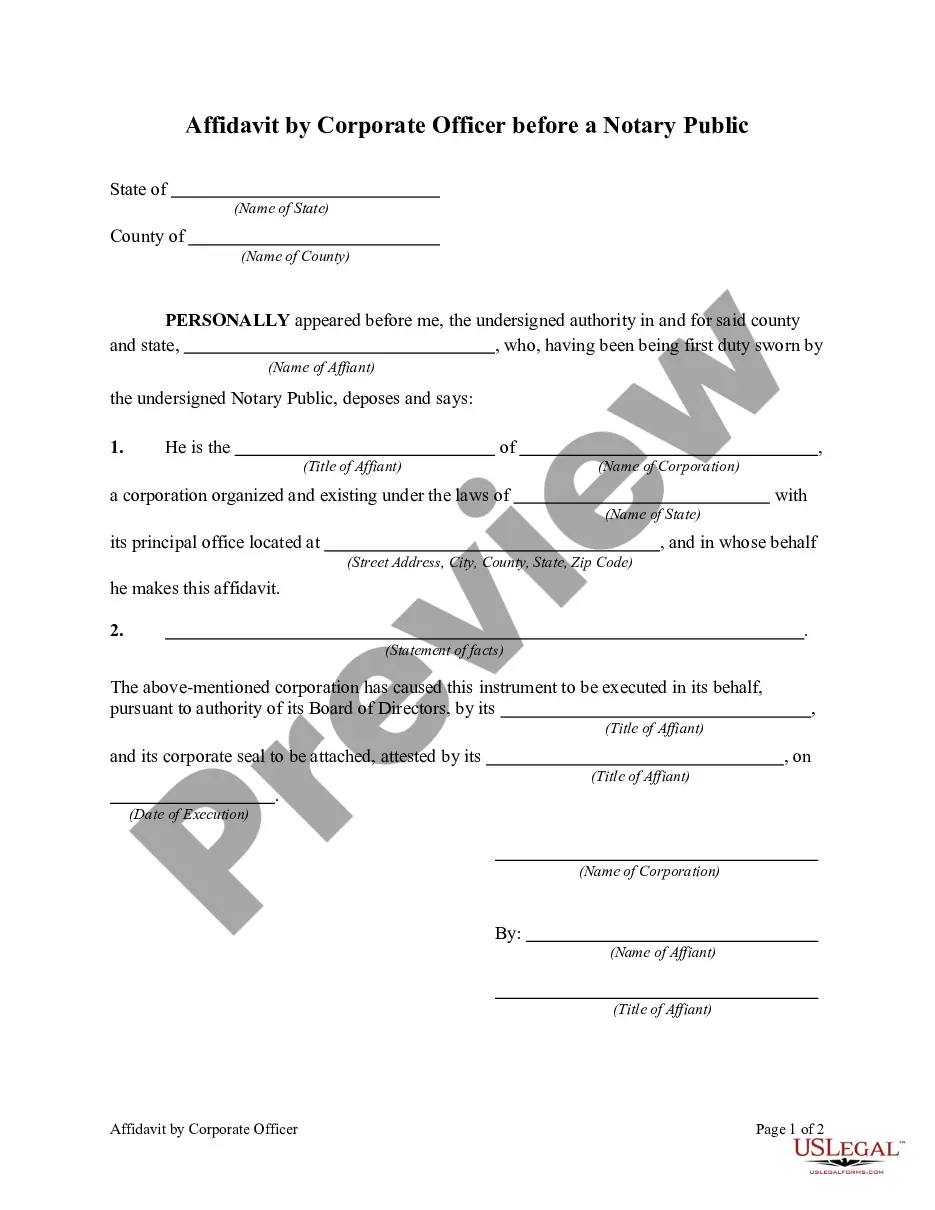

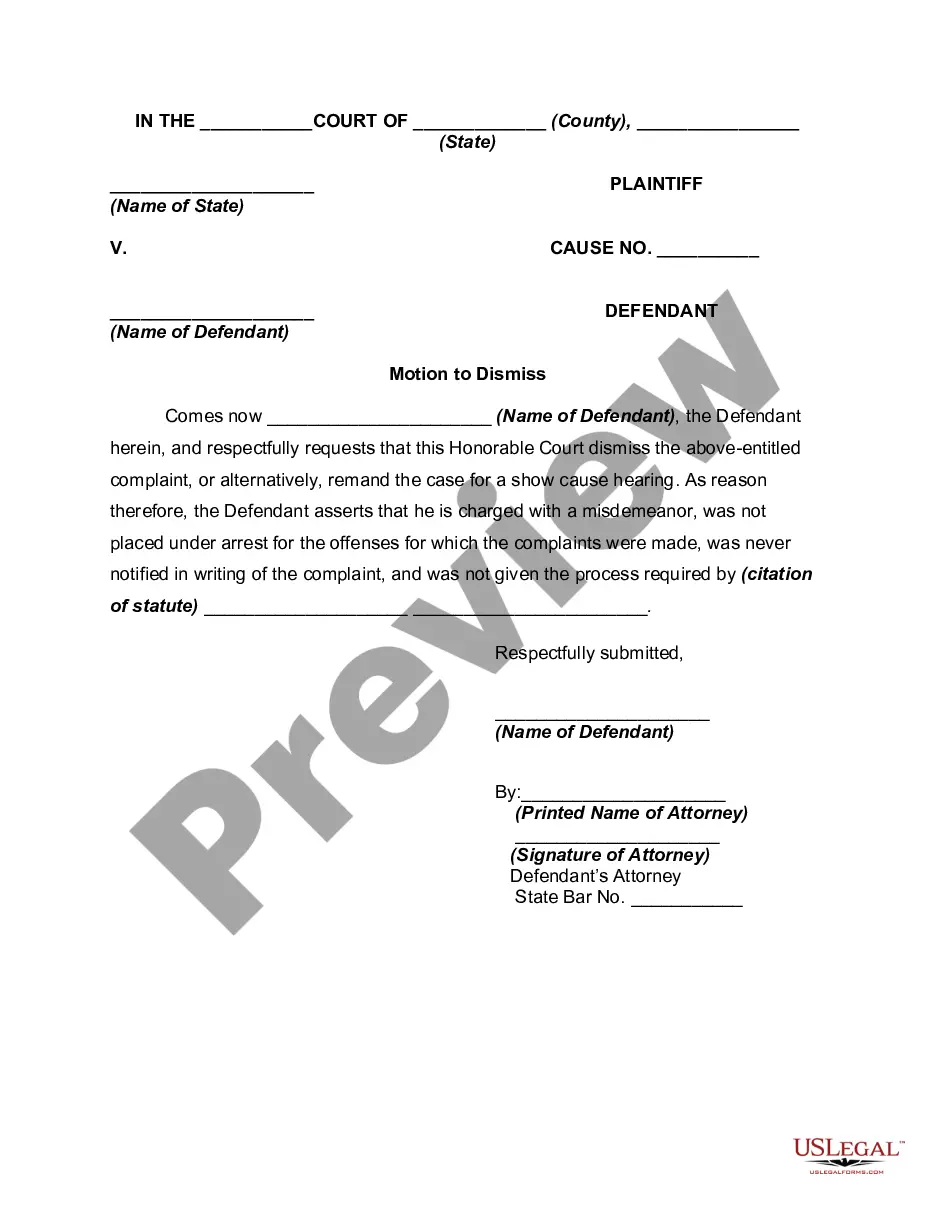
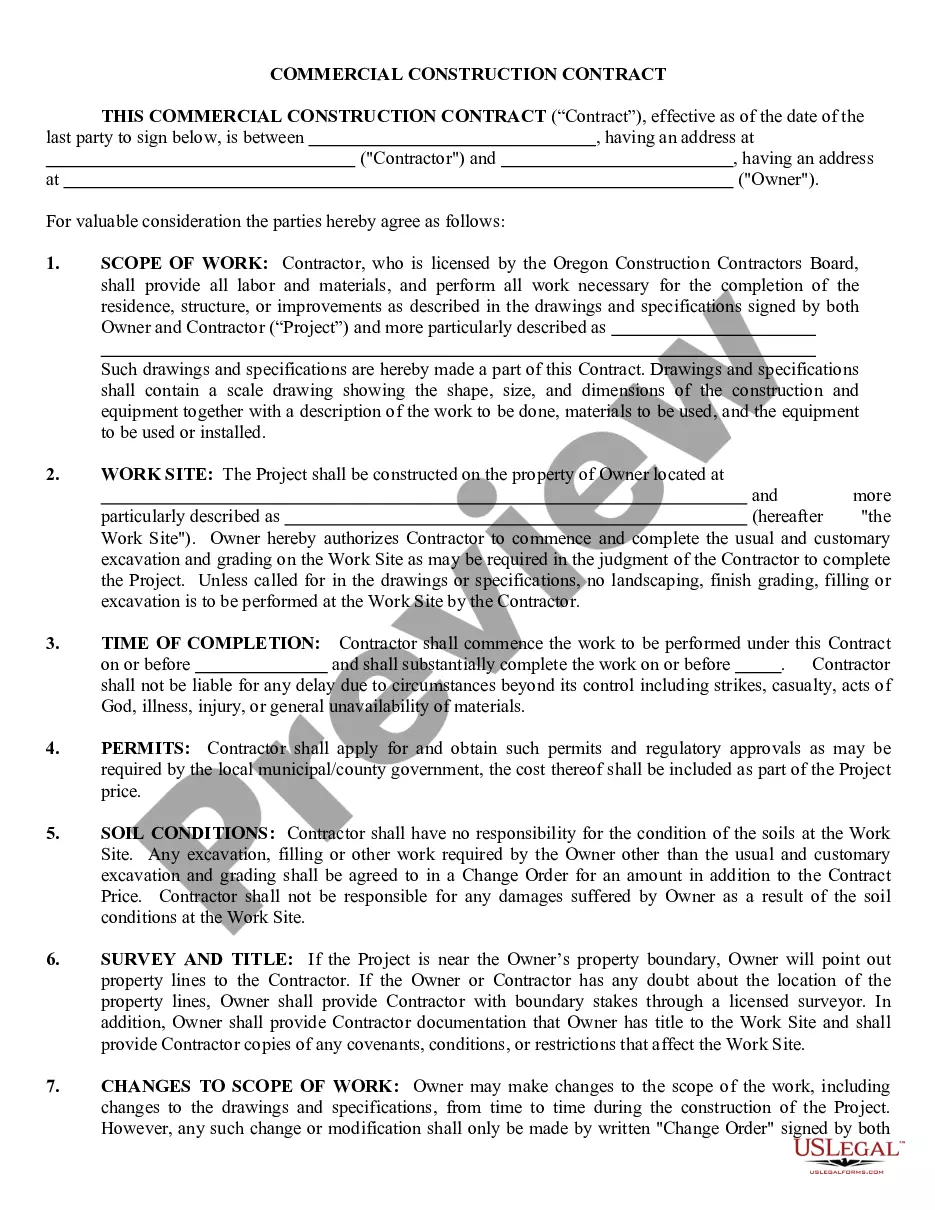
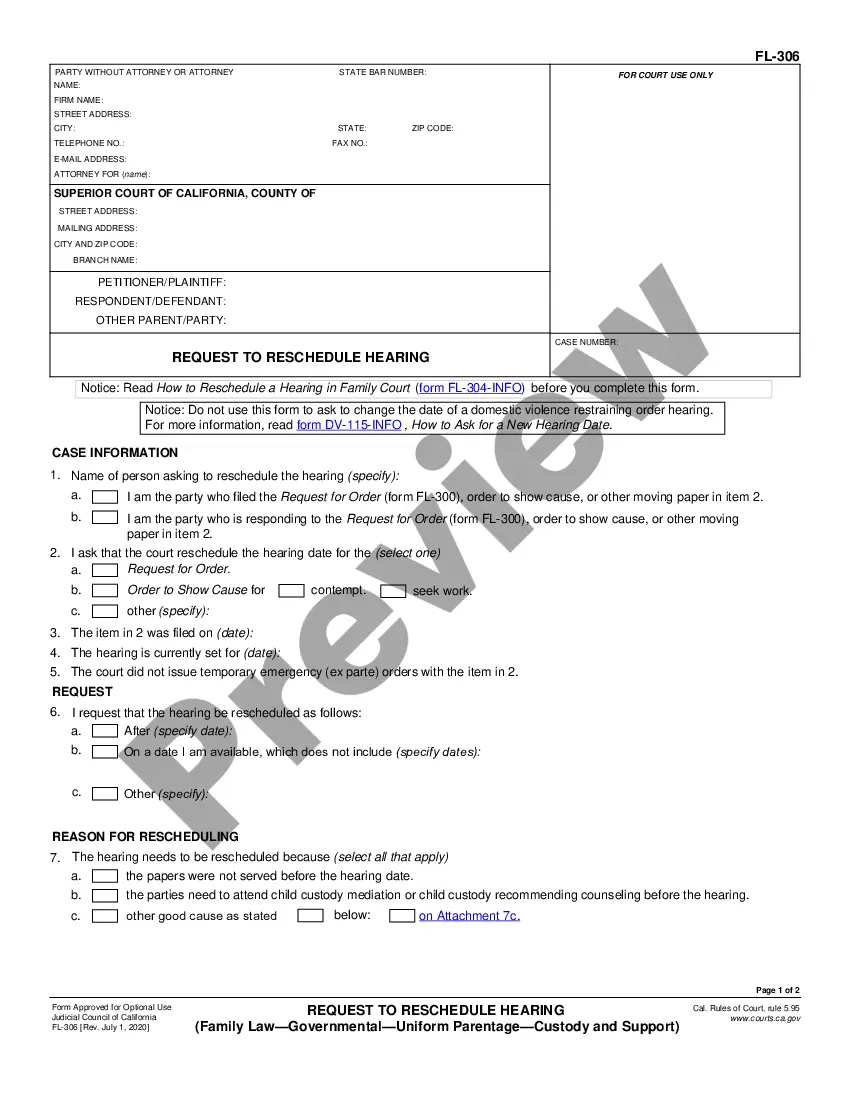
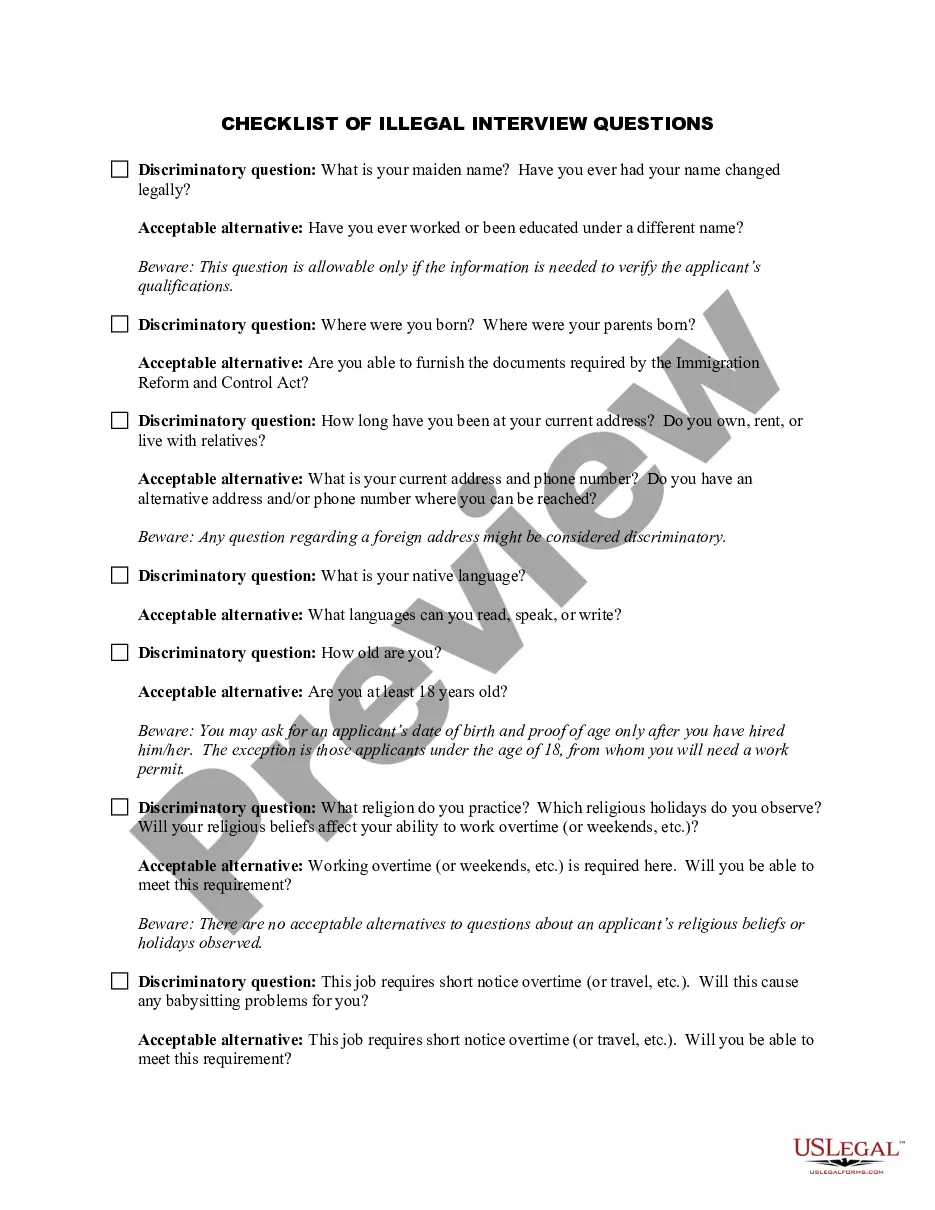
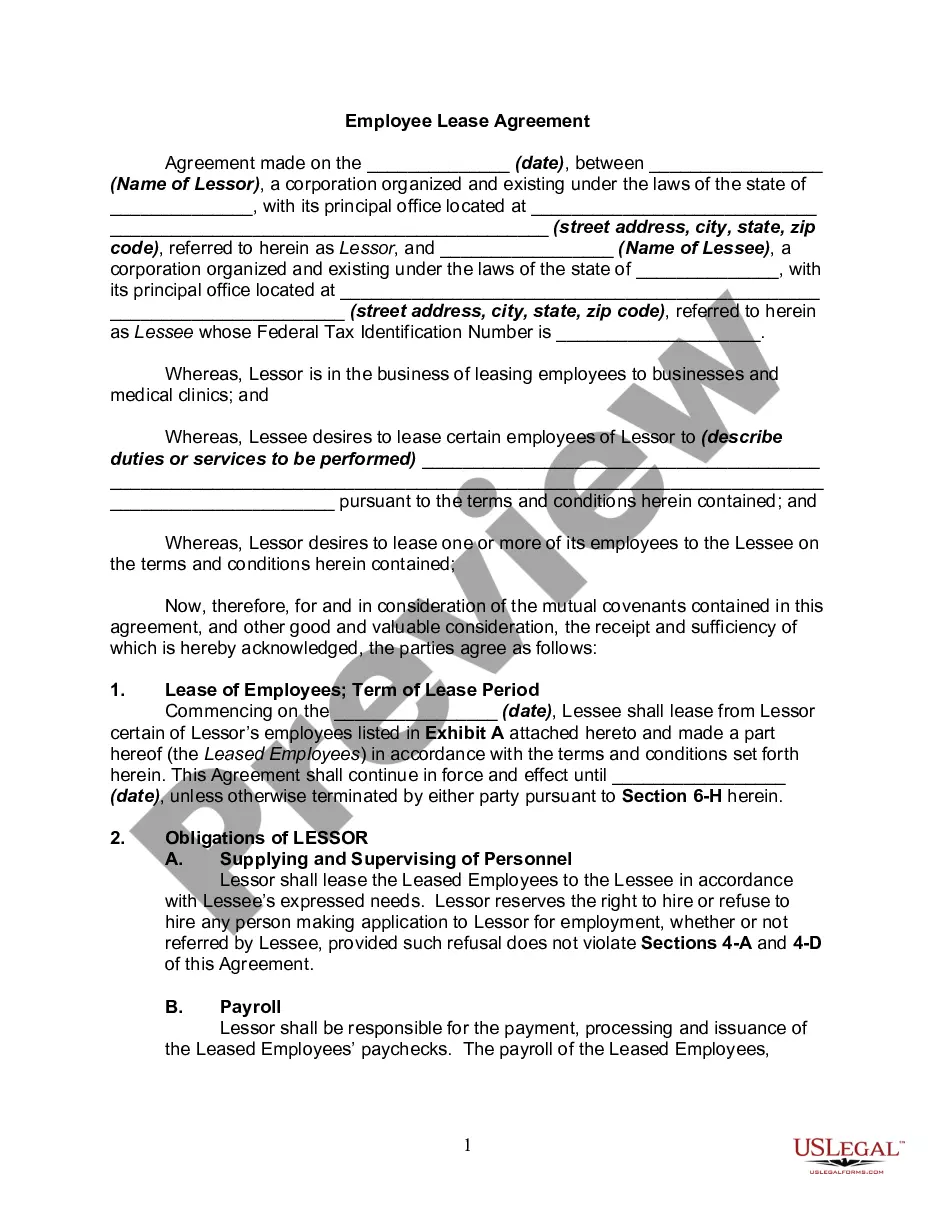
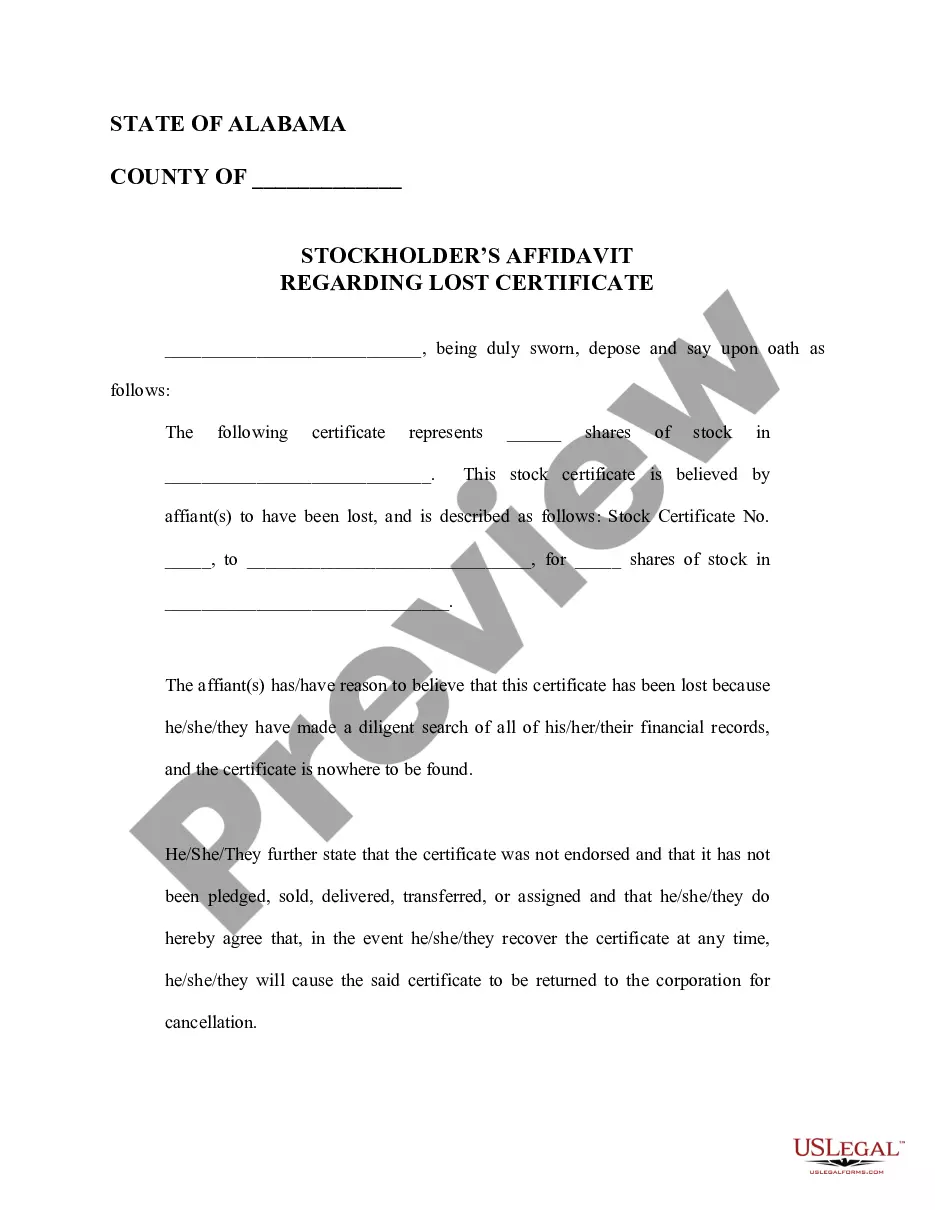
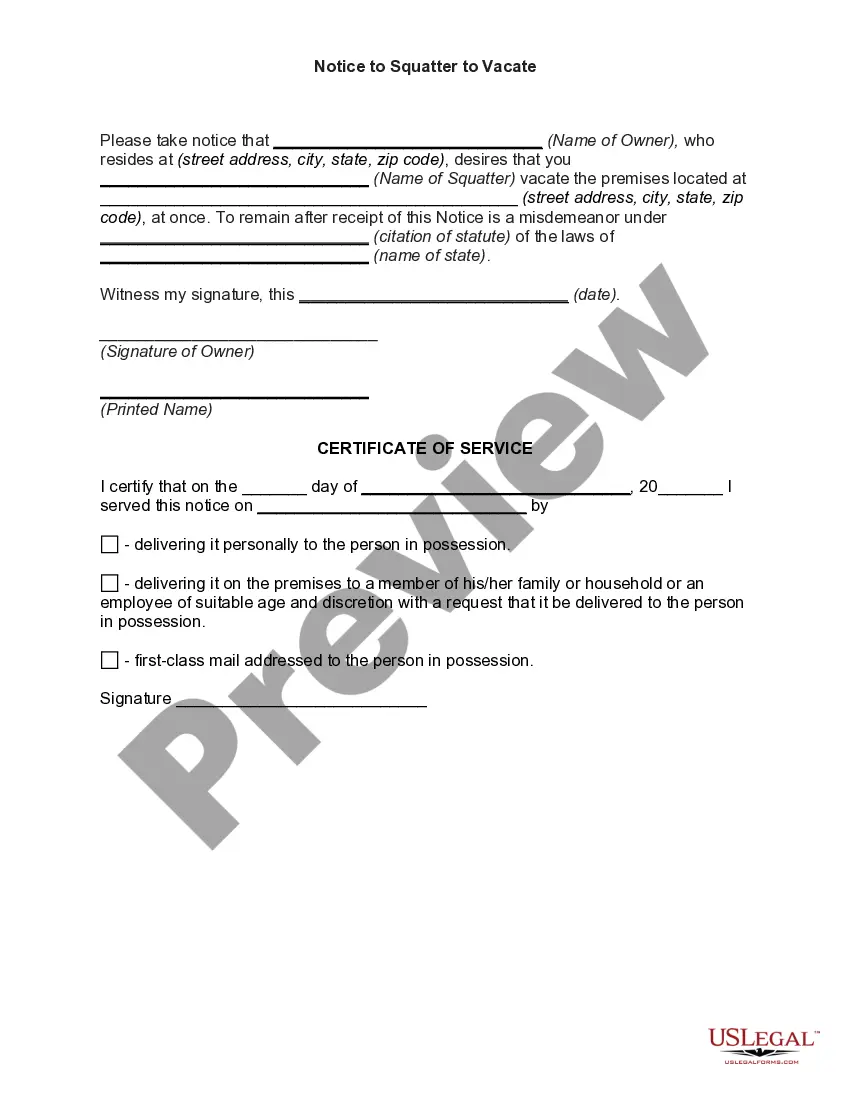
How to fill out Affidavit Of Residency?
Handling legal paperwork and procedures may be a lengthy addition to your schedule.
Proof Of Residency Letter With Notary and similar forms generally necessitate that you locate them and navigate the optimal way to finalize them successfully.
For this reason, regardless of whether you are managing financial, legal, or personal issues, having a thorough and practical online catalog of forms readily available will be extremely beneficial.
US Legal Forms is the leading online platform for legal documents, providing over 85,000 state-specific templates and a variety of tools to help you complete your paperwork with ease.
Simply Log In to your account, find Proof Of Residency Letter With Notary, and download it instantly in the My documents section. You can also access previously saved forms.
- Browse the collection of relevant documents accessible to you with just one click.
- US Legal Forms offers state- and county-specific templates available for download at any time.
- Safeguard your document management processes by utilizing a high-quality service that enables you to prepare any form in minutes without additional or hidden charges.
Form popularity
FAQ
The following are three methods parents may use to come to an agreement without going to the courtroom: mutual agreement, mediation and collaborative divorce.
It is advisable to speak with an experienced Lampasas child custody attorney as soon as you find out about an ongoing legal case to terminate your parental rights. Your attorney will help you file an answer and prepare to fight the termination of your parental rights.
The court can grant the petition and order the reinstatement of parental rights only if the court finds by a preponderance of the evidence that reinstatement of rights is in the child's best interests, and that the former parent has remedied the conditions that were grounds for the order.
Note: Texas law allows for parental rights to be gained back (reinstated) in a very narrow set of circumstances. Reinstatement is highly complex and doesn't change the truth that termination is almost always a permanent end to parental rights. Read Requirements for the Reinstatement of Parental Rights to learn more.
This means they are no longer responsible for child support, and they cannot make decisions about the child's upbringing, education, or medical care. However, it is important to understand that terminating parental rights does not erase any past-due child support owed by the parent.
The court must find by preponderance of the evidence that reinstatement of parental rights is in the child's best interest, the former parent has remedied the conditions that were the grounds for termination, the former parent is willing and capable of performing parental duties as provided in Tex. Fam.
If the father has abandoned the child with the mother, a family member, or another person without providing support to the child for at least six months, their parental rights may be terminated.
Petition for Reinstatement A petition to reinstate parental rights may be filed by DFPS, a Single Source Continuum Contractor (SSCC), the attorney ad litem for a child, and the parent whose rights were terminated. Tex. Fam. Code § 161.302(a).