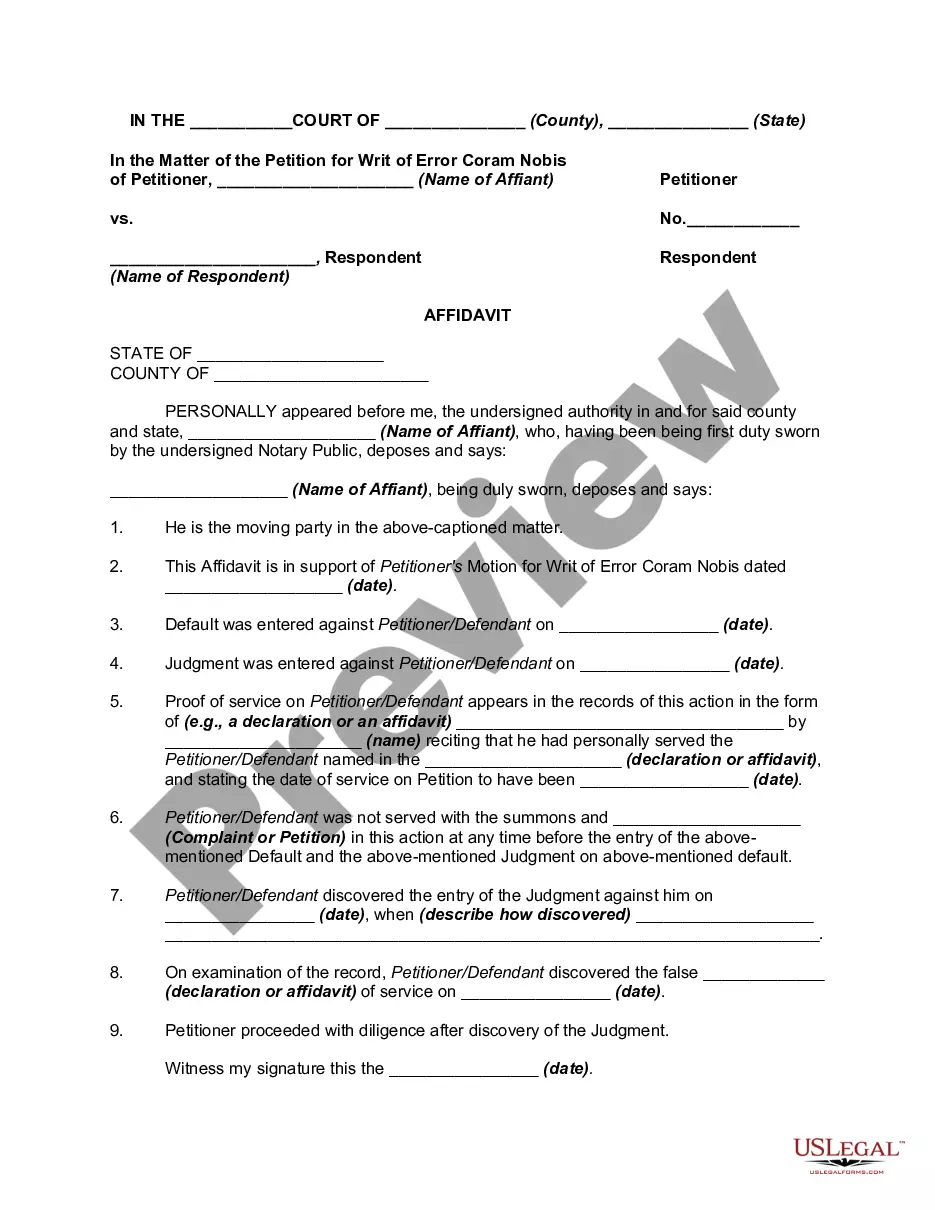
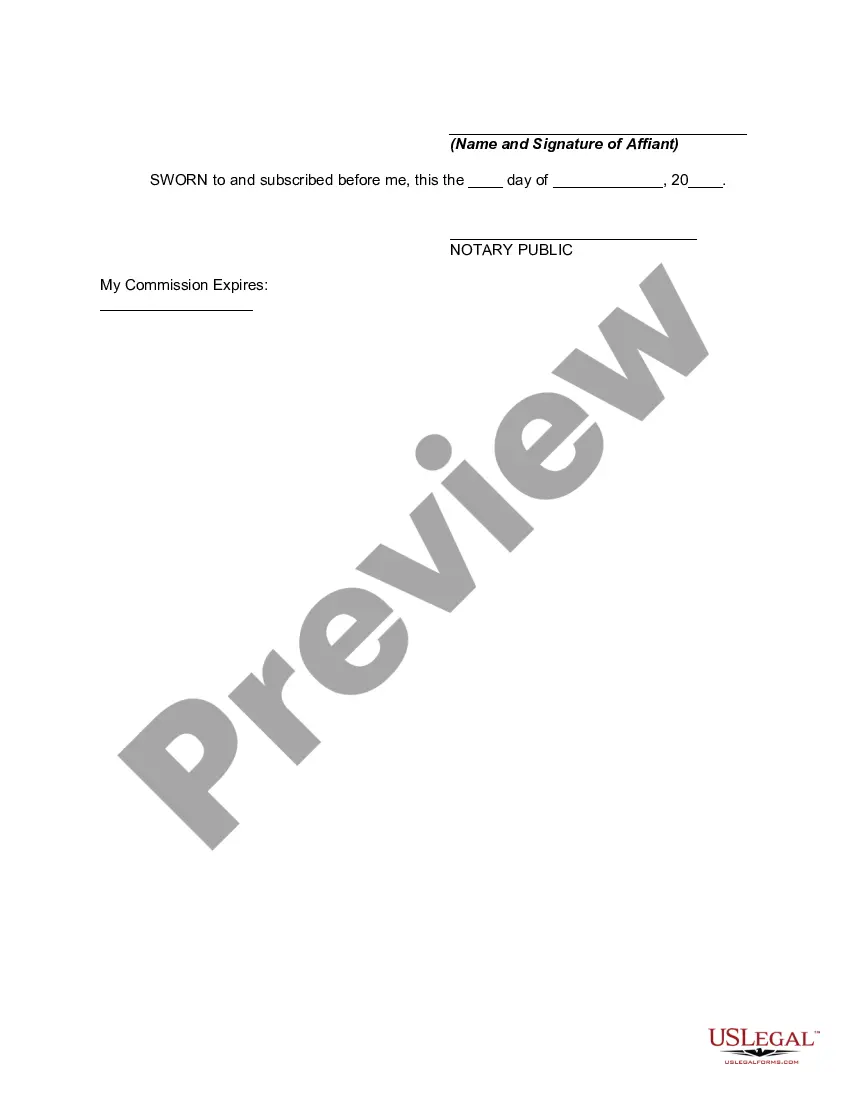
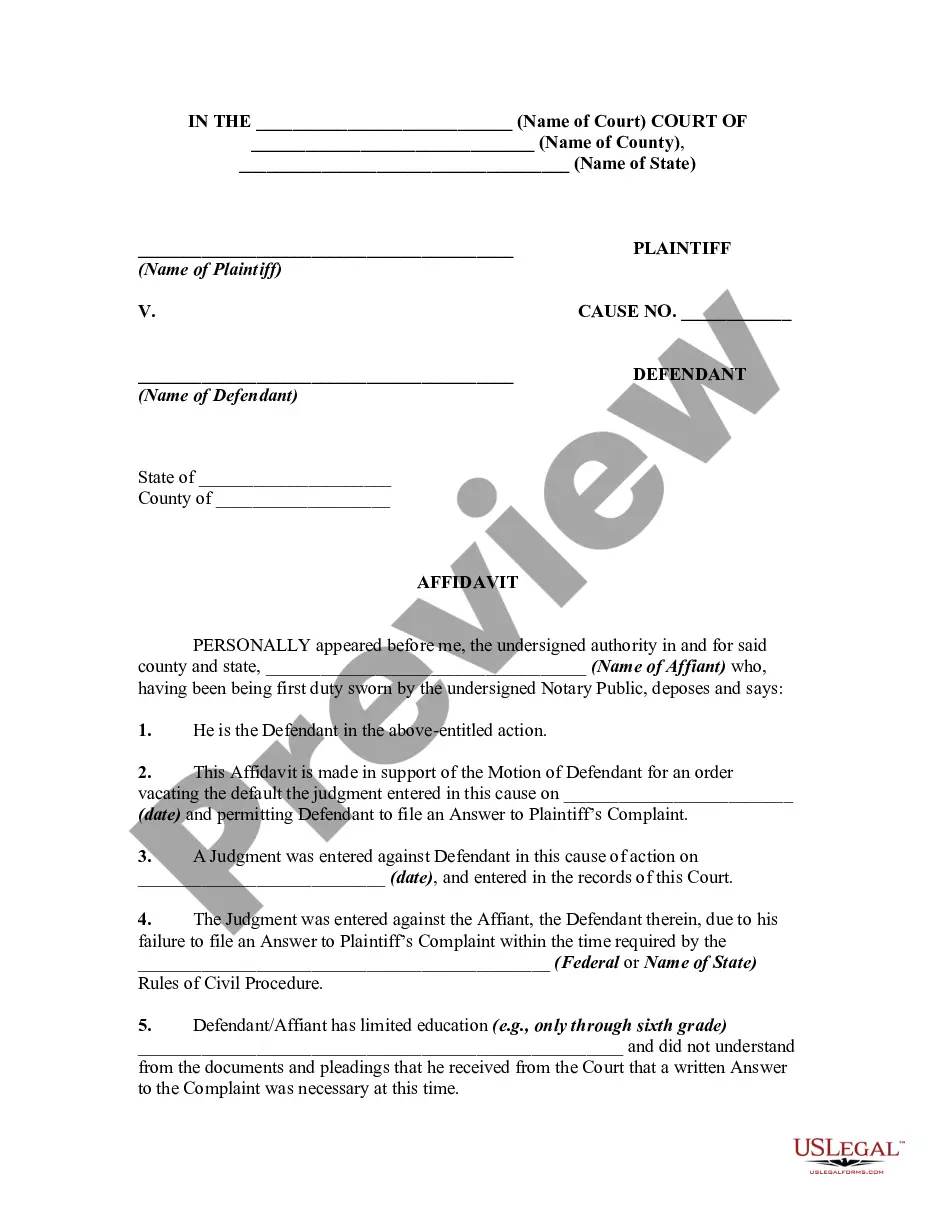
Coram Nobis Form For Defendant
Description
Get your form ready online
Our built-in tools help you complete, sign, share, and store your documents in one place.
Make edits, fill in missing information, and update formatting in US Legal Forms—just like you would in MS Word.
Download a copy, print it, send it by email, or mail it via USPS—whatever works best for your next step.
Sign and collect signatures with our SignNow integration. Send to multiple recipients, set reminders, and more. Go Premium to unlock E-Sign.
If this form requires notarization, complete it online through a secure video call—no need to meet a notary in person or wait for an appointment.
We protect your documents and personal data by following strict security and privacy standards.

Make edits, fill in missing information, and update formatting in US Legal Forms—just like you would in MS Word.

Download a copy, print it, send it by email, or mail it via USPS—whatever works best for your next step.

Sign and collect signatures with our SignNow integration. Send to multiple recipients, set reminders, and more. Go Premium to unlock E-Sign.

If this form requires notarization, complete it online through a secure video call—no need to meet a notary in person or wait for an appointment.

We protect your documents and personal data by following strict security and privacy standards.
Looking for another form?









How to fill out Affidavit In Support Of Motion For Writ Of Error Coram Nobis Regarding Default And Default Judgment Taken Against Defendant Who Did Not Appear And Was Not Served?
Finding a reliable source for acquiring the most up-to-date and suitable legal templates is a significant part of navigating bureaucracy.
Selecting the correct legal documents demands precision and thoroughness, which is why it’s crucial to obtain samples of the Coram Nobis Form For Defendant solely from reputable sources, such as US Legal Forms. An incorrect template can squander your time and delay your current situation.
Eliminate the hassle linked to your legal documentation. Explore the expansive US Legal Forms catalog where you can discover legal templates, verify their suitability for your circumstances, and download them instantly.
- Utilize the catalog navigation or search bar to find your template.
- Examine the form's details to confirm it meets your state's requirements.
- Check the form preview, if available, to make sure it is indeed the document you seek.
- If the Coram Nobis Form For Defendant does not fulfill your needs, return to your search to locate the right document.
- If you are confident about the form's applicability, proceed to download it.
- If you are an authorized user, click Log in to verify your identity and access your chosen templates in My documents.
- If you do not have an account yet, click Buy now to acquire the template.
- Select the pricing plan that meets your needs.
- Move forward to register and complete your transaction.
- Finalize your purchase by selecting a payment method (credit card or PayPal).
- Choose the file format for downloading the Coram Nobis Form For Defendant.
- Once the form is saved on your device, you can modify it with an editor or print it out to complete it manually.
Form popularity
FAQ
A coram nobis is primarily used to correct significant errors in a criminal case after the conclusion of the trial. When a defendant discovers new evidence or factual mistakes that could change the outcome, they can file a coram nobis form for defendant to seek justice. This legal avenue allows for the review of issues that could not have been raised during the original trial. Utilizing platforms like US Legal Forms simplifies the process, making it easier for you to file the necessary documents.
Habeas corpus and coram nobis serve different legal functions in addressing wrongful convictions. While habeas corpus aims to challenge unlawful detention, a coram nobis form for defendant addresses errors that were not available at the time of the trial. A coram nobis allows individuals to seek relief for factual mistakes that undermine the case's integrity. Understanding these distinctions can help you choose the right legal action.
The writ of Coram Vobis serves to address errors occurring within the case that are evident on the court record but were overlooked during the original proceedings. This writ provides a mechanism for defendants to seek correction of these mistakes and restores fairness in their legal outcomes. When preparing to file a Coram nobis form for defendant, knowing about Coram Vobis can enhance your chances of achieving a favorable resolution.
'Coram nobis' is a Latin term meaning 'before us' and is used to signify an action taken by the court to correct its own errors. It allows defendants to request a review of their case based on new evidence or legal mistakes that were not previously considered. For those looking to file a Coram nobis form for defendant, understanding this term is essential for navigating the legal process effectively.
Error of coram nobis refers to significant mistakes committed by the court that affect the integrity of the original judgment. This form of legal redress allows defendants to seek relief when new evidence comes to light that undermines the validity of their conviction. By utilizing a Coram nobis form for defendant, individuals can address these grave errors and potentially achieve justice.
Coram Vobis and coram nobis are legal concepts that address different aspects of legal proceedings. While coram nobis allows a defendant to challenge a conviction based on new evidence or legal errors, Coram Vobis is typically used to correct an error that occurred in the court's proceedings. Understanding these differences is crucial when preparing or filing a Coram nobis form for defendant, as it determines the appropriate legal route.
Yes, you can file a writ of mandamus by yourself, but it requires careful attention to legal standards and procedures. It's important to document your request clearly, stating why the action is necessary and what specific duties should be performed. However, seeking help from a professional can be advantageous to navigate the complexities involved and ensure that your documentation is thorough, including the use of the coram nobis form for defendant where applicable.
Filing a writ of coram nobis involves several steps, starting with gathering pertinent documentation and evidence to support your case. You will need to prepare your coram nobis form for defendant, outlining the reasons for your request and the new evidence available. It's often beneficial to consult with a legal expert to ensure your submission meets all required legal standards and increases your chances for a favorable outcome.
A writ of habeas corpus is typically filed when an individual believes they are being held unlawfully or without sufficient cause. This can arise from situations such as wrongful detention, lack of fair trial, or new evidence that undermines the conviction. If you're in a situation where your rights are compromised, exploring the appropriate legal forms, like the coram nobis form for defendant, may provide relief.
Coram nobis and coram vobis are distinct legal remedies. Coram nobis refers to a request to overturn a court's ruling based on new evidence, primarily concerning the defendant's situation. In contrast, coram vobis addresses issues related to the court's authority and how it conducted itself during the case. Understanding these differences is crucial when deciding which path to pursue with the coram nobis form for defendant.