Probate Estate Forms Without
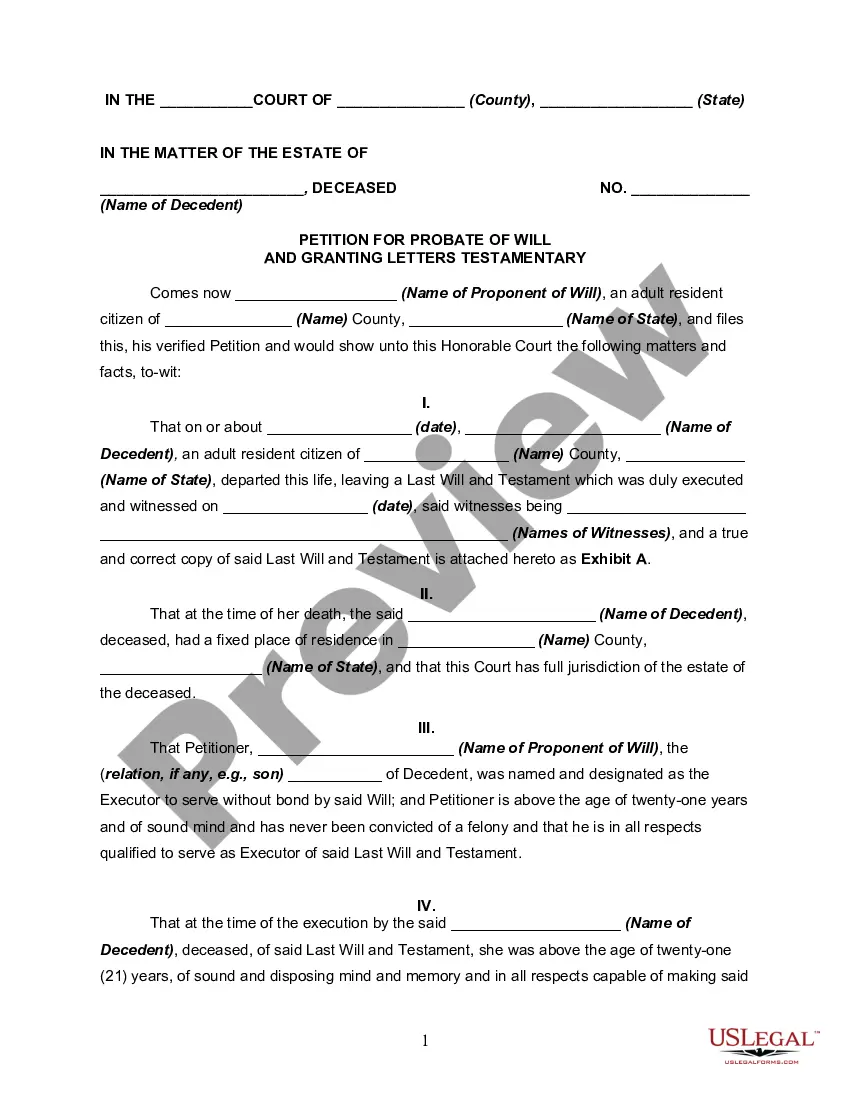
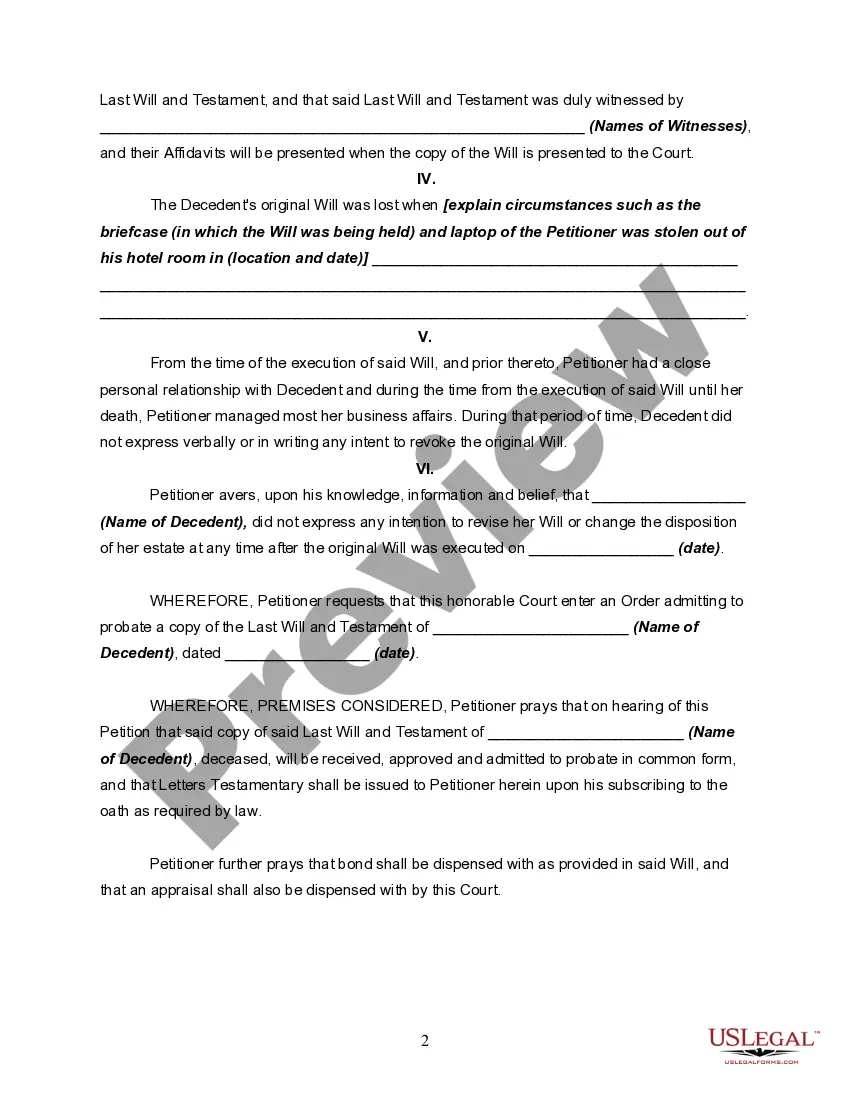
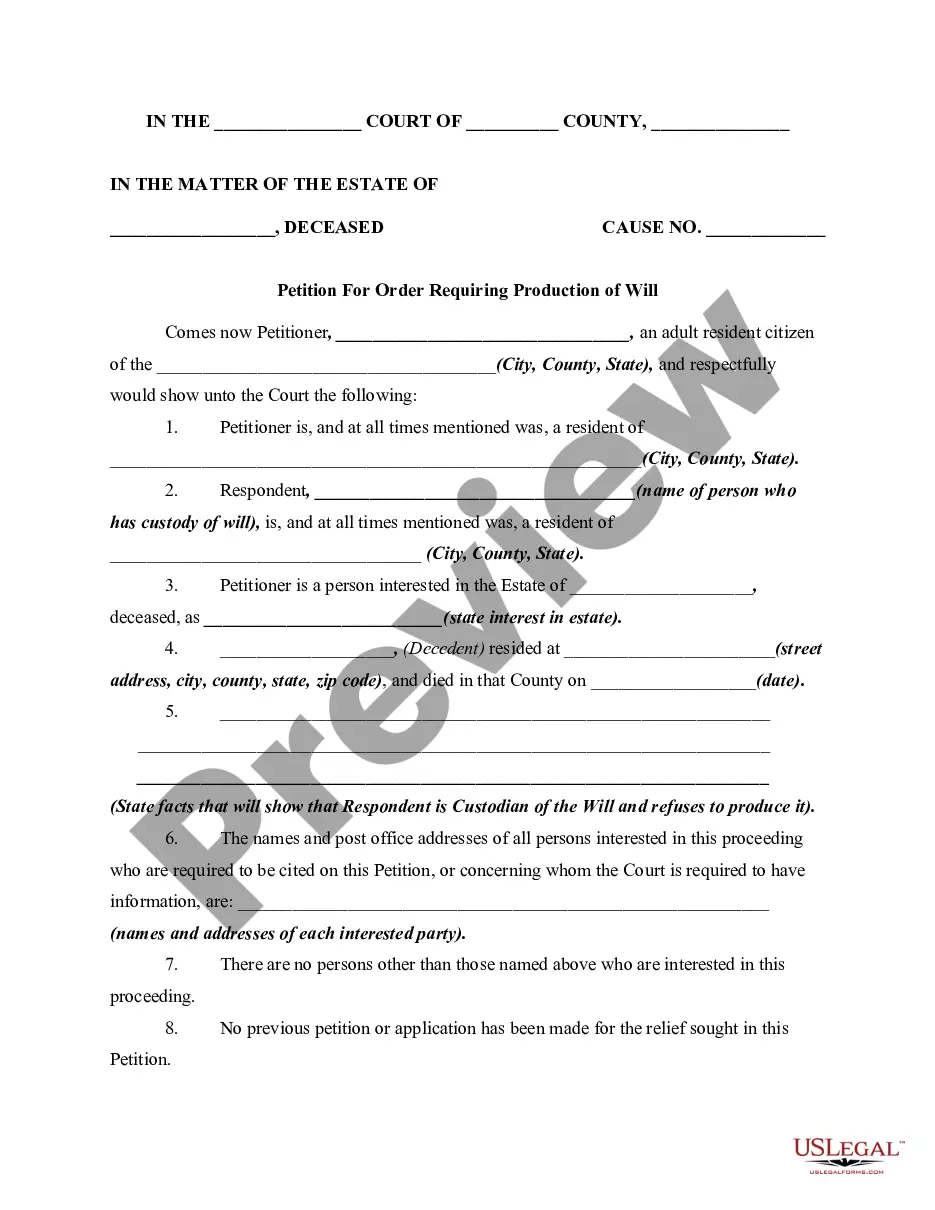
Description

Get your form ready online
Our built-in tools help you complete, sign, share, and store your documents in one place.
Make edits, fill in missing information, and update formatting in US Legal Forms—just like you would in MS Word.
Download a copy, print it, send it by email, or mail it via USPS—whatever works best for your next step.
Sign and collect signatures with our SignNow integration. Send to multiple recipients, set reminders, and more. Go Premium to unlock E-Sign.
If this form requires notarization, complete it online through a secure video call—no need to meet a notary in person or wait for an appointment.
We protect your documents and personal data by following strict security and privacy standards.

Make edits, fill in missing information, and update formatting in US Legal Forms—just like you would in MS Word.

Download a copy, print it, send it by email, or mail it via USPS—whatever works best for your next step.

Sign and collect signatures with our SignNow integration. Send to multiple recipients, set reminders, and more. Go Premium to unlock E-Sign.

If this form requires notarization, complete it online through a secure video call—no need to meet a notary in person or wait for an appointment.

We protect your documents and personal data by following strict security and privacy standards.
Looking for another form?






Form popularity
FAQ
Obtaining a probate letter without a will can be challenging, but it is possible. You must petition the court to receive letters of administration, demonstrating your connection to the deceased. Utilizing services that provide probate estate forms without unnecessary stress can greatly assist in navigating this process.
In California, estates valued above $166,250 generally must go through probate. This value includes all assets in the estate, excluding certain property types. Understanding the implications of these thresholds can help ensure that you use probate estate forms without complications to your benefit.
To avoid probate in California, an estate must typically not exceed $166,250 in value. This threshold allows for a more streamlined process and helps your heirs access the estate quicker. By keeping assets below this limit and utilizing effective probate estate forms without hassle, you can simplify estate management.
Creating an estate account can be possible even without going through probate under specific circumstances. Surviving spouses or beneficiaries may be able to open accounts if they provide necessary documentation. Exploring how probate estate forms without court intervention works can be beneficial in these cases.
In California, certain assets may be exempt from probate, including property held in trust and accounts with designated beneficiaries. Generally, small estates valued under $166,250 may qualify for simplified procedures. By utilizing probate estate forms without complications, you can effectively manage your exempt assets.
When you go to probate court, you'll need several important documents. Typically, you should bring the original will, a death certificate, and any documents proving your relationship to the deceased. Moreover, having completed probate estate forms without unnecessary delays can facilitate a smoother process.
Not all wills in California must go through probate. Small estates under a certain value can often avoid this process entirely. Additionally, certain types of assets, like those held in a living trust, do not require probate. Understanding how probate estate forms without a will function can help streamline your estate management.
