Petitions
Description
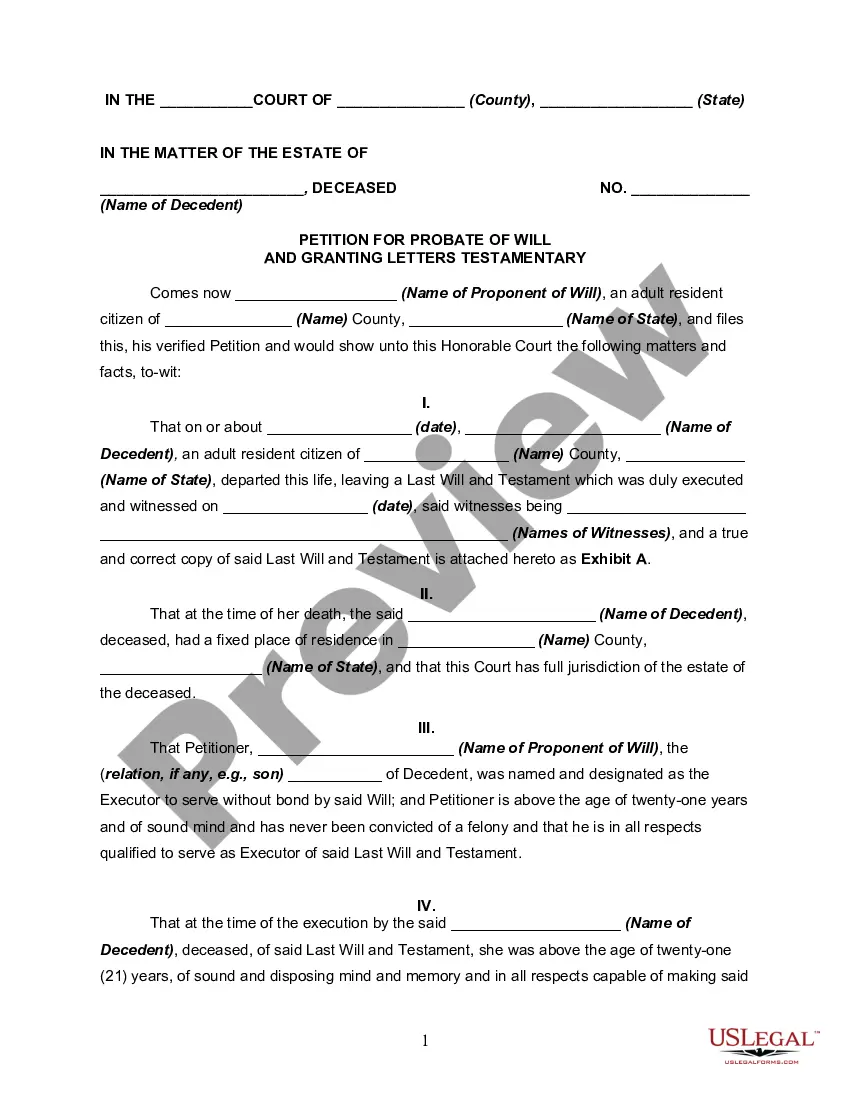
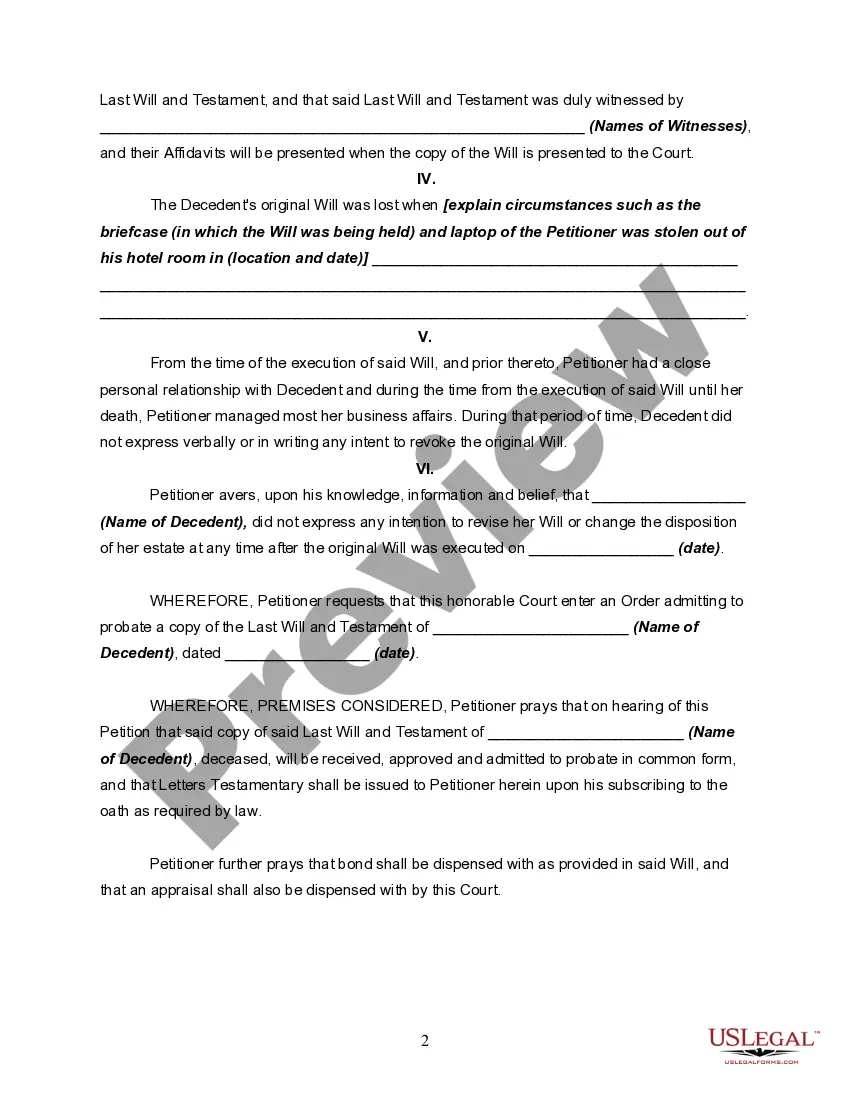
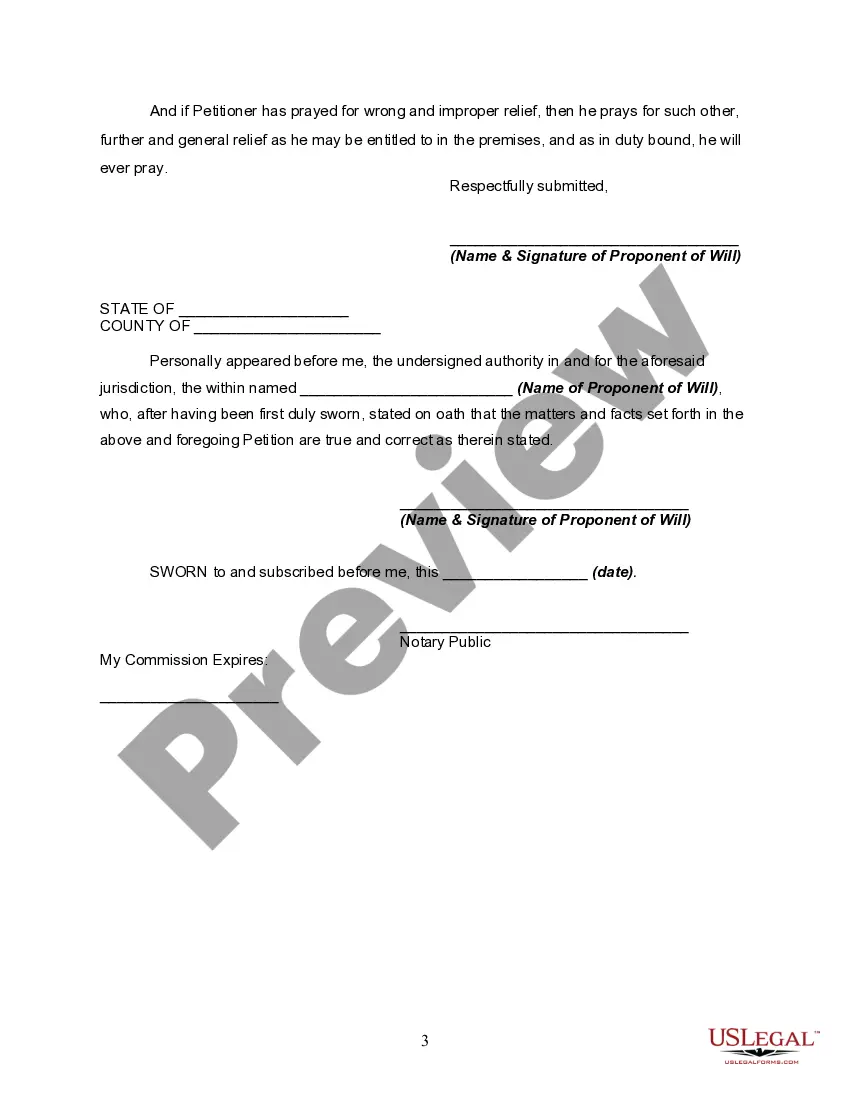
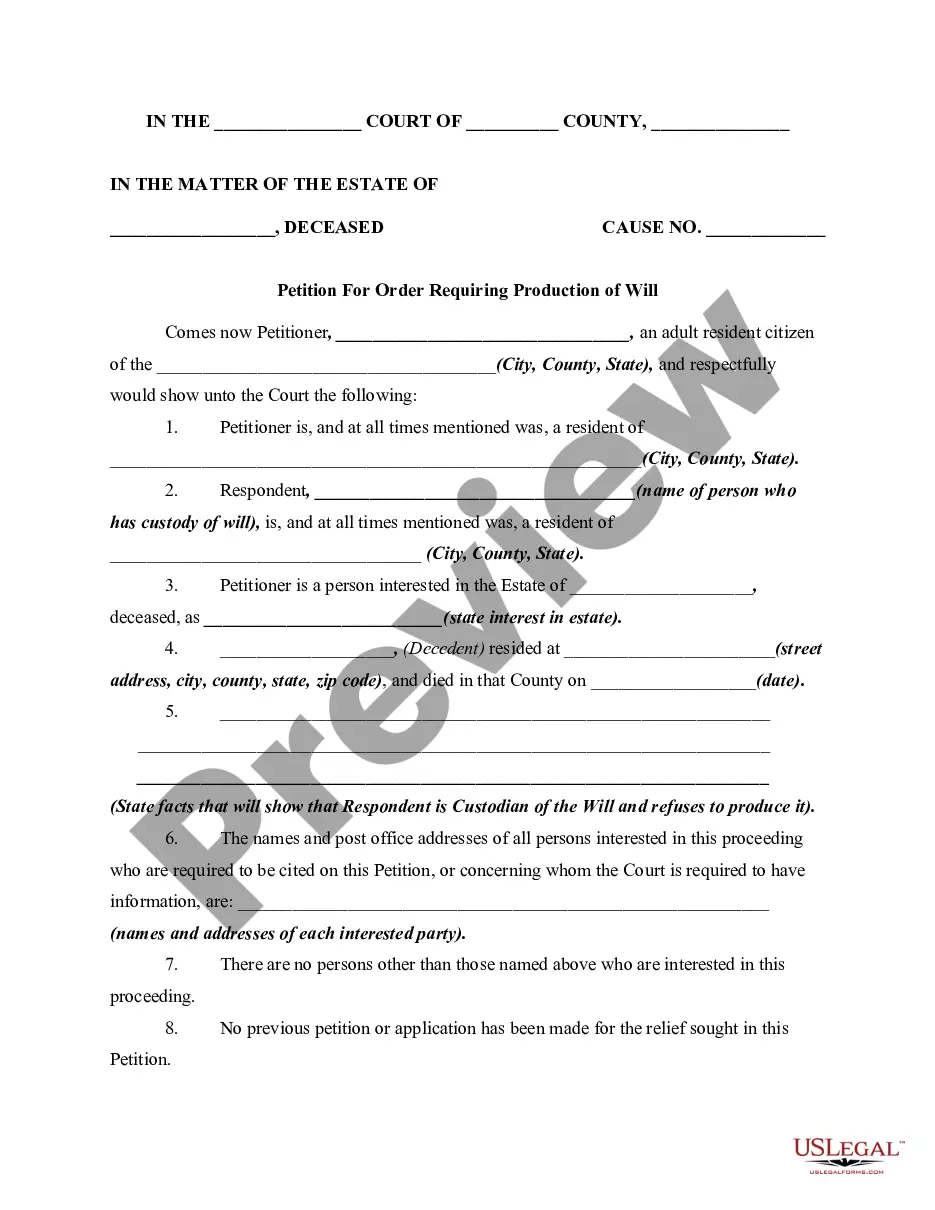

Get your form ready online
Our built-in tools help you complete, sign, share, and store your documents in one place.
Make edits, fill in missing information, and update formatting in US Legal Forms—just like you would in MS Word.
Download a copy, print it, send it by email, or mail it via USPS—whatever works best for your next step.
Sign and collect signatures with our SignNow integration. Send to multiple recipients, set reminders, and more. Go Premium to unlock E-Sign.
If this form requires notarization, complete it online through a secure video call—no need to meet a notary in person or wait for an appointment.
We protect your documents and personal data by following strict security and privacy standards.

Make edits, fill in missing information, and update formatting in US Legal Forms—just like you would in MS Word.

Download a copy, print it, send it by email, or mail it via USPS—whatever works best for your next step.

Sign and collect signatures with our SignNow integration. Send to multiple recipients, set reminders, and more. Go Premium to unlock E-Sign.

If this form requires notarization, complete it online through a secure video call—no need to meet a notary in person or wait for an appointment.

We protect your documents and personal data by following strict security and privacy standards.
Looking for another form?

How to fill out Petition To Probate Lost Will?
- Log into your US Legal Forms account or create a new one if you're a first-time user.
- Browse or use the Search feature to find the specific petition form that meets your needs.
- Review the form description and preview mode to ensure it complies with your local jurisdiction requirements.
- Select the appropriate subscription plan, then click 'Buy Now' to initiate your purchase.
- Complete your payment using your credit card or PayPal before finalizing your order.
- Download the selected form template to your device from the 'My Forms' menu for easy access.
By following these straightforward steps, you can harness the power of US Legal Forms to efficiently manage your legal paperwork. The extensive resources and expert assistance ensure that your documents are correct and valid.
Don’t wait! Start your journey today by visiting US Legal Forms and unlock instant access to a world of legal solutions.
Form popularity
FAQ
In biblical terms, a petition often refers to a fervent request made in prayer. It signifies a heartfelt appeal to God for assistance or intervention in one's life. Such petitions express trust in divine power and seek guidance or support during challenging times. This spiritual understanding of petitions highlights their significance in both personal faith and communal worship.
The full meaning of petition refers to a formal written document that requests a specific action or decision from a governing body. Petitions can address various issues, from legal matters to social causes. In the context of law, petitions can initiate legal proceedings or seek judicial review. Understanding petitions is essential for effective advocacy in legal processes.
The main purpose of a petition is to bring attention to an issue and prompt a response from those in authority. By collecting signatures, petitions demonstrate the level of support for the cause. They serve as a powerful tool for advocacy and can lead to real change. In this way, petitions help promote democracy and participation in civic engagement.
A petition is a formal request that people sign to express support or seek change. In simple terms, it allows individuals to gather support for a cause or opinion. Petitions often seek action from governments, organizations, or institutions. This process empowers citizens to voice their concerns and influence decision-making.
To craft an effective opening sentence for a petition, focus on clarity and purpose. A strong example could be, 'We are calling upon insert authority to take immediate action on issue.' Ensure that your sentence conveys urgency and is easy to understand, encouraging signers to join your cause.
To begin a petition, start with a captivating title that summarizes your cause. Follow this with an engaging introduction that outlines the problem and why it matters. Make sure to include a call to action that encourages people to support your petition. For additional assistance, US Legal Forms provides templates and guides to help you launch your petition successfully.
A good sentence for a petition succinctly conveys the intent and urgency of the request. For example, one might say, 'We, the undersigned, respectfully petition the city council to implement stricter noise regulations to protect our community.' Clear and direct language fosters understanding and compels action.
Petitions can range widely in purpose and scope. For instance, you might see petitions for local changes, such as improving public parks, or legal petitions like a request for a name change. Other examples include petitions for divorce or child custody. Explore US Legal Forms to find sample petitions tailored to your specific needs.
Filing a petition against someone requires careful preparation. First, understand the grounds for your petition and collect evidence to support your claims. After drafting your petition, you will need to file it with the appropriate court or agency. Consider utilizing US Legal Forms to help simplify the process and ensure all necessary documents are included.
To start a petition effectively, first, clearly define the issue you want to address. Gather relevant information to support your cause. Then, create a compelling title and explain the purpose of the petition in a strong opening statement. You can then use platforms like US Legal Forms to ensure your petition complies with legal requirements.