Petitioning
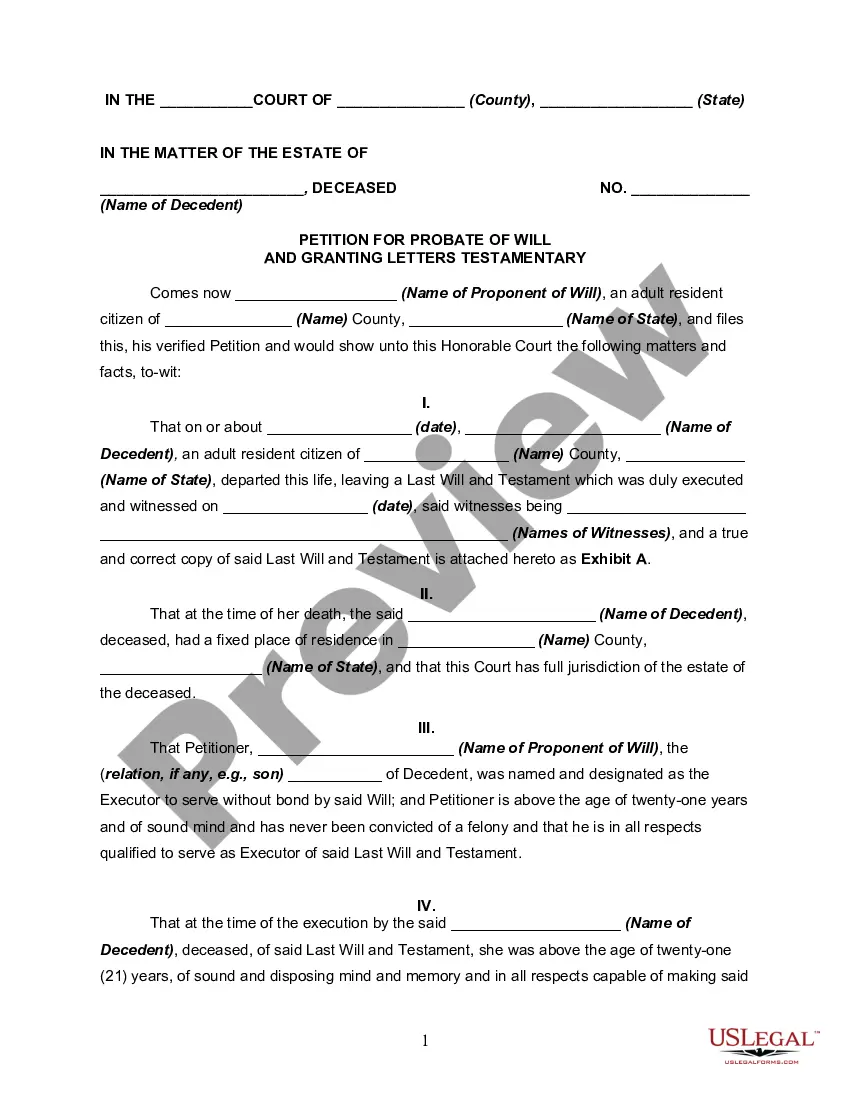
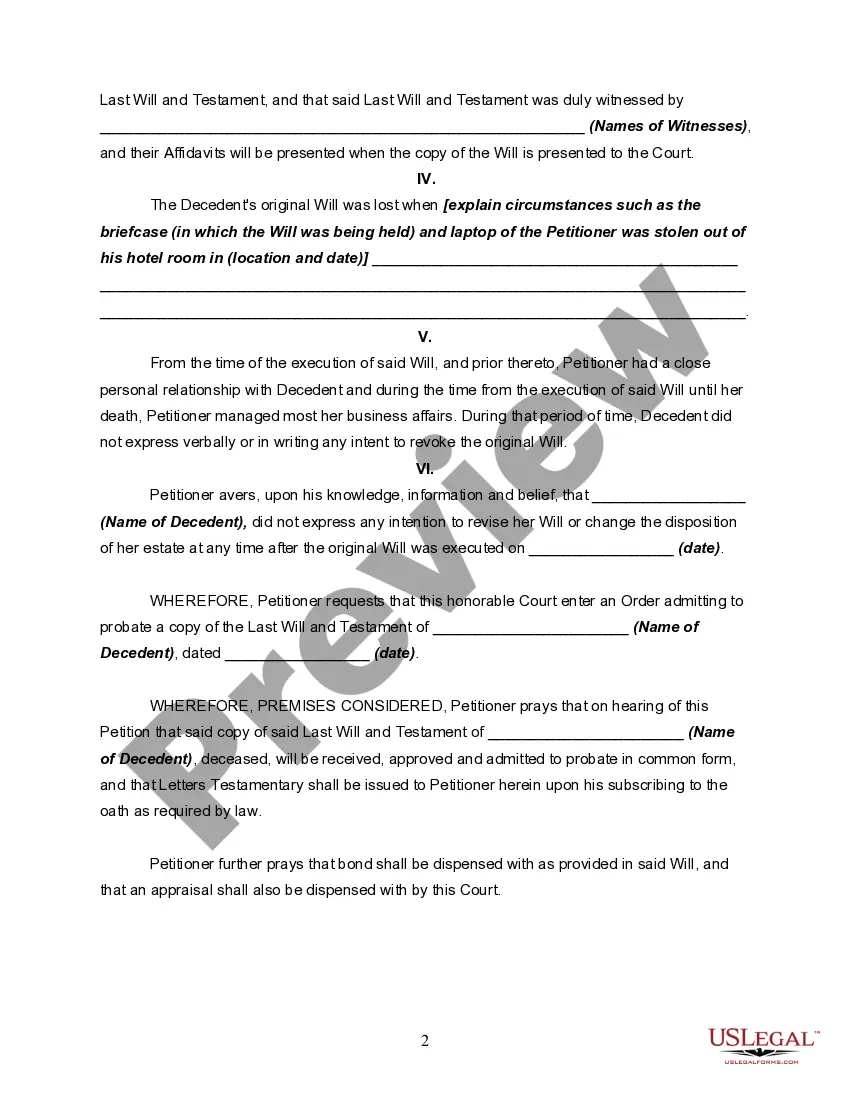
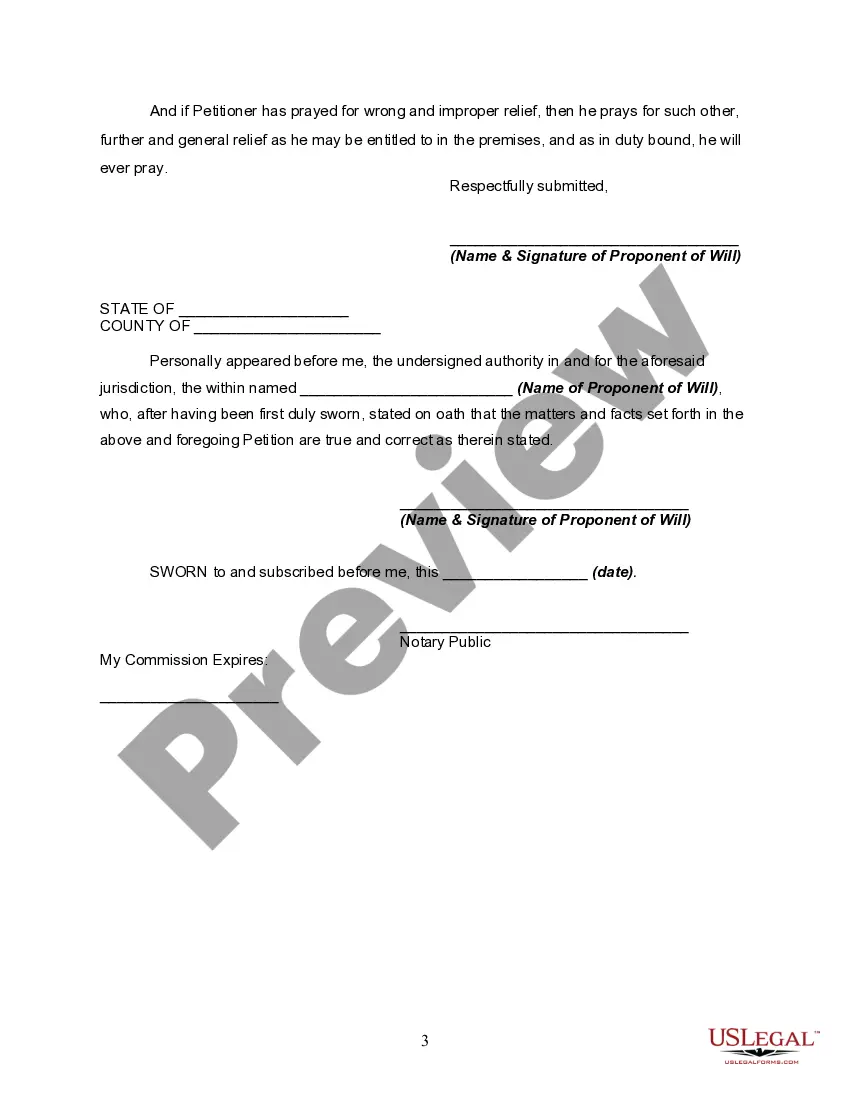
Description

Get your form ready online
Our built-in tools help you complete, sign, share, and store your documents in one place.
Make edits, fill in missing information, and update formatting in US Legal Forms—just like you would in MS Word.
Download a copy, print it, send it by email, or mail it via USPS—whatever works best for your next step.
Sign and collect signatures with our SignNow integration. Send to multiple recipients, set reminders, and more. Go Premium to unlock E-Sign.
If this form requires notarization, complete it online through a secure video call—no need to meet a notary in person or wait for an appointment.
We protect your documents and personal data by following strict security and privacy standards.

Make edits, fill in missing information, and update formatting in US Legal Forms—just like you would in MS Word.

Download a copy, print it, send it by email, or mail it via USPS—whatever works best for your next step.

Sign and collect signatures with our SignNow integration. Send to multiple recipients, set reminders, and more. Go Premium to unlock E-Sign.

If this form requires notarization, complete it online through a secure video call—no need to meet a notary in person or wait for an appointment.

We protect your documents and personal data by following strict security and privacy standards.
Looking for another form?

How to fill out Petition To Probate Lost Will?
- Start by checking the Preview mode for the desired form to ensure it meets your local jurisdiction requirements.
- If necessary, utilize the Search feature to find a different template that fits your needs more accurately.
- Select the document that suits you and click the Buy Now button to choose a subscription plan.
- Create an account if you’re new, then provide your payment information and complete your purchase.
- Once you secure the subscription, download the form onto your device and access it anytime through the My Forms section of your profile.
By utilizing US Legal Forms, you empower yourself with easy access to a vast selection of legal documents and professional assistance when needed. This ensures your documents are not only completed but also legally sound.
Take the next step in managing your legal needs effortlessly with US Legal Forms. Start petitioning today!
Form popularity
FAQ
To petition someone to come to the US, you need to file the appropriate immigration forms and provide supporting documentation that establishes your relationship. It's crucial to understand the specific requirements outlined by US immigration laws. Resources like UsLegalForms can help streamline your petitioning process and ensure that you complete everything correctly.
To create a petition, begin by defining your goal and the change you seek. Next, write the petition clearly, outlining your concerns and reasons. Afterward, promote it to gather support, ensuring you explain how petitioning can create a positive impact on the cause you're advocating for.
A petition process consists of multiple stages that initiate with drafting the petition and collecting signatures. Once submitted, the petition often undergoes a review to determine its validity and relevance. Understanding this process helps you effectively navigate the landscape of petitioning and increases your chances of success.
The steps of a petition generally involve identifying the issue, drafting the petition, gathering signatures, and submitting it to the appropriate authority. It's essential to make your petition clear and compelling to draw support. After submission, you may need to follow up to monitor the progress of your petition.
To file a petition for a family member, start by gathering the required documentation that proves your relationship and the reason for the petitioning. You will need to complete the relevant forms, which may vary based on the nature of the petition. Online resources, such as UsLegalForms, can guide you through this process efficiently, ensuring you meet all requirements.
In the US, petitions serve as formal requests for action or change, directed toward government officials or institutions. Petitioning can influence policy decisions, laws, and regulations by demonstrating public support. By participating in the petitioning process, you express your concerns and advocate for specific issues that matter to you.
The format of a petition typically includes a title, a statement of purpose, and a clear request for action. It should also list the petitioner's name and contact information, along with the relevant details about the matter at hand. When you engage in petitioning, it's important to organize the content logically to enhance its effectiveness.
To start an immigration petition, first identify the type of petition you need based on your situation, such as family or employment-based applications. Gather all necessary documents, including evidence of your relationship or employment. Consider using platforms like USLegalForms to access helpful templates and guidance, which can make your petitioning process smoother and more efficient. Finally, submit your application according to the USCIS instructions.
Filing Form I-130 online often offers a quicker processing time and allows you to track your petitioning progress more easily. Online submissions usually reduce the chances of mistakes since the system checks for errors as you fill it in. However, some people prefer mailing their forms for various reasons, including avoiding digital systems. Evaluate your comfort level and choose the method that suits you best.
The approval time for an immigrant petition can vary significantly based on several factors, including the type of petition and the workload of the processing center. Generally, it can take anywhere from a few months to several years. To get a more accurate estimate, you can check the processing times on the U.S. Citizenship and Immigration Services (USCIS) website. Being informed and prepared can simplify your petitioning experience.