Petition Sample
Description
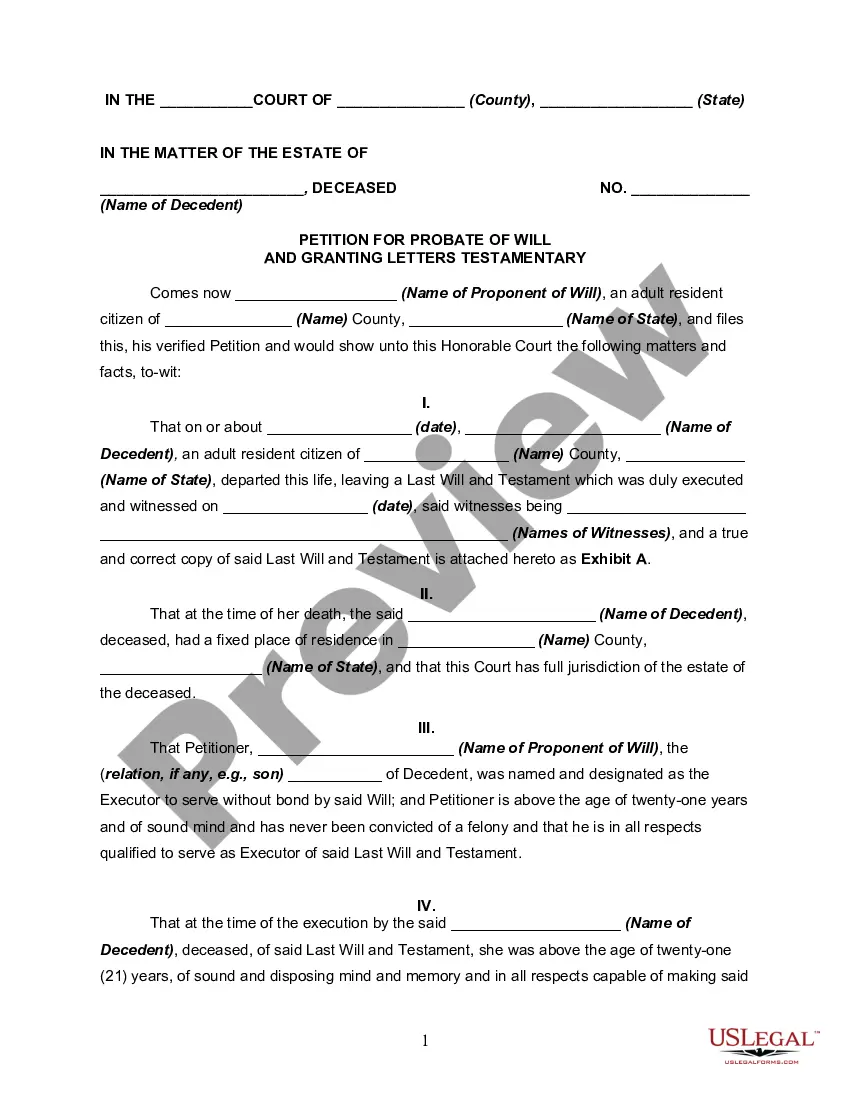
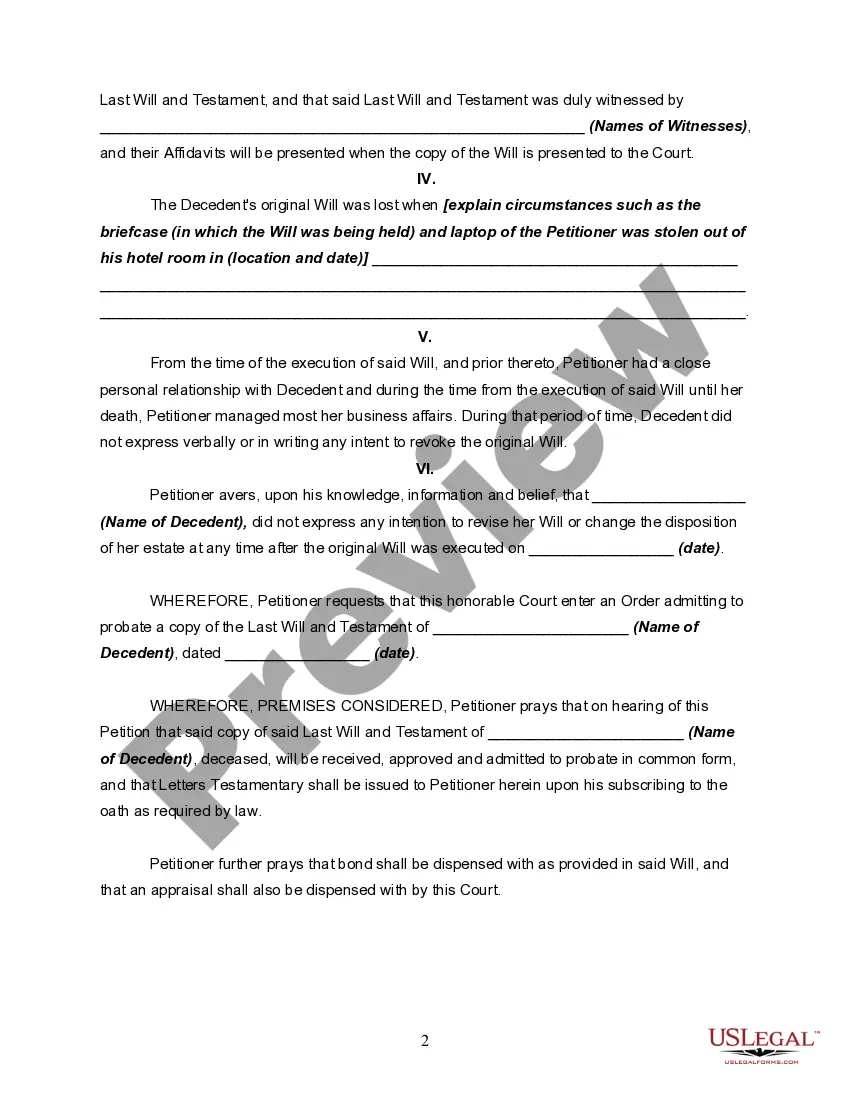
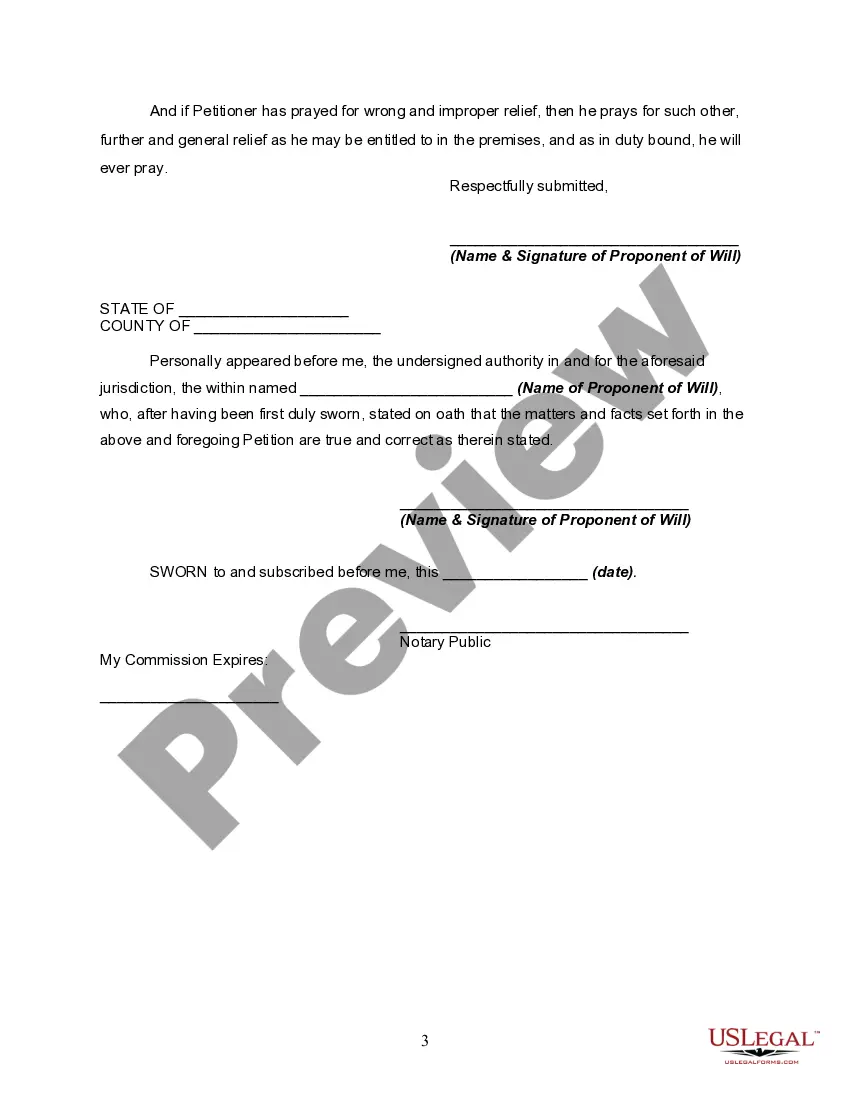
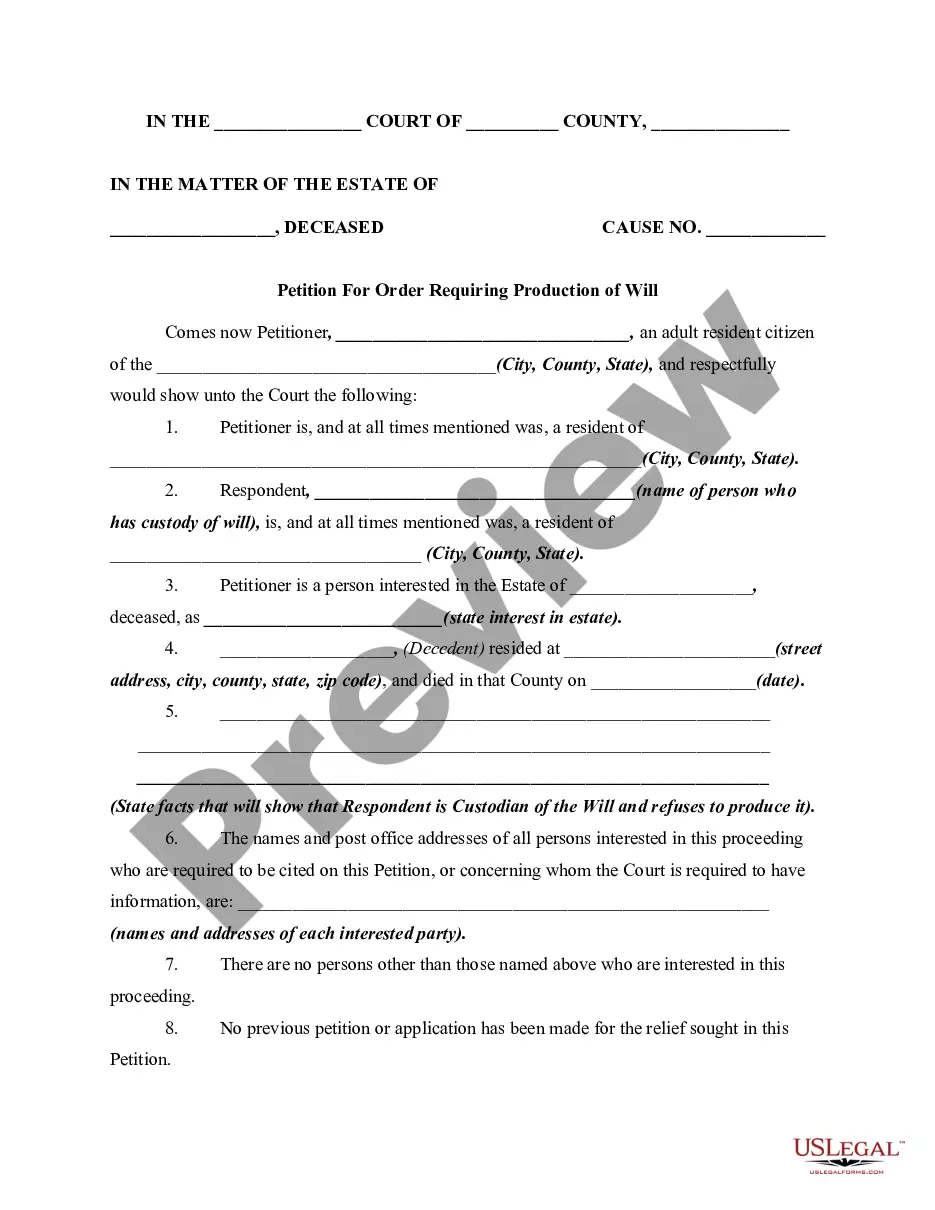

Get your form ready online
Our built-in tools help you complete, sign, share, and store your documents in one place.
Make edits, fill in missing information, and update formatting in US Legal Forms—just like you would in MS Word.
Download a copy, print it, send it by email, or mail it via USPS—whatever works best for your next step.
Sign and collect signatures with our SignNow integration. Send to multiple recipients, set reminders, and more. Go Premium to unlock E-Sign.
If this form requires notarization, complete it online through a secure video call—no need to meet a notary in person or wait for an appointment.
We protect your documents and personal data by following strict security and privacy standards.

Make edits, fill in missing information, and update formatting in US Legal Forms—just like you would in MS Word.

Download a copy, print it, send it by email, or mail it via USPS—whatever works best for your next step.

Sign and collect signatures with our SignNow integration. Send to multiple recipients, set reminders, and more. Go Premium to unlock E-Sign.

If this form requires notarization, complete it online through a secure video call—no need to meet a notary in person or wait for an appointment.

We protect your documents and personal data by following strict security and privacy standards.
Looking for another form?







How to fill out Petition To Probate Lost Will?
- Log into your US Legal Forms account. If you're a returning user, simply log in and ensure your subscription is active. If not, renew it before proceeding.
- Review the available petition samples. Check the preview mode and description to ensure that the form meets your requirements and adheres to your jurisdiction's laws.
- Search for additional templates if necessary. Use the Search tab if the current options do not align with your needs until you find the appropriate sample.
- Purchase the selected petition sample. Click the Buy Now button, then choose your desired subscription plan. Registration is required for library access.
- Complete your payment. Enter your credit card information or use your PayPal account to finalize the subscription process.
- Download your petition sample. Save the document to your device, and access it later from the My Forms section of your profile.
In conclusion, US Legal Forms empowers users by providing a vast array of legal documents coupled with expert assistance. Whether you're an attorney or an individual, quick access to the needed petition samples can facilitate your legal journey.
Start exploring today and make your legal process smoother!
Form popularity
FAQ
To begin a petition, first clarify your goal and audience. Next, draft your petition by using a reliable petition sample as a guide to formulate your message. Include critical information, such as the issue, proposed solutions, and a call to action. Finally, choose a platform like US Legal Forms, where you can find numerous petition samples and templates to help you get started confidently.
A good sentence for a petition should clearly express the demand or objective of the petition in a concise manner. For example, you might say, 'We, the undersigned, request that the city council implement a new recycling program to reduce waste and promote sustainability.' This type of sentence sets the tone and purpose of your petition, making it easier for supporters to understand your cause. A strong opening sentence establishes urgency and clarity.
To start your petition effectively, begin by clearly defining the issue you want to address. Ensure that you gather a compelling petition sample that reflects your aims and appeals to your audience. Next, establish your target audience; know who you want to reach for support. Finally, share your petition broadly through social media, community events, or local organizations to maximize visibility and gain signatures.
Petition samples come in various forms, depending on the issue at hand. Common examples include petitions for community improvements, petitions for policy changes, and petitions for legal matters such as custody or guardianship. Each petition sample serves as a powerful tool to express collective opinions or requests to authority figures. Therefore, reviewing a variety of petition samples can help you understand their structure and purpose.
Writing a simple petition involves clarity and brevity. Start with a compelling title that captures attention, followed by a brief statement of the issue at hand. Clearly articulate your request and why it matters, and leave space for signatures and personal comments. For guidance, consider using a petition sample which can provide a solid framework for your writing.
To fill out a petition, you need to clearly define the purpose and provide all required details. Start by writing your main request, then include relevant background information that supports your cause. Collect signatures from supporters, ensuring to note their names and contact information, which can lend credibility to your petition. If you want examples, downloading a petition sample can be beneficial.
The format for a petition typically includes a clear title, a statement of purpose, and a list of signatures. Begin with a clear statement that defines the issue at hand and the desired outcome. It is helpful to create a body that provides relevant details and calls for action. For better insight, examine a petition sample to visualize the necessary elements.
Starting a personal petition involves identifying your cause and writing a compelling introduction that reflects your passion. After that, outline the specific changes you are advocating for, and explain why they matter. You can enhance your petition's effectiveness by using a petition sample to structure your message. This can help you engage others more effectively.
To create a simple petition, start by clearly stating your issue and the action you want to take. Next, gather supporting information that explains why your petition is important. You can then format your document by including a title, a brief introduction, and a signature section. For a more refined approach, you can refer to a petition sample for guidance.
Examples of the right to petition include constitutionally guaranteed opportunities to lobby government officials or to gather signatures for a cause. Citizens may use this right to advocate for environmental protections or social justice reforms. By looking at different petition samples, you can see how individuals and groups effectively exercise this right.