Legal Design Templates
Description
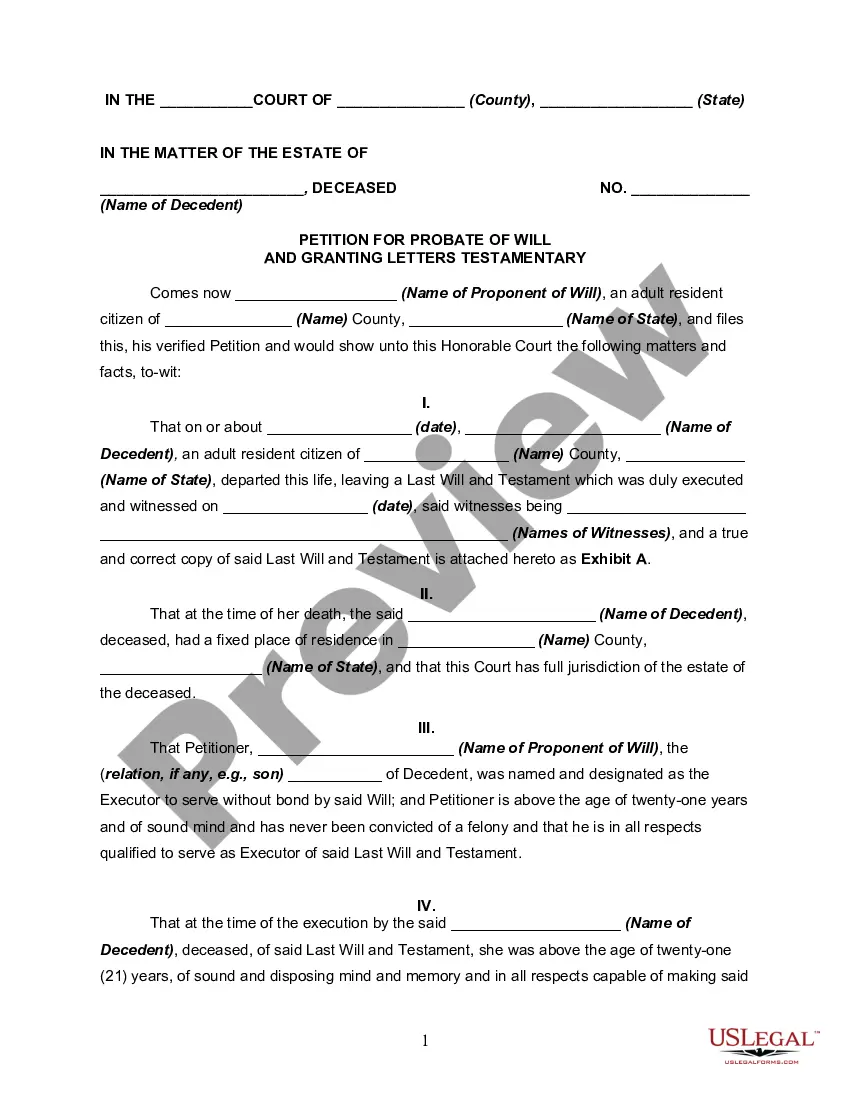
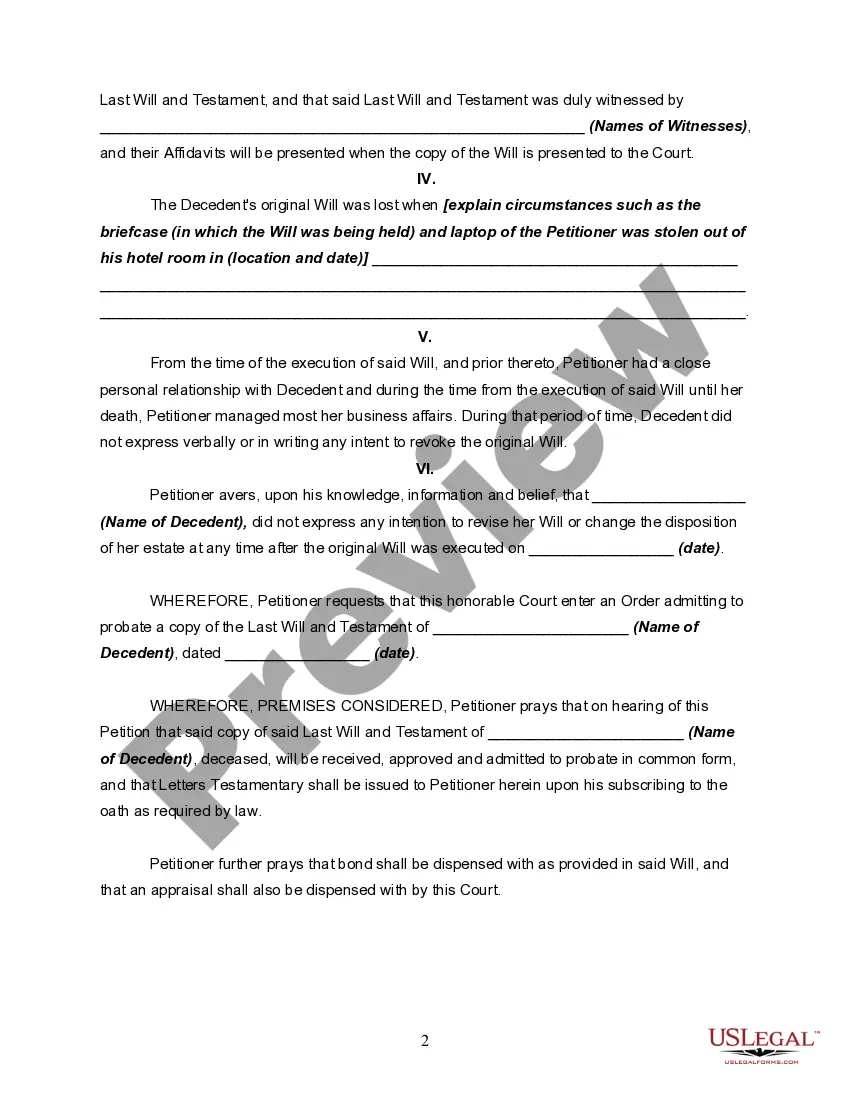
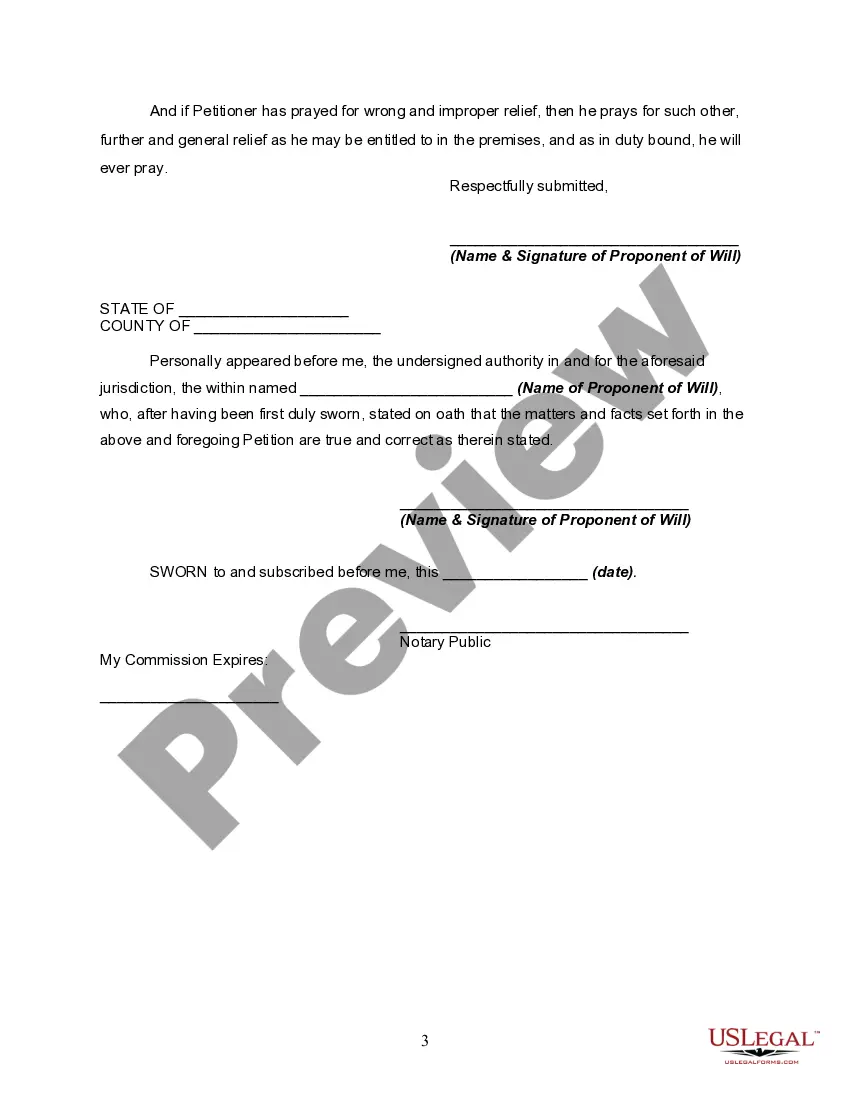
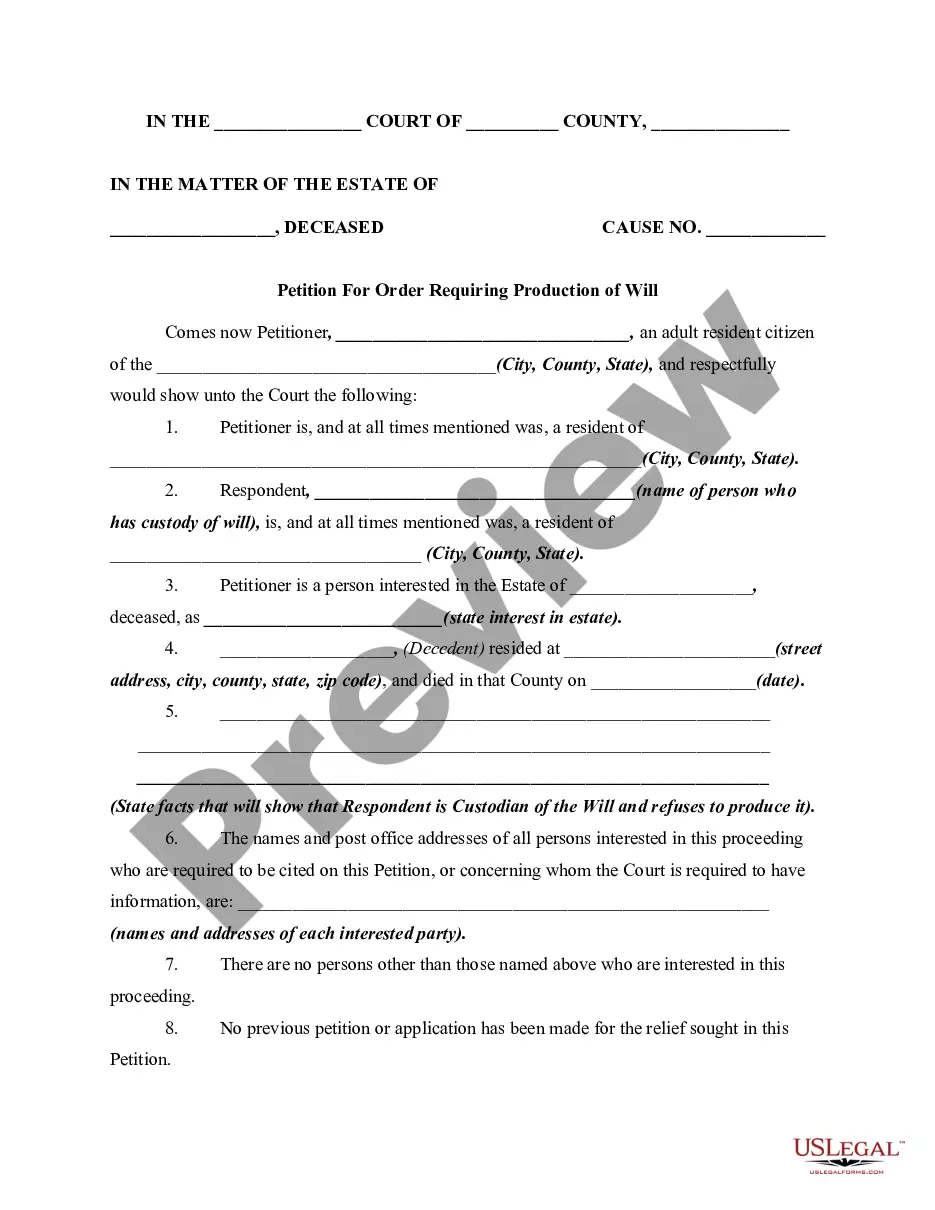

Get your form ready online
Our built-in tools help you complete, sign, share, and store your documents in one place.
Make edits, fill in missing information, and update formatting in US Legal Forms—just like you would in MS Word.
Download a copy, print it, send it by email, or mail it via USPS—whatever works best for your next step.
Sign and collect signatures with our SignNow integration. Send to multiple recipients, set reminders, and more. Go Premium to unlock E-Sign.
If this form requires notarization, complete it online through a secure video call—no need to meet a notary in person or wait for an appointment.
We protect your documents and personal data by following strict security and privacy standards.

Make edits, fill in missing information, and update formatting in US Legal Forms—just like you would in MS Word.

Download a copy, print it, send it by email, or mail it via USPS—whatever works best for your next step.

Sign and collect signatures with our SignNow integration. Send to multiple recipients, set reminders, and more. Go Premium to unlock E-Sign.

If this form requires notarization, complete it online through a secure video call—no need to meet a notary in person or wait for an appointment.

We protect your documents and personal data by following strict security and privacy standards.
Looking for another form?
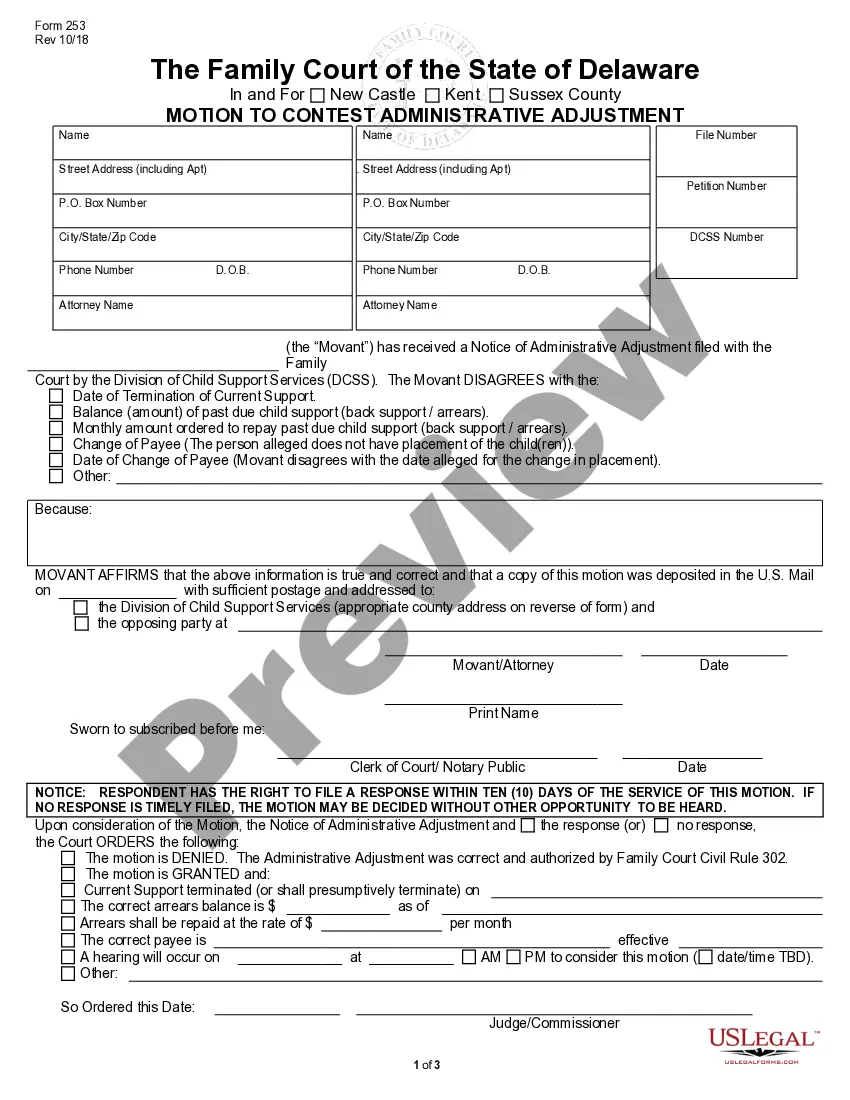
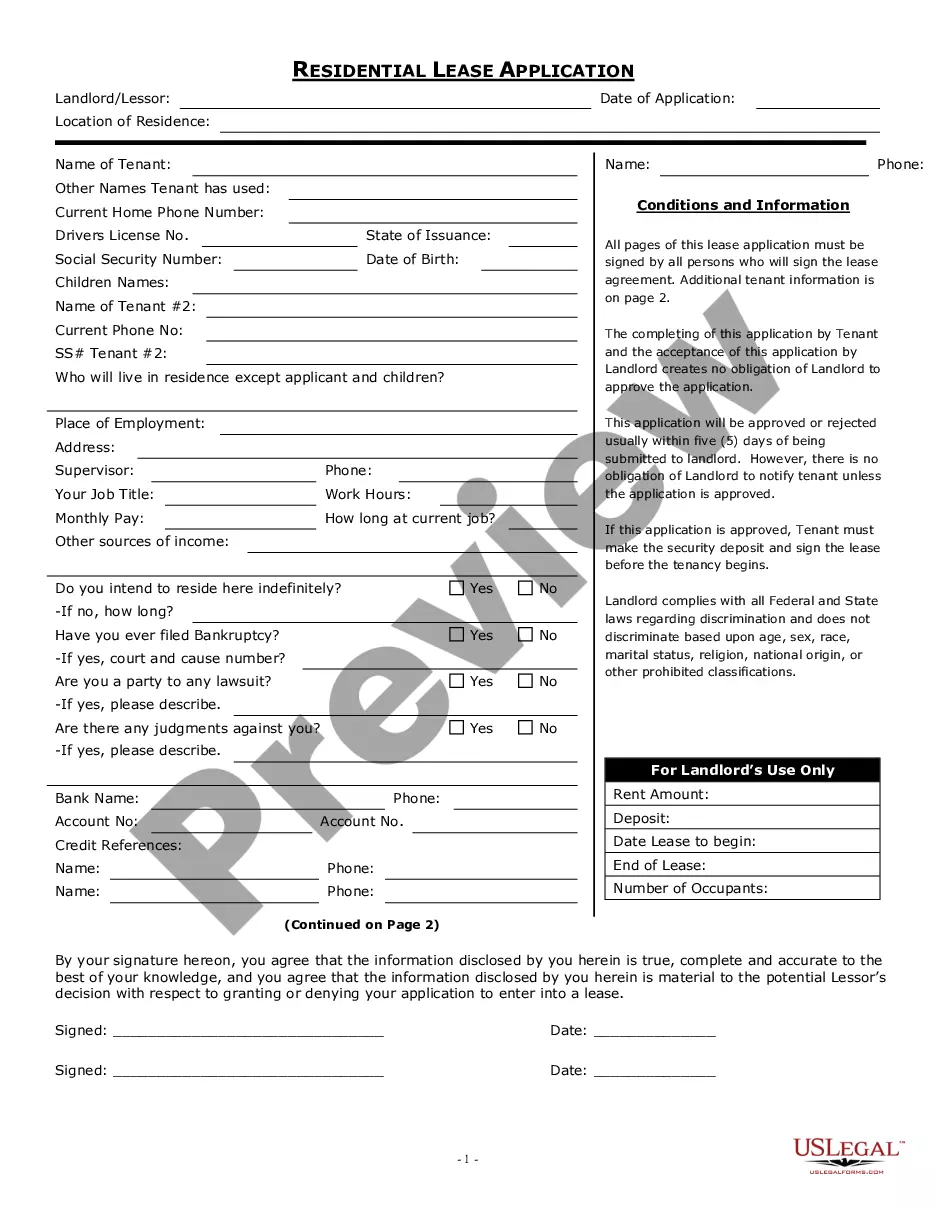
How to fill out Petition To Probate Lost Will?
- Log in to your US Legal Forms account if you already have one. Ensure your subscription is active, or renew it as necessary.
- Browse through the preview mode and detailed form descriptions to find a template that meets your specific legal needs.
- If you encounter any inconsistencies, use the search function to find an alternative template that aligns with your requirements.
- Select the document you wish to purchase by clicking the 'Buy Now' button and choose the subscription plan that best suits your needs.
- Complete your transaction by entering your payment information or using PayPal for a secure checkout.
- Download the chosen legal design template to your device, and access it anytime through your profile’s 'My Forms' section.
In conclusion, US Legal Forms is your go-to resource for comprehensive legal design templates, ensuring you have access to a diverse array of forms. Simplifying the legal process not only saves you time but also empowers you with the knowledge needed to execute documents correctly.
Explore US Legal Forms today to take advantage of this invaluable resource and streamline your legal documentation process!
Form popularity
FAQ
Finding the legal page in Word is straightforward. Start by navigating to 'Page Layout' or 'Layout,' then select 'Size' to view all available page sizes. You'll find 'Legal' listed among them, which you can click to set your document size. Using legal design templates can also streamline this process, as they are often pre-formatted for legal dimensions.
Creating your own legal document begins with outlining your needs and gathering the necessary information. In Word, you can start with a blank document or use a legal design template that fits your requirements, which helps ensure you do not overlook critical elements. After drafting, thoroughly review the document for clarity and accuracy, as well as pertinent legal language.
To set legal paper in Word, first go to 'Page Layout' or 'Layout' on the ribbon. Then, click on 'Size' and select 'Legal' from the list, which typically measures 8.5 x 14 inches. If you want to create customized legal documents, using specialized legal design templates can save you time and ensure accuracy in formatting the document layout.
Yes, Microsoft Word offers a variety of manual templates for different purposes. You can access these by opening Word and navigating to 'New,' where you will find options for legal documents. However, if you need more specific designs, consider exploring legal design templates available on platforms like uslegalforms. These templates can simplify the document creation process and ensure compliance with legal formatting.
To achieve proper legal formatting in Word, start by selecting the correct page layout. Use the 'Page Setup' menu to set margins specifically for legal documents, usually 1 inch on all sides or as specified. After this, employ styles for headings and body text to create a professional appearance. You may benefit from using legal design templates to ensure your document meets legal standards.
To properly format a legal document, ensure that it includes uniform margins, consistent fonts, and clear headings. Begin with a title, followed by the body containing relevant sections and subsections. Using legal design templates simplifies this task, as they offer a standardized layout that enhances readability. Finally, remember to proofread for both appearance and content accuracy before finalizing the document.
Requirements for a legal document vary by jurisdiction but generally include a clear title, appropriate headings, and a signature section. Furthermore, the content must reflect the intentions of the parties and comply with applicable laws. Legal design templates facilitate compliance with these requirements by providing ready-made formats that minimize your workload. Always verify that additional local requirements are also met.
A document is legally valid when it meets specific criteria, such as being properly signed, dated, and devoid of errors. Essential elements include the intent of the parties involved, the clarity of terms, and adherence to relevant laws. Utilizing legal design templates helps ensure these critical aspects are included and clearly presented. Additionally, consulting with a legal professional can provide further assurance of validity.
Completing a legal document requires careful attention to detail. Enter all required information accurately, and ensure you understand any legal jargon. By using legal design templates, you can follow guided sections that simplify the completion process. After filling in the document, it's wise to review it and seek legal advice if necessary to confirm its validity.
Formatting a legal document involves several key elements, such as headings, margins, and font size. Begin with a clear title that reflects the document's purpose, and use consistent formatting throughout. Legal design templates offer pre-set formatting options that can save you time and ensure professionalism. Always align your format with the specific requirements of the jurisdiction where the document will be used.