Charges Were Dismissed
Description
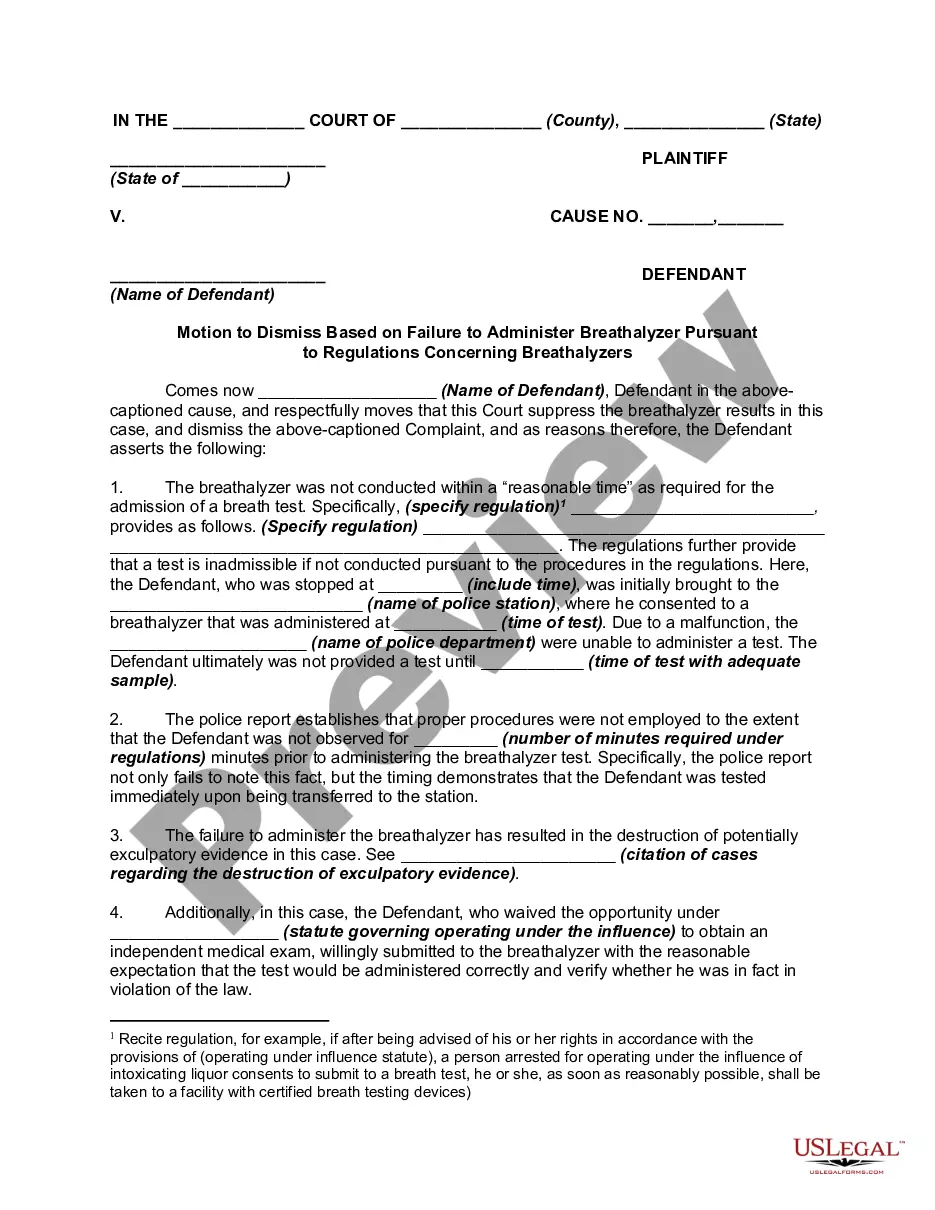
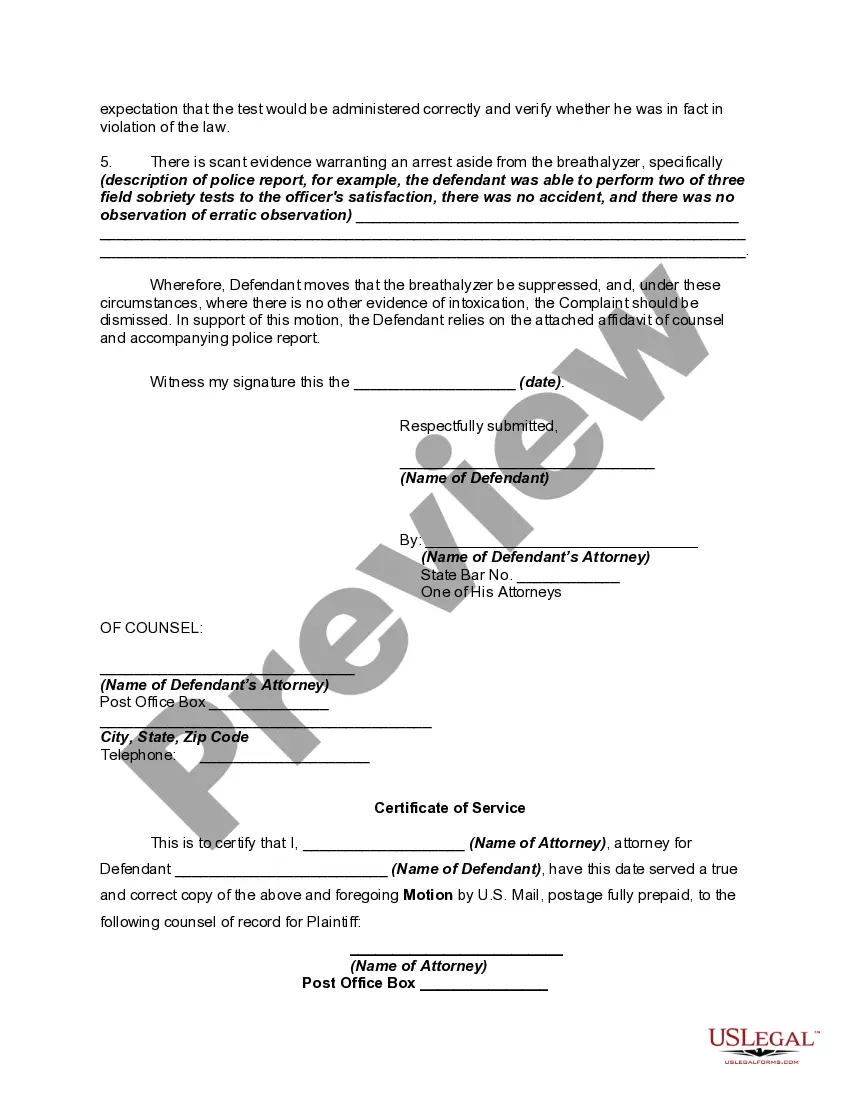
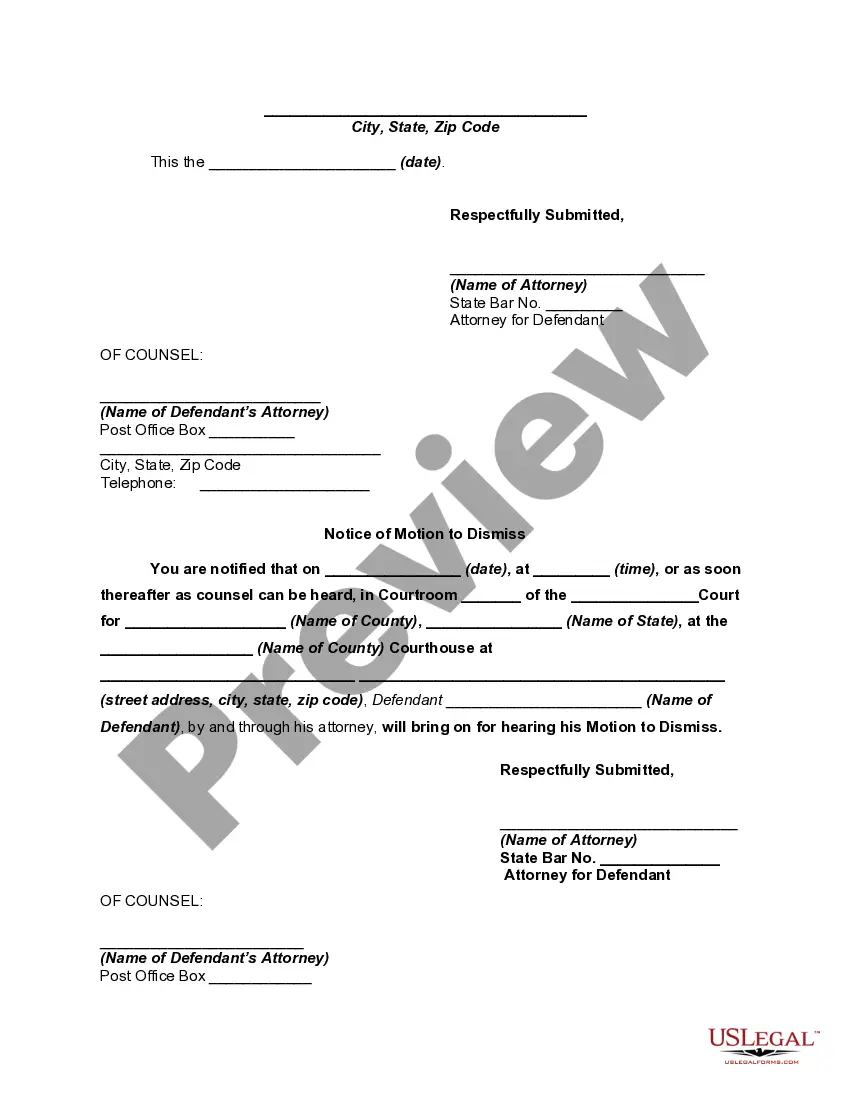

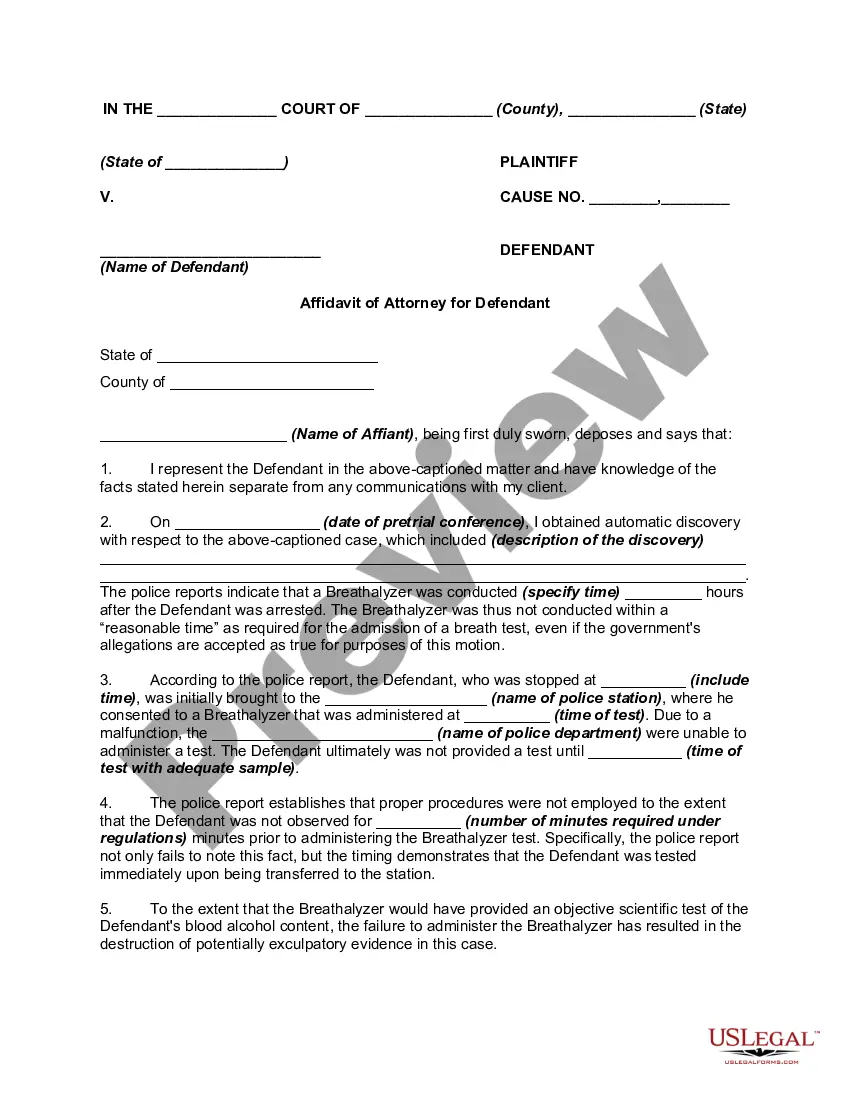
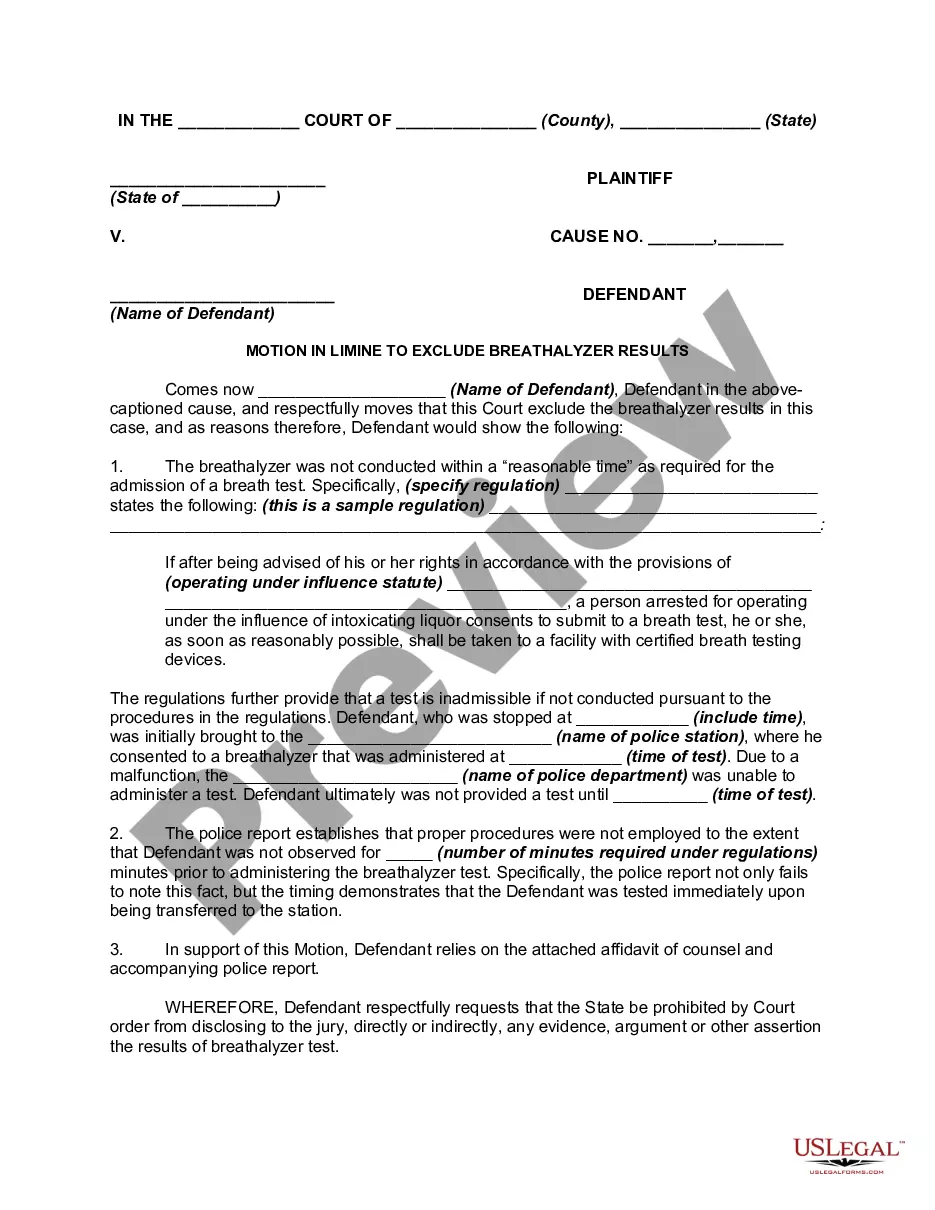
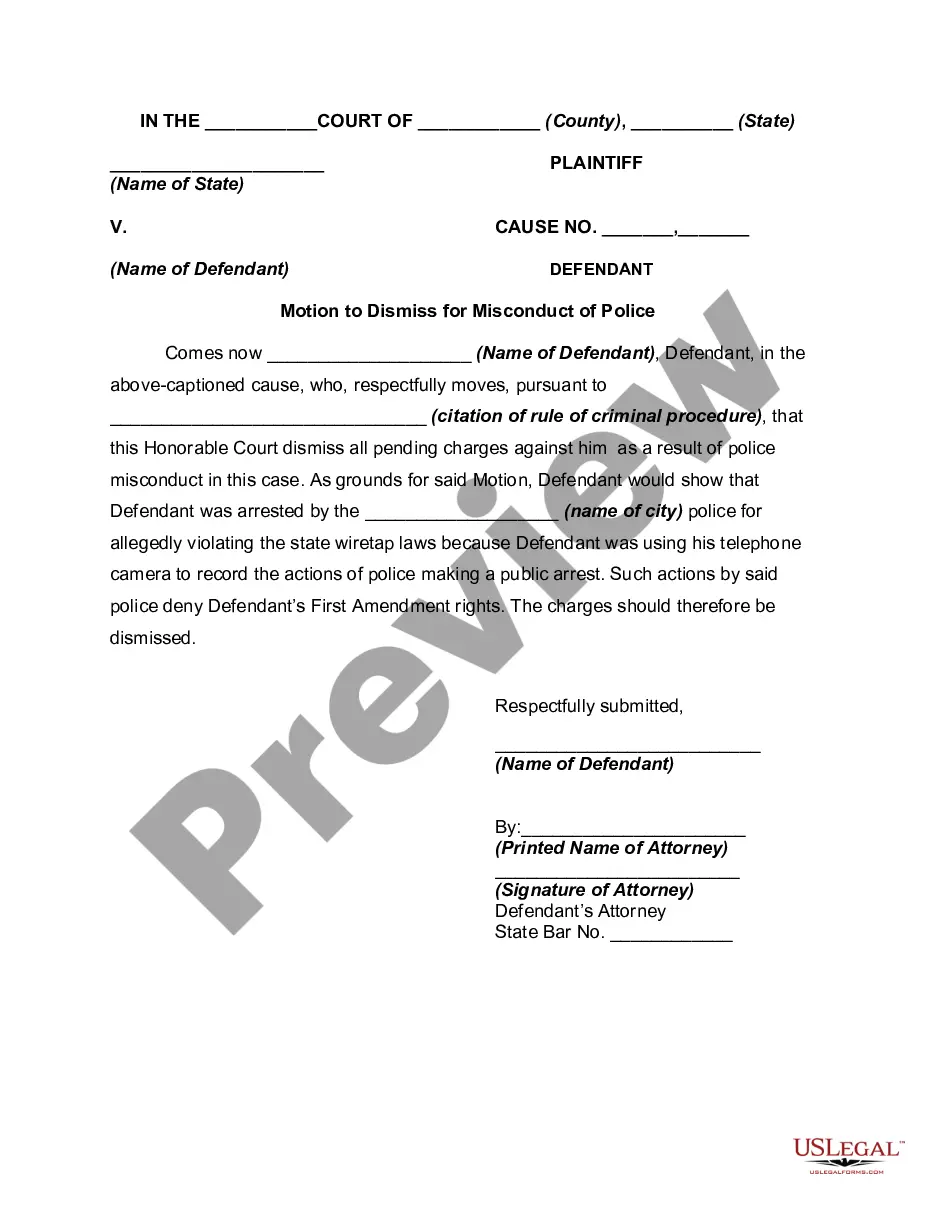

How to fill out Motion To Dismiss Criminal Charges For Failure To Follow Breathalyzer Protocols - DUI?
- If you're a returning user, log in to your account and click the Download button to retrieve your form. Verify that your subscription is active and renew it if necessary.
- If you're new to US Legal Forms, begin by exploring the Preview mode to check the form description. Make certain that it fits your legal needs and local jurisdiction requirements.
- In case you need a different template, utilize the Search tab to find the correct document. Confirm the consistency of the form, then proceed to the next step.
- Purchase your desired form by clicking the Buy Now button and selecting a subscription plan. You’ll need to create an account for full access to the legal library.
- Finalize your payment by entering your credit card info or logging into your PayPal account.
- Download the form to your device and visit the My Forms section to access it at any time.
US Legal Forms not only provides a vast selection of legal documents but also ensures that users receive guidance from premium experts for form completion. This level of support guarantees accurate and legally sound documents, making the process smoother and more efficient.
Ready to streamline your legal documentation? Explore US Legal Forms today and ensure your charges were dismissed with the right paperwork!
Form popularity
FAQ
Prosecutors may choose to dismiss cases when they determine that the evidence does not support a conviction. This decision often reflects a commitment to justice, ensuring that no innocent person faces undue prosecution. In some instances, it may also arise from plea bargains or negotiations with defense attorneys. Utilizing platforms like uslegalforms can provide valuable resources for defendants in such scenarios.
The most common reason charges are dismissed is the lack of credible evidence. When the evidence fails to establish guilt, it weakens the prosecution's position significantly. Often, this results in charges being dismissed to uphold justice. Having access to resources and guidance, such as those offered by uslegalforms, can also aid in navigating these situations.
Most cases are dismissed due to insufficient evidence. When the prosecution cannot substantiate its claims, charges may be dropped. Additionally, procedural missteps or discovery violations can also play a significant role. This emphasizes the importance of having strong legal support in navigating the complexities of criminal law.
Several factors can lead to charges being dismissed. For instance, if key evidence is obtained unlawfully or witnesses recant their statements, the case may falter. Furthermore, if the prosecution fails to prove its case beyond a reasonable doubt, charges could also be dismissed. Knowing these possibilities informs defendants of their rights.
Charges were dismissed for various reasons. Commonly, they may include lack of evidence, procedural errors, violations of rights, or ineffective legal representation. Each of these reasons can undermine a prosecution's case. Understanding these factors can empower defendants to effectively challenge their charges.
When charges are dismissed, it indicates that the court has decided not to proceed with the case. This outcome may arise from various factors, including insufficient evidence or procedural issues. Essentially, it means the legal system found no reason to hold you accountable for the alleged offense. For clarity on the dismissal and implications, consider consulting legal experts for tailored advice.
Absolutely, you have the right to pursue legal action even if charges were dismissed. The key is to assess the reasons behind the dismissal and the circumstances surrounding your case. Consulting a legal professional can help clarify your options and the potential for a successful claim. They can guide you through the nuances of your specific situation.
When a case gets dismissed, it signifies that legal proceedings have ceased, and you are no longer facing charges. The dismissal could occur at various stages in the judicial process. After dismissal, it is typically in your best interest to consult an attorney to understand the next steps, including how to protect your record. Platforms like USLegalForms can assist in navigating this process effectively.
Generally, charges that were dismissed do not reflect poorly on your character. A dismissal indicates the court found insufficient reason to continue with the prosecution. However, it's worth noting that potential employers might still see a record of the arrest. Depending on your situation, you might want to explore options for sealing or expunging the record.
Yes, you can sue after charges were dismissed, but the circumstances will dictate the feasibility of your case. Dismissed charges do not automatically grant you the right to sue, as it depends on the specific events leading to the dismissal. If you believe you have a valid claim, consider reaching out for legal advice to understand your rights better.