Revocable Trust Trustee With A Will
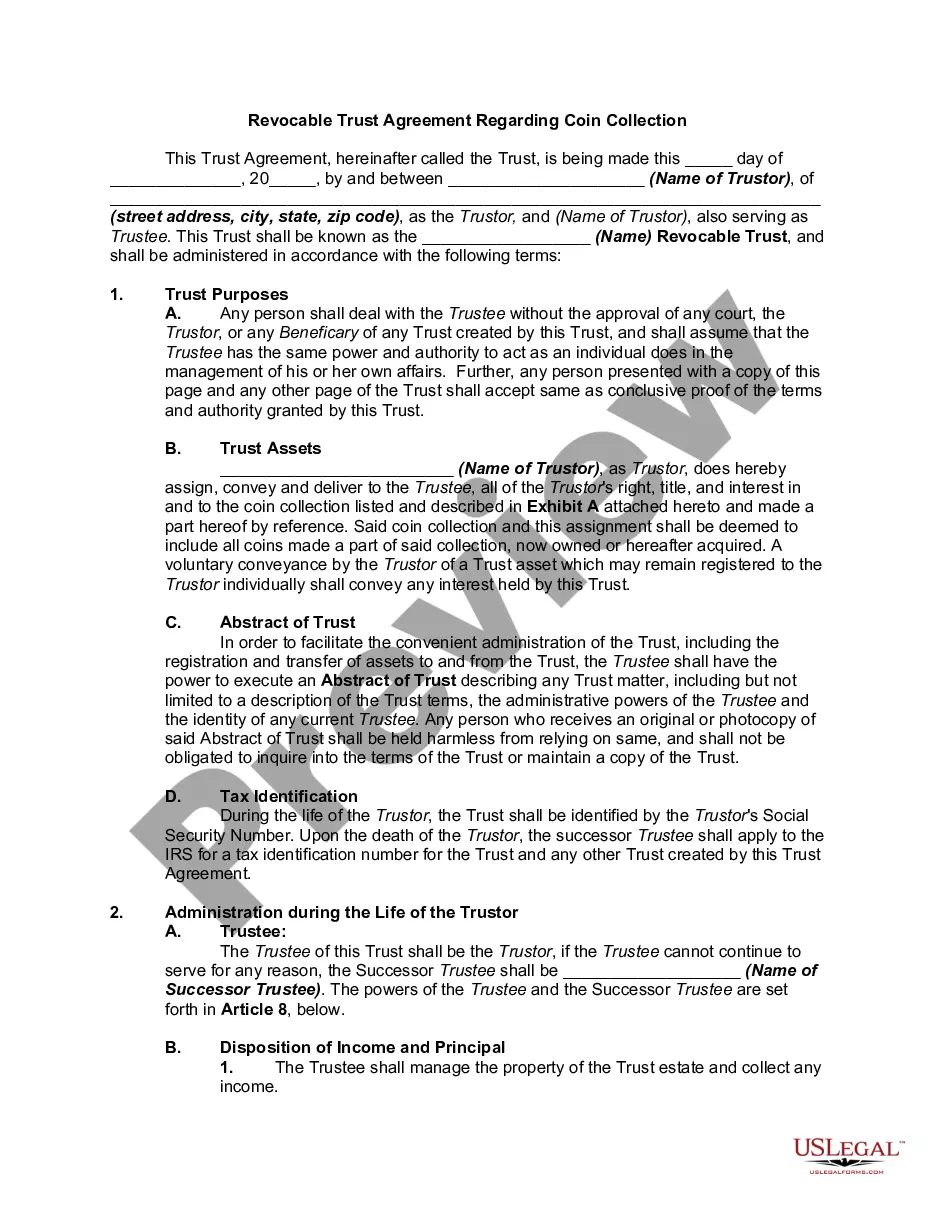
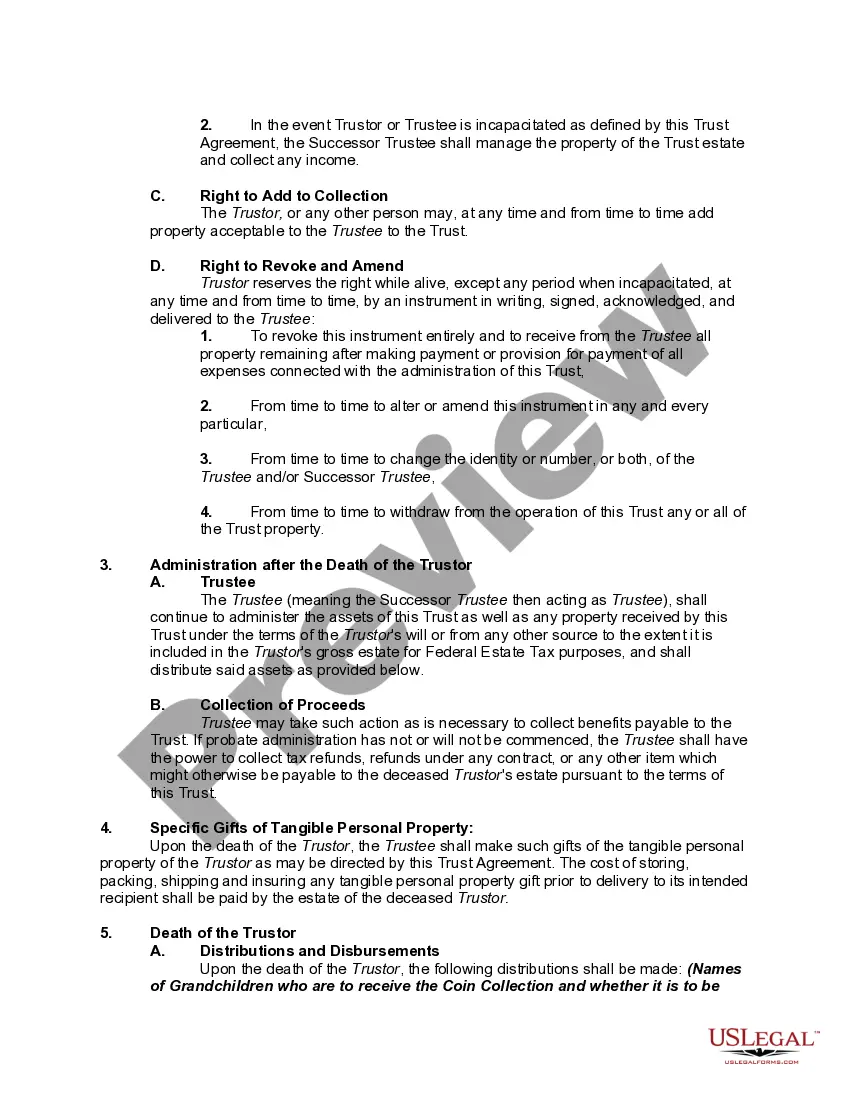
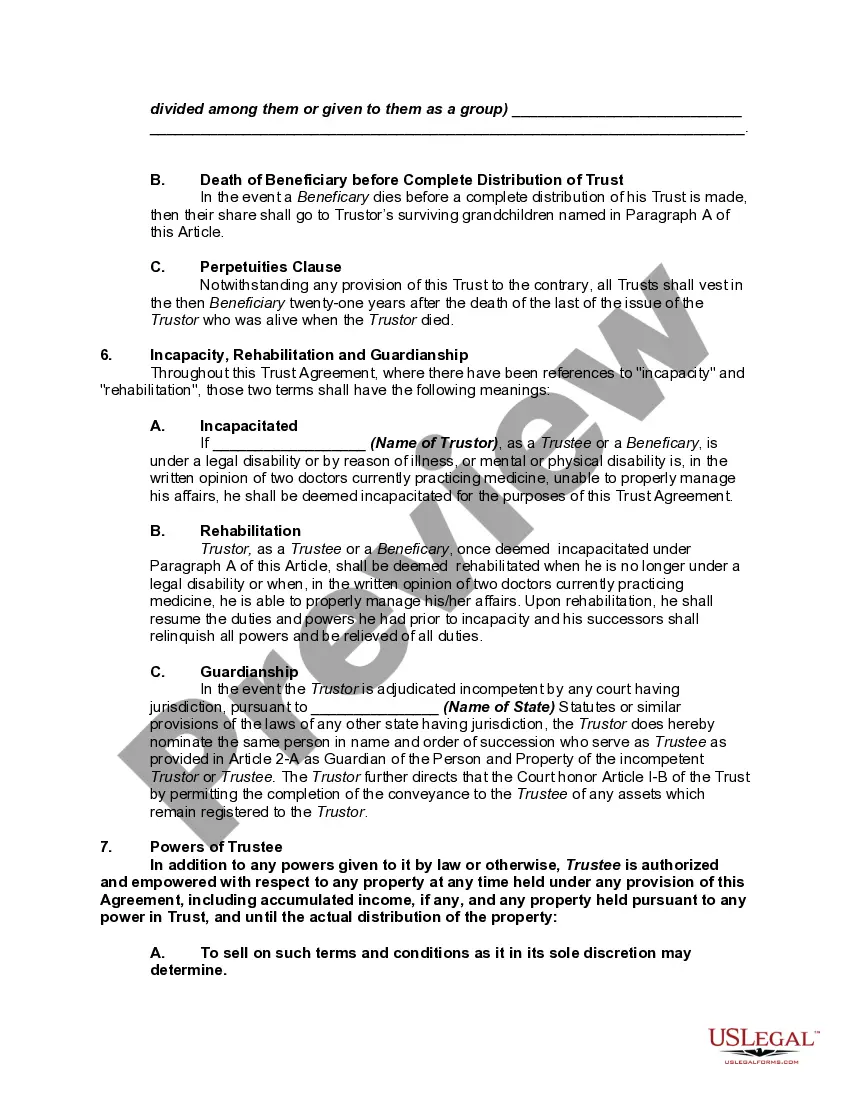
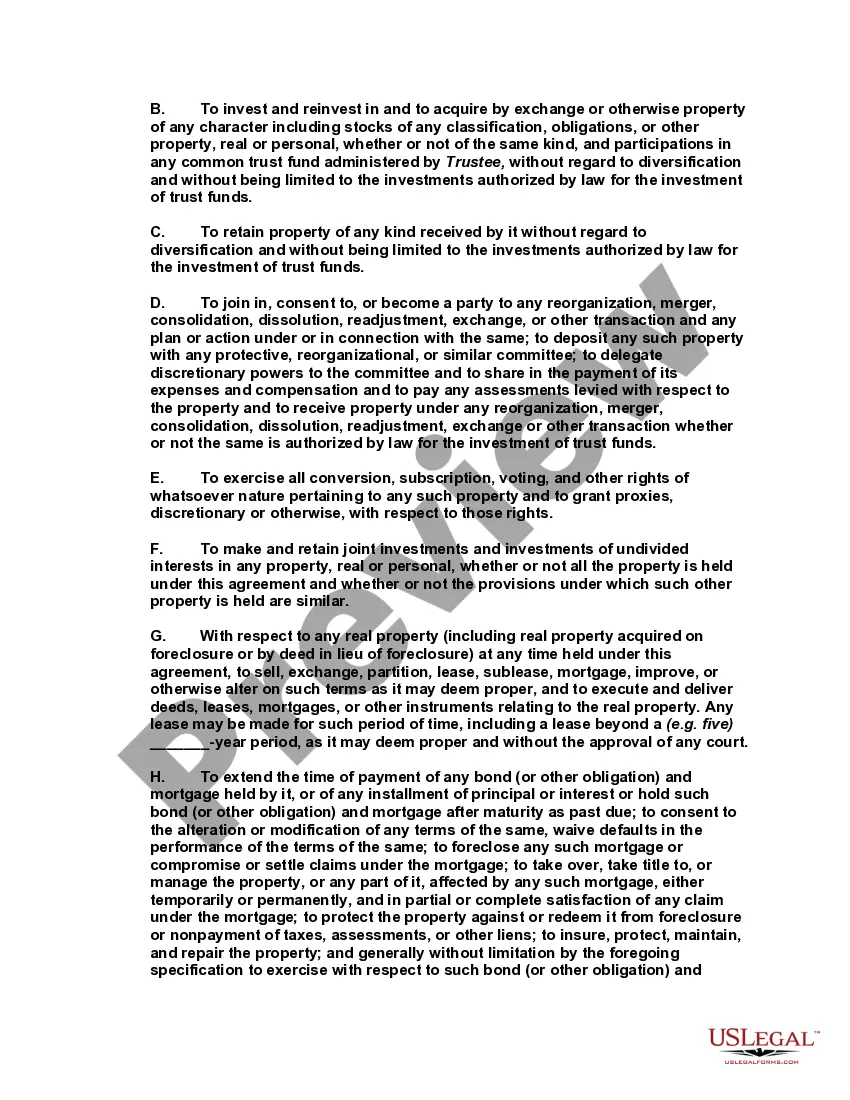
Description
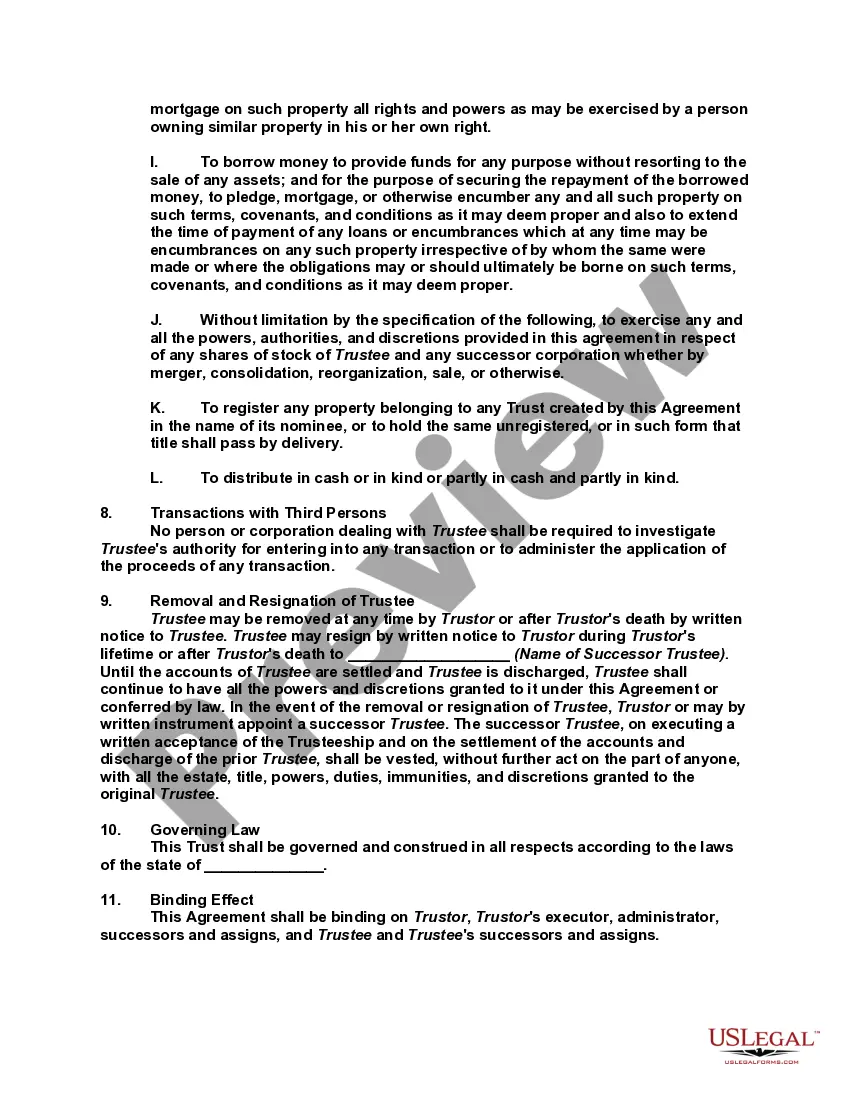
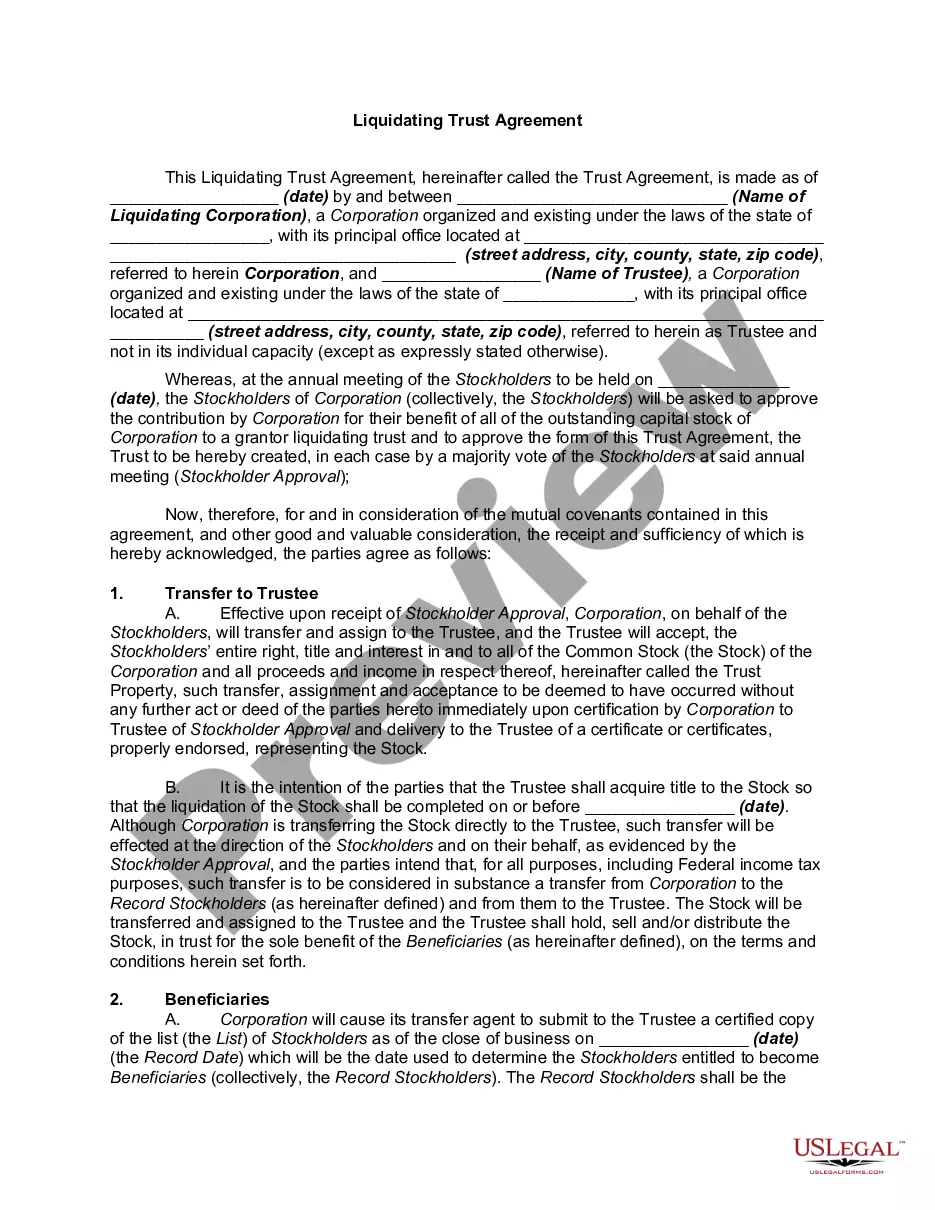
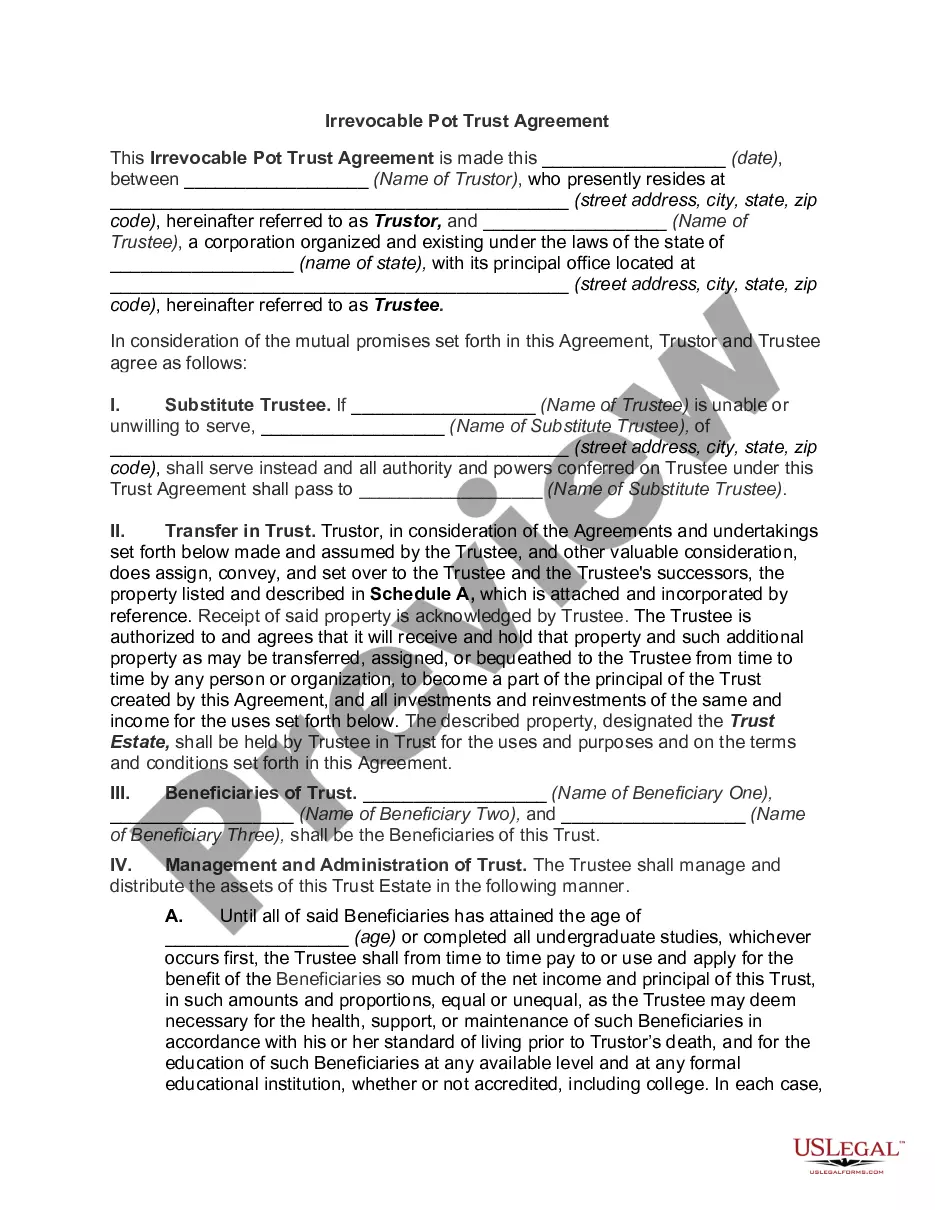
Get your form ready online
Our built-in tools help you complete, sign, share, and store your documents in one place.
Make edits, fill in missing information, and update formatting in US Legal Forms—just like you would in MS Word.
Download a copy, print it, send it by email, or mail it via USPS—whatever works best for your next step.
Sign and collect signatures with our SignNow integration. Send to multiple recipients, set reminders, and more. Go Premium to unlock E-Sign.
If this form requires notarization, complete it online through a secure video call—no need to meet a notary in person or wait for an appointment.
We protect your documents and personal data by following strict security and privacy standards.

Make edits, fill in missing information, and update formatting in US Legal Forms—just like you would in MS Word.

Download a copy, print it, send it by email, or mail it via USPS—whatever works best for your next step.

Sign and collect signatures with our SignNow integration. Send to multiple recipients, set reminders, and more. Go Premium to unlock E-Sign.

If this form requires notarization, complete it online through a secure video call—no need to meet a notary in person or wait for an appointment.

We protect your documents and personal data by following strict security and privacy standards.
Looking for another form?









How to fill out Revocable Trust Agreement Regarding Coin Collection?
- Visit the US Legal Forms website and log in to your account if you are a returning user, ensuring your subscription is active.
- If you're new, start by reviewing the Drafts section and selecting the revocable trust trustee template that fits your unique needs.
- Use the Search function to find alternative templates if necessary, ensuring compliance with local regulations.
- Once you've identified the right document, click the Buy Now button, select your desired subscription plan, and create your account.
- Proceed with your purchase by entering your payment details via credit card or PayPal.
- After payment, download the form directly to your device and access it anytime from the My Forms section of your profile.
By leveraging US Legal Forms, you gain access to a diverse library containing over 85,000 legal forms, making it easier than ever to prepare essential documents.
Don't wait any longer; streamline your estate planning by subscribing to US Legal Forms today and ensure your documents are legally sound and readily accessible.
Form popularity
FAQ
When someone dies, their revocable trust continues to operate seamlessly. The designated trustee assumes responsibility for managing the assets in the trust, following the instructions outlined within the document. This process bypasses the probate court, allowing for quicker distribution of assets to beneficiaries. Utilizing a revocable trust trustee with a will can make this transition even smoother, ensuring that your preferences are honored.
Yes, a revocable trust generally becomes irrevocable upon your death. Once you pass away, the trust cannot be modified or revoked by anyone, including your designated trustee. This transition provides stability, allowing the person you selected to manage and distribute your assets according to your wishes. Engaging a revocable trust trustee with a will can help ensure all aspects of your estate plan are clear.
Choosing a trustee for your revocable trust is a critical decision. Look for someone you trust, who understands financial matters, and can manage your assets responsibly. This individual should be able to make sound decisions in accordance with your wishes. Often, a revocable trust trustee with a will can ensure that your directives are properly followed.
One of the main downsides of a revocable trust is the lack of asset protection. Since you can alter or revoke the trust at any time, creditors may still access your assets. Additionally, creating and maintaining a revocable trust may involve higher upfront costs compared to a simple will. However, having a revocable trust trustee with a will can provide clarity in your estate plan.
One of the biggest mistakes parents make when setting up a trust fund is not clearly defining the terms and conditions for distributions. As a revocable trust trustee with a will, you must outline who receives what, when, and under what circumstances. This clarity helps prevent disputes among heirs and ensures that the trust accomplishes your financial goals.
Failing to file a trust tax return when required can lead to penalties and interest charges from the IRS. If you overlook your obligations as a revocable trust trustee with a will, it could also raise red flags during estate settlement. To avoid complications, it is essential to stay organized and ensure compliance with tax filing requirements.
Generally, you do not file a separate tax return for a revocable trust during the lifetime of the grantor. Instead, as a revocable trust trustee with a will, you will include all trust income with your personal tax return. This process simplifies tax obligations since the trust’s income is still subject to personal taxation.
To report trust income on a tax return, the revocable trust trustee with a will should include any income earned by the trust on the grantor’s 1040 return. Income from the trust, such as interest or dividends, gets reported under the grantor’s Social Security number. Ensuring that all income and expenses are documented will aid in accurate reporting and compliance.
To file taxes for a revocable trust, the revocable trust trustee with a will typically needs to report any income generated by the trust on their personal tax return using Form 1040. Since the trust is revocable, the income is usually taxed to the grantor during their lifetime. It is crucial to maintain clear records of trust income and distributions to ensure accurate reporting at tax time.
Including the right assets in your revocable trust is vital for effective estate planning. You can place real estate, bank accounts, and other valuable personal property within the trust. Such decisions can simplify the transfer of assets upon your passing, easing the burden on your heirs. By doing so, you enhance the role of your revocable trust trustee with a will and ensure your wishes are honored.