Revocable Trust Trustee For Trust
Description
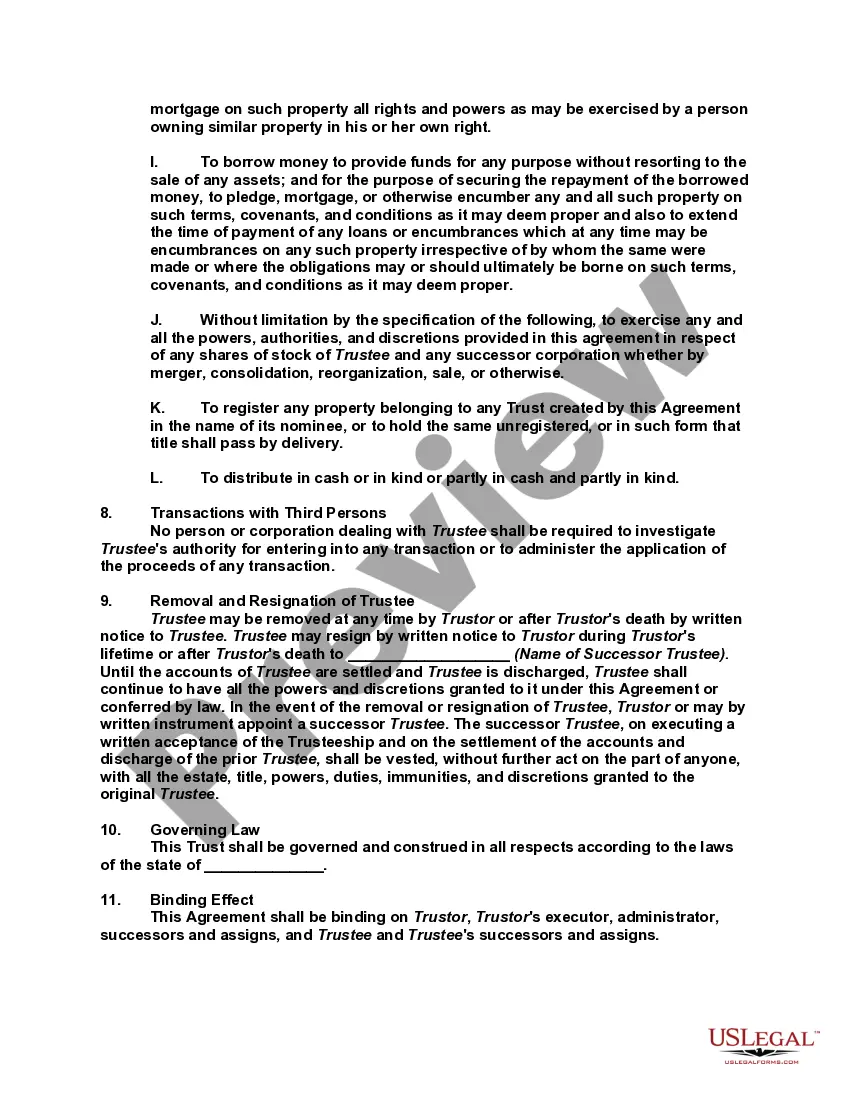
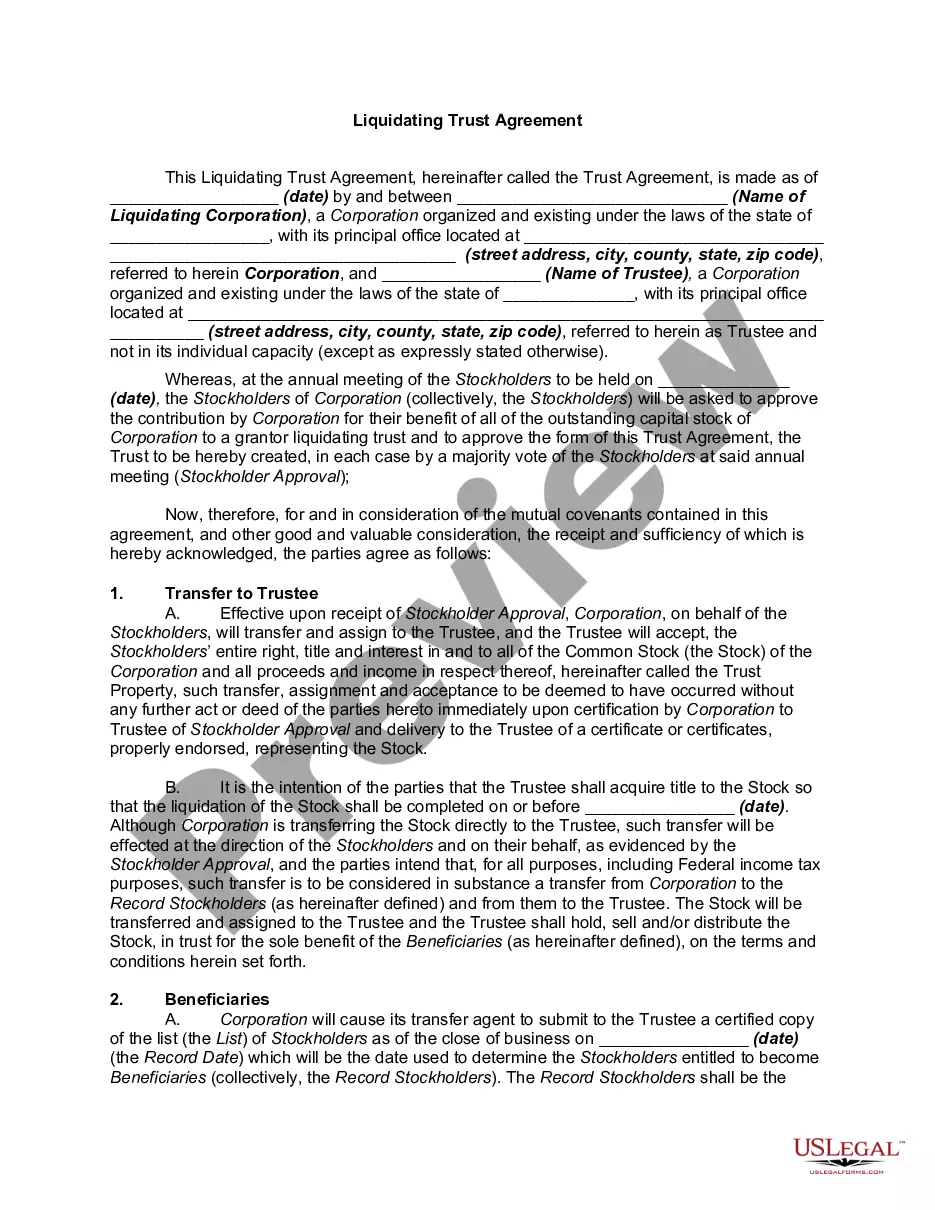
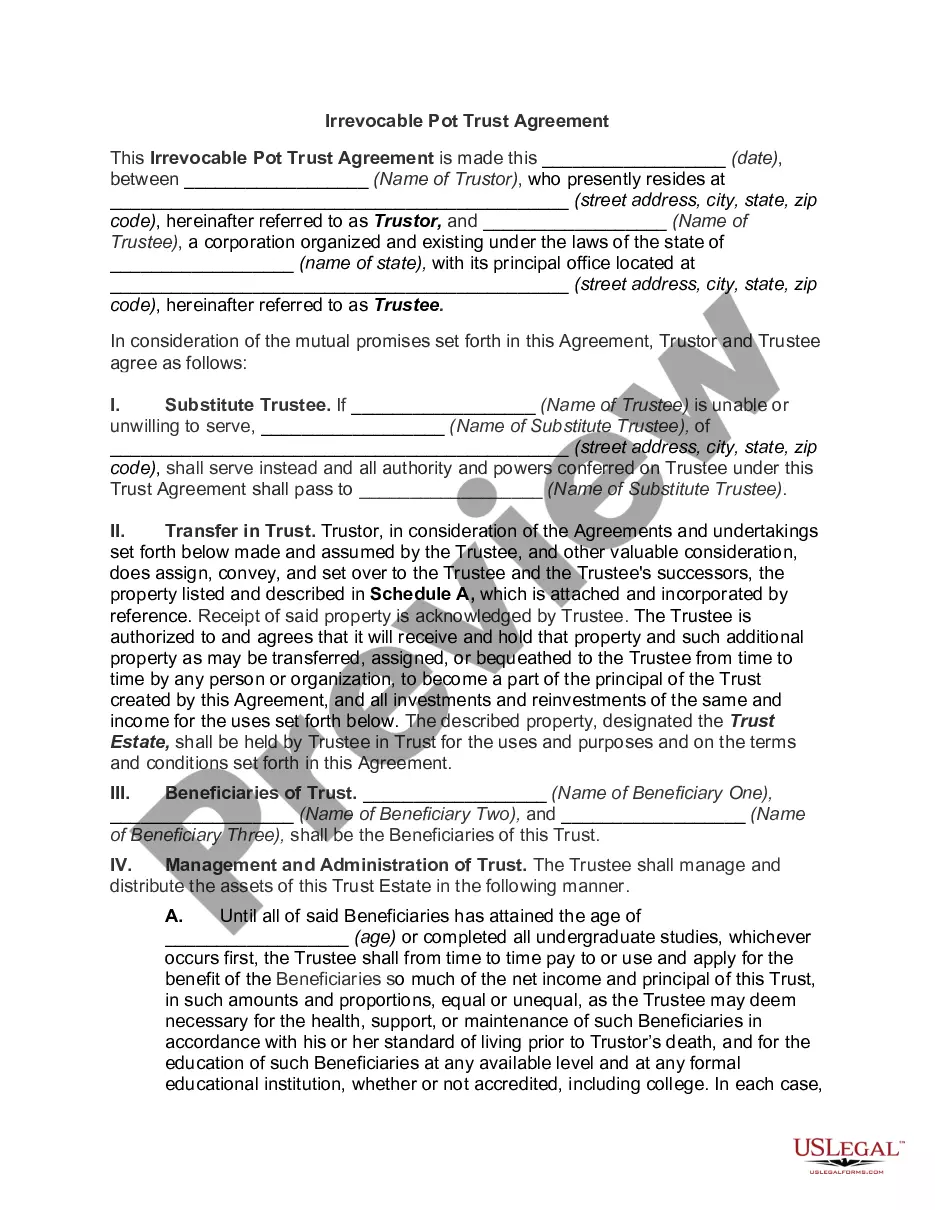
Get your form ready online
Our built-in tools help you complete, sign, share, and store your documents in one place.
Make edits, fill in missing information, and update formatting in US Legal Forms—just like you would in MS Word.
Download a copy, print it, send it by email, or mail it via USPS—whatever works best for your next step.
Sign and collect signatures with our SignNow integration. Send to multiple recipients, set reminders, and more. Go Premium to unlock E-Sign.
If this form requires notarization, complete it online through a secure video call—no need to meet a notary in person or wait for an appointment.
We protect your documents and personal data by following strict security and privacy standards.

Make edits, fill in missing information, and update formatting in US Legal Forms—just like you would in MS Word.

Download a copy, print it, send it by email, or mail it via USPS—whatever works best for your next step.

Sign and collect signatures with our SignNow integration. Send to multiple recipients, set reminders, and more. Go Premium to unlock E-Sign.

If this form requires notarization, complete it online through a secure video call—no need to meet a notary in person or wait for an appointment.

We protect your documents and personal data by following strict security and privacy standards.
Looking for another form?








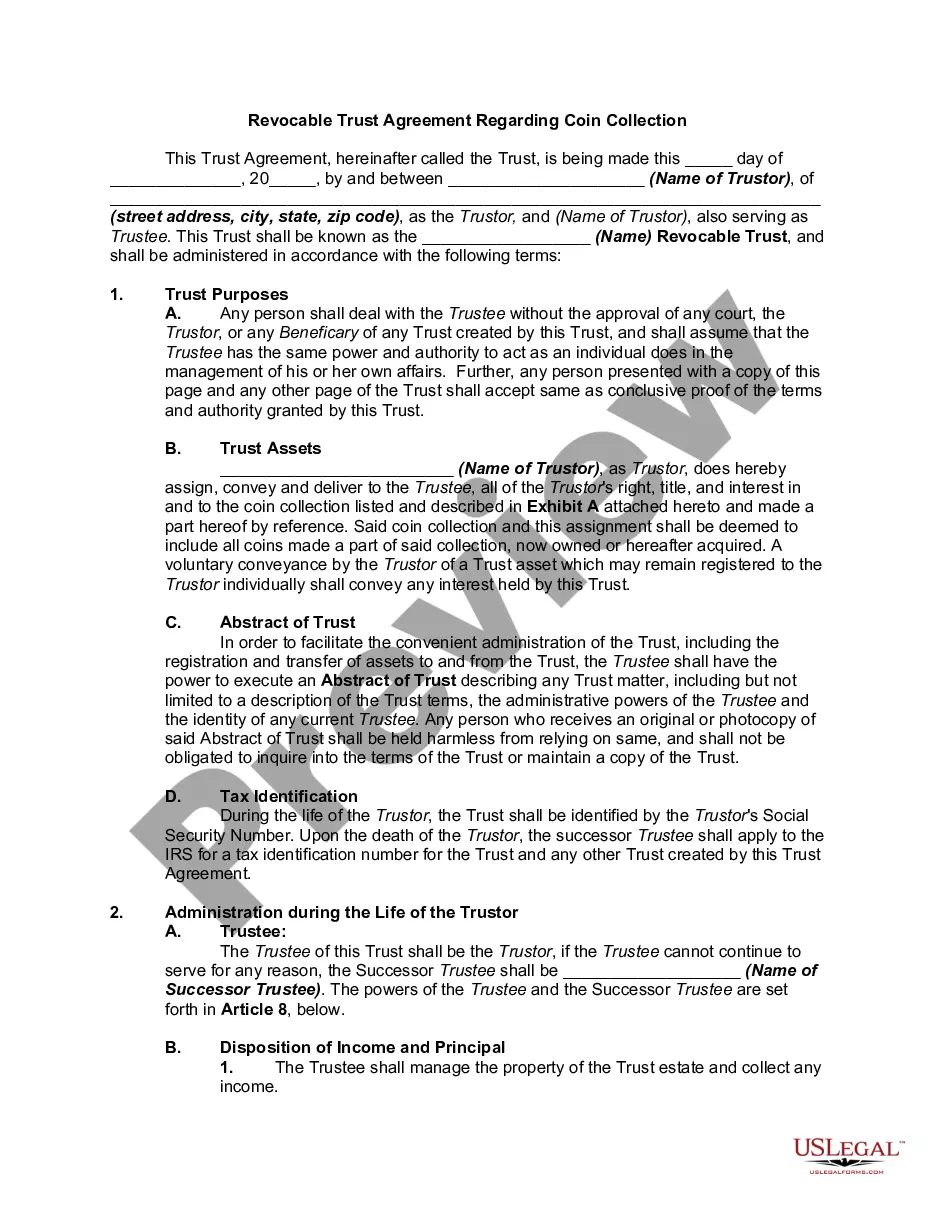
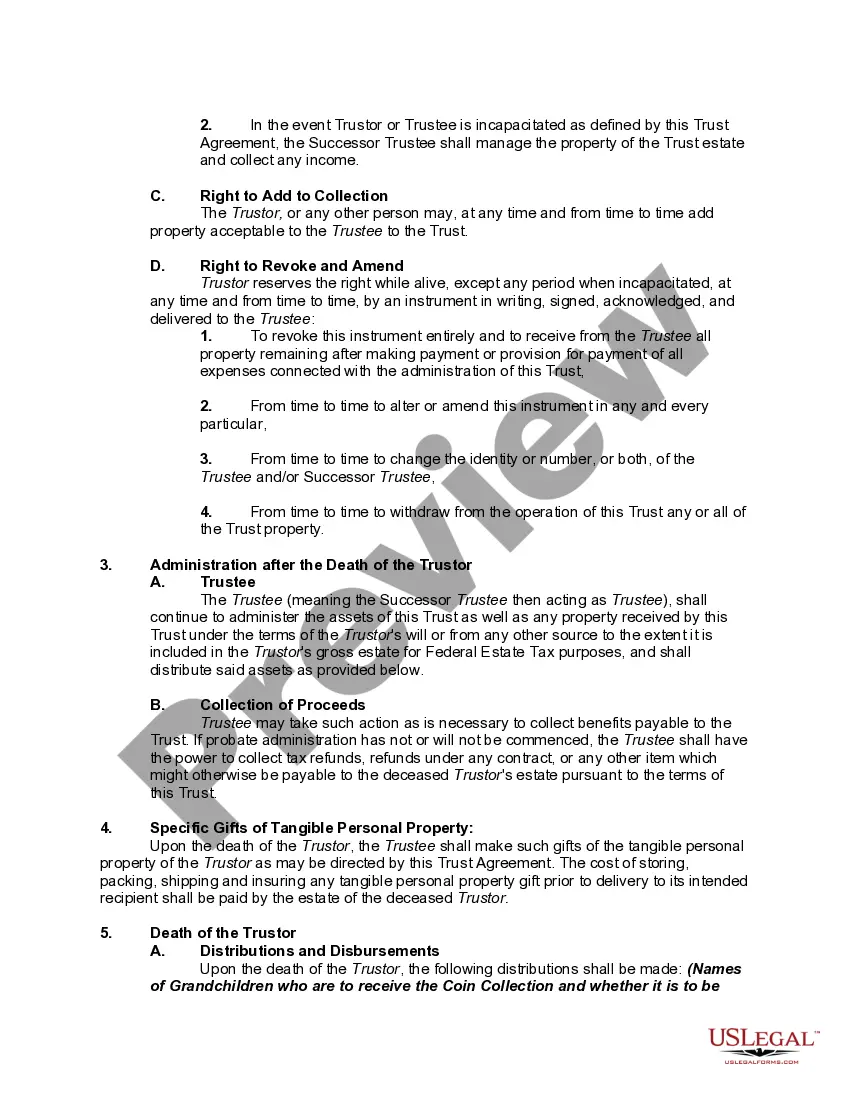
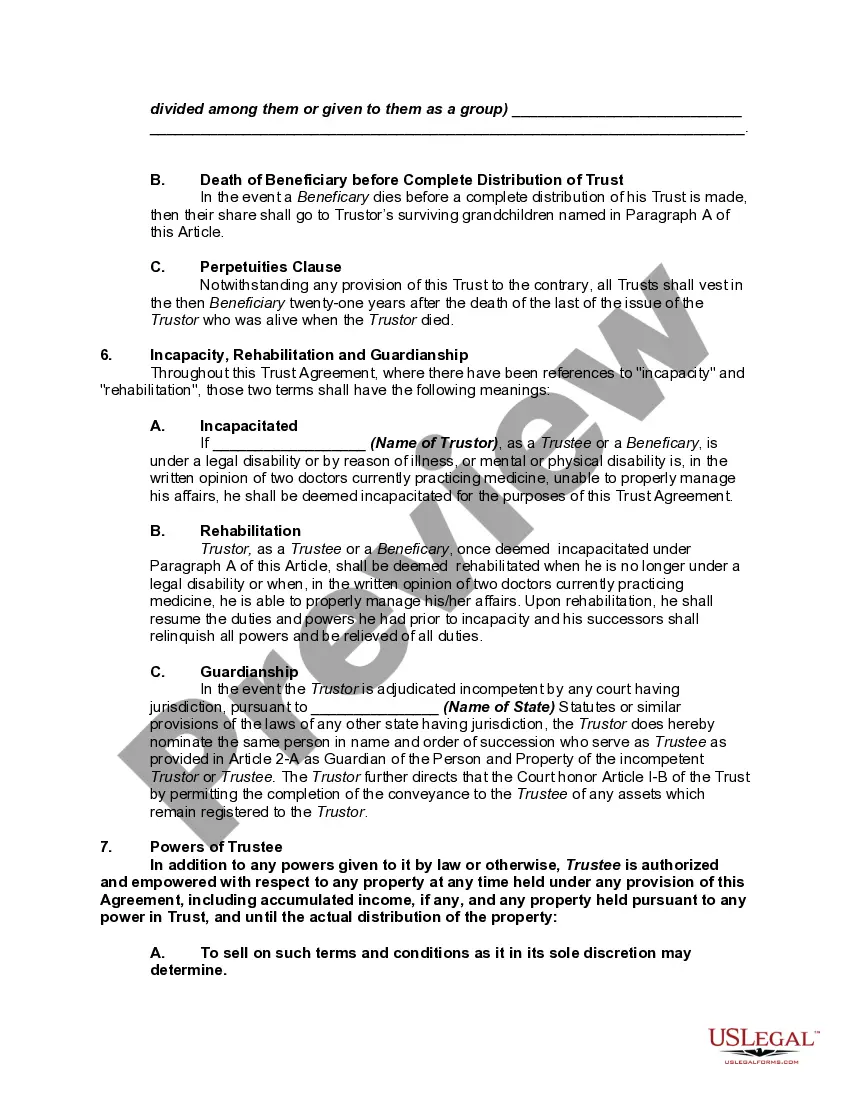
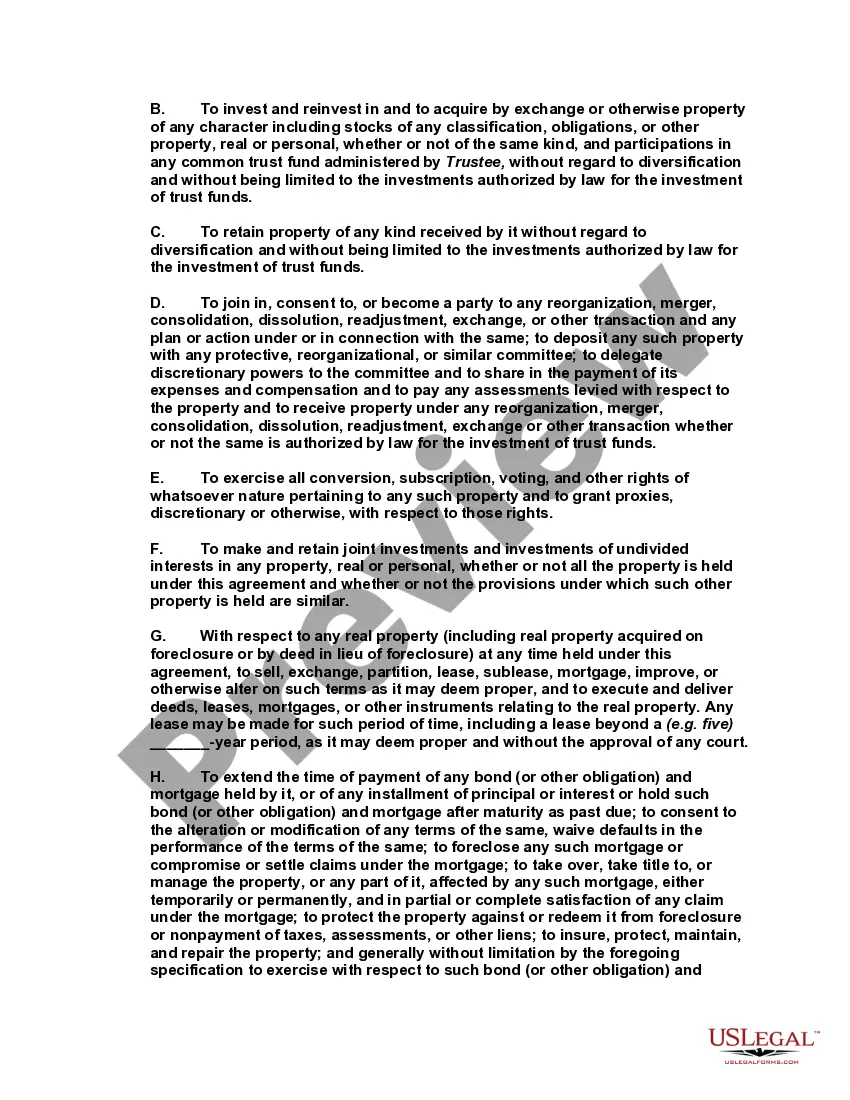
How to fill out Revocable Trust Agreement Regarding Coin Collection?
- If you are an existing user, log into your account at US Legal Forms. Verify your subscription is active and download the needed template by clicking the Download button.
- If you are a new user, start by checking the Preview mode and description of the form to ensure it meets your specific needs and complies with your local jurisdiction.
- If necessary, use the Search tab to find an alternative template that suits your requirements better before proceeding.
- Select the appropriate document and click on the Buy Now button, then choose your preferred subscription plan to gain access to the library.
- Complete your purchase by entering your payment information. You may use a credit card or your PayPal account.
- Download your selected form and save it to your device, ensuring easy access via the My Forms section of your profile whenever you need it.
US Legal Forms offers a comprehensive collection of over 85,000 legal forms, making it one of the most extensive libraries available. With the added benefit of premium expert assistance, ensuring your documents are legally sound has never been easier.
In conclusion, establishing a revocable trust with the right trustee is essential for effective estate planning. Leverage the vast resources available at US Legal Forms to simplify this process and ensure your documents are completed accurately. Start your journey today!
Form popularity
FAQ
One downside of putting assets in a trust is the potential loss of control over those assets. The revocable trust trustee for trust manages the assets, which can be an adjustment for some individuals. There could also be ongoing costs associated with maintaining the trust, which can accumulate over time. Assessing your financial situation and discussing it with a professional can help you make the best decision.
A family trust can limit access to the assets, which may pose a disadvantage in times of need. Additionally, a revocable trust trustee for trust might require ongoing management and oversight, adding complexity to family dynamics. Sometimes, there may be family disagreements regarding asset distribution. Ensure open communication among family members to minimize these challenges.
To add a trustee to a revocable trust, you must modify the trust document according to the guidelines set forth during its creation. It's important to follow the legal procedure to ensure the appointment is valid. The revocable trust trustee for trust designation can typically be adjusted by amending the trust or creating a new one. Legal counsel can simplify this process and ensure it meets state laws.
Filing taxes for a revocable trust is generally straightforward since the income is reported on the grantor's personal tax return. The revocable trust trustee for trust maintains all income and expenses, reporting them on IRS Form 1040. Keep in mind, because the trust is revocable, there is no separate tax identification number required. Always consult with a tax professional to ensure compliance with IRS requirements.
Yes, having your parents place their assets in a trust can provide significant benefits. A revocable trust trustee for trust can manage these assets smoothly, ensuring they are distributed according to their wishes. This arrangement can also avoid probate, saving time and costs for the family. However, it is essential to consult with a trust advisor to fully understand the implications.
Yes, you can appoint two trustees for a revocable trust. This arrangement can provide checks and balances, ensuring that both trustees work collaboratively in managing the trust. However, it is essential to establish clear communication and decision-making processes to prevent conflicts between the trustees.
To determine the trustee of a trust, you should evaluate potential candidates based on trustworthiness and ability to manage finances. Consider their knowledge of your values and your family's needs. Moreover, you can even utilize platforms like USLegalForms to further explore your options and facilitate the decision-making process.
The best revocable trust trustee for trust varies based on personal circumstances. Ideally, this person should have financial acumen, good organizational skills, and an understanding of family dynamics. Often, clients turn to professionals or trusted individuals who are impartial, ensuring fair representation of all beneficiaries.
Typically, the trustee of a trust can be an individual, such as a family member or friend, or an institution, like a bank or law firm. Many people choose someone they trust and who understands their values and wishes. Regardless of who you select, it is crucial that the trustee is trustworthy and capable of handling the responsibilities involved.
A revocable trust trustee for trust manages the assets within the trust according to the terms set by the trust creator. This individual or entity has the responsibility to handle distributions to beneficiaries and oversee the trust's operations. Importantly, the creator of the trust can change or revoke the trust at any time, adding flexibility to estate planning.