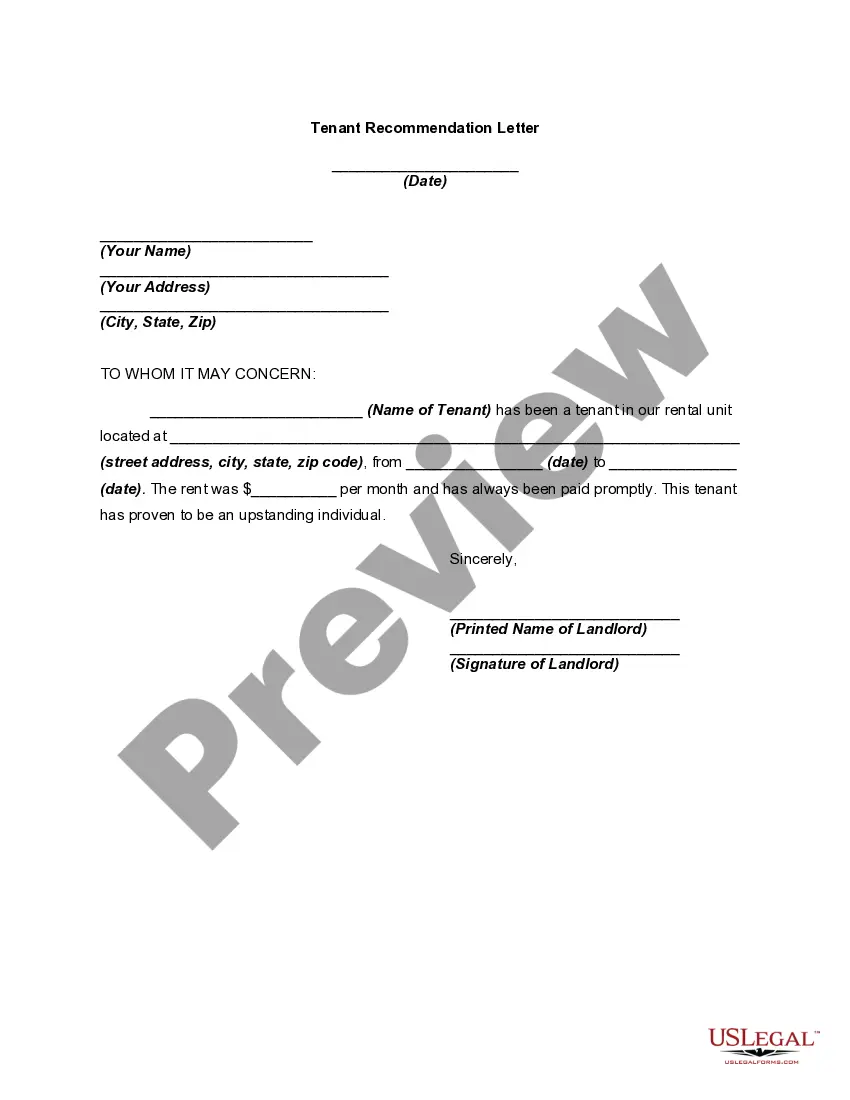
Landlord Reference Letter For Co-op Board
Description
Get your form ready online
Our built-in tools help you complete, sign, share, and store your documents in one place.
Make edits, fill in missing information, and update formatting in US Legal Forms—just like you would in MS Word.
Download a copy, print it, send it by email, or mail it via USPS—whatever works best for your next step.
Sign and collect signatures with our SignNow integration. Send to multiple recipients, set reminders, and more. Go Premium to unlock E-Sign.
If this form requires notarization, complete it online through a secure video call—no need to meet a notary in person or wait for an appointment.
We protect your documents and personal data by following strict security and privacy standards.

Make edits, fill in missing information, and update formatting in US Legal Forms—just like you would in MS Word.

Download a copy, print it, send it by email, or mail it via USPS—whatever works best for your next step.

Sign and collect signatures with our SignNow integration. Send to multiple recipients, set reminders, and more. Go Premium to unlock E-Sign.

If this form requires notarization, complete it online through a secure video call—no need to meet a notary in person or wait for an appointment.

We protect your documents and personal data by following strict security and privacy standards.
Looking for another form?

Form popularity
FAQ
To write a landlord letter of reference, begin by clearly stating your relationship to the tenant and your role as their landlord. Provide details about the tenant’s history, including their payment record, adherence to lease terms, and interactions with neighbors. A strong final note highlighting their qualifications can reinforce to the co-op board that they are an excellent candidate for residency.
To write a reference letter for a co-op, start by introducing yourself and your relationship with the applicant. Include specific examples of the applicant's positive traits, reliability, and their ability to contribute to the community. Make sure to conclude with a strong endorsement of the applicant, urging the board to consider them favorably when making their decision.
A personal reference for a co-op board is typically a letter that describes an applicant's personal qualities and interactions within a community setting. It can provide valuable context to the board about the applicant's ability to engage positively with neighbors and maintain harmony. Such references are crucial in helping the board understand the applicant’s potential fit within the co-op culture.
A personal character reference is a letter that speaks to an individual’s traits, integrity, and overall behavior. This type of letter often comes from acquaintances or friends who can provide insights into the individual's character. For co-op applications, such references can help build trust with the board, as they demonstrate the applicant's suitability for communal living.
A positive recommendation letter typically outlines the applicant's strong qualities, such as responsibility, cleanliness, and respectful behavior towards neighbors. It should include specific instances where the individual demonstrated these traits, making a compelling case for their candidacy. A well-crafted landlord reference letter for co-op board consideration will include details that resonate with the board’s expectations.
A landlord reference letter for a co-op is a formal document provided by a previous landlord that attests to the applicant's rental history and behavior as a tenant. This letter should detail the tenant's reliability in paying rent, maintaining the property, and following community rules. Such endorsements are important as they help the co-op board gauge the applicant's suitability for residency.
A personal recommendation can be written by anyone who knows the applicant well and can vouch for their character. This typically includes friends, colleagues, neighbors, or former landlords. The key is for the writer to provide honest insights about the applicant’s qualities and behaviors, which can greatly assist the co-op board in their decision-making process.
A personal reference letter for a condo application is a document that supports an applicant's candidacy for residence in a condominium. This letter highlights the applicant's character, reliability, and ability to adhere to community standards. It should provide specific examples to demonstrate why the applicant is a good fit for the condo, ultimately aiding in a positive assessment by the co-op board.
To navigate a bad landlord reference, focus on providing additional character references and supporting documentation that illustrate your reliability. Consider writing a personal statement that addresses the issue directly and showcases your strengths. It’s also helpful to use a service like US Legal Forms, which can guide you in creating compelling reference letters and supporting documents for your co-op application.
In NYC, a landlord reference letter for a co-op board is often a requirement as part of the application process. Co-op boards want to ensure that potential buyers have a history of responsible tenancy. Gathering a solid reference can strengthen your application and show your reliability as a tenant. It's essential to prepare a request for the reference well in advance.