Plaintiff Filed Motion For Summary Judgment
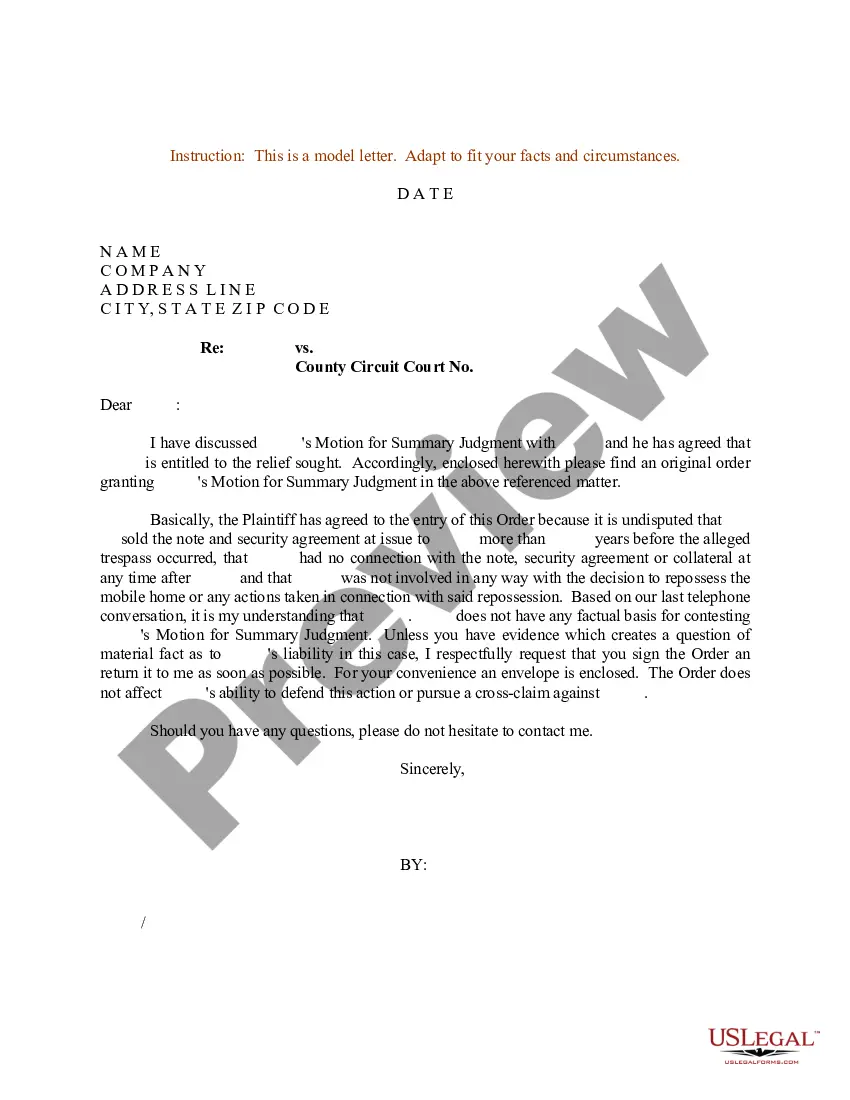
Description
Get your form ready online
Our built-in tools help you complete, sign, share, and store your documents in one place.
Make edits, fill in missing information, and update formatting in US Legal Forms—just like you would in MS Word.
Download a copy, print it, send it by email, or mail it via USPS—whatever works best for your next step.
Sign and collect signatures with our SignNow integration. Send to multiple recipients, set reminders, and more. Go Premium to unlock E-Sign.
If this form requires notarization, complete it online through a secure video call—no need to meet a notary in person or wait for an appointment.
We protect your documents and personal data by following strict security and privacy standards.

Make edits, fill in missing information, and update formatting in US Legal Forms—just like you would in MS Word.

Download a copy, print it, send it by email, or mail it via USPS—whatever works best for your next step.

Sign and collect signatures with our SignNow integration. Send to multiple recipients, set reminders, and more. Go Premium to unlock E-Sign.

If this form requires notarization, complete it online through a secure video call—no need to meet a notary in person or wait for an appointment.

We protect your documents and personal data by following strict security and privacy standards.
Looking for another form?

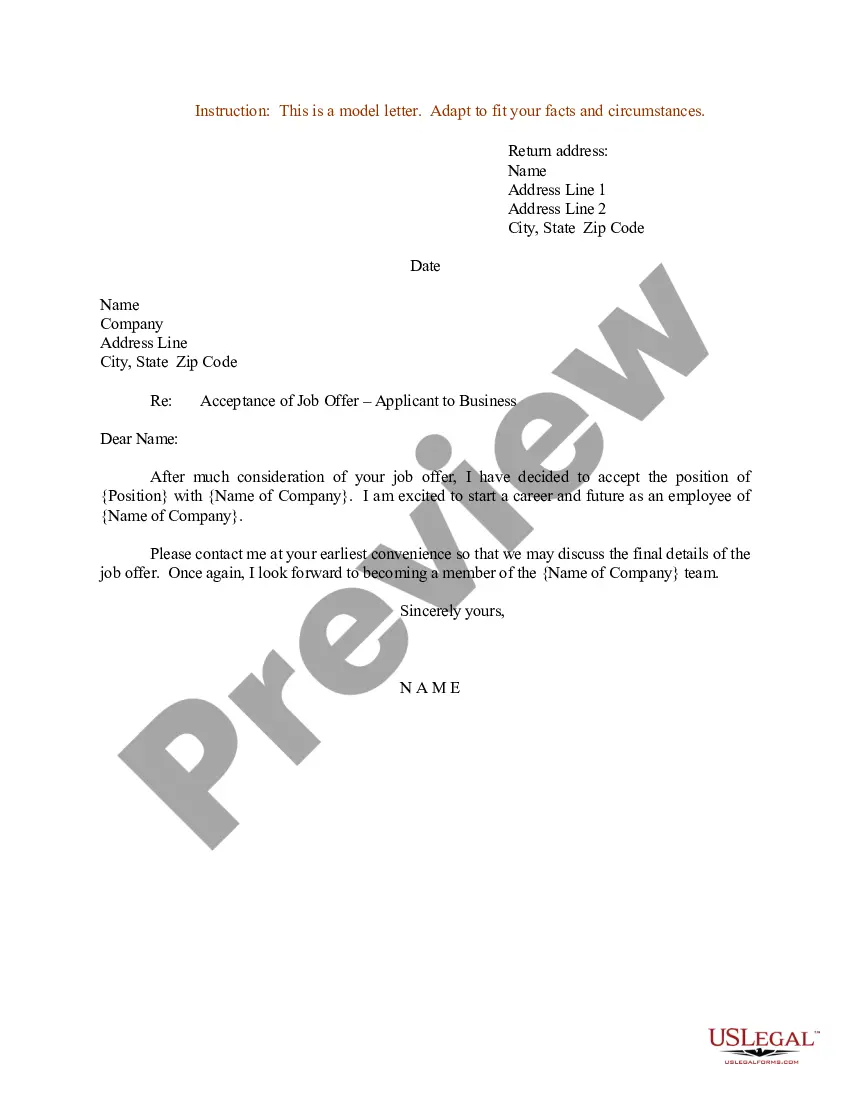
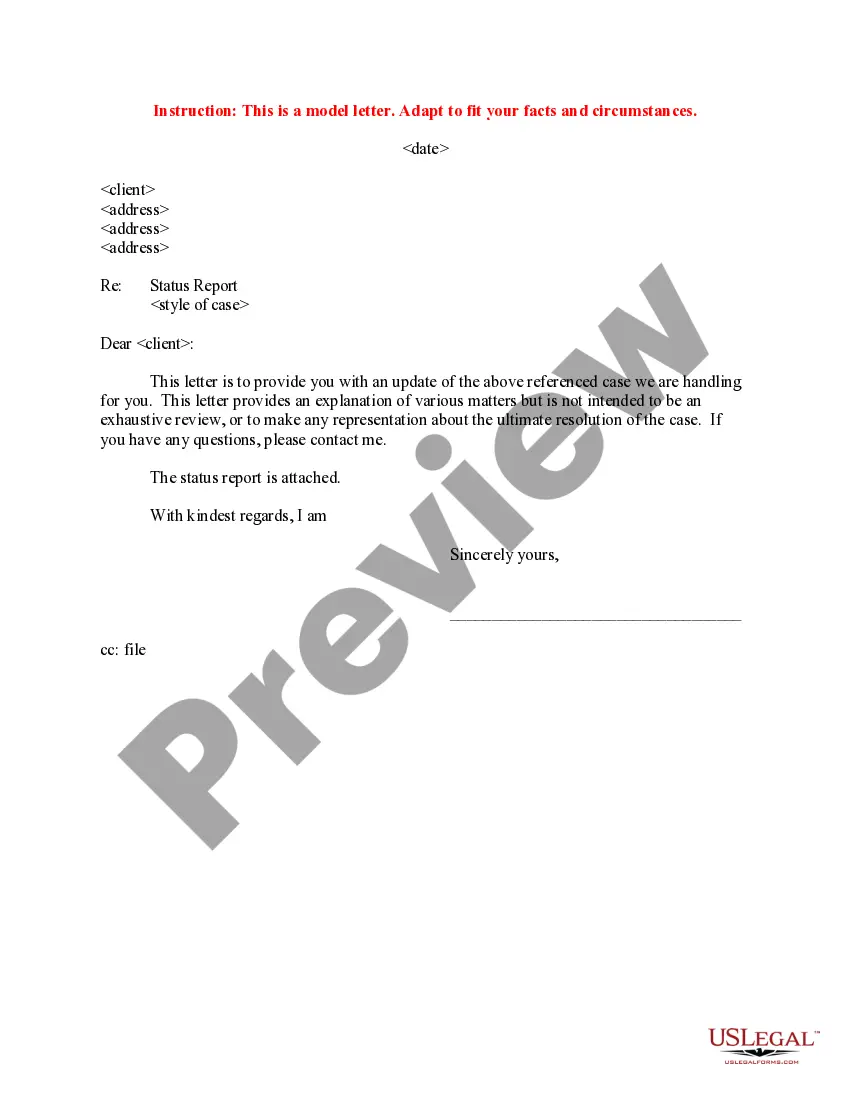
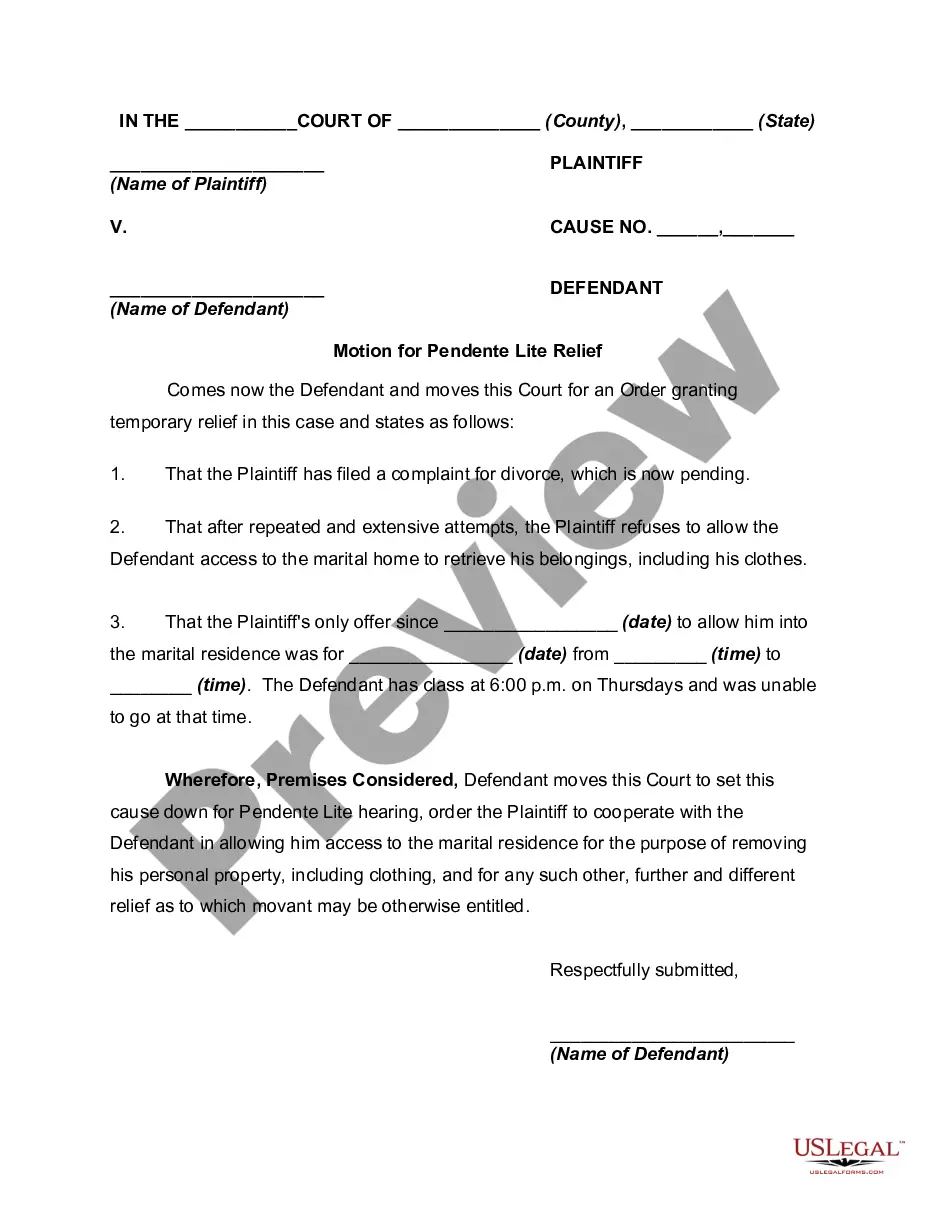



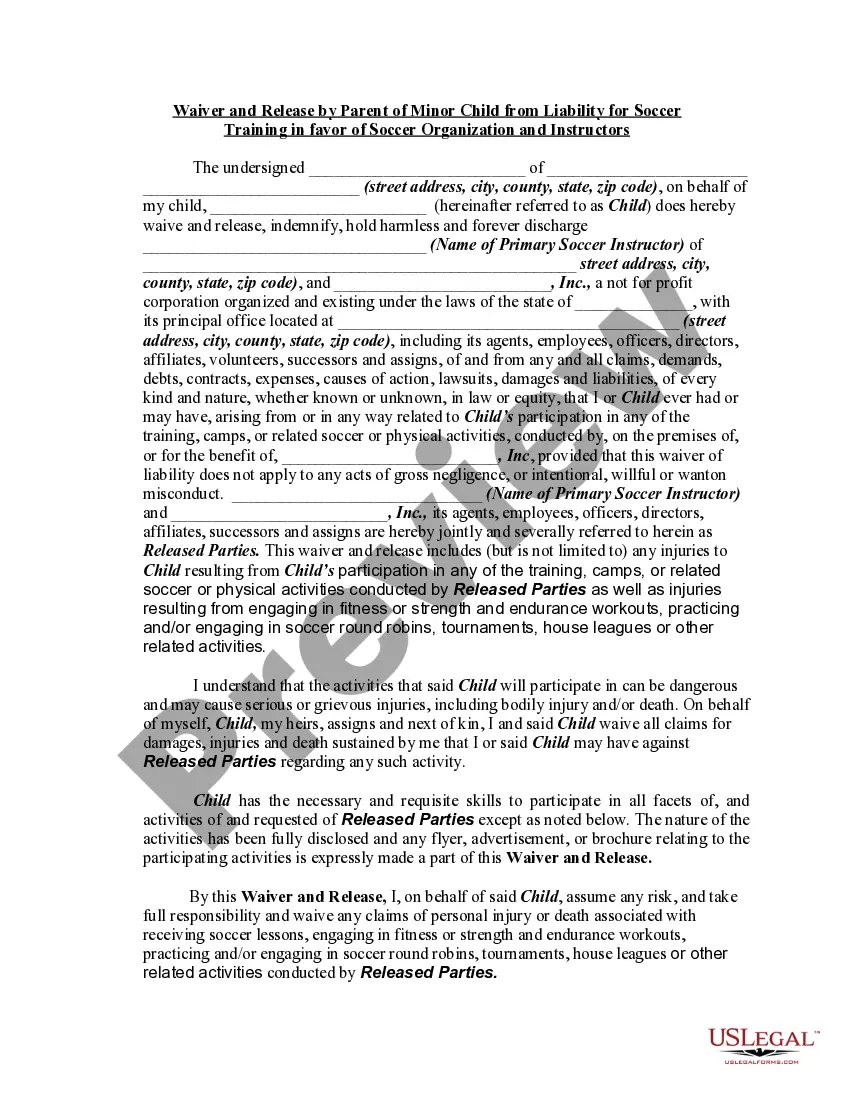
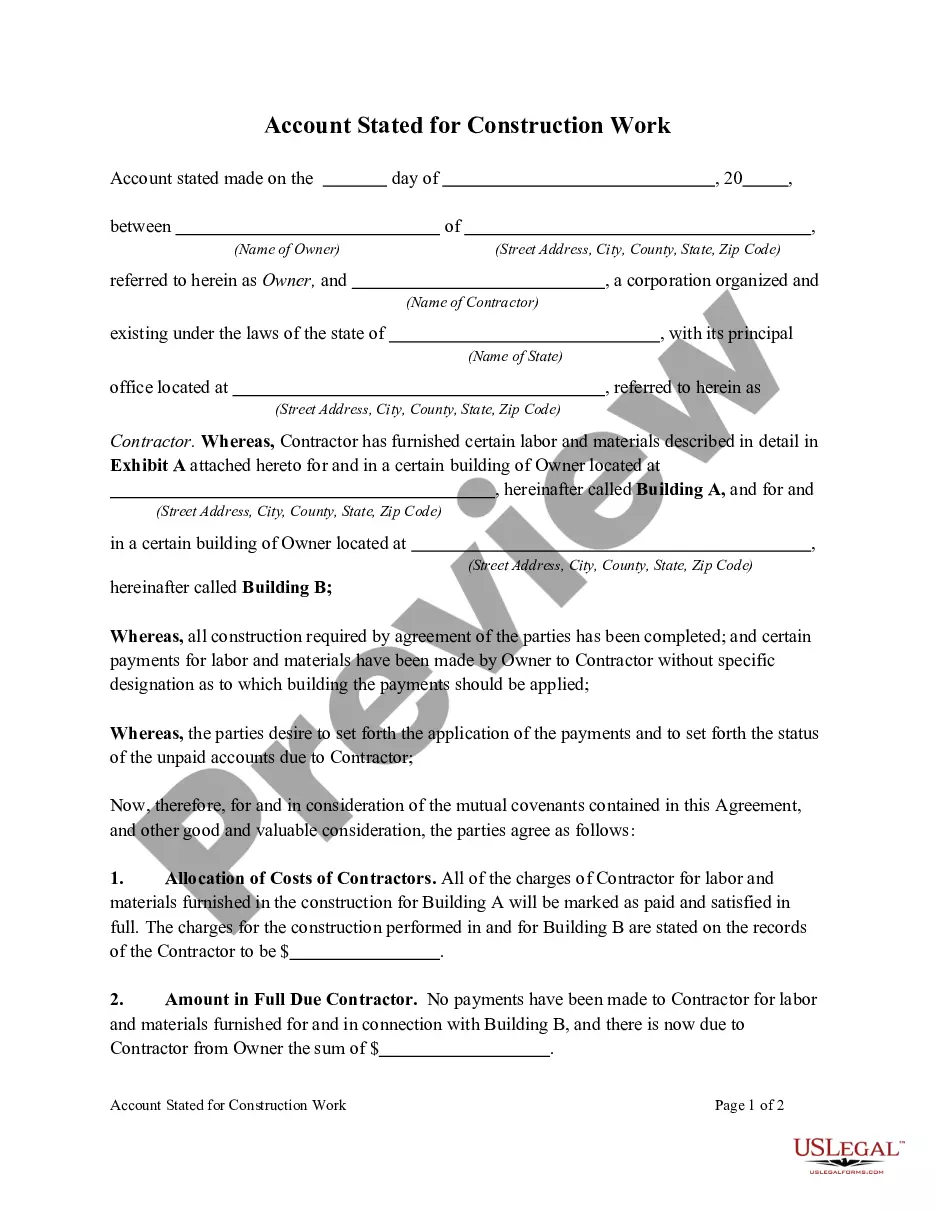

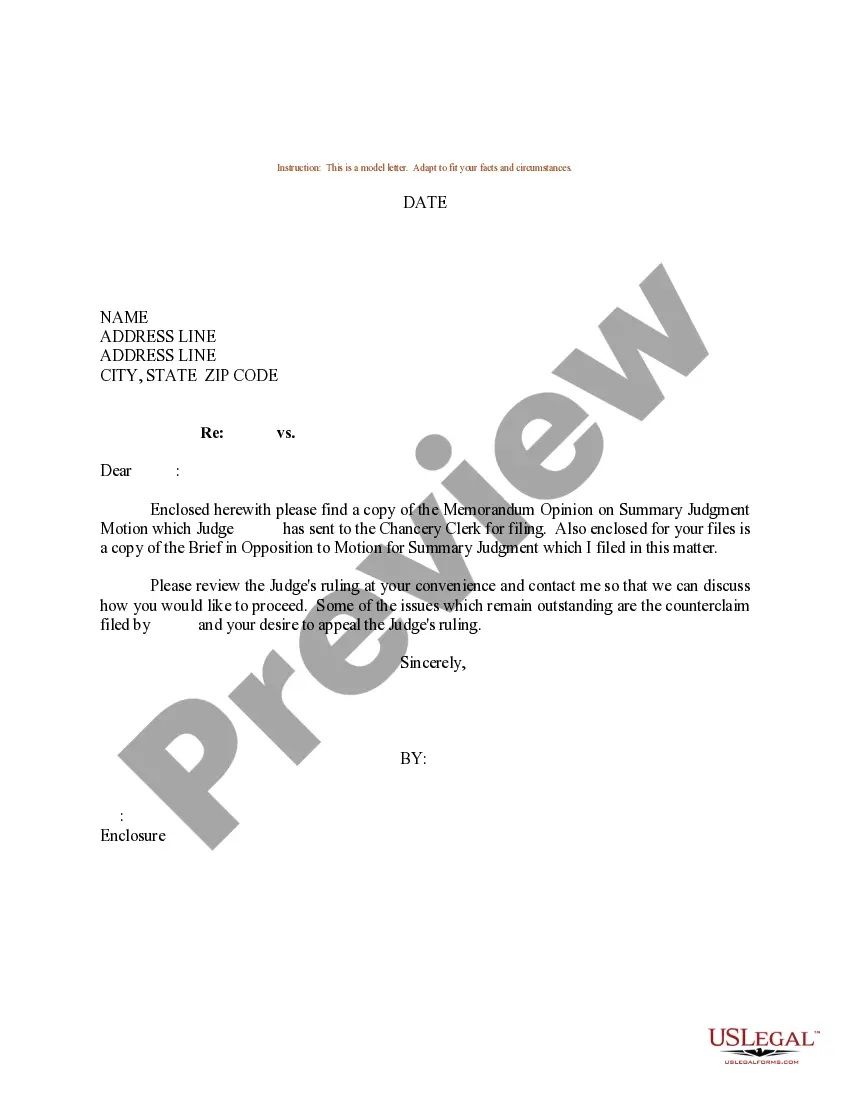
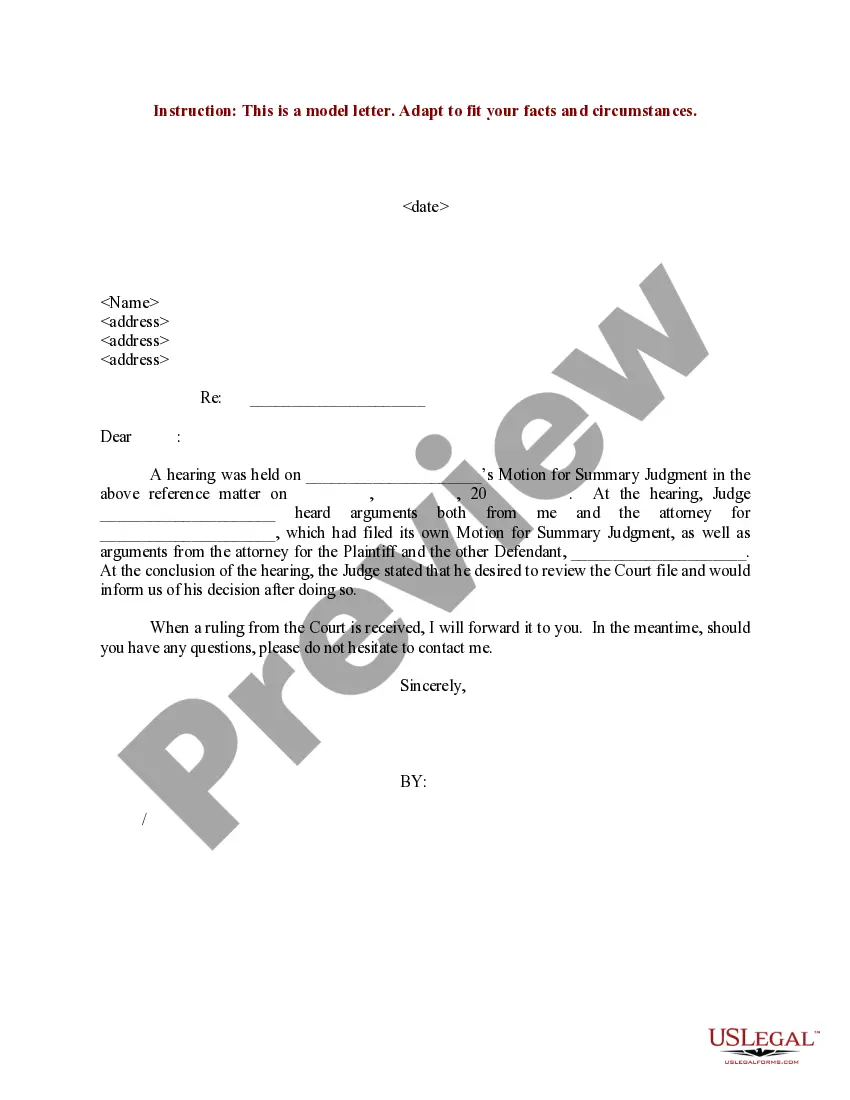
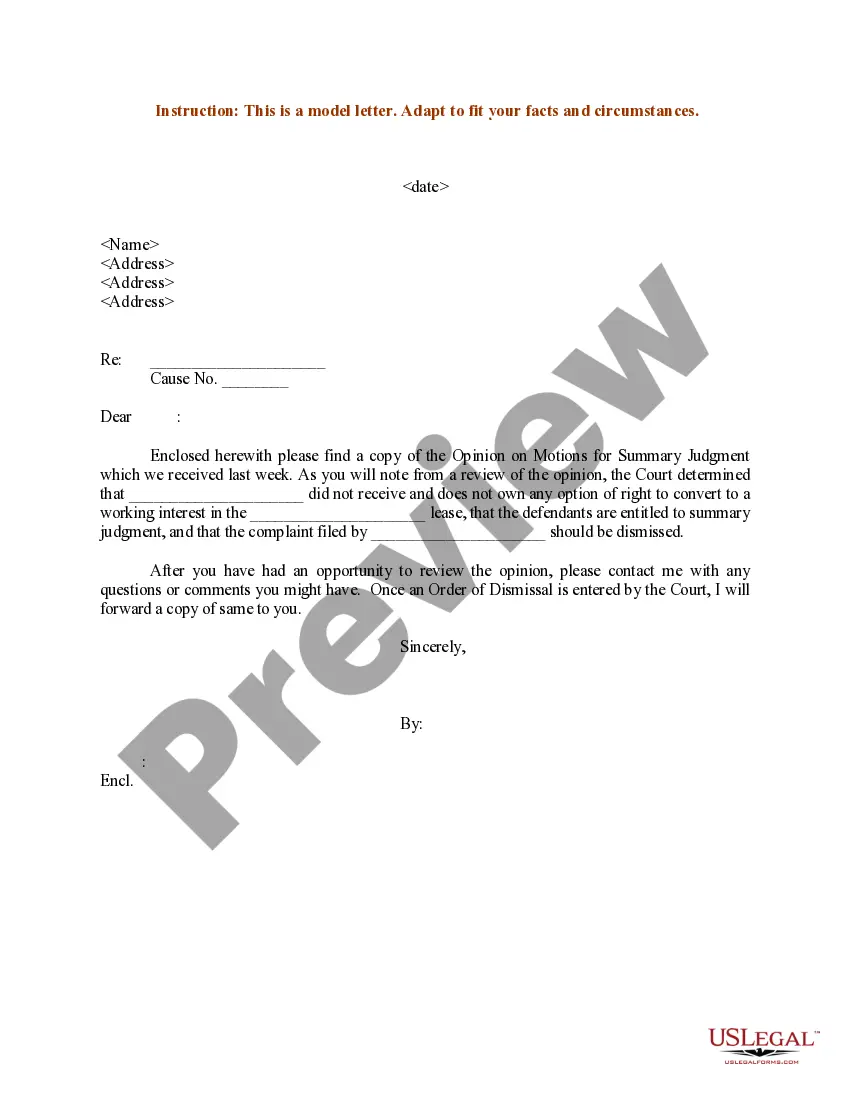
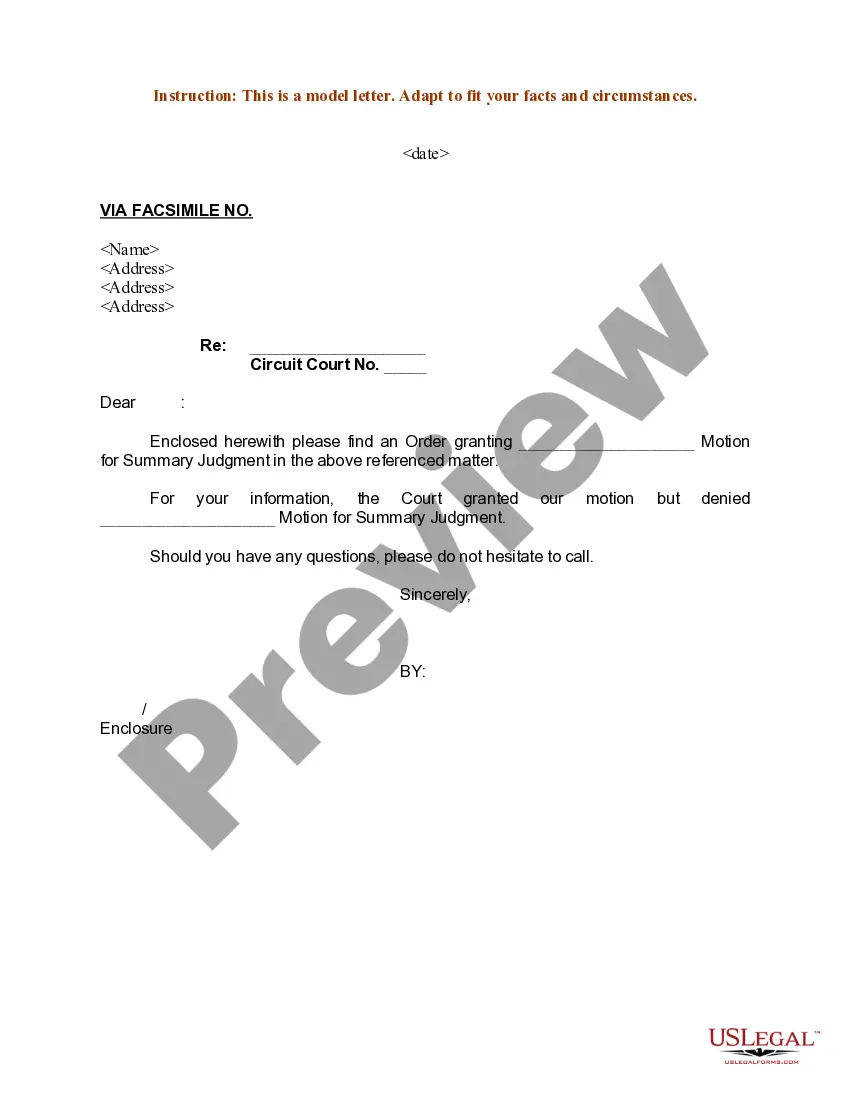
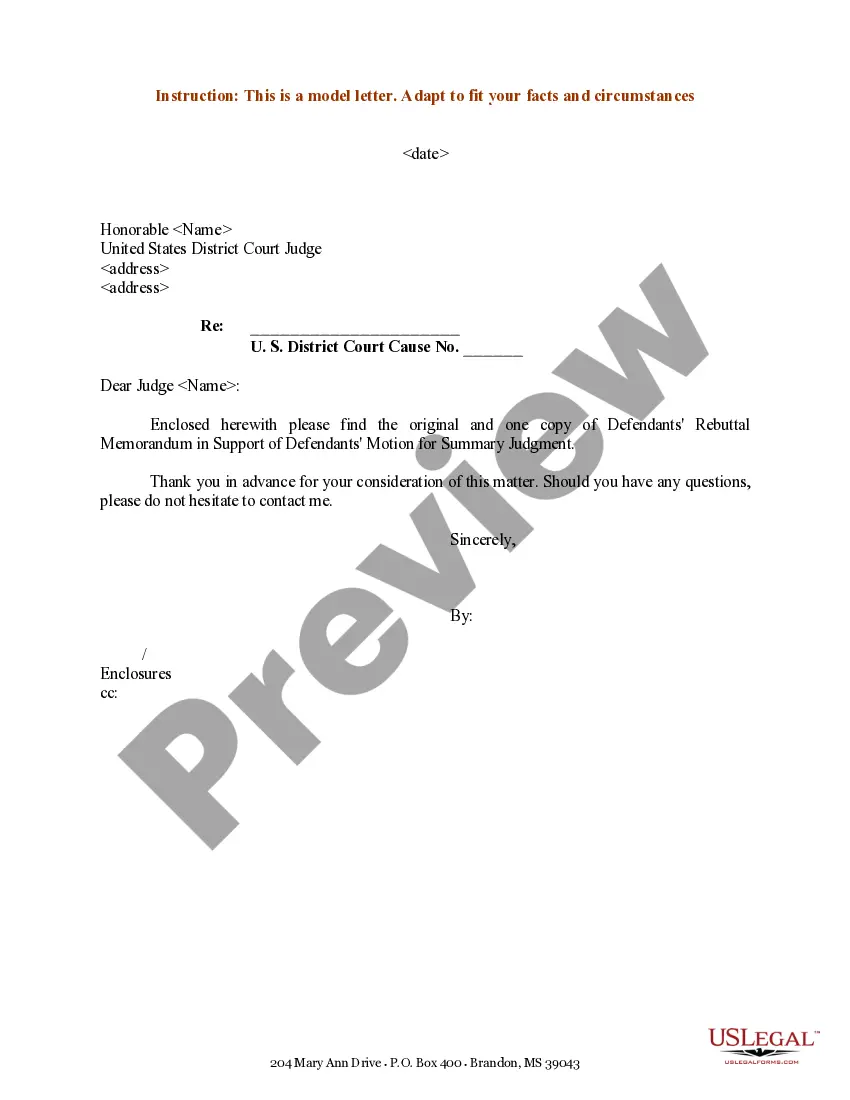
How to fill out Sample Letter Regarding Memorandum Opinion On Summary Judgment Motion?
- If you're an existing user, log into your account to download the necessary form template directly onto your device by clicking the Download button. Ensure your subscription is active or renew it as needed.
- Before making a purchase, check the Preview mode and form description to confirm it meets your legal requirements and aligns with your jurisdiction.
- If adjustments are needed, use the Search tab at the top of the page to find an alternative template.
- Once you've found the right document, click on the Buy Now button and select your preferred subscription plan. Create an account to unlock full access to the library.
- Complete your purchase by providing your payment method, whether through credit card details or PayPal.
- After the transaction, download your form and save it on your device. Access it anytime from the My Forms section of your profile.
US Legal Forms empowers both individuals and attorneys to effectively execute legal documents with its comprehensive online library. The platform is designed for ease of use, providing users access to a variety of legal resources at their fingertips.
Don't wait any longer; take advantage of the robust legal forms available at US Legal Forms and ensure your documents are completed accurately. Start your journey today!
Form popularity
FAQ
After a motion for summary judgment is granted, the plaintiff typically prepares for the final steps of the legal process, which may involve addressing any remaining claims or compensatory issues. Depending on the case, the losing party might consider an appeal, or the parties may move forward with resolving remaining matters through settlement. Understanding these next steps helps all involved to navigate the legal landscape efficiently.
When a summary judgment is granted, it means the court has decided that no factual issues remain and that the law favors the plaintiff who filed the motion. This decision allows the plaintiff to avoid going through a full trial, effectively resolving the case in their favor. It underscores the importance of presenting a compelling case with clear evidence to convince the judge.
The odds of winning a summary judgment can vary significantly based on the specifics of the case and the evidence presented. Generally, courts grant summary judgments when there are clear and undisputed facts favoring one side, which often benefits the plaintiff who filed the motion. A strong case with robust evidence increases the likelihood of success, but each situation is unique.
To beat a motion for summary judgment, the opposing party must demonstrate that genuine disputes of material fact exist. This often involves providing evidence that contradicts the plaintiff's claims and proving that a trial is necessary. It is crucial to gather strong evidence and possibly engage legal assistance to effectively counter the arguments presented in the plaintiff's motion.
A plaintiff motion for summary judgment is a legal request asking the court to rule in the plaintiff's favor without a full trial. This motion asserts that there are no genuine disputes over material facts, allowing the court to make a decision based solely on the law. By filing this motion, the plaintiff aims to expedite the legal process and achieve a favorable outcome more efficiently.
After the plaintiff filed a motion for summary judgment and if the court grants it, the case typically moves toward resolution. The next steps may involve preparing for a trial on any remaining issues or working towards settlement negotiations. In some cases, the opposing party can appeal the summary judgment decision, so understanding these pathways is essential.
Plaintiffs win on summary judgment less frequently than defendants, primarily due to the burden of proof resting on them. Studies suggest that, while outcomes vary greatly among jurisdictions and types of cases, the success rates for plaintiffs are typically lower. However, when a plaintiff filed a motion for summary judgment with solid evidence, their chances of winning increase significantly. The success largely depends on the quality of the evidence presented and the legal arguments made.
It is often harder for plaintiffs to win motions for summary judgment because they bear the burden of proof. The courts tend to scrutinize the evidence in favor of the party who did not file the motion, generally offering them the benefit of any doubt. Plaintiffs must effectively demonstrate that there are no significant factual disputes. Consequently, when the plaintiff filed a motion for summary judgment, they faced higher evidentiary standards than if the defendant initiated a similar motion.
A plaintiff's motion for summary adjudication is a request to the court to make a specific ruling on a certain issue before the trial. This type of motion seeks to clarify or eliminate issues that do not need trial resolution. By filing this motion, the plaintiff narrows down the focus of the case, which can expedite the legal proceedings. Essentially, when the plaintiff filed a motion for summary adjudication, they aimed to streamline the battle by addressing key points early on.
To make a motion for summary judgment, you must prepare a written motion that outlines your arguments and evidence. This document typically includes a statement of undisputed facts and any supporting documents, like affidavits and exhibits. After filing the motion with the court, you will notify the other party, giving them a chance to respond. If you're considering this process, remember that when a plaintiff filed a motion for summary judgment, they took measured steps to effectively build their case.