Letter Of Interest To Employer Example
Description
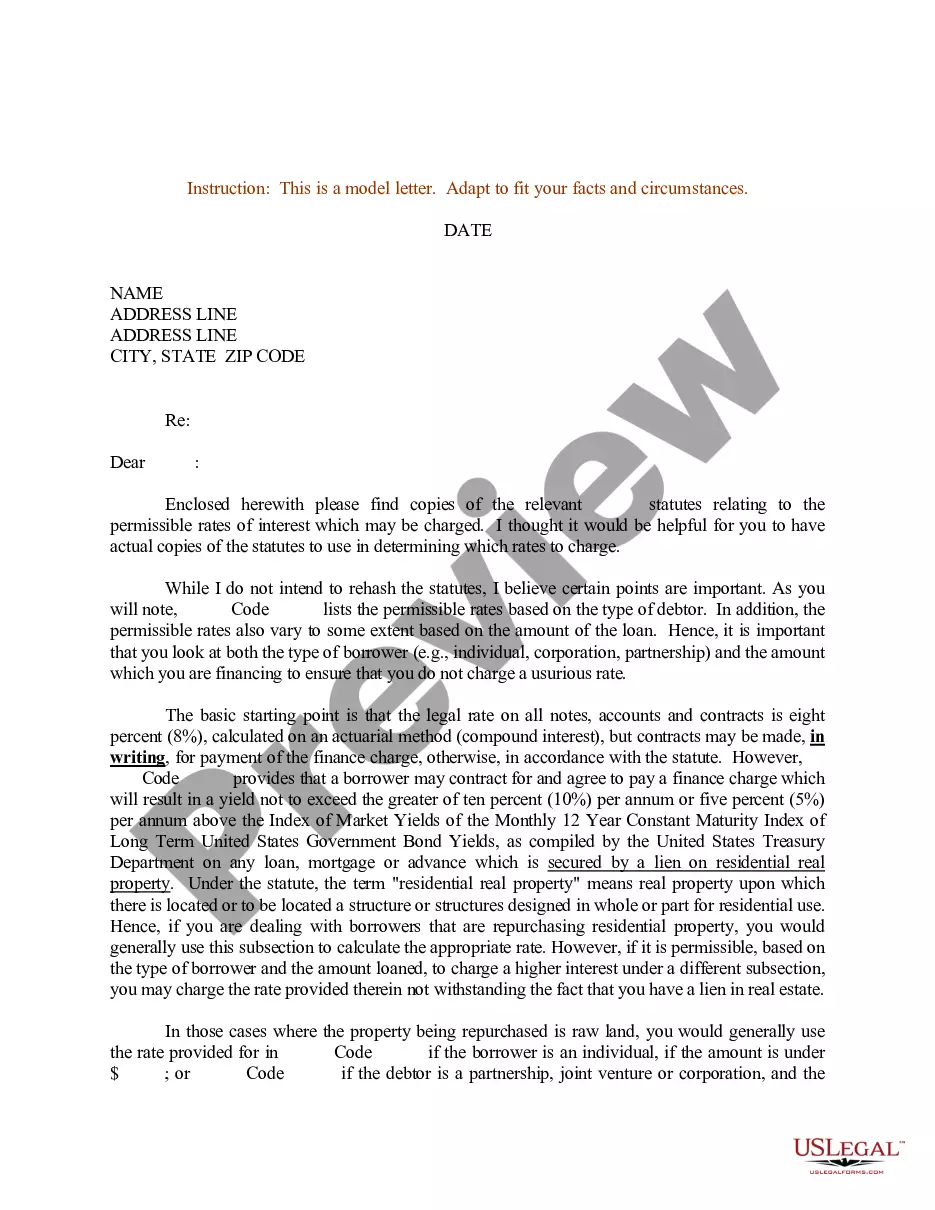
Get your form ready online
Our built-in tools help you complete, sign, share, and store your documents in one place.
Make edits, fill in missing information, and update formatting in US Legal Forms—just like you would in MS Word.
Download a copy, print it, send it by email, or mail it via USPS—whatever works best for your next step.
Sign and collect signatures with our SignNow integration. Send to multiple recipients, set reminders, and more. Go Premium to unlock E-Sign.
If this form requires notarization, complete it online through a secure video call—no need to meet a notary in person or wait for an appointment.
We protect your documents and personal data by following strict security and privacy standards.

Make edits, fill in missing information, and update formatting in US Legal Forms—just like you would in MS Word.

Download a copy, print it, send it by email, or mail it via USPS—whatever works best for your next step.

Sign and collect signatures with our SignNow integration. Send to multiple recipients, set reminders, and more. Go Premium to unlock E-Sign.

If this form requires notarization, complete it online through a secure video call—no need to meet a notary in person or wait for an appointment.

We protect your documents and personal data by following strict security and privacy standards.
Looking for another form?
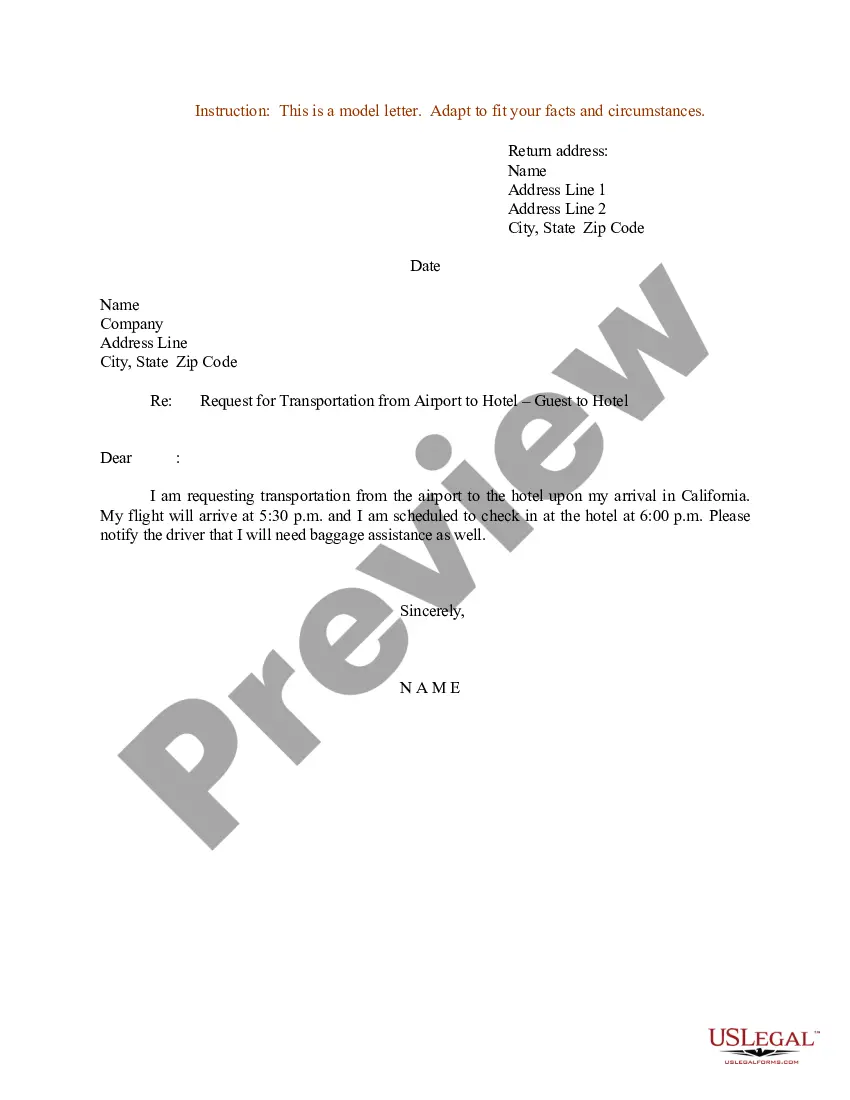
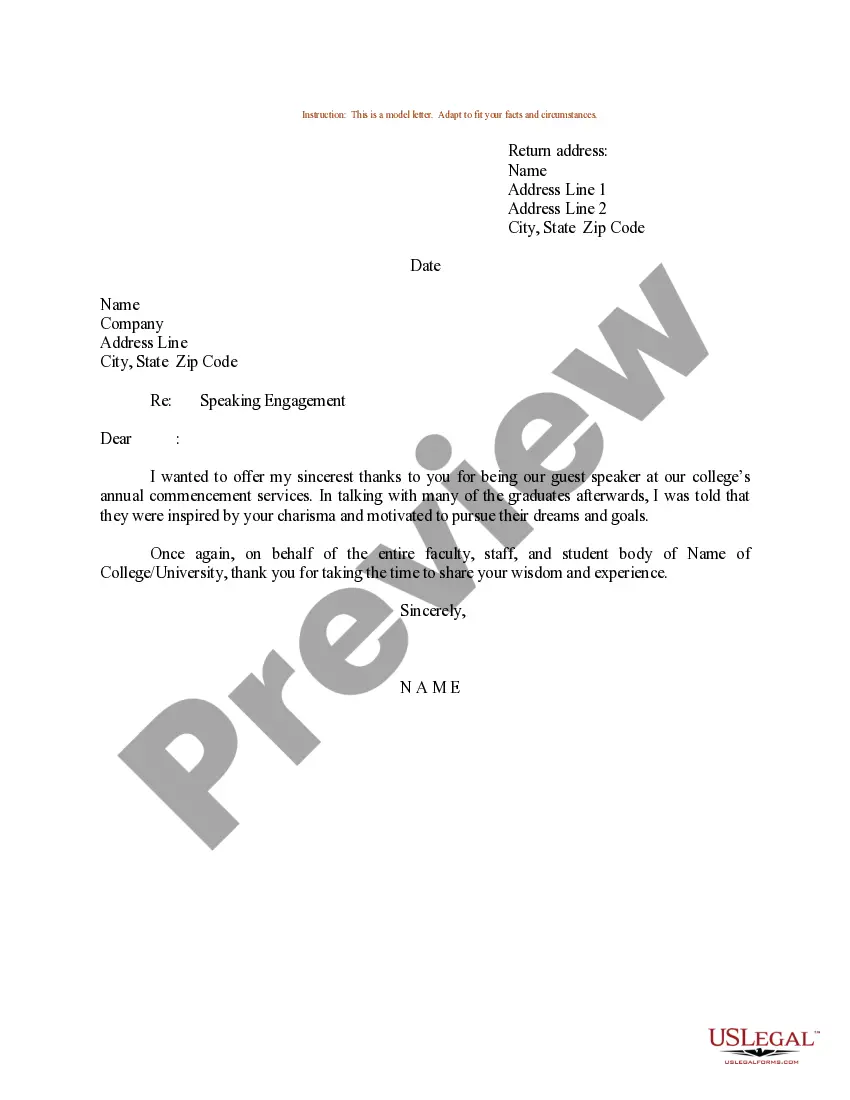
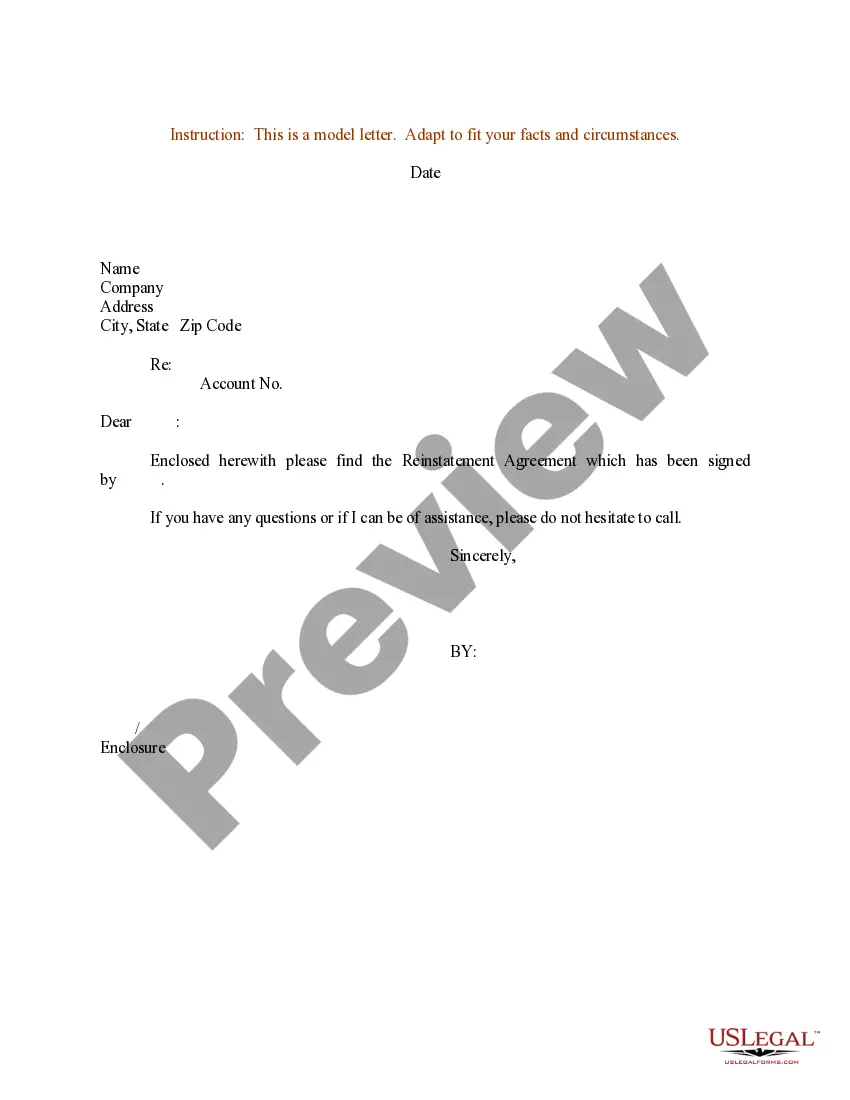
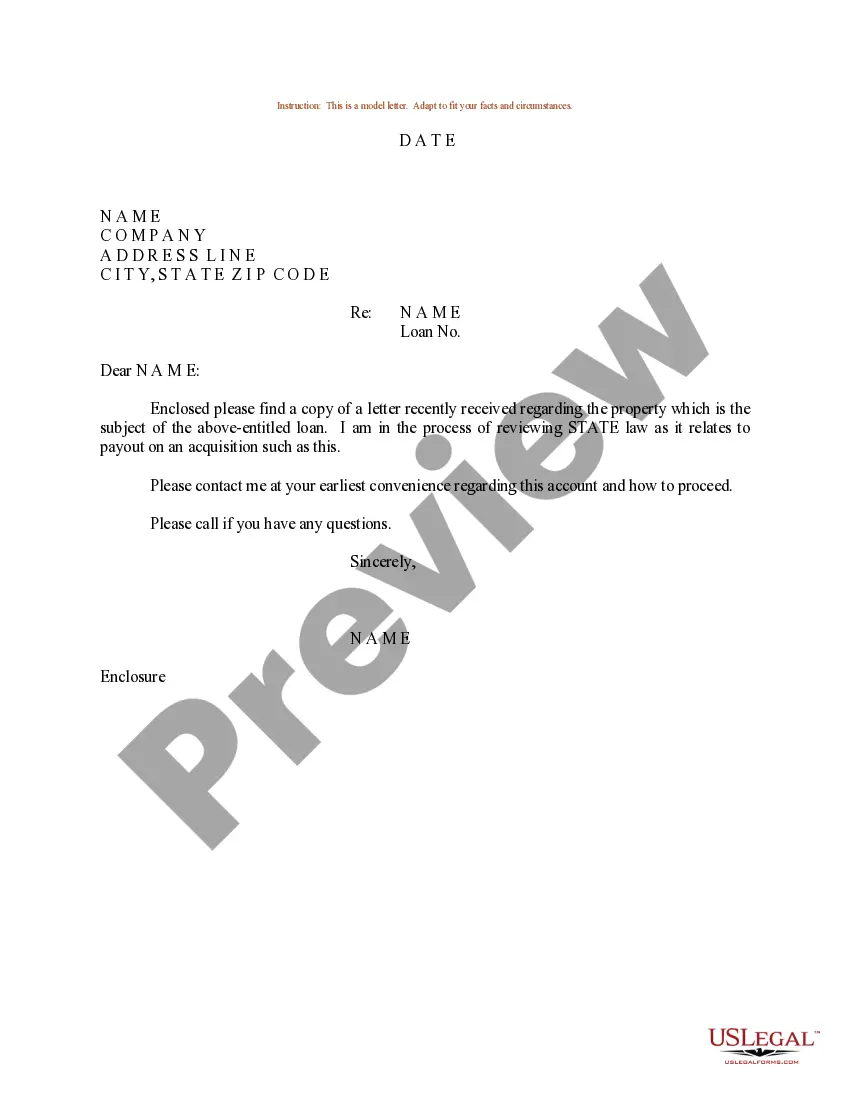
How to fill out Sample Letter Stating Interest Statutes?
Whether for commercial reasons or personal matters, everyone must handle legal issues at some point in their life.
Completing legal documents requires meticulous focus, starting from selecting the correct form template.
With a vast US Legal Forms collection available, you do not need to waste time searching for the suitable template across the internet. Use the library’s straightforward navigation to discover the proper form for any scenario.
- For example, if you choose an incorrect version of a Letter Of Interest To Employer Example, it will be turned down once you submit it.
- Thus, it is essential to acquire a trustworthy source of legal paperwork like US Legal Forms.
- If you need to obtain a Letter Of Interest To Employer Example template, adhere to these simple steps.
- 1. Acquire the template you require by utilizing the search option or catalog browsing.
- 2. Review the form’s details to confirm it suits your circumstances, state, and locality.
- 3. Click on the form’s preview to examine it.
- 4. If it is the incorrect form, return to the search option to locate the Letter Of Interest To Employer Example template you need.
- 5. Obtain the template if it satisfies your requirements.
- 6. If you already possess a US Legal Forms account, click Log in to access previously saved documents in My documents.
- 7. If you do not have an account yet, you may acquire the form by clicking Buy now.
- 8. Choose the appropriate pricing option.
- 9. Complete the profile registration form.
- 10. Select your payment option: utilize a credit card or PayPal account.
- 11. Pick the document format you prefer and download the Letter Of Interest To Employer Example.
- 12. Once saved, you can complete the form using editing software or print it and finish it manually.
Form popularity
FAQ
To write an expression of interest letter for employment, start with a formal address and greet the employer appropriately. Clearly state your interest in a job and summarize your skills and experiences relevant to the job's requirements. It's beneficial to end with an invitation for further discussion, ensuring that your tone reflects positivity and confidence, resembling successful letter of interest to employer examples.
A statement of interest letter typically begins with your contact details and a formal greeting. It should then include a compelling introduction about your interest in the position, a body that elaborates your experiences and qualifications, and a conclusion that requests a conversation. You can find numerous letter of interest to employer examples to guide you in crafting your own personalized version.
To write a letter expressing your interest in a job, start with a warm greeting, then state your intention clearly in the first paragraph. Follow this up with highlighting your qualifications and how they align with the job's requirements. Your closing should reinforce your eagerness to discuss the opportunity further, which is a common feature in effective letter of interest to employer examples.
The opening sentence of a statement of interest should grab the reader’s attention while clearly stating your intention. It often begins by directly addressing the employer and expressing your enthusiasm for a specific position or opportunity. This approach can set a positive tone for the rest of your letter, as illustrated in many compelling letter of interest to employer examples.
An example of a letter of interest for a job position typically includes an introduction that states the role you are interested in. The body should outline your skills and experiences that make you a good fit for that job. You can refer to specific projects or roles that prepared you for this opportunity, often concluding with a polite request for a meeting. Looking at various letter of interest to employer examples can inspire your personalized version.
Writing a simple interest letter involves organizing your thoughts clearly. Start with your contact details, followed by the date, and the employer’s address. In the body, express your interest in the job succinctly, highlight relevant skills and experiences, and be sure to include a courteous closing. A straightforward approach can often reflect the essence found in effective letter of interest to employer examples.
To write a statement of interest, begin by researching the company and understanding its culture and values. Then, draft a clear and concise introduction that states your purpose for writing. Include a summary of your qualifications, experiences, and how they relate to the role you are pursuing. Finish with a strong closing that invites discussion, showcasing your enthusiasm for the position, as seen in many letter of interest to employer examples.
An interest statement, often referred to as a letter of interest, generally starts with your contact information and the date. It usually follows with the employer's information, a formal greeting, and a clear introduction stating your intentions. A well-crafted example of a letter of interest to employer displays genuine interest in a specific role, outlines your relevant skills, and ends with a closing that encourages further conversation.
To write a short expression of interest, aim for brevity while still conveying key information. Clearly state your interest in the company and briefly mention your relevant skills or experiences. A letter of interest to an employer example could illustrate this approach, combining clarity with professionalism. Always end with a polite note inviting further communication.
Writing a short interest letter requires precision and focus. Begin with a strong opening that states your interest, followed by two or three sentences summarizing your qualifications. A concise letter of interest to an employer example maintains the reader's attention while delivering clear information. Conclude with a polite expression of eagerness to connect.