Stockholders Directors Format
Description
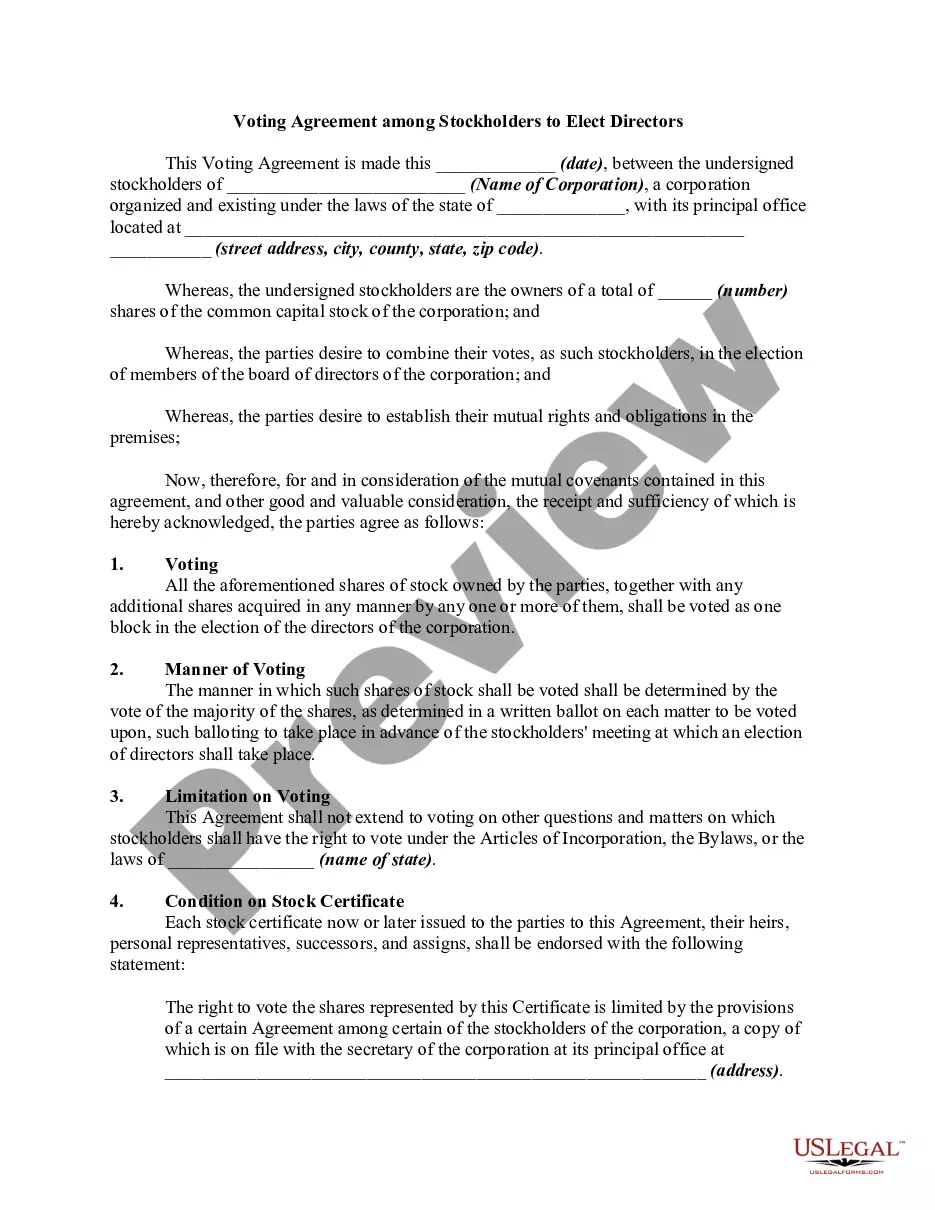
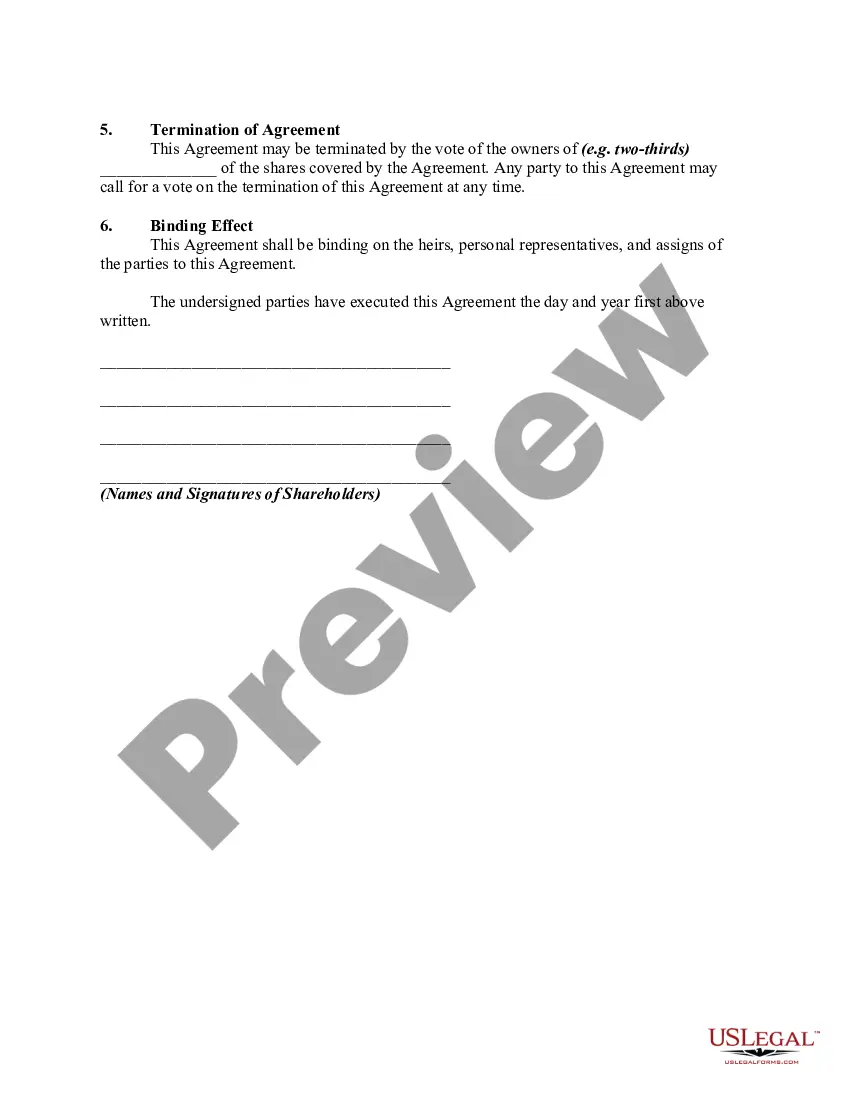
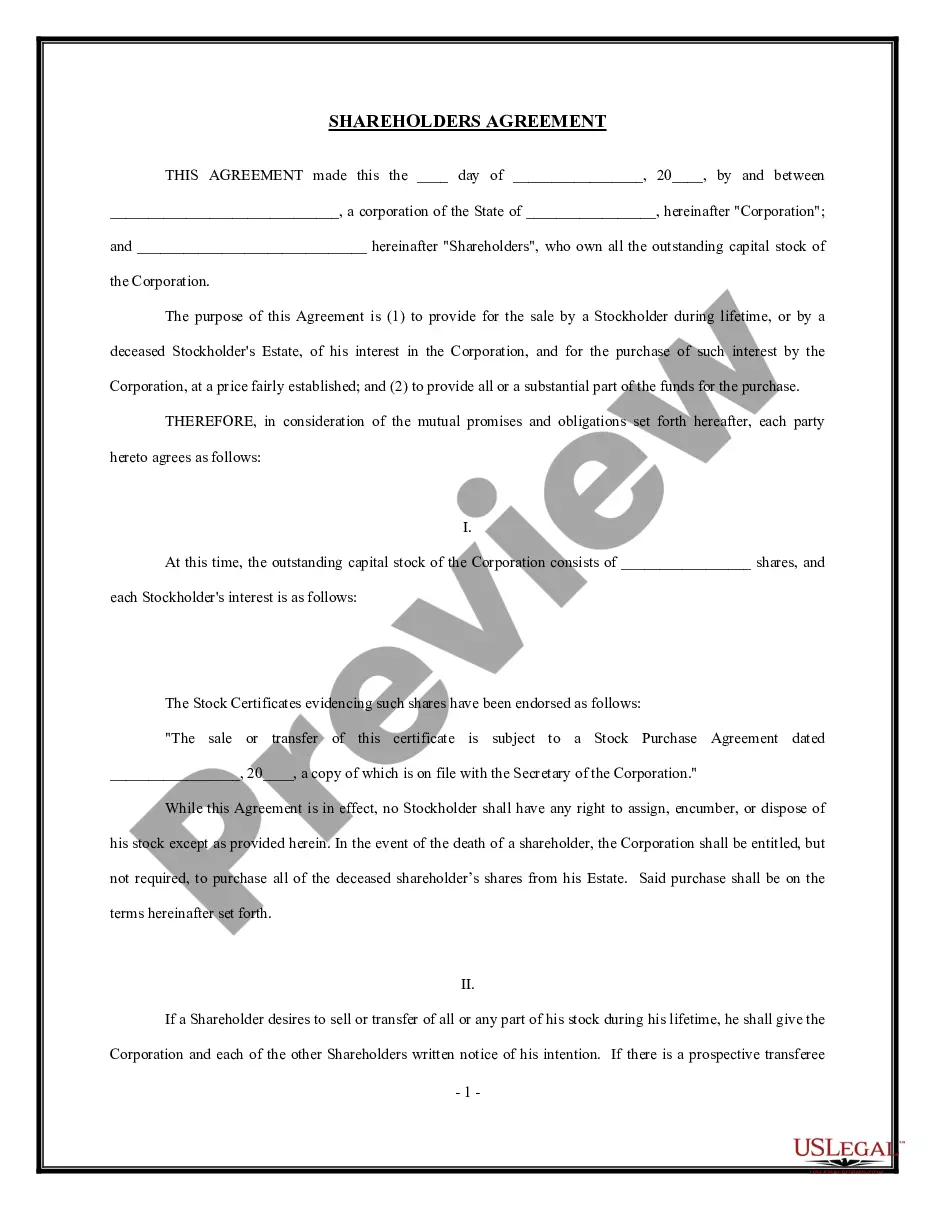
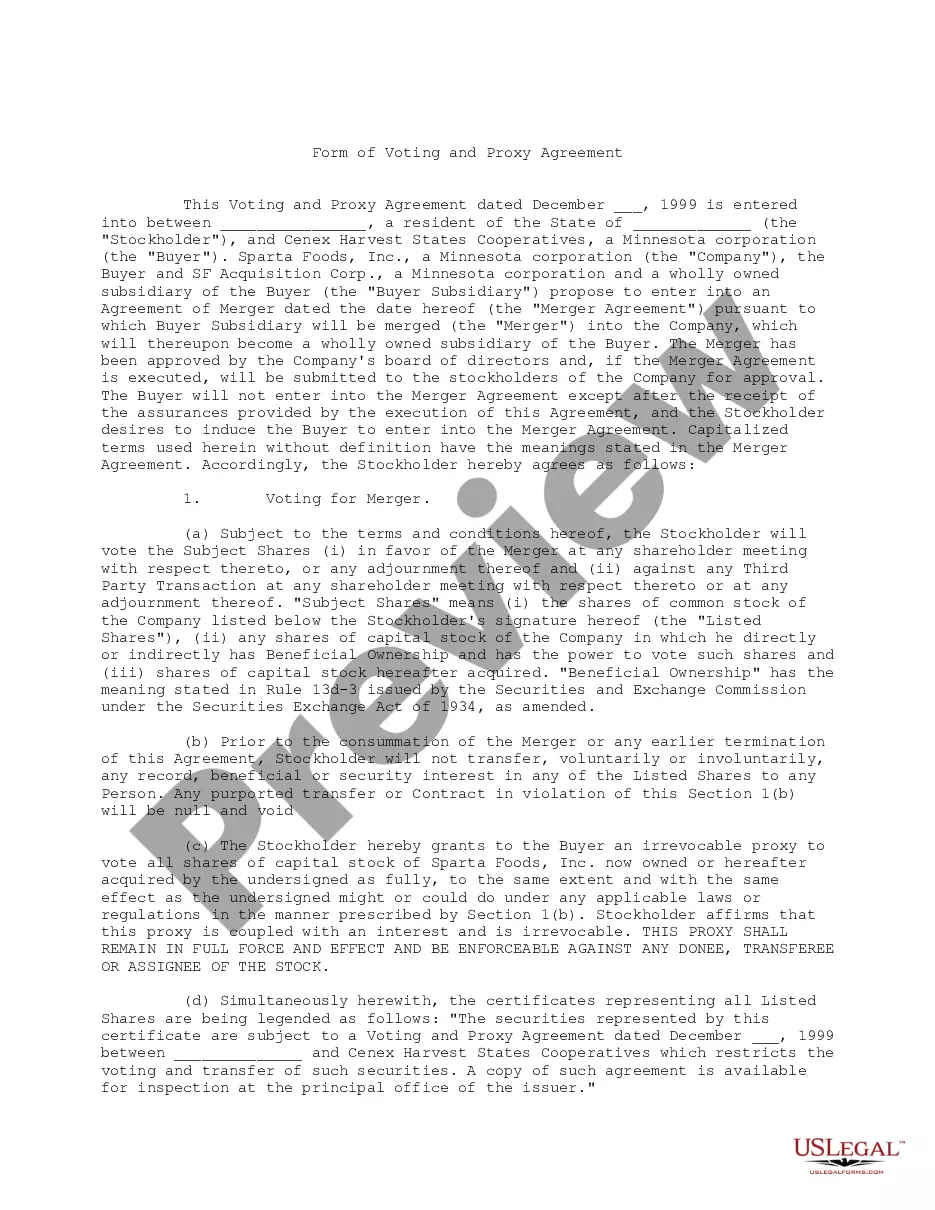
Get your form ready online
Our built-in tools help you complete, sign, share, and store your documents in one place.
Make edits, fill in missing information, and update formatting in US Legal Forms—just like you would in MS Word.
Download a copy, print it, send it by email, or mail it via USPS—whatever works best for your next step.
Sign and collect signatures with our SignNow integration. Send to multiple recipients, set reminders, and more. Go Premium to unlock E-Sign.
If this form requires notarization, complete it online through a secure video call—no need to meet a notary in person or wait for an appointment.
We protect your documents and personal data by following strict security and privacy standards.

Make edits, fill in missing information, and update formatting in US Legal Forms—just like you would in MS Word.

Download a copy, print it, send it by email, or mail it via USPS—whatever works best for your next step.

Sign and collect signatures with our SignNow integration. Send to multiple recipients, set reminders, and more. Go Premium to unlock E-Sign.

If this form requires notarization, complete it online through a secure video call—no need to meet a notary in person or wait for an appointment.

We protect your documents and personal data by following strict security and privacy standards.
Looking for another form?





How to fill out Voting Agreement Among Stockholders To Elect Directors?
Legal management can be daunting, even for the most seasoned professionals.
When you are in need of a Stockholders Directors Format and can't dedicate time to finding the proper and current version, the process can be stressful.
Obtain a valuable resource collection of articles, guides, handbooks, and materials pertinent to your circumstances and needs.
Save time and effort in locating the documents you need, and use US Legal Forms’ enhanced search and Review tool to find Stockholders Directors Format and obtain it.
Make sure the sample is authorized in your state or county.
- If you possess a subscription, Log In to your US Legal Forms account, search for the form, and get it.
- Check the My documents section to view the paperwork you have previously downloaded and manage your folders as desired.
- If it’s your initial experience with US Legal Forms, create a free account and gain unrestricted access to all platform benefits.
- The following steps should be followed after obtaining the desired form.
- Confirm it is the correct form by previewing it and reviewing its description.
- Access state- or county-specific legal and business forms.
- US Legal Forms addresses any requirements you have, from personal to commercial documentation, all in one location.
- Employ advanced tools to complete and manage your Stockholders Directors Format.
Form popularity
FAQ
Splitting a limited company with 50/50 shareholders can be challenging, but it is manageable with careful planning. It often involves negotiating the distribution of assets, responsibilities, and decision-making power to avoid deadlocks. For guidance, many choose to consult platforms like uslegalforms, which provide resources to effectively navigate these complexities using the appropriate stockholders directors format.
By rearranging the original accounting equation, Assets = Liabilities + Stockholders Equity, it can also be expressed as Stockholders Equity = Assets ? Liabilities. Stockholders Equity provides highly useful information when analyzing financial statements.
Format of a Statement of Stockholders' Equity The statement consists of four sections: Beginning balance of stockholder's equity. Additions during the period. Deductions during the period.
Owning 5% of a company means that you own 5% of the total outstanding shares of the company. This gives you a 5% ownership stake in the company and entitles you to a portion of the company's profits and assets proportional to your ownership percentage.
Giving someone a 5% stake, means that that party owns 5% of your firm's net worth and profits forever!
Stockholders' equity refers to the assets remaining in a business once all liabilities have been settled. This figure is calculated by subtracting total liabilities from total assets; alternatively, it can be calculated by taking the sum of share capital and retained earnings, less treasury stock.