Stockholders And Director
Description
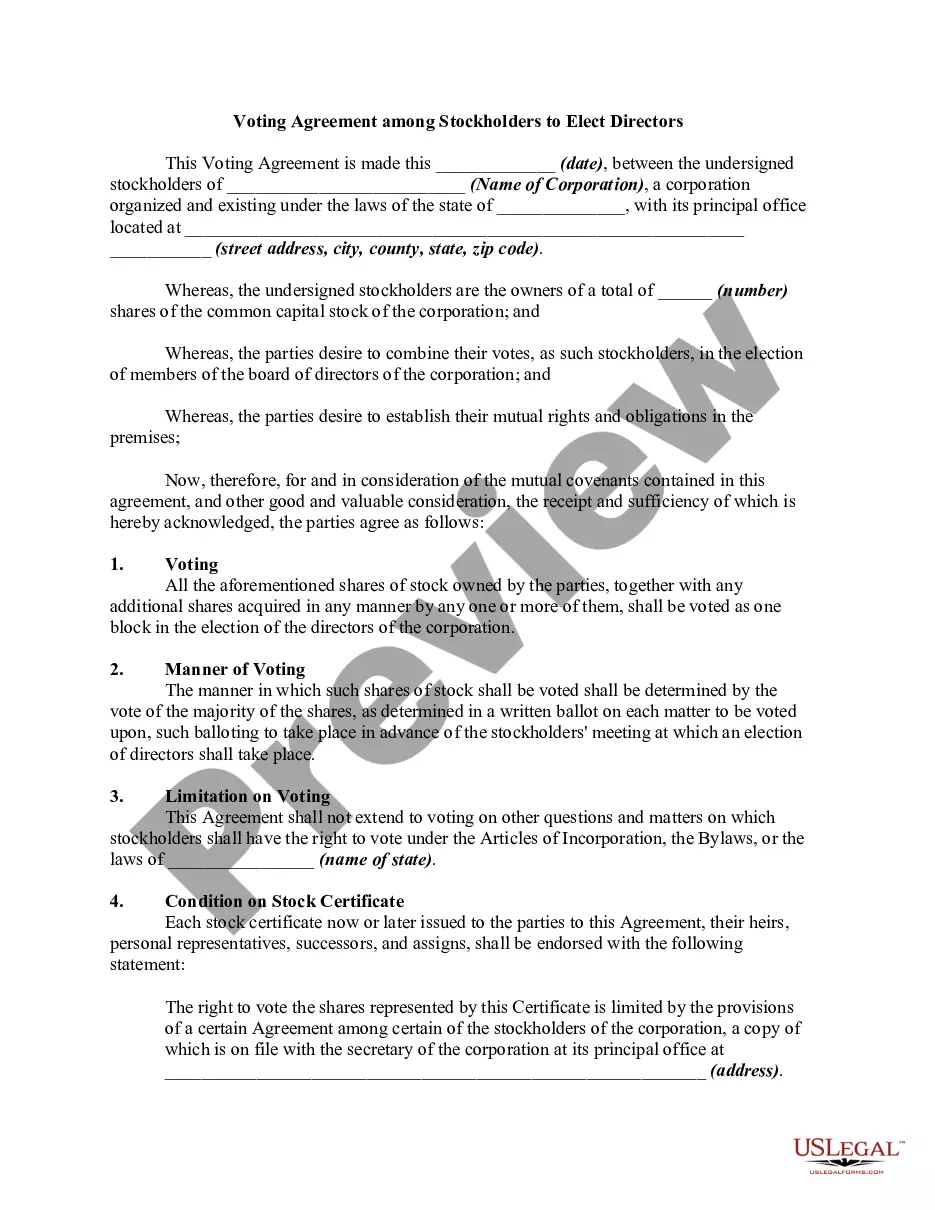
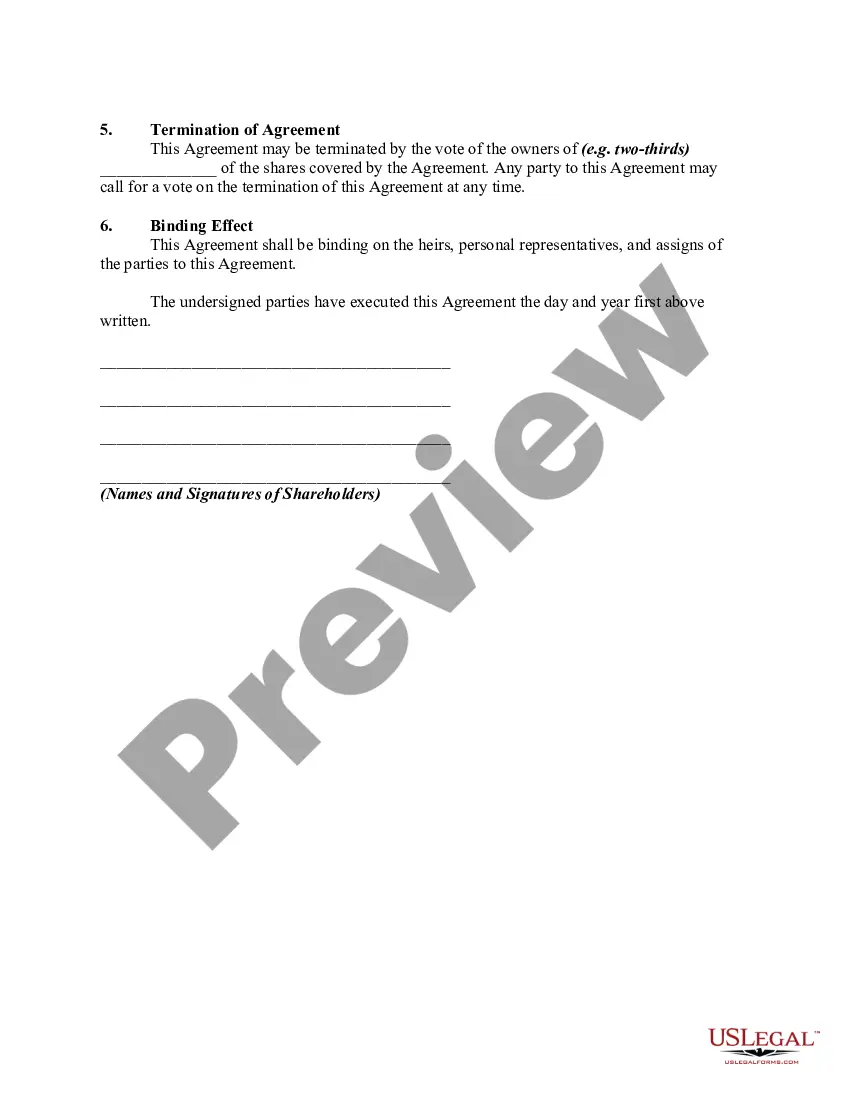
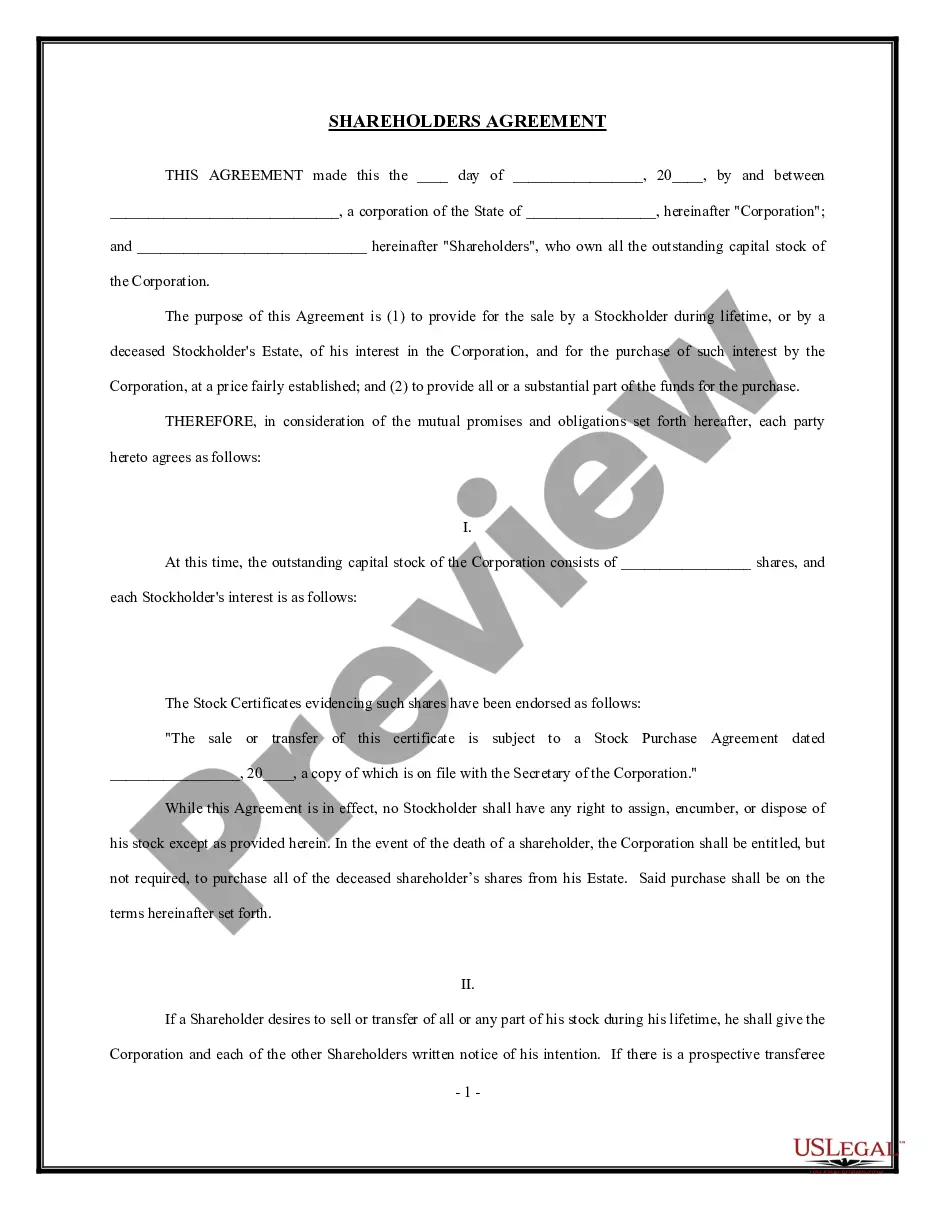
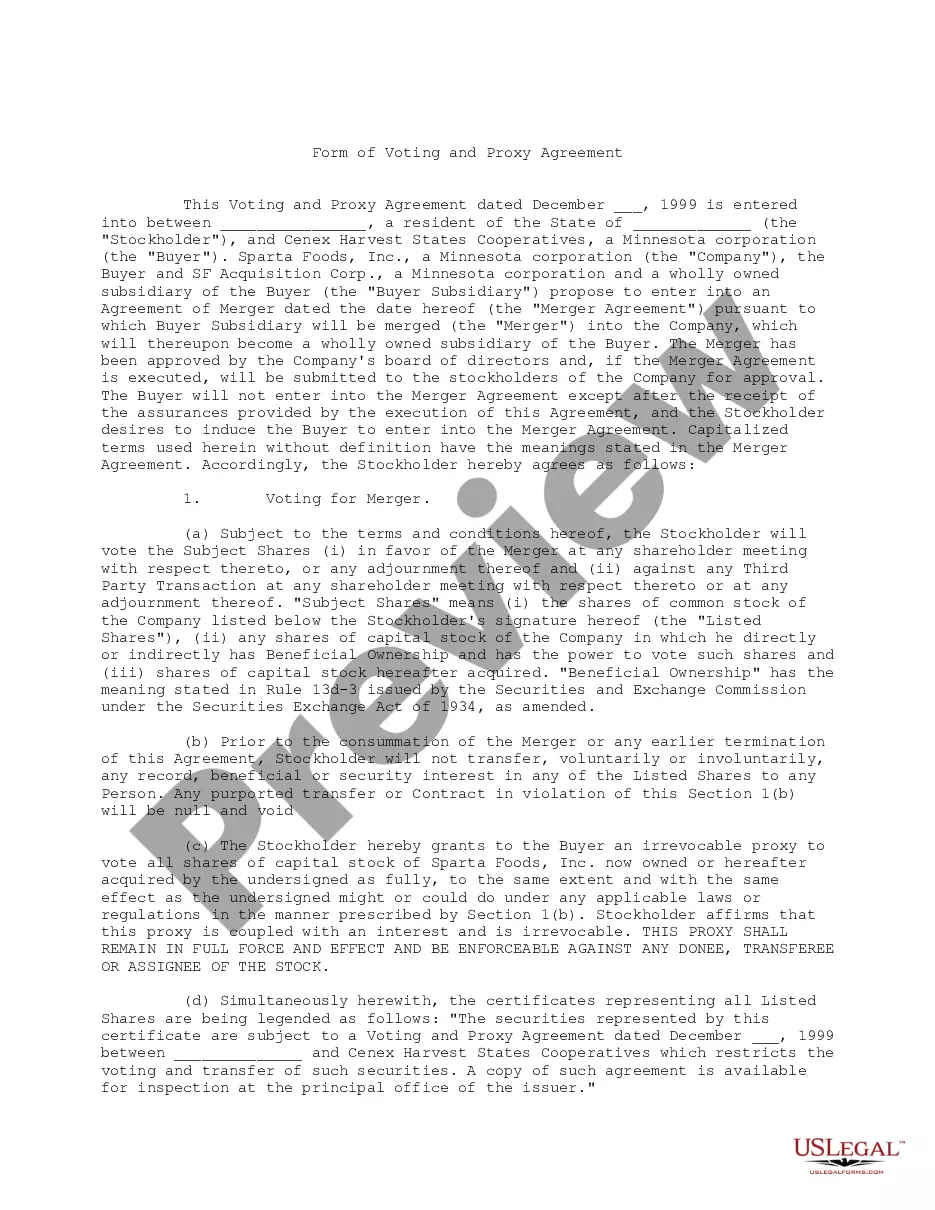
Get your form ready online
Our built-in tools help you complete, sign, share, and store your documents in one place.
Make edits, fill in missing information, and update formatting in US Legal Forms—just like you would in MS Word.
Download a copy, print it, send it by email, or mail it via USPS—whatever works best for your next step.
Sign and collect signatures with our SignNow integration. Send to multiple recipients, set reminders, and more. Go Premium to unlock E-Sign.
If this form requires notarization, complete it online through a secure video call—no need to meet a notary in person or wait for an appointment.
We protect your documents and personal data by following strict security and privacy standards.

Make edits, fill in missing information, and update formatting in US Legal Forms—just like you would in MS Word.

Download a copy, print it, send it by email, or mail it via USPS—whatever works best for your next step.

Sign and collect signatures with our SignNow integration. Send to multiple recipients, set reminders, and more. Go Premium to unlock E-Sign.

If this form requires notarization, complete it online through a secure video call—no need to meet a notary in person or wait for an appointment.

We protect your documents and personal data by following strict security and privacy standards.
Looking for another form?









How to fill out Voting Agreement Among Stockholders To Elect Directors?
The Shareholders And Executives you observe on this page is a reusable legal document created by experienced attorneys following federal and state laws.
For over 25 years, US Legal Forms has supplied individuals, businesses, and lawyers with more than 85,000 authenticated, state-specific forms for any professional and personal situation. It’s the quickest, clearest, and most trustworthy method to acquire the documents you require, as the service guarantees the utmost level of data security and anti-malware defense.
Select the format you prefer for your Shareholders And Executives (PDF, Word, RTF) and store the document on your device.
- Search for the form you require and examine it.
- Browse through the document you searched for and preview it or review the form description to ensure it meets your needs. If it doesn’t, employ the search bar to find the correct one. Click Buy Now when you have identified the template you seek.
- Register and Log In.
- Choose the pricing option that best fits your needs and establish an account. Utilize PayPal or a credit card for a swift payment. If you already possess an account, Log In and verify your subscription to move forward.
- Acquire the editable template.
Form popularity
FAQ
Generally, board of directors are not shareholders. This is because directors are typically elected to represent the interests of all shareholders, not just their own personal interests. However, there may be cases where directors are also shareholders.
The first step is to check the AOA of the company before appointing a director. The AOA should provide a clause for appointing or adding a director. If there is no provision in the AOA for adding a director, the AOA should be modified to contain a provision that allows adding additional directors.
It's not unusual for companies to have a shareholder and director who is the same person, but the two roles do have different responsibilities and requirements. That said, a director doesn't have to be a shareholder, and shareholders don't need to be directors.
While every board member is a shareholder, not every shareholder is automatically a board member. Shareholders who own a certain percentage of the company's shares (usually 10 percent or more) are eligible to serve on the board. However, they must be nominated and elected by the other shareholders.
Shareholders and directors hold two vastly different roles in a company. Shareholders own the company by owning its shares and are often referred to as 'members'. Directors on the other hand, manage the business and its operations.