Seeking Damages From
Description
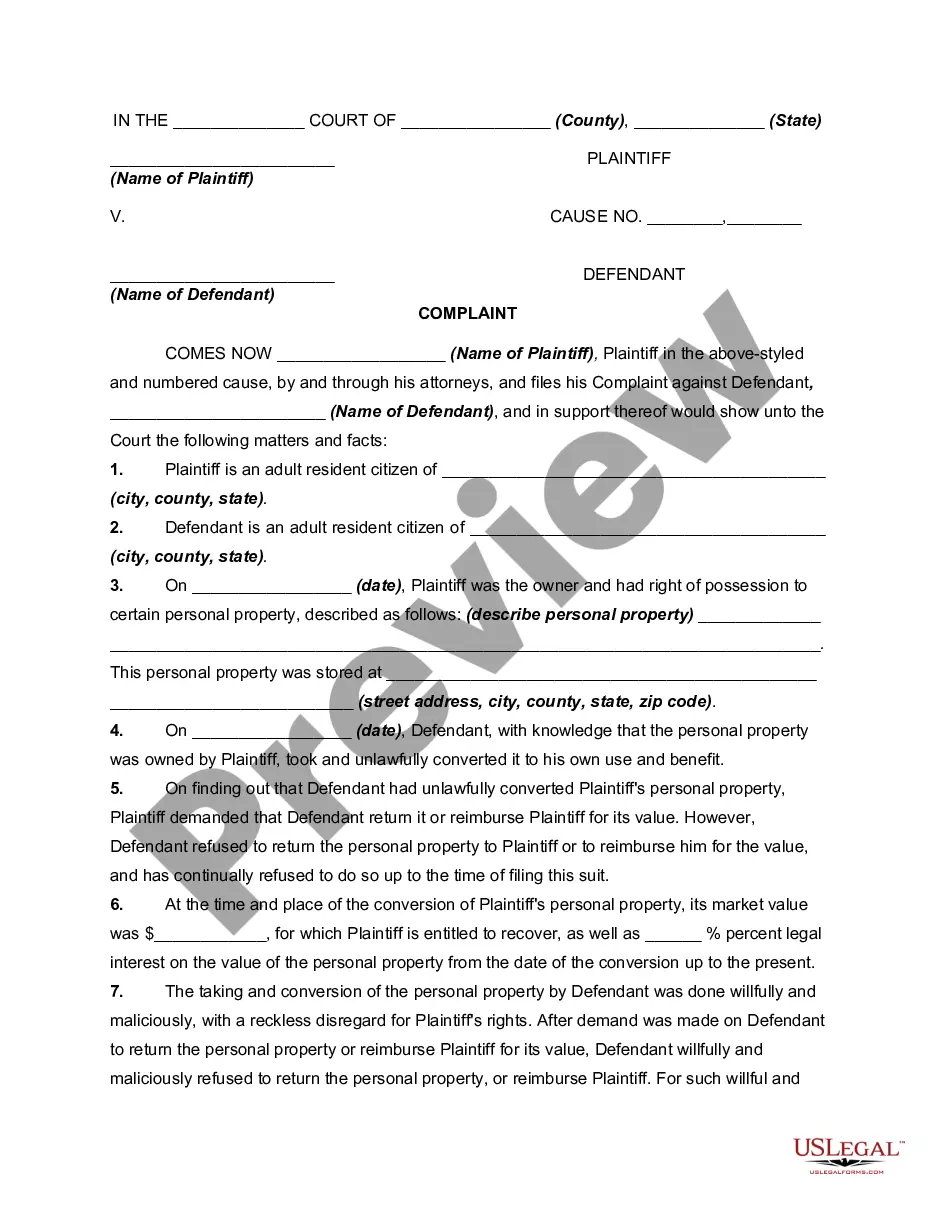
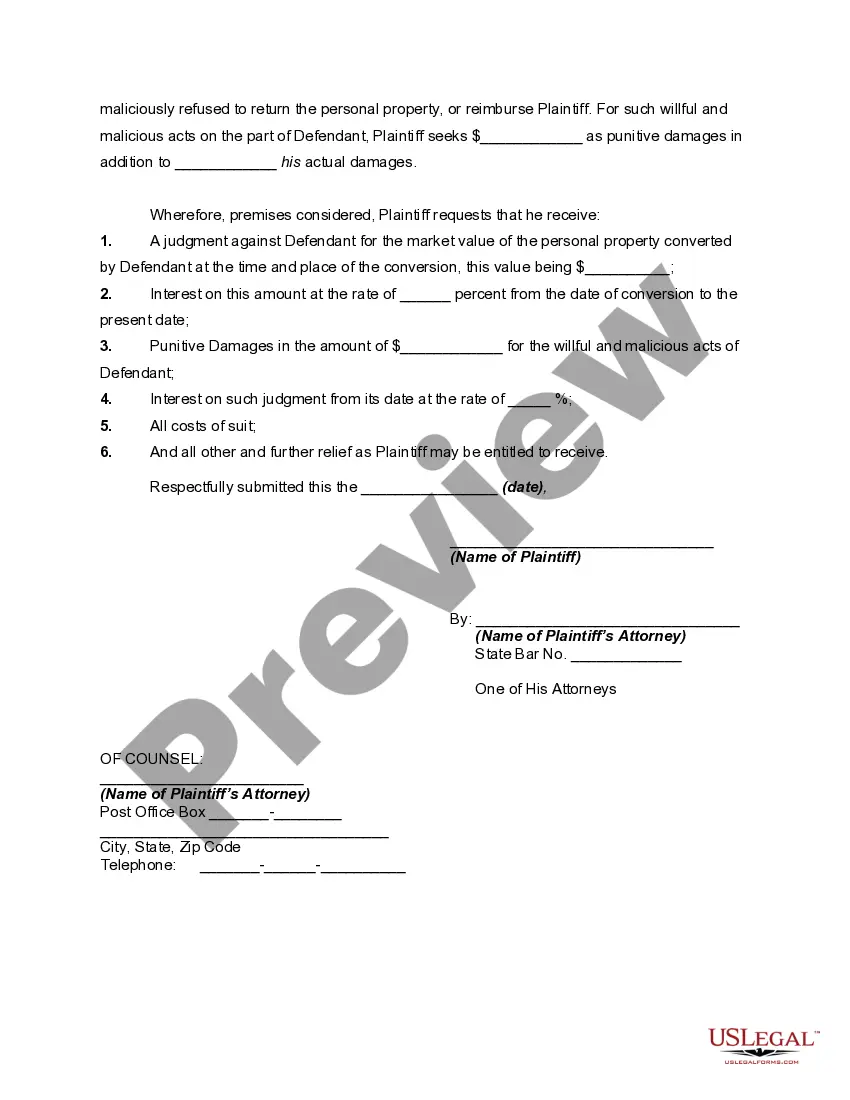

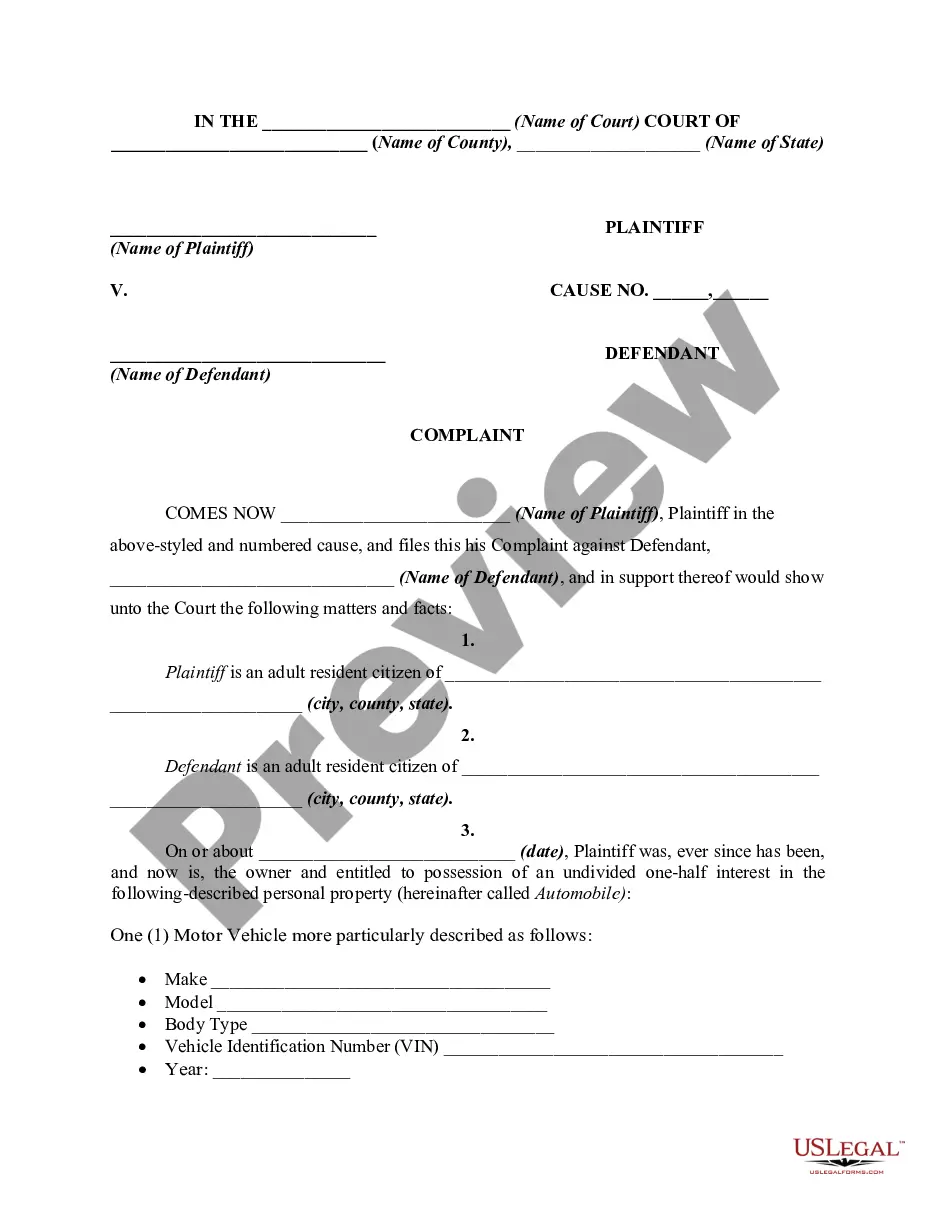
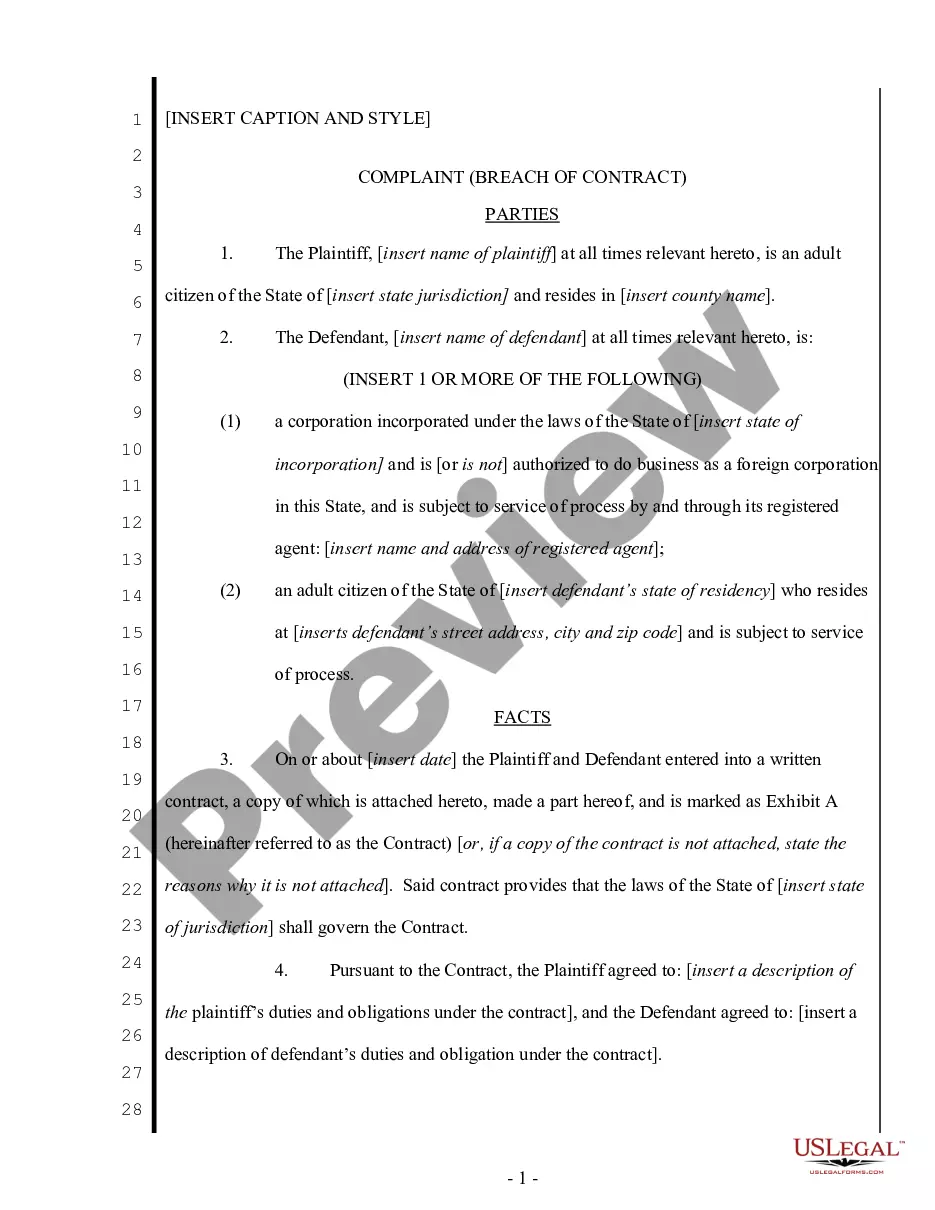
Get your form ready online
Our built-in tools help you complete, sign, share, and store your documents in one place.
Make edits, fill in missing information, and update formatting in US Legal Forms—just like you would in MS Word.
Download a copy, print it, send it by email, or mail it via USPS—whatever works best for your next step.
Sign and collect signatures with our SignNow integration. Send to multiple recipients, set reminders, and more. Go Premium to unlock E-Sign.
If this form requires notarization, complete it online through a secure video call—no need to meet a notary in person or wait for an appointment.
We protect your documents and personal data by following strict security and privacy standards.

Make edits, fill in missing information, and update formatting in US Legal Forms—just like you would in MS Word.

Download a copy, print it, send it by email, or mail it via USPS—whatever works best for your next step.

Sign and collect signatures with our SignNow integration. Send to multiple recipients, set reminders, and more. Go Premium to unlock E-Sign.

If this form requires notarization, complete it online through a secure video call—no need to meet a notary in person or wait for an appointment.

We protect your documents and personal data by following strict security and privacy standards.
Looking for another form?
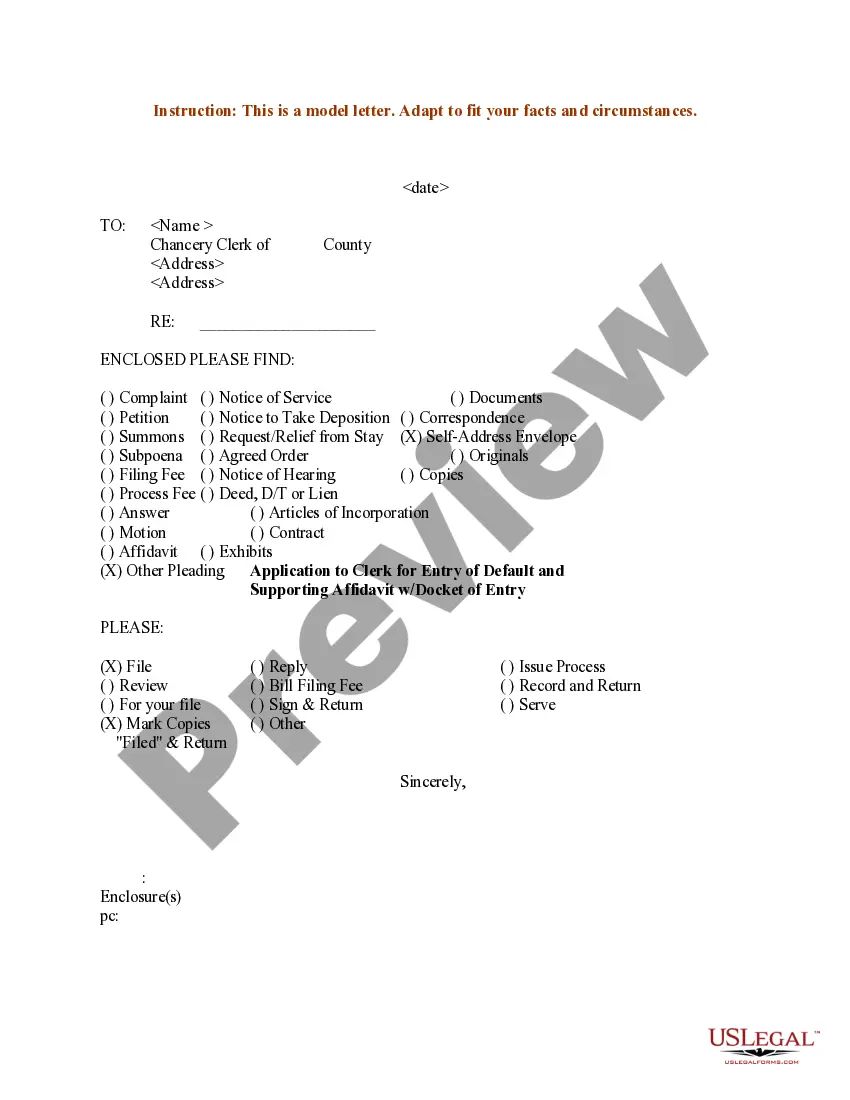




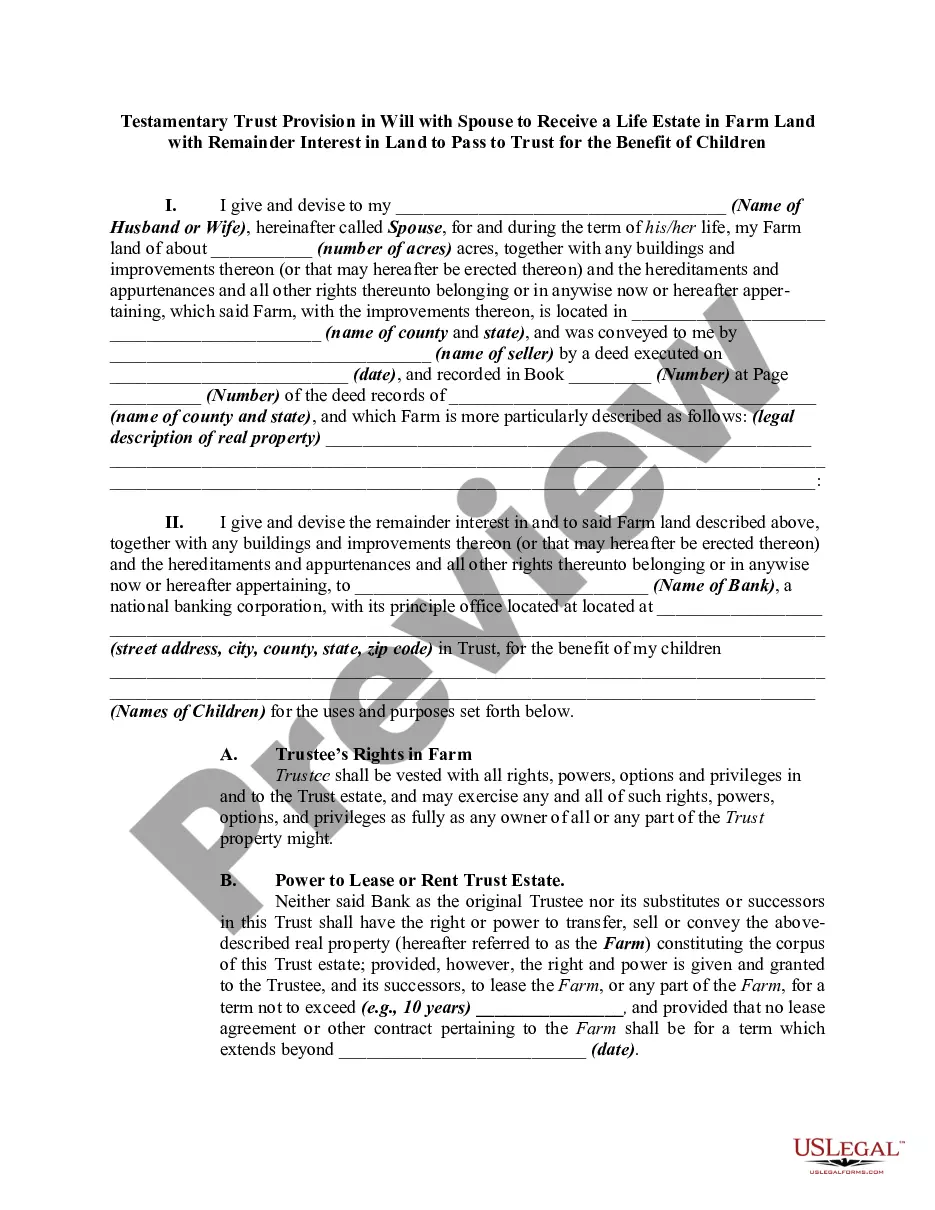

How to fill out Complaint For Conversion Seeking Punitive Damages?
It’s clear that you cannot transform into a legal expert instantly, nor can you fully understand how to swiftly create Seeking Damages From without a specific skill set. Assembling legal paperwork is an extensive process that demands particular training and expertise. So why not entrust the preparation of the Seeking Damages From to the experts.
With US Legal Forms, which boasts one of the most comprehensive legal template collections, you can locate everything from court records to templates for internal communications. We recognize the importance of compliance with federal and local laws and regulations. That’s why, on our website, all forms are tailored to specific locations and are current.
Here’s how you can begin using our platform and obtain the form you need in just a few minutes.
You can regain access to your forms from the My documents section at any time. If you are an existing client, you can simply Log In, and locate and download the template from the same section.
No matter the intent of your documents—whether financial and legal, or personal—our platform has you covered. Try US Legal Forms today!
- Find the form you require by utilizing the search feature at the top of the page.
- Preview it (if this option is available) and read the accompanying description to ascertain whether Seeking Damages From is what you are looking for.
- Restart your search if you need a different template.
- Create a free account and choose a subscription plan to buy the form.
- Click Buy now. Once the payment is processed, you can download the Seeking Damages From, complete it, print it, and send or mail it to the appropriate individuals or organizations.
Form popularity
FAQ
Tells the other side the maximum amount of damages you are seeking in a personal injury or wrongful death case.
A letter of intent to sue is used to notify an individual or business that legal action may be taken against them if the demands included in the letter are not met. By sending an intent to sue letter, you may be able to resolve the dispute without having to initiate a costly lawsuit.
Before awarding punitive damages, the court must take several factors into account. The following points are of particular importance: Assessing if the defendant's actions were malicious, intentional, or grossly negligent. Looking at similar cases to determine if punitive damages were awarded.
Proving negligence by itself might result in compensatory damages, but remember, it won't be enough to secure punitive ones. This means you'll need to present evidence that the defendant either acted intentionally or with such a high degree of recklessness or gross negligence that punitive damages should be awarded.
In order to properly write a cause of action, several things must be included. The names of the Plaintiff and Defendant. The legal means by which the Plaintiff is bringing the lawsuit. Be sure to only include the facts, not opinions. ... Offer expert opinions and lay out the evidence. ... Request of relief.