Notice Of Death With Mortgage
Description
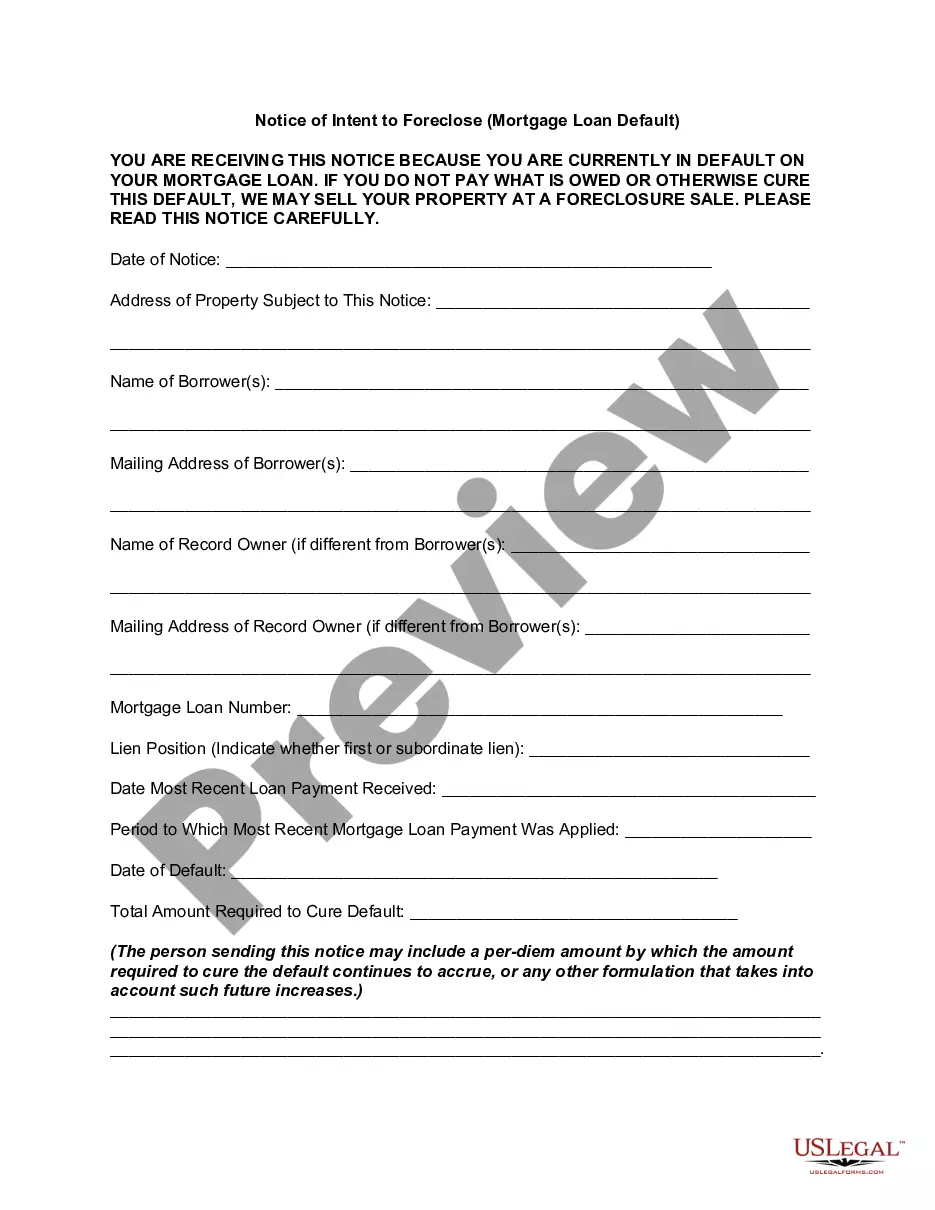
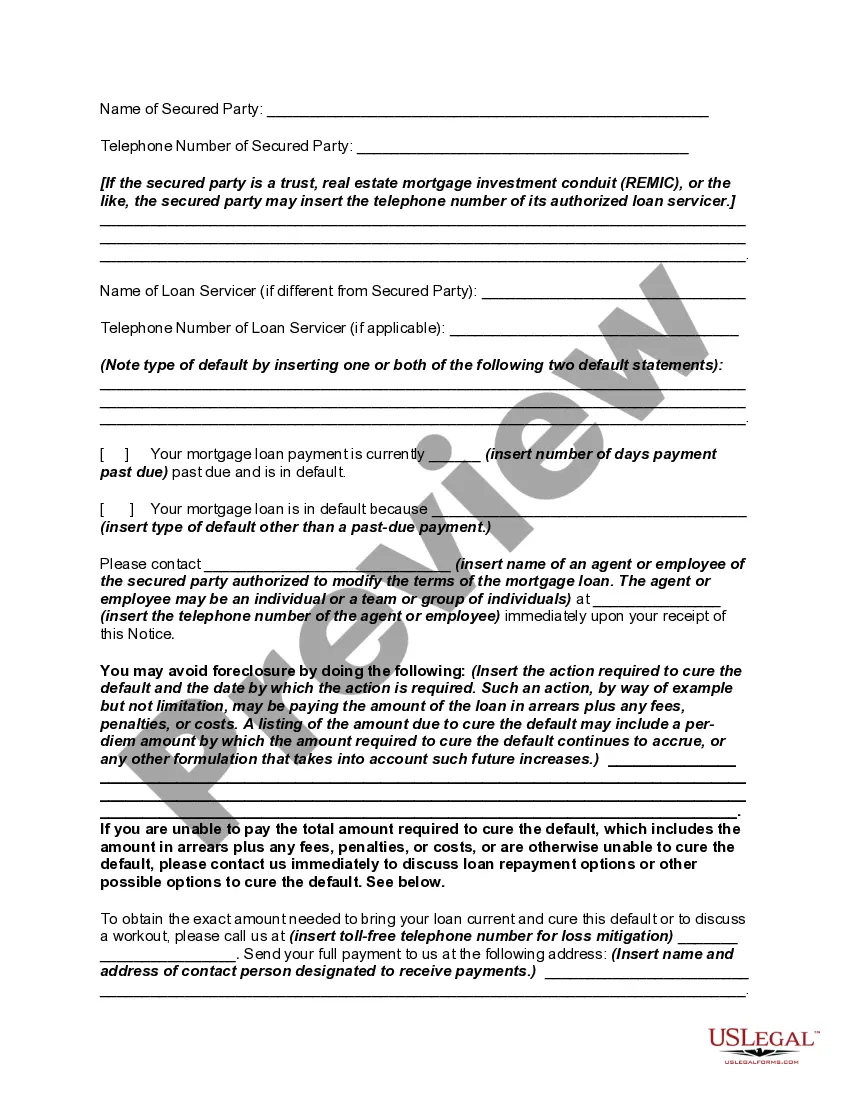
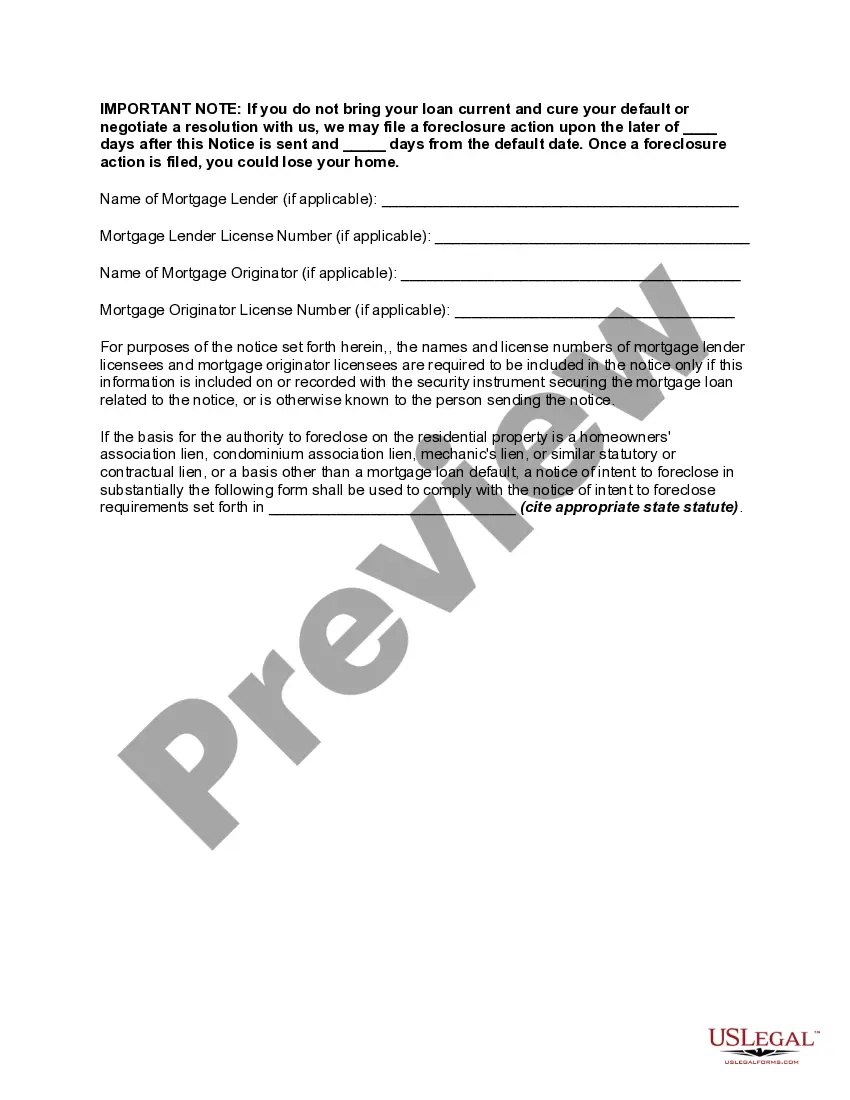
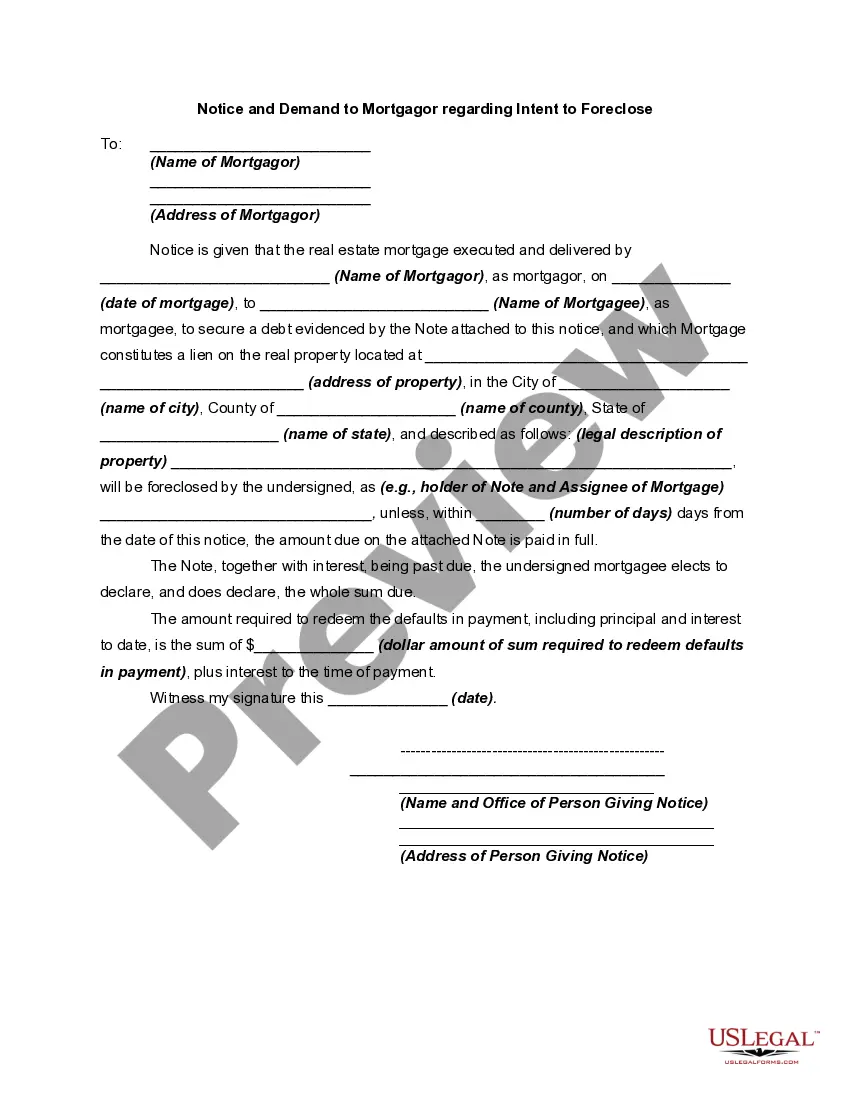
Get your form ready online
Our built-in tools help you complete, sign, share, and store your documents in one place.
Make edits, fill in missing information, and update formatting in US Legal Forms—just like you would in MS Word.
Download a copy, print it, send it by email, or mail it via USPS—whatever works best for your next step.
Sign and collect signatures with our SignNow integration. Send to multiple recipients, set reminders, and more. Go Premium to unlock E-Sign.
If this form requires notarization, complete it online through a secure video call—no need to meet a notary in person or wait for an appointment.
We protect your documents and personal data by following strict security and privacy standards.

Make edits, fill in missing information, and update formatting in US Legal Forms—just like you would in MS Word.

Download a copy, print it, send it by email, or mail it via USPS—whatever works best for your next step.

Sign and collect signatures with our SignNow integration. Send to multiple recipients, set reminders, and more. Go Premium to unlock E-Sign.

If this form requires notarization, complete it online through a secure video call—no need to meet a notary in person or wait for an appointment.

We protect your documents and personal data by following strict security and privacy standards.
Looking for another form?

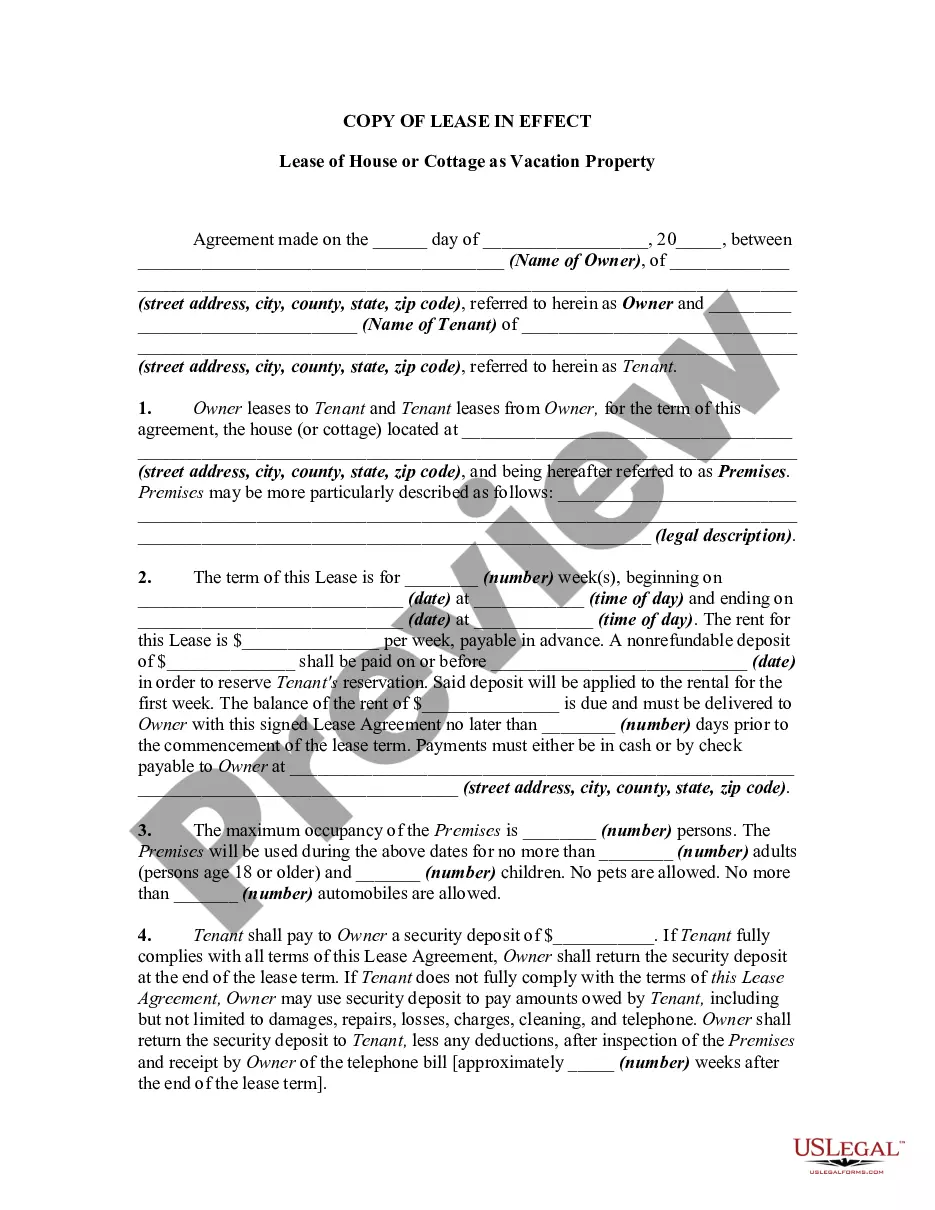
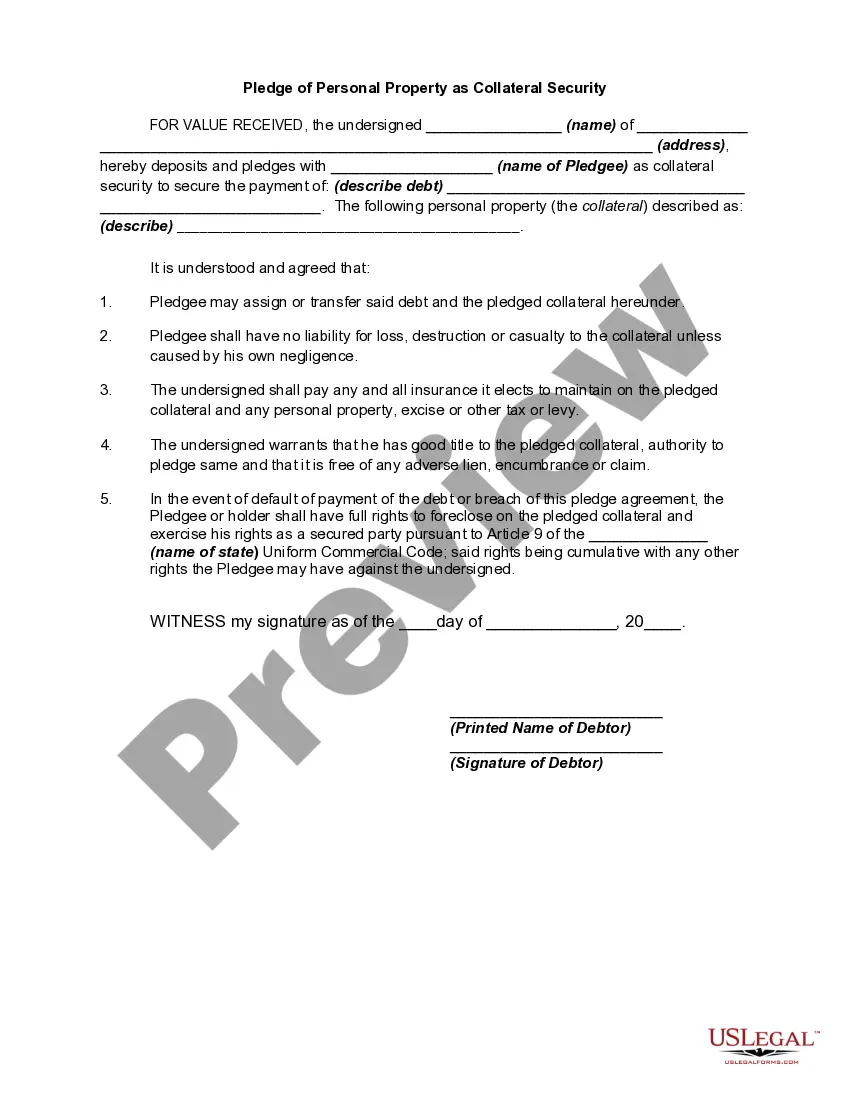
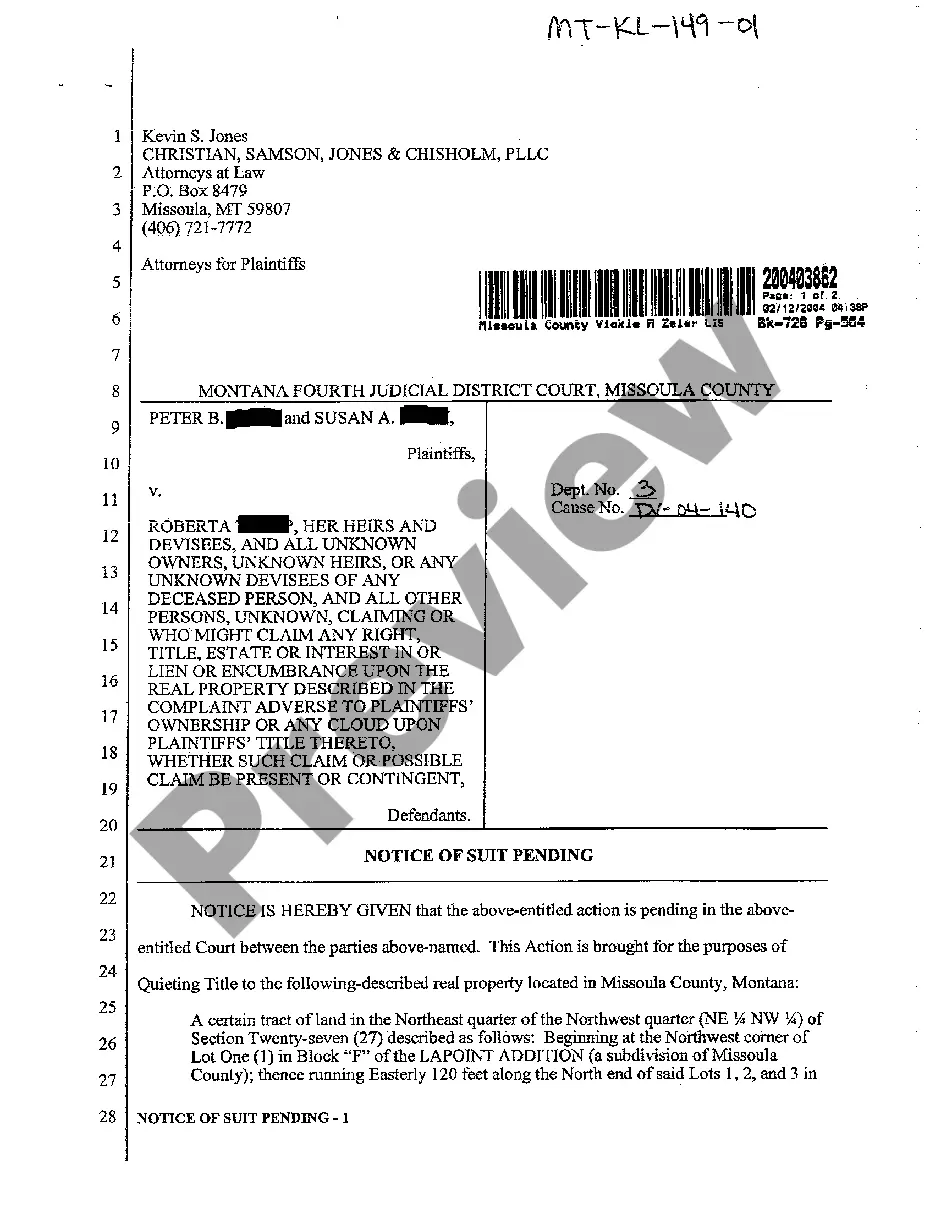
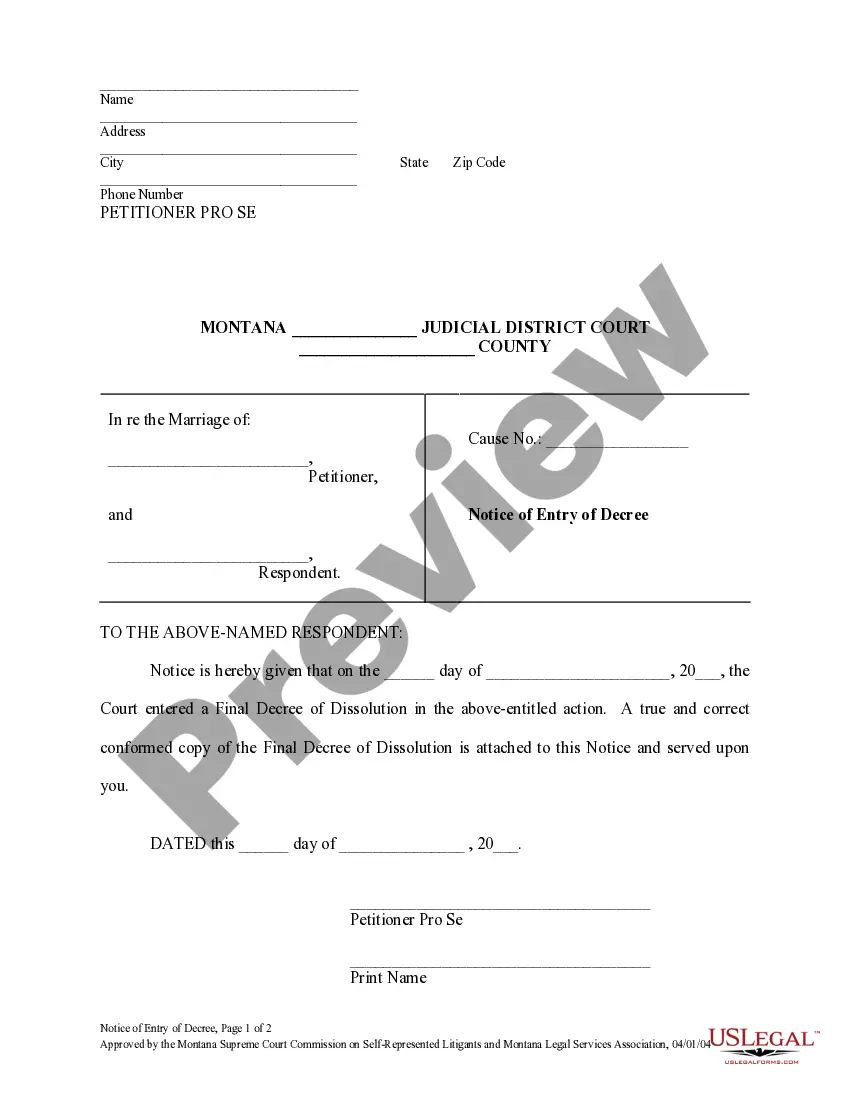
How to fill out Notice Of Intent To Foreclose - Mortgage Loan Default?
Utilizing legal document examples that adhere to federal and state regulations is crucial, and the internet presents numerous options to select from.
However, what is the purpose of spending time searching for the appropriate Notice Of Death With Mortgage example online when the US Legal Forms digital archive already provides such templates consolidated in one location.
US Legal Forms is the most extensive online legal repository featuring over 85,000 editable templates created by attorneys for any business and personal situation.
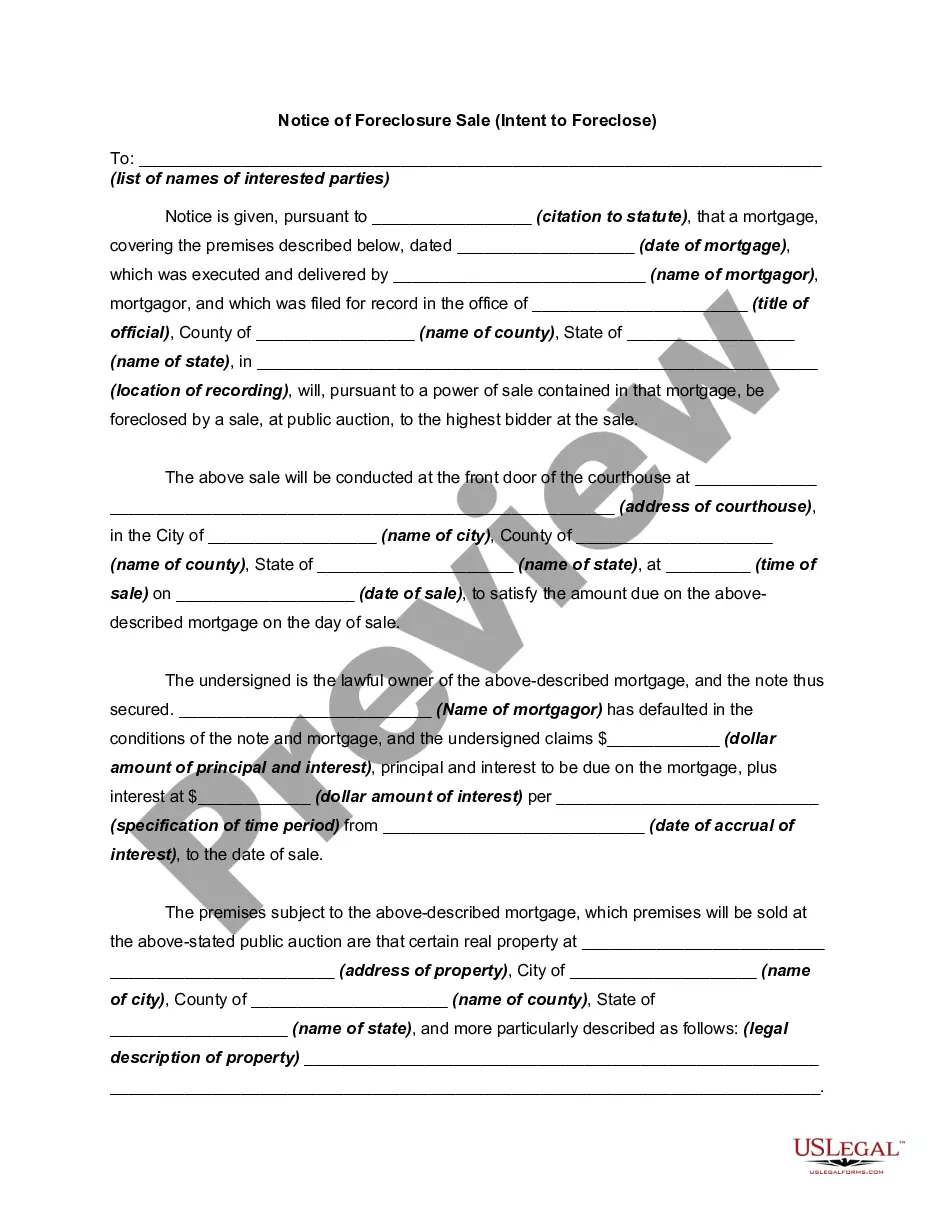
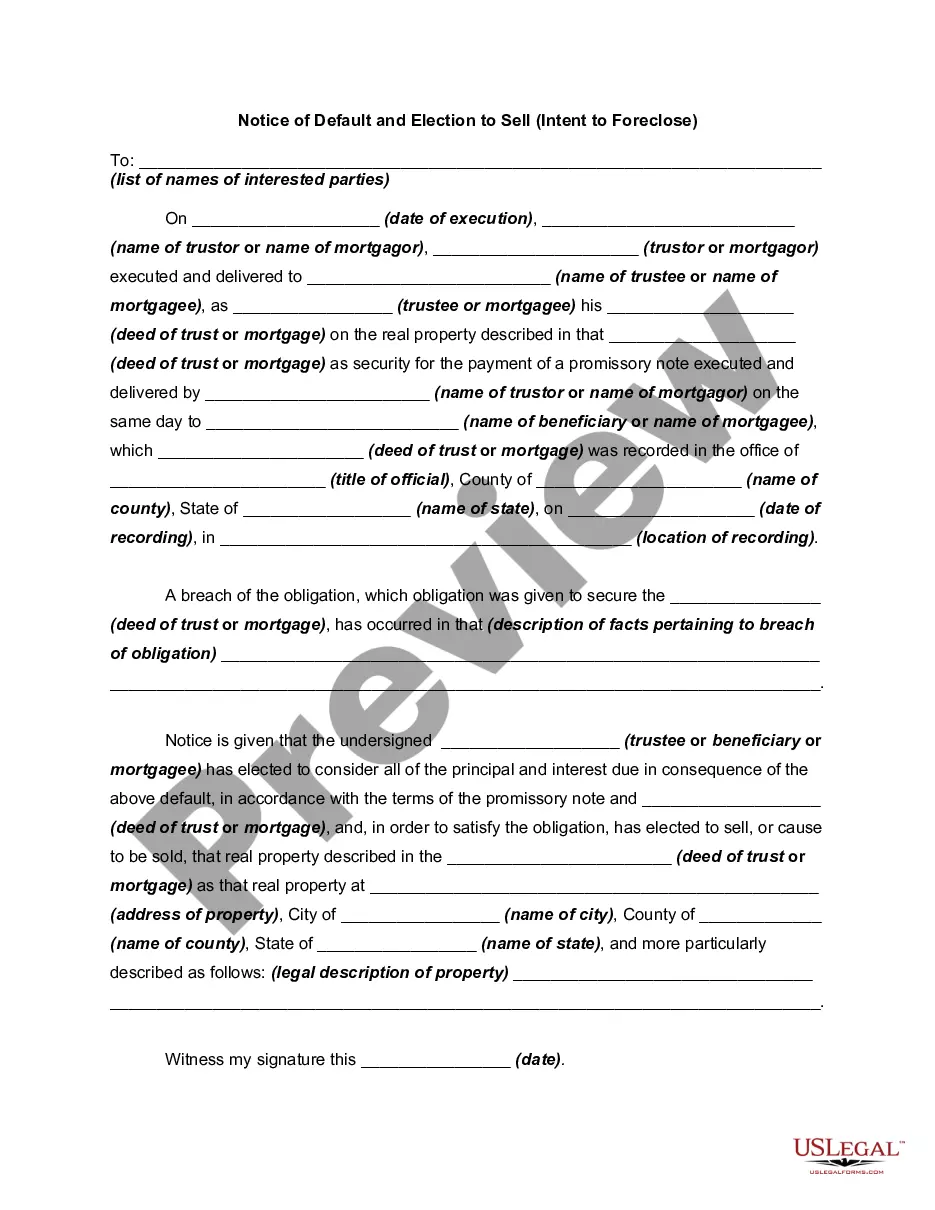
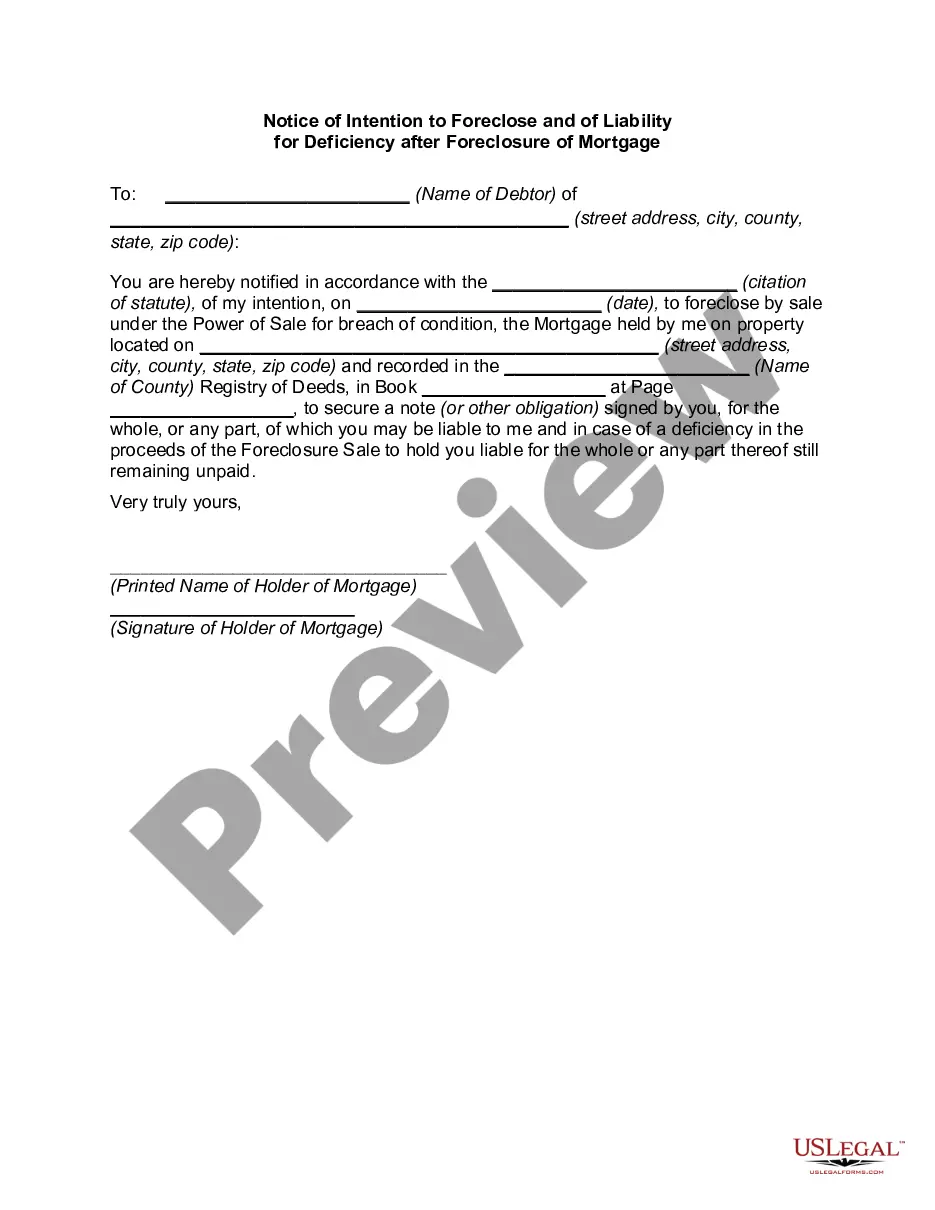
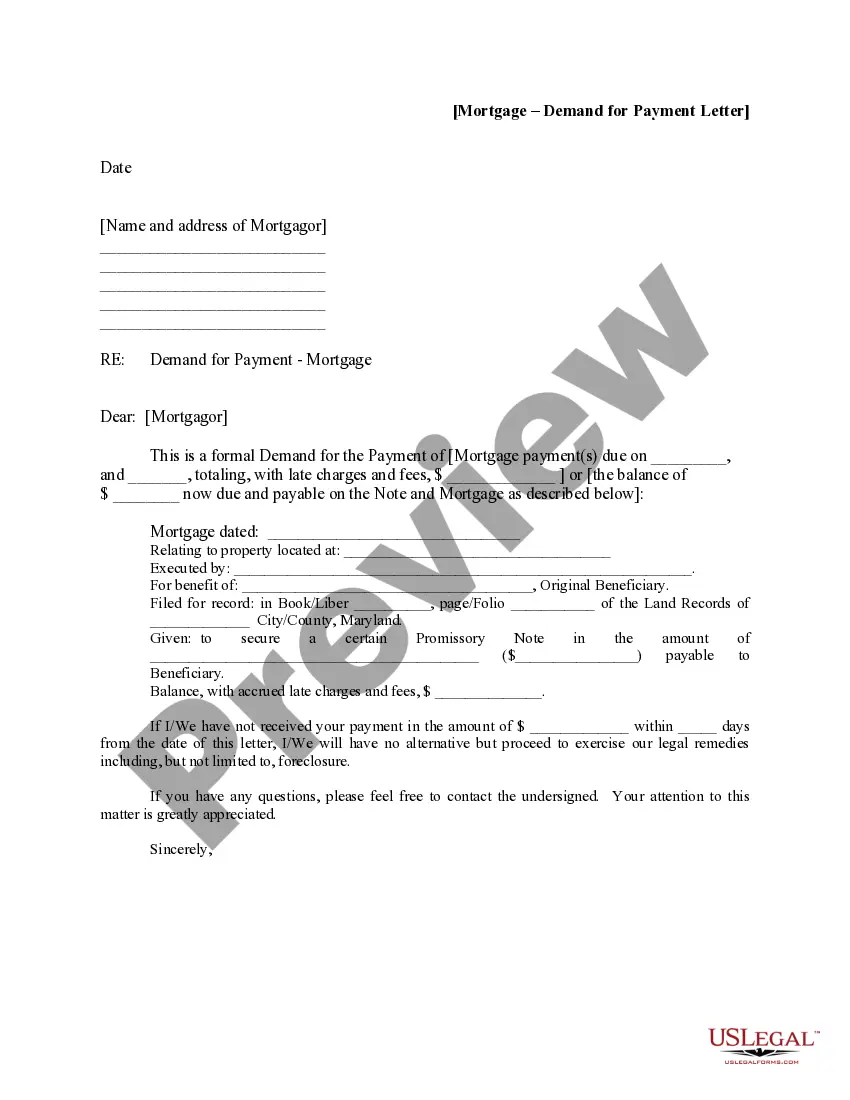
Explore the template using the Preview option or via the text description to ensure it fulfills your needs.
- They are easy to navigate with all documents categorized by state and intended use.
- Our specialists keep current with legislative updates, so you can always trust that your form is recent and compliant when obtaining a Notice Of Death With Mortgage from our site.
- Acquiring a Notice Of Death With Mortgage is swift and straightforward for both existing and new users.
- If you already possess an account with an active subscription, Log In and save the document template you require in your chosen format.
- If you are a newcomer to our site, follow the guidelines below.
Form popularity
FAQ
When the owner of a home with a mortgage passes away, the fate of the property largely depends on how the mortgage is structured. The mortgage debt typically does not disappear, and the responsibility for payments usually transfers to the estate or the heirs. If the heirs wish to keep the house, they may need to continue making payments or refinance the mortgage under their names. It's wise to consult legal resources, such as US Legal Forms, for guidance on handling the notice of death with mortgage and understanding your rights and options.
You should notify the mortgage company promptly after a death occurs, ideally within 30 days. This step is crucial because it helps to avoid complications with payments and account status. Delaying notification can lead to issues such as late fees or even foreclosure. Once you send a notice of death with the mortgage, the lender can assist you in determining the next steps and addressing any concerns.
When a person dies with a mortgage, several outcomes can occur depending on the estate's situation. The mortgage obligation typically transfers to the deceased's estate, and the heirs may need to decide whether to continue making payments or sell the property. In many cases, a notice of death with mortgage will help streamline communication with the lender. You can utilize platforms like US Legal Forms to access resources that assist in handling these matters effectively.
Yes, you must notify the mortgage company of the death. It is important to inform them as soon as possible after the loss occurs. By providing a notice of death with mortgage, you can ensure that the financial institution is aware of the situation and can offer guidance on next steps. Ignoring this step may lead to complications in managing the mortgage account.
What happens to a mortgage when the borrower dies? Mortgages typically can't be transferred from one person to another. The borrower is responsible for repaying their home loan until they sell the property. Then the new owner must secure financing on their own.
The best thing to do upon the death of a family member is to first contact the servicer of the loan. Servicers typically require a death certificate and verification that you're the inheritor of the house.
It's essential to inform the mortgage company about a borrower's death as soon as possible. When an individual passes away, their mortgage debt isn't automatically dissolved. Instead, the responsibility to repay the loan may transition to heirs, the estate, or the co-borrower.
If you're wondering when to notify the mortgage company of death, the answer is: as soon as possible.
A mortgage lives on after the death of the borrower, but unless there is a co-signer or, in community property states, a surviving spouse, none of the deceased person's heirs are responsible for paying the mortgage. Those who are in line to receive an inheritance may be able to take over payments and keep the house.