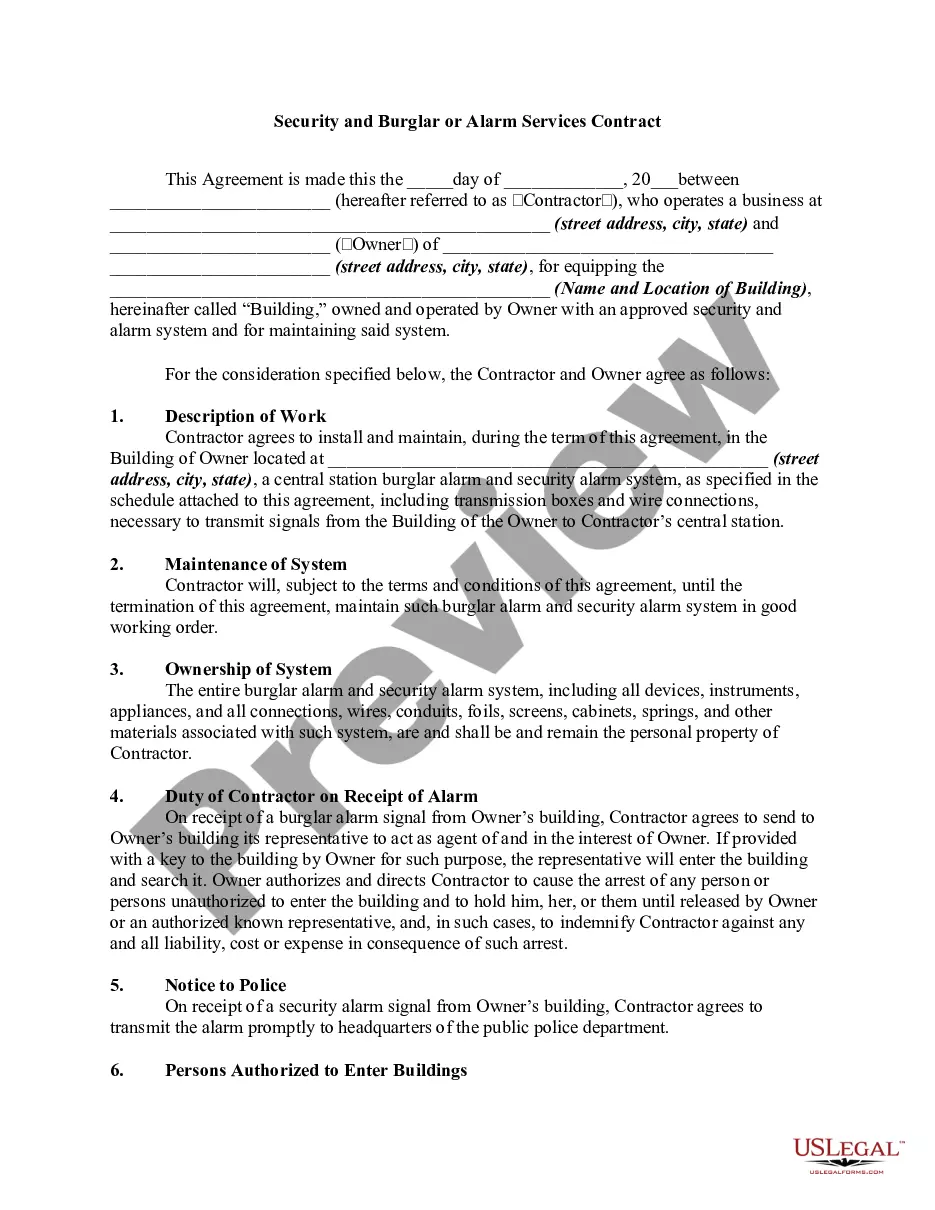
Fire Alarm Monitoring Contract Template For Construction
Description
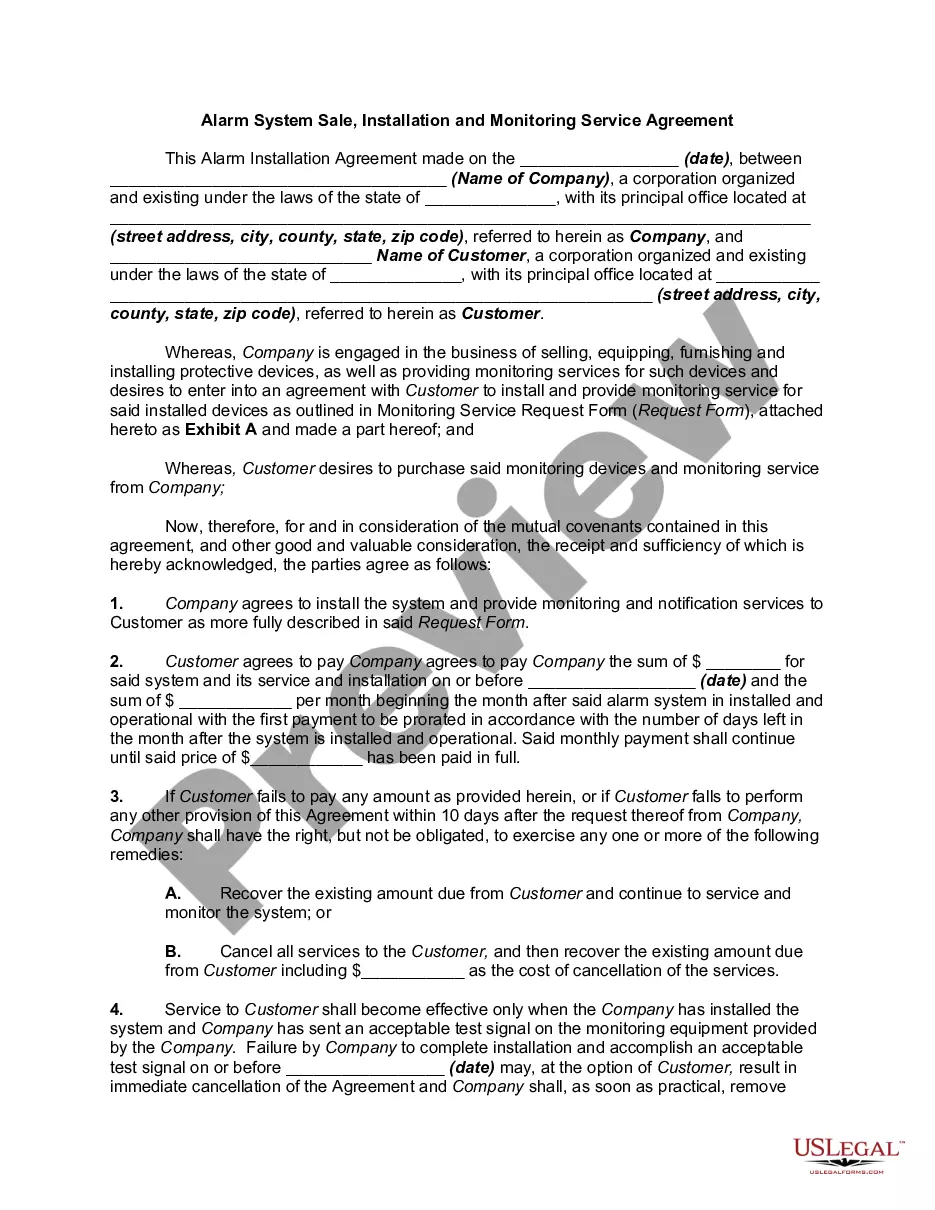
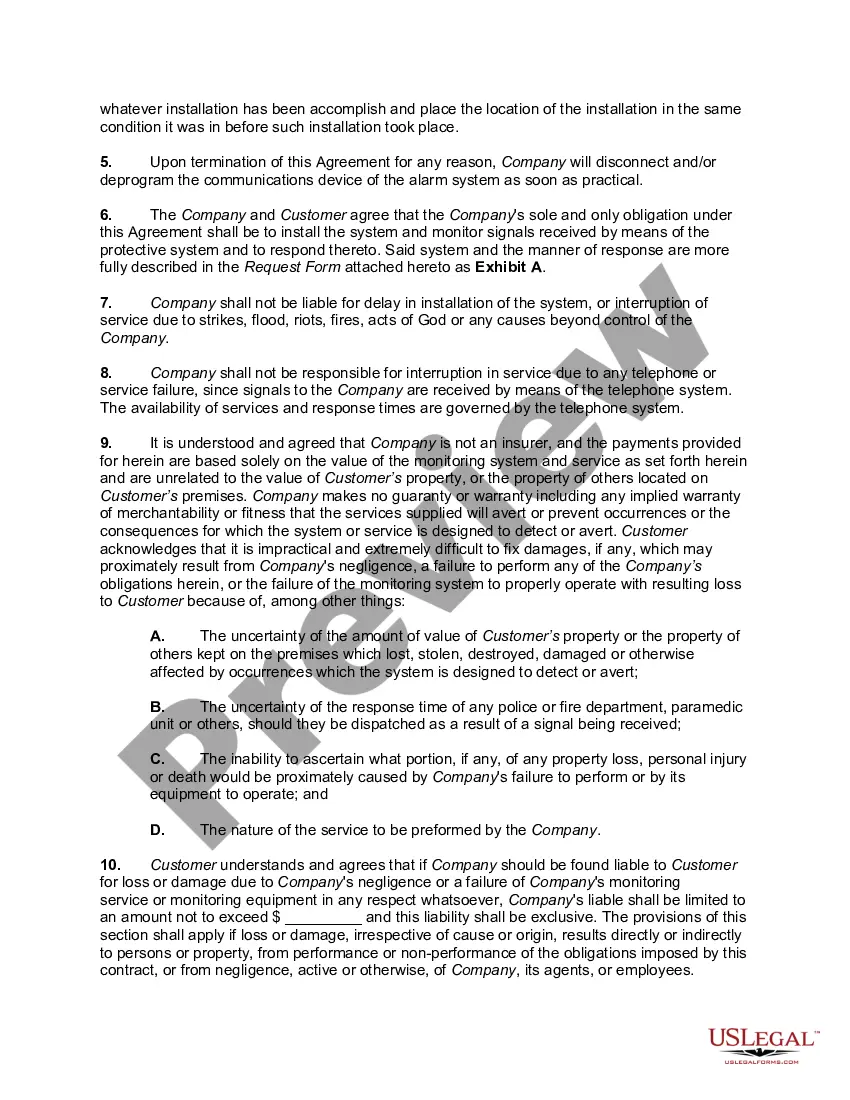
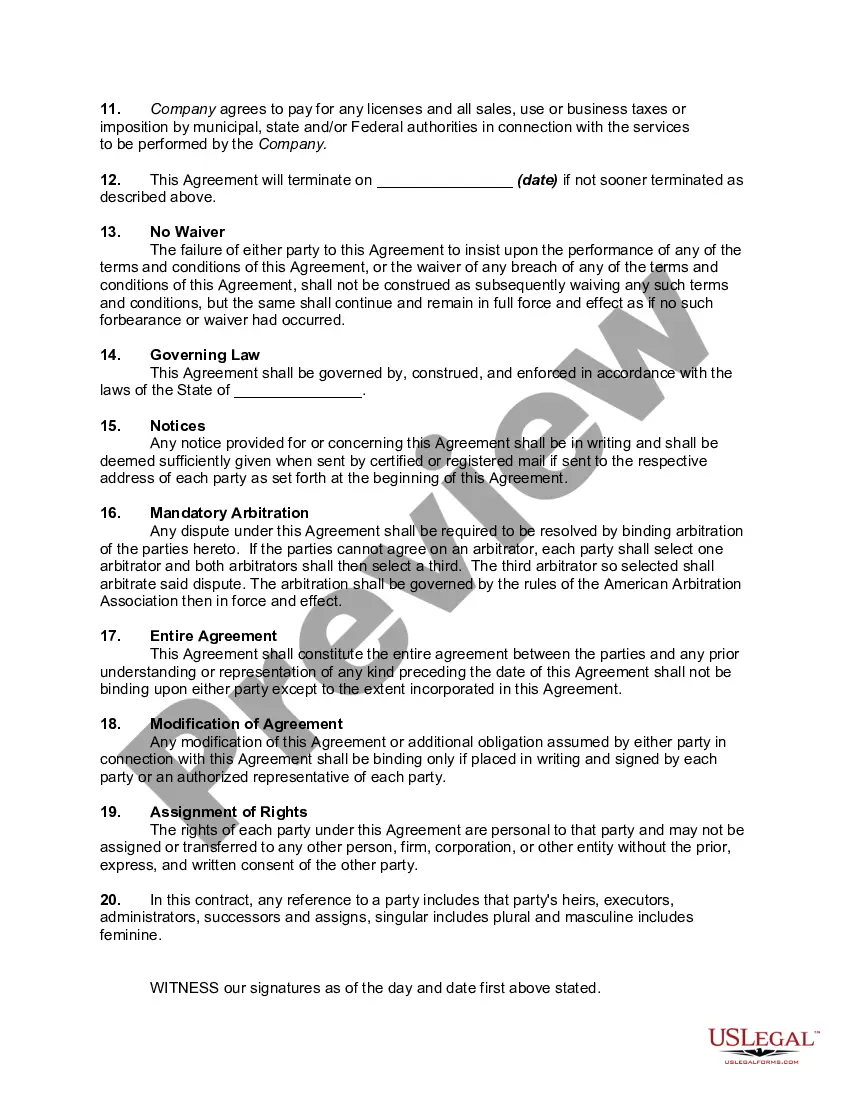
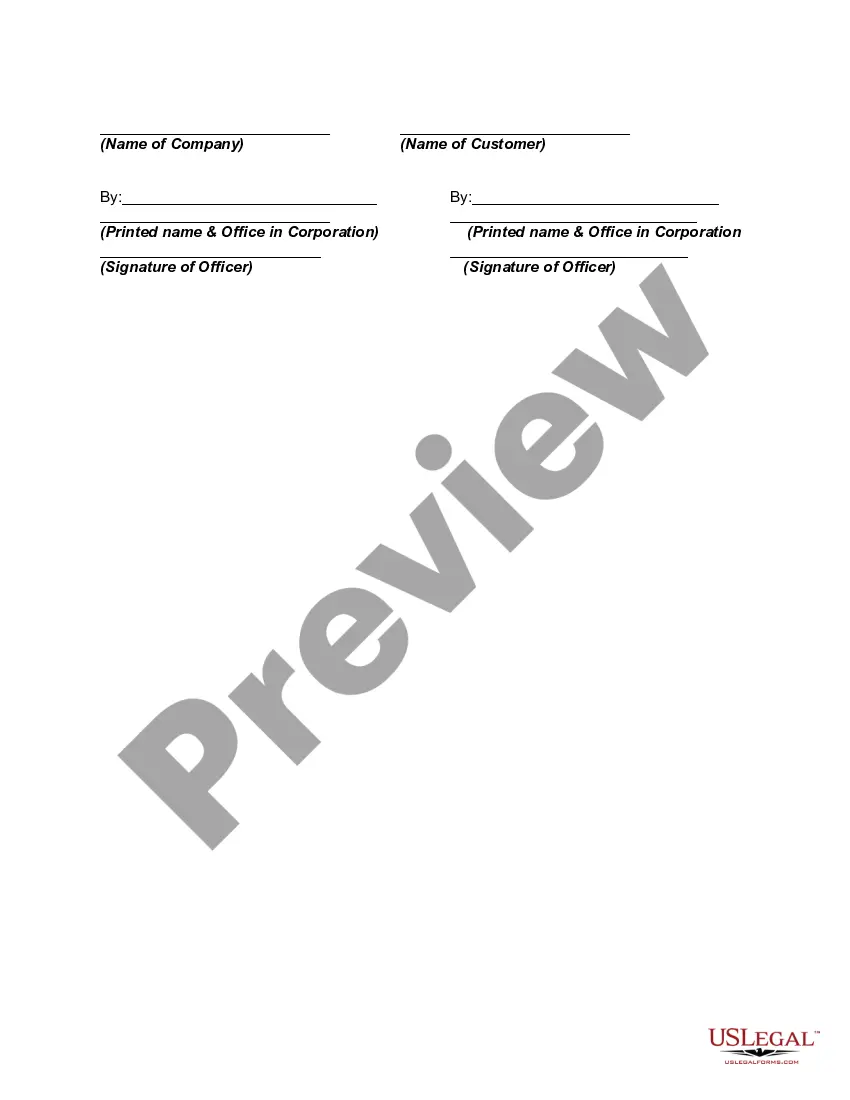
Get your form ready online
Our built-in tools help you complete, sign, share, and store your documents in one place.
Make edits, fill in missing information, and update formatting in US Legal Forms—just like you would in MS Word.
Download a copy, print it, send it by email, or mail it via USPS—whatever works best for your next step.
Sign and collect signatures with our SignNow integration. Send to multiple recipients, set reminders, and more. Go Premium to unlock E-Sign.
If this form requires notarization, complete it online through a secure video call—no need to meet a notary in person or wait for an appointment.
We protect your documents and personal data by following strict security and privacy standards.

Make edits, fill in missing information, and update formatting in US Legal Forms—just like you would in MS Word.

Download a copy, print it, send it by email, or mail it via USPS—whatever works best for your next step.

Sign and collect signatures with our SignNow integration. Send to multiple recipients, set reminders, and more. Go Premium to unlock E-Sign.

If this form requires notarization, complete it online through a secure video call—no need to meet a notary in person or wait for an appointment.

We protect your documents and personal data by following strict security and privacy standards.
Looking for another form?
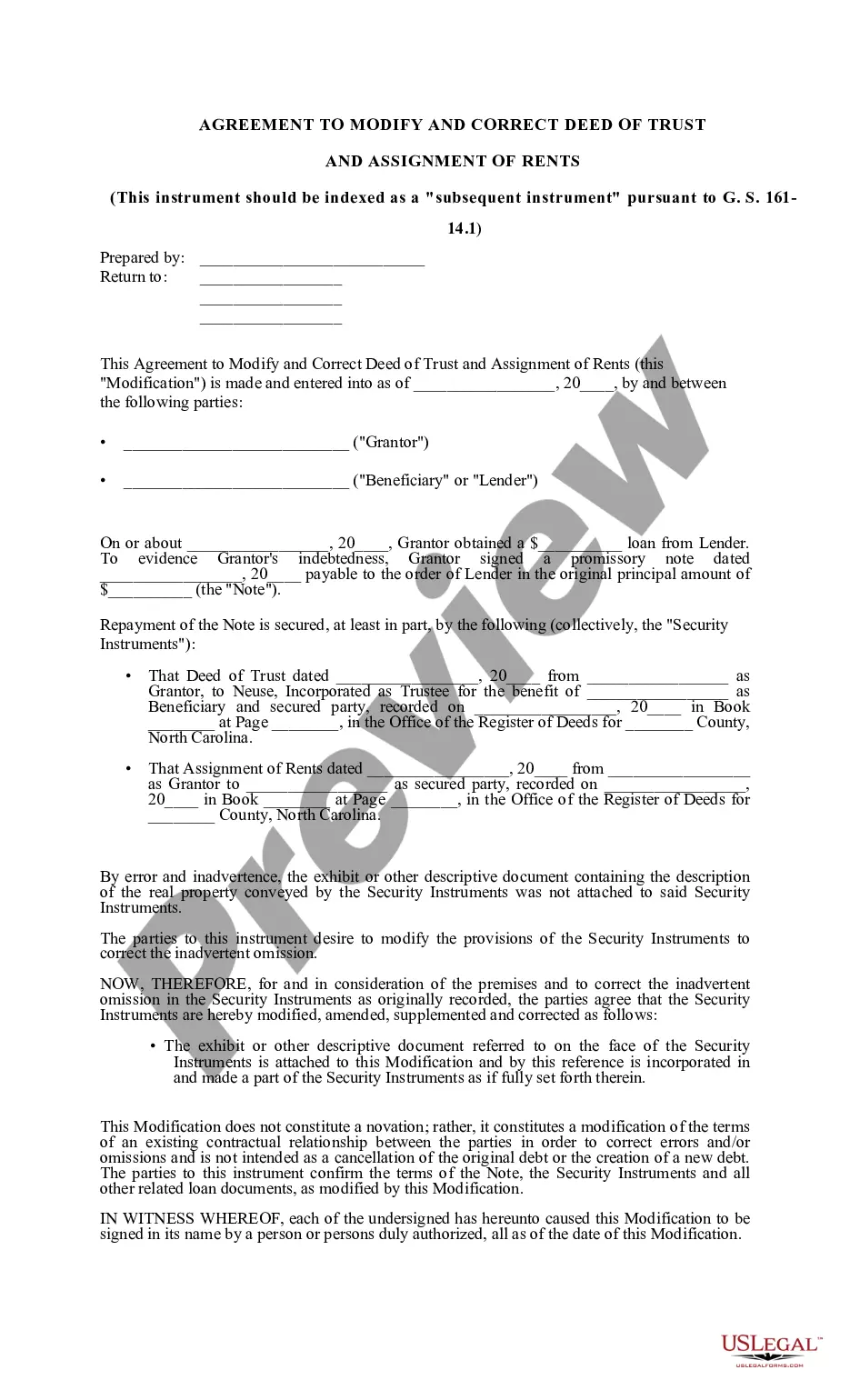
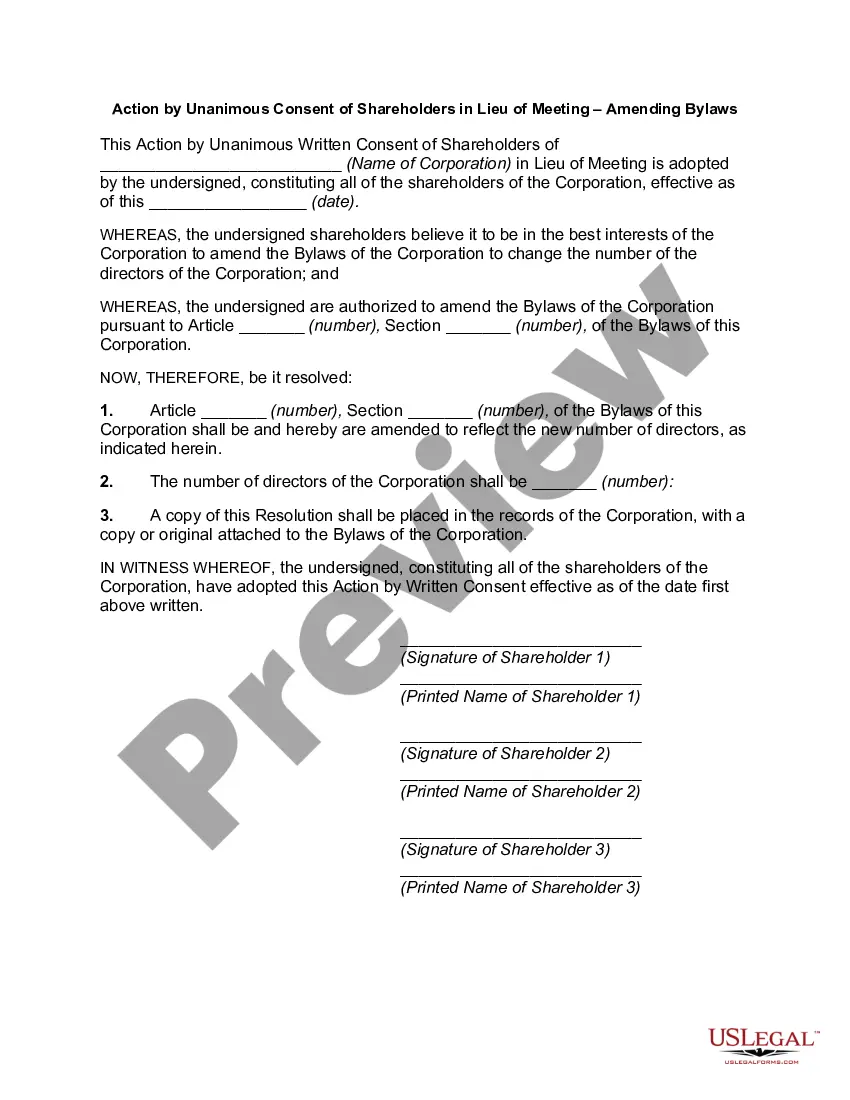
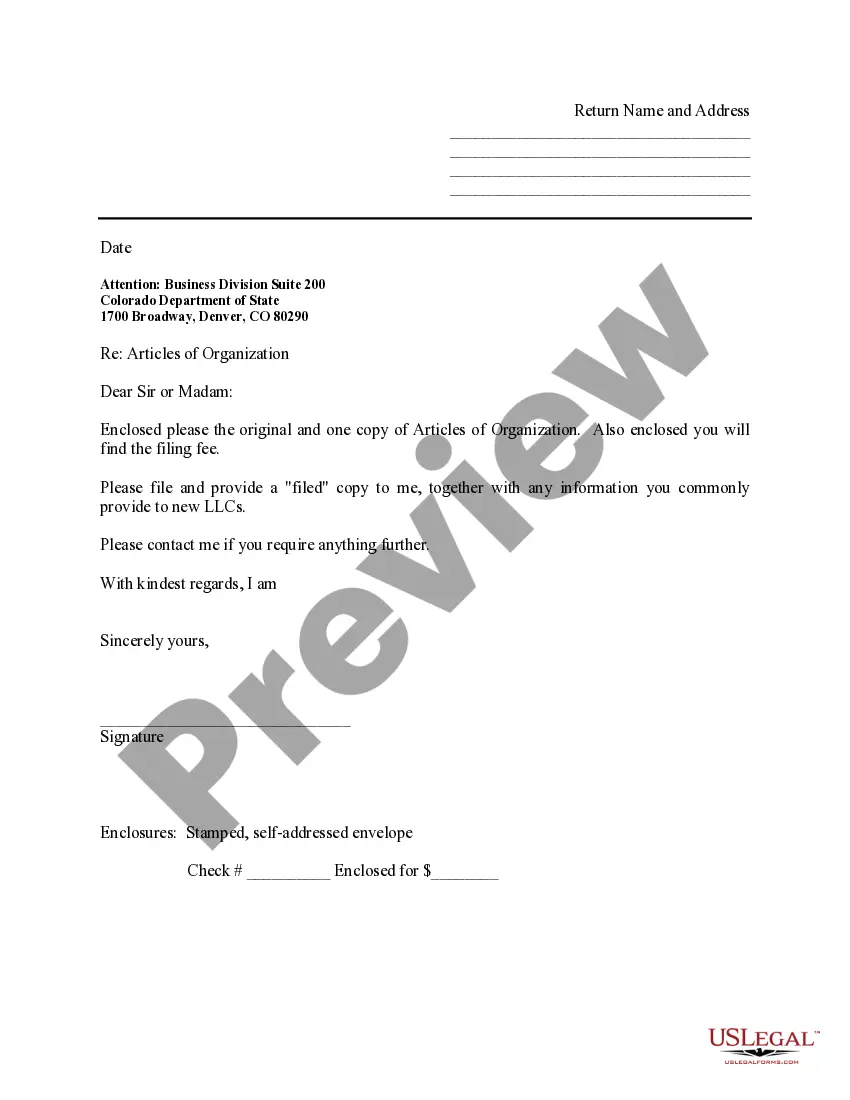
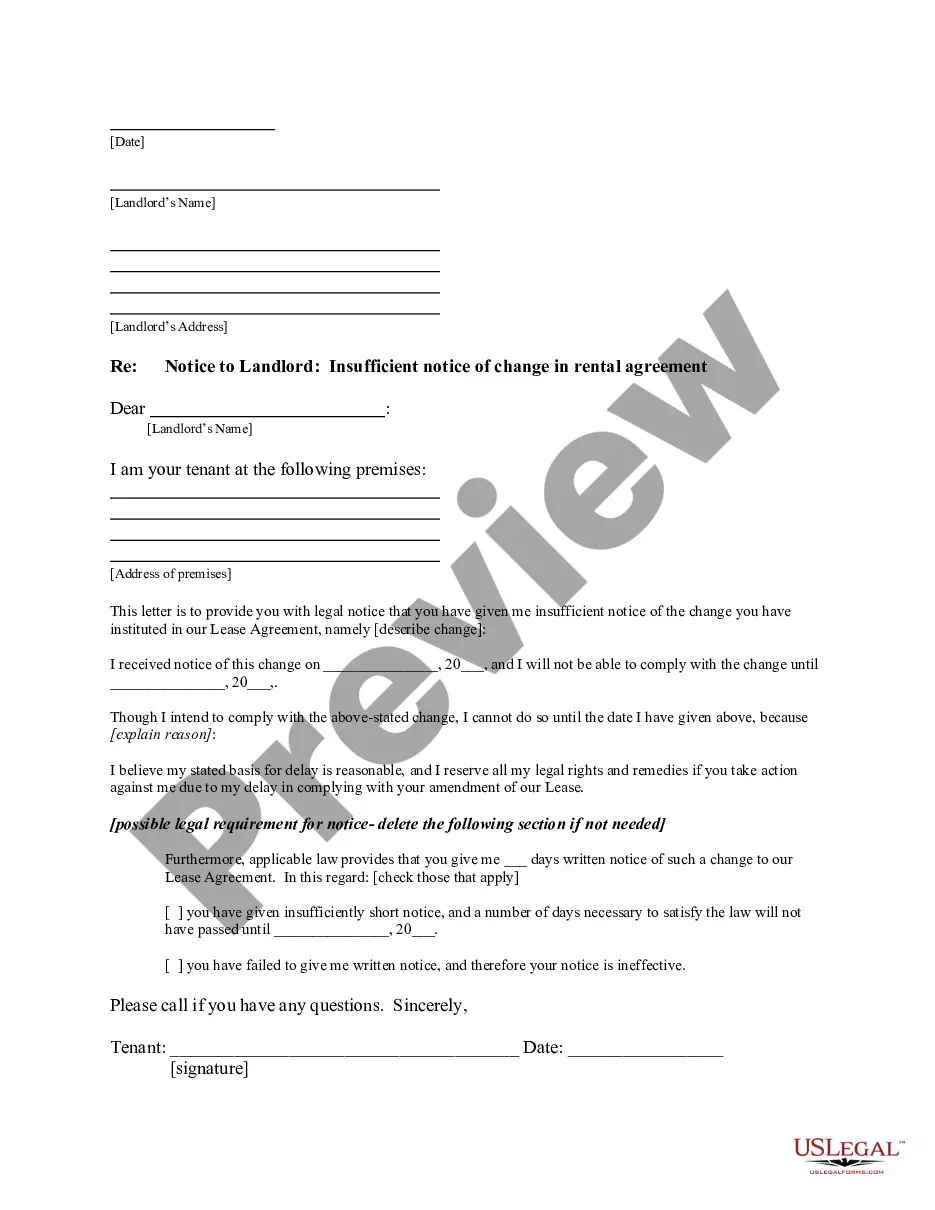
How to fill out Alarm System Sale, Installation And Monitoring Service Agreement?
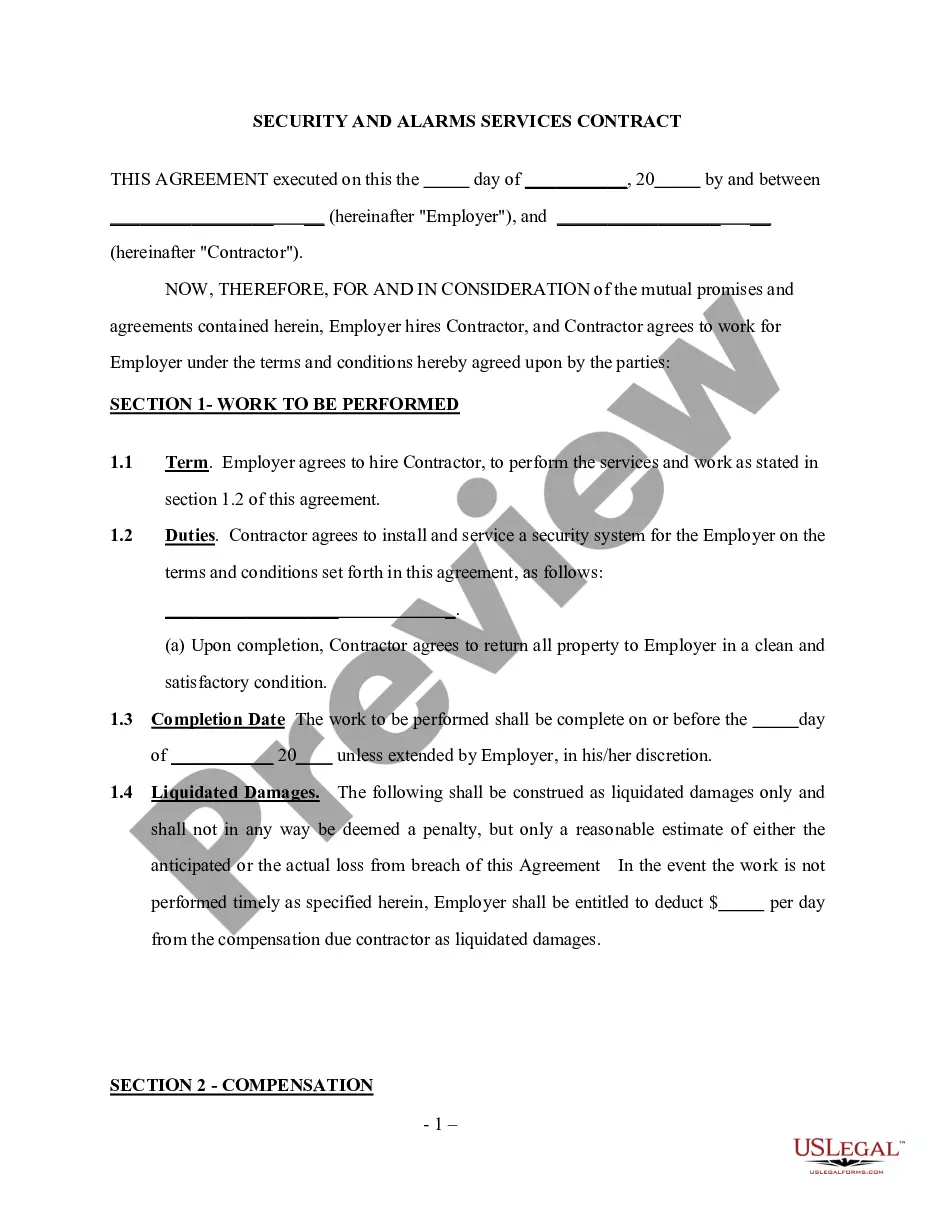
The Fire Alarm Monitoring Agreement Framework For Building Projects you see on this site is a reusable legal framework crafted by qualified attorneys in compliance with national and local regulations.
For over 25 years, US Legal Forms has supplied individuals, businesses, and legal practitioners with over 85,000 authenticated, state-specific documents for any corporate and personal circumstance. It’s the fastest, simplest, and most reliable way to obtain the documents you require, as the service promises bank-level data protection and anti-malware security.
Select the format you prefer for your Fire Alarm Monitoring Agreement Framework For Building Projects (PDF, DOCX, RTF) and download the sample to your device.
- Search for the document you require and examine it.
- Review the example you searched for and preview it or inspect the form description to confirm it meets your requirements. If it does not, utilize the search feature to locate the correct one. Click Buy Now once you have located the template you need.
- Register and Log In.
- Select the pricing plan that fits your needs and create an account. Use PayPal or a credit card to make a speedy payment. If you already possess an account, Log In and verify your subscription to proceed.
- Obtain the fillable template.
Form popularity
FAQ
Intellectual property (IP) refers to creations of the mind, such as inventions; literary and artistic works; designs; and symbols, names and images used in commerce.
What are the different types of intellectual property rights? In India, there are 7 types of intellectual property rights, namely ? copyright, trademarks, patents, geographical indications, plant varieties, industrial designs and semiconductor integrated circuit layout designs.
What are the main challenges facing businesses in terms of IP protection? The main challenges are registry issues, backlogs, delays in trademark and patent registration, lack of experts in patent claims drafting, the cost of protection, lack of awareness of IP rights among SMEs, and IP lawsuits.
A trademark license is a document that proves the registration of the trademark. A patent is a set a rights granted to the inventor of an invention. Proof of patent is a document that proves a patent is granted for the invention. A copyright is legal rights granted to the creator of an original work.
Intellectual property can take many forms, and each form is protected differently. In this post, we will explain the basics of the most common types of intellectual property ? copyrights, moral rights, trademarks, patents, and trade secrets.
Intellectual Property ? refers to creations of the mind, such as inventions; literary and artistic works; designs; and symbols, names and images.
Patents, trademarks, copyrights, and trade secrets are valuable assets of the company and understanding how they work and how they are created is critical to knowing how to protect them.
An inventor in North Carolina should use the services of a registered patent attorney in North Carolina to prepare and file the patent application. Although an inventor may file and obtain their own patent, there is no guarantee that the patent would sufficiently protect the invention.