Hipaa Authorization Form For Parents Of College Student
Description
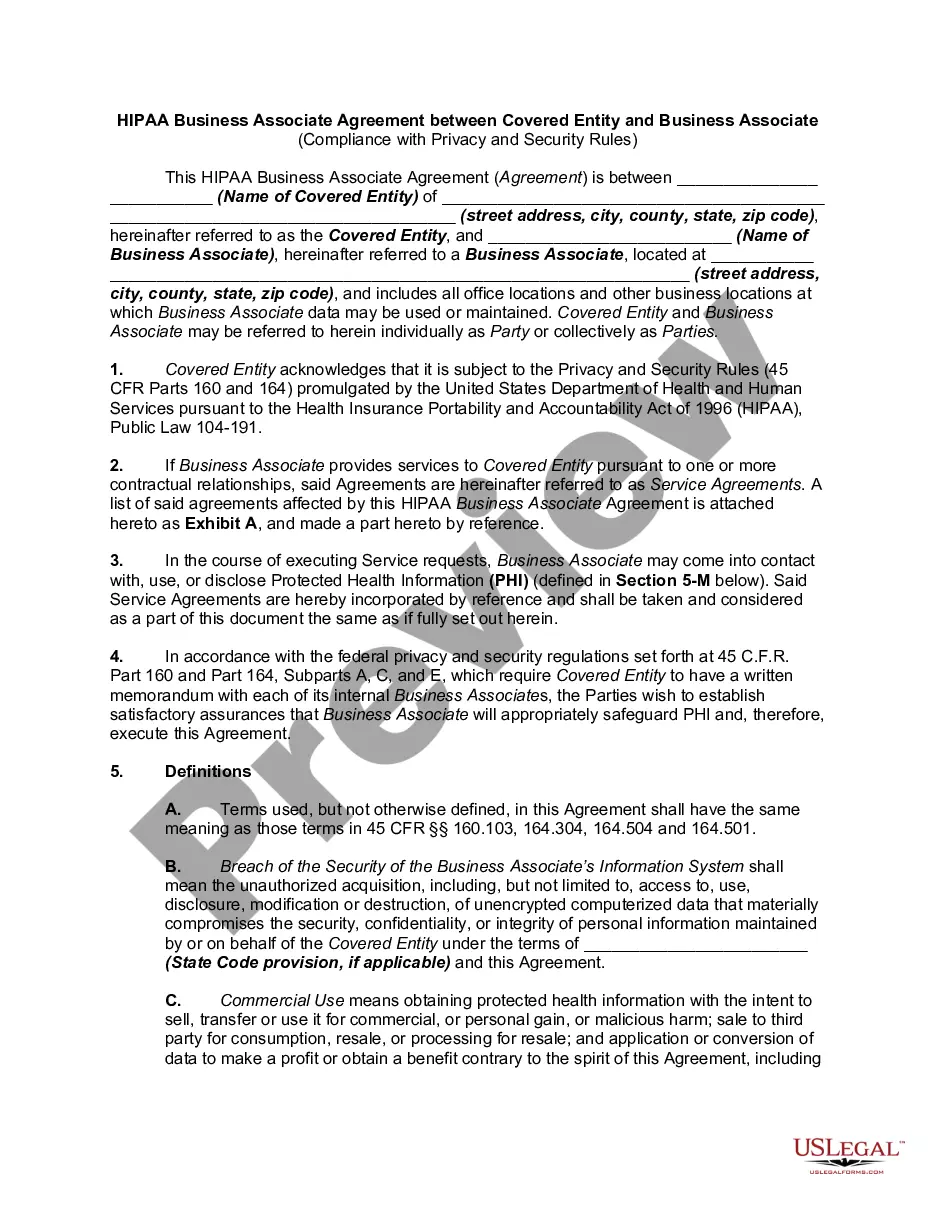
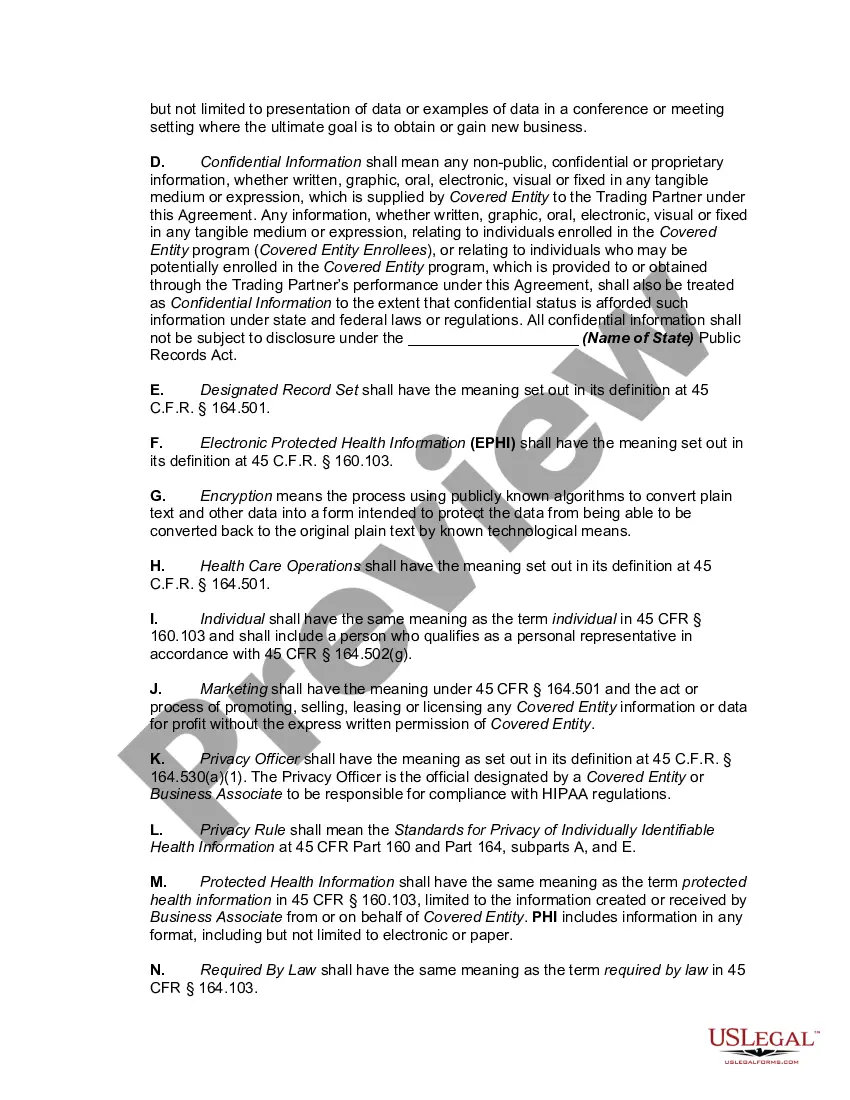
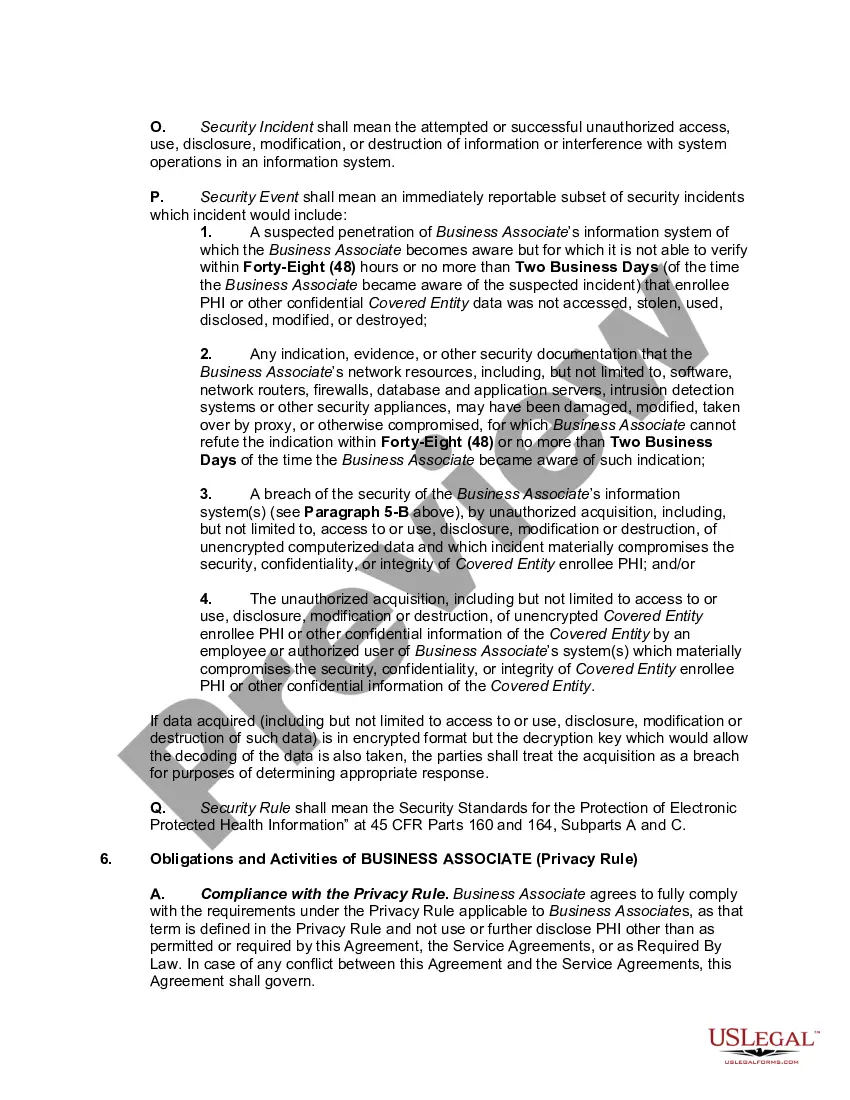
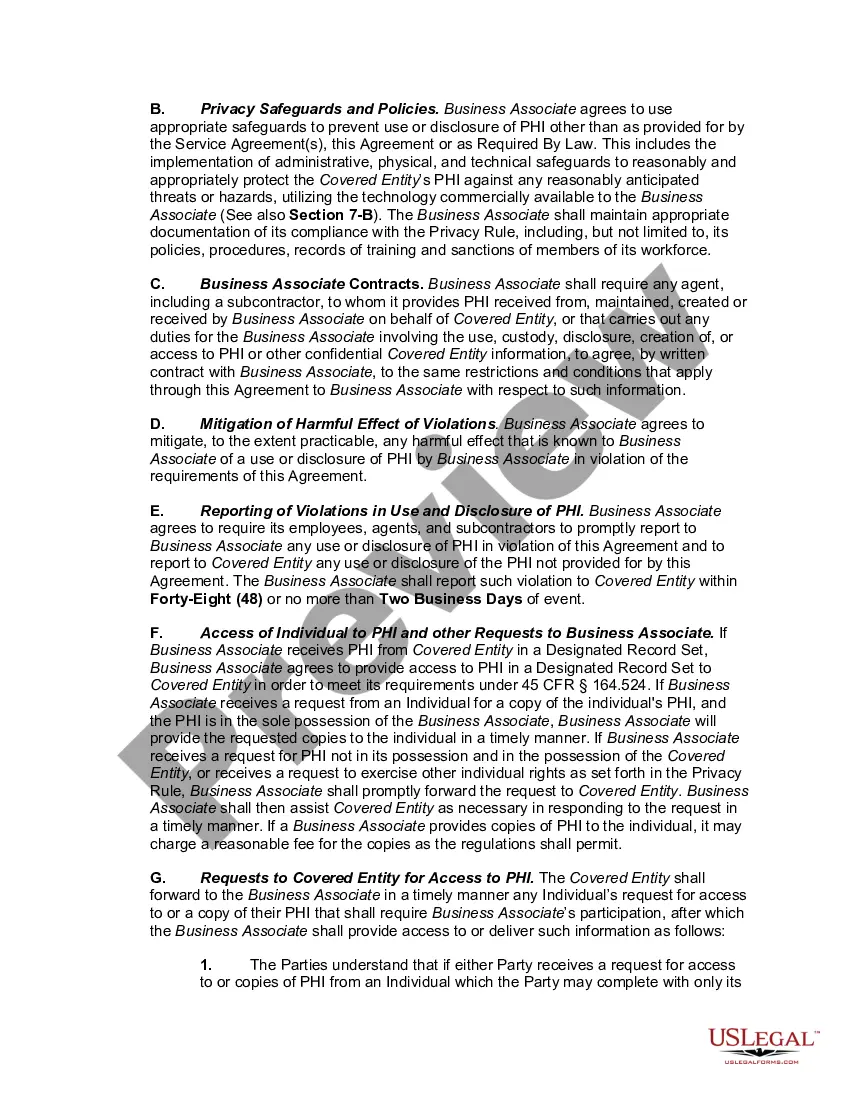
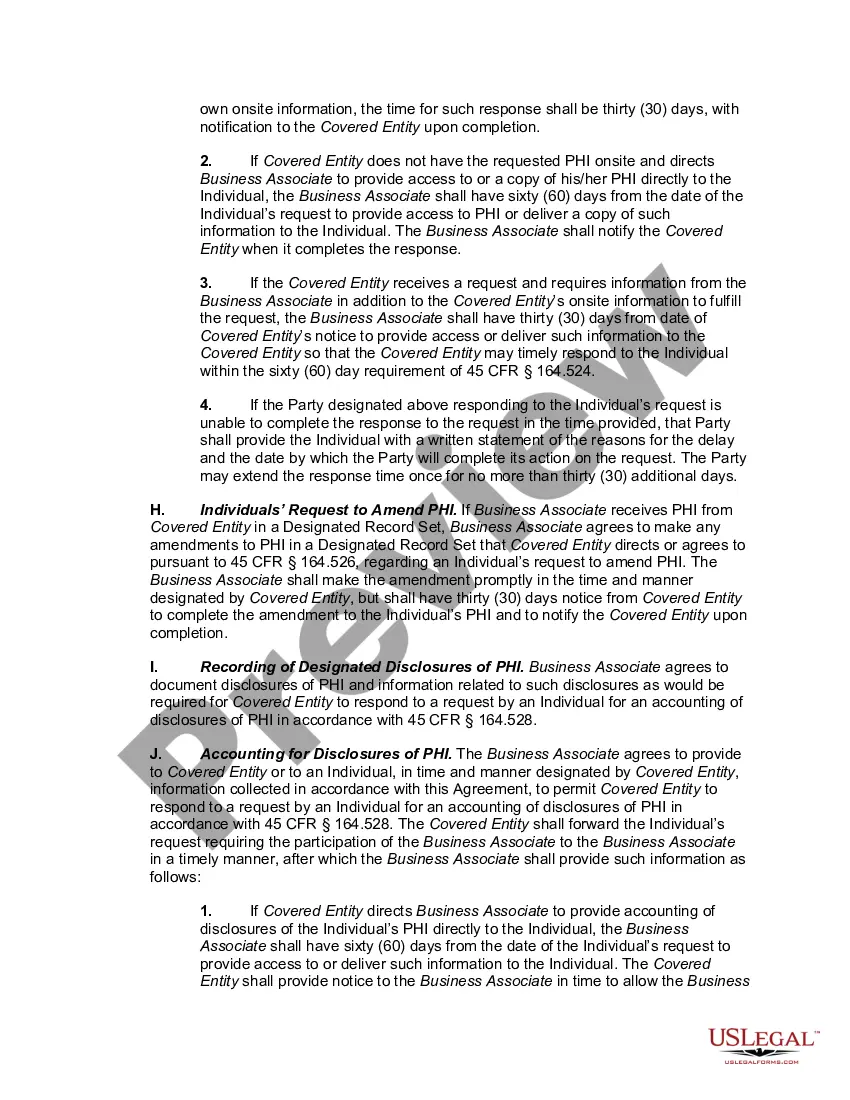
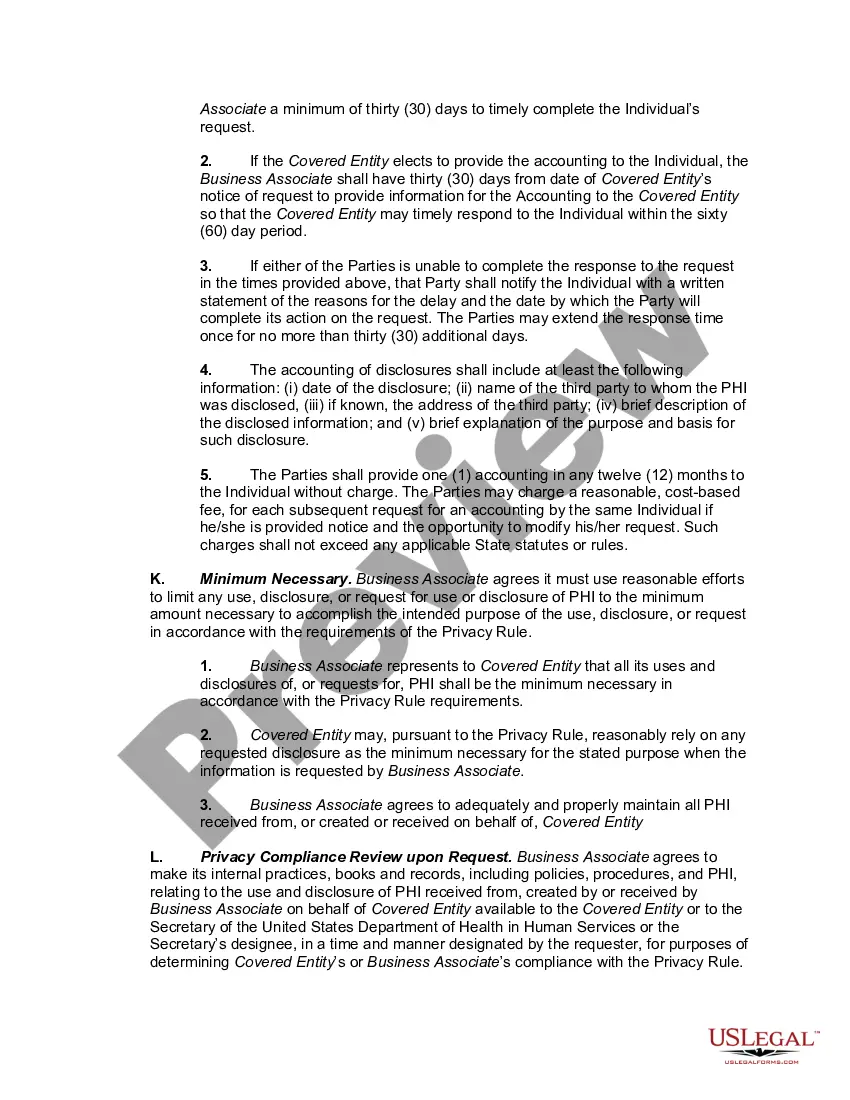
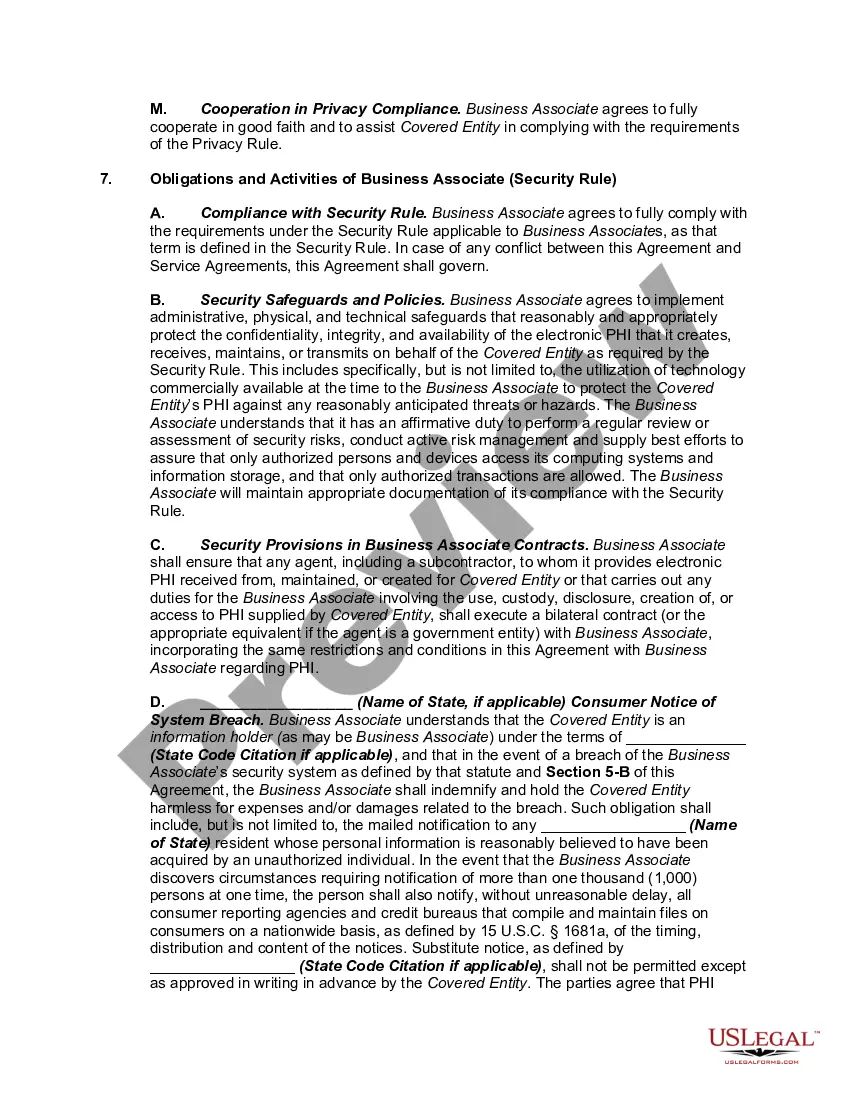
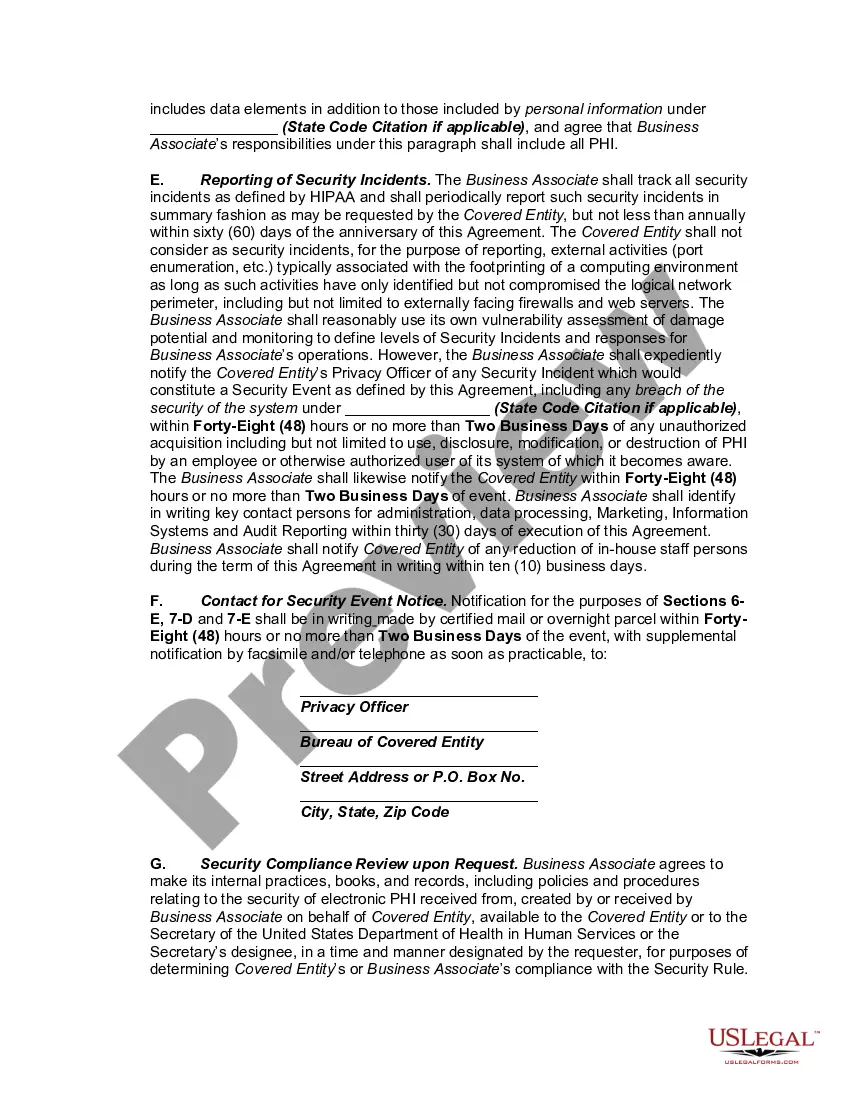
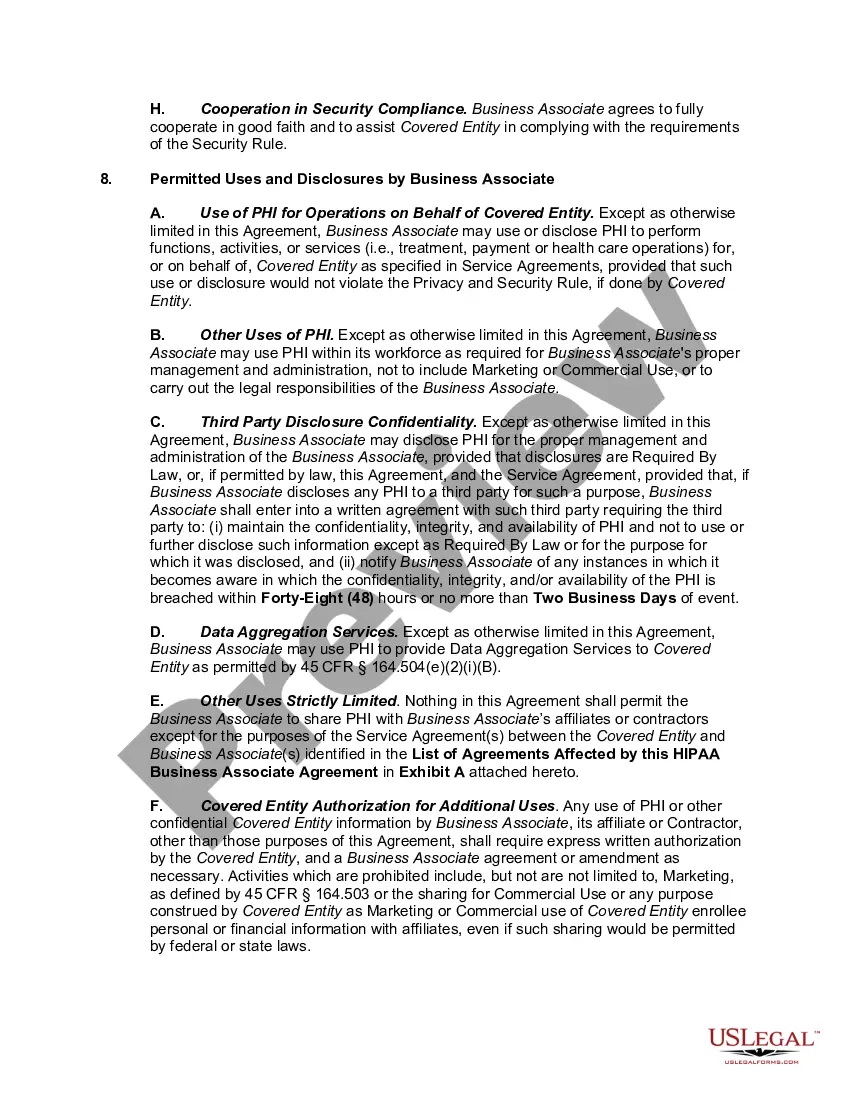

Get your form ready online
Our built-in tools help you complete, sign, share, and store your documents in one place.
Make edits, fill in missing information, and update formatting in US Legal Forms—just like you would in MS Word.
Download a copy, print it, send it by email, or mail it via USPS—whatever works best for your next step.
Sign and collect signatures with our SignNow integration. Send to multiple recipients, set reminders, and more. Go Premium to unlock E-Sign.
If this form requires notarization, complete it online through a secure video call—no need to meet a notary in person or wait for an appointment.
We protect your documents and personal data by following strict security and privacy standards.

Make edits, fill in missing information, and update formatting in US Legal Forms—just like you would in MS Word.

Download a copy, print it, send it by email, or mail it via USPS—whatever works best for your next step.

Sign and collect signatures with our SignNow integration. Send to multiple recipients, set reminders, and more. Go Premium to unlock E-Sign.

If this form requires notarization, complete it online through a secure video call—no need to meet a notary in person or wait for an appointment.

We protect your documents and personal data by following strict security and privacy standards.
Looking for another form?
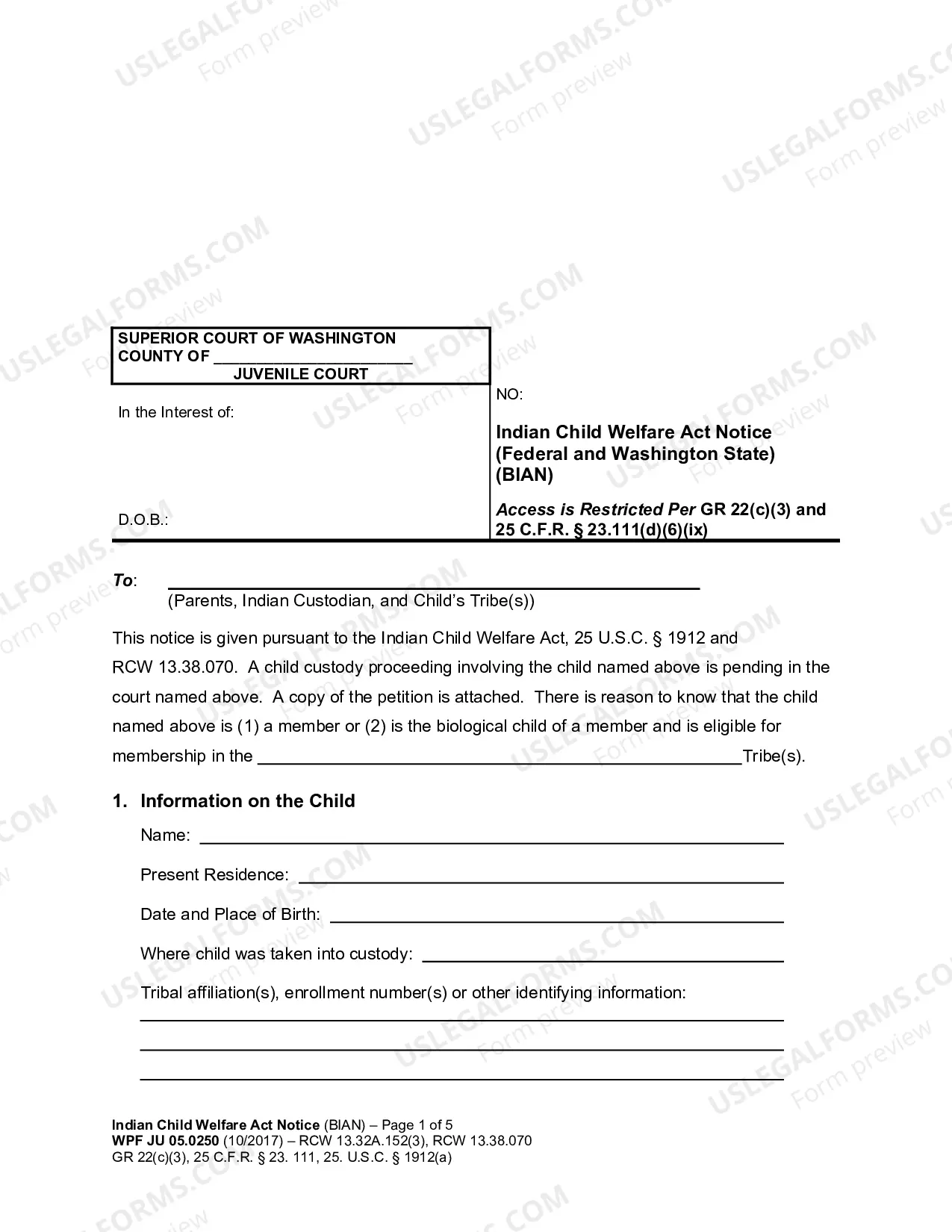
How to fill out HIPAA Business Associates Agreement?
Handling legal documents can be exasperating, even for seasoned professionals.
When you seek a HIPAA Authorization Form for Parents of College Students and cannot find the time to thoroughly search for the correct and updated version, the processes can be onerous.
Tap into a resource library of articles, guides, handbooks, and materials pertinent to your circumstances and necessities.
Save effort and time searching for the documents you require, and leverage US Legal Forms’ enhanced search and Preview feature to obtain the HIPAA Authorization Form for Parents of College Students.
Leverage the US Legal Forms web catalog, backed by 25 years of experience and reliability. Improve your daily document management with a straightforward and user-friendly process today.
- If you have a subscription, Log In to your US Legal Forms account, locate the form, and obtain it.
- Check your My documents tab to review the documents you previously saved and manage your folders as needed.
- If this is your first experience with US Legal Forms, create an account and gain unlimited access to all platform benefits.
- Once you access the form you need, confirm it is the correct one by reviewing it and reading its description.
- Make sure the sample is accepted in your state or county.
- Select Buy Now when you are ready.
- Choose a subscription plan.
- Select the file format you prefer, and Download, complete, eSign, print, and send your documents.
- Access state- or county-specific legal and business documents.
- US Legal Forms meets all your requirements, from personal to business paperwork, all consolidated in one location.
- Utilize advanced tools to complete and manage your HIPAA Authorization Form for Parents of College Students.
Form popularity
FAQ
The HIPAA form for parents is a legal document that allows parents to obtain their adult children's health information. This form ensures that healthcare providers can legally share medical updates and records with parents, fostering better communication in times of need. By using a HIPAA authorization form for parents of college student, you facilitate access to crucial information while ensuring compliance with privacy laws. It’s essential for staying connected and informed.
A medical directive includes a broader scope of healthcare preferences, while a DNR, or Do Not Resuscitate order, specifically addresses resuscitation efforts. The medical directive empowers individuals to specify their desired treatments and interventions, whereas a DNR restricts certain actions in case of cardiac arrest. Both documents can coexist for comprehensive healthcare planning. Consider also a HIPAA authorization form for parents of college student for complete coverage.
The purpose of a medical directive is to convey a person’s healthcare preferences and ensure that their wishes are honored during medical emergencies. This document serves as a guide for healthcare providers and family members when making crucial decisions. It promotes peace of mind knowing that your healthcare desires will be respected. Incorporating a HIPAA authorization form for parents of college student strengthens this communication with your child’s medical team.
Yes, HIPAA applies to college students just like it does to any other individuals when it comes to health information privacy. Once students turn 18, their medical records are protected under HIPAA, and parental access might be restricted. However, utilizing a HIPAA authorization form for parents of college student can provide parents with the necessary permissions to stay informed about their child's medical status. It is a smart choice for proactive communication.
Yes, obtaining a medical power of attorney for your college student can be beneficial. This document designates someone to make healthcare decisions on behalf of your child if they are unable to do so. It fosters ease of communication with medical providers during critical moments. Alternatively, including a HIPAA authorization form for parents of college student can also allow you access to vital health information.
The HIPAA waiver for parents of adult children permits parents to access their child's medical information, which is typically restricted under HIPAA regulations. This waiver enables parents to receive updates about their child’s health status, which can be vital during emergencies. Establishing a HIPAA authorization form for parents of college student is an effective way to grant this permission seamlessly. It ensures that parents stay informed while respecting privacy.
A medical directive for college students is a legal document that allows individuals to express their healthcare wishes, even when they cannot articulate them. This directive provides critical information to medical professionals about the type of care desired. It fosters a transparent decision-making process in times of medical emergencies. A HIPAA authorization form for parents of college student complements this directive by allowing parents access to necessary health information.
A medical directive for a college student outlines instructions for healthcare decisions in case the student is unable to communicate their wishes. This document can provide guidance to healthcare providers and family members about treatment preferences. It is also essential in ensuring that parents or guardians can be informed about the student’s medical conditions. Using a HIPAA authorization form for parents of college student helps facilitate this process.
The student version of HIPAA refers to regulations governing student health information while they are enrolled in college. Institutions often have their own policies regarding access to medical records. Understanding the HIPAA authorization form for parents of college students helps ensure parents stay informed about their child's health information while navigating the complexities of college healthcare.
Yes, HIPAA laws apply to college students, but the level of protection may vary. If a college student is still under parental insurance, parents must understand the HIPAA authorization form for parents of college students for accessing medical records. However, once students reach a certain age or enroll in specific healthcare plans, permissions may change, emphasizing the need for clarity in healthcare rights.