Business Associate Agreement (baa) With Google Cloud
Description
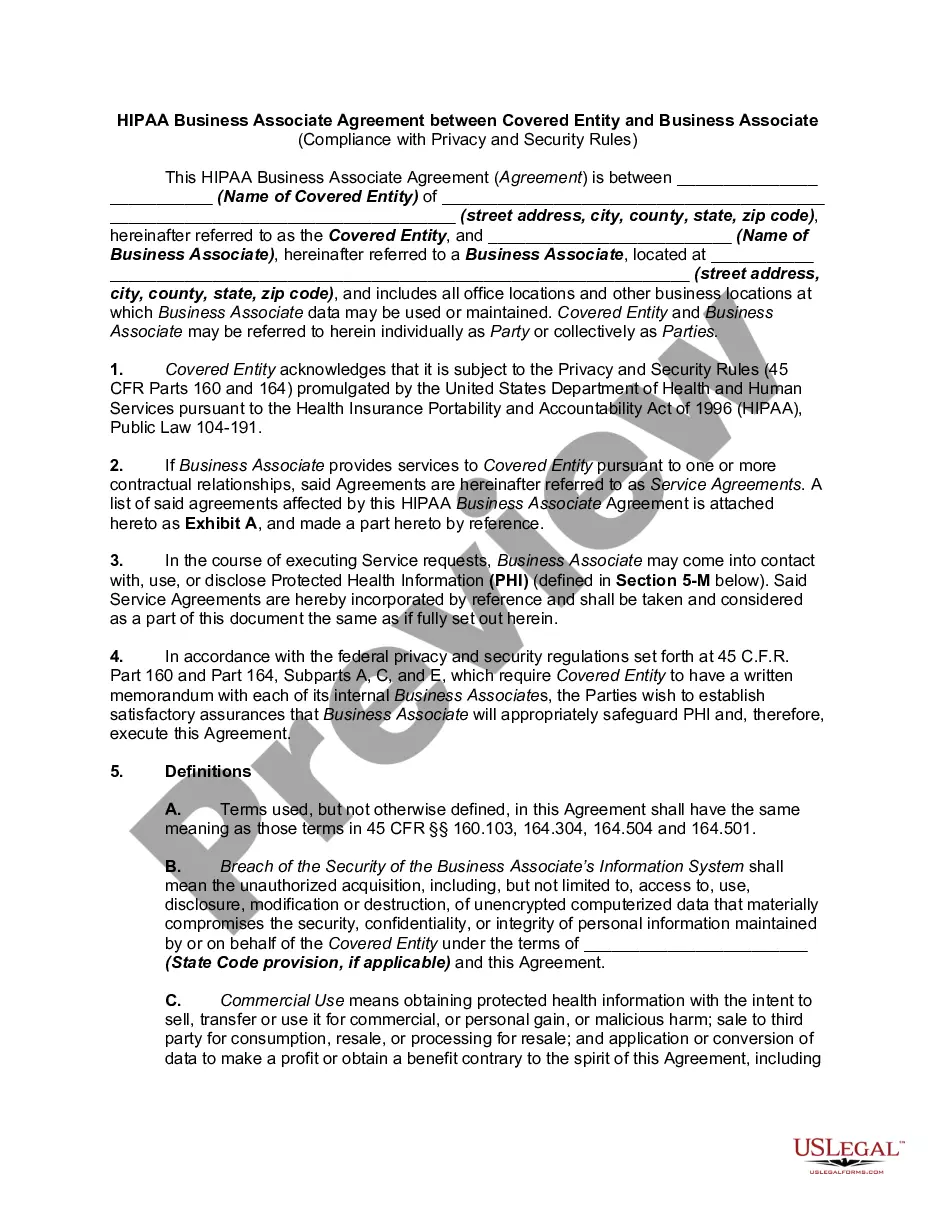
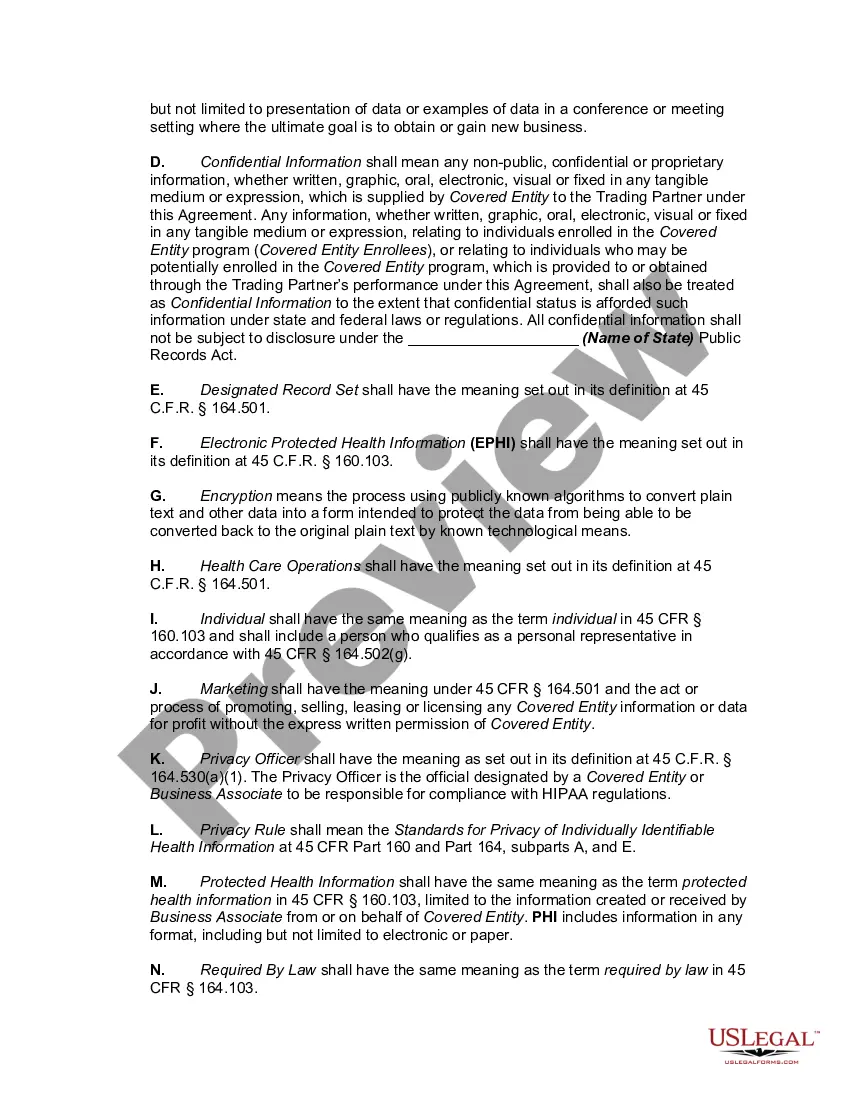
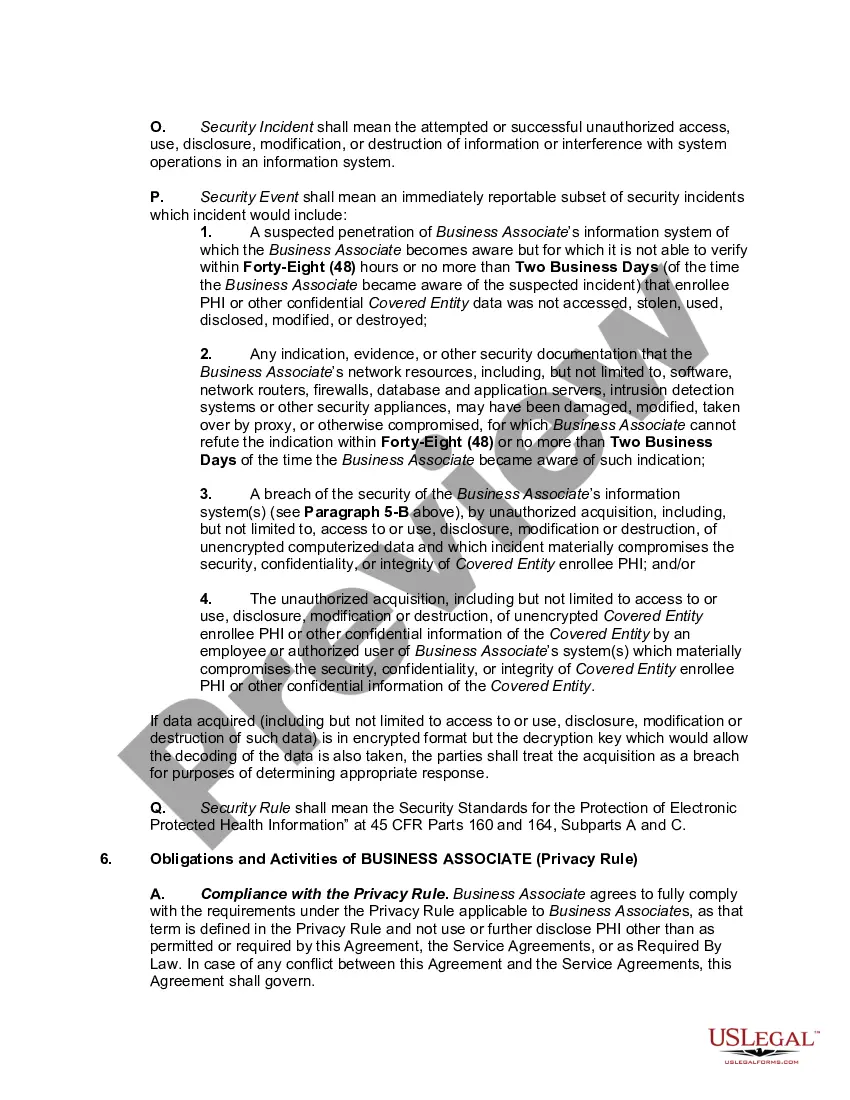
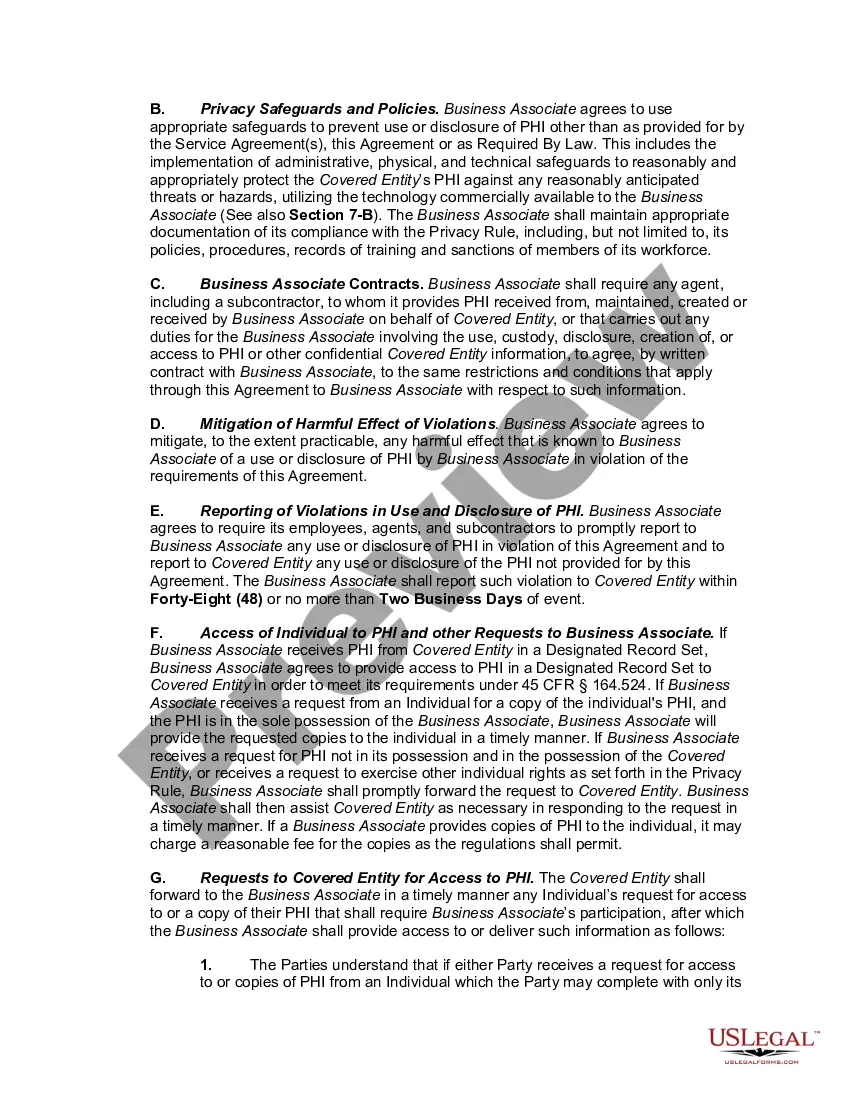
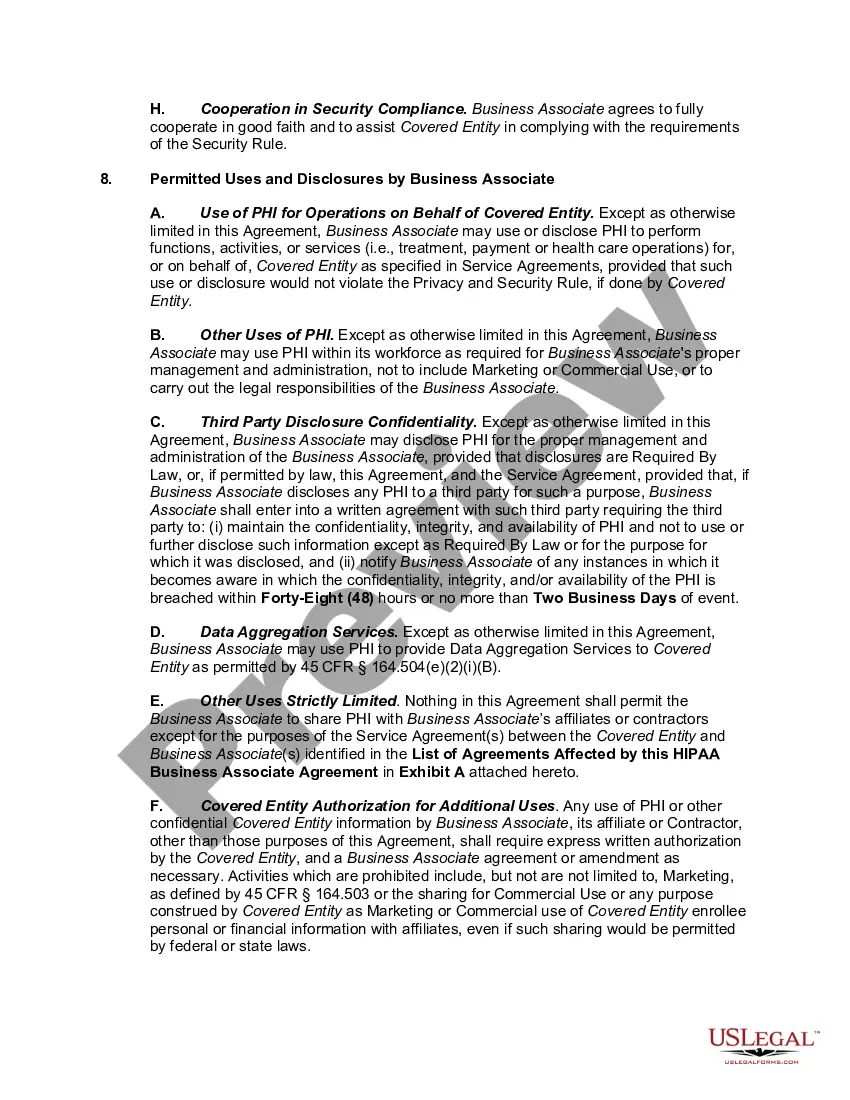

Get your form ready online
Our built-in tools help you complete, sign, share, and store your documents in one place.
Make edits, fill in missing information, and update formatting in US Legal Forms—just like you would in MS Word.
Download a copy, print it, send it by email, or mail it via USPS—whatever works best for your next step.
Sign and collect signatures with our SignNow integration. Send to multiple recipients, set reminders, and more. Go Premium to unlock E-Sign.
If this form requires notarization, complete it online through a secure video call—no need to meet a notary in person or wait for an appointment.
We protect your documents and personal data by following strict security and privacy standards.

Make edits, fill in missing information, and update formatting in US Legal Forms—just like you would in MS Word.

Download a copy, print it, send it by email, or mail it via USPS—whatever works best for your next step.

Sign and collect signatures with our SignNow integration. Send to multiple recipients, set reminders, and more. Go Premium to unlock E-Sign.

If this form requires notarization, complete it online through a secure video call—no need to meet a notary in person or wait for an appointment.

We protect your documents and personal data by following strict security and privacy standards.
Looking for another form?


How to fill out HIPAA Business Associates Agreement?
Engaging with legal paperwork and processes can be a lengthy addition to your schedule.
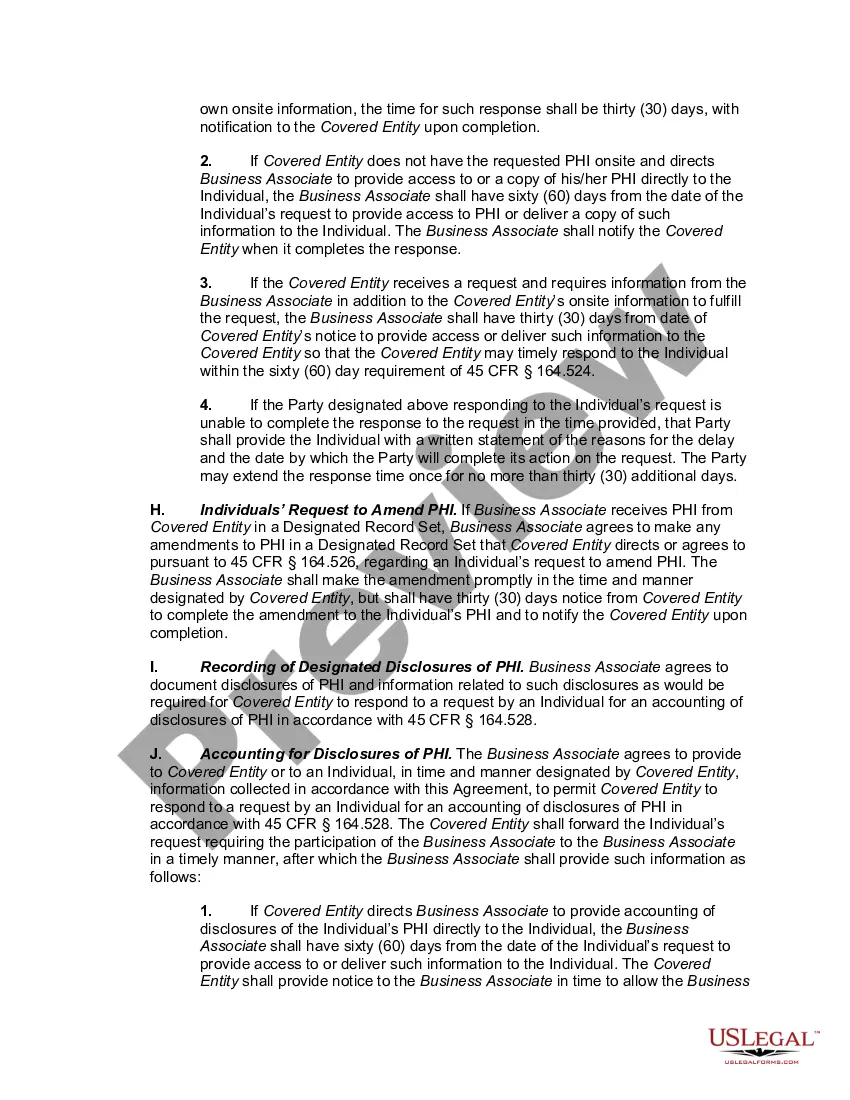
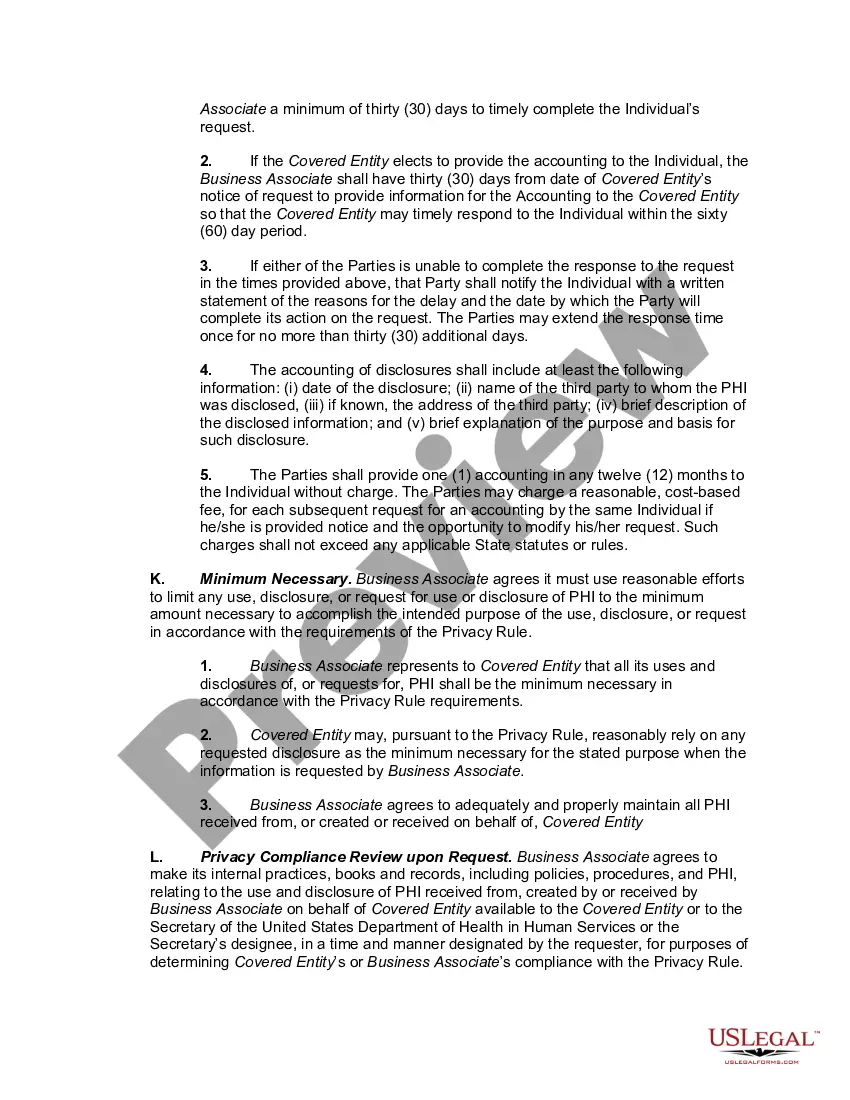
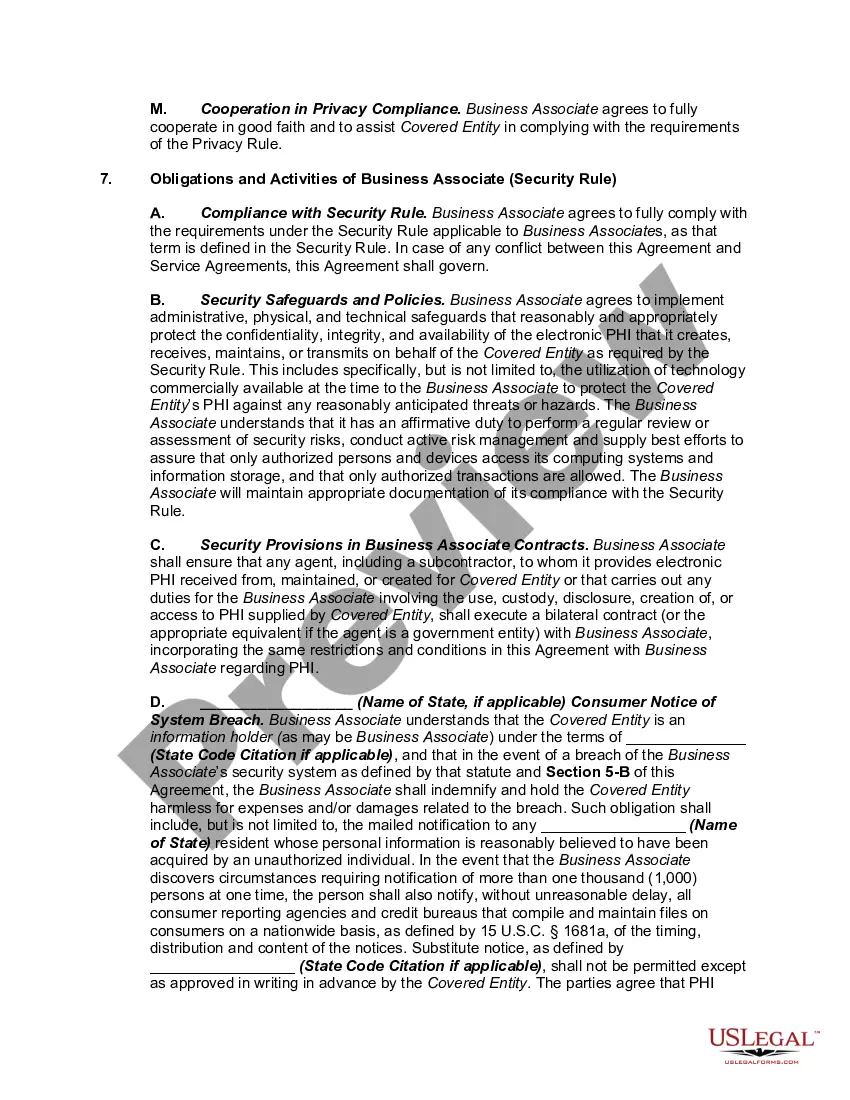
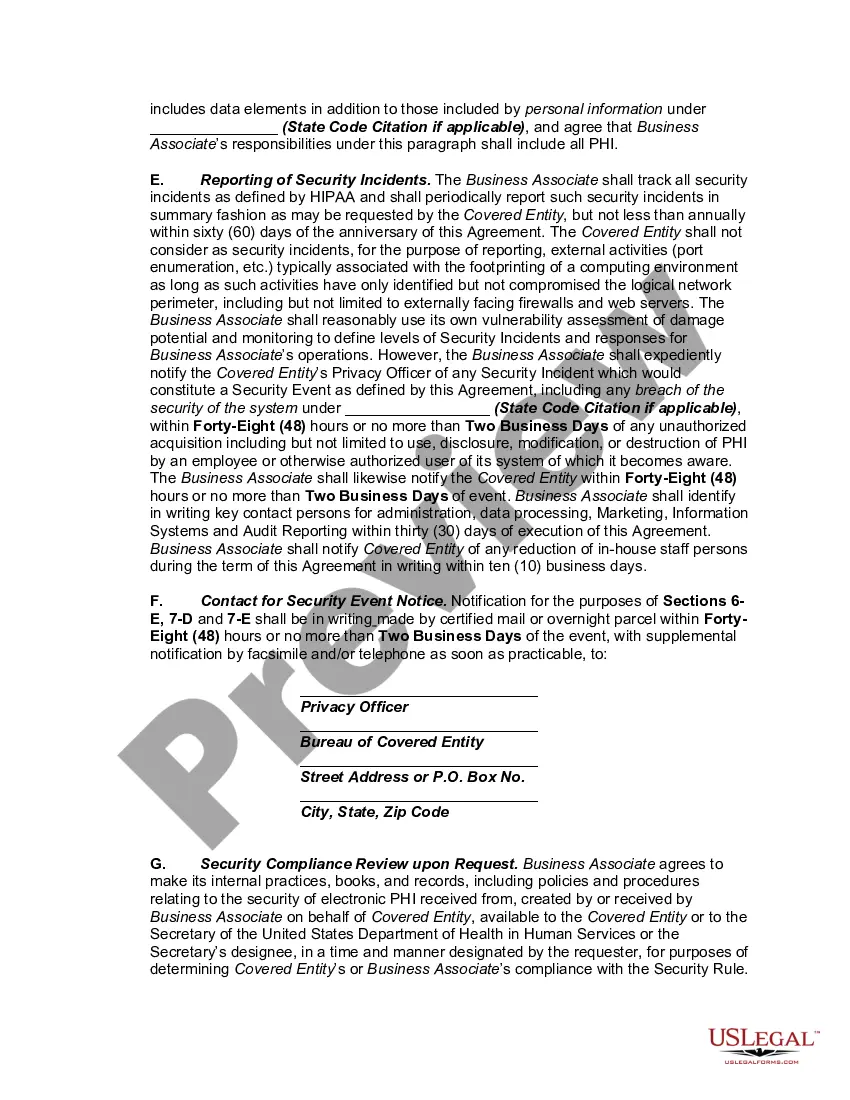
Business Associate Agreement (BAA) With Google Cloud and similar forms usually necessitate that you search for them and comprehend how to fill them out correctly.
Consequently, if you are managing financial, legal, or personal affairs, utilizing a comprehensive and user-friendly online repository of forms when needed will significantly benefit you.
US Legal Forms is the premier online source of legal templates, featuring over 85,000 state-specific forms and various resources to assist you in efficiently completing your documentation.
Is it your initial time using US Legal Forms? Sign up and create your account in just a few minutes, and you’ll gain access to the form library and Business Associate Agreement (BAA) With Google Cloud. After that, follow the steps below to fill out your form.
- Browse the library of pertinent documents available to you with just a single click.
- US Legal Forms provides state- and county-specific forms accessible at any time for download.
- Safeguard your document management practices by utilizing a high-quality service that allows you to generate any form in minutes without additional or concealed fees.
- Simply Log In to your account, find the Business Associate Agreement (BAA) With Google Cloud, and obtain it instantly from the My documents section.
- You can also access previously saved forms.
Form popularity
FAQ
Yes, Google Chat can achieve HIPAA compliance when used alongside a Business Associate Agreement (BAA) with Google Cloud. This agreement outlines the responsibilities for protecting sensitive health data during communication. Utilizing Google Chat under a BAA is a great way to enhance collaboration securely.
Google Voice can be HIPAA compliant if used in conjunction with a Business Associate Agreement (BAA) with Google Cloud. This compliance ensures that sensitive health information remains protected during communication. Organizations must implement best practices to maintain this compliance consistently.
Google Meet is HIPAA compliant when it operates under a Business Associate Agreement (BAA) with Google Cloud. By signing a BAA, organizations can use Google Meet to communicate while ensuring the security of PHI. This allows for effective remote interaction in a compliant manner.
Yes, Google offers a Business Associate Agreement (BAA) for its services, which includes Google Cloud. This BAA guarantees compliance with HIPAA regulations, making it suitable for organizations that handle sensitive health data. Using a BAA with Google ensures that your data management practices align with legal requirements.
Yes, Google Voice can be BAA compliant when utilized appropriately. Users must ensure that their agreement with Google includes the necessary Business Associate Agreement (BAA) with Google Cloud. This compliance helps protect the confidentiality of protected health information (PHI).
Yes, law enforcement can track Google Voice if they have the necessary legal authority. Google may provide user data in response to valid legal requests. Therefore, maintaining privacy while using Google Voice under a Business Associate Agreement (BAA) with Google Cloud is important for compliance.
Any organization that handles Protected Health Information (PHI) as part of a service to a covered entity is required to have a Business Associate Agreement (BAA). This includes vendors, subcontractors, or partners who process or store health data. It’s essential for these business associates to align with HIPAA regulations to protect patient information and avoid penalties, making a platform like USLegalForms a valuable resource to streamline the process of creating and managing BAAs.
Generally, you do not need a Business Associate Agreement (BAA) between two covered entities, as both are directly responsible for the protection of PHI under HIPAA regulations. They are considered equal partners in protecting patient information. However, if any covered entity engages an external service provider for PHI handling, a BAA would then be required with that specific provider.
To establish a Business Associate Agreement (BAA) with Google, start by signing up for Google Workspace or the Google Cloud platform. Once you have access, navigate to the settings to initiate the BAA process. It is advisable to review the agreement terms carefully and consult your legal team to ensure that you meet all regulatory needs while using Google services for handling PHI.
Yes, a business associate can share Protected Health Information (PHI) with another business associate if there is a mutual Business Associate Agreement (BAA) in place. This agreement must specify the permissible uses and disclosures of PHI to ensure compliance with HIPAA regulations. Therefore, to protect patient information, ensure that both business associates understand their responsibilities and the limits of PHI sharing.