Divorce Child Support For Florida
Description
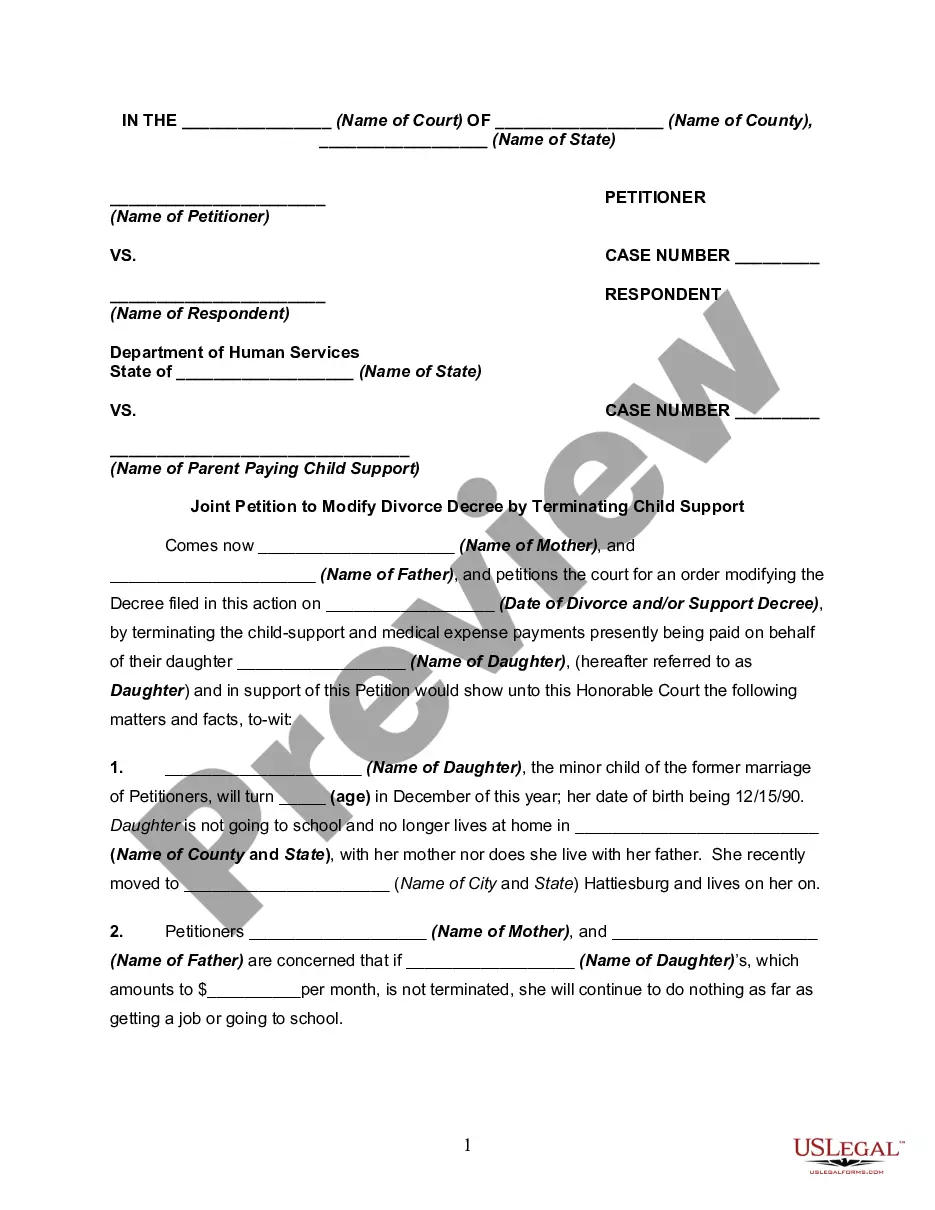
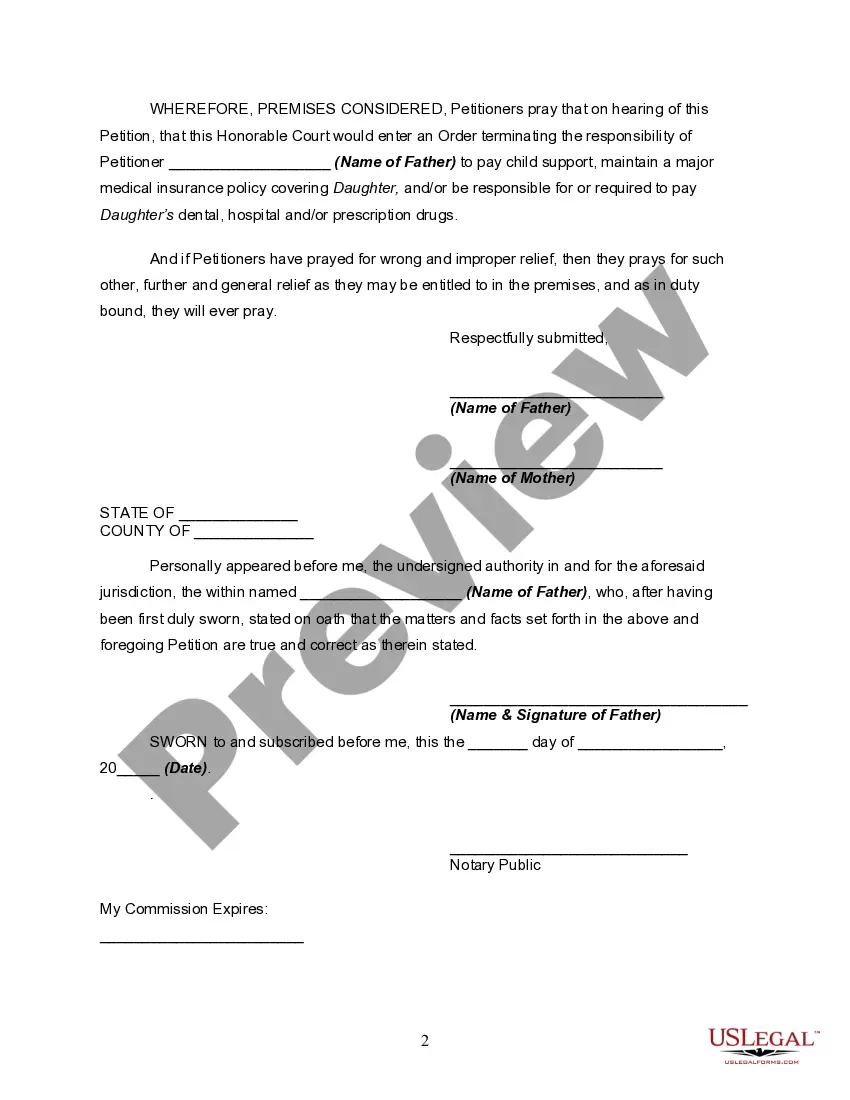
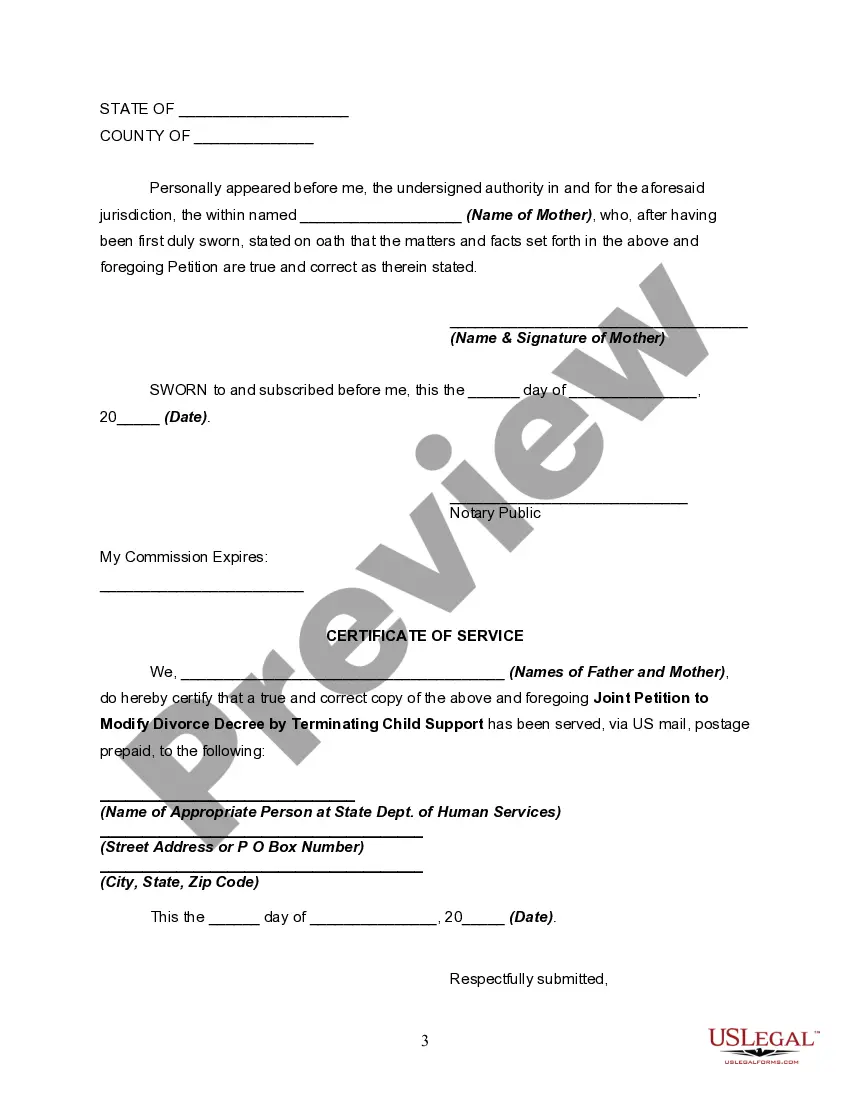

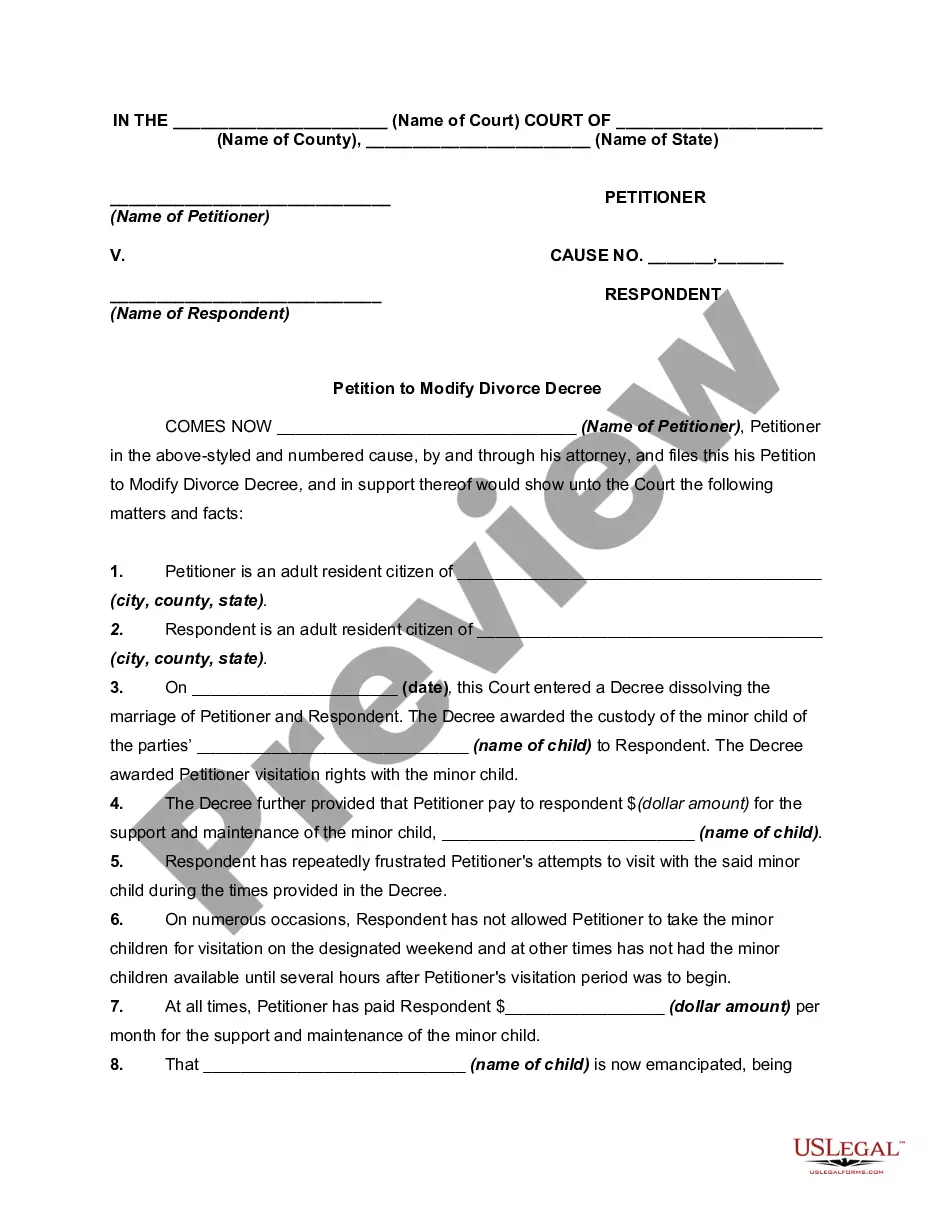
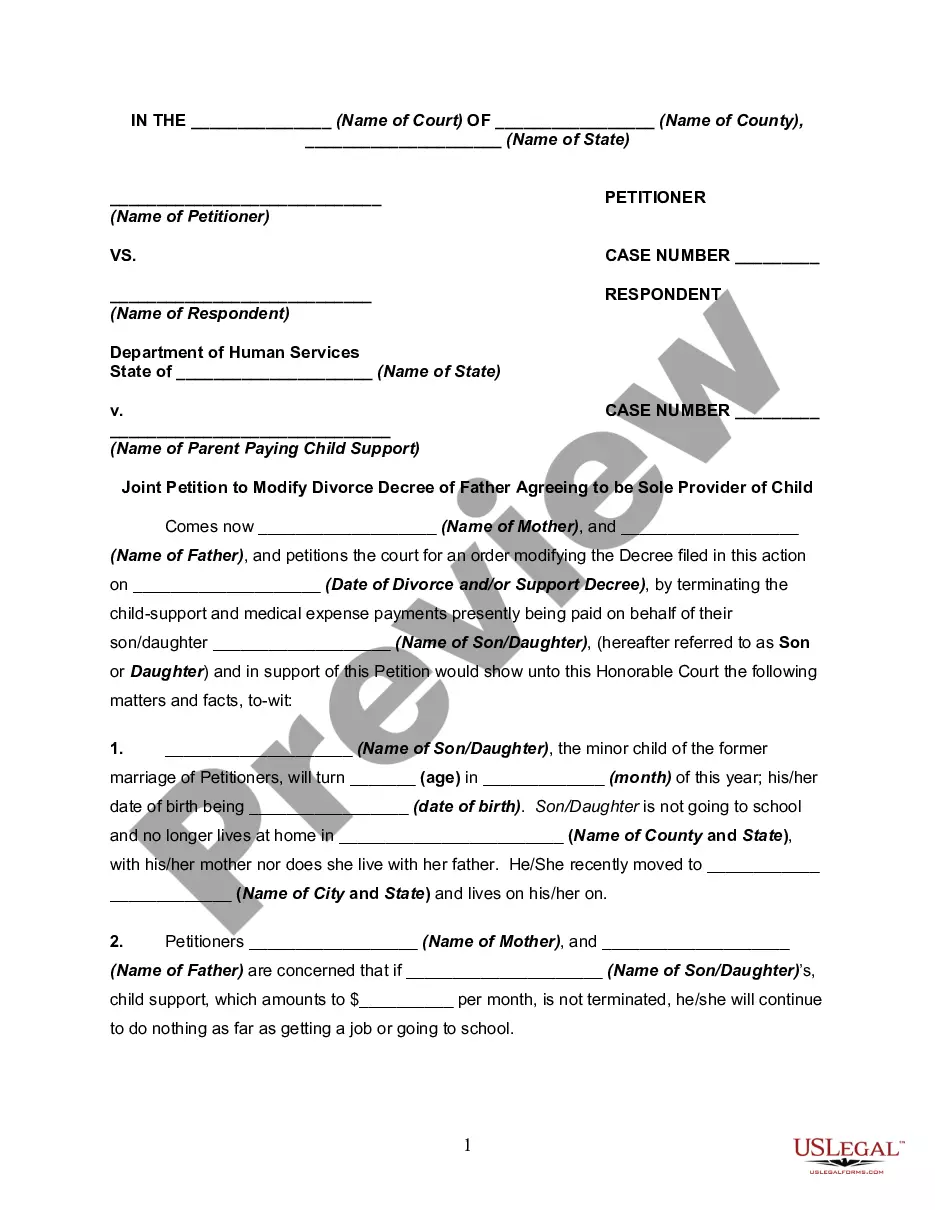
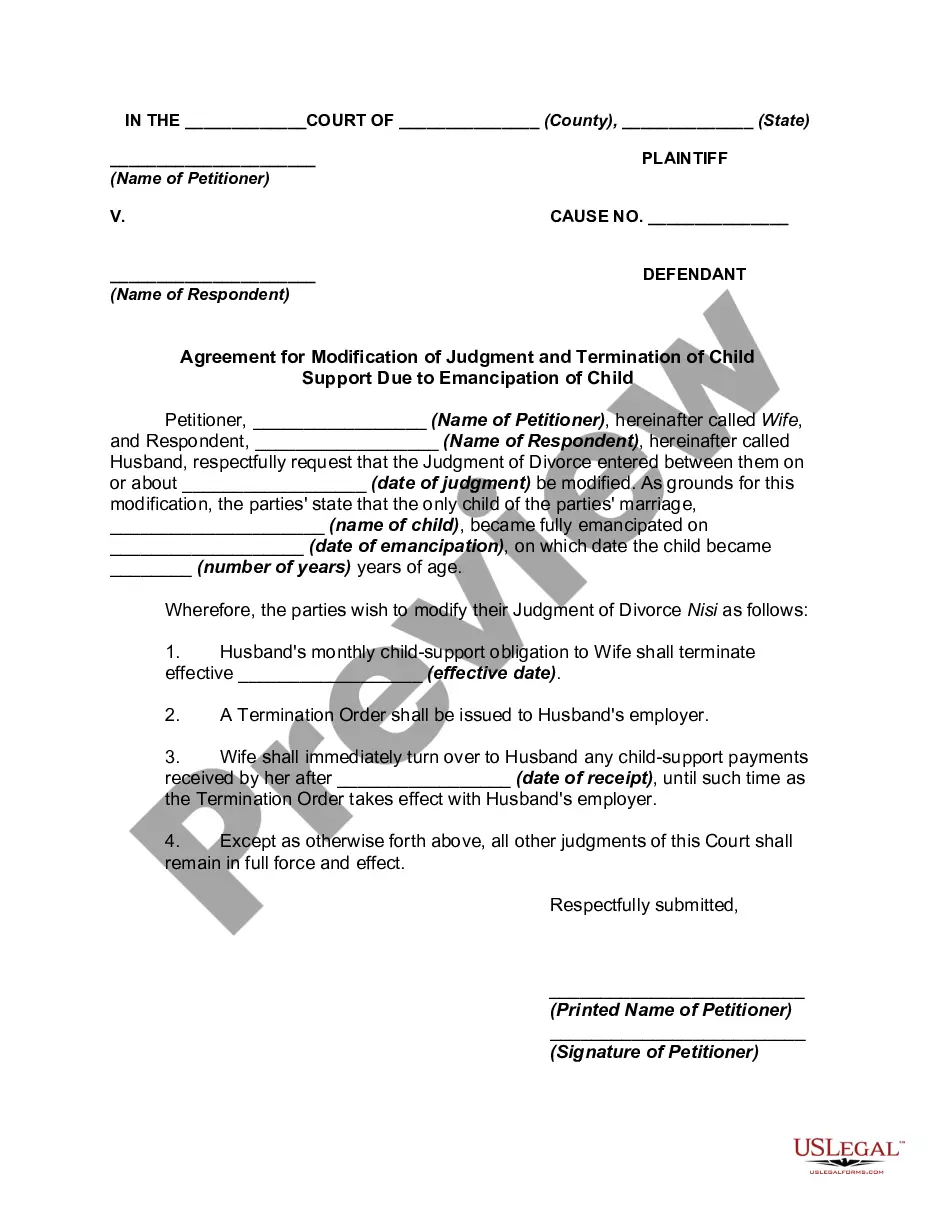
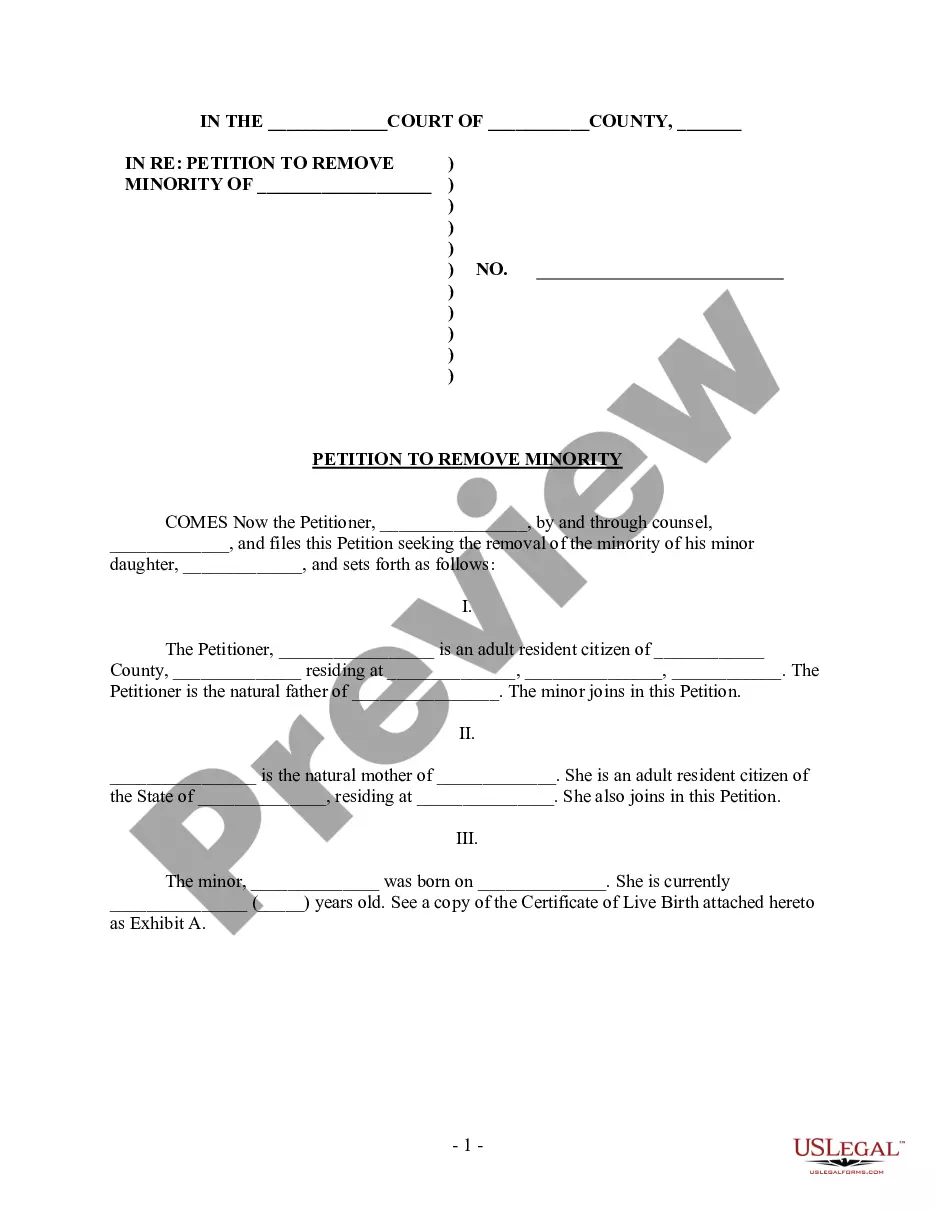




How to fill out Joint Petition To Modify Or Amend Divorce Decree By Terminating Child Support - Minor Left Home, Living Independently, Refuses To Work Or Go To School?
Locating a reliable source for obtaining the latest and suitable legal templates is a significant part of dealing with bureaucracy. Selecting the appropriate legal documents necessitates accuracy and carefulness, which is why it's essential to acquire Divorce Child Support For Florida samples solely from trustworthy providers, such as US Legal Forms. An incorrect template can squander your time and delay your current situation. With US Legal Forms, you have minimal concerns. You can access and review all the information regarding the document’s applicability and significance for your circumstances and within your state or county.
Follow the outlined steps to finalize your Divorce Child Support For Florida.
Eliminate the inconvenience that comes with your legal paperwork. Explore the vast US Legal Forms collection where you can discover legal templates, assess their relevance to your situation, and download them instantly.
- Use the catalog navigation or search bar to find your template.
- Check the form’s description to ensure it meets your state and county requirements.
- View the form preview, if available, to confirm it is indeed the form you require.
- Return to the search to find the correct template if the Divorce Child Support For Florida does not meet your needs.
- If you are confident about the form’s relevance, download it.
- If you are a registered user, click Log in to verify and access your selected forms in My documents.
- If you do not have an account yet, click Buy now to acquire the form.
- Select the pricing option that aligns with your preferences.
- Proceed to the registration to finalize your purchase.
- Complete your purchase by choosing a payment method (credit card or PayPal).
- Choose the document format for downloading Divorce Child Support For Florida.
- Once you have the form on your device, you may modify it using the editor or print it out and fill it in manually.
Form popularity
FAQ
Florida has a table of income levels that determines the amount of child support for a given number of children. The primary figure used to calculate support is the income of both parents. Certain expenses also go into the calculation such as taxes, health insurance, and employment-related daycare costs.
Step 2: Select the number of children involved. Number of ChildrenOneTwoThree5%7.5%9.5%
FLORIDA'S BASIC SUPPORT AMOUNT The basic child support amount for a single child in Florida is $74 where the supporting parent earns a minimum wage/salary of $650.
As per Florida child support guidelines, a parent must pay more than 55 percent of their gross income for child custody purposes to the other parent. If the child spends considerable quality time but less than 20% overnights with one parent, this may reduce the other parent's expenses.
Divide either parent's net income by the combined available income. Multiply the result by 100 to get their percentage of financial responsibility. The remaining percentage is the other parent's responsibility. Example: Jamie divides her net income of $4,000 by $6,400 (the combined net income from Step 2).