Who Is Miller
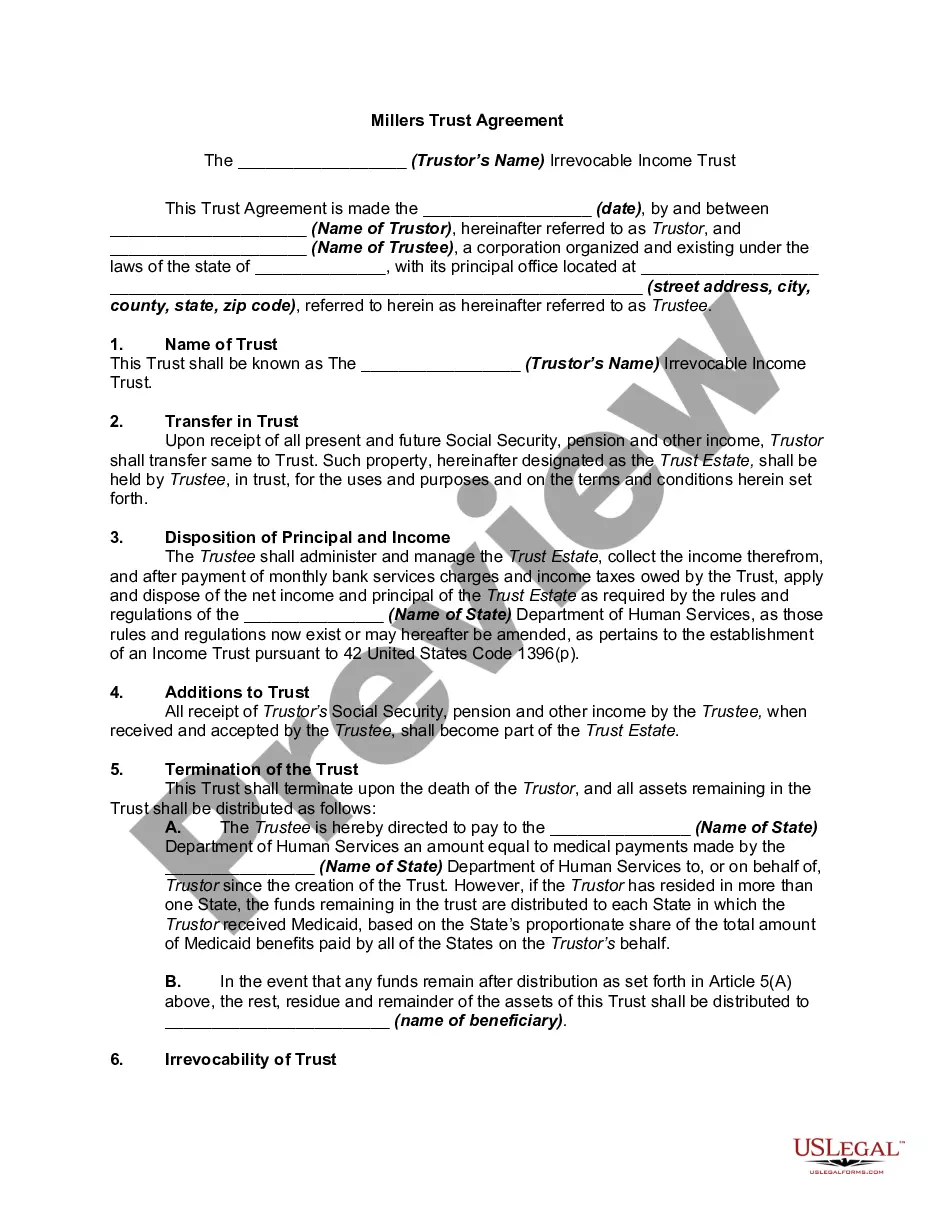
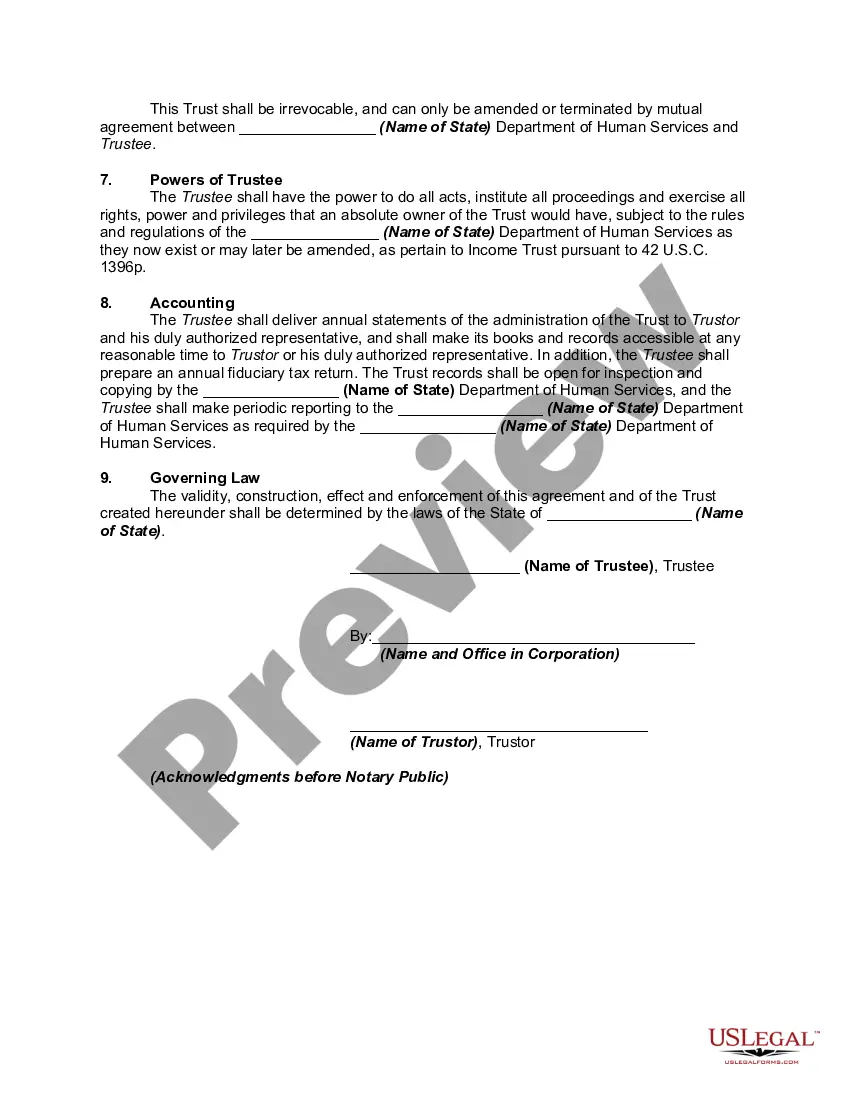
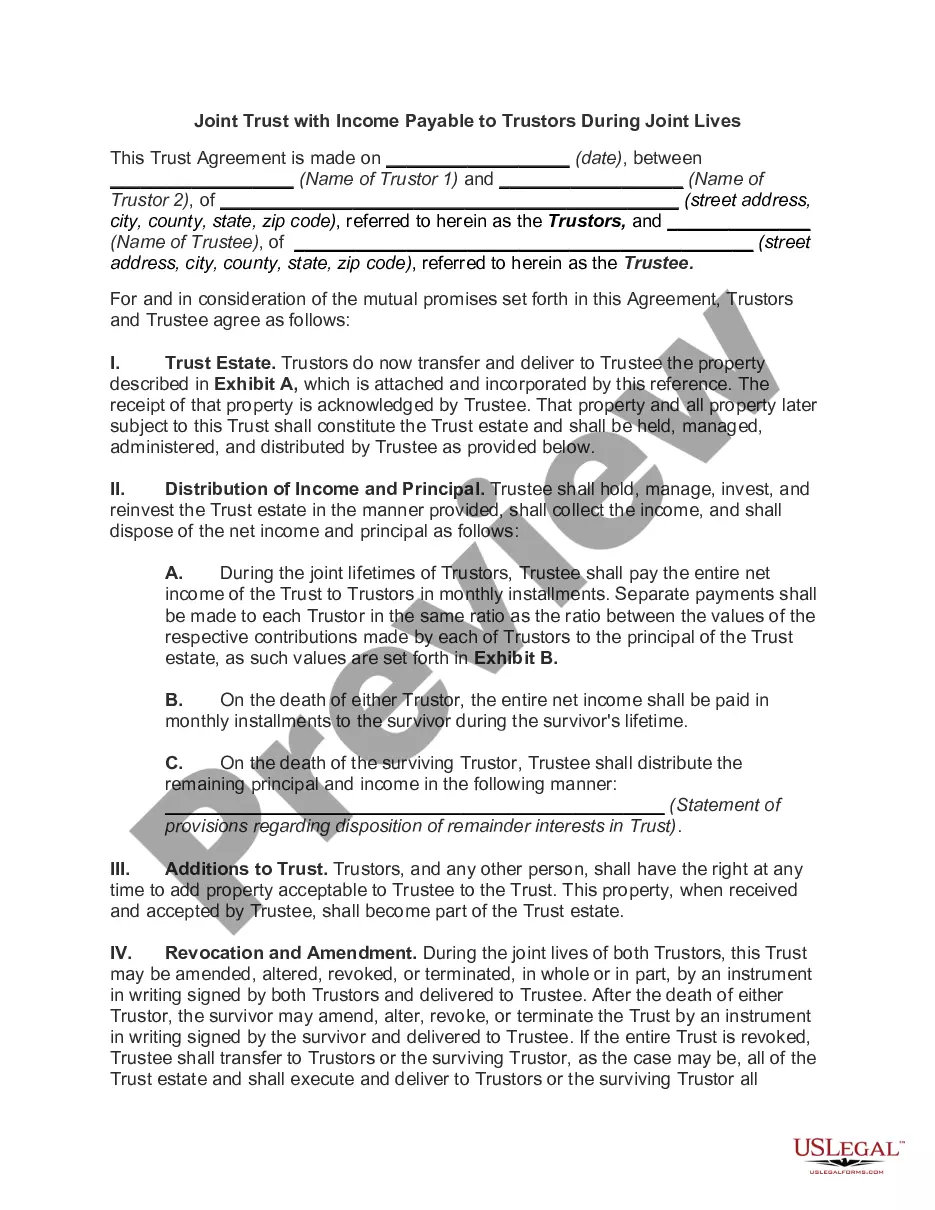
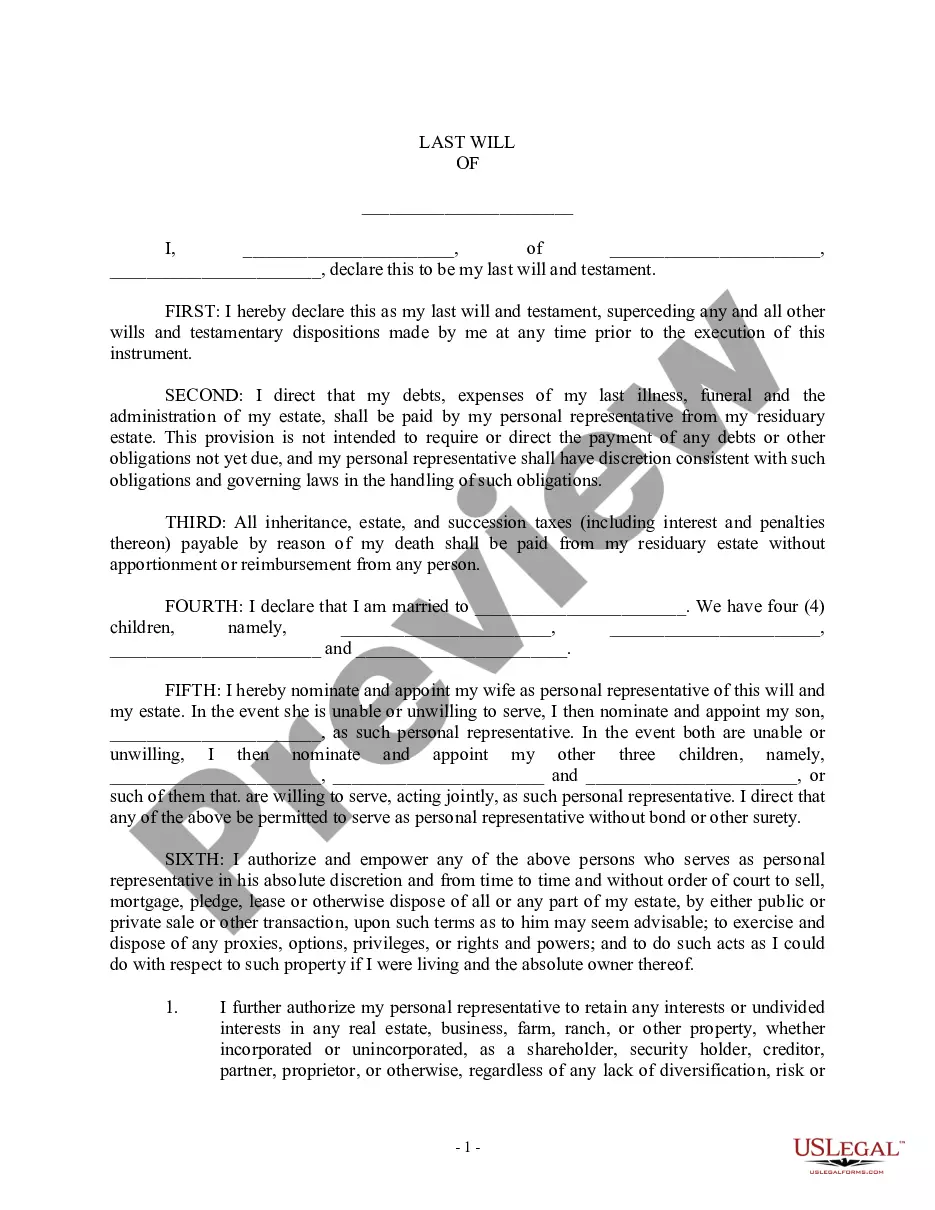
Description
Get your form ready online
Our built-in tools help you complete, sign, share, and store your documents in one place.
Make edits, fill in missing information, and update formatting in US Legal Forms—just like you would in MS Word.
Download a copy, print it, send it by email, or mail it via USPS—whatever works best for your next step.
Sign and collect signatures with our SignNow integration. Send to multiple recipients, set reminders, and more. Go Premium to unlock E-Sign.
If this form requires notarization, complete it online through a secure video call—no need to meet a notary in person or wait for an appointment.
We protect your documents and personal data by following strict security and privacy standards.

Make edits, fill in missing information, and update formatting in US Legal Forms—just like you would in MS Word.

Download a copy, print it, send it by email, or mail it via USPS—whatever works best for your next step.

Sign and collect signatures with our SignNow integration. Send to multiple recipients, set reminders, and more. Go Premium to unlock E-Sign.

If this form requires notarization, complete it online through a secure video call—no need to meet a notary in person or wait for an appointment.

We protect your documents and personal data by following strict security and privacy standards.
Looking for another form?









How to fill out Qualified Income Miller Trust?
- If you are a returning user, log in to your account and select the necessary form template to download it directly to your device. Make sure your subscription is active, and renew if required.
- For first-time users, begin by previewing the available forms. Review the descriptions to ensure the document meets your specific needs and complies with your jurisdiction's regulations.
- If you find a form that doesn't suit you, utilize the Search feature to discover alternatives. Once you identify the right document, proceed to the next step.
- Purchase the desired document by clicking the 'Buy Now' button and selecting your preferred subscription plan. You will need to create an account to gain access to the extensive library.
- Complete your transaction by entering your credit card information or using PayPal to finalize your subscription.
- Download the completed form for your records. You can always access this document later in the My Forms section of your profile.
By providing one of the largest collections of legal forms available today, US Legal Forms not only saves you time but also ensures that you have the support of premium experts for guidance in completing these documents correctly.
Leverage the power of US Legal Forms to simplify your legal document needs. Start your journey today!
Form popularity
FAQ
A Miller trust for Medicaid is designed to help individuals qualify for Medicaid despite having higher income levels. By routing excess income into this trust, you can effectively meet the program's strict financial eligibility criteria. This trust not only safeguards your assets but also enables access to critical health care services.
In Florida, a Miller trust, also known as a qualified income trust, serves to manage excess income for Medicaid applicants. This type of trust allows individuals to set aside income to meet Medicaid eligibility requirements, thereby protecting their assets. It is a vital tool for those seeking long-term care while preserving their financial resources.
While it's possible to set up a Miller trust without a lawyer, seeking professional guidance is often advisable to navigate complex legalities. A lawyer can help ensure that the trust is properly structured according to state laws, like those in Florida. At US Legal Forms, you can find user-friendly resources to aid both your DIY efforts and provide access to legal professionals.
You might need a Miller trust if you are facing high medical costs but do not qualify for Medicaid due to excess income. By creating this trust, you can ensure that your income is properly managed and legal requirements are met for Medicaid eligibility. Addressing these concerns early on can lead to better financial security and access to care.
In Florida, a Miller trust helps those with excess income to become eligible for Medicaid. The income directed into the trust remains accessible for certain expenses, such as medical bills. This trust effectively allows individuals to safeguard their financial resources while receiving necessary medical support.
Yes, a qualified income trust, or Miller trust, generally requires an Employer Identification Number (EIN) for tax purposes. This number allows the trust to be recognized as a separate entity for income tax reporting. Always consult with a tax professional or use resources from US Legal Forms to ensure compliance.
The key benefit of a Miller trust lies in its ability to allow individuals to qualify for Medicaid while maintaining a reasonable income. By placing income into this trust, you can meet Medicaid eligibility requirements without losing essential benefits. This is particularly relevant when discussing financial planning for long-term care.
To set up a Miller's trust, you need to create a written agreement that outlines the terms of the trust. This often involves appointing a trustee who will manage the trust funds. At US Legal Forms, you can find templates and guidance to assist you in this process, ensuring that you follow the legal requirements specific to your state.
The Miller Act primarily protects subcontractors and suppliers working on federal projects. It ensures they receive payment for their services and materials provided, which is crucial for the industry's health. This protection ultimately fosters a more reliable and fair contracting environment. Understanding who is Miller helps appreciate the breadth of protections available under this Act.
A performance bond serves to protect the project owner against potential losses if the contractor fails to fulfill their obligations. This bond ensures that the project will be completed as per the contract terms. It not only safeguards the owner's investment but also helps maintain trust in the construction process. Understanding who is Miller in relation to performance bonds enables better risk management.